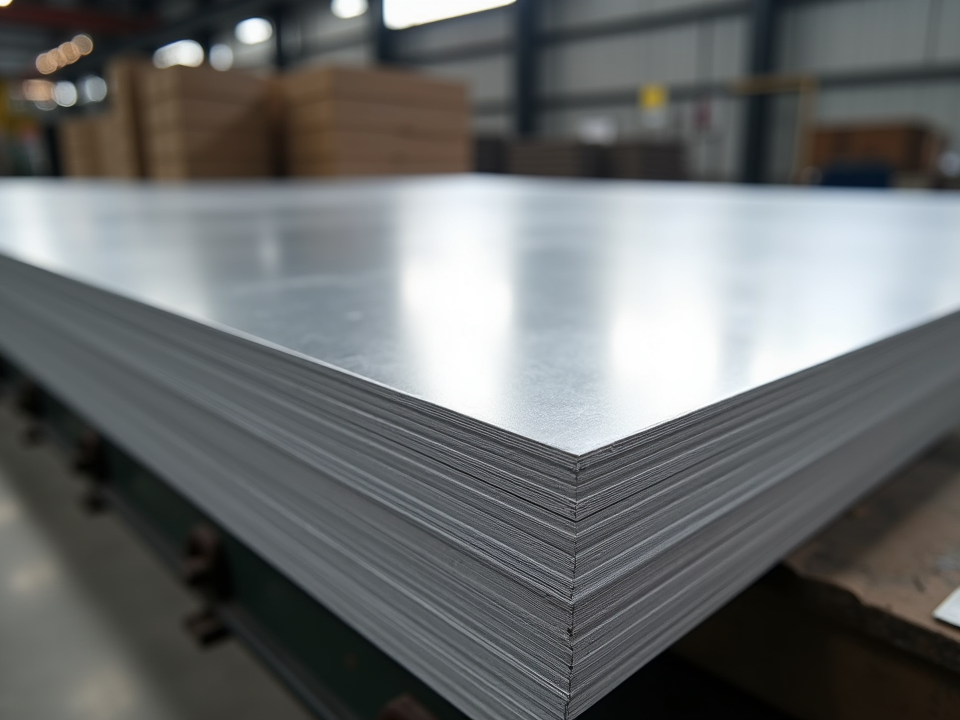
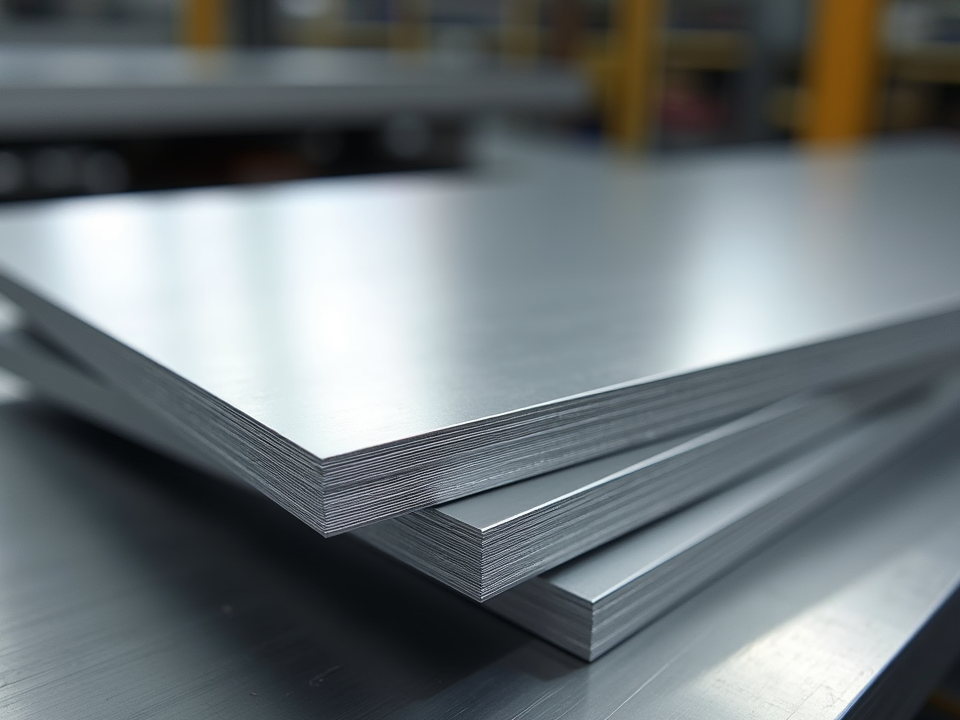
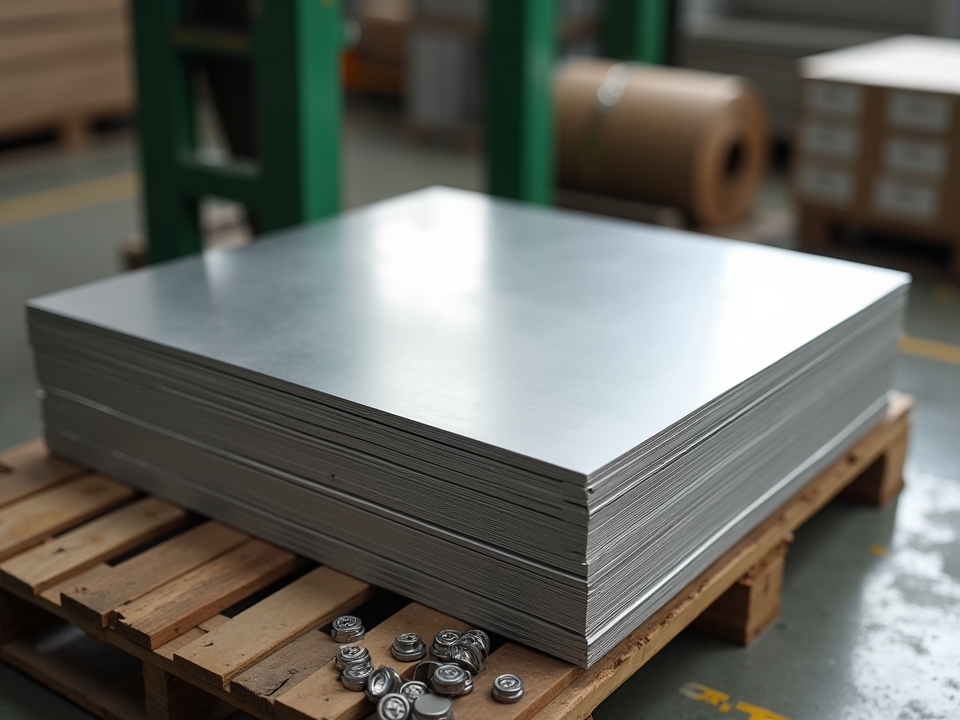
CC Aluminum Sheet for Bottle Closures
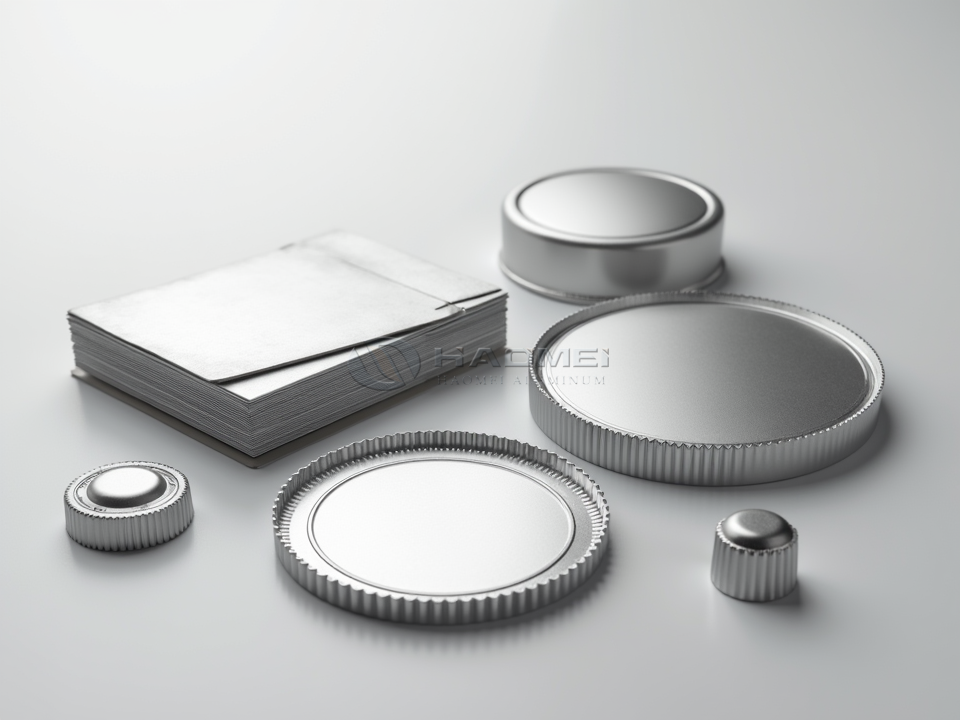
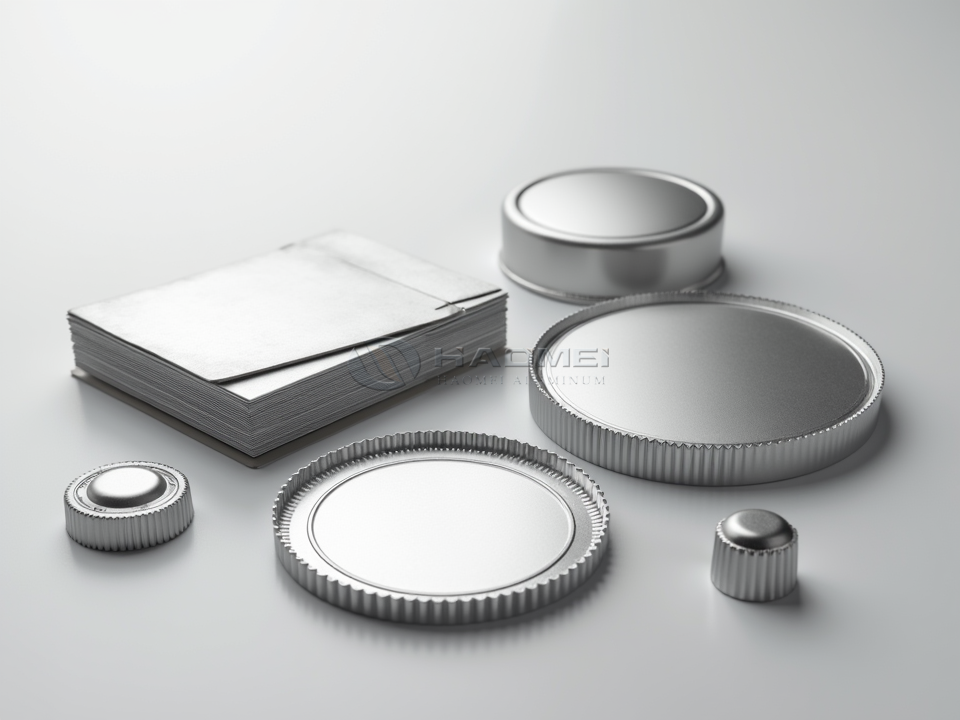
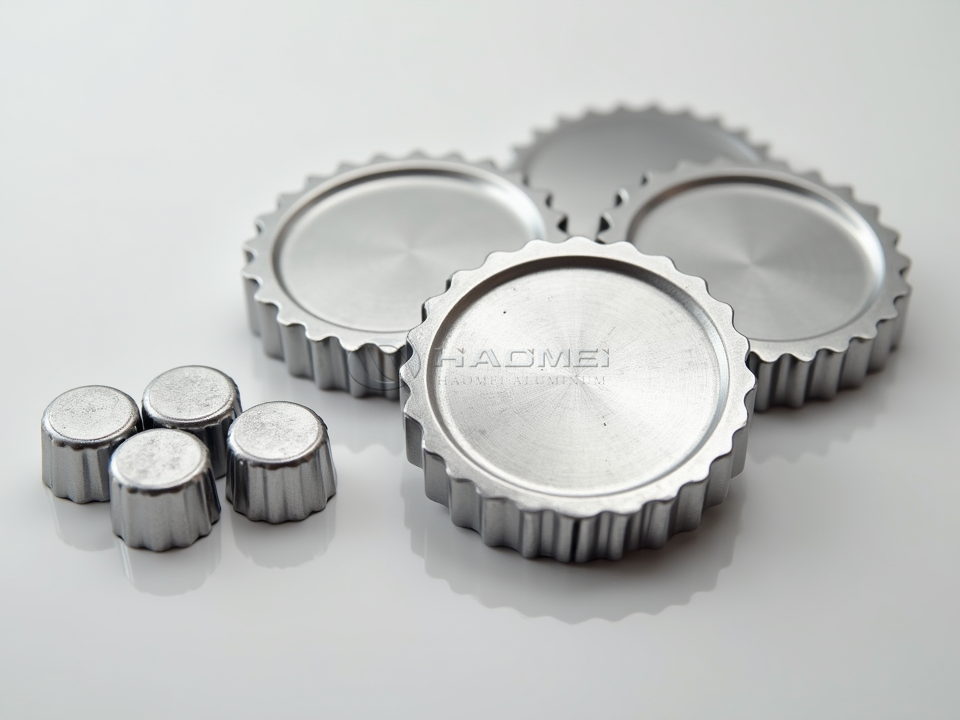
CC aluminum sheet for bottle closures is a continuous-cast aluminum product designed for the demanding conversion of flat sheet into bottle caps, screw caps, ROPP closures, pilfer-proof caps, and beverage closures. It combines controlled chemical composition, fine surface quality, stable mechanical properties, and dependable deep-drawing behavior to support high-speed cap-making lines.
Compared with general-purpose aluminum sheet, closure stock must perform consistently during blanking, drawing, curling, knurling, thread rolling, coating, printing, and sealing. A small variation in thickness, temper, surface cleanliness, or earing behavior can affect cap geometry and production efficiency. CC aluminum sheet is engineered to provide a practical balance of strength and ductility for these operations.
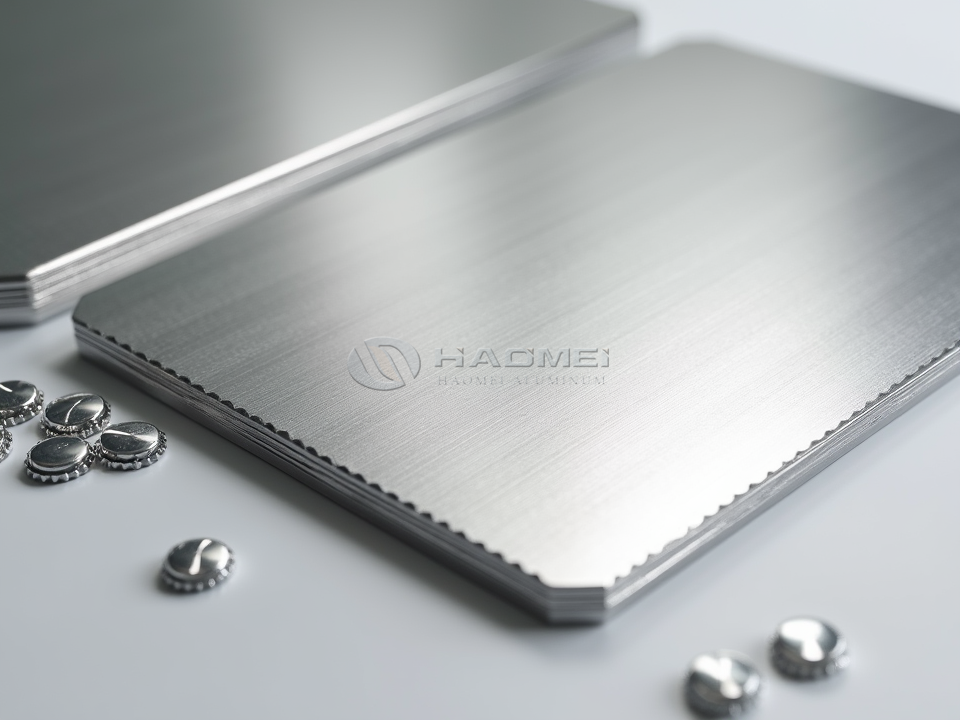
Why Continuous-Cast Aluminum Is Well Suited to Closures
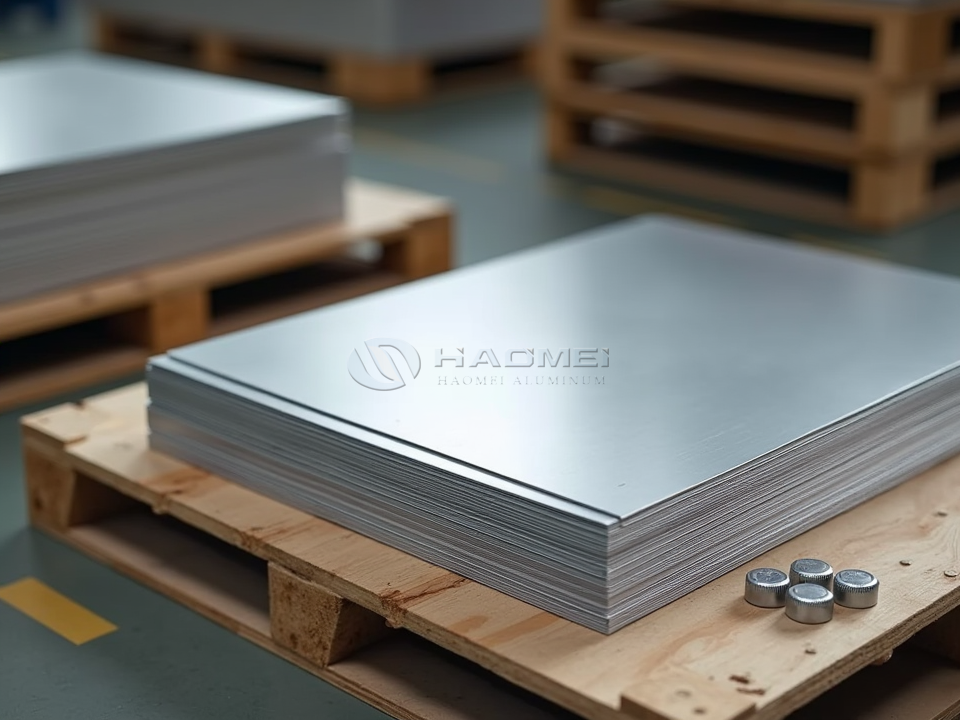
Continuous casting produces aluminum coil through a direct route that integrates solidification and rolling. For bottle-closure production, this route offers economical supply, consistent coil quality, and flexible alloy selection. The sheet can be further cold rolled, annealed, slit, and surface treated to meet the requirements of different closure designs.
The material is especially valued for its low weight, natural corrosion resistance, attractive metallic appearance, and excellent recyclability. Aluminum closures protect product quality while creating a premium package appearance for beverages, wine, spirits, edible oils, pharmaceuticals, cosmetics, and household products.
For broader cap-stock options, customers may also consider our Aluminum Closure Sheet range, which covers multiple alloys, tempers, surface finishes, and closure applications.
Main Product Features
| Feature | Performance Value for Closure Production |
|---|---|
| Formability | Supports drawing, redrawing, curling, knurling, and thread forming with reduced cracking risk |
| Surface quality | Clean, smooth surface helps coating adhesion and high-definition printing |
| Thickness consistency | Supports stable cap height, skirt profile, and material distribution |
| Strength-to-weight ratio | Creates light closures with sufficient resistance to handling and transport loads |
| Corrosion resistance | Helps protect the closure during storage, filling, and use in humid environments |
| Recyclability | Aluminum can be recycled repeatedly, supporting circular packaging programs |
| Coil flatness | Promotes reliable feeding, blanking accuracy, and lower line interruption risk |
A properly selected temper is essential. Softer tempers provide more drawing latitude for deep or complex caps, while medium-hard tempers improve dent resistance and shape retention. The optimum condition depends on cap diameter, skirt depth, thread design, decoration process, liner system, and conversion equipment.
Common Alloys and Chemical Composition
Alloys in the 1xxx, 3xxx, and 8xxx series are commonly used for closure stock. Alloy 8011 is widely selected for its favorable processing behavior and surface performance. Alloy 3105 offers increased strength and is suitable where improved rigidity is required. Exact chemistry should be confirmed against the applicable standard and customer specification.
| Alloy | Si | Fe | Cu | Mn | Mg | Zn | Ti | Al |
|---|---|---|---|---|---|---|---|---|
| 8011 | 0.50-0.90% | 0.60-1.00% | 0.10% max | 0.20% max | 0.05% max | 0.10% max | 0.08% max | Balance |
| 3105 | 0.60% max | 0.70% max | 0.30% max | 0.30-0.80% | 0.20-0.80% | 0.40% max | 0.10% max | Balance |
| 1050 | 0.25% max | 0.40% max | 0.05% max | 0.05% max | 0.05% max | 0.05% max | 0.03% max | 99.50% min |
The controlled levels of iron, silicon, manganese, and magnesium influence grain structure, strength, elongation, and rolling behavior. Closure stock chemistry is designed not only for mechanical performance but also for a smooth, uniform appearance after coating or lithographic printing.
Technical Specifications
| Parameter | Typical Supply Range | Customer Benefit |
|---|---|---|
| Alloy | 1050, 1060, 1070, 3004, 3104, 3105, 8011 | Matches strength and forming needs |
| Temper | O, H14, H16, H18 | Supports different cap geometries and tooling conditions |
| Thickness | 0.15-0.30 mm | Suitable for common bottle-cap and ROPP applications |
| Width | 300-1,300 mm | Supports efficient slitting and blanking layouts |
| Coil inner diameter | 150 mm, 300 mm, 505 mm, or customized | Compatible with customer uncoiling equipment |
| Coil outer diameter | Up to approximately 2,000 mm | Supports long production runs |
| Surface | Mill finish, degreased, pre-treated, lacquered, printed | Ready for downstream decoration and protection |
| Edge condition | Mill edge or trimmed edge | Helps meet slitting and stamping requirements |
| Flatness | Controlled for closure conversion | Improves feed stability and blanking precision |
Dimensions and tolerances can be tailored to the cap press, die design, coating line, and shipment format. For example, narrow slit coils can simplify feeding for dedicated closure presses, while wide master coils can improve material yield for large-scale converters.
Mechanical Properties and Forming Performance
| Alloy and Temper | Tensile Strength | Yield Strength | Elongation | Typical Closure Use |
|---|---|---|---|---|
| 8011 O | 85-115 MPa | 30 MPa min | 20% min | Deep-drawn and highly formed caps |
| 8011 H14 | 125-155 MPa | 100 MPa min | 5% min | General screw caps and closures |
| 8011 H16 | 145-175 MPa | 125 MPa min | 3% min | Rigid caps requiring improved dent resistance |
| 3105 H14 | 135-170 MPa | 110 MPa min | 4% min | Beverage and threaded closures |
| 3105 H16 | 155-190 MPa | 135 MPa min | 2% min | Higher-strength bottle closure designs |
Values are representative and may vary by thickness, coil width, production route, and applicable delivery standard. Material selection should consider the complete conversion route rather than tensile strength alone. Elongation, grain uniformity, earing control, and surface lubricity all influence the final cap quality.
Surface Condition and Decoration Compatibility
Bottle closures are frequently exposed to printing, varnishing, embossing, and food-contact lacquer systems. CC aluminum sheet can be supplied with a clean mill surface or prepared for coating operations. A controlled surface supports uniform wetting, strong coating adhesion, crisp color development, and reduced risk of cosmetic defects.
Common surface options include:
- Degreased sheet for coating and printing lines
- Chromate-free or conversion-coated surfaces where specified
- Clear, gold, white, or colored lacquer finishes
- Lithographic printing for brand graphics and promotional designs
- Protective varnish systems for transport and handling resistance
For decorated packaging programs, Printed Aluminum Closure Sheet can provide a finished visual surface suited to branded caps and premium retail presentation.
Applications Across Packaging Markets
| Application | Closure Requirement | Suitable Material Direction |
|---|---|---|
| Wine and spirits | Threaded ROPP caps, premium graphics, tamper evidence | 8011 H14/H16, 3105 H14 |
| Beer and beverages | Lightweight caps with stable shape and coating quality | 3105 H14/H16, 8011 H16 |
| Mineral water | High-volume screw caps and efficient forming | 8011 H14, 3105 H14 |
| Edible oil | Corrosion resistance and dependable sealing | 8011 H14, 3105 H14 |
| Pharmaceutical bottles | Clean appearance, controlled dimensions, liner compatibility | 8011 O/H14 |
| Cosmetic packaging | Decorative finish, embossing potential, premium feel | 8011 H14, 3105 H14 |
| Household products | Functional closures with cost-efficient processing | 8011 H14/H16 |
Benefits for Closure Converters and Brand Owners
CC aluminum sheet helps converters maintain efficient production through stable coil feeding, repeatable stamping behavior, and dependable surface condition. Reduced variation can lower scrap rates, minimize tool adjustments, and support a more consistent finished-cap appearance.
For brand owners, aluminum closures offer a clean, modern package finish that can be printed, colored, embossed, or lacquered to reinforce product identity. The metal barrier, corrosion resistance, and compatibility with suitable liner systems help support product protection and consumer confidence.
Aluminum also contributes to lightweight packaging strategies. Its high recycling value encourages collection and recovery, while its low mass can help reduce transportation weight compared with heavier closure materials.
Material Selection Considerations
The best CC aluminum sheet for bottle closures depends on cap design and processing conditions. Important factors include closure diameter, shell depth, thread profile, opening torque target, coating type, liner specification, decorating method, and speed of the conversion line. A material trial is recommended for new cap geometries or demanding forming sequences.
A well-matched alloy and temper delivers more than a finished cap. It supports smooth manufacturing, reliable sealing performance, attractive decoration, and a durable consumer packaging experience.