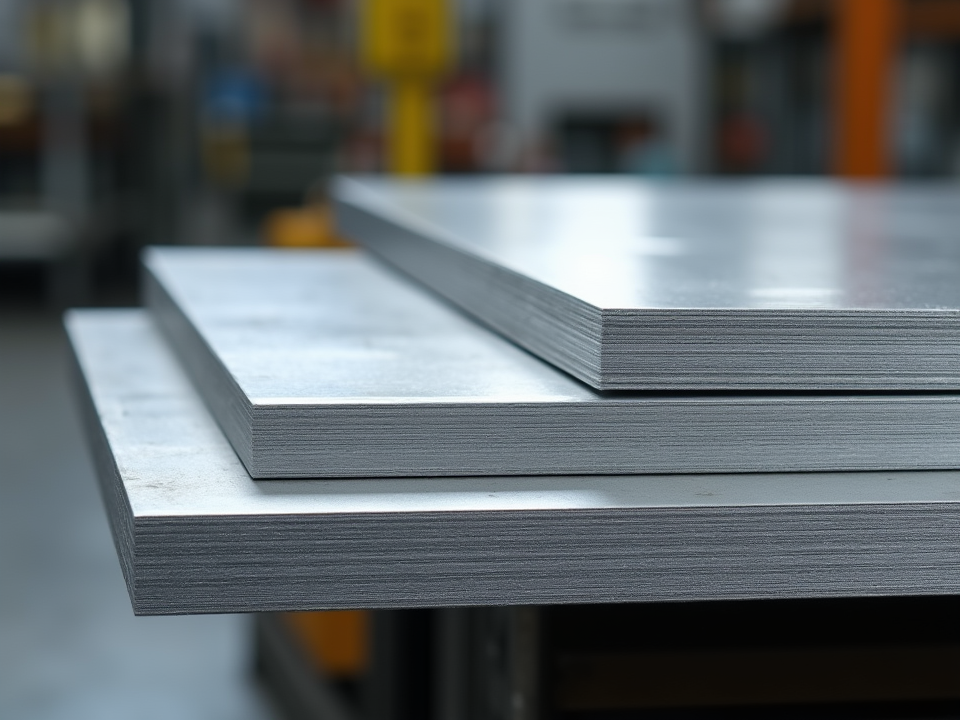
Medicine Cap Aluminum Foil Sheet
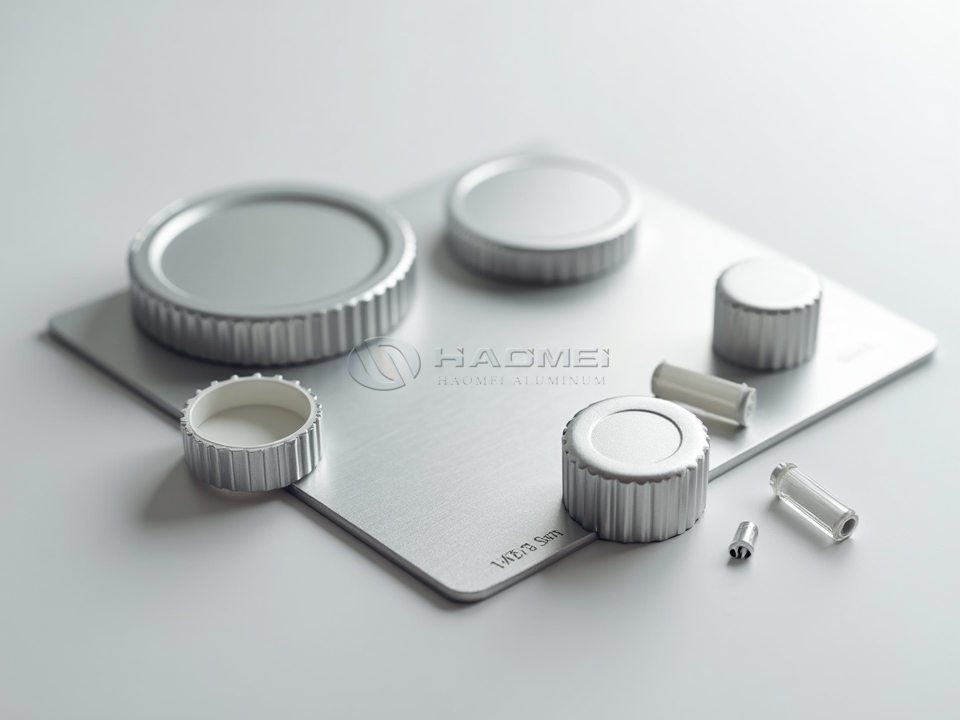
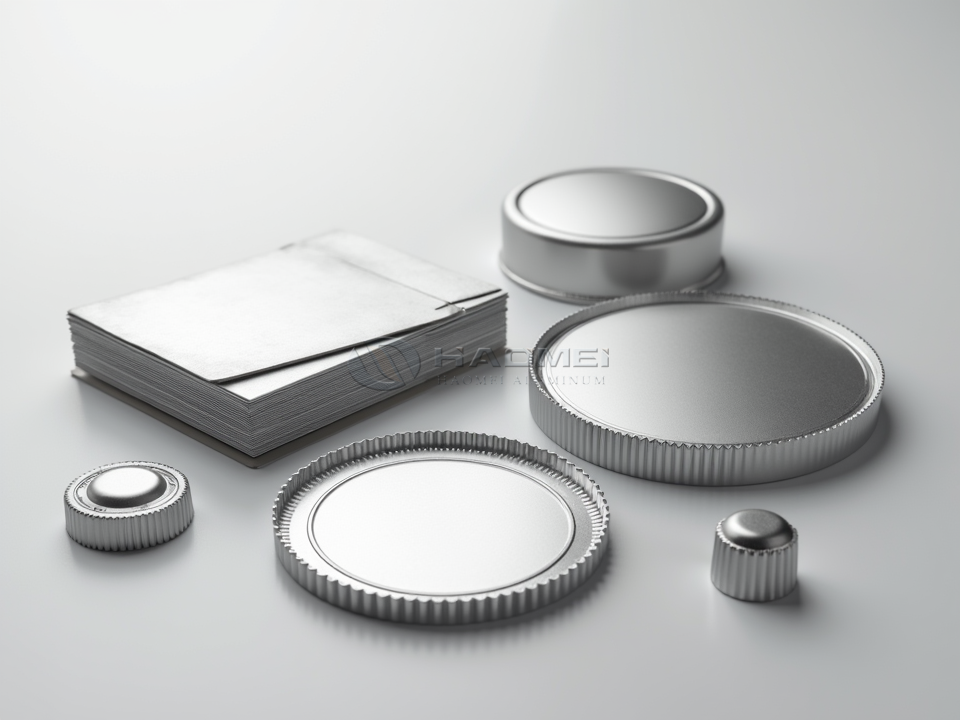
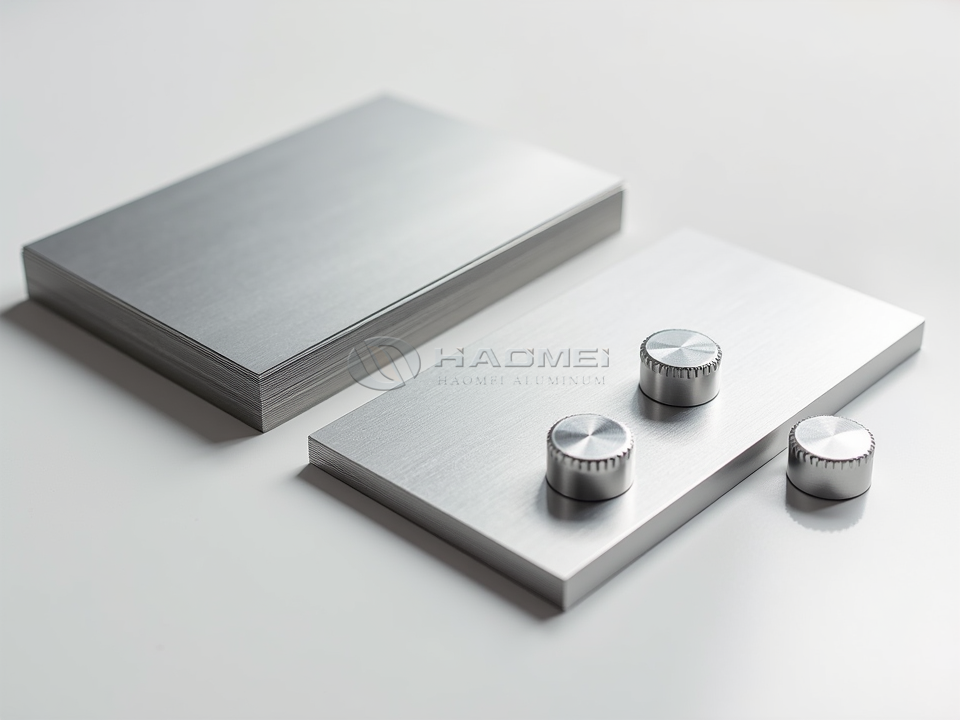
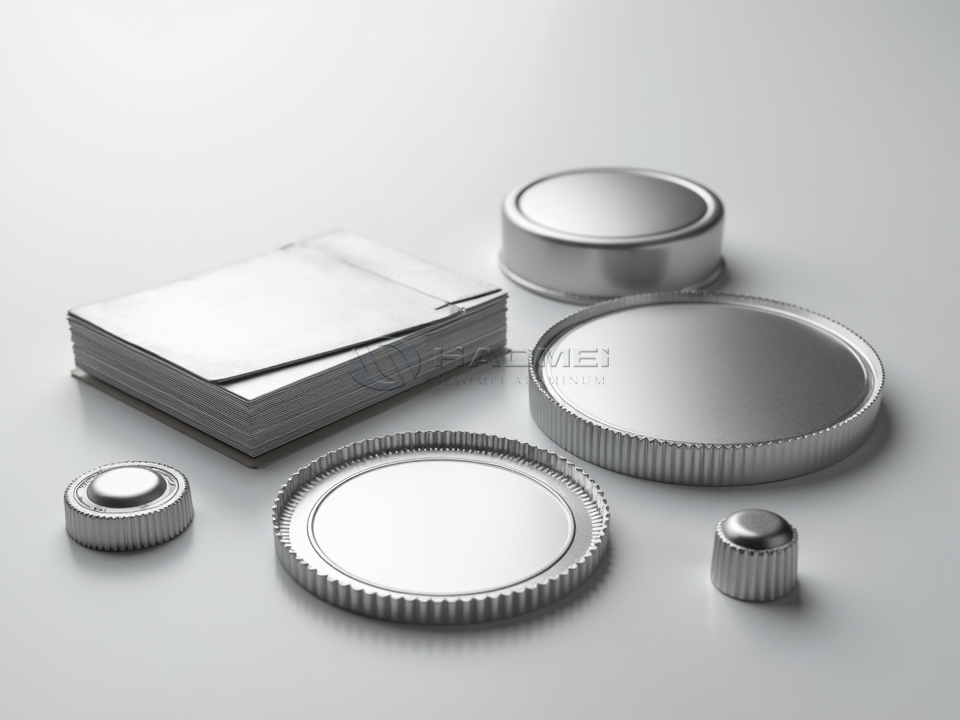
Medicine cap aluminum foil sheet is a specialized aluminum material used for producing pharmaceutical bottle caps, oral-liquid closures, screw caps, and tamper-evident packaging components. Although it is often called foil in the market, this product is commonly supplied as thin-gauge aluminum sheet or closure stock with controlled thickness, flatness, temper, surface cleanliness, and coating compatibility.
For medicine packaging, a cap is more than a decorative component. It helps protect the medicine container, supports reliable sealing, carries printed identification, and contributes to product safety throughout filling, transport, storage, and patient use. High-quality aluminum closure material gives cap makers a stable foundation for deep drawing, knurling, threading, embossing, and printing.
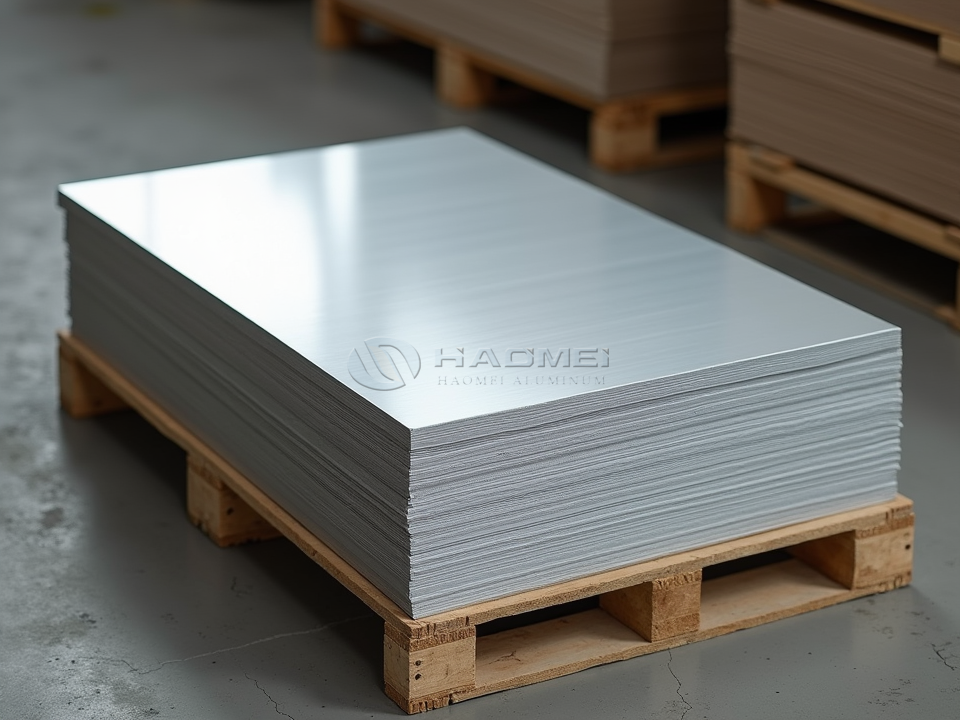
Material characteristics designed for pharmaceutical closures
Medicine cap aluminum foil sheet is valued for its light weight, excellent processability, and natural resistance to corrosion. It can be formed into thin cap shells without excessive cracking or wrinkling, even where the cap design includes rolled edges, tear bands, or detailed embossed markings.
The smooth surface also supports lacquer application, color coating, and pharmaceutical-grade printing. Depending on the cap structure, one side may receive an epoxy, polyester, or other protective lacquer. The reverse side can be treated to improve compatibility with liners, sealing compounds, or injection-molded plastic parts.
Common performance benefits include:
- Good drawability for cap shell production and high-speed stamping
- Stable mechanical properties for consistent cap dimensions
- Low weight, reducing packaging and transportation load
- Good corrosion resistance in humid storage environments
- Fine surface quality for coating, printing, embossing, and branding
- Reliable compatibility with PP, PE, rubber, pulp, and composite sealing liners
- Recyclable aluminum base material for more responsible packaging systems
For customers producing pharmaceutical closures, material consistency is especially important. Variation in thickness, temper, or surface condition can affect cap height, skirt diameter, thread formation, coating appearance, and sealing performance. A properly controlled Aluminum Closure Sheet helps maintain smoother conversion from coil to finished medicine cap.
Typical technical specification
| Parameter | Common Range or Requirement |
|---|---|
| Alloy | 8011, 3105, 3104, or customer-specified alloy |
| Temper | H14, H16, H18, H19, or customized condition |
| Thickness | 0.16 mm to 0.30 mm |
| Width | 200 mm to 1,300 mm |
| Coil inner diameter | 150 mm, 300 mm, 405 mm, or as agreed |
| Surface | Mill finish, color coated, lacquered, printed, or treated |
| Flatness | Suitable for stamping and cap-shell conversion |
| Edge condition | Smooth slit edge, burr controlled |
| Coil weight | According to customer equipment and logistics needs |
| Application form | ROPP caps, screw caps, oral-liquid caps, tamper-evident caps |
The exact thickness is selected according to the cap diameter, depth, closure design, liner system, and forming equipment. Thinner material can reduce metal consumption, while a slightly heavier gauge may improve rigidity for large-diameter caps or closures requiring pronounced knurling and deeper drawing.
Alloy options and chemical composition
8011 aluminum alloy is widely selected for medicine cap aluminum foil sheet because it offers a favorable balance of strength, formability, and corrosion resistance. It performs well during stamping and is suitable for coated pharmaceutical closures. For caps requiring somewhat higher strength, 3105 or 3104 alloys may also be considered.
| Element | 8011 Aluminum Alloy, Typical % | 3105 Aluminum Alloy, Typical % |
|---|---|---|
| Silicon, Si | 0.50 to 0.90 | 0.60 max |
| Iron, Fe | 0.60 to 1.00 | 0.70 max |
| Copper, Cu | 0.10 max | 0.30 max |
| Manganese, Mn | 0.20 max | 0.30 to 0.80 |
| Magnesium, Mg | 0.05 max | 0.20 to 0.80 |
| Zinc, Zn | 0.10 max | 0.40 max |
| Titanium, Ti | 0.08 max | 0.10 max |
| Aluminum, Al | Balance | Balance |
Alloy selection should match the cap-making route. 8011 is frequently used where easy forming and a clean surface are priorities. 3105 can provide added body strength and is often used for closures that need firmer performance after forming. Customers seeking material for coated cap production may consider 8011 Aluminum Closure Sheet for its dependable conversion behavior.

Mechanical properties for forming performance
The temper of medicine cap aluminum foil sheet influences both cap rigidity and forming behavior. H14 and H16 are common choices for pharmaceutical cap shells because they combine moderate strength with good ductility. Harder tempers can improve stiffness but may require closer control during deep drawing.
| Temper | Tensile Strength | Elongation | Suitable Cap Characteristics |
|---|---|---|---|
| H14 | Approx. 110 to 145 MPa | Good | General screw caps and coated closures |
| H16 | Approx. 125 to 160 MPa | Moderate to good | ROPP caps, deeper drawn shells, embossed caps |
| H18 | Approx. 145 to 180 MPa | Moderate | Higher-rigidity cap designs |
| H19 | Higher strength condition | Lower than H14/H16 | Specialized thin and stiff closure applications |
Actual values depend on alloy, thickness, production process, and customer standards. For pharmaceutical closure material, mechanical consistency across the full coil is often more valuable than simply pursuing the highest possible strength.
Surface treatment and printing readiness
Medicine cap aluminum foil sheet may be supplied in mill finish for customers who operate their own coating lines. It can also be delivered with protective lacquer, colored coating, primer, or printed decoration. Surface treatments are selected based on the intended closure structure and regulatory requirements of the packaging project.
A well-prepared surface provides dependable ink anchorage and a neat cosmetic appearance. This is useful for medicine caps carrying dosage information, brand colors, anti-counterfeit marks, directional arrows, batch coding areas, or opening instructions. Matte, glossy, metallic, and textured visual effects can be created without sacrificing forming performance when the coating system is properly matched to the substrate.
Applications across pharmaceutical packaging
Medicine cap aluminum foil sheet is used in a wide range of healthcare and pharmaceutical packaging formats. Its ability to form thin yet durable cap shells makes it suitable for products that need controlled closure performance and clear identification.
Typical uses include:
- Oral-liquid medicine bottle caps
- Syrup and tonic bottle closures
- Vitamin and supplement bottle caps
- ROPP closures for glass pharmaceutical bottles
- Tamper-evident caps with tear-off bands
- Child-resistant cap components combined with plastic structures
- Cosmetic and healthcare product closures
- Disinfectant, antiseptic, and laboratory reagent bottle caps
For oral liquid packaging, aluminum caps are often paired with an internal liner or sealing gasket to create a secure barrier between the cap and bottle mouth. For ROPP applications, the cap is applied to the bottle and mechanically threaded by capping equipment, producing a close fit that follows the container finish.

Quality considerations for medicine cap production
Pharmaceutical packaging requires careful attention to cleanliness and traceability. Material intended for medicine caps should have a clean, dry surface without oil stains, scratches, dents, edge damage, pinholes, or coating defects that could affect appearance or downstream processing.
Important inspection items commonly include thickness tolerance, width tolerance, coil shape, surface cleanliness, tensile strength, elongation, coating adhesion, color consistency, and edge burr condition. If the material will be printed or lacquered, testing may also include solvent resistance, curing response, ink adhesion, and resistance to scratching during cap forming.
Medicine cap aluminum foil sheet provides a practical combination of safety-oriented packaging performance, attractive decoration potential, and efficient manufacturing behavior. With the correct alloy, temper, coating, and gauge, it supports dependable closure production for pharmaceutical brands that need clean appearance, stable forming, and reliable bottle protection.