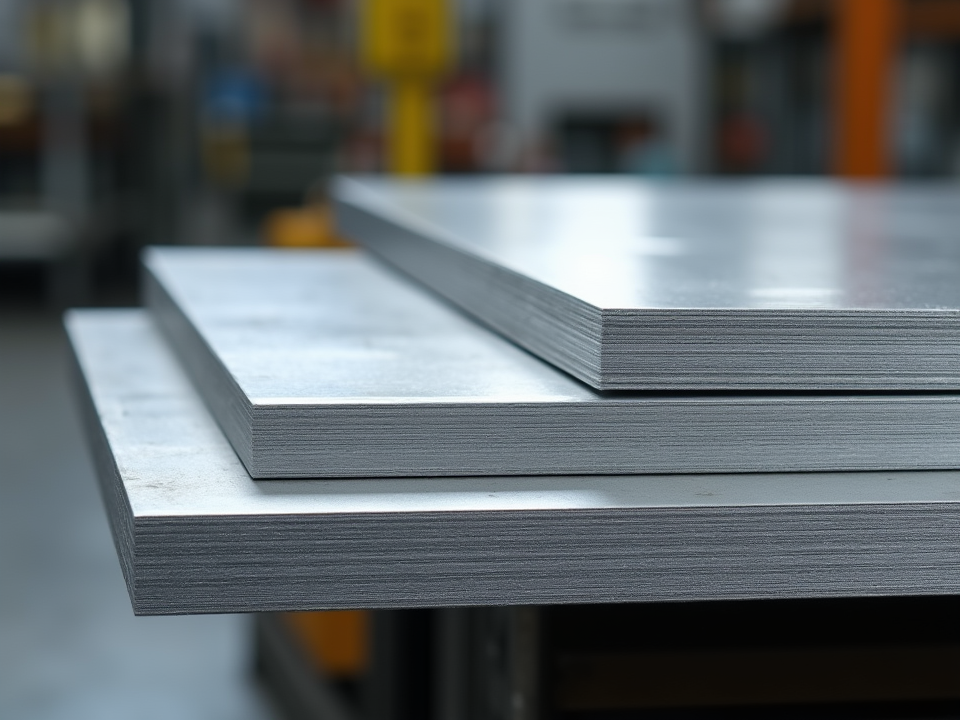
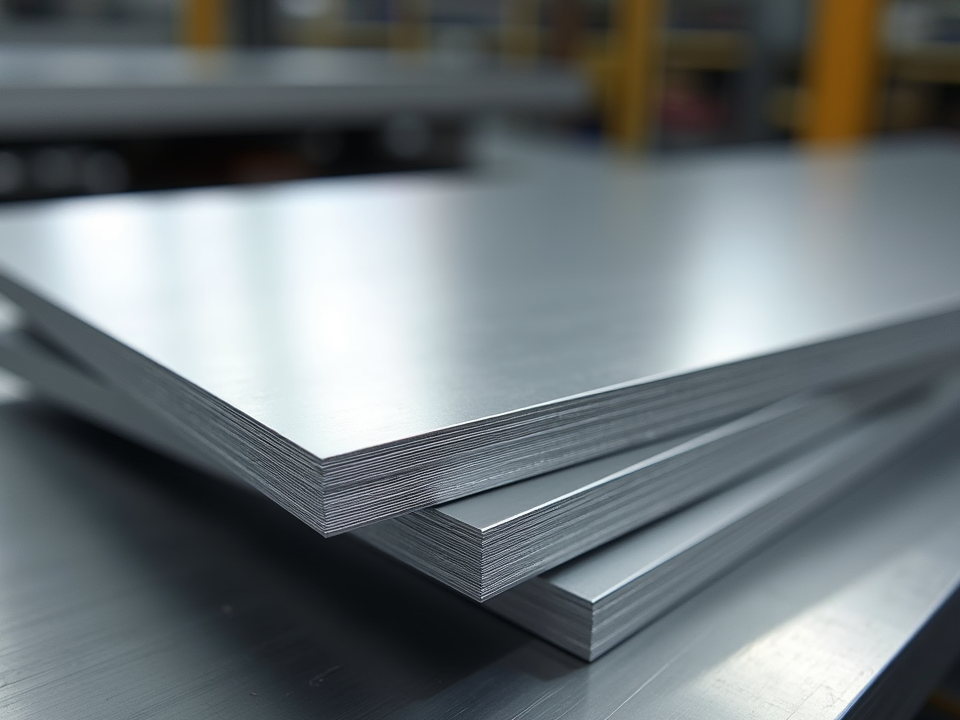
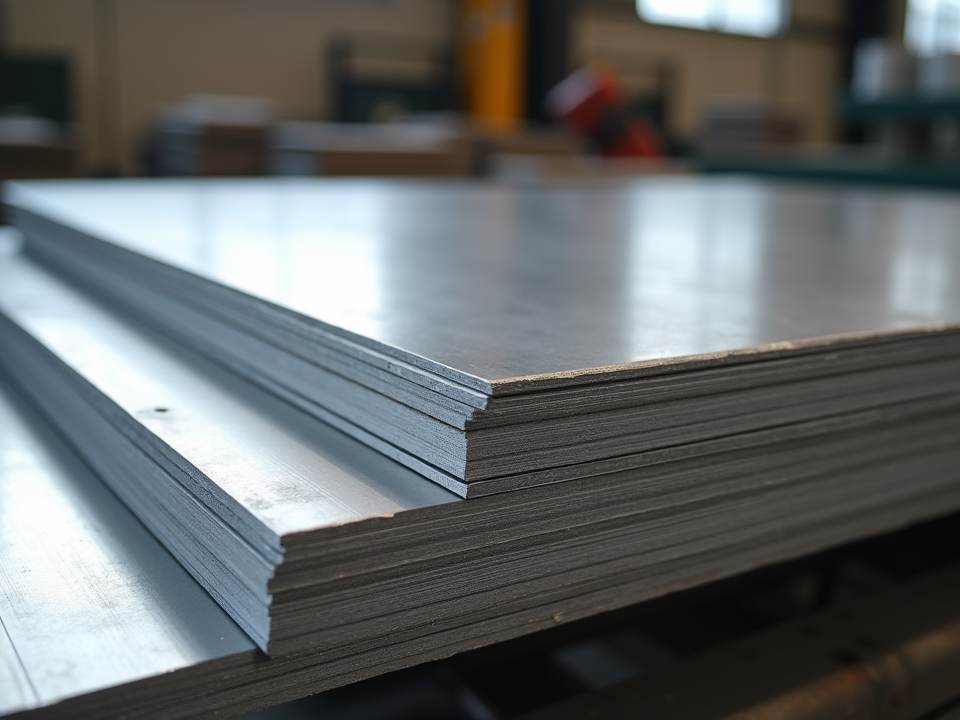
Food Grade Aluminum Closure Material
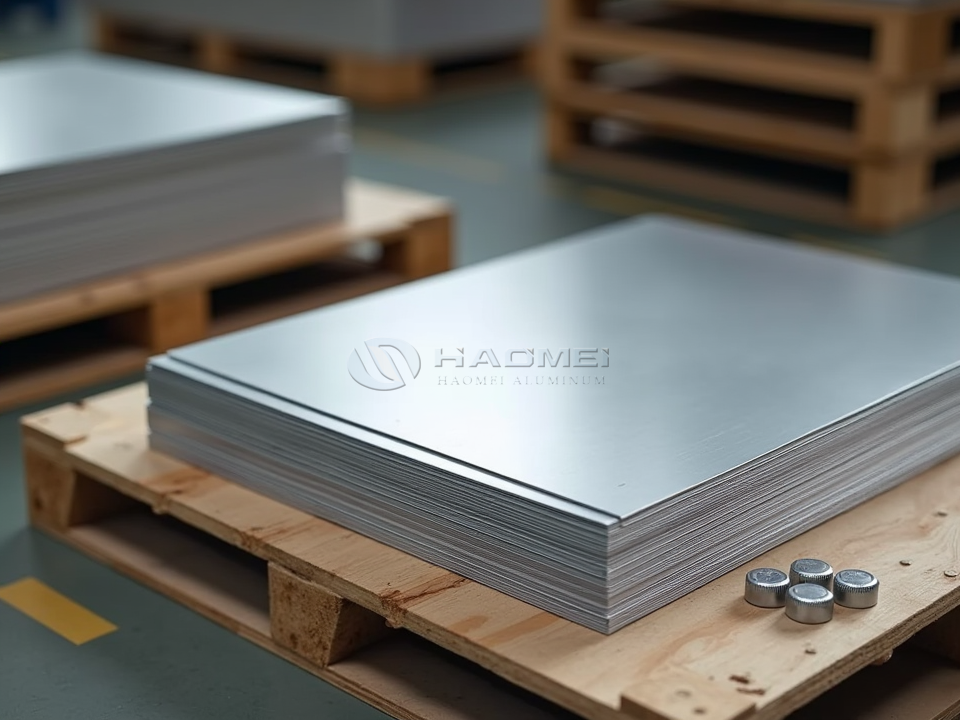
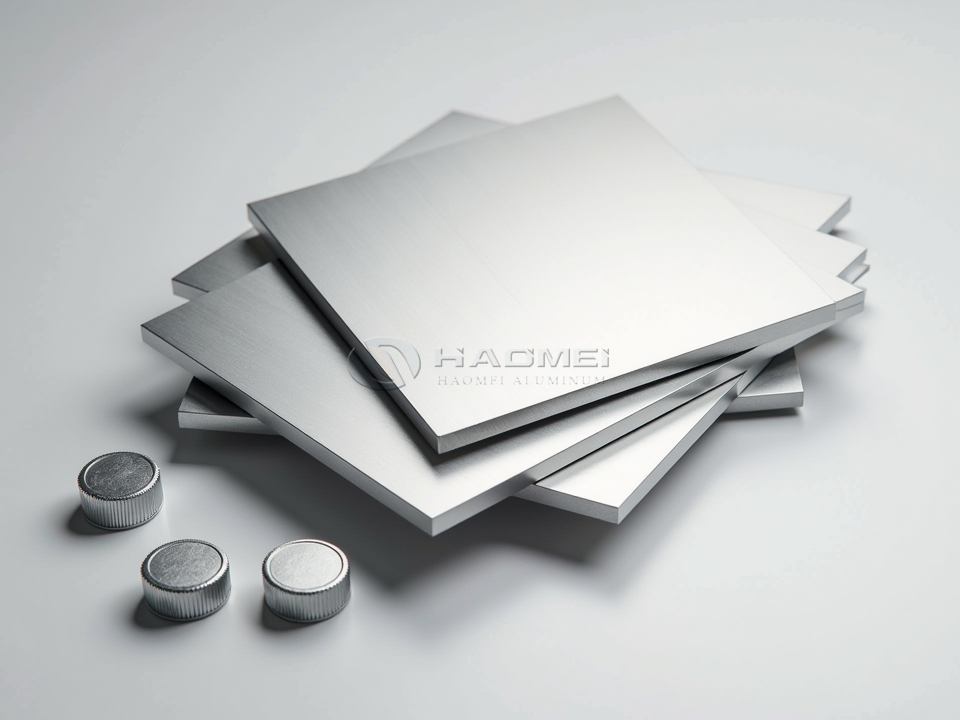
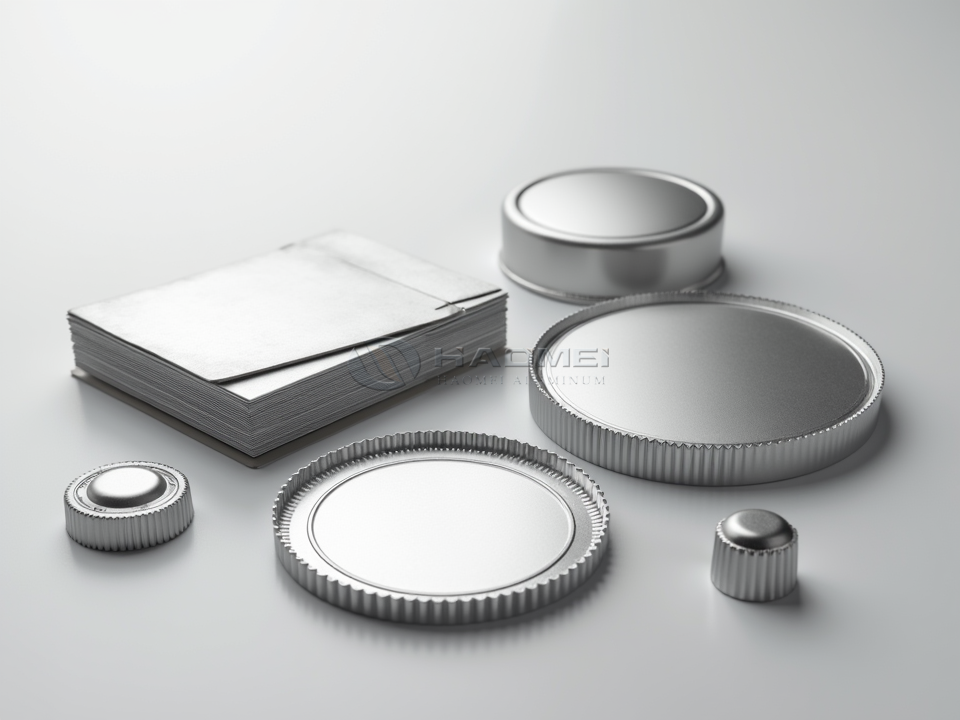
Food grade aluminum closure material is a precision-rolled aluminum sheet or coil used to manufacture caps, lids, seals, and pilfer-proof closures for food, beverage, pharmaceutical, and daily-use packaging. It combines clean surface quality, reliable formability, controlled mechanical strength, and excellent compatibility with coating, printing, stamping, and deep drawing processes.
For packaging lines that demand safety, attractive decoration, and stable sealing performance, aluminum closure material offers a balanced solution. It is lightweight, recyclable, corrosion-resistant, and easy to process at high speed. Common alloys include 8011, 3105, and 3104, supplied in tempers such as H14, H16, H18, and H19 according to cap type and forming requirements.
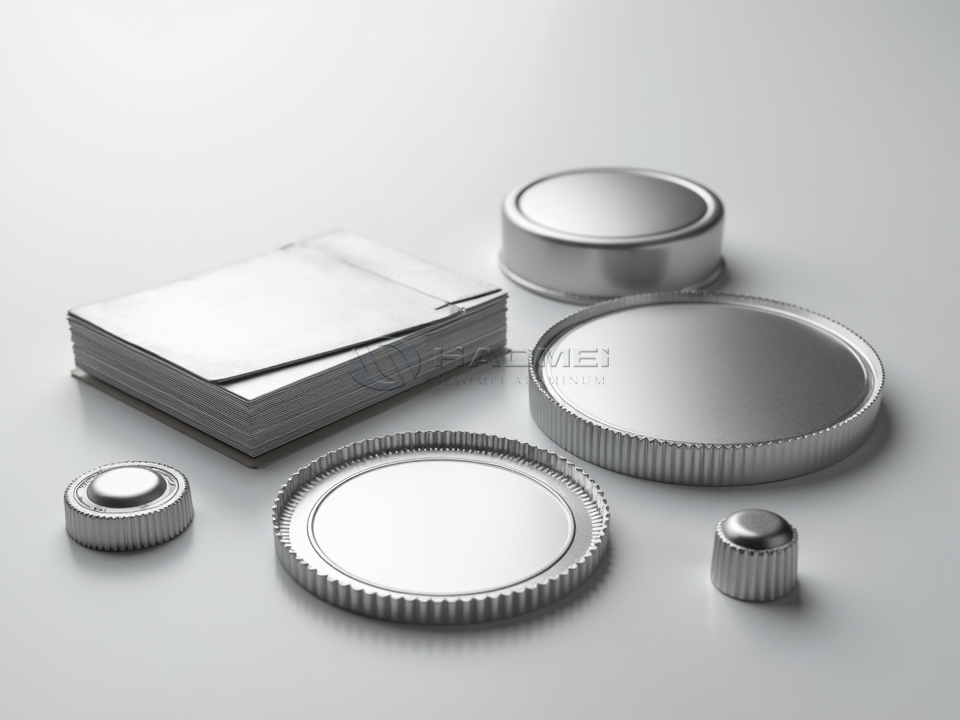
Product Description
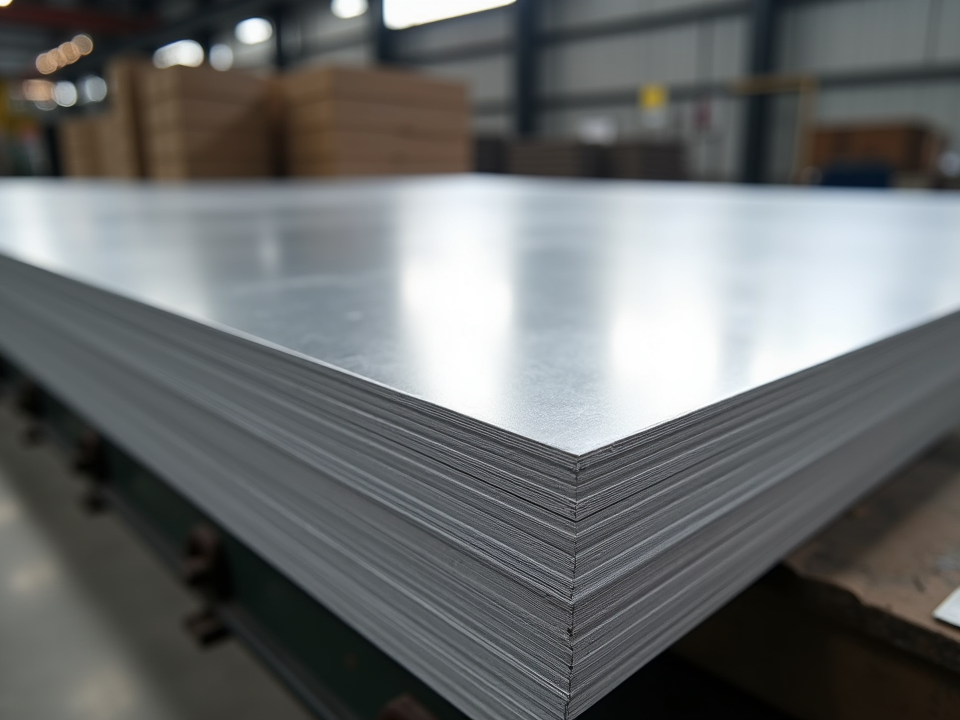
Food grade aluminum closure material is typically produced from high-purity aluminum alloy through casting, hot rolling, cold rolling, annealing, tension leveling, cleaning, surface treatment, and final slitting. The material can be supplied as bare aluminum, pre-lubricated sheet, coated coil, or printed closure stock.
In cap production, the sheet must withstand punching, embossing, knurling, thread forming, bridge cutting, and sealing liner insertion without cracking or excessive earing. A smooth surface also supports high-quality printing for brand decoration.
For customers seeking a widely used cap stock option, 8011 Aluminum Closure Sheet is often selected for PP caps, ROPP caps, medicine caps, and beverage closures due to its excellent balance of strength and drawability.
Main Advantages
| Advantage | Customer Benefit |
|---|---|
| Food-contact suitability | Can be supplied with coatings and lubricants designed for regulated packaging use |
| Stable forming behavior | Reduces cracking, wrinkling, and earing during cap stamping and forming |
| Clean surface | Supports coating, lithographic printing, embossing, and brand decoration |
| Good corrosion resistance | Helps protect closures used with water, juice, dairy, oil, wine, and sauces |
| Lightweight structure | Reduces packaging weight while maintaining sealing reliability |
| Recyclable material | Supports sustainable packaging and circular material recovery |
| Tight dimensional control | Improves feeding stability in automatic cap production lines |
Common Alloy and Temper Selection
Different closure styles require different strength, elongation, and hardness levels. Softer tempers are preferred for deeper forming, while harder tempers are used where cap rigidity and tamper resistance are more important.
| Alloy | Common Temper | Typical Use | Processing Character |
|---|---|---|---|
| 8011 | H14, H16, H18 | PP caps, ROPP caps, dairy lids, medicine caps | Excellent workability and broad compatibility |
| 3105 | H14, H16 | Beverage caps, wine caps, screw caps | Good strength, decorative surface, stable forming |
| 3104 | H19, H18 | High-strength caps and closures | Higher strength for demanding packaging designs |
| 5052 | H32, H34 | Specialty closures and decorative caps | Higher corrosion resistance and toughness |
Chemical Composition Reference
Chemical composition varies by standard and customer specification. The following values are typical reference ranges for common closure alloys.
| Alloy | Si | Fe | Cu | Mn | Mg | Zn | Ti | Al |
|---|---|---|---|---|---|---|---|---|
| 8011 | 0.50-0.90 | 0.60-1.00 | max 0.10 | max 0.20 | max 0.05 | max 0.10 | max 0.08 | Balance |
| 3105 | max 0.60 | max 0.70 | max 0.30 | 0.30-0.80 | 0.20-0.80 | max 0.40 | max 0.10 | Balance |
| 3104 | max 0.60 | max 0.80 | 0.05-0.25 | 0.80-1.40 | 0.80-1.30 | max 0.25 | max 0.10 | Balance |
| 5052 | max 0.25 | max 0.40 | max 0.10 | max 0.10 | 2.20-2.80 | max 0.10 | max 0.15 | Balance |
Technical Specifications
| Item | Typical Range or Requirement |
|---|---|
| Product form | Sheet, coil, strip, coated coil, printed coil |
| Thickness | 0.15 mm-0.50 mm |
| Width | 20 mm-1600 mm, slit to order |
| Coil inner diameter | 150 mm, 305 mm, 405 mm, 508 mm |
| Coil outer diameter | According to line capacity and shipping plan |
| Surface | Mill finish, degreased, chromated, DOS oiled, coated, printed |
| Thickness tolerance | Commonly +/-0.005 mm to +/-0.015 mm depending on gauge |
| Width tolerance | Commonly +/-0.10 mm to +/-0.50 mm |
| Flatness | Suitable for high-speed punching and continuous feeding |
| Burr level | Controlled for safe cap forming and liner application |
| Surface defects | Free from oil stain, black spot, scratch, wrinkle, crack, and oxidation marks affecting use |

Mechanical Properties
Mechanical values depend on alloy, temper, thickness, rolling route, and final annealing practice. The table provides typical reference data for closure production.
| Alloy Temper | Tensile Strength MPa | Yield Strength MPa | Elongation % | Hardness HV | Common Closure Type |
|---|---|---|---|---|---|
| 8011 H14 | 125-165 | 105-145 | 2-6 | 38-48 | PP caps, vial caps, dairy seals |
| 8011 H16 | 145-185 | 125-165 | 1-4 | 45-55 | ROPP caps, beverage caps |
| 8011 H18 | 165-205 | 145-185 | 1-3 | 50-62 | Rigid caps and shallow drawn parts |
| 3105 H14 | 140-180 | 115-155 | 2-7 | 42-55 | Wine caps, screw caps |
| 3105 H16 | 160-200 | 140-180 | 1-5 | 50-62 | Pilfer-proof closures |
| 3104 H19 | 260-310 | 240-290 | 1-3 | 75-90 | High-strength cap stock |
Food Packaging Safety Considerations
Food grade aluminum closure material is selected not only for metal performance but also for the complete packaging system. In many applications, the aluminum substrate is coated or lacquered to improve corrosion protection and prevent direct interaction between the packed product and the metal surface.
| Requirement | Practical Control Method |
|---|---|
| Food-contact compliance | Use approved coatings, lubricants, and inks according to target market regulations |
| Odor and taste protection | Apply suitable internal lacquer for sensitive products such as water, juice, milk, and wine |
| Corrosion resistance | Match coating system with product acidity, salt content, alcohol level, and storage temperature |
| Clean production | Control rolling oil residue, dust, moisture, and surface contamination |
| Traceability | Maintain coil batch records, alloy certificates, and inspection reports |
Applications
Food grade aluminum closure material is widely used across packaging sectors that require hygiene, visual appeal, and dependable sealing.
| Application | Typical Alloy | Main Requirement |
|---|---|---|
| Mineral water caps | 8011 H14, 8011 H16 | Clean surface, easy forming, stable sealing |
| Juice and tea beverage caps | 8011, 3105 | Coating resistance, attractive printing |
| Dairy bottle caps | 8011 H14 | Food-safe lacquer, odor control, soft forming |
| Wine and spirits closures | 3105 H14, 3105 H16 | Deep drawing, decoration, good skirt strength |
| Edible oil caps | 8011, 3105 | Corrosion resistance and liner compatibility |
| Sauce and seasoning caps | 8011 coated stock | Resistance to salt, acid, and storage humidity |
| Pharmaceutical vial caps | 8011 H14 | Cleanliness, tight tolerance, reliable crimping |
| Coffee and powder seals | 8011 soft to hard temper | Barrier performance and peel compatibility |
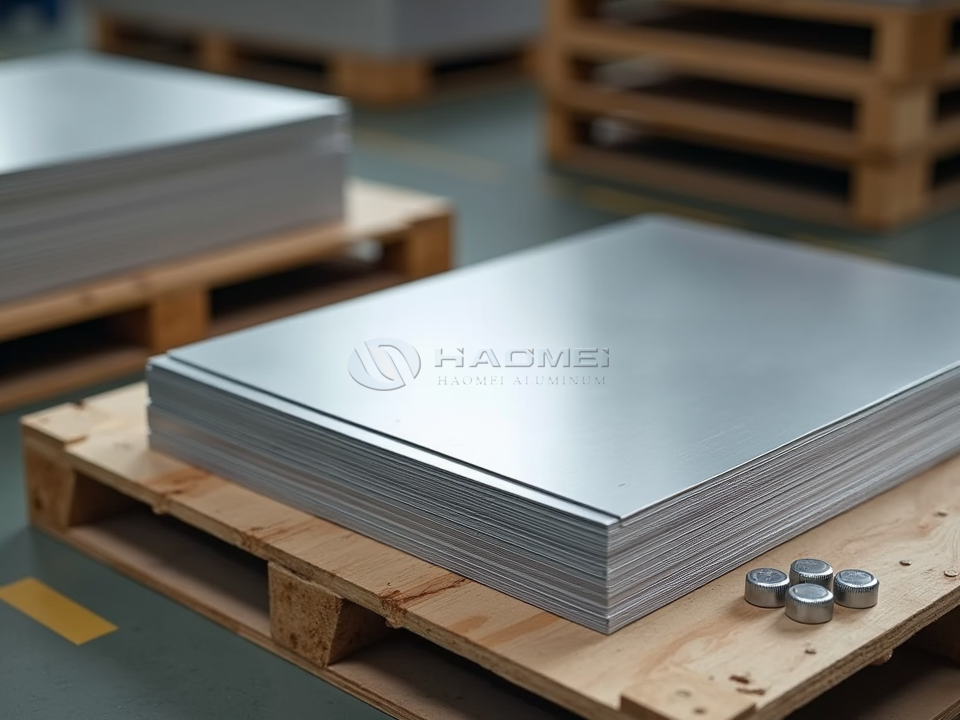
Surface Treatment and Printing Options
Closure material can be supplied with different surface conditions based on downstream processing. Mill finish aluminum is suitable for customers who perform their own coating or printing. Pre-treated and coated aluminum reduces processing steps and improves production efficiency.
| Surface Type | Description | Suitable Use |
|---|---|---|
| Mill finish | Clean rolled aluminum surface | General cap forming and customer-side coating |
| DOS oiled | Light lubrication for forming | Punching, drawing, and cap forming |
| Chromated or non-chrome treated | Improves coating adhesion | Printed and lacquered closures |
| Epoxy lacquered | Good internal protection | Food, beverage, and medicine closures |
| Polyester coated | Decorative outer surface | Printed caps and colored closures |
| Printed sheet or coil | Brand graphics applied before forming | Beverage, wine, and premium packaging caps |
Purchasing Notes
When selecting food grade aluminum closure material, customers should confirm the cap design, forming depth, coating system, printing method, liner type, filling product, sterilization condition, and storage environment. These details determine the best alloy, temper, thickness, surface treatment, and inspection standard.
| Selection Factor | Recommended Checkpoint |
|---|---|
| Cap diameter and height | Determines thickness, temper, and drawing performance |
| Product contents | Affects internal lacquer and corrosion resistance requirements |
| Filling process | Hot filling, pasteurization, or cold filling may require different coatings |
| Printing design | Requires surface treatment with strong ink adhesion |
| Forming speed | Requires flatness, lubrication, and stable mechanical properties |
| Export market | Confirm food-contact regulation, packaging standard, and documentation |
Final Thoughts
Food grade aluminum closure material is a reliable choice for safe, attractive, and efficient packaging. With suitable alloy selection, precise temper control, clean surface quality, and proper coating design, it can deliver excellent sealing performance for beverages, dairy products, edible oils, wine, sauces, pharmaceuticals, and many other packaged goods.
For cap makers and packaging brands, the right aluminum closure stock helps improve production yield, protect product flavor, enhance shelf appearance, and support recyclable packaging goals.