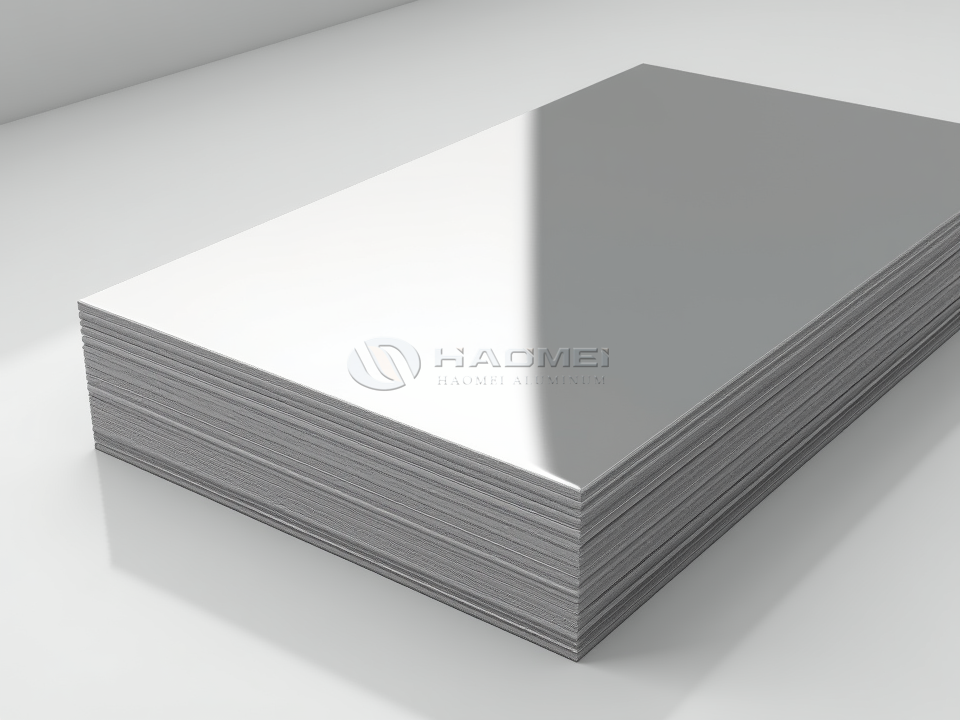
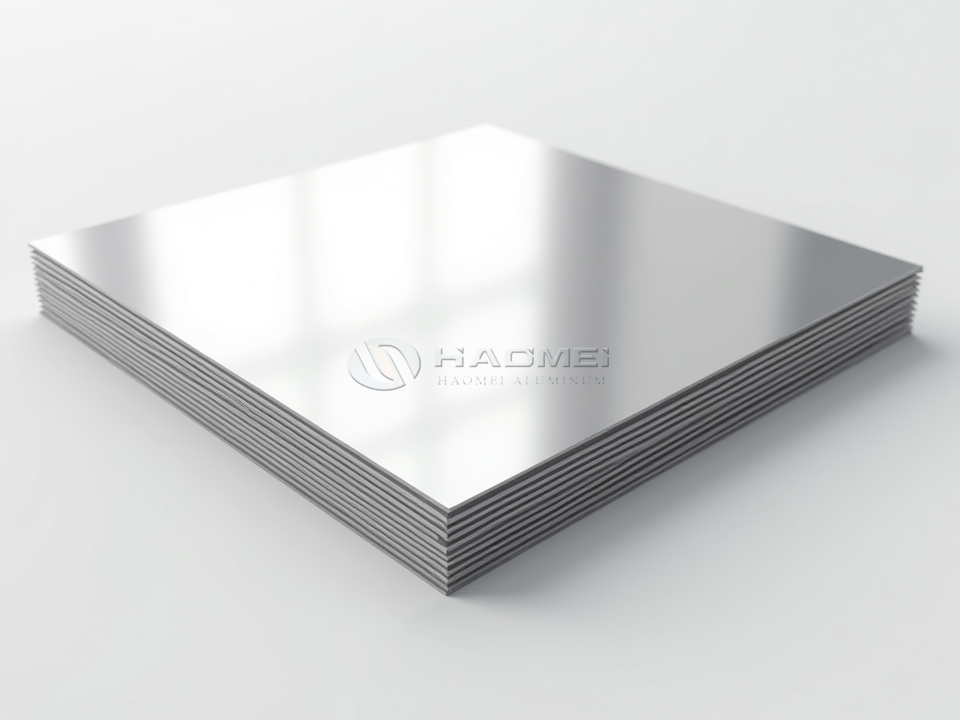
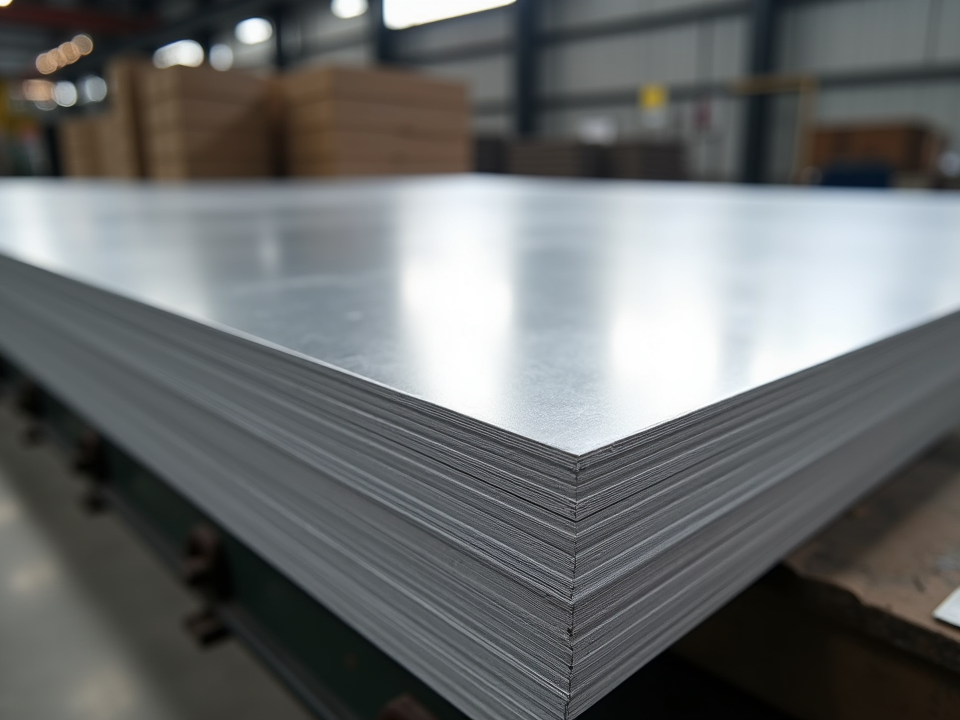
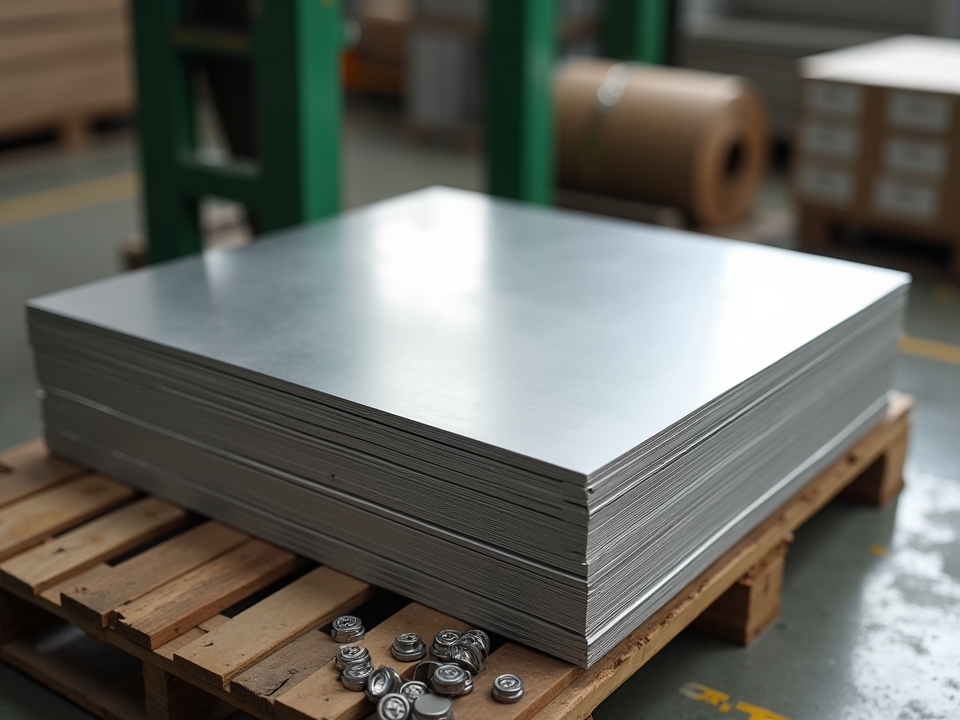
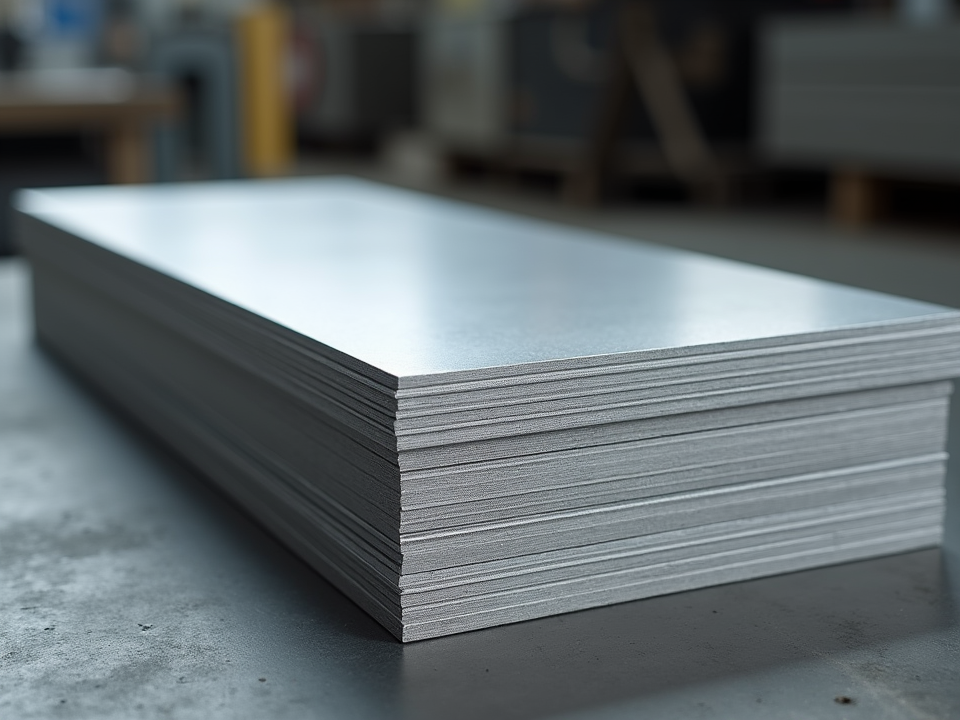
Silver Mirror Aluminum Sheet Metal
Silver mirror aluminum sheet metal is often described by thickness, alloy, temper, and reflectivity. Those details matter, but customers usually judge the material in a much faster way: they look at it. If the surface feels clean, bright, and even, confidence rises immediately. If it shows waves, haze, scratches, or color variation, even a technically acceptable sheet can feel wrong for the project.
That is why buying silver mirror aluminum is not only a metal purchase. It is a surface decision. The sheet becomes part of how light moves through a space, how a product appears on a shelf, or how a lighting fixture performs after installation.
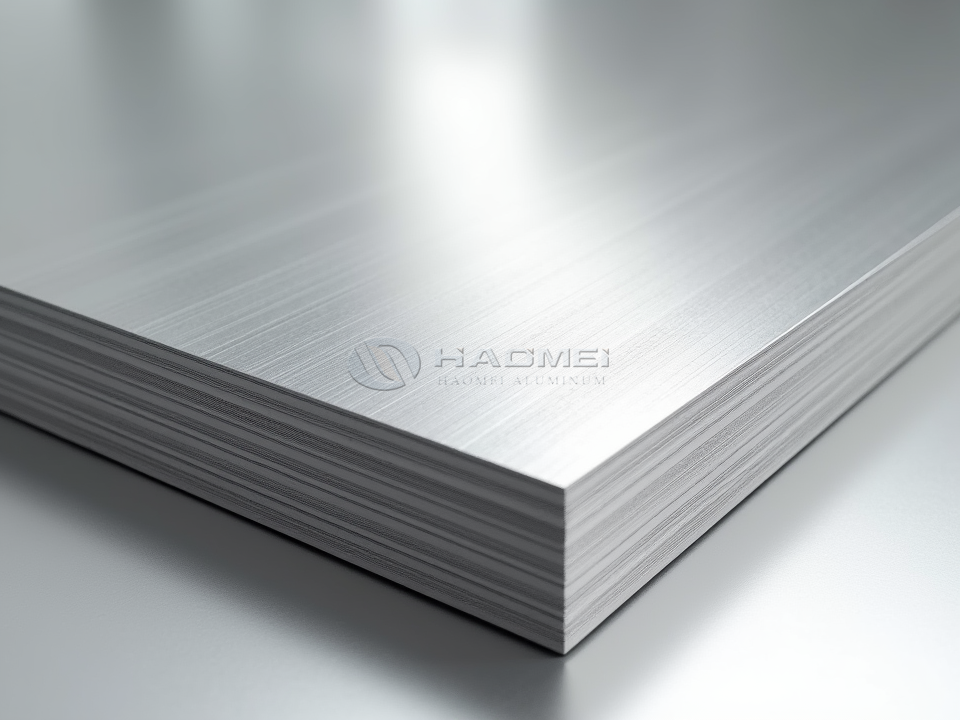
The Sheet Is a Light Tool, Not Just a Panel
A standard aluminum sheet covers, separates, or protects. Silver mirror aluminum does more: it redirects attention. In ceilings, it can make a low room feel taller. In retail fixtures, it can multiply product visibility. In lamp housings, it can improve light use without adding more power. In decorative panels, it adds a clean metallic tone without the heavy weight of stainless steel.
The silver color is important because it stays neutral. Gold mirror aluminum feels warm and luxurious. Black mirror aluminum feels dramatic. Silver mirror aluminum is more flexible. It can look technical, modern, bright, or clean depending on what surrounds it.
For customers comparing options, a good starting point is a general Mirror Aluminum Sheet product range, then narrowing the choice by alloy, surface protection, size tolerance, and intended environment.
What Makes the Surface Look Like a Mirror
The mirror effect comes from surface preparation and finishing. Aluminum is first rolled into sheet form, then the surface is refined through polishing, chemical treatment, anodizing, or coating, depending on the required grade. The smoother and more stable the surface, the sharper the reflection.
Customers sometimes expect silver mirror aluminum to behave exactly like glass mirror. It does not. Glass mirror gives a deep, highly precise reflection because the reflective layer is supported by a flat glass base. Aluminum mirror sheet is lighter, easier to cut, and more suitable for forming, but its reflection can be slightly softer, especially in thin gauges or large panels.
This softness is not always a disadvantage. In lighting, signage, ceilings, and decorative cladding, a clean bright reflection is often more useful than a perfect image. The goal is usually brightness, space, and visual energy, not checking facial details.
Alloy Choice Changes the Experience
The alloy behind the mirror finish affects formability, strength, corrosion behavior, and price. For many decorative and lighting uses, high-purity aluminum such as 1060 or 1070 is common because it offers excellent reflectivity and good workability. When deeper processing is needed, the alloy should be selected with the forming method in mind.
A 1060 Mirror Aluminum Sheet is often chosen for reflectors, interior decoration, nameplates, and display panels because it balances brightness and processability well. It is not the strongest aluminum grade, but it performs well where the surface result is more important than heavy structural load.
If the panel must resist outdoor exposure, frequent cleaning, moisture, or fingerprints, coating type becomes just as important as alloy. A beautiful sheet without suitable protection can lose its charm quickly in the wrong environment.
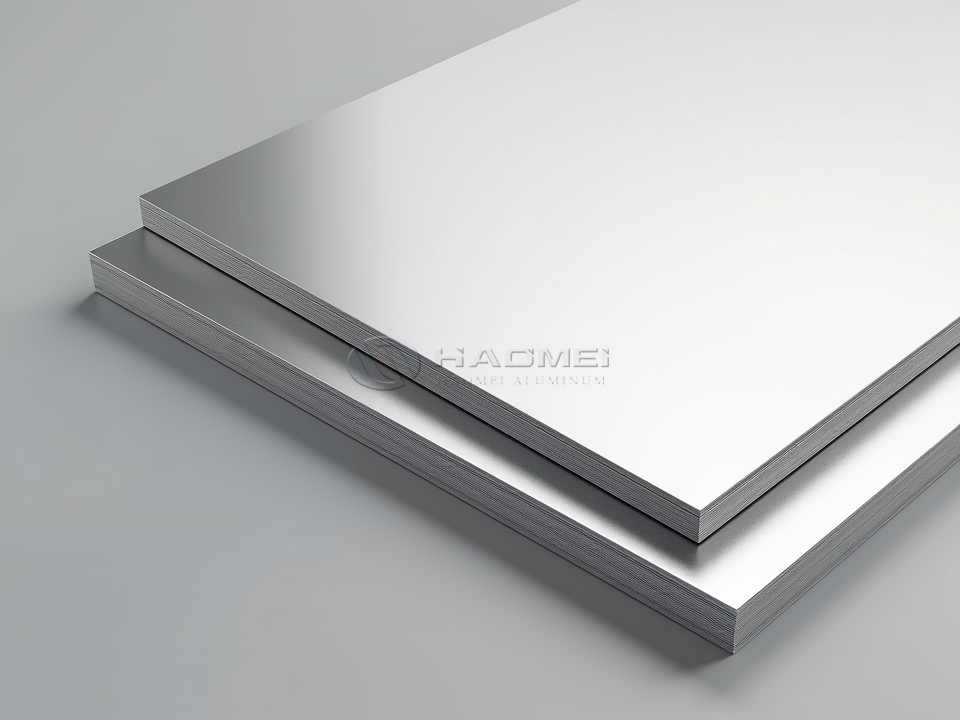
The Protective Film Is Part of the Product
Many customers focus on the metal and forget the protective film. For mirror aluminum, the film is not a small accessory. It is the temporary skin that keeps the reflective surface safe during cutting, packing, transport, installation, and final cleaning.
A good film should adhere evenly, peel without leaving glue, and protect against fine scratches. If the film is too weak, dust and handling marks may reach the surface. If it is too aggressive or left on too long under heat or sunlight, adhesive residue may become difficult to remove.
Before placing a large order, customers should ask how long the film can remain on the sheet, whether it is suitable for laser cutting or CNC processing, and whether it should be removed before bending. These small questions prevent many site problems.
Flatness Matters More Than Many Buyers Expect
A mirror surface reveals shape. A small wave in ordinary aluminum may be ignored, but the same wave on silver mirror aluminum becomes visible because reflected lines bend. This is especially important for elevator panels, wall decoration, ceiling systems, and wide retail displays.
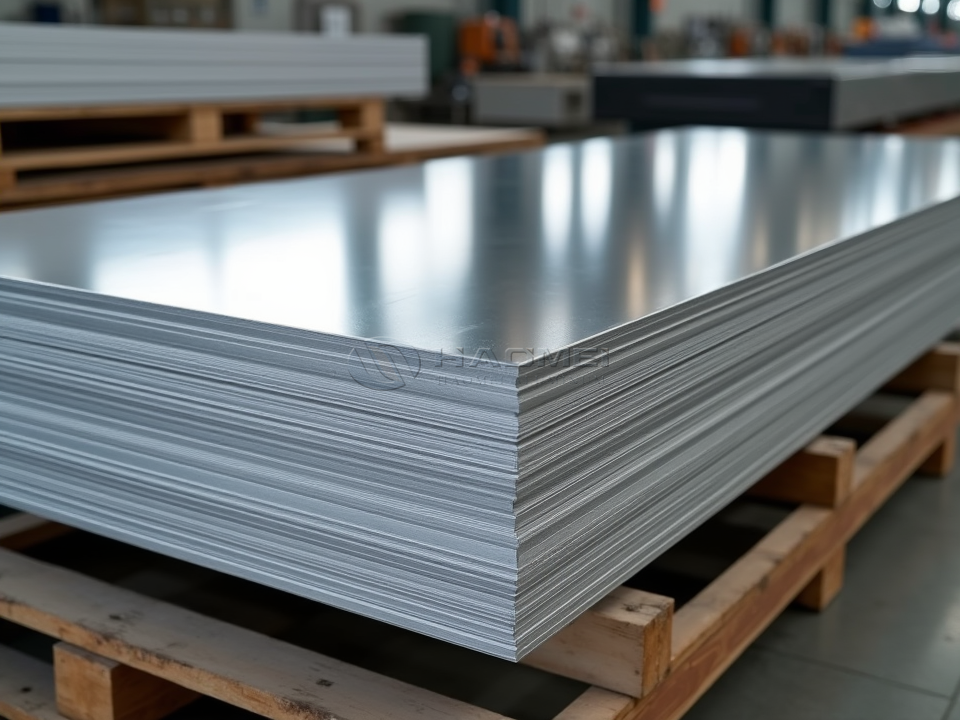
When the sheet will be used in large visible areas, ask about flatness tolerance and packing method. Thin sheets are easier to bend during transport. Larger sheets need stronger support. If the finished panel will be bonded to a backing board, the adhesive method and substrate flatness can affect the final appearance as much as the aluminum itself.
The best visual result often comes from treating the sheet like a finished surface from the beginning, not like raw metal waiting to be processed.
Cutting, Bending, and Fabrication Notes
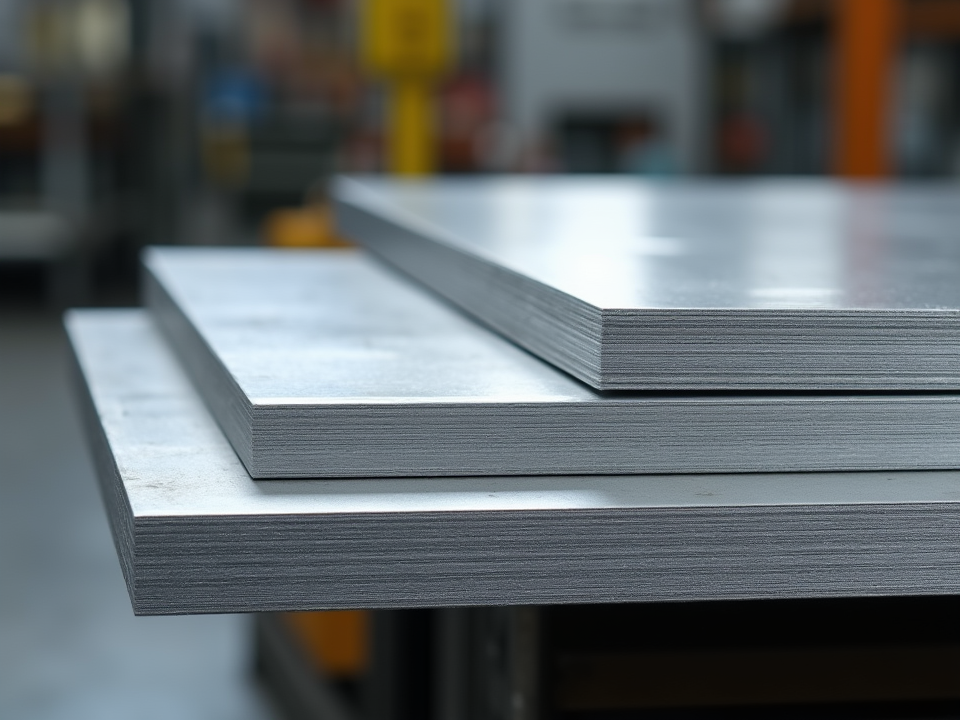
Silver mirror aluminum sheet metal can be cut, punched, grooved, bent, and bonded, but the process must respect the surface. Tools should be clean. Worktables should be free of metal chips. Operators should avoid dragging sheets across each other. Even tiny particles can leave long marks.
For bending, the mirror side is often protected with film, but pressure marks may still occur if tooling is dirty or too sharp. For visible bends, testing a sample is worth the time. The brighter the surface, the easier it is to see tool marks.
Laser cutting can give neat edges, but heat, smoke, and film behavior should be checked first. Some protective films are designed for laser processing, while others may burn, shrink, or stain. For routing or sawing, chip removal is important because trapped chips can scratch the face.
Where Silver Mirror Aluminum Performs Well
This material is widely used in lighting reflectors, interior wall panels, suspended ceilings, elevator decoration, household appliance panels, cosmetic displays, signage, furniture trim, and craft products. It is also popular in exhibitions because it creates a bright visual effect without much weight.
In lighting, reflectivity and surface consistency are the main concerns. In decoration, color tone and flatness become more important. In signage, weather resistance and coating durability may decide the service life. In consumer products, scratch resistance and fingerprint control are often the deciding factors.
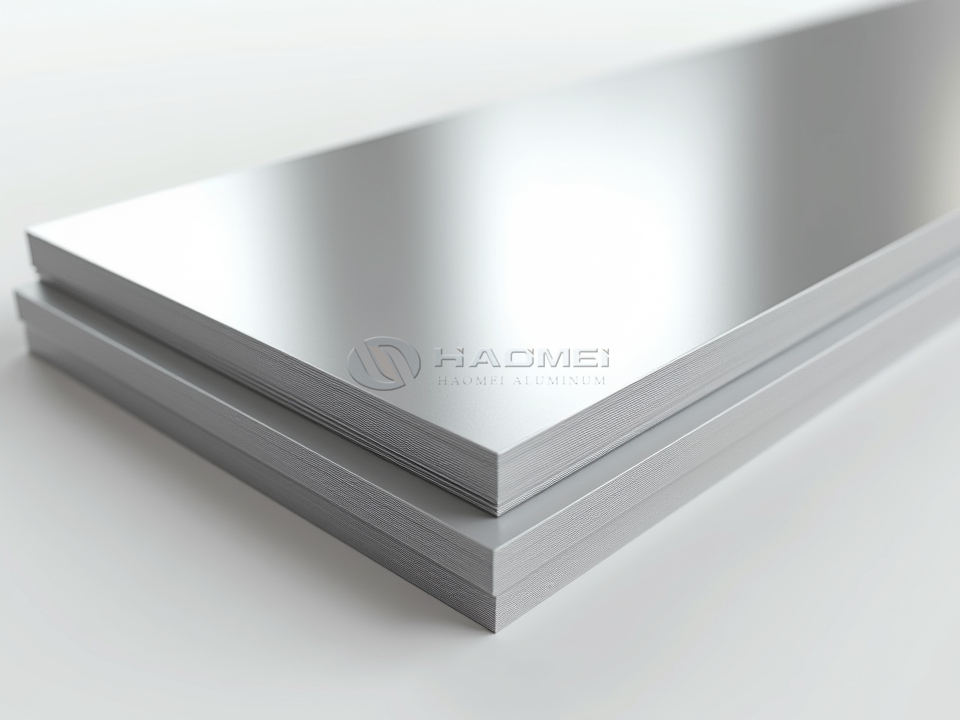
Indoor and Outdoor Use Are Different Questions
For indoor dry spaces, polished or coated silver mirror aluminum can perform very well with normal care. For humid, coastal, industrial, or outdoor environments, customers should be more cautious. Bare polished surfaces may oxidize or stain over time. Protective coating or anodizing improves durability, but the exact solution should match the environment.
Cleaning also matters. Strong alkaline cleaners, abrasive pads, and rough cloths can damage the surface. Mild detergent, clean water, and soft cloth are safer. The cleaning method should be shared with installers and end users, not only with the purchasing team.
How to Judge a Sample Before Ordering
A sample should be viewed under the same type of light as the final application. Workshop light, daylight, showroom spotlight, and LED strip lighting can make the same sheet look different. Look at the reflection from several angles. Check whether the surface is bright but also even. A sheet can be shiny and still have haze, roller marks, or slight color patches.
Place a straight line or dark object near the surface and watch how it reflects. If the line bends strongly, flatness may be an issue. If the reflection looks cloudy, the polish or coating may not meet the visual grade needed. Also inspect edges, film adhesion, and the back surface if bonding or mounting is required.
A Practical Buying Mindset
The right silver mirror aluminum sheet metal is not always the brightest one. It is the one that fits the job after cutting, bending, shipping, installing, cleaning, and daily use. A lighting reflector, an elevator panel, and a cosmetic display may all need silver mirror aluminum, but they do not need the same specification.
When discussing an order, share the application, indoor or outdoor condition, panel size, processing method, visible side, cleaning expectation, and packing needs. The more the material seller understands the final scene, the easier it is to recommend the correct alloy, thickness, coating, and film.
Silver mirror aluminum is simple at first glance, but its value is in the details. It saves weight, adds brightness, supports modern design, and helps products stand out. When chosen with the final reflection in mind, it becomes more than a shiny sheet. It becomes a controlled surface for light, space, and customer attention.