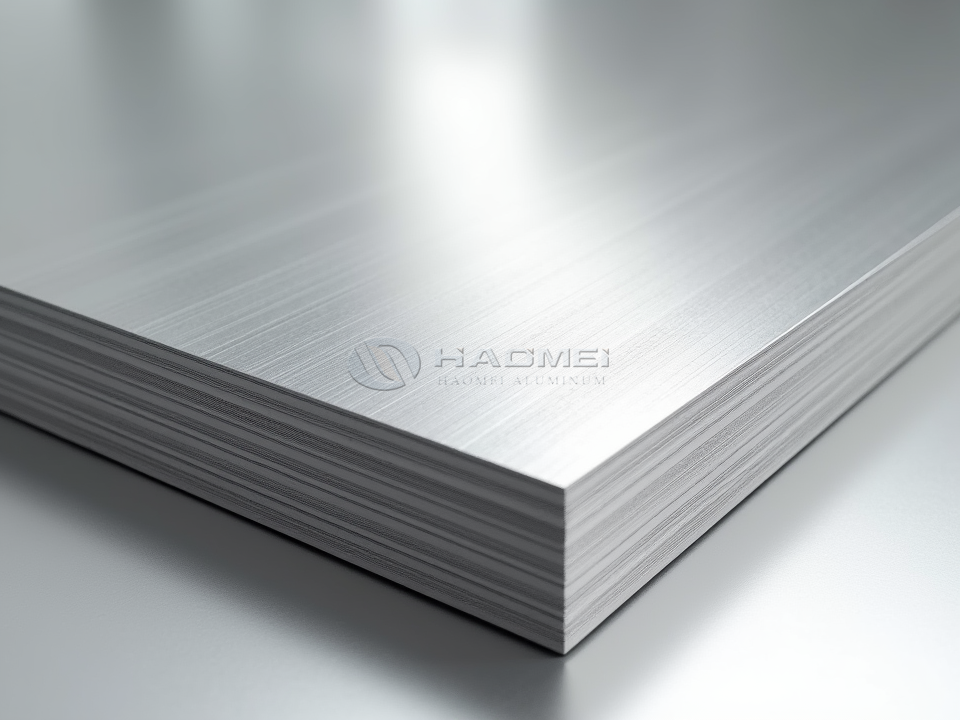
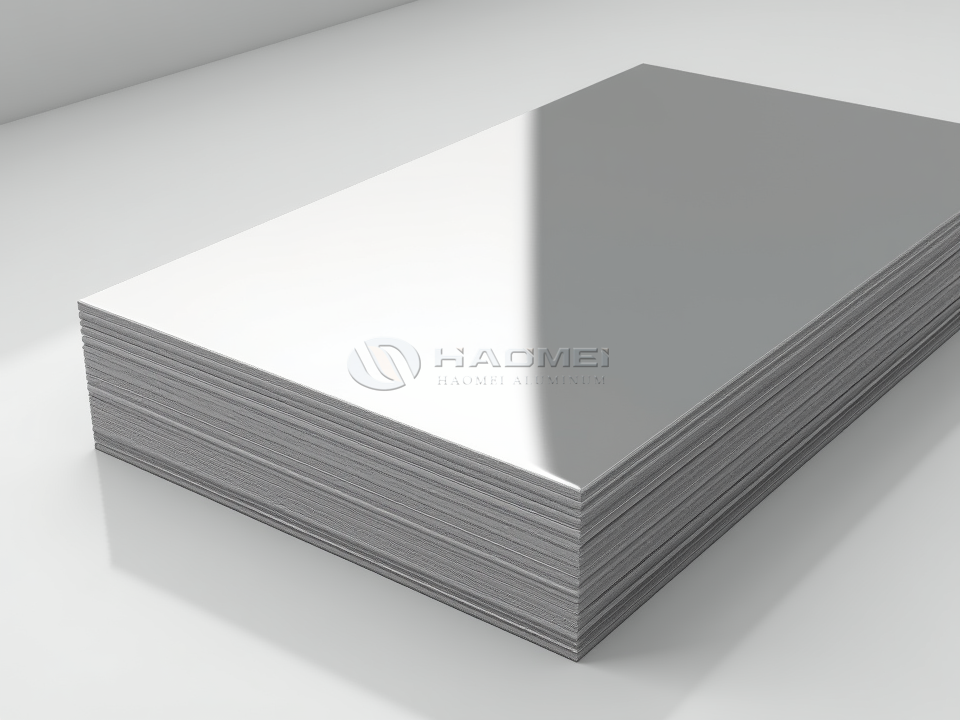
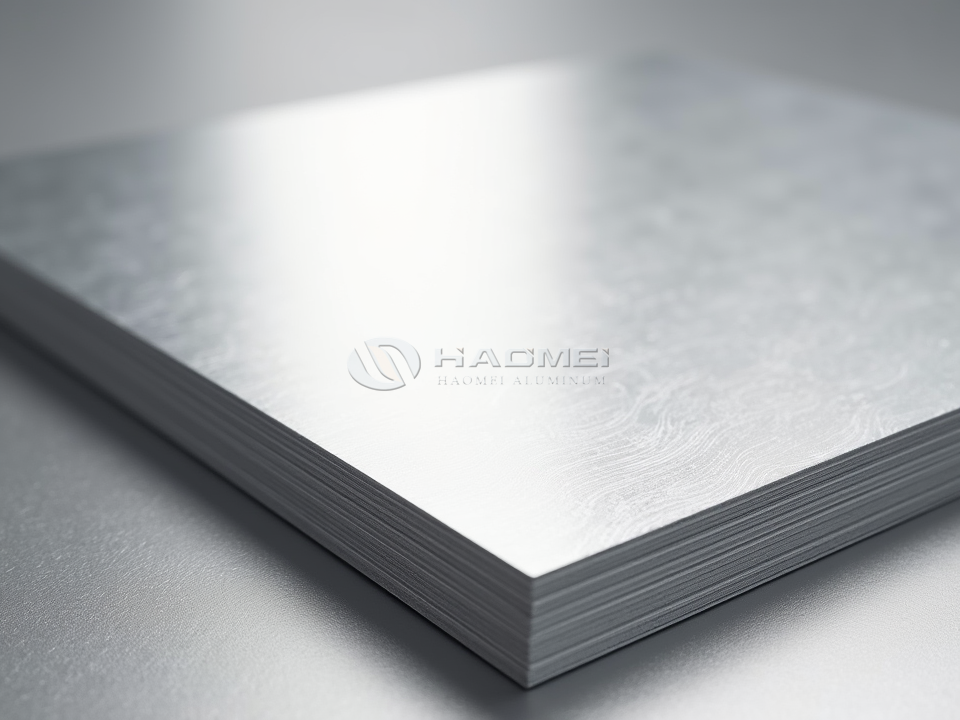
8K Mirror Finish Aluminum Sheet
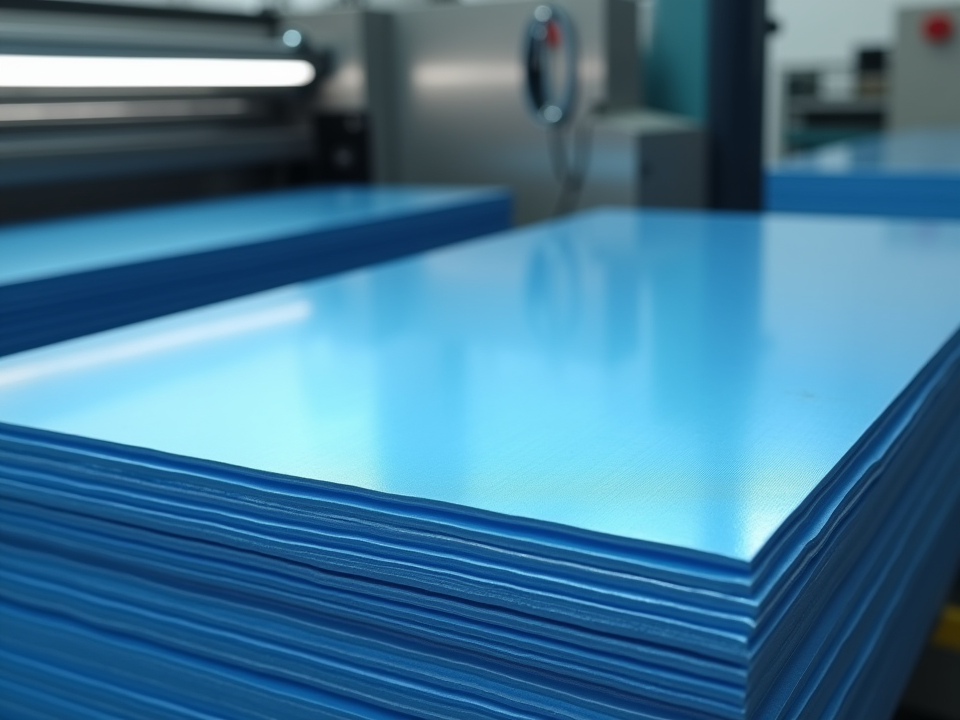
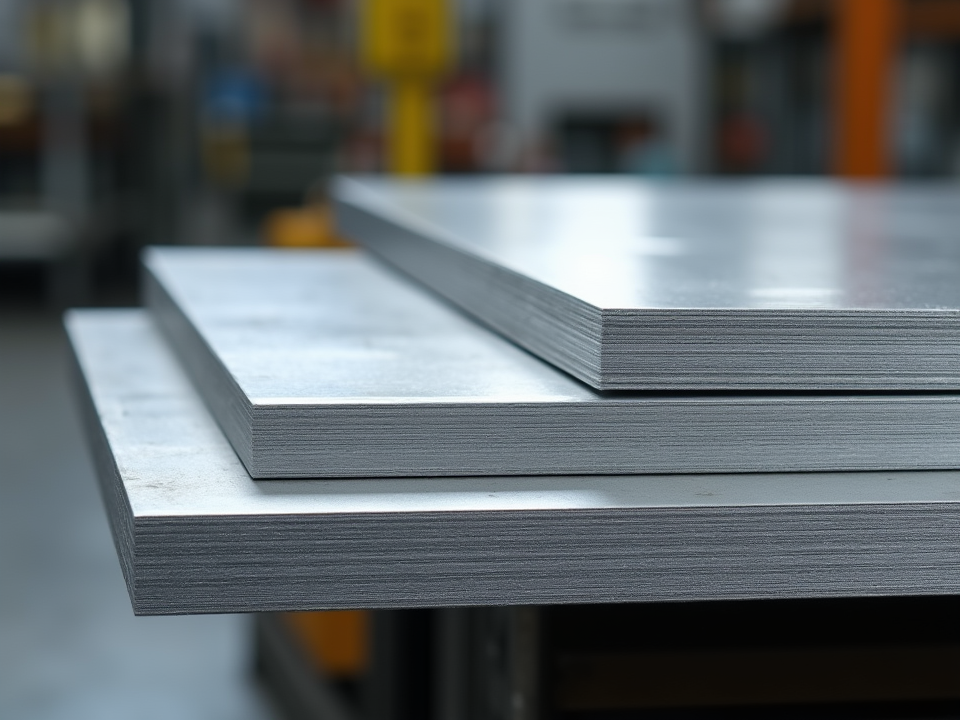
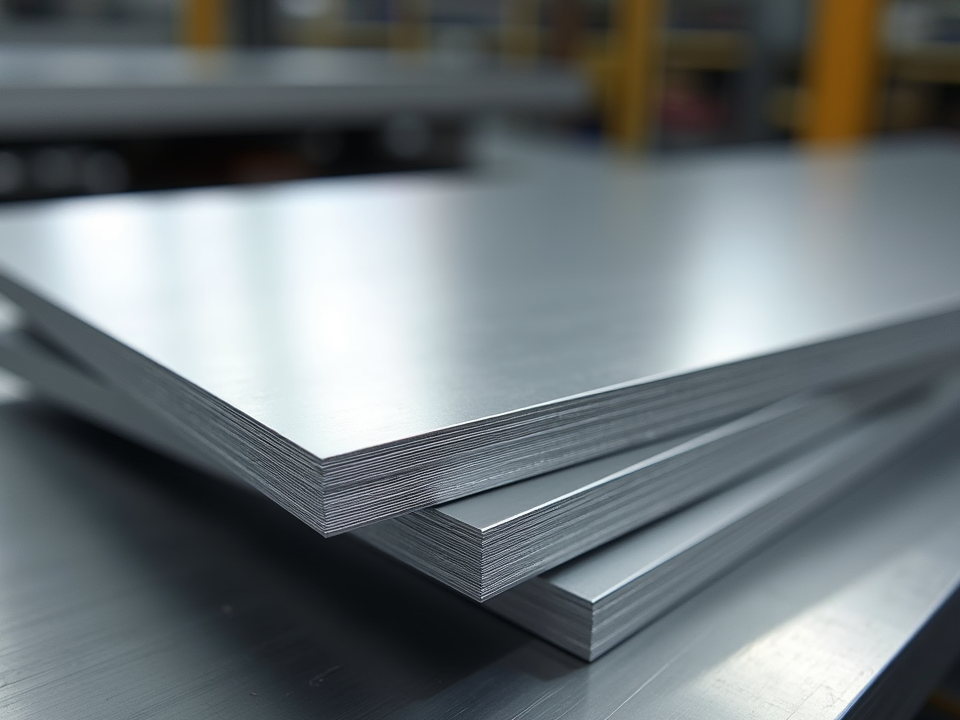
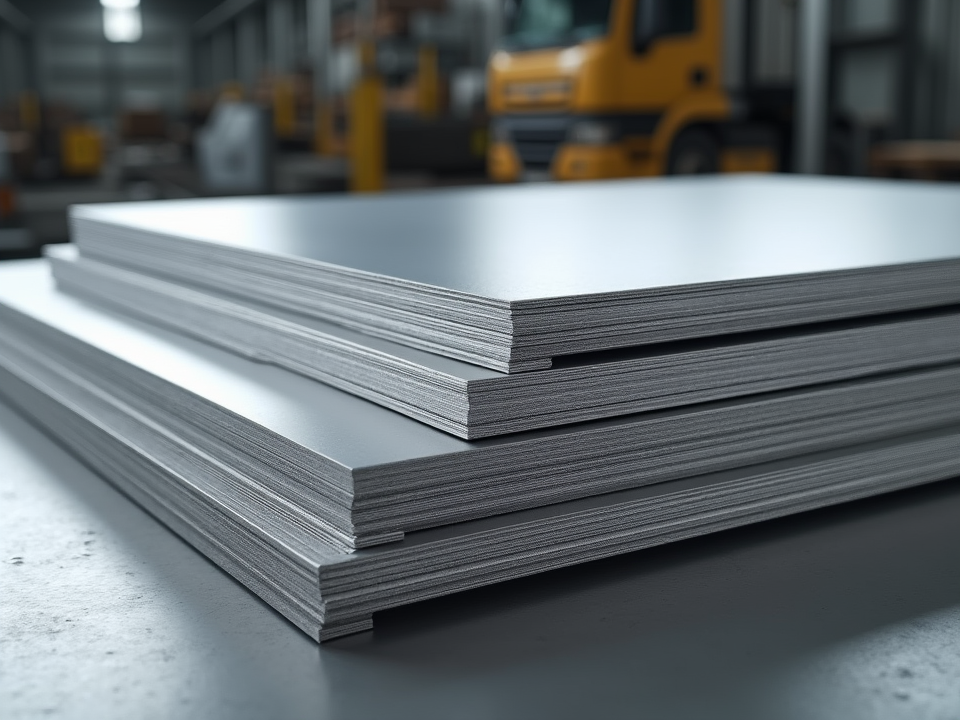
8K mirror finish aluminum sheet is a high-reflective aluminum panel processed through precision rolling, mechanical polishing, chemical brightening, anodizing, or protective coating. The term 8K describes a brilliant, clear, mirror-like surface with excellent image definition and low surface roughness. Compared with ordinary mill finish aluminum, it offers stronger visual brightness, better decorative value, and improved light reflection while keeping the low weight and workability of aluminum.
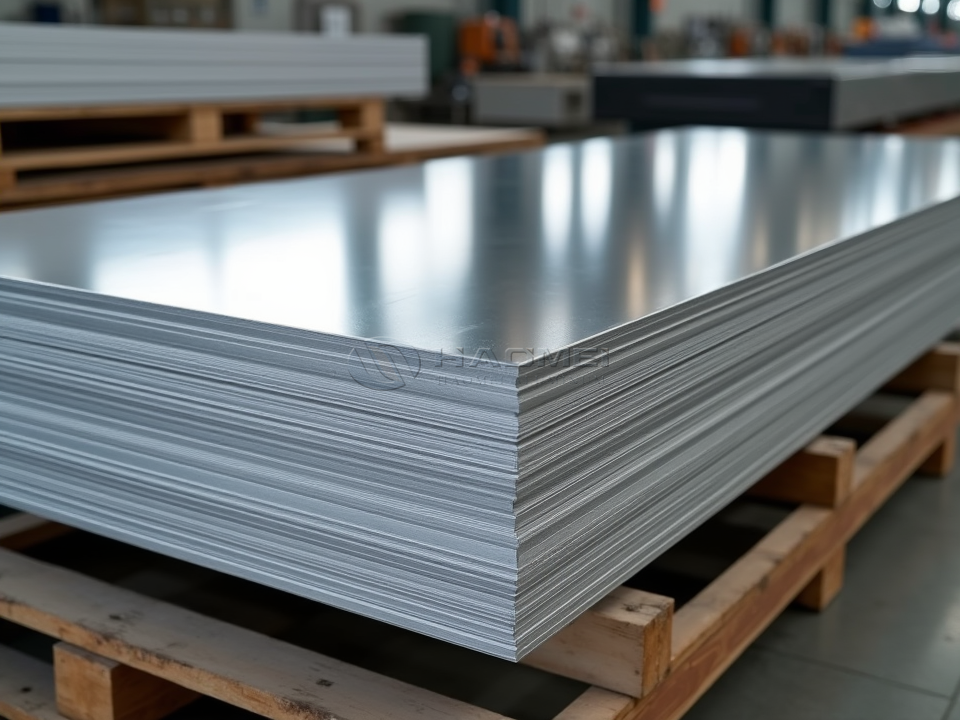
This material is widely used where clean appearance, optical reflection, corrosion resistance, and easy fabrication are required. Buyers often choose 1050, 1060, 1070, 1085, 3003, and 5052 alloys according to reflectivity, strength, forming demand, and service environment. For projects requiring a broader mirror aluminum product range, Mirror Aluminum Sheet options can be selected by alloy, color, thickness, and surface protection.
What 8K Mirror Finish Means
An 8K surface is not only shiny. It is produced to achieve high gloss, fine surface smoothness, and clear reflection. The finished sheet normally carries removable PE film to protect the surface during cutting, bending, punching, transport, and installation.
| Item | Typical Value or Description |
|---|---|
| Surface appearance | Bright mirror, clear reflection, low haze |
| Reflectivity | About 86% to 95%, depending on alloy and coating |
| Surface roughness Ra | About 0.01 to 0.05 micrometer for premium grades |
| Gloss | High gloss, often above 800 GU depending on test angle and surface system |
| Surface protection | PE film, paper interleaving, PVC film, or laser film |
| Available colors | Silver, gold, champagne, black, bronze, rose gold, custom anodized colors |
| Common finish systems | Polished, anodized, coated, laminated, brushed mirror, embossed mirror |
Main Functions of 8K Mirror Aluminum Sheet
The first function is reflection. High-purity aluminum alloys such as 1070 and 1085 can deliver excellent reflectance, making them suitable for lighting, solar reflectors, optical panels, and display structures.
The second function is decoration. The mirror surface gives ceilings, wall panels, elevator interiors, nameplates, furniture, and appliance panels a clean metallic appearance. It provides the visual effect of stainless steel mirror sheet with much lower density.
The third function is corrosion resistance. Aluminum naturally forms a protective oxide layer. When anodized or coated, the surface gains stronger resistance to moisture, fingerprints, oxidation, and mild chemical exposure.
The fourth function is fabrication efficiency. The sheet can be sheared, laser cut, stamped, roll formed, bent, bonded, and CNC processed. It is easier to handle than glass mirror and lighter than stainless steel.
| Function | Customer Benefit | Typical Alloy Choice |
|---|---|---|
| High reflectivity | Better light output and energy efficiency | 1070, 1085 |
| Decorative mirror effect | Premium appearance for interiors and products | 1050, 1060, 3003 |
| Lightweight structure | Lower installation load and easier handling | 1050, 1060, 3003 |
| Corrosion protection | Longer service life in indoor and semi-outdoor use | Anodized 1060, 5052 |
| Formability | Smooth bending, stamping, and panel processing | O, H12, H14 tempers |
Applications Across Industries
8K mirror finish aluminum sheet is used in both functional and decorative fields. In lighting, it improves luminous efficiency for reflectors, lamp housings, grille lights, LED fixtures, and commercial lighting systems. In architecture, it appears in ceilings, curtain wall decoration, column covers, signage, shopfronts, and elevator panels.
In consumer products, it is found in refrigerator panels, kitchen equipment, speaker panels, cosmetic packaging, luggage accessories, and electronic housings. In transportation, it is used for automotive trim, interior decorative strips, bus panels, caravan decoration, and nameplates. For renewable energy, high-reflective grades can be used in solar reflector systems, although final suitability depends on coating durability and outdoor exposure conditions.
| Industry | Common Uses | Recommended Surface Type |
|---|---|---|
| Lighting | Reflectors, LED panels, lamp shades | High-reflective polished or anodized mirror |
| Architecture | Ceiling, wall cladding, elevator decoration | Anodized or coated mirror |
| Signage | Letters, logos, display boards | Colored mirror or silver mirror |
| Appliances | Refrigerator, oven, kitchen cabinet panels | Film-protected coated mirror |
| Automotive | Interior trim, decorative strips, panels | 3003 or 5052 mirror finish |
| Solar and optical | Reflector plates, light guide systems | 1070 or 1085 high-purity mirror |
Alloy and Temper Selection
Alloy selection has a strong influence on reflectivity, strength, corrosion behavior, and processing performance. High-purity alloys usually offer better brightness, while 3003 and 5052 provide higher strength.
| Alloy | Main Character | Common Temper | Typical Use |
|---|---|---|---|
| 1050 | High aluminum purity, good formability | O, H12, H14, H16, H18 | Decoration, signage, lighting parts |
| 1060 | Good reflectivity and easy fabrication | O, H14, H16, H18 | Interior panels, lamp reflectors, labels |
| 1070 | Higher purity and higher reflectance | H14, H16, H18 | Optical reflectors, premium lighting |
| 1085 | Very high purity, excellent brightness | H18, H19 | High-grade reflective applications |
| 3003 | Better strength than 1000 series | H14, H16, H24 | Ceiling, wall panels, appliance panels |
| 5052 | Higher strength and corrosion resistance | H32, H34 | Transport panels, marine-adjacent decoration |
Chemical Composition Reference
Composition values are typical maximum or range percentages by weight. Final supply should follow the agreed standard and mill certificate.
| Alloy | Si | Fe | Cu | Mn | Mg | Cr | Zn | Ti | Al |
|---|---|---|---|---|---|---|---|---|---|
| 1050 | 0.25 | 0.40 | 0.05 | 0.05 | 0.05 | - | 0.05 | 0.03 | Min 99.50 |
| 1060 | 0.25 | 0.35 | 0.05 | 0.03 | 0.03 | - | 0.05 | 0.03 | Min 99.60 |
| 1070 | 0.20 | 0.25 | 0.04 | 0.03 | 0.03 | - | 0.04 | 0.03 | Min 99.70 |
| 1085 | 0.10 | 0.12 | 0.03 | 0.02 | 0.02 | - | 0.03 | 0.02 | Min 99.85 |
| 3003 | 0.60 | 0.70 | 0.05-0.20 | 1.00-1.50 | - | - | 0.10 | - | Balance |
| 5052 | 0.25 | 0.40 | 0.10 | 0.10 | 2.20-2.80 | 0.15-0.35 | 0.10 | - | Balance |
Technical Specifications
| Parameter | Standard Range | Custom Options |
|---|---|---|
| Thickness | 0.15 mm to 6.0 mm | Precision gauge available on request |
| Width | 100 mm to 1600 mm | Slitting and narrow strip supply |
| Length | 500 mm to 6000 mm | Cut-to-size panels available |
| Coil inner diameter | 405 mm, 505 mm | Project-specific coil packing |
| Reflectivity | 86% to 95% | Higher reflectivity for 1070 and 1085 |
| Protective film | 30 micrometer to 100 micrometer | Laser film, high-tack film, easy-peel film |
| Color tolerance | Controlled by sample or color card | Custom anodized and coated colors |
| Surface defects | No visible scratches, stains, dents, or peeling under agreed inspection | Stricter cosmetic grade available |
Mechanical Properties by Temper
Values vary with thickness, standard, and alloy. The table gives common reference ranges for purchasing comparison.
| Alloy and Temper | Tensile Strength MPa | Yield Strength MPa | Elongation % | Processing Character |
|---|---|---|---|---|
| 1060 O | 60-100 | 20-35 | 20-30 | Excellent deep forming |
| 1060 H14 | 95-135 | 70-110 | 3-10 | Good bending and panel work |
| 1060 H18 | 120-160 | 110-145 | 2-5 | Higher hardness, flatter sheet |
| 3003 H14 | 140-180 | 115-160 | 3-8 | Better strength for decoration panels |
| 5052 H32 | 210-260 | 130-180 | 8-15 | Stronger corrosion-resistant grade |
Implementation Standards
| Standard | Scope |
|---|---|
| ASTM B209 | Aluminum and aluminum-alloy sheet and plate |
| EN 485 | Aluminum and aluminum alloy sheet, strip, and plate |
| GB/T 3880 | Wrought aluminum and aluminum alloy plates, sheets, and strips |
| JIS H4000 | Aluminum and aluminum alloy sheets and plates |
| ISO 7599 | Anodizing of aluminum and aluminum alloys |
| ASTM B117 | Salt spray corrosion test for coated or anodized surfaces |
| ASTM E1252 or agreed optical method | Reflectance and surface evaluation by instrument or sample comparison |
Surface Processing and Quality Control
Production usually starts with selected aluminum coil, followed by surface leveling and cleaning. The sheet is then polished, brightened, anodized, color treated, coated, or film laminated depending on the required final effect. For 8K products, dust control and surface protection are critical because small scratches are more visible on mirror surfaces than on matte finishes.
| Inspection Item | Control Method |
|---|---|
| Brightness | Reflectivity meter or sample comparison |
| Flatness | Platform inspection or straightedge measurement |
| Thickness | Micrometer or online gauge |
| Surface roughness | Roughness tester |
| Film adhesion | Peel test and visual check |
| Coating or anodic layer | Thickness gauge and corrosion test if required |
| Packaging | Moisture-proof paper, PE film, wooden pallet or wooden case |
Purchasing Tips
For lighting reflectors, choose 1070 or 1085 if maximum reflectance is the priority. For decorative ceiling and wall panels, 1060 and 3003 provide a good balance between surface quality, formability, and cost. For areas requiring better strength or corrosion resistance, 5052 may be more suitable, although its reflectivity is usually lower than high-purity aluminum.
When ordering, confirm alloy, temper, thickness, width, length, reflectivity, color, film type, surface tolerance, packing method, and applicable standard. If the sheet will be bent after delivery, test the bending radius first and keep the protective film on during processing. Proper handling keeps the 8K mirror finish bright, clean, and ready for high-value installation.