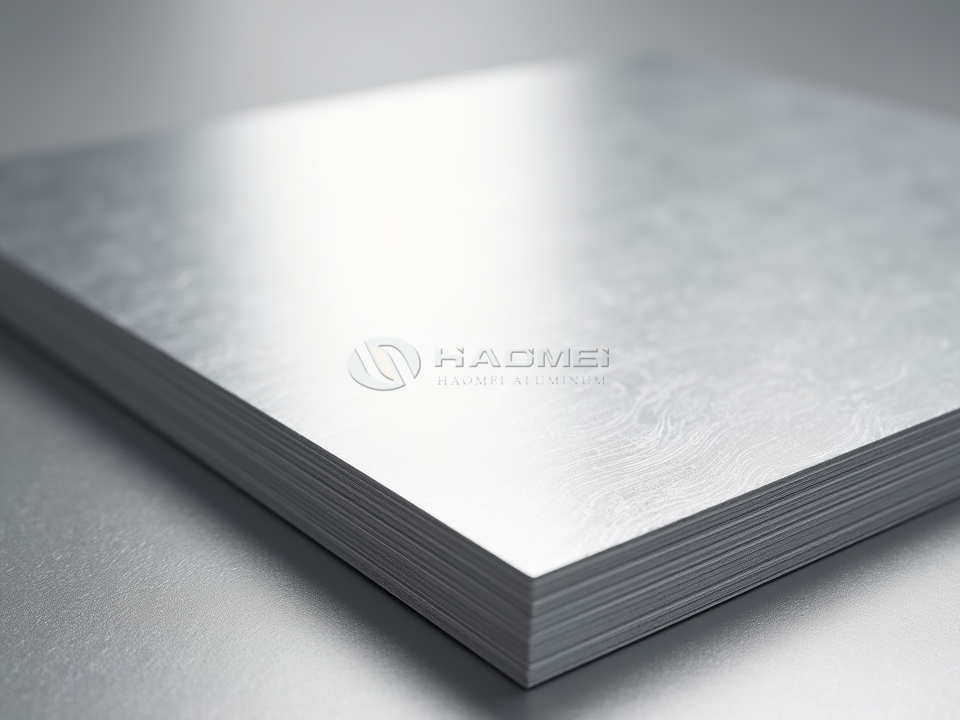
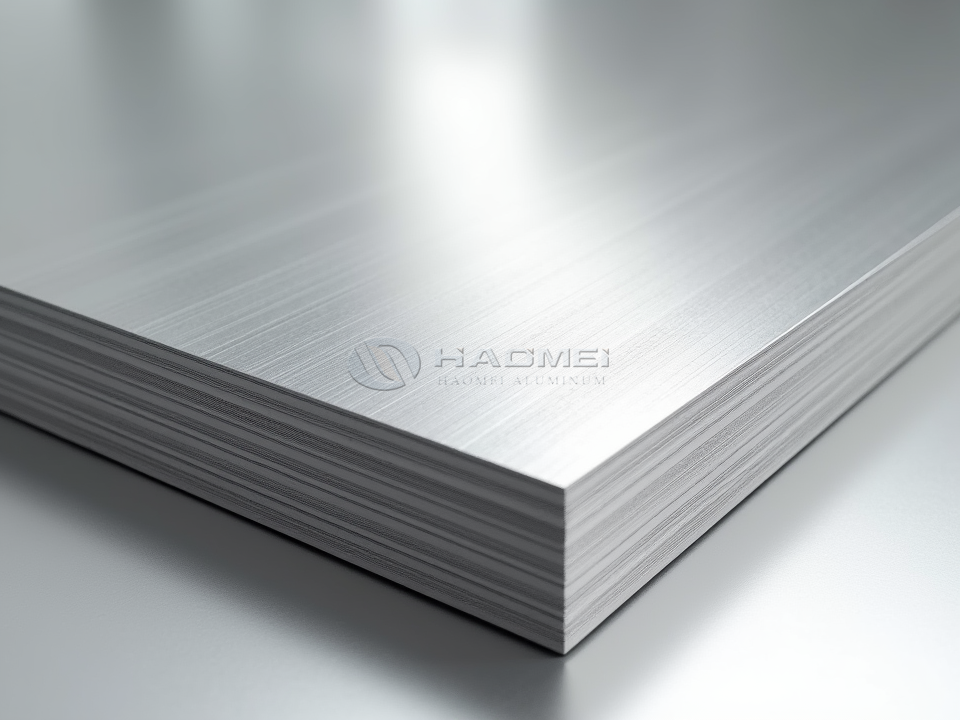
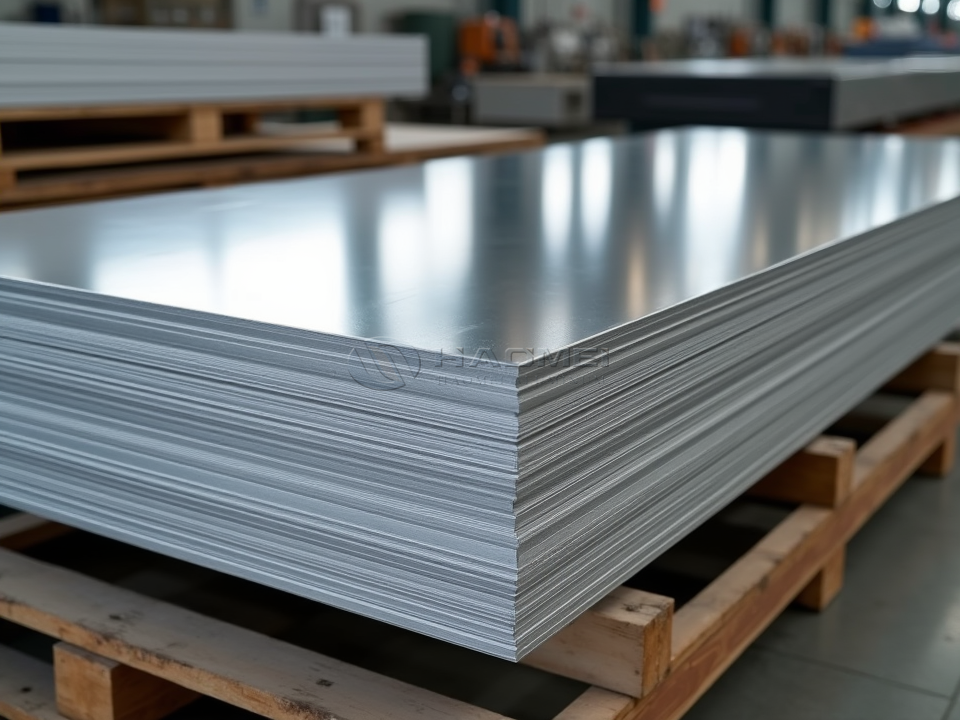
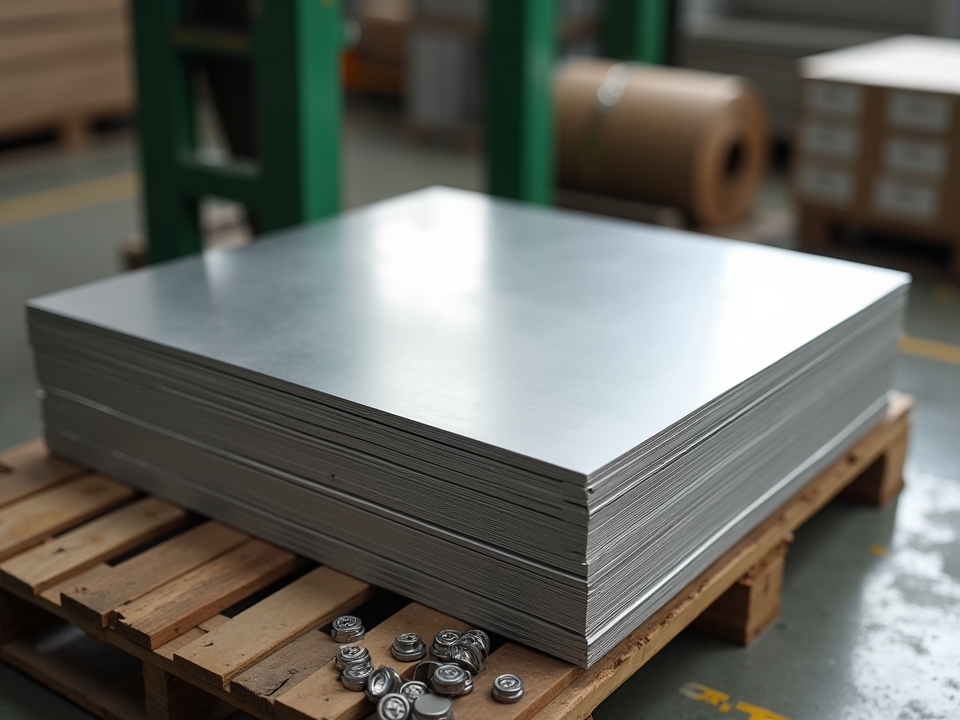
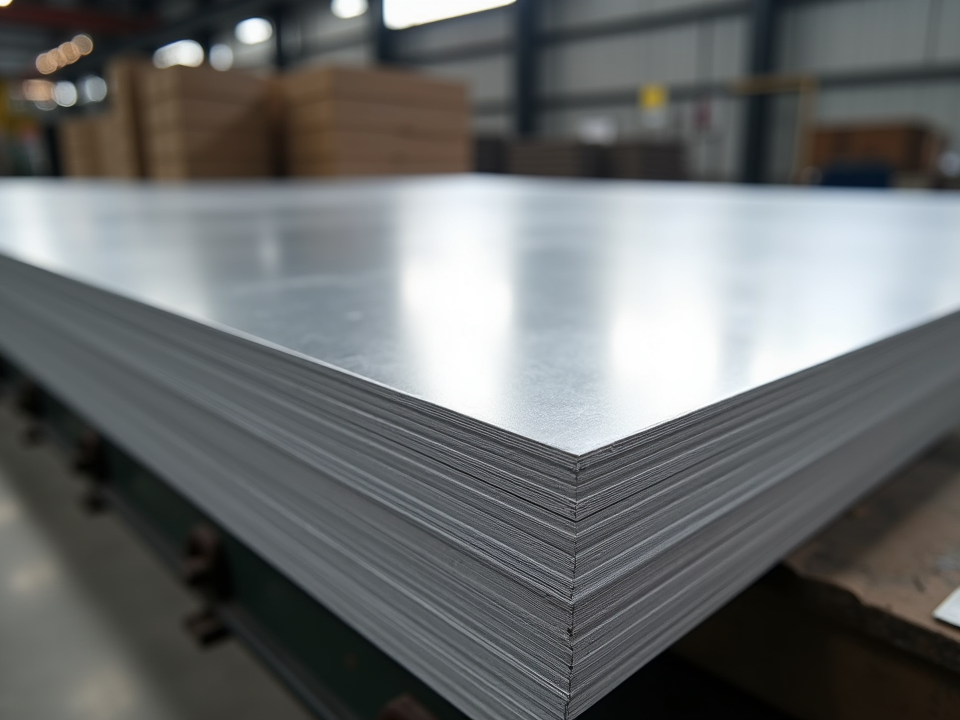
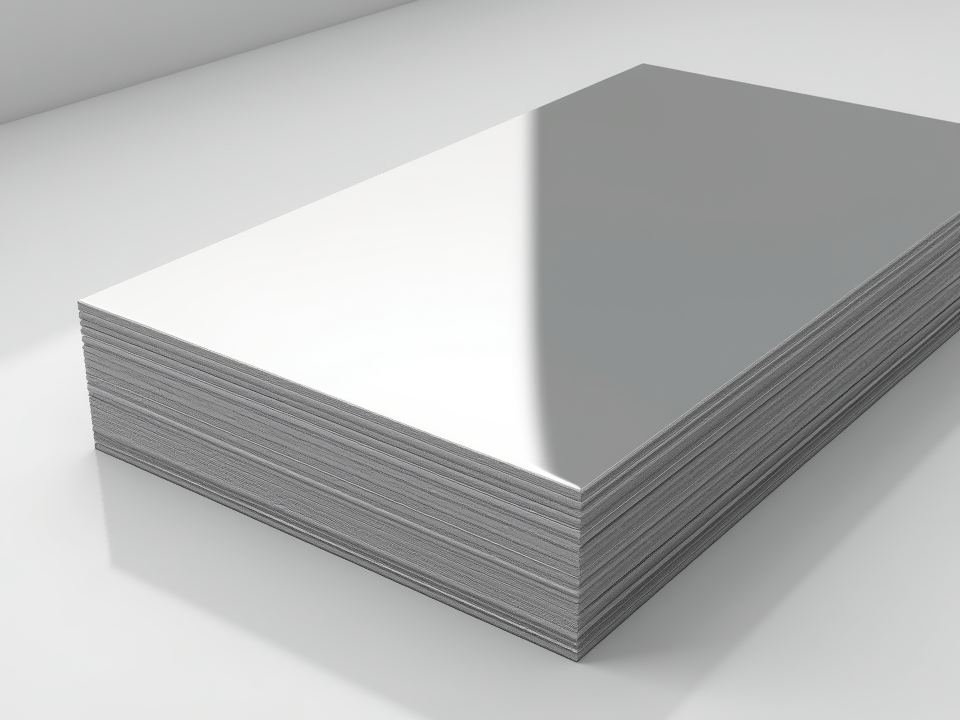
Anodized Mirror Aluminum Plate
An anodized mirror aluminum plate is not simply a shiny metal panel. It is a surface designed to manage light, resist oxidation, and keep its appearance stable through handling, forming, cleaning, and daily exposure. In architectural ceilings, elevator interiors, lighting reflectors, furniture trim, signage, appliance panels, and decorative walls, the material works like a quiet optical tool: it reflects, protects, and reduces weight at the same time.
The plate begins as carefully selected aluminum, usually from high-purity 1xxx series alloys such as 1050, 1060, 1070, and 1085. After rolling and leveling, the surface is polished or bright-rolled to achieve high reflectivity. Anodizing then converts the top layer of aluminum into a controlled aluminum oxide film. This oxide layer is not a coating sitting loosely on the surface; it grows from the base metal, giving better bonding, hardness, and long-term resistance.
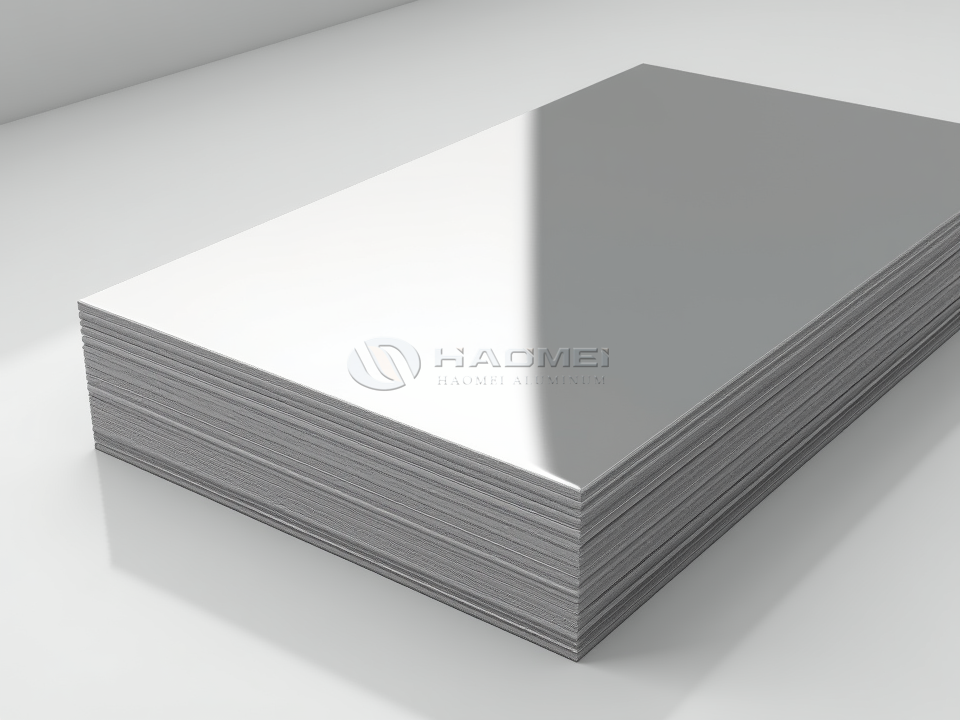
Why anodizing changes the mirror surface
Bare mirror aluminum can look beautiful, but it is sensitive to fingerprints, mild chemicals, and atmospheric staining. Anodizing adds a transparent protective film while keeping the metallic brightness visible. The result is a more stable reflective plate with improved scratch resistance, corrosion protection, and color consistency.
For many buyers, the difference can be understood through touch and time. A polished plate may shine strongly on the first day, while an anodized mirror aluminum plate is built to keep that shine more reliably after installation. The anodic film also allows champagne, gold, bronze, black, and other tones to be produced with better surface durability than many painted finishes.
For projects that require a related bright aluminum surface without anodic protection, a standard Mirror Aluminum Sheet may be suitable. Where stronger surface stability and decorative durability are required, Anodized Mirror Aluminum Sheet is often the better choice.
Common product parameters
The right specification depends on whether the plate will be bent, stamped, laminated, installed outdoors, or used mainly for visual decoration. Typical supply ranges are shown here for fast reference.
| Item | Common Range or Requirement |
|---|---|
| Alloy | 1050, 1060, 1070, 1085, 1100, 3003 |
| Temper | O, H12, H14, H16, H18, H22, H24 |
| Thickness | 0.2 mm to 6.0 mm, with decorative use often at 0.4 mm to 3.0 mm |
| Width | 100 mm to 1600 mm, wider sizes by production route |
| Length | Coil, cut-to-size sheet, or customized plate length |
| Reflectivity | About 86% to 95%, depending on alloy, polish, and color |
| Anodic film thickness | 3 μm to 25 μm, selected by indoor or outdoor service |
| Surface colors | Silver, gold, champagne, bronze, black, rose gold, custom tones |
| Surface protection | PE/PVC film, paper interleaving, pallet packing |
| Typical tolerance | Based on EN, ASTM, GB/T, or agreed project requirement |
Alloy and temper selection
Alloy choice affects brightness, formability, strength, and price. High-purity aluminum usually gives a clearer mirror effect because fewer alloying elements interrupt the reflective surface. Manganese-containing 3003 offers higher strength, but its reflectivity is usually lower than high-purity 1xxx material.
| Alloy | Main Character | Typical Use |
|---|---|---|
| 1050 | Good brightness, soft, easy to form | Decorative panels, labels, interior trim |
| 1060 | Balanced purity, reflectivity, and cost | Lighting panels, ceiling strips, wall panels |
| 1070 | Higher aluminum content, better optical appearance | Premium decoration, reflector parts |
| 1085 | Very high purity, excellent mirror brightness | High-end reflectors, luxury interiors |
| 1100 | Good workability and corrosion resistance | General decoration and formed parts |
| 3003 | Better strength, moderate brightness | Panels requiring improved rigidity |
Temper also matters. O temper is soft and useful for deep drawing or complex forming. H14 and H24 provide a practical balance between flatness, strength, and bendability. H18 is harder and flatter, suitable for panels that need stiffness but limited forming.
Chemical composition reference
Chemical composition is controlled by alloy standard and mill certificate. The following values are typical maximum or range references and may vary slightly according to the selected standard.
| Alloy | Al | Si | Fe | Cu | Mn | Mg | Zn | Ti |
|---|---|---|---|---|---|---|---|---|
| 1050 | ≥99.50 | ≤0.25 | ≤0.40 | ≤0.05 | ≤0.05 | ≤0.05 | ≤0.05 | ≤0.03 |
| 1060 | ≥99.60 | ≤0.25 | ≤0.35 | ≤0.05 | ≤0.03 | ≤0.03 | ≤0.05 | ≤0.03 |
| 1070 | ≥99.70 | ≤0.20 | ≤0.25 | ≤0.04 | ≤0.03 | ≤0.03 | ≤0.04 | ≤0.03 |
| 1085 | ≥99.85 | ≤0.08 | ≤0.10 | ≤0.03 | ≤0.02 | ≤0.02 | ≤0.03 | ≤0.02 |
| 3003 | Balance | ≤0.60 | ≤0.70 | 0.05-0.20 | 1.00-1.50 | -- | ≤0.10 | -- |
Higher aluminum purity generally improves specular reflection. Iron and silicon are common impurities, and strict control of these elements helps produce a cleaner, brighter surface after polishing and anodizing.
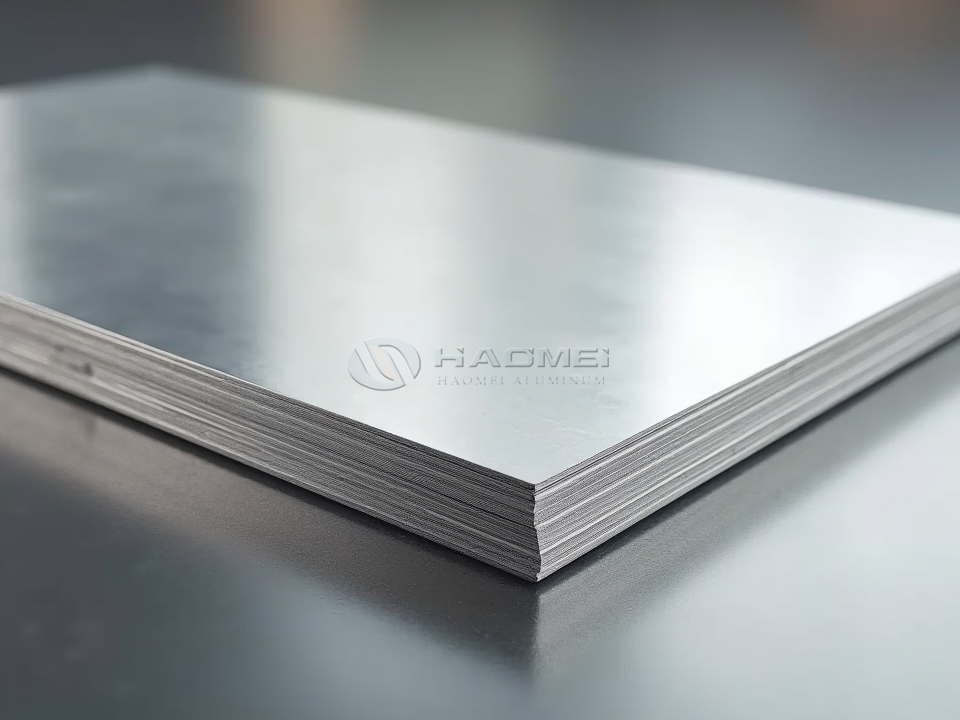
Implementation standards and inspection focus
Reliable anodized mirror aluminum plate should be supplied with a clear production and inspection basis. Commonly referenced standards include ASTM B209 for aluminum sheet and plate, EN 485 for aluminum and aluminum alloy sheet, strip, and plate, EN 573 for chemical composition, EN 515 for temper designation, ISO 7599 for anodizing of aluminum and its alloys, GB/T 3880 for aluminum sheet and strip, and GB/T 8013 for anodic oxidation films.
In practical purchasing, standards are only part of the story. Inspection should also focus on surface consistency. Buyers usually check gloss, reflectivity, color difference, film thickness, sealing quality, flatness, burr condition, scratches, roller marks, oil stains, and protective film adhesion. For visible architectural use, color difference should be checked under stable light conditions because mirror materials can look different when viewed from different angles.
Conditions for use and processing
Anodized mirror aluminum plate performs best when the application environment is matched with the film thickness. Indoor decorative panels may use a thinner anodic film, while humid, coastal, or outdoor locations require thicker anodizing and better sealing. For outdoor use, a film thickness of 15 μm to 25 μm is commonly preferred, depending on exposure level.
During fabrication, the protective film should remain on the surface as long as possible. Cutting tools must be sharp, and chips should be removed quickly to avoid dragging marks across the mirror face. When bending, the bend radius should be tested in advance, especially with harder tempers or thicker anodic films. A very tight bend can create micro-cracks in the anodic layer, even if the aluminum base remains intact.
Cleaning should be gentle. Neutral detergent, soft cloth, and clean water are suitable for most maintenance work. Strong alkalis, acidic cleaners, abrasive pads, and aggressive solvents should be avoided because they may attack the anodic film or leave visible haze.
Surface choices beyond silver
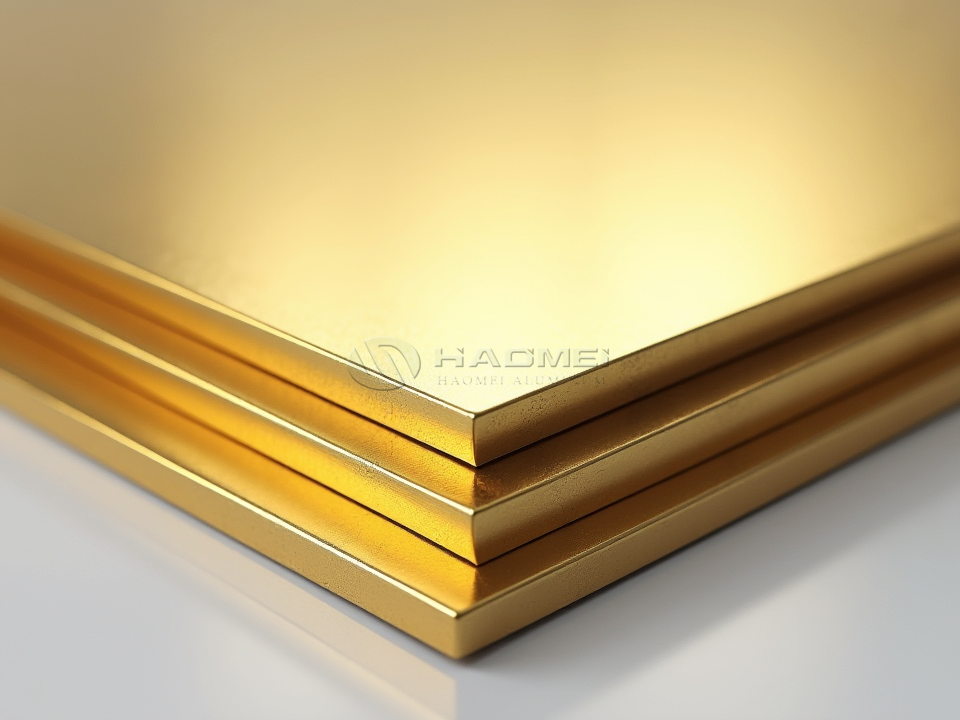
Silver remains the most widely used finish because it offers the highest visual brightness. Gold and champagne tones create warmer reflections for interiors, hotel decoration, and retail displays. Black anodized mirror aluminum has a deeper, more dramatic effect, often used for luxury panels and modern furniture.
Color is not only an aesthetic decision. Darker colors usually absorb more heat, which may affect outdoor panel design. Large installations should consider thermal expansion, installation gaps, and back support. Aluminum expands more than steel, so correct fixing methods help keep panels flat and prevent wave distortion.
How to choose the right plate quickly
A lighting reflector needs high reflectivity, stable brightness, and good surface cleanliness, so 1070 or 1085 may be preferred. An interior wall panel may need color consistency, scratch resistance, and cost control, making 1060 H24 a practical option. A ceiling panel may require flatness and moderate strength, so H14 or H24 temper is often selected. A formed decorative part may need O temper or a softer H temper for safer bending.
Thickness should be chosen by function. Thin coil materials reduce weight and are easier to laminate. Medium thickness sheets are common for panels and decorative parts. Thicker plates offer rigidity but require more attention during polishing, cutting, and installation.
Anodized mirror aluminum plate brings together the visual precision of a mirror, the light weight of aluminum, and the durability of an oxide-protected surface. When alloy purity, temper, anodic film thickness, standards, and processing conditions are chosen carefully, the material becomes more than decoration. It becomes a long-lasting reflective surface engineered for real service.