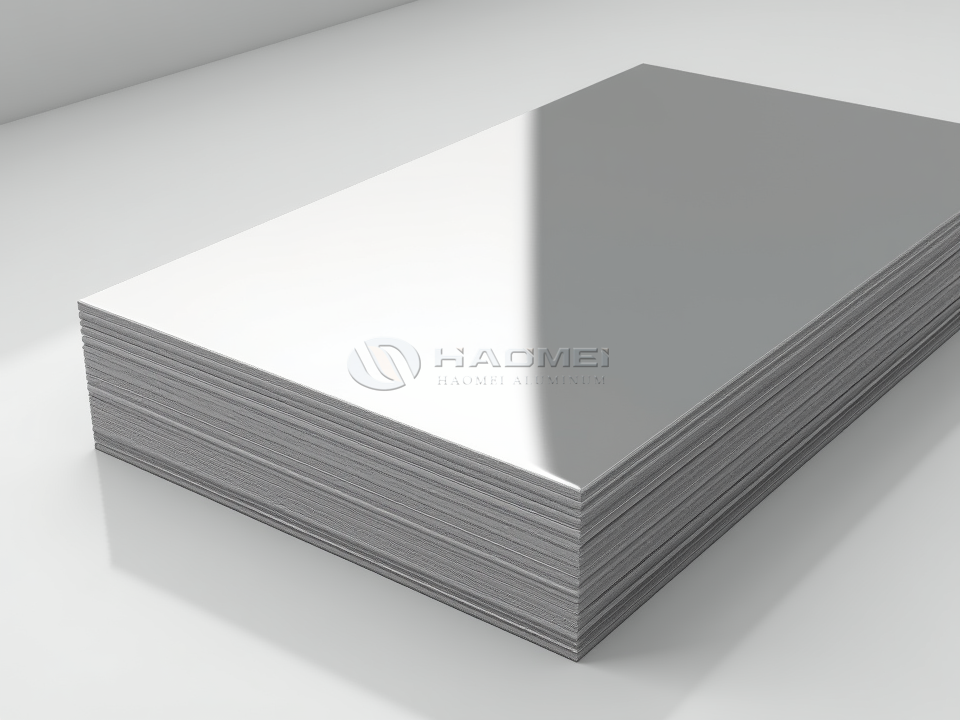
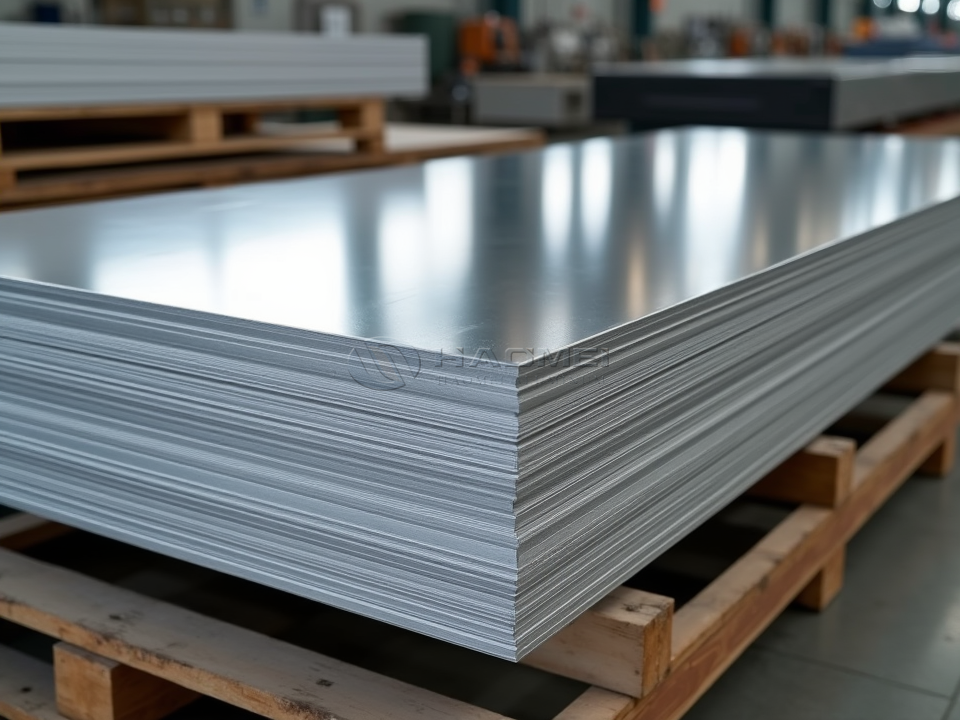
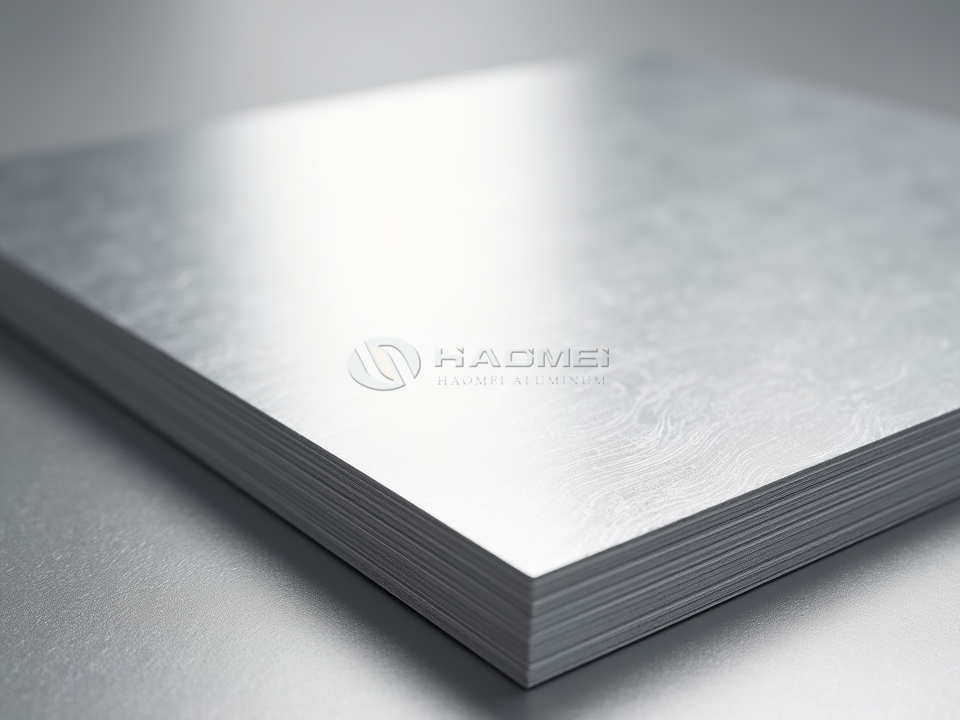
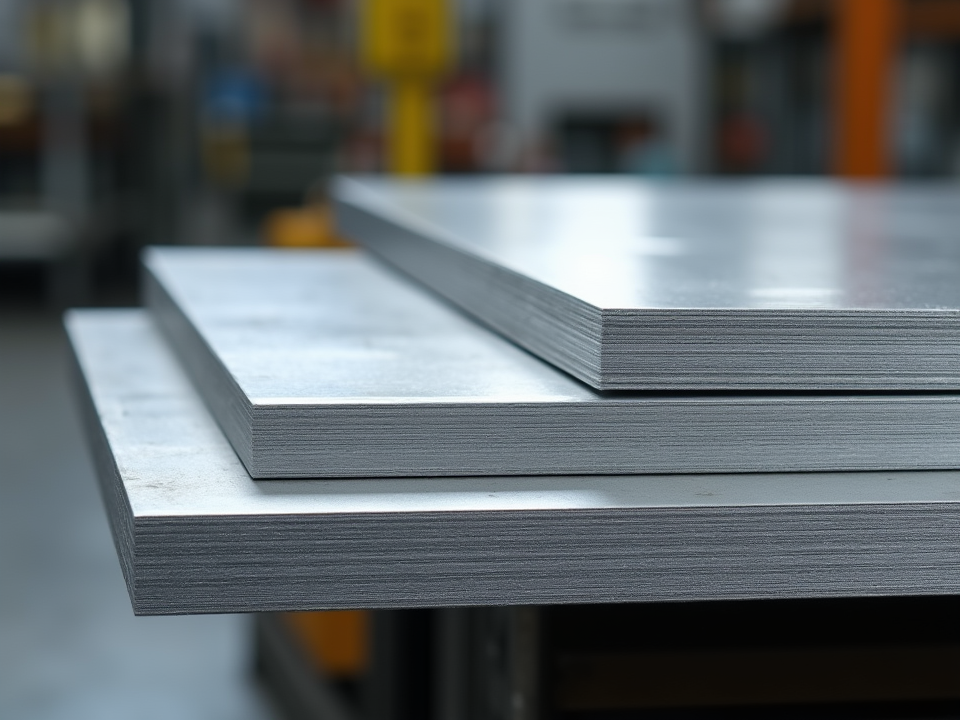
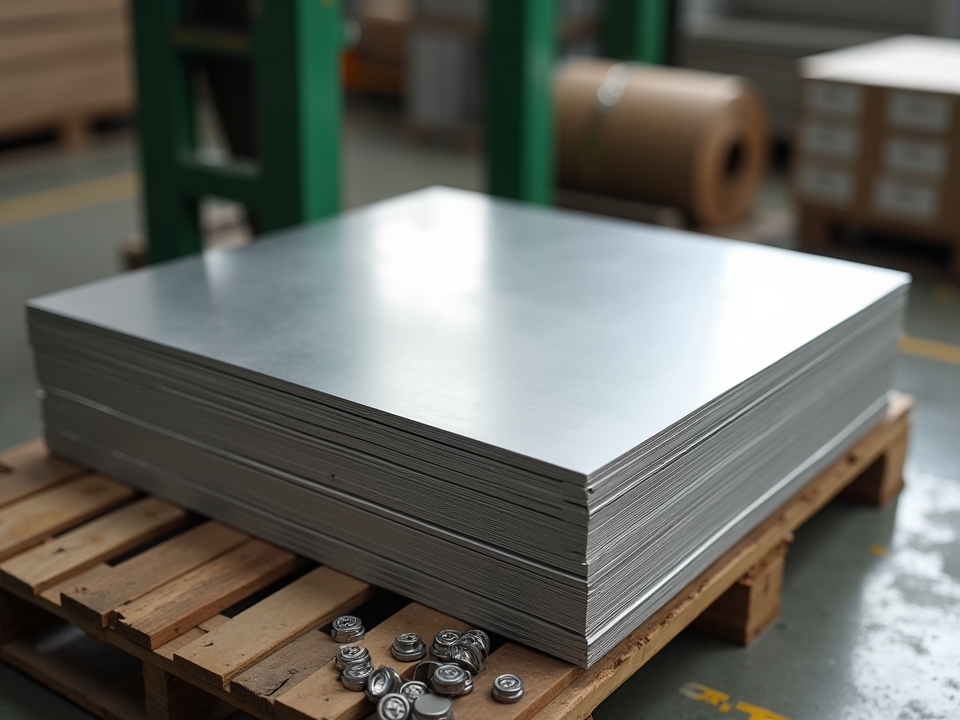
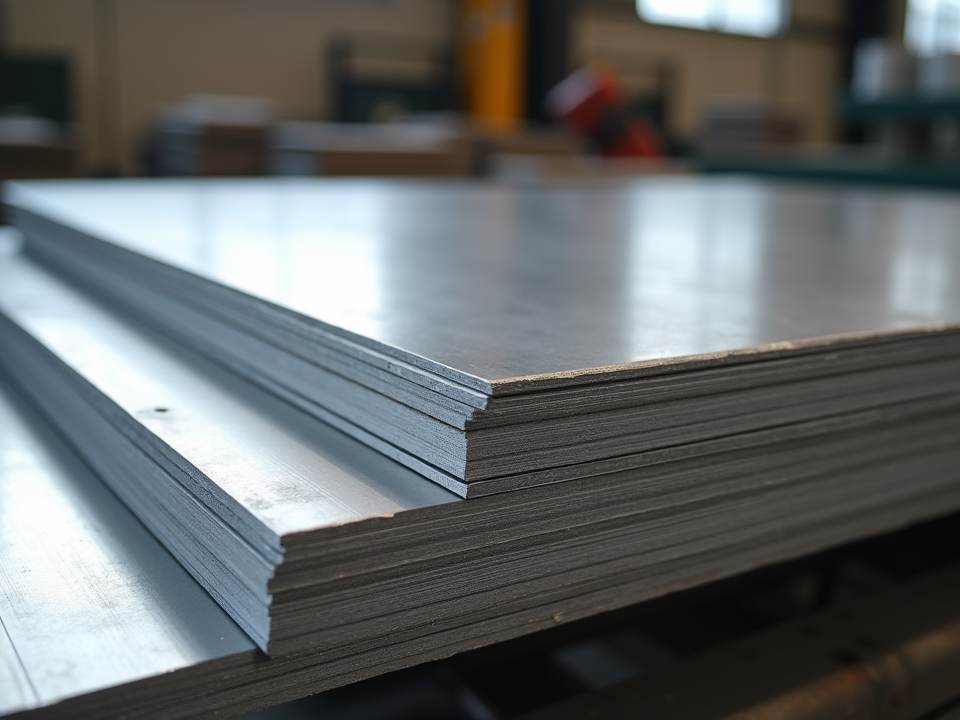
Polished Aluminum Mirror Plate
Polished Aluminum Mirror Plate: When Metal Learns to Work Like Light
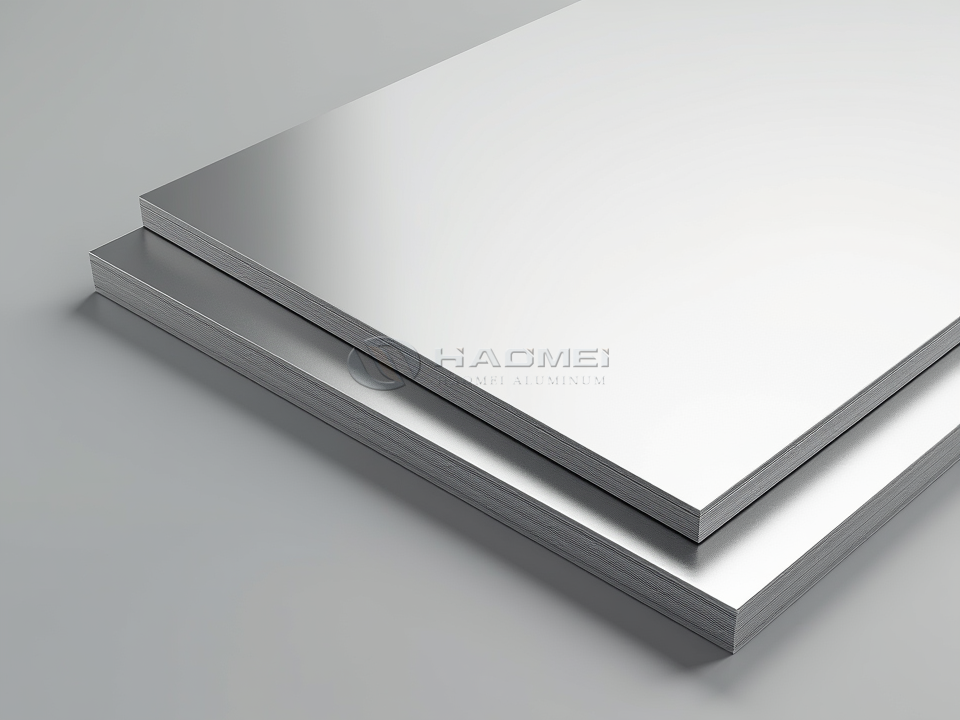
A polished aluminum mirror plate is not simply a shiny aluminum sheet. It is a controlled surface that manages light, weight, corrosion, formability, and appearance at the same time. In many projects, it replaces glass mirror, stainless steel, or coated plastic because it gives a bright reflective face while staying light enough for easy cutting, bending, punching, and installation.
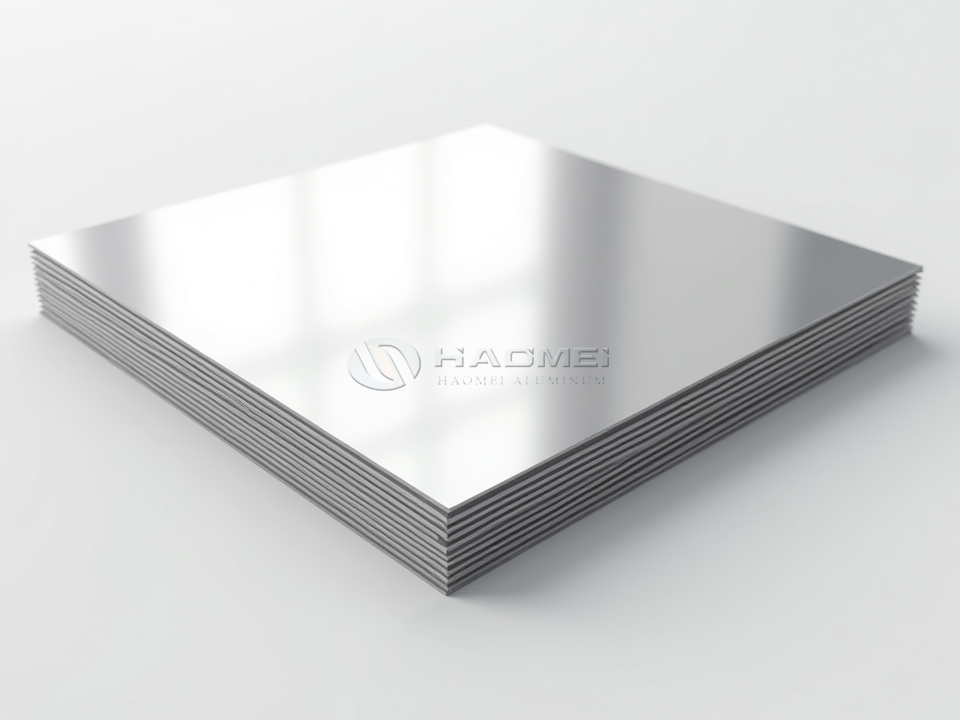
The best way to understand this material is to look at it as a light-handling metal. Every decision, from alloy selection to temper, polishing route, anodizing, protective film, and packaging, affects how clean the reflection looks after processing and after years of service.
What Makes the Surface Mirror Bright
The mirror effect comes from reducing surface roughness and controlling oxide formation. Aluminum naturally forms a thin oxide layer in air. On a normal mill finish sheet, that layer sits on a surface with rolling lines and microscopic peaks. On a polished aluminum mirror plate, the surface is brightened by mechanical polishing, rolling with highly finished rolls, chemical brightening, anodizing, or a combination of these methods.
Mechanical polishing can create a strong decorative reflection, while bright anodized mirror aluminum offers better surface stability and scratch resistance. For customers comparing reflective aluminum grades, a standard Mirror Aluminum Sheet range is often the starting point before choosing alloy, thickness, and surface protection.
Common Product Parameters
| Item | Typical Range or Condition |
|---|---|
| Product form | Sheet, plate, cut-to-size panel, coil-derived sheet |
| Common alloys | 1050, 1060, 1070, 1085, 1100, 3003 |
| Temper | O, H12, H14, H16, H18, H22, H24 |
| Thickness | 0.20 mm to 6.00 mm, with 0.30 mm to 3.00 mm widely used |
| Width | 100 mm to 1500 mm, wider sizes by production route |
| Length | 300 mm to 6000 mm or customized cut length |
| Reflectivity | About 75% to 90%, depending on alloy and finish |
| Surface roughness | Usually Ra 0.02 micrometer to 0.08 micrometer for high-grade mirror finish |
| Protective film | PE, PVC, laser film, heat-resistant film by application |
| Color options | Silver, gold, black, champagne, bronze, custom anodized tones |
| Back side | Mill finish, matte finish, coated, or protected |
These values are practical purchasing references, not a substitute for the final purchase specification. Mirror quality is strongly affected by surface inspection method, light angle, and permitted defect level.
Alloy and Temper: The Hidden Structure Behind the Shine
Pure aluminum series alloys are the preferred choice for high reflectivity. 1050, 1060, 1070, and 1085 have high aluminum content, which helps produce a clean, bright surface. 1085 is often selected for premium lighting and solar reflector applications because its purity supports stronger reflectance after brightening.
1060 is widely used because it balances reflectivity, cost, corrosion resistance, and workability. It is suitable for interior panels, lampshades, nameplates, appliance trim, decorative strips, and signage. When a project needs reliable forming and a bright commercial surface, 1060 is usually easier to process than harder materials.
3003 contains manganese, giving better strength than pure aluminum grades. Its reflectivity is normally lower than 1060 or 1085, but it is useful when the mirror plate must hold shape better after forming. It is common in ceiling panels, curtain wall decoration, and transportation interiors.
Temper affects how the plate behaves during fabrication. O temper is soft and excellent for deep drawing or complex bending, but it may dent more easily. H14 and H24 provide medium hardness for panels, trims, and general decoration. H18 is harder and flatter, suitable for simple flat parts, but tight bending may cause surface stress marks if the tooling is not controlled.
Chemical Composition Reference
| Alloy | Al | Si | Fe | Cu | Mn | Mg | Zn | Ti | Other Elements |
|---|---|---|---|---|---|---|---|---|---|
| 1050 | 99.50 min | 0.25 max | 0.40 max | 0.05 max | 0.05 max | 0.05 max | 0.05 max | 0.03 max | 0.03 each, 0.10 total |
| 1060 | 99.60 min | 0.25 max | 0.35 max | 0.05 max | 0.03 max | 0.03 max | 0.05 max | 0.03 max | 0.03 each, 0.10 total |
| 1070 | 99.70 min | 0.20 max | 0.25 max | 0.04 max | 0.03 max | 0.03 max | 0.04 max | 0.03 max | 0.03 each, 0.10 total |
| 1085 | 99.85 min | 0.10 max | 0.12 max | 0.03 max | 0.02 max | 0.02 max | 0.03 max | 0.02 max | 0.02 each, 0.05 total |
| 3003 | Remainder | 0.60 max | 0.70 max | 0.05 to 0.20 | 1.00 to 1.50 | 0.05 max | 0.10 max | Not fixed | 0.05 each, 0.15 total |
Higher aluminum purity generally improves brightening response and corrosion behavior. Iron and silicon influence surface clarity because intermetallic particles can scatter light after polishing or chemical treatment. This is why two mirror plates with the same thickness can look different when made from different alloys.
Performance and Testing Standards
Polished aluminum mirror plate is normally produced and inspected according to recognized aluminum sheet standards, plus surface-specific testing agreed between buyer and producer.
| Standard | Scope Related to Mirror Aluminum Plate |
|---|---|
| ASTM B209 | Aluminum and aluminum-alloy sheet and plate requirements |
| EN 485 | Mechanical properties, tolerances, and sheet/strip conditions |
| EN 573 | Aluminum alloy chemical composition designation |
| GB/T 3880 | Chinese standard for aluminum and aluminum alloy plates, sheets, and strips |
| JIS H4000 | Japanese standard for aluminum sheets and plates |
| ASTM D523 | Gloss measurement for reflective surfaces |
| ASTM E903 | Solar absorptance, reflectance, and transmittance testing |
| ISO 4287 | Surface texture and roughness measurement |
| ASTM D3359 | Adhesion test for coated or anodized surfaces |
For indoor decorative use, appearance, flatness, color consistency, and protective film quality often matter more than extreme reflectivity. For lighting and optical reflectors, reflectance value, haze, directionality, and surface cleanliness become much more important.
Surface Choices for Different Working Environments
A bare polished surface gives high brightness and economical performance, but it is more sensitive to fingerprints, alkaline cleaners, and abrasion. Anodizing creates a hard oxide layer that protects the reflective surface and can also add color. For humid interiors, public spaces, elevator trim, ceiling systems, and commercial displays, Anodized Mirror Aluminum Sheet is often preferred because it keeps a refined appearance with less maintenance.
Colored mirror aluminum is created by anodizing, coating, or vacuum-related surface processes. Gold, black, champagne, and bronze mirror plates are widely used where reflection must support a design mood rather than act only as a functional reflector.
Fabrication Notes Customers Should Know
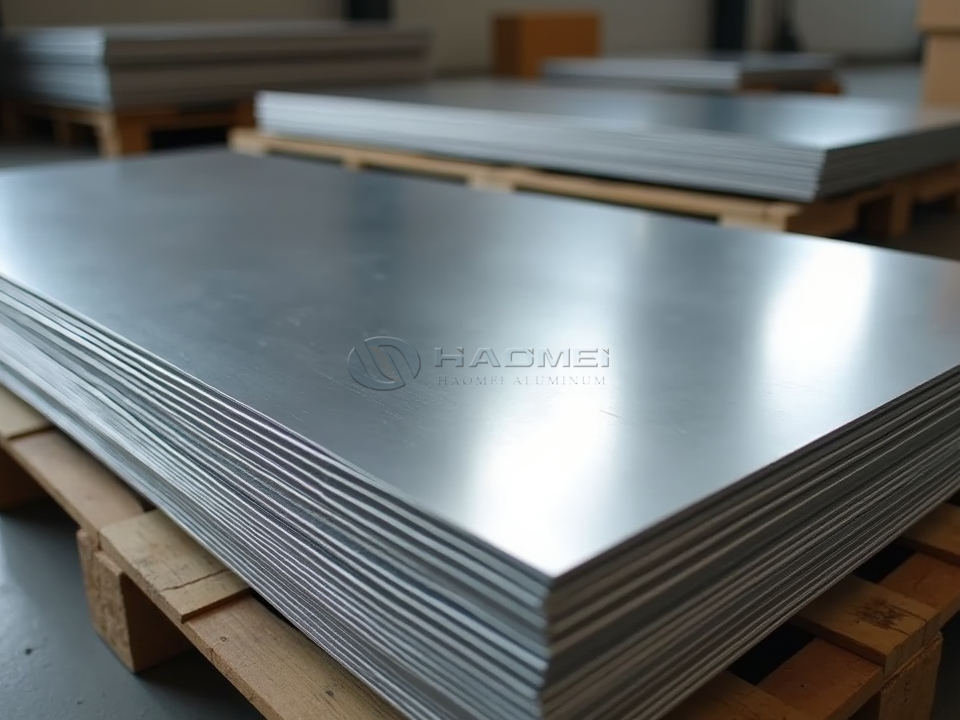
Polished aluminum mirror plate can be cut by shearing, sawing, CNC routing, laser cutting, and punching. However, the surface must be protected during handling. A good protective film should remain stable during cutting and bending, yet peel cleanly after installation. If the film adhesive is too weak, dust enters the edge. If it is too strong, removal may leave marks or stress the surface.
During bending, the mirror face is usually placed on the outer side only when the radius is large enough to avoid fine cracking or orange-peel texture. For tight bends, O or H14 temper is safer than H18. Tooling should be clean and polished; even small metal chips can leave permanent scratches.
Cleaning should be gentle. Neutral detergent, soft cloth, and water are normally enough. Strong alkali, rough pads, acidic cleaners, and solvent mixtures should be tested before use. Aluminum resists natural oxidation well, but aggressive chemicals can stain or dull the mirror effect.
Application Fields
Polished aluminum mirror plate appears in LED reflectors, lighting housings, solar reflective parts, cosmetic packaging, kitchen appliances, elevator cabins, ceilings, wall panels, advertising signs, vehicle interiors, furniture decoration, speaker panels, and architectural trim.
Its value is strongest where designers need a bright surface with low weight. A glass mirror may be too fragile. Stainless steel may be too heavy or expensive. Plastic mirror may lack heat resistance or long-term dimensional stability. Aluminum sits between these choices with a practical mix of reflection, workability, corrosion resistance, and cost control.
How to Specify It Clearly
A clear inquiry should state alloy, temper, thickness, width, length, finish type, reflectivity target, color, protective film, surface inspection requirement, tolerance standard, packaging method, and final use. If the plate will be bent, stamped, bonded, anodized, printed, or used outdoors, that information should be shared before production.
The most successful polished aluminum mirror plate is not only the brightest one. It is the plate whose alloy, temper, surface, and protection match the real working conditions. When these details are aligned, the material does more than reflect an image. It reflects careful engineering.