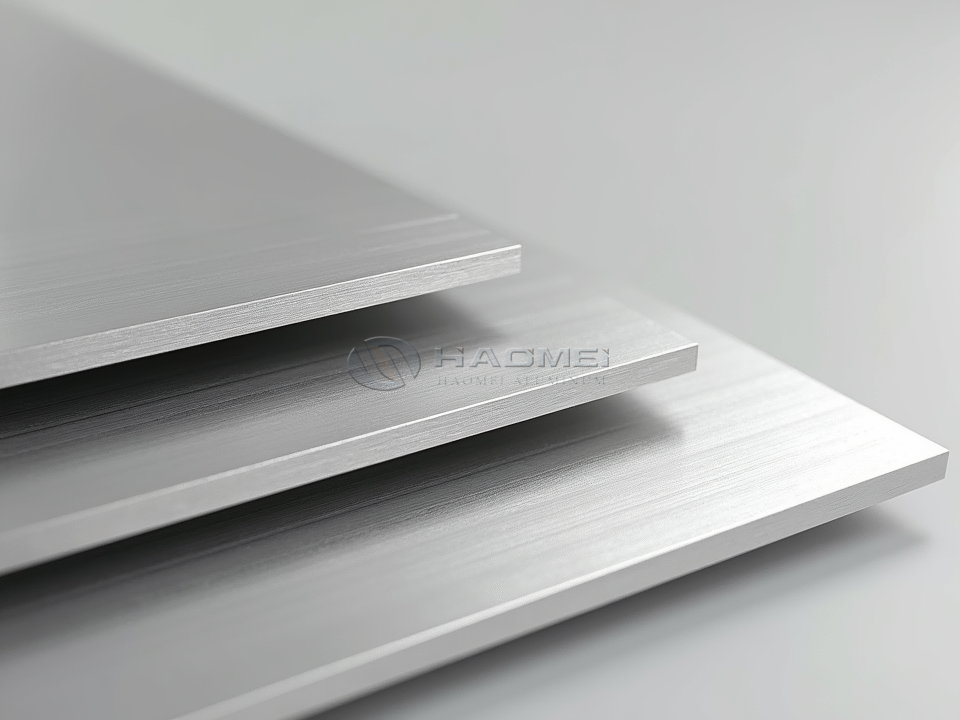
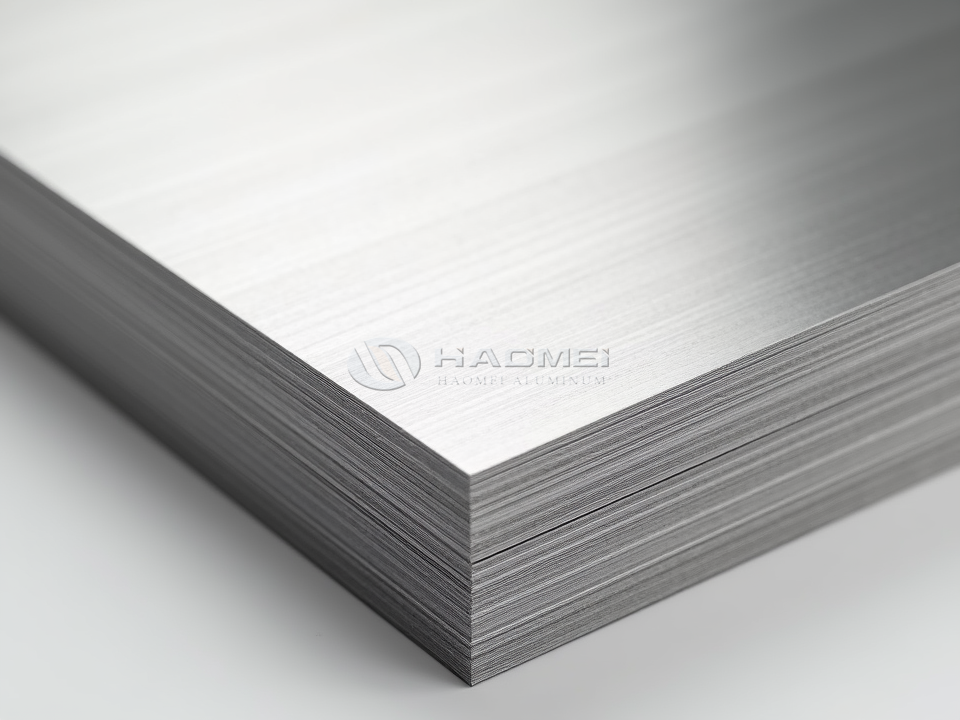
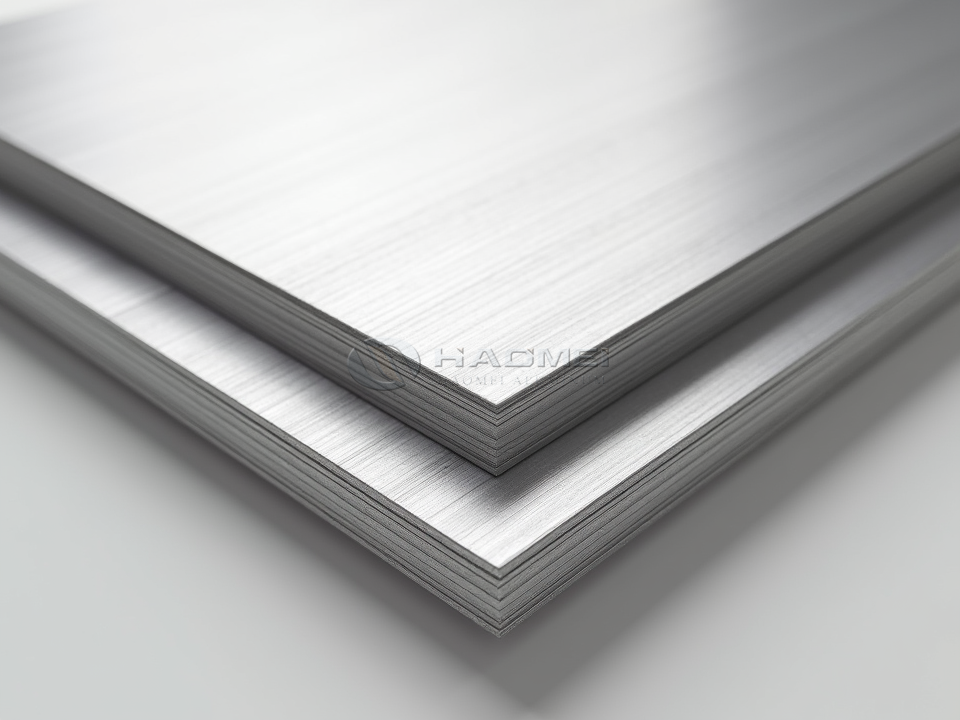
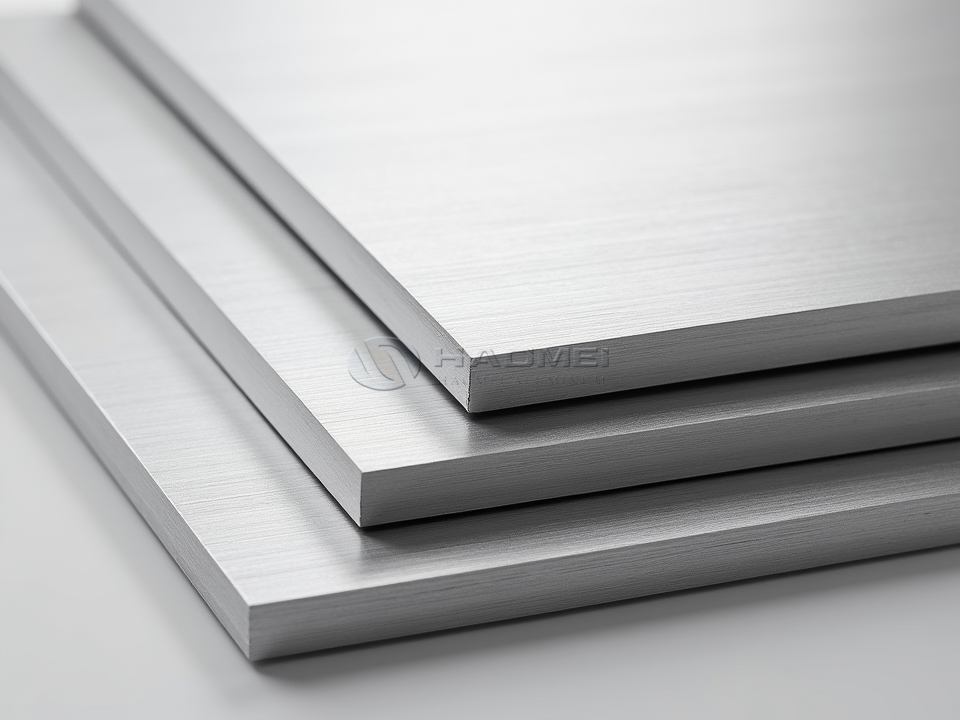
1mm Thick Brushed Aluminum Sheet
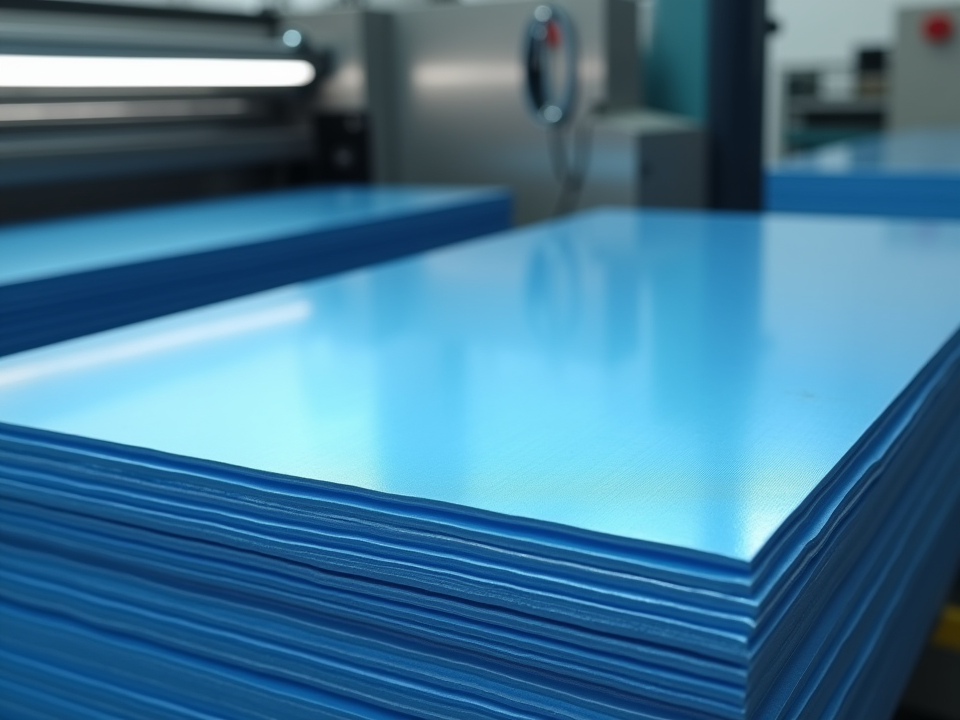
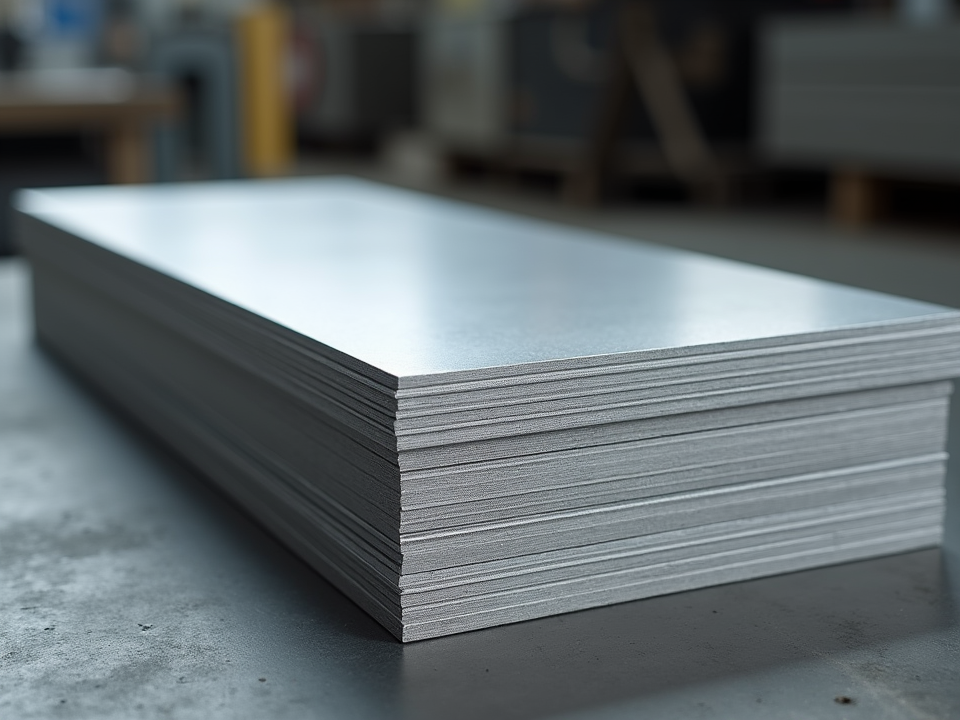
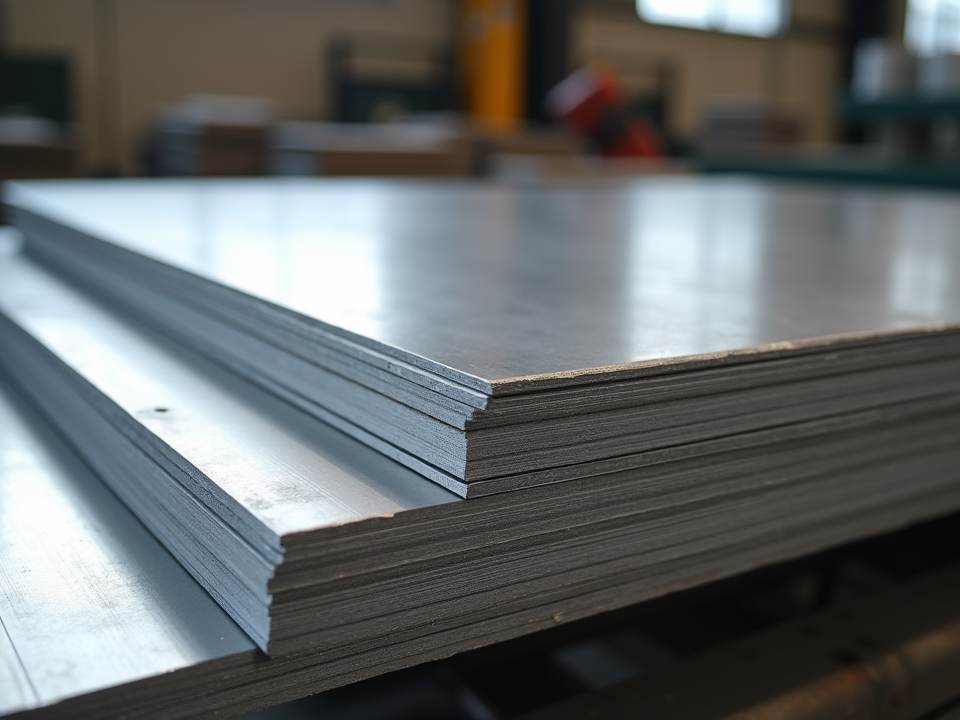
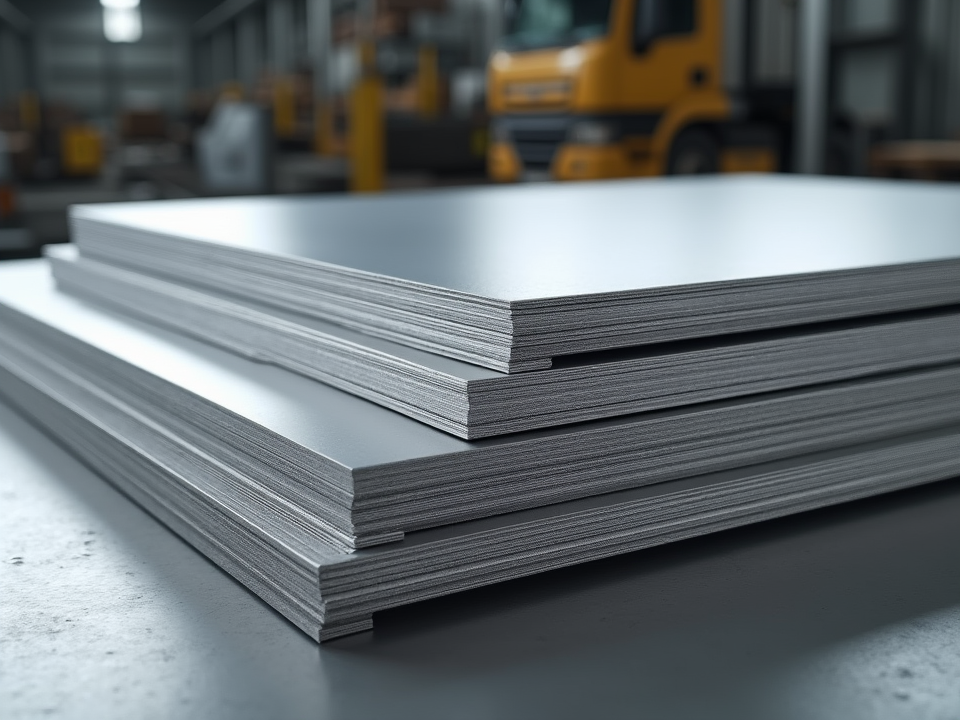
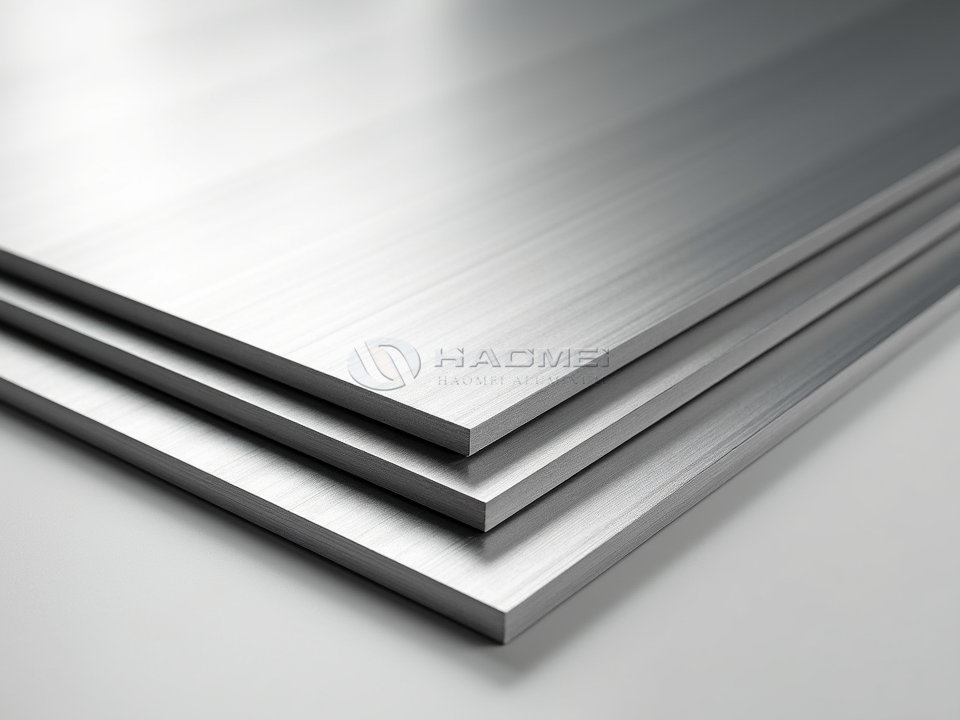
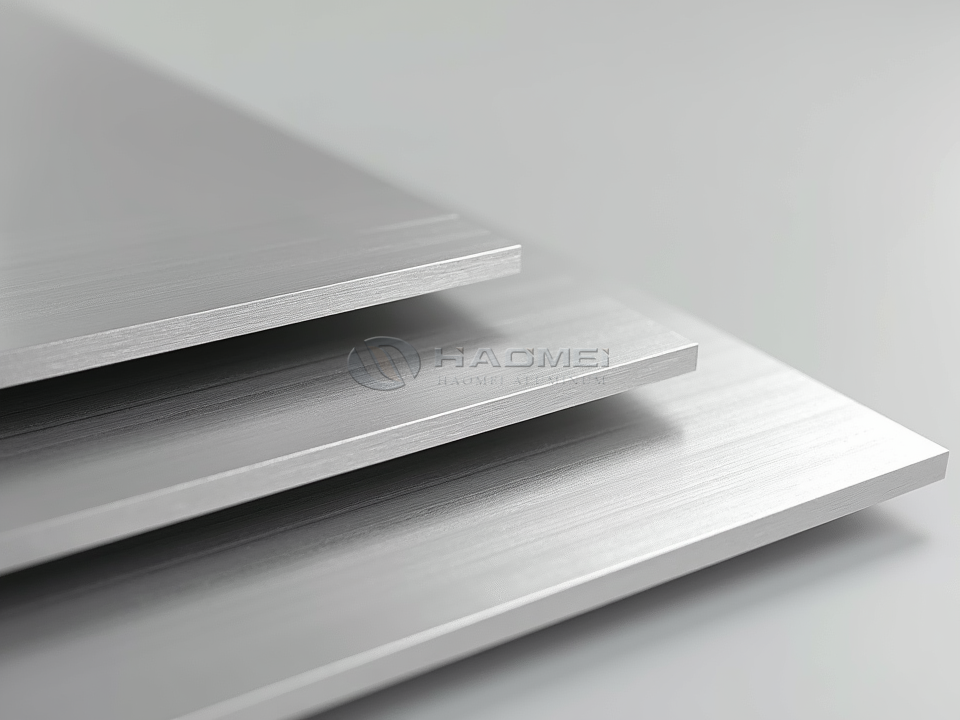
A 1mm thick brushed aluminum sheet combines a slim gauge, metallic texture, and practical strength for design panels, equipment covers, signage, trim, appliances, and light fabrication. The brushed surface is created by fine abrasive belts or rollers that form straight, uniform hairline marks on the aluminum face. This texture softens reflection, hides minor fingerprints better than mirror finishes, and gives the sheet a clean architectural appearance.
For buyers comparing lightweight metal panels, 1mm is a versatile thickness. It is thin enough for cutting, bending, punching, laminating, and adhesive bonding, yet rigid enough for flat decorative cladding, enclosure skins, elevator trim, and consumer product surfaces. When a more corrosion-resistant option is required, the brushed finish can be anodized, coated, or supplied with protective film.
Product Functions and Performance Value
The main function of a 1mm thick brushed aluminum sheet is to provide a durable, attractive, and workable metal surface. The brushing direction gives the panel a linear grain that can visually lengthen a wall, cabinet, or product face. It also reduces glare compared with polished aluminum, making it suitable for public spaces and electronic housings.
In fabrication, 1mm aluminum sheet offers excellent weight control. Aluminum has a density of about 2.70 g/cm3, roughly one-third that of steel. This helps reduce installation load, transport cost, and handling difficulty. The sheet also conducts heat well, so it is used in lighting fixtures, panels near electronic components, and non-structural covers where thermal dissipation matters.
Brushed aluminum can be used in bare, clear anodized, color anodized, or coated forms. Anodizing improves surface hardness and oxidation resistance while preserving the hairline texture. Color options such as silver, champagne, black, and gold allow designers to match interior themes or brand styles. For natural silver projects, Silver Brushed Aluminum Sheet is a common choice for panels requiring a bright but satin-like metallic look.
Technical Specifications
| Item | Typical Data for 1mm Thick Brushed Aluminum Sheet |
|---|---|
| Nominal thickness | 1.00 mm |
| Common thickness tolerance | +/-0.03 mm to +/-0.08 mm, depending on standard and width |
| Standard width | 1000 mm, 1220 mm, 1250 mm, 1500 mm |
| Standard length | 2000 mm, 2440 mm, 2500 mm, 3000 mm, or cut to size |
| Surface texture | Hairline, straight brush, satin brush, short grain, cross brush by request |
| Brush direction | Lengthwise as standard; transverse available by agreement |
| Surface protection | PE/PVC laser film, paper interleaf, pallet packing |
| Finish options | Mill brushed, clear anodized, color anodized, PVDF, polyester coating |
| Approximate weight | 2.7 kg/m2 at 1.0 mm thickness |
| Flatness | Usually controlled by alloy, temper, width, and leveling process |
| Fabrication suitability | Cutting, shearing, bending, punching, routing, adhesive bonding |
Common Alloys and Temper Conditions
The correct alloy depends on forming demand, corrosion exposure, strength level, and surface effect. Pure aluminum grades such as 1050, 1060, and 1100 provide excellent appearance and workability. 3003 improves strength while maintaining good formability. 5052 provides higher strength and better marine atmosphere resistance due to magnesium content.
| Alloy | Common Temper | Main Character | Typical Use at 1mm Thickness |
|---|---|---|---|
| 1050 | H14, H24, O | High purity, soft appearance, excellent forming | Nameplates, lighting panels, decorative trim |
| 1060 | H14, H24, O | Very good ductility and corrosion resistance | Interior panels, appliance skins, signage |
| 1100 | H14, H16, H24 | Commercially pure aluminum, stable finish | Wall cladding, reflectors, packaging machinery covers |
| 3003 | H14, H24 | Al-Mn alloy with better strength than pure aluminum | Ceiling panels, cabinet fronts, HVAC covers |
| 5052 | H32, H34 | Al-Mg alloy with strong corrosion resistance | Marine interiors, transport panels, outdoor trim |
Chemical Composition Reference
Composition ranges vary by governing standard and mill certificate. The following values are typical reference ranges by weight percent.
| Alloy | Al | Si | Fe | Cu | Mn | Mg | Cr | Zn | Ti | Others |
|---|---|---|---|---|---|---|---|---|---|---|
| 1050 | >=99.50 | <=0.25 | <=0.40 | <=0.05 | <=0.05 | <=0.05 | - | <=0.05 | <=0.03 | <=0.03 each |
| 1060 | >=99.60 | <=0.25 | <=0.35 | <=0.05 | <=0.03 | <=0.03 | - | <=0.05 | <=0.03 | <=0.03 each |
| 1100 | >=99.00 | Si+Fe <=0.95 | Included | 0.05-0.20 | <=0.05 | - | - | <=0.10 | - | <=0.05 each |
| 3003 | Balance | <=0.60 | <=0.70 | 0.05-0.20 | 1.00-1.50 | - | - | <=0.10 | - | <=0.05 each |
| 5052 | Balance | <=0.25 | <=0.40 | <=0.10 | <=0.10 | 2.20-2.80 | 0.15-0.35 | <=0.10 | - | <=0.05 each |
Mechanical and Physical Data
The following table provides typical values for reference. Final performance should be confirmed by mill test certificate, especially for bending, stamping, and load-bearing applications.
| Alloy Temper | Tensile Strength MPa | Yield Strength MPa | Elongation % | Bendability | Notes |
|---|---|---|---|---|---|
| 1060 H14 | 95-135 | >=70 | >=3 | Excellent | Good for decorative forming |
| 1100 H14 | 110-145 | >=95 | >=2 | Very good | Stable for sheet metal work |
| 3003 H14 | 140-180 | >=115 | >=2 | Good | Better dent resistance |
| 5052 H32 | 210-260 | >=160 | >=4 | Good | Better corrosion and strength |
| Physical Property | Typical Value |
|---|---|
| Density | 2.70 g/cm3 |
| Melting range | About 600-660°C, depending on alloy |
| Thermal conductivity | About 138-235 W/m·K, depending on alloy |
| Electrical conductivity | About 30-62% IACS, depending on alloy |
| Linear expansion coefficient | About 23 x 10^-6 /K |
| Elastic modulus | About 69 GPa |
Implementation Standards and Quality Control
1mm brushed aluminum sheet can be produced according to international sheet and strip standards. Surface brushing is often controlled by customer sample, grain number, gloss range, and protective film specification.
| Standard | Scope | Relevance to Brushed Aluminum Sheet |
|---|---|---|
| ASTM B209 | Aluminum and aluminum-alloy sheet and plate | Common export standard for alloy, temper, tolerance, and mechanical data |
| EN 485 | Aluminum sheet, strip, and plate | Covers technical delivery conditions and mechanical properties |
| EN 573 | Chemical composition of aluminum alloys | Used for alloy designation and composition control |
| EN 515 | Temper designations | Defines H, O, and other temper conditions |
| GB/T 3880 | Aluminum and aluminum alloy rolled sheets and strips | Common Chinese standard for rolled aluminum products |
| JIS H4000 | Aluminum and aluminum alloy sheets and plates | Common reference for Asian markets |
| ISO 7599 | Anodizing of aluminum | Useful for anodized brushed surfaces |
Surface Finish Details
The brushing process affects both visual style and downstream fabrication. A fine hairline finish appears elegant and consistent, while a coarser satin brush creates a stronger industrial texture. For exterior use, clear anodizing or color anodizing is often recommended to improve weathering resistance.
| Surface Item | Common Range or Option |
|---|---|
| Brush abrasive grade | About 120# to 400#, depending on grain depth |
| Gloss level | Matte to semi-gloss, measured by gloss meter if required |
| Anodized film thickness | 5-25 microns for decorative or outdoor needs |
| Color options | Natural silver, champagne, black, gold, bronze, custom color |
| Protective film | 50-100 microns PE film, laser film available |
| Surface inspection | No visible oil stain, severe scratch, roll mark, oxidation spot, or color patch under agreed lighting |
Applications Across Industries
The balance of thickness, texture, and formability makes this product suitable for many commercial and industrial designs.
| Application Field | Why 1mm Brushed Aluminum Works Well |
|---|---|
| Interior wall panels | Lightweight, flat appearance, elegant grain, easy installation |
| Elevator and escalator trim | Satin metal finish resists obvious fingerprints and glare |
| Kitchen appliances | Clean metallic style, good heat transfer, easy to form |
| Signage and display boards | Smooth printing or engraving base with premium appearance |
| Cabinet and furniture panels | Thin decorative metal skin for MDF, honeycomb, or composite backing |
| Electronics housings | Conductive, light, heat-dissipating, and visually refined |
| Automotive and transport interiors | Lower weight than steel with attractive surface texture |
| Lighting fixtures | Reflective yet glare-controlled surface with good thermal behavior |
Fabrication Guidance
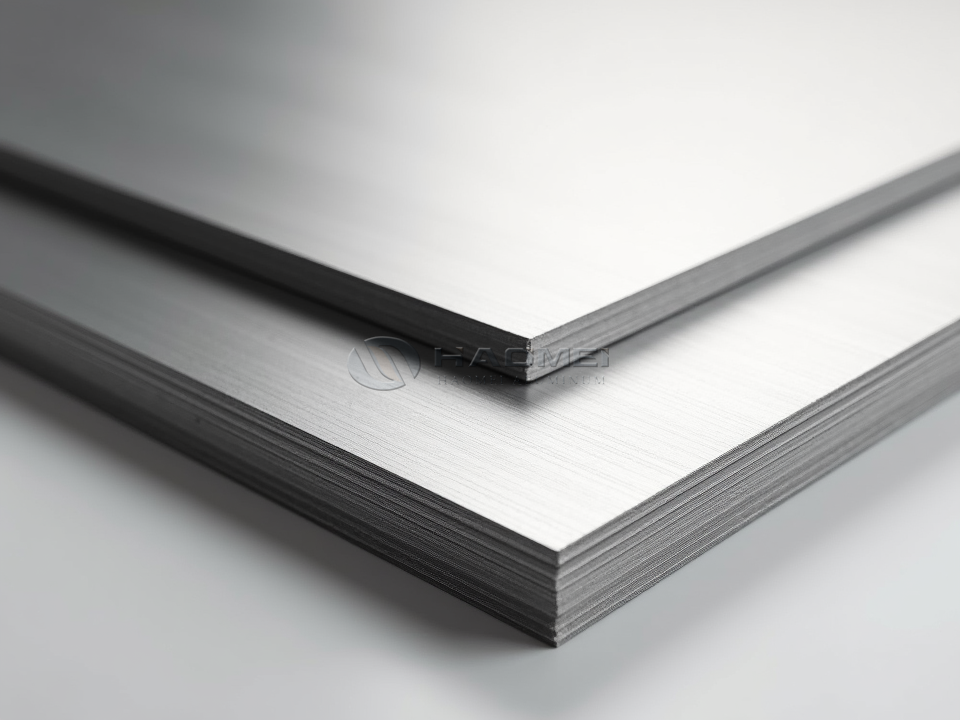
When cutting a 1mm thick brushed aluminum sheet, keep the protective film on the visible face until final installation. This reduces handling scratches and helps preserve the grain. For bending, the bend line should ideally run across the brushing direction when a clean visual edge is required. Small inside radii are possible with softer tempers such as O or H14, while harder tempers may need a larger radius to avoid cracking.
For adhesive bonding to plywood, MDF, plastic, or composite cores, the back side should be clean and free from oil. Brushed surfaces can also be laser engraved, screen printed, UV printed, or chemically etched, depending on coating and anodized layer. If welding is needed, alloy selection is important; 5052 generally performs better than pure aluminum in many fabricated parts, while decorative sheets are more commonly mechanically fixed or bonded.
Selection Tips for Purchasing
Buyers should confirm thickness tolerance, alloy, temper, sheet size, grain direction, protective film type, and whether anodizing or coating is required. For indoor decoration, 1060, 1100, and 3003 are frequently selected. For humid, coastal, or transport environments, 5052 can be a stronger choice. If exact color matching matters, request samples from the same production batch because brushed grain, anodized film thickness, and viewing angle can influence perceived color.
A well-specified 1mm thick brushed aluminum sheet delivers a clean metallic finish, reliable processing performance, and broad design flexibility. With proper alloy choice and surface protection, it can serve as a lightweight decorative skin, a functional equipment cover, or a refined metal component across many industries.