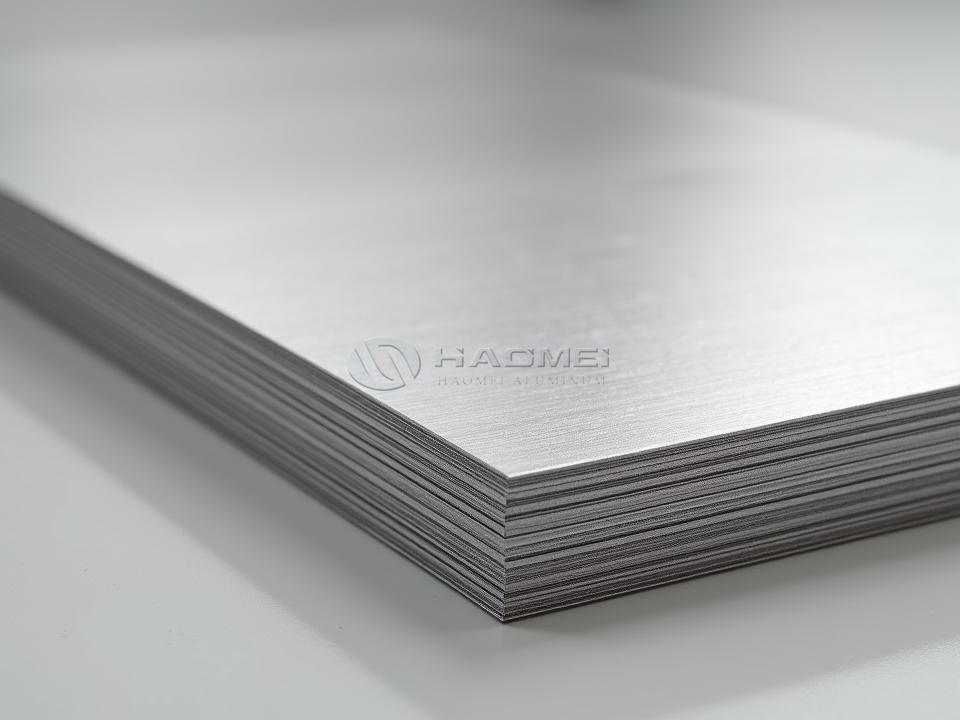
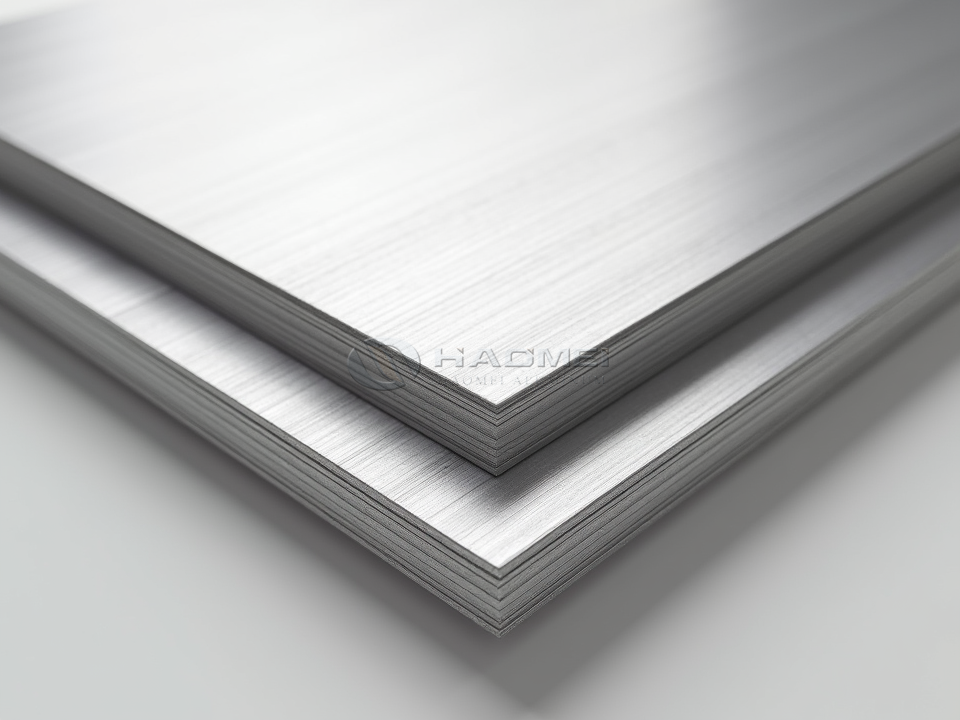
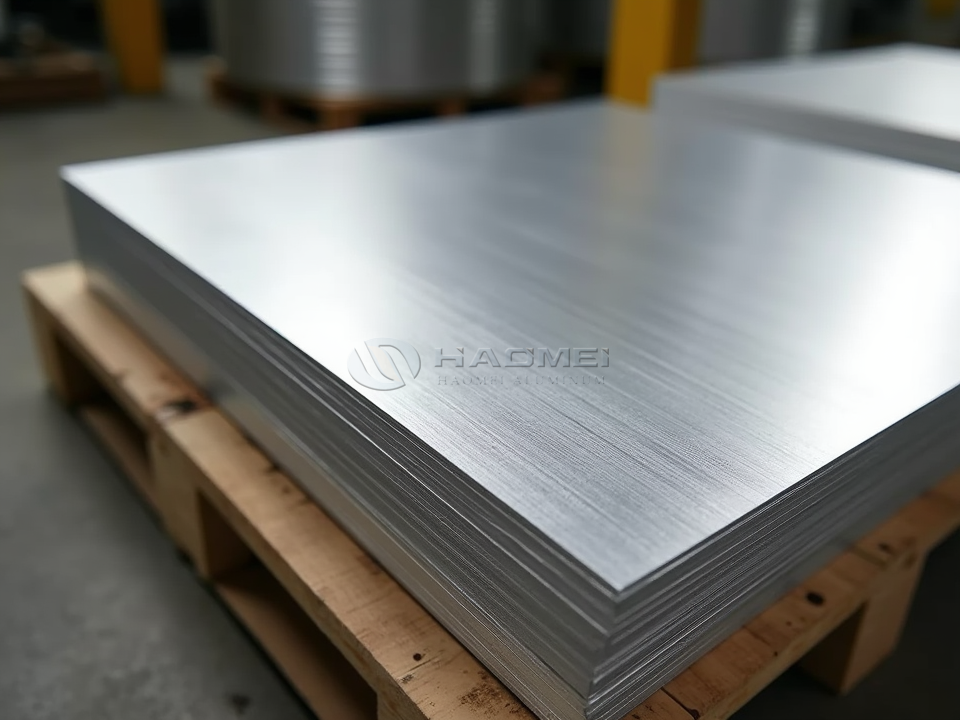
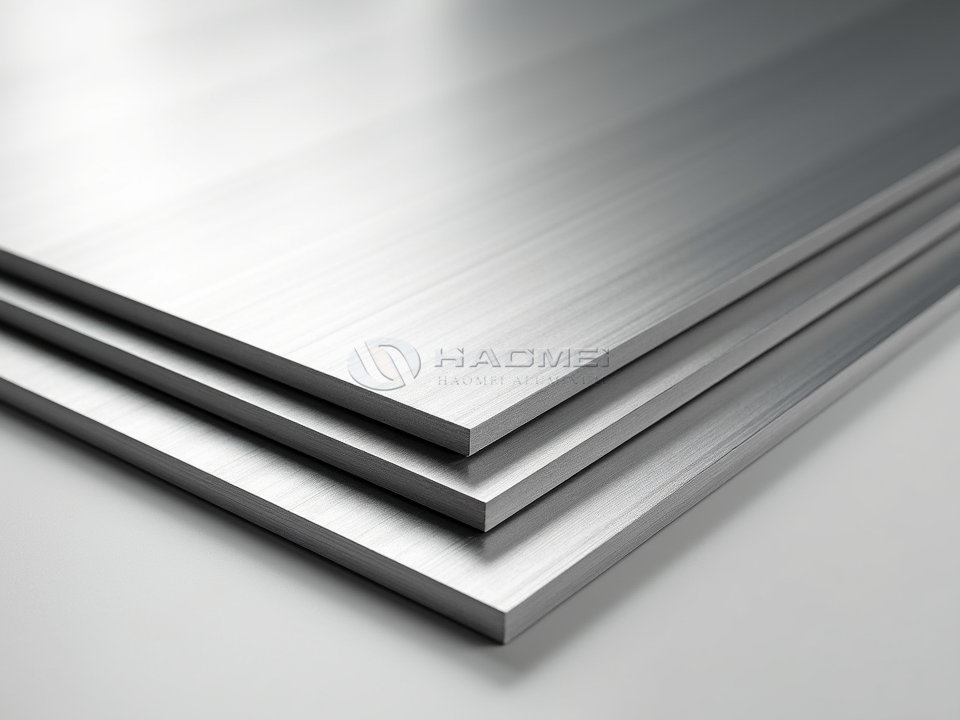
Anodized Brushed Aluminum Plate
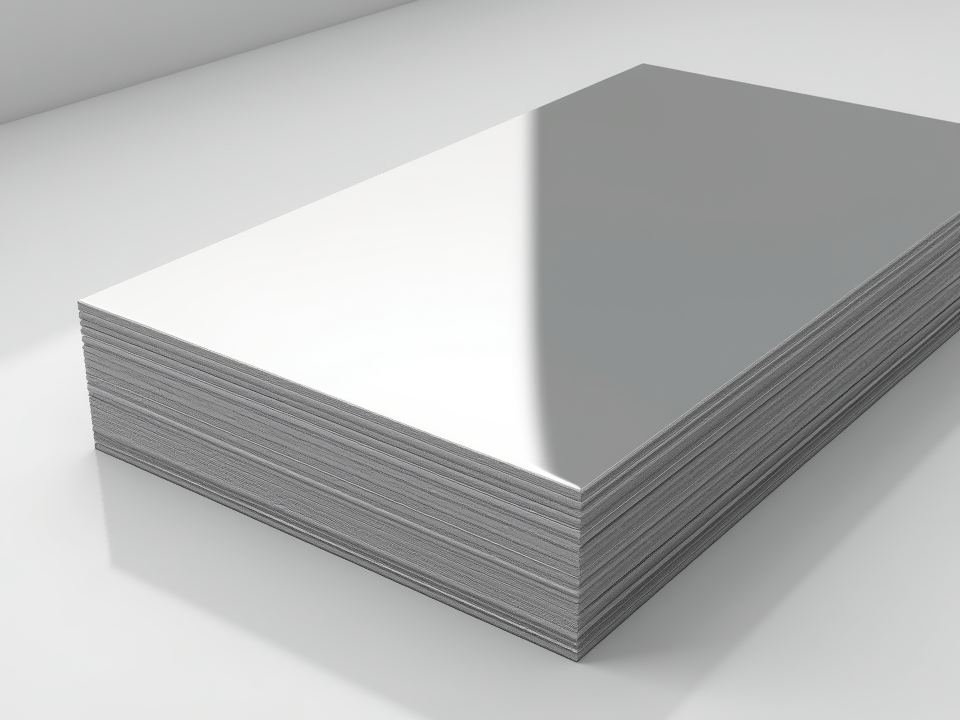
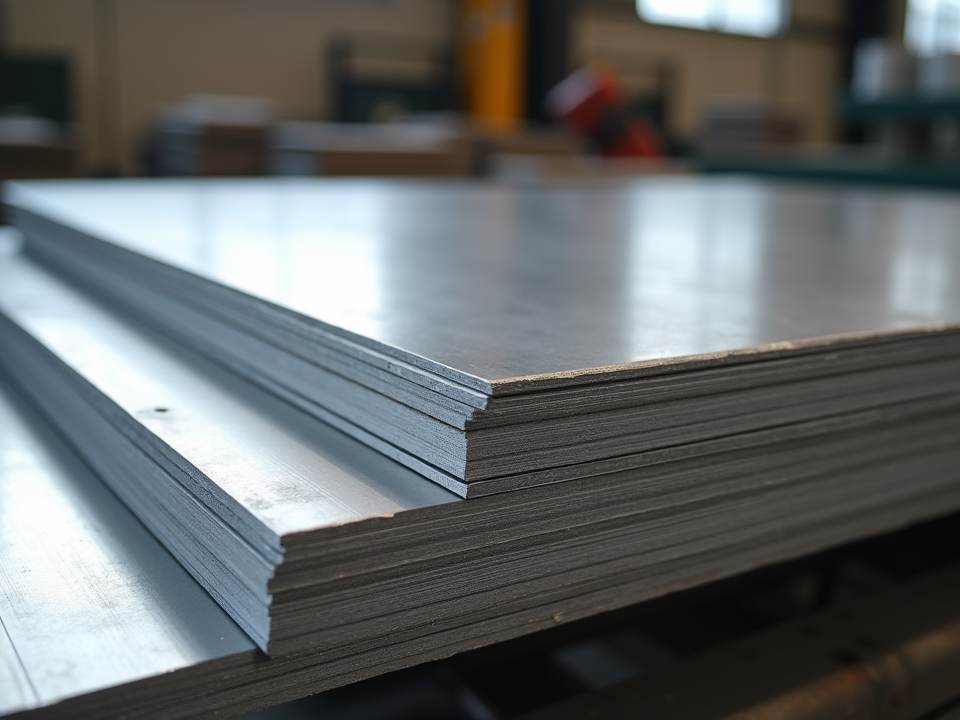
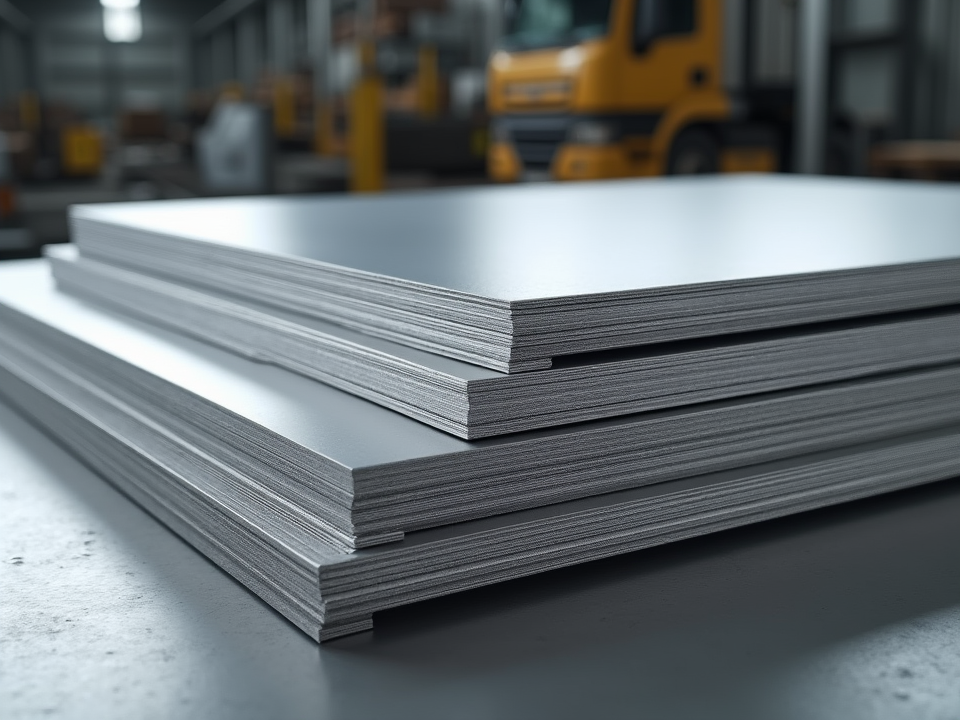
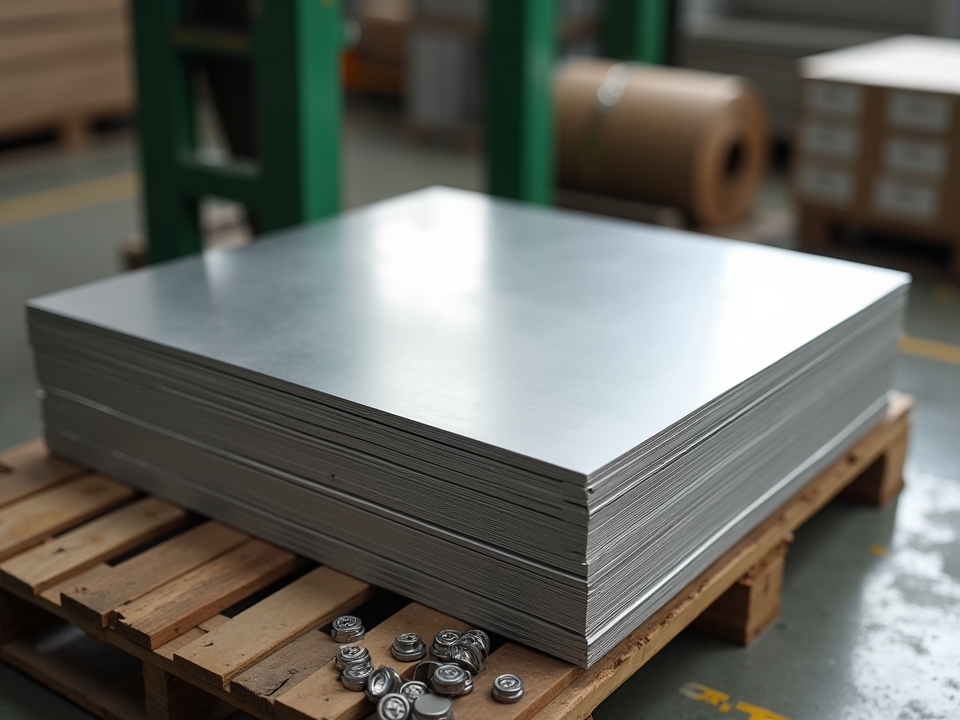
Anodized brushed aluminum plate combines two surface technologies in one material: a directional brushed texture and a protective anodic oxide layer. The brushing process creates a fine linear grain, often called hairline finish, while anodizing improves hardness, corrosion resistance, color durability, and surface stability. The result is a lightweight metal plate with a refined satin appearance, suitable for visible panels, structural covers, consumer products, and architectural details.
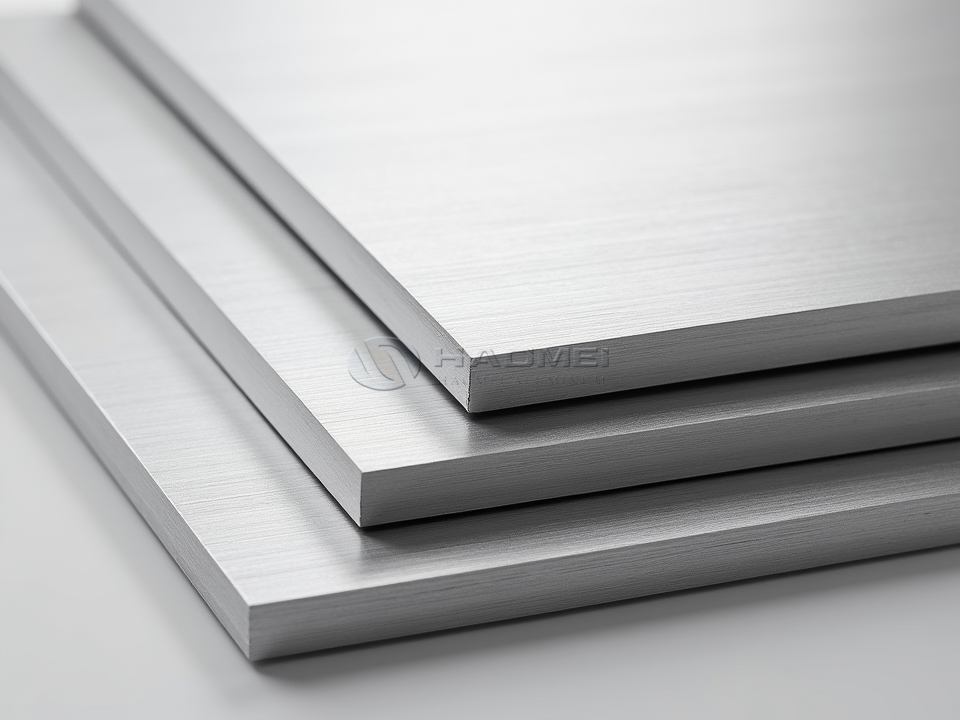
Compared with painted or laminated materials, anodized brushed aluminum plate keeps the natural metallic character of aluminum. The anodized layer is not a coating sitting on top of the metal; it is grown from the aluminum surface through an electrochemical process. This gives the plate strong bonding, better resistance to peeling, and a premium tactile feel. For projects requiring a similar brushed base material without anodizing, Brushed Aluminum Sheet is also widely used in signage, appliance panels, and interior trim.
Product Features
| Feature | Customer Benefit | Typical Result |
|---|---|---|
| Brushed hairline grain | Creates a clean directional metallic texture | Satin, low-glare visual effect |
| Anodized oxide layer | Improves corrosion and surface wear resistance | Longer service life than untreated aluminum |
| Lightweight aluminum base | Reduces load on structures and assemblies | About one-third the density of steel |
| Stable color options | Suitable for decorative and brand-matched designs | Silver, black, champagne, gold, bronze, custom tones |
| Good fabrication performance | Can be cut, bent, punched, routed, and bonded | Efficient processing for panels and covers |
| Easy maintenance | Resists fingerprints better than mirror finishes | Wipe-clean surface for daily use |
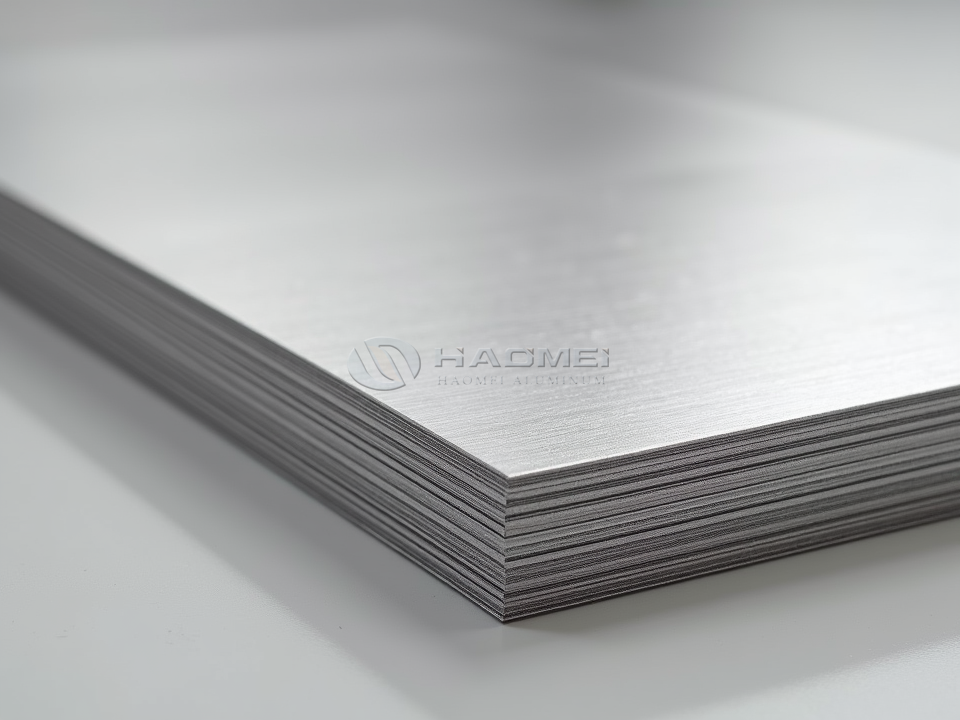
The brushed texture can be controlled from very fine hairline to stronger linear grain. Fine brushing is preferred for electronics and elevator panels, while deeper brushing is useful when a more visible decorative texture is required. After brushing, the plate is cleaned, chemically treated, anodized, sealed, and inspected for surface consistency.
Common Alloy and Temper Choices
Different aluminum alloys provide different balances of forming ability, strength, anodizing brightness, and corrosion performance. The table shows common choices for anodized brushed aluminum plate.
| Alloy | Common Temper | Main Advantage | Typical Use |
|---|---|---|---|
| 1050 | H14, H24 | High purity, excellent anodizing brightness | Decorative trim, labels, lighting parts |
| 1060 | H14, H24 | Good reflectivity and corrosion resistance | Interior panels, appliance fronts, signs |
| 3003 | H14, H24 | Better strength than pure aluminum | Wall panels, ceiling panels, display systems |
| 5005 | H34, H32 | Excellent anodized appearance uniformity | Architectural decoration, curtain wall panels |
| 5052 | H32, H34 | Higher strength and marine corrosion resistance | Equipment covers, transport panels, outdoor parts |
For decorative anodizing, 5005 is often selected when color uniformity is critical. For parts that require more strength or outdoor durability, 5052 is a strong option. For economical indoor decorative work, 1050 and 1060 remain practical and attractive.
Chemical Composition Reference
Chemical composition affects anodizing color, surface clarity, corrosion behavior, and mechanical properties. Values are typical limits by weight percent and may vary by standard and purchase specification.
| Alloy | Si | Fe | Cu | Mn | Mg | Zn | Al |
|---|---|---|---|---|---|---|---|
| 1050 | 0.25 max | 0.40 max | 0.05 max | 0.05 max | 0.05 max | 0.05 max | 99.50 min |
| 1060 | 0.25 max | 0.35 max | 0.05 max | 0.03 max | 0.03 max | 0.05 max | 99.60 min |
| 3003 | 0.60 max | 0.70 max | 0.05-0.20 | 1.00-1.50 | 0.05 max | 0.10 max | Balance |
| 5005 | 0.30 max | 0.70 max | 0.20 max | 0.20 max | 0.50-1.10 | 0.25 max | Balance |
| 5052 | 0.25 max | 0.40 max | 0.10 max | 0.10 max | 2.20-2.80 | 0.10 max | Balance |
High-purity aluminum gives a brighter anodized finish, while magnesium-bearing alloys offer better strength. For visible large-area panels, alloy consistency from the same production batch is important to reduce color difference after anodizing.
Technical Specifications
| Item | Standard Range | Notes |
|---|---|---|
| Thickness | 0.3-6.0 mm sheet, above 6.0 mm plate | Custom thickness available by application |
| Width | 500-1600 mm | Wider sizes depend on alloy and thickness |
| Length | 1000-6000 mm | Cut-to-size service available |
| Anodized film thickness | 5-25 microns | Decorative indoor use often 8-12 microns |
| Surface texture | Hairline, straight brush, fine brush | Grain direction can be specified |
| Color | Natural silver, black, gold, champagne, bronze | Custom color matched by sample |
| Gloss level | Matte to satin | Controlled by brushing and anodizing conditions |
| Protective film | PE or PVC film | Recommended for fabrication and transport |
| Tolerance | According to ASTM, EN, or project standard | Tighter tolerance can be agreed before production |
Mechanical Properties
Mechanical values depend on alloy, temper, thickness, and processing history. The following figures are general reference data for purchasing and design discussion.
| Alloy Temper | Tensile Strength MPa | Yield Strength MPa | Elongation % | Formability |
|---|---|---|---|---|
| 1060-H24 | 105-145 | 75 min | 3-8 | Excellent |
| 3003-H24 | 145-195 | 115 min | 3-8 | Very good |
| 5005-H34 | 140-190 | 115 min | 4-10 | Good |
| 5052-H32 | 210-260 | 130 min | 5-12 | Good |
| 5052-H34 | 230-280 | 160 min | 4-10 | Moderate |
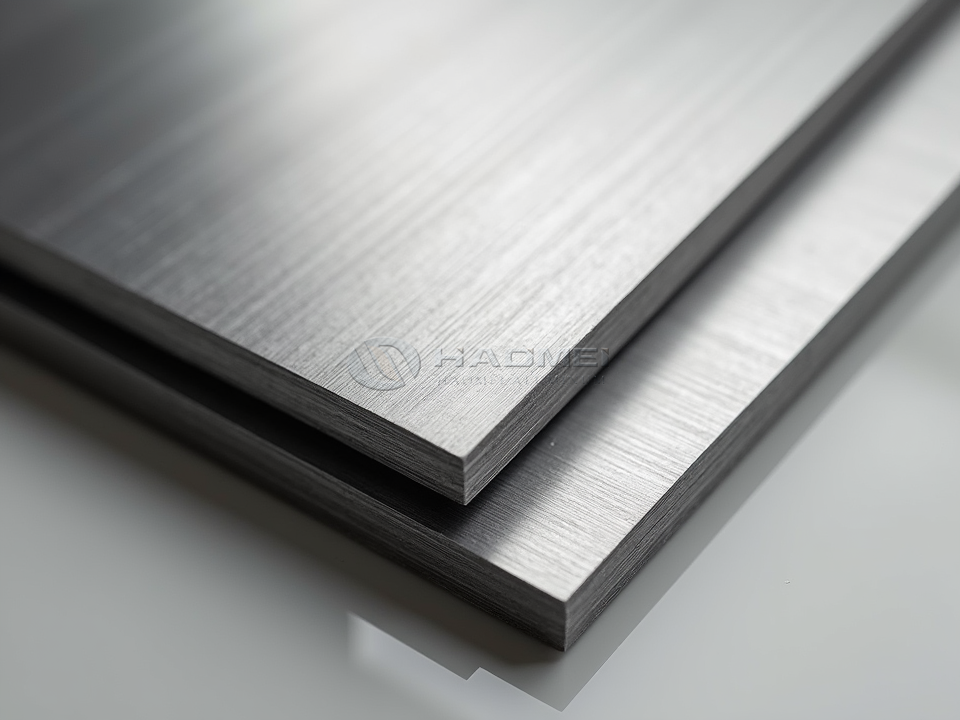
For bending, the brushed grain direction matters. Bending parallel to the grain can make surface lines more visible at the bend area, while bending across the grain may require a larger radius to reduce cracking risk. Trial forming is recommended when tight radii or visible corner quality are important.
Surface and Anodizing Performance
| Performance Item | Typical Requirement | Practical Meaning |
|---|---|---|
| Pencil hardness | 2H-4H | Better scratch resistance than raw aluminum |
| Salt spray resistance | 24-500 hours depending on film thickness | Suitable for indoor and selected outdoor environments |
| Color difference | Controlled by batch and sample approval | Important for large facade or panel projects |
| Adhesion of oxide layer | Integral with substrate | No peeling like ordinary paint film |
| UV stability | Good for electrolytic and sealed anodized finishes | Helps maintain color in light exposure |
| Cleaning method | Neutral detergent and soft cloth | Avoid alkaline cleaners and abrasive pads |
The sealed anodized layer reduces porosity and improves stain resistance. In high-touch areas such as elevator doors, control panels, and appliance fronts, this helps the brushed metal remain cleaner and more consistent over time.
Applications
Anodized brushed aluminum plate is chosen where designers need metal texture, reliable surface protection, and easy fabrication. It fits both high-end decorative products and practical industrial components.
| Application Area | Typical Products | Recommended Alloy |
|---|---|---|
| Architecture | Wall cladding, ceiling strips, column covers, door panels | 5005, 3003, 5052 |
| Elevator and interiors | Cabin panels, skirting, trims, lobby decoration | 5005, 1060, 3003 |
| Electronics | Laptop shells, audio panels, control plates | 5052, 5005 |
| Signage and display | Nameplates, advertising panels, retail fixtures | 1060, 3003, 5005 |
| Appliances | Refrigerator panels, range hood covers, kitchen trim | 3003, 5052 |
| Transport | Vehicle interior panels, equipment covers, marine fittings | 5052 |
Fabrication Guidance
During cutting, routing, punching, or bending, the protective film should remain on the decorative face whenever possible. Tools must be sharp to reduce burrs, and worktables should be clean to prevent grit from scratching the anodized surface. If laser cutting is used, edge discoloration should be checked, especially on dark anodized colors.
For bonding or assembly, neutral silicone, double-sided structural tapes, and mechanical fasteners are common choices. When using fasteners, nylon washers or protective gaskets can help avoid galvanic corrosion if the aluminum contacts dissimilar metals in humid environments.
Selection Tips for Buyers
| Requirement | Suggested Choice |
|---|---|
| Bright decorative silver finish | 1050, 1060, or 5005 with fine brushing |
| Best color consistency for architectural panels | 5005 from the same batch |
| Higher strength and outdoor resistance | 5052 with thicker anodized film |
| Economical indoor signage | 1060 or 3003 |
| Black or dark decorative finish | Fine brushing plus sealed anodizing |
| Heavy-touch public areas | Medium to thick anodized layer with protective film |
Anodized brushed aluminum plate offers a strong combination of appearance, durability, and workability. With the right alloy, temper, surface grain, and anodized film thickness, it can serve as a premium decorative metal for modern buildings, appliances, electronics, furniture, and transportation interiors.