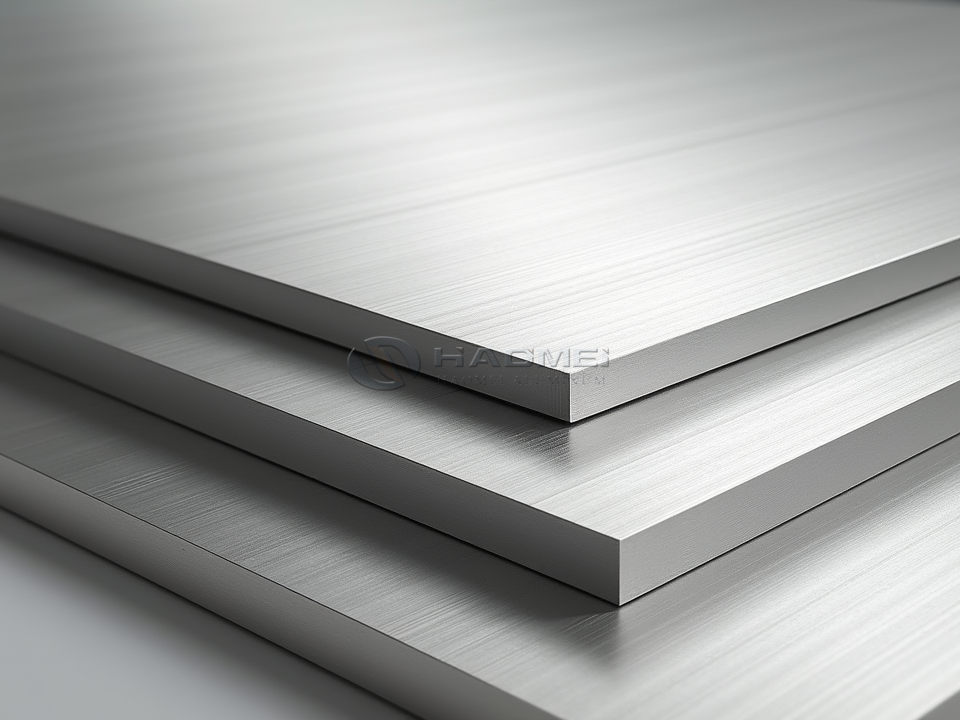
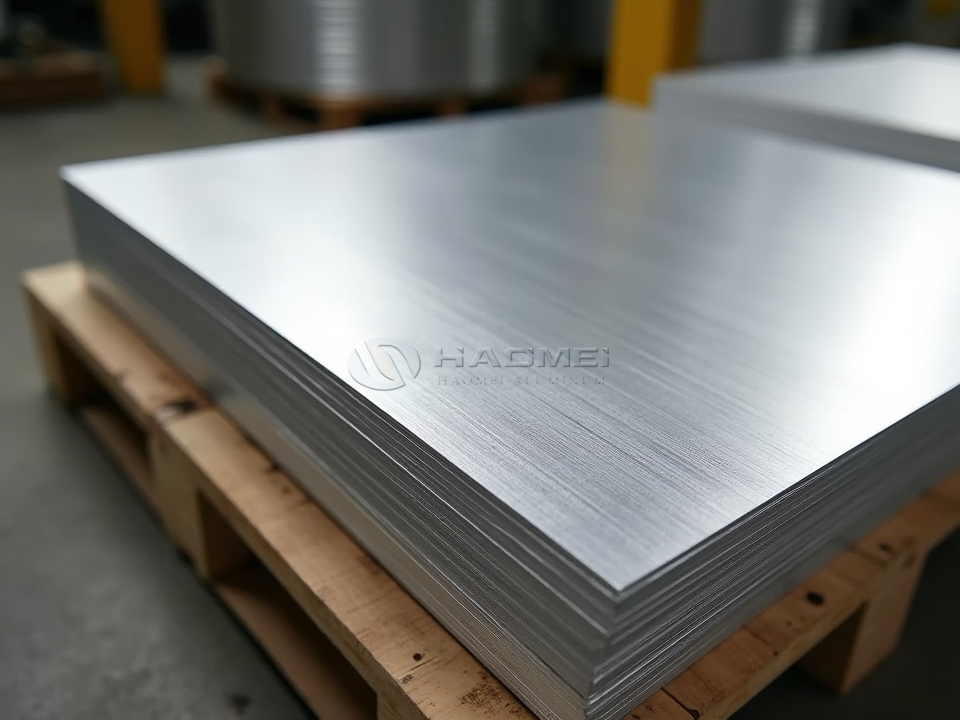
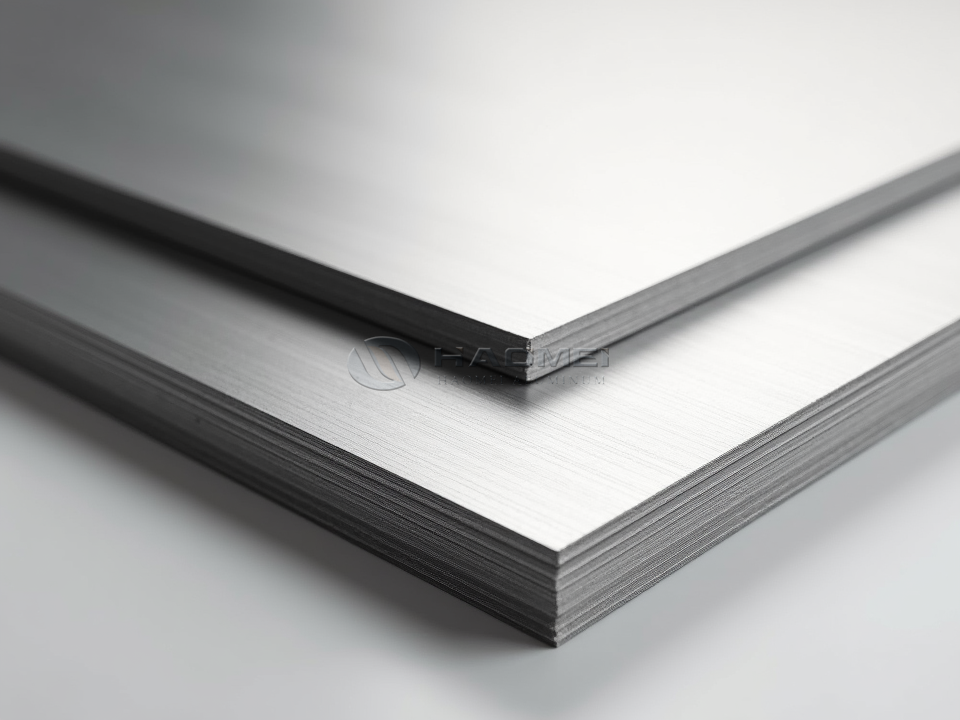
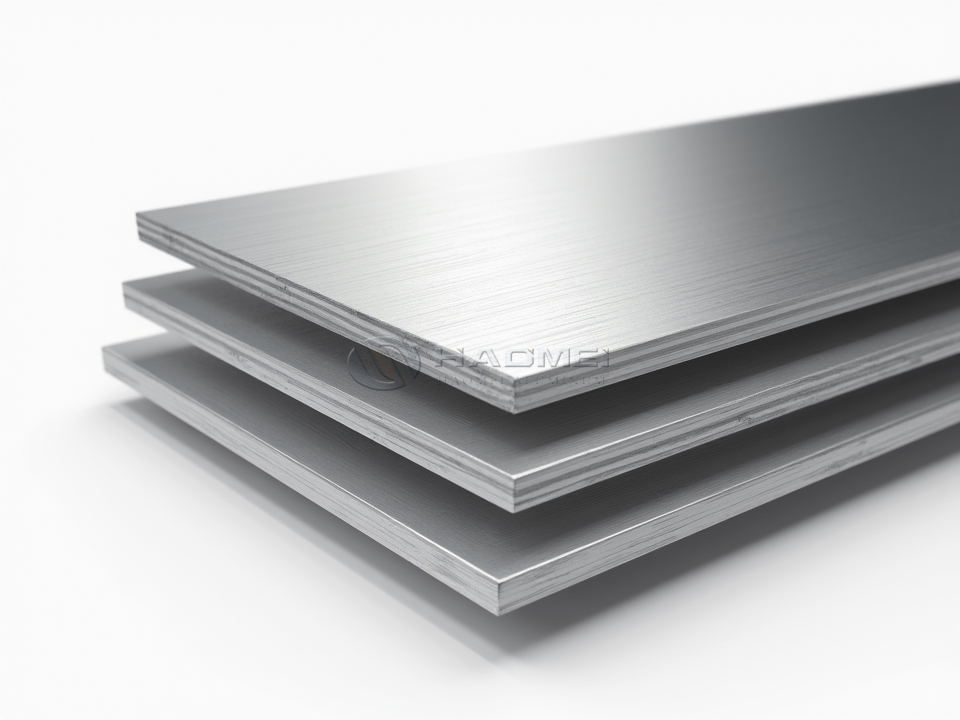
Laminated Brushed Aluminum Sheet
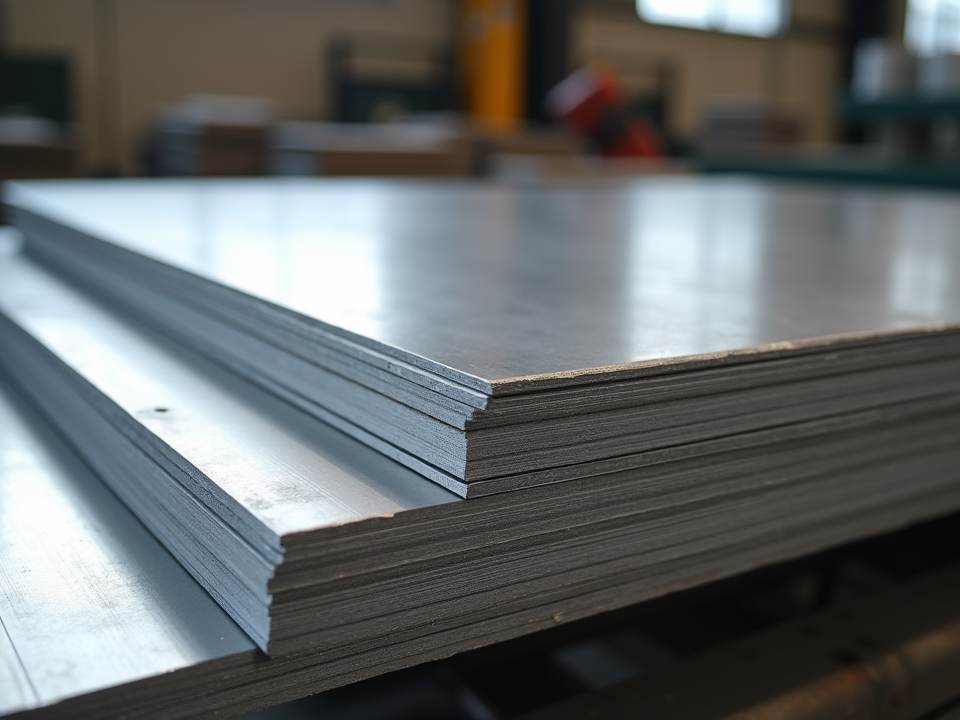
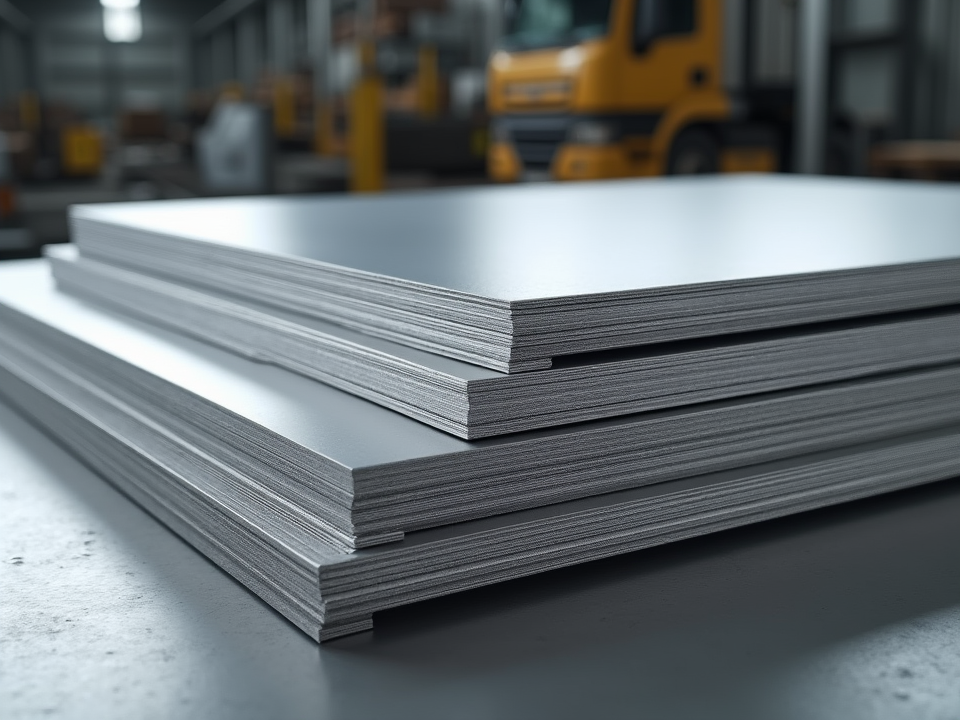
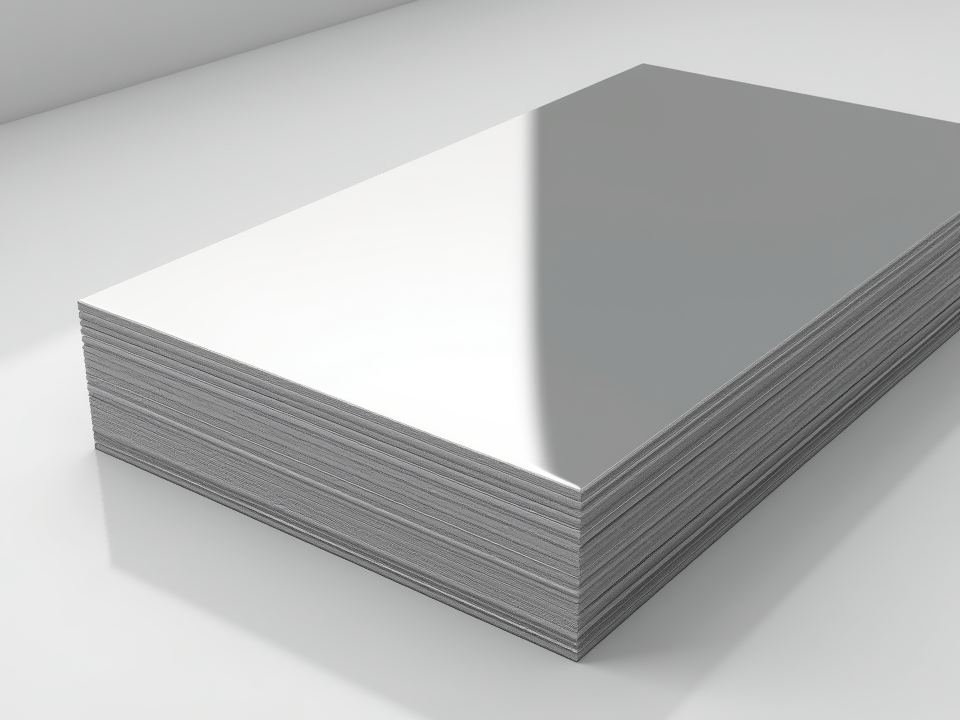
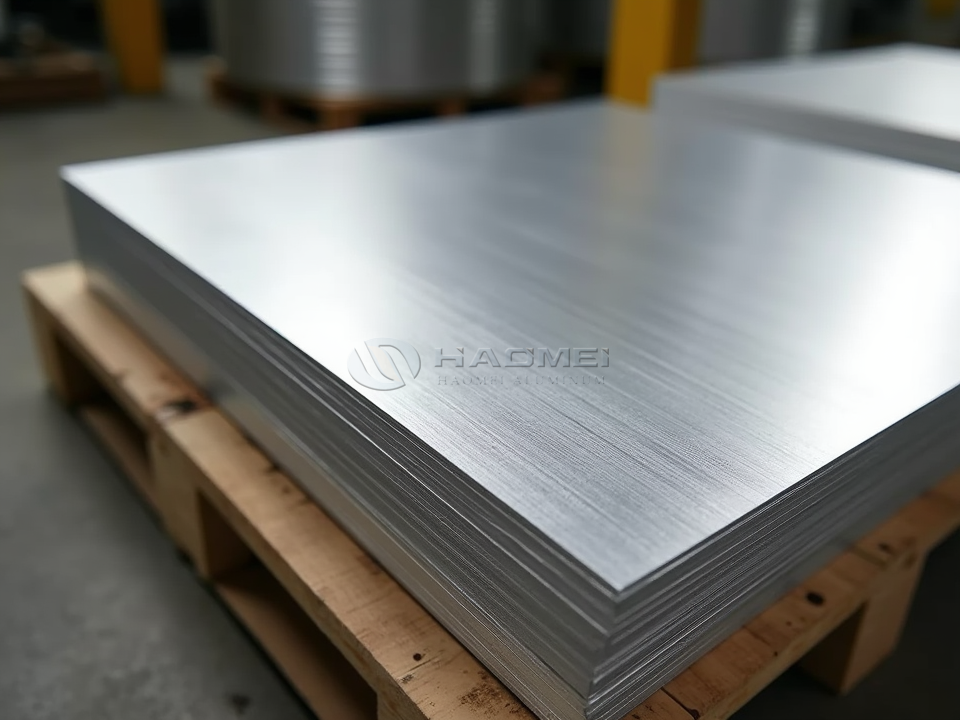
Laminated brushed aluminum sheet is more than a decorative metal panel. It is a working surface engineered to retain its appearance from coil processing through cutting, bending, transport, installation, and final handover. The visible brushed grain gives aluminum a controlled, linear character, while the laminated protective film acts as a temporary shield against fingerprints, handling scratches, dust, and light abrasion.
This combination matters because many metal surfaces fail visually before they fail structurally. A panel may have the correct alloy, thickness, and mechanical strength, yet still be rejected because its face has scuffs or inconsistent grain direction. Laminated brushed aluminum sheet protects the design intent during the most vulnerable stages of fabrication.
What "Laminated" Means in Brushed Aluminum
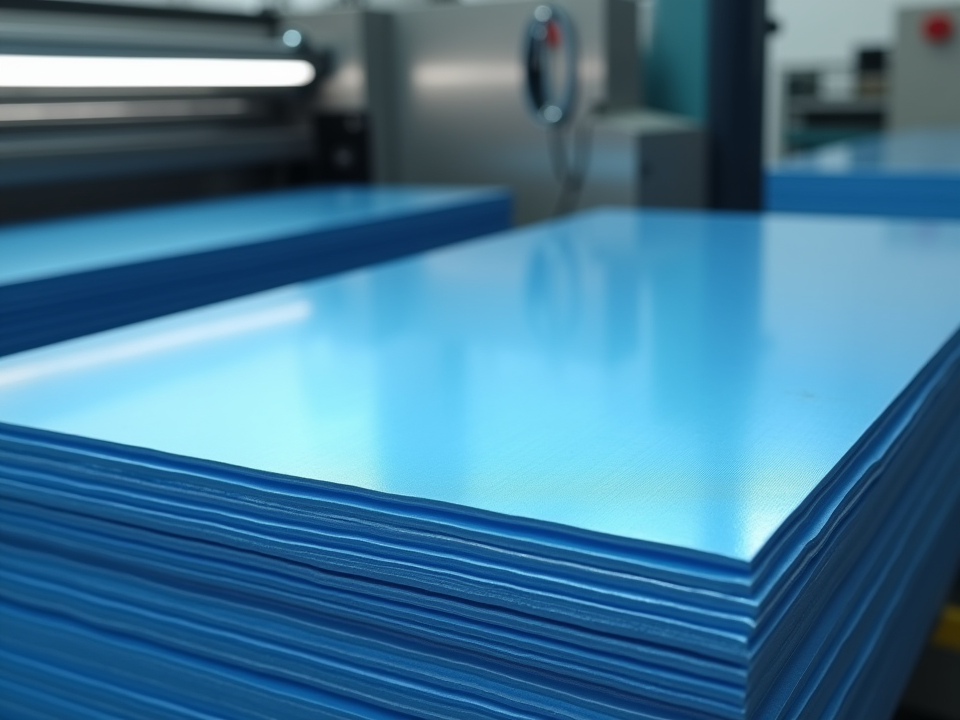
In most decorative sheet applications, laminated refers to a protective polymer film applied over the brushed aluminum surface. The film is commonly PE, PVC, PET, or a multilayer low-tack protective material. It is not intended to become a permanent architectural coating. Instead, it remains on the sheet during processing and is removed after installation or before final inspection.
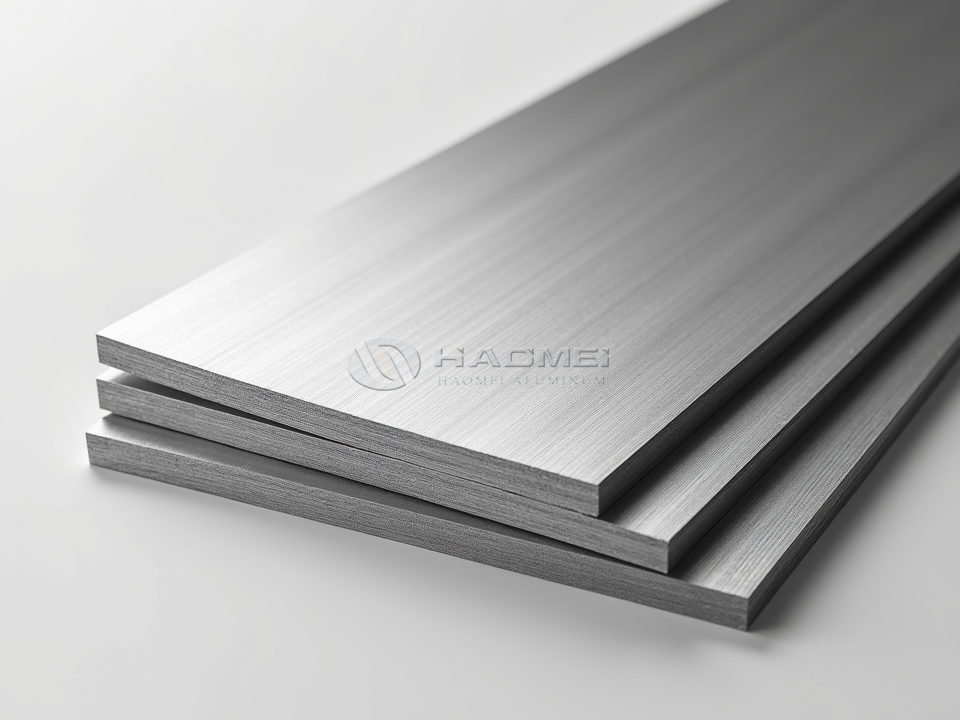
The brushed finish is produced by mechanical abrasion using belts, brushes, or roller systems. This creates continuous directional lines, often called hairline, satin, or long-grain brushing. The grain diffuses reflections, reduces the visual impact of minor marks, and provides a more tactile appearance than mirror-polished aluminum.
The film and the brushed pattern must work together. If adhesion is too high, film removal can leave residue or disturb sensitive coatings. If adhesion is too low, the film can lift at edges during laser cutting, bending, or transportation. Proper laminated brushed aluminum sheet balances peel strength, temperature resistance, surface cleanliness, and forming performance.
Functional Value Beyond Decoration
The most practical role of laminated brushed aluminum sheet is damage prevention. Decorative metal is frequently handled by several teams: sheet processors, fabricators, installers, cabinet makers, elevator contractors, and end users. Each contact point increases the chance of visible surface damage. Protective lamination reduces this risk without requiring costly secondary refinishing.
The directional brushing also performs a visual function. It guides light along one axis, helping large panels look more uniform. For elevator walls, appliance skins, display systems, and cabinet fronts, consistent grain direction can make adjacent panels appear intentionally connected rather than randomly assembled.
In addition, aluminum offers low density, good thermal conductivity, non-magnetic behavior, and natural corrosion resistance. When the application requires higher outdoor durability, anodizing, clear coating, or color coating may be added before protective film lamination. For dark architectural finishes, Black Anodized Brushed Aluminum Sheet provides a more durable color layer while retaining the linear metallic texture.
Typical Parameters for Purchase and Fabrication
Laminated brushed aluminum sheet can be supplied in coils, cut-to-length sheets, or custom blanks. Actual capability depends on alloy, equipment, and surface specification, but commonly requested ranges include:
| Parameter | Typical Range or Option |
|---|---|
| Alloy | 1050, 1060, 1100, 3003, 3105, 5052, 6061 |
| Temper | O, H14, H16, H18, H22, H24, H32, H34, T4, T6 |
| Thickness | 0.30 mm to 6.00 mm |
| Width | 300 mm to 1,600 mm |
| Sheet length | 500 mm to 6,000 mm, or customized |
| Brushed pattern | Hairline, short grain, satin, cross-hairline |
| Film thickness | Commonly 40 to 100 microns |
| Film adhesion | Low, medium, or high tack according to processing needs |
| Surface treatment | Mill brushed, anodized brushed, clear coated, color coated |
| Grain direction | Longitudinal, transverse, or customer-specified |
Thickness should be chosen according to panel span, forming depth, backing structure, and flatness requirements rather than appearance alone. Thin material is efficient for trims, appliance panels, signage, and cabinet surfaces. Thicker sheets are more suitable for wall cladding components, machinery guards, transport interiors, and rigid fabricated assemblies.
Alloy and Temper Selection: Matching the Metal to the Job
For decorative indoor work, 1060 and 1100 aluminum are popular because they brush evenly, form easily, and offer a bright, clean metal appearance. Their softness makes them suitable for shallow drawing, folding, and cosmetic panels, although they are less resistant to dents than magnesium-containing alloys.
3003 adds manganese for improved strength and is frequently selected for general architectural trim, ceilings, signage, and fabricated housings. 5052 contains magnesium and delivers stronger corrosion resistance, especially in humid, coastal, and industrial environments. A 5052 Brushed Aluminum Sheet is a practical option for elevator interiors, vehicle parts, kitchen equipment, marine-adjacent installations, and panels requiring moderate forming strength.
Temper changes how the sheet behaves. O temper is annealed and highly formable, making it suitable for deep bends and complex shapes. H14 and H24 provide a balance between stiffness and workability. H32 is common for 5052 where corrosion resistance and moderate strength are required. H18 is harder and more scratch-resistant during handling, but it has reduced forming capacity. For 6061, T6 offers high strength but needs larger bend radii to avoid cracking.
Chemical Composition Reference
The chemical limits of aluminum alloys are controlled by applicable material standards. The table presents commonly referenced maximum or nominal composition values in weight percent. Exact requirements should be confirmed against the purchase specification and governing standard.
| Alloy | Si | Fe | Cu | Mn | Mg | Cr | Zn | Al |
|---|---|---|---|---|---|---|---|---|
| 1060 | 0.25 | 0.35 | 0.05 | 0.03 | 0.03 | - | 0.05 | 99.60 min |
| 1100 | Si + Fe 0.95 max | - | 0.05-0.20 | 0.05 max | - | - | 0.10 max | 99.00 min |
| 3003 | 0.60 max | 0.70 max | 0.05-0.20 | 1.0-1.5 | - | - | 0.10 max | Balance |
| 5052 | 0.25 max | 0.40 max | 0.10 max | 0.10 max | 2.2-2.8 | 0.15-0.35 | 0.10 max | Balance |
| 6061 | 0.40-0.80 | 0.70 max | 0.15-0.40 | 0.15 max | 0.80-1.20 | 0.04-0.35 | 0.25 max | Balance |
Standards and Inspection Expectations
Laminated brushed aluminum sheet may be produced and inspected according to standards such as ASTM B209 for aluminum and aluminum-alloy sheet and plate, EN 485 for tolerances and mechanical properties, EN 573 for chemical composition, and GB/T 3880 for aluminum sheet and strip. Decorative surface requirements are often agreed separately because brushing grain, gloss, film adhesion, and visual acceptance are application-specific.
A useful purchase specification should state alloy, temper, thickness tolerance, width tolerance, grain direction, surface side, film type, film color, adhesion level, allowable defects, and packaging method. If laser cutting is planned, specify laser-compatible film. If bending is planned, identify the minimum bend radius and whether the film must remain intact through forming.
Applications Where Surface Protection Pays Off
Laminated brushed aluminum sheet is widely used for elevator cabin walls, door skins, kitchen cabinets, appliance panels, retail fixtures, decorative ceilings, office partitions, display frames, control panels, transport interiors, and signage. Champagne and gold tones are often selected for hospitality spaces, while natural silver brushed finishes fit commercial equipment and contemporary interiors.
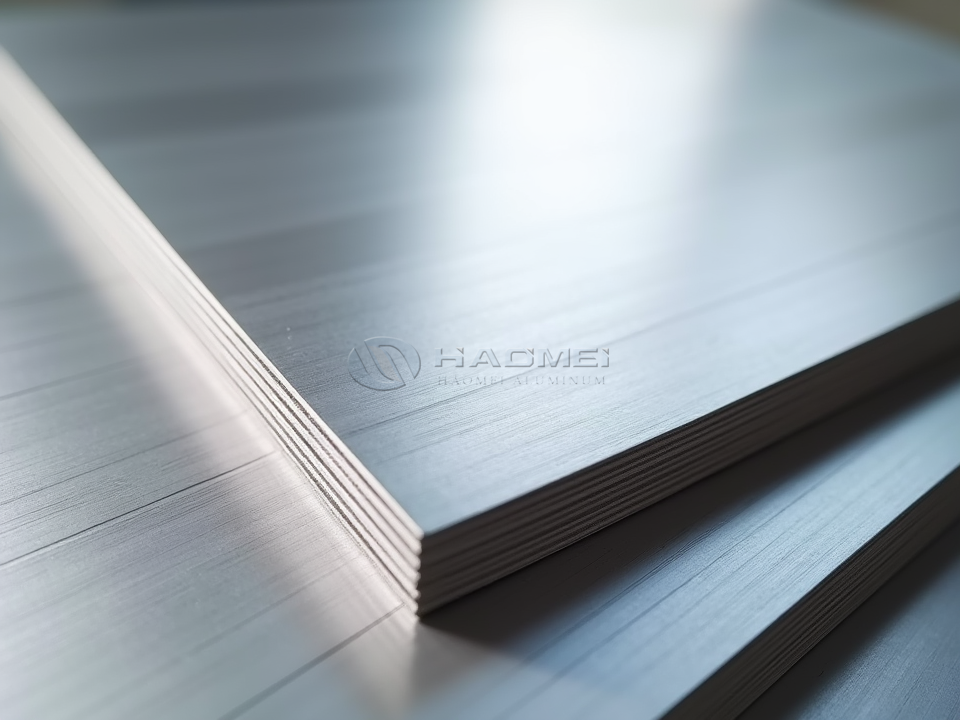
For best results, keep the protective film in place during shearing, routing, punching, and normal handling. Remove it only when the panel is installed and the surrounding work is complete. Film should not be left exposed to intense sunlight, high heat, or outdoor weather for extended periods, as adhesive aging can make removal more difficult.
A laminated brushed aluminum sheet performs like a visual insurance layer: the alloy supplies the structure, the brush pattern supplies the character, and the temporary film protects both until the moment the finished surface is ready to be seen.