3003 Brushed Aluminum Sheet Supplier
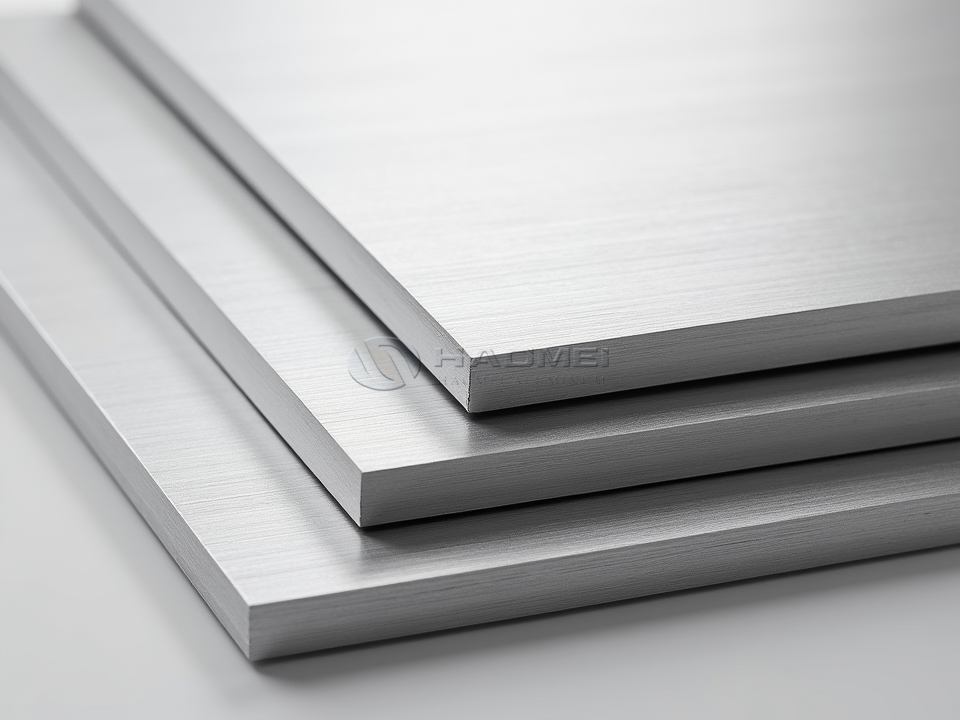
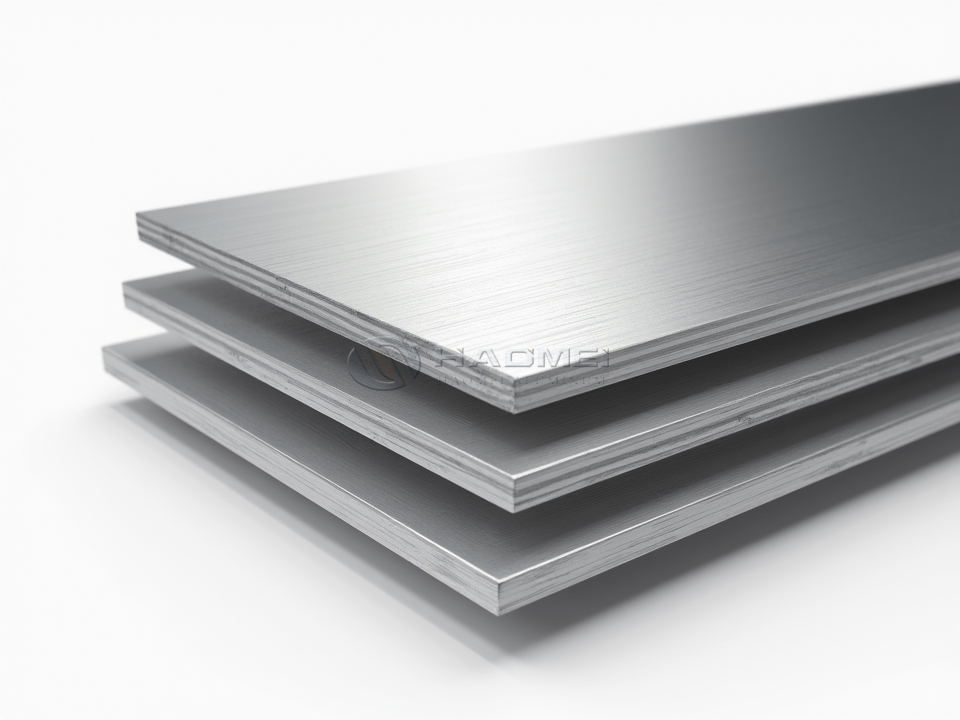
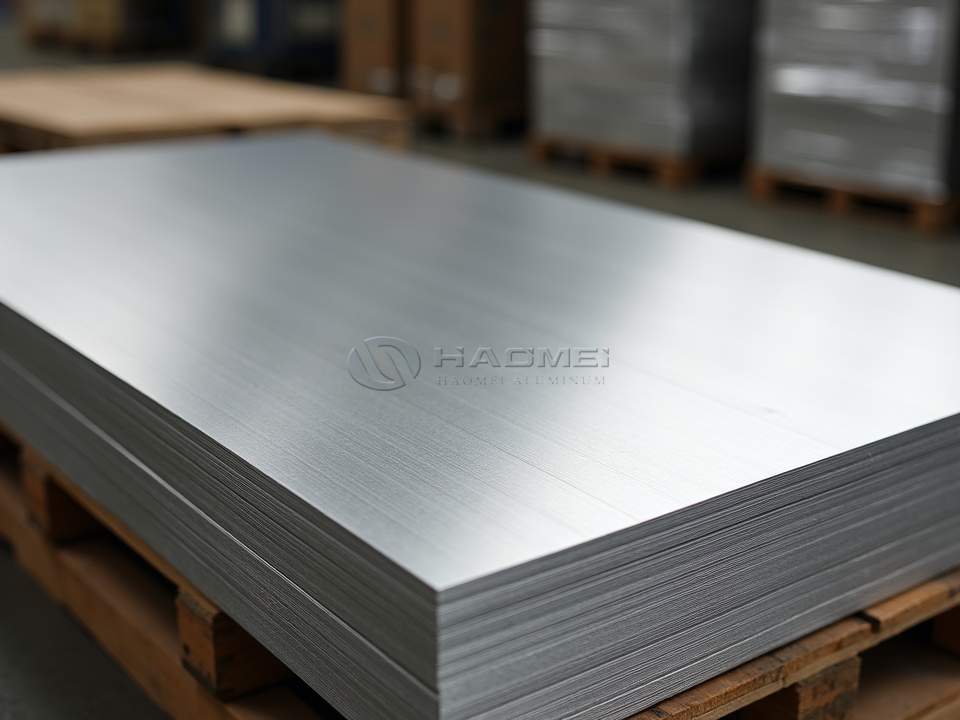
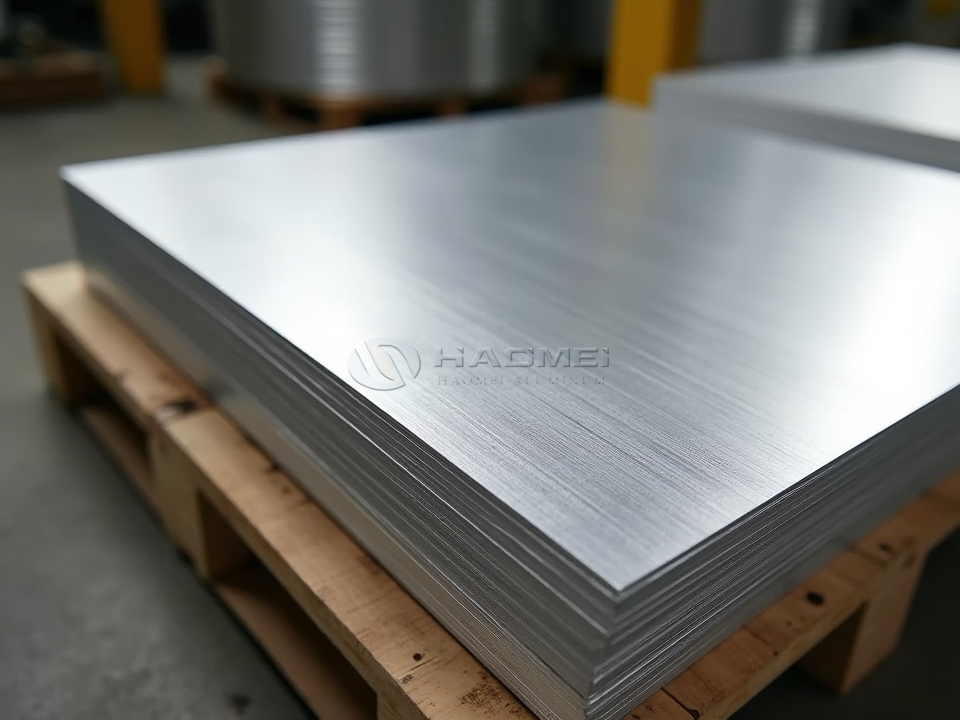
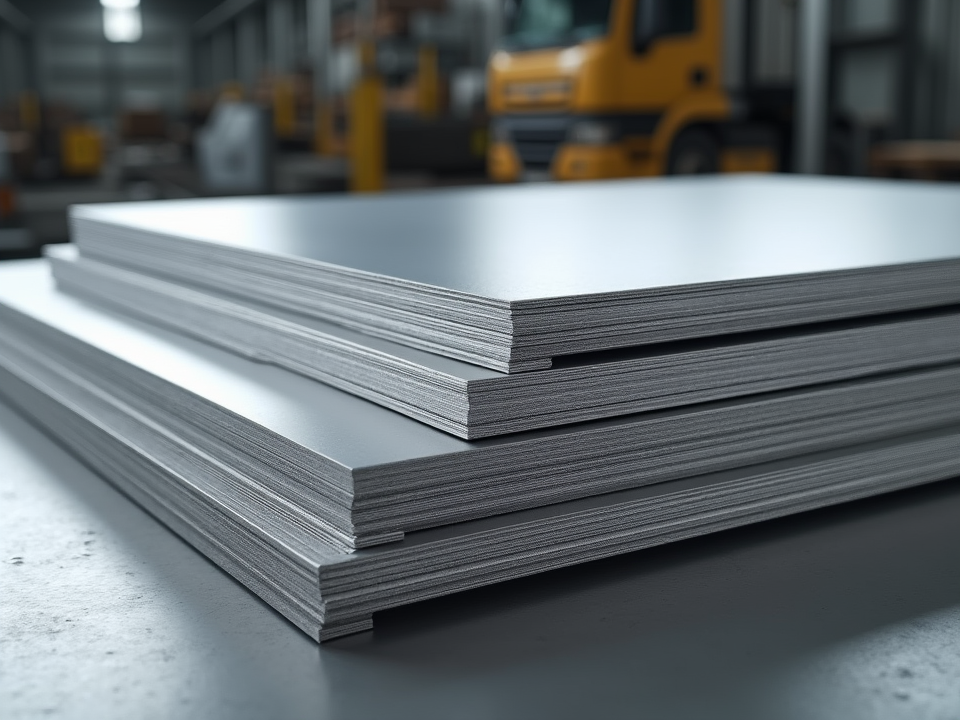
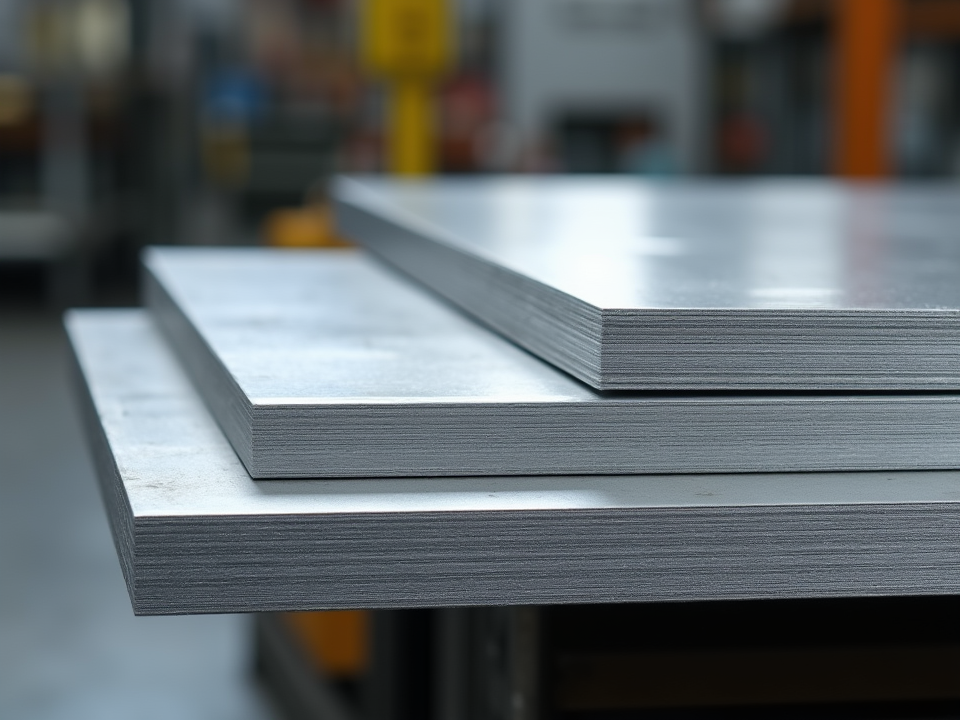
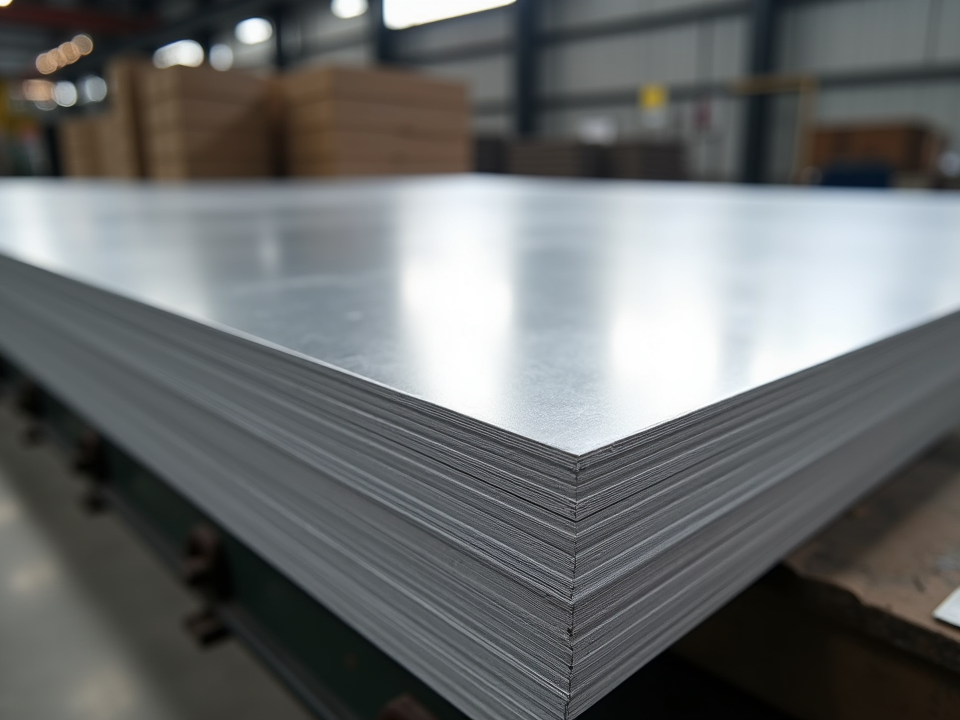
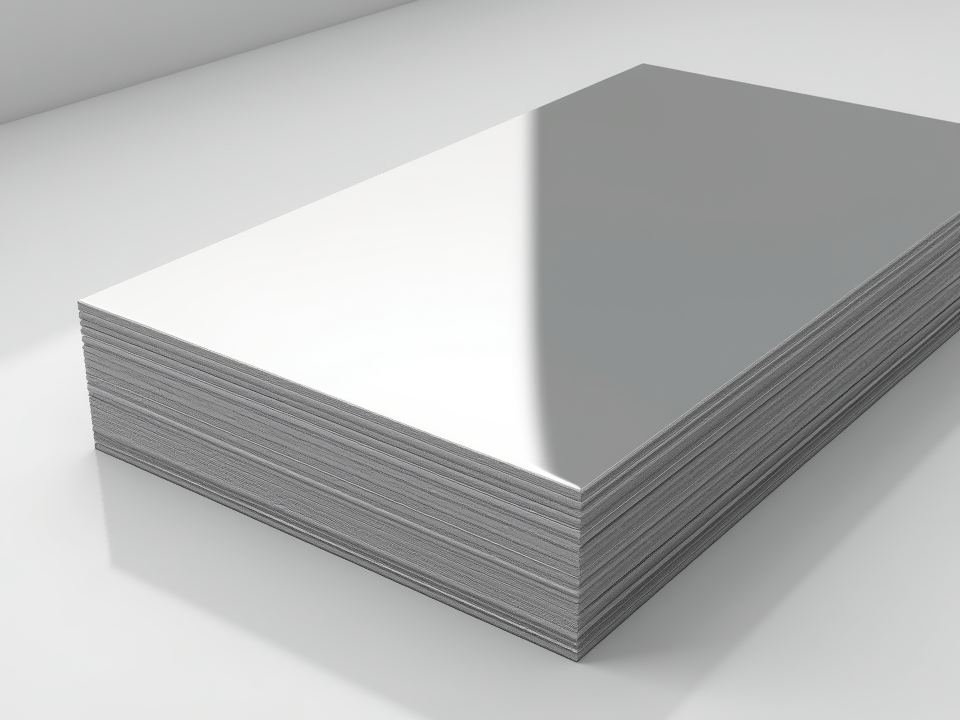
Haomei Aluminum CO., LTD., Inc. supplies 3003 brushed aluminum sheet for projects that require a clean linear-metal appearance, dependable forming performance, and practical corrosion resistance. Made from a manganese-containing aluminum alloy, 3003 sheet is widely selected for architectural trim, appliance panels, cabinets, elevator decoration, signage, transportation interiors, and fabricated enclosures.
The brushed finish gives the surface a directional satin grain. This treatment softens reflected light, reduces the visibility of light handling marks, and delivers a modern industrial appearance. Compared with a bright mill finish, brushed aluminum is more visually controlled and easier to coordinate with glass, wood, stone, stainless steel, and painted surfaces.
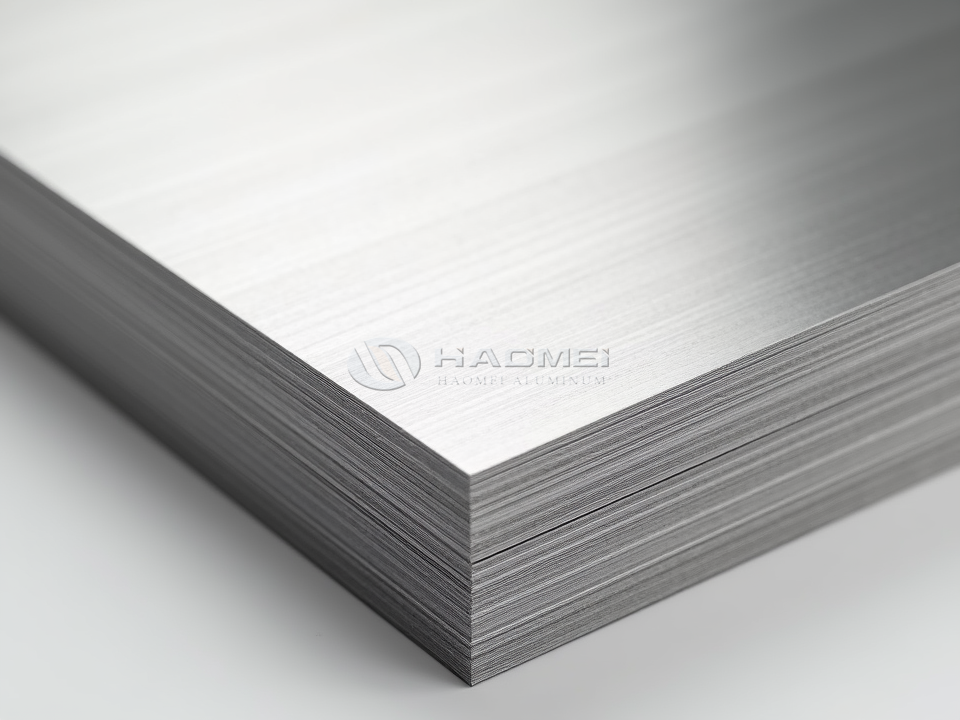
Material Characteristics of 3003 Brushed Aluminum Sheet
Alloy 3003 belongs to the 3xxx aluminum series. Manganese is its principal alloying element, increasing strength beyond commercially pure aluminum while preserving very good workability. It is a non-heat-treatable alloy, so its final strength is primarily obtained through cold working and temper control.
| Property | 3003 Brushed Aluminum Sheet Performance |
|---|---|
| Alloy family | Aluminum-manganese alloy, 3xxx series |
| Heat treatment response | Non-heat-treatable |
| Formability | Very good for bending, stamping, spinning, and shallow drawing |
| Corrosion resistance | Good in normal atmospheric, indoor, and mildly industrial environments |
| Weldability | Good with suitable aluminum welding processes |
| Machinability | Fair; protective film and proper tooling are recommended |
| Surface appearance | Directional hairline, satin, short grain, or long grain finish |
| Typical base finish | Mill finish, brushed, anodized, painted, PVDF coated, or laminated |
For decorative fabrication, 3003 is often chosen when the part needs more stiffness than 1060 or 1100 aluminum but does not require the higher marine-grade corrosion resistance of 5052. The brushed pattern also provides an attractive surface before further processing such as clear anodizing, color coating, or anti-fingerprint treatment.
Chemical Composition
The chemical composition of 3003 aluminum sheet is controlled to maintain a balance of strength, ductility, weldability, and corrosion performance. Values shown are typical compositional limits aligned with commonly used international specifications.
| Element | Content, % by Weight |
|---|---|
| Aluminum, Al | Remainder |
| Manganese, Mn | 1.00-1.50 |
| Copper, Cu | 0.05-0.20 |
| Silicon, Si | 0.60 max |
| Iron, Fe | 0.70 max |
| Zinc, Zn | 0.10 max |
| Other elements, each | 0.05 max |
| Other elements, total | 0.15 max |
Manganese helps increase the alloy's strength while retaining the ductile behavior required for folding, roll forming, and press work. Copper is present in a small controlled amount and contributes to strength characteristics without turning the alloy into a difficult-to-form material.
Temper Conditions and Mechanical Data
Temper selection should match the fabrication route. Soft tempers are preferred for deep shapes and tight radii. Half-hard or quarter-hard material is commonly used for flat decorative panels, cabinet components, and parts needing improved resistance to denting.
| Temper | Condition | Typical Fabrication Suitability | Typical Tensile Strength | Typical Yield Strength |
|---|---|---|---|---|
| O | Fully annealed | Deep drawing, complex forming, spinning | 95-130 MPa | 35 MPa min |
| H12 | Quarter-hard | Moderate forming and light panel work | 110-150 MPa | 75 MPa min |
| H14 | Half-hard | General decorative sheet, bends, trims, panels | 130-170 MPa | 115 MPa min |
| H16 | Three-quarter-hard | Stiffer panels with limited forming | 150-185 MPa | 145 MPa min |
| H18 | Full-hard | Flat components and applications with minimal forming | 170-205 MPa | 165 MPa min |
| H24 | Half-hard, stabilized | Improved stability after controlled thermal treatment | 130-170 MPa | 105 MPa min |
Mechanical values can vary with sheet thickness, testing direction, production route, and governing standard. Final order requirements should state temper, dimensions, acceptable tolerances, and mechanical-property needs.
H14 is one of the most frequently requested conditions for 3003 brushed aluminum sheet. It offers a useful combination of flatness, moderate strength, and bendability. For tightly formed items, O or H12 material may be a better choice. For panels that remain flat after installation and receive only simple folds, H14 or H24 is often suitable.
Technical Specifications
Haomei Aluminum CO., LTD., Inc. can provide brushed sheets cut to project dimensions or in standard stock formats. Brushing can be applied in one direction across the width or length, depending on the desired visual orientation after installation.
| Specification | Common Supply Range |
|---|---|
| Thickness | 0.30-6.00 mm |
| Standard widths | 1,000 mm, 1,220 mm, 1,250 mm, 1,500 mm |
| Standard lengths | 2,000 mm, 2,440 mm, 3,000 mm, 4,000 mm |
| Custom cut length | Available on request |
| Brushing direction | Long grain, cross grain, short grain, or specified direction |
| Surface protection | PVC film, laser film, paper interleaf, or customized masking |
| Edge condition | Mill edge, slit edge, trimmed edge, or deburred edge |
| Sheet flatness | Controlled according to order specification and applicable standard |
| Density | Approximately 2.73 g/cm³ |
| Melting range | Approximately 643-654°C |
| Thermal conductivity | Approximately 193 W/m·K |
| Electrical conductivity | Approximately 42% IACS |
Applicable Standards and Quality Control
Material can be supplied in accordance with recognized aluminum sheet standards. The selected standard depends on market destination, end use, dimensional tolerance requirements, and customer documentation needs.
| Standard | Scope |
|---|---|
| ASTM B209 | Aluminum and aluminum-alloy sheet and plate |
| EN 485-2 | Mechanical properties for wrought aluminum sheet, strip, and plate |
| EN 485-4 | Tolerances for cold-rolled sheet and plate |
| EN 573-3 | Chemical composition of wrought aluminum alloys |
| GB/T 3880 | Aluminum and aluminum alloy sheets and strips |
| AMS specifications | Available when aerospace-style material controls are requested |
Quality inspection commonly includes alloy verification, thickness measurement, width and length checks, flatness inspection, brush-grain consistency, protective-film adhesion, edge quality, and packaging inspection. For visible architectural panels, it is important to define the grain direction and inspect samples under comparable lighting conditions before full production.
Brushed Surface Options and Processing Notes
A brushed aluminum surface is created with abrasive belts, brushes, or non-woven finishing media. The resulting grain can be fine and subtle or more pronounced, depending on abrasive selection and line speed. A consistent grain direction is especially important for large wall panels, elevator facings, cabinet doors, and adjacent decorative parts.
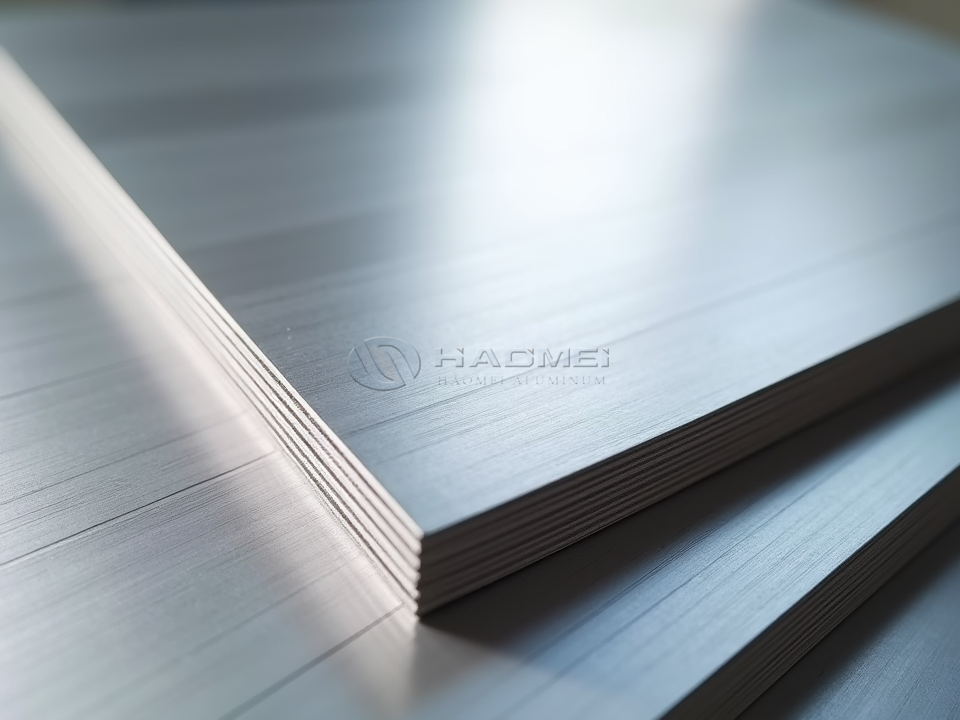
For additional appearance choices, customers may consider Brushed Aluminum Sheet with clear anodizing, champagne coloring, black coating, gold PVD treatment, or anti-fingerprint clear coatings. These treatments can improve stain resistance and simplify cleaning in high-contact spaces.
| Surface Option | Practical Benefit | Typical Uses |
|---|---|---|
| Natural brushed | Metallic satin appearance and economical processing | Trim, panels, appliance parts |
| Clear anodized brushed | Improved surface hardness and oxidation protection | Interior architecture, signs |
| Color-coated brushed | Broad decorative color selection | Cabinets, retail displays, wall systems |
| Anti-fingerprint brushed | Reduced smudging and easier maintenance | Elevators, appliances, public interiors |
| Protective-film brushed | Helps prevent scratches during fabrication and installation | Laser cutting, bending, panel assembly |
Functions and Applications
3003 brushed aluminum sheet serves both decorative and functional purposes. Its low weight helps reduce handling effort and structural load. Its formability supports folded edges, curved trims, perforated panels, and stamped details. Its corrosion resistance supports long service life in dry indoor environments and general outdoor applications when a suitable coating system is selected.
| Application Area | Typical 3003 Brushed Sheet Use |
|---|---|
| Architecture | Wall cladding, soffits, column wraps, ceiling panels, decorative trims |
| Elevators | Cab interiors, door surrounds, control-panel facings, protective wall panels |
| Kitchen and furniture | Cabinet fronts, drawer panels, table components, appliance surrounds |
| Retail and signage | Display fixtures, branded signs, shelving, point-of-sale panels |
| Transportation | Interior panels, luggage-area trim, trailer components, decorative linings |
| Electrical and industrial | Equipment covers, enclosures, control boxes, machine guards |
| HVAC and fabrication | Duct accessories, insulation jacketing, formed housings, light reflectors |
Purchasing Considerations from Haomei Aluminum CO., LTD., Inc.
When sourcing 3003 brushed aluminum sheet, specify alloy, temper, thickness, width, length, brushing direction, finish sample, protective film, and applicable standard. For visible installations, sheets should be installed with a consistent grain direction to maintain a seamless visual effect. Keeping protective film in place until final installation helps preserve the satin surface.
Haomei Aluminum CO., LTD., Inc. supports customized dimensions, controlled surface finishing, stable temper selection, and protective packaging for decorative and fabricated aluminum projects. Whether the requirement is a single brushed panel style or repeatable production material for a large installation, properly specified 3003 aluminum sheet provides an efficient balance of appearance, formability, and value.