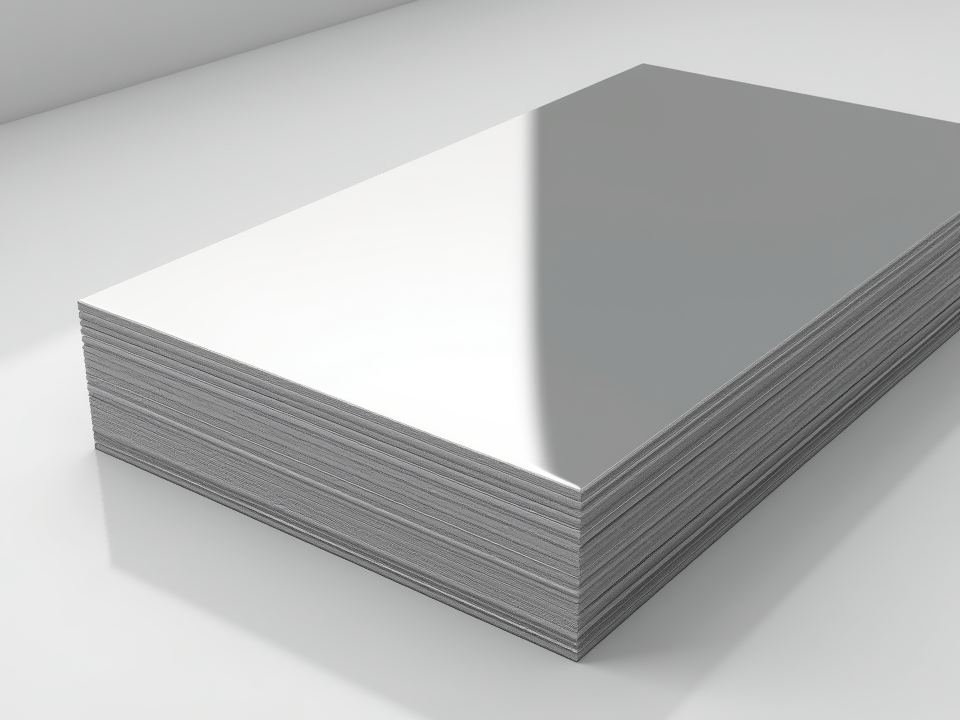
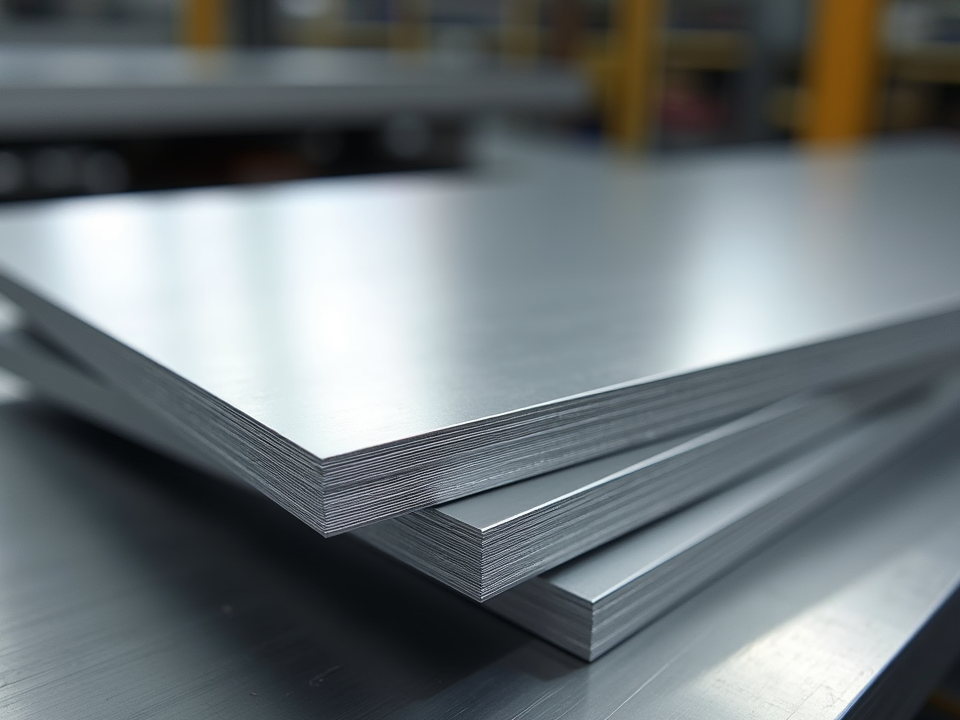
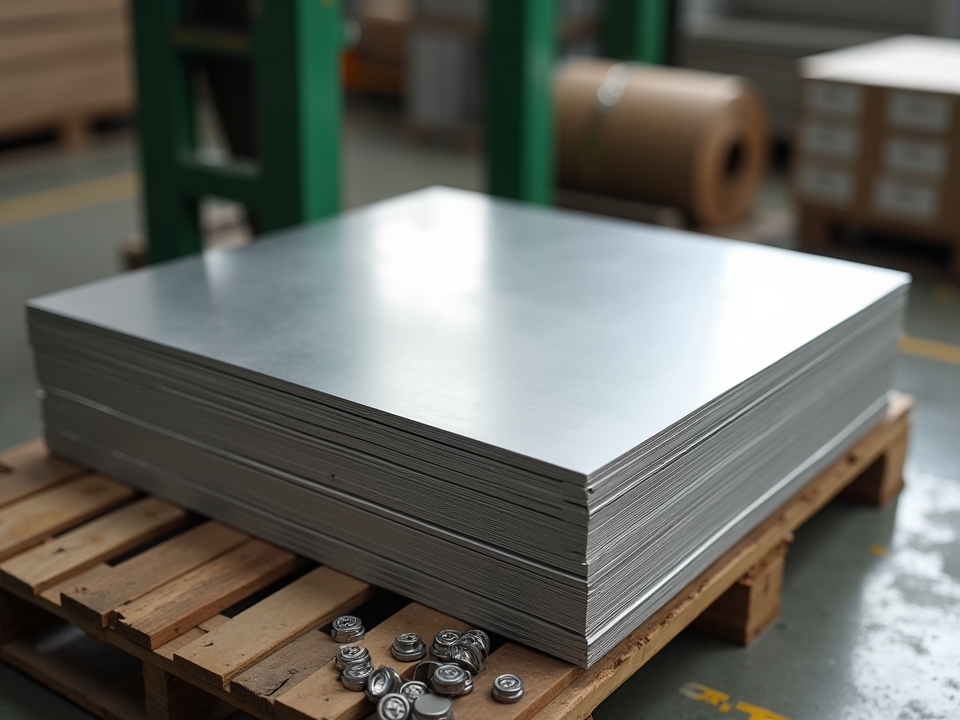
Elevator Cabin Brushed Aluminum Panel
An elevator cabin is not simply a small architectural enclosure. It is a high-contact environment where walls, doors, control-panel surrounds, handrails, and ceiling trims are exposed to fingerprints, bags, carts, cleaning chemicals, and constant visual scrutiny. An elevator cabin brushed aluminum panel addresses this demanding setting by combining low weight, controlled reflectivity, corrosion resistance, and an industrially refined appearance.
Rather than acting as a decorative skin alone, brushed aluminum performs as a practical visual-management surface. Its directional grain softens the appearance of light scratches and smudges that would be highly visible on mirror-polished metal. This makes the panel especially suitable for office towers, hotels, hospitals, apartment buildings, retail complexes, airports, and public-transport facilities.
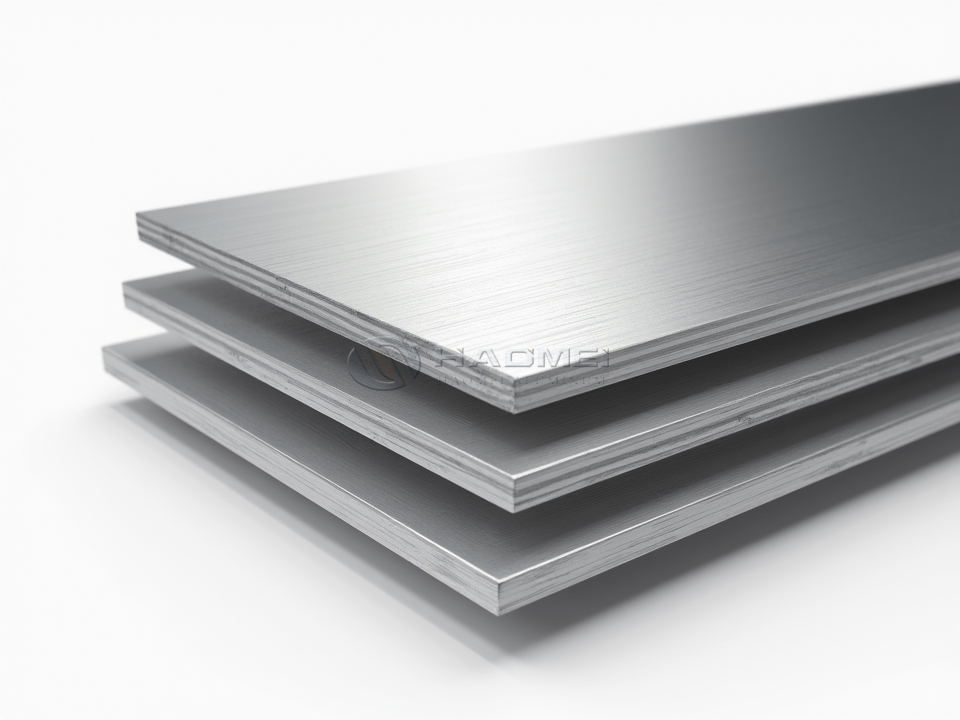
Why a Brushed Finish Works Inside Elevator Cabins
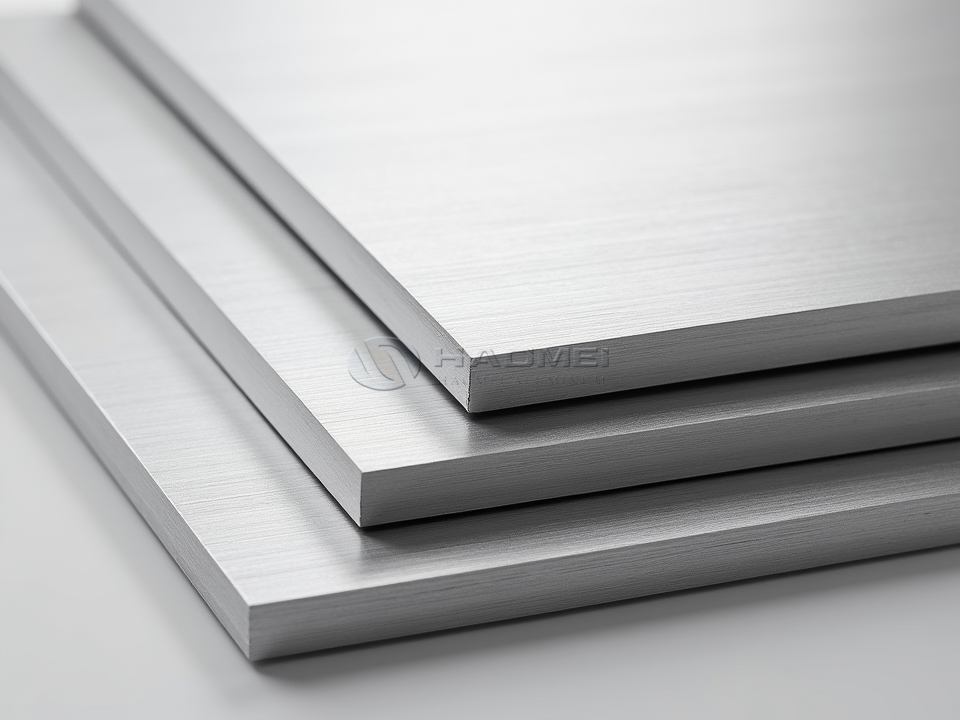
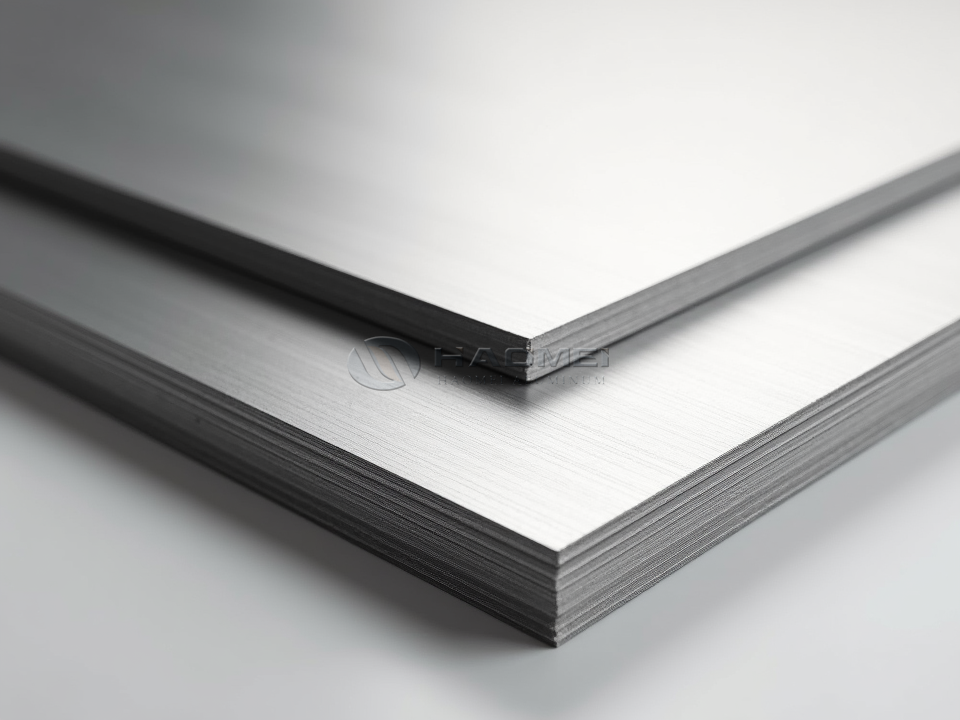
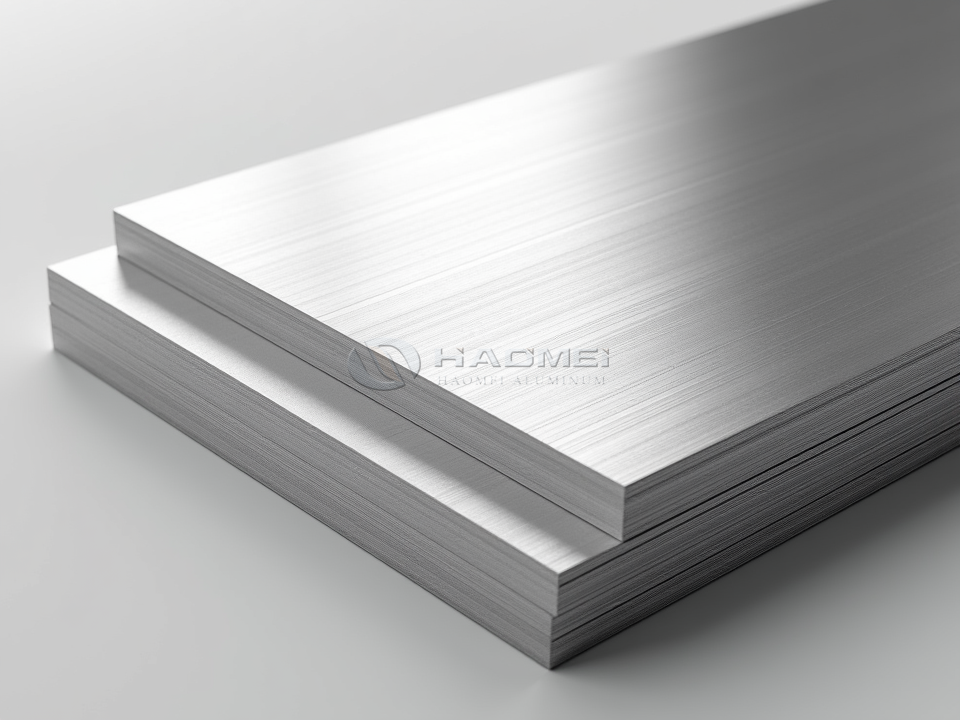
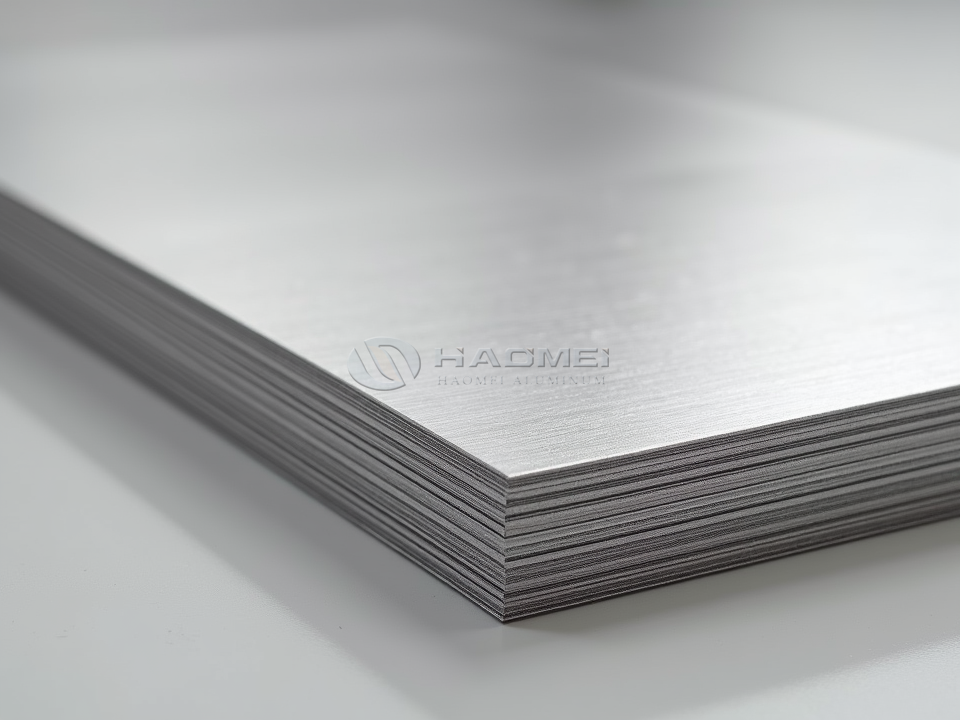
The brushing process creates fine, continuous linear marks on the aluminum surface. These lines diffuse reflected light instead of producing the sharp glare associated with polished stainless steel or glossy decorative laminates. In a compact cabin, this visual behavior matters: the panel can make the interior feel clean and modern while reducing the harsh reflections from ceiling lights and digital displays.
The direction of the grain is also a design tool. Vertical brushing can visually increase perceived cabin height, while horizontal brushing may create a wider, calmer effect. For elevator doors and jambs, consistent grain direction between adjacent panels is important. Mixed directions are immediately noticeable under strong lobby lighting.
In service environments, brushed aluminum is valued because minor abrasion blends into the existing texture more effectively than on bright mirror surfaces. It does not eliminate damage, but it helps the cabin maintain a well-kept appearance between maintenance cycles.
Functions Beyond Decoration
An elevator cabin brushed aluminum panel can be used for side walls, rear walls, car doors, door frames, return panels, ceiling components, skirting, button-panel facias, and protective interior cladding. It is frequently fabricated with bends, cutouts, perforations, folds, welded supports, or bonded composite backing structures.
Aluminum has a density of approximately 2.70 g/cm³, significantly lower than stainless steel. This weight advantage can help reduce the mass of decorative cabin components, particularly in modernization projects where existing lift capacity must be considered. Lower panel weight can also simplify handling during installation.
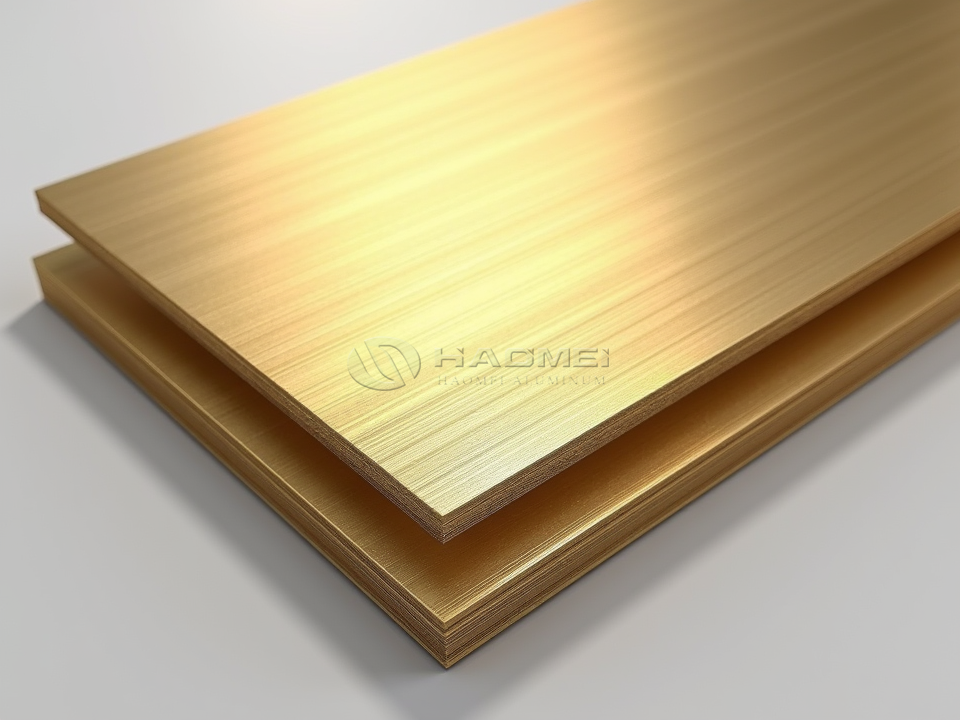
The natural oxide film on aluminum provides baseline corrosion resistance. For humid environments, coastal buildings, cleaning-intensive hospitals, or cabins exposed to wet umbrellas and luggage, anodizing or a protective clear coating improves long-term surface stability. A dark, champagne, silver, or gold appearance can be achieved through anodizing, PVD-compatible systems, coil coating, or decorative lamination, depending on the required performance and fabrication method.
For projects requiring a darker luxury finish, Black Anodized Brushed Aluminum Sheet can provide a restrained contrast with stainless handrails, black glass, and illuminated control panels.
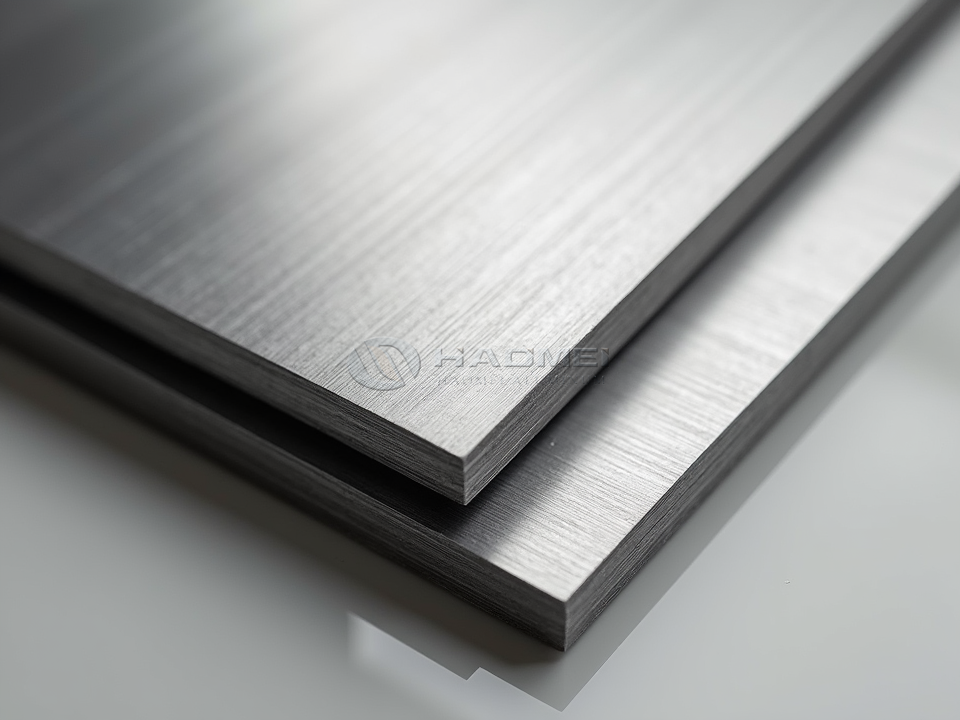
Suitable Alloys and Temper Conditions
Alloy selection should follow the panel's real job. A thin decorative liner that will be bonded to a substrate needs excellent forming behavior. A large wall panel subjected to impact, vibration, or frequent cleaning benefits from higher strength and improved corrosion resistance.
AA 1060 and AA 1100 are commercially pure aluminum grades with excellent ductility, formability, and surface finishing behavior. They are commonly selected for light decorative skins, ceiling elements, and shapes requiring deep forming. Their limitation is lower mechanical strength compared with aluminum-magnesium alloys.
AA 3003 contains manganese and offers higher strength than pure aluminum while retaining good workability. It is a practical option for general cabin wall panels and bent trim sections.
AA 5052 is often preferred for elevator interiors requiring a stronger, more corrosion-resistant sheet. Its magnesium content gives it good resistance in humid and mildly corrosive service conditions. For demanding cabin wall applications, 5052 Brushed Aluminum Sheet is a dependable choice where forming strength and visual finish must work together.
Common tempers include O, H14, H24, H32, and H34. O temper is soft and highly formable, suitable for complex drawn or folded components. H14 and H24 provide moderate strength with workable bending performance. H32 and H34 are common for 5052 panels, offering a balanced combination of rigidity, fabrication capability, and service durability. The selected temper must match bend radius, panel thickness, support spacing, and fabrication method.
Typical Technical Parameters
| Property | Typical Range or Requirement |
|---|---|
| Alloy options | 1060, 1100, 3003, 5052 |
| Temper options | O, H14, H24, H32, H34 |
| Standard thickness | 0.5-3.0 mm |
| Common elevator wall thickness | 0.8-1.5 mm |
| Width | Up to 1,500 mm, subject to mill capability |
| Length | Coil cut-to-length or custom panel dimensions |
| Brushed grain | Longitudinal, transverse, hairline, satin, non-directional |
| Surface treatment | Mill brushed, anodized, clear coated, color coated, laminated |
| Protective film | PE, laser film, or customized masking film |
| Flatness | Controlled according to panel size and agreed tolerance |
Thickness should not be chosen by appearance alone. A 0.8 mm sheet may be sufficient when bonded to a rigid honeycomb, galvanized steel, aluminum composite, or formed backing panel. A self-supporting wall skin may require 1.2 mm, 1.5 mm, or more, depending on cabin geometry and reinforcement design.
Chemical Composition Reference
The chemical profile determines corrosion behavior, strength response, and forming performance. Typical maximum values and nominal ranges are shown for reference; purchase specifications should confirm the applicable standard and mill certificate requirements.
| Alloy | Si | Fe | Cu | Mn | Mg | Cr | Zn | Al |
|---|---|---|---|---|---|---|---|---|
| 1060 | 0.25% | 0.35% | 0.05% | 0.03% | 0.03% | - | 0.05% | 99.60% min |
| 1100 | Si + Fe 0.95% max | - | 0.05-0.20% | 0.05% max | - | - | 0.10% max | 99.00% min |
| 3003 | 0.60% max | 0.70% max | 0.05-0.20% | 1.0-1.5% | - | - | 0.10% max | Balance |
| 5052 | 0.25% max | 0.40% max | 0.10% max | 0.10% max | 2.2-2.8% | 0.15-0.35% | 0.10% max | Balance |
Standards, Fabrication, and Surface Control
Aluminum sheet for elevator cabin applications is commonly supplied in accordance with ASTM B209, EN 485, EN 573, or GB/T 3880, depending on the market and project documentation. Chemical composition, mechanical properties, thickness tolerance, and temper designation should be verified against the selected standard.
Elevator system requirements may also refer to EN 81 series standards, ASME A17.1/CSA B44, or local lift regulations. These rules generally govern the complete elevator installation rather than aluminum sheet alone, but panel materials must still meet project requirements for fire behavior, emissions, cleaning resistance, sharp-edge control, and interior durability.
During fabrication, the brushed face should remain protected with film until final installation. Cut edges require deburring, while fold lines should be tested before production to prevent cracking or grain distortion. Adhesives must be compatible with the back coating and operating temperature range. When dissimilar metals are used behind the panel, separation layers or suitable fasteners should be considered to reduce galvanic corrosion risk in damp conditions.
Selecting the Right Panel for the Cabin
A well-specified elevator cabin brushed aluminum panel begins with passenger behavior, not color alone. Premium hotel cabins may prioritize fine hairline grain and champagne anodizing. Hospital elevators often benefit from light silver finishes that support a clean visual environment and tolerate regular wipe-down procedures. Freight or service elevators may require thicker 5052 panels, stronger backing, and a grain pattern that conceals routine contact marks.
By matching alloy, temper, thickness, brushing direction, protective treatment, and fabrication method, brushed aluminum becomes more than a finish. It becomes a durable working surface that preserves the cabin's architectural character through thousands of daily journeys.