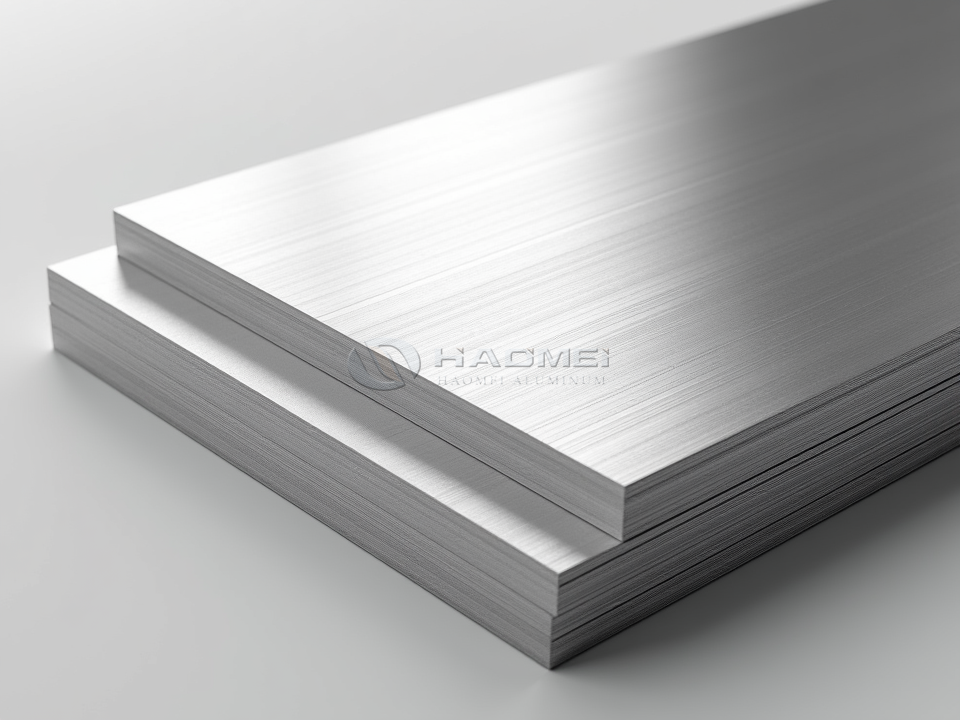
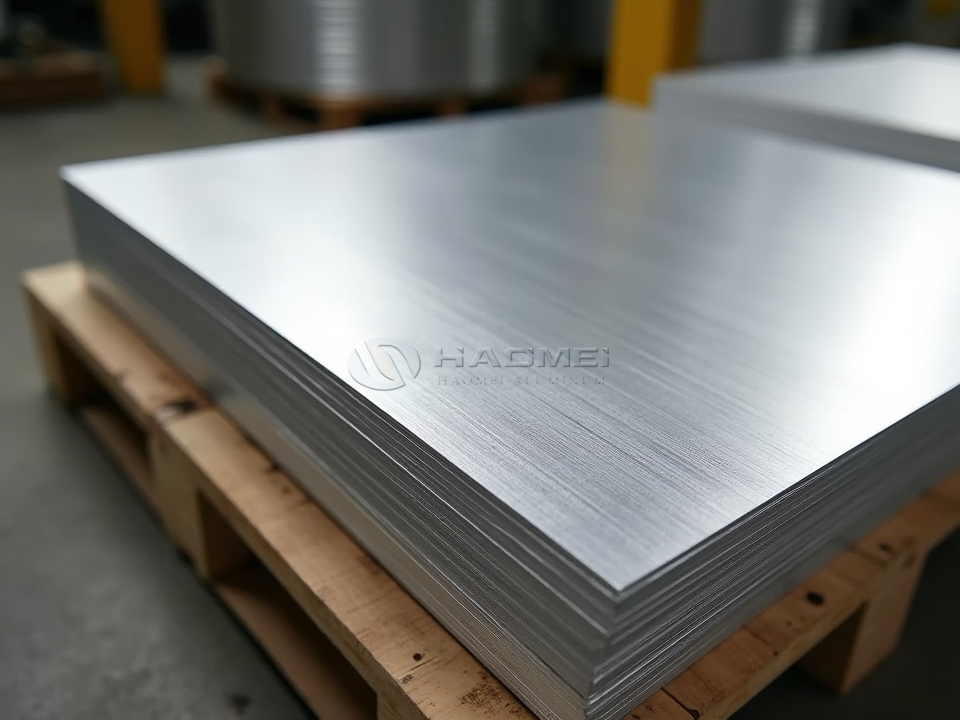
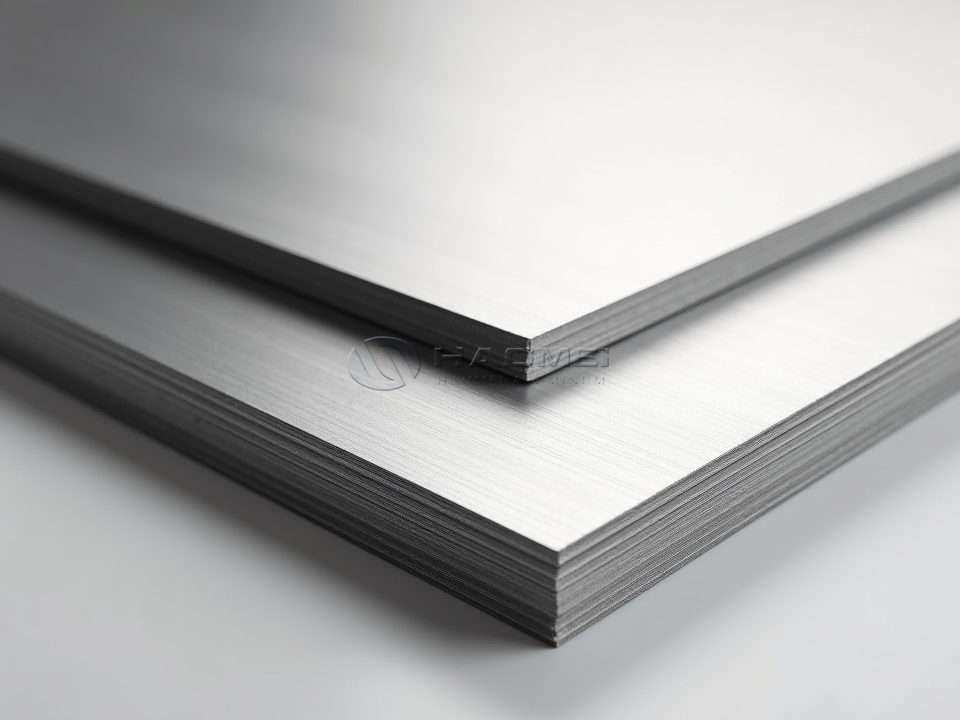
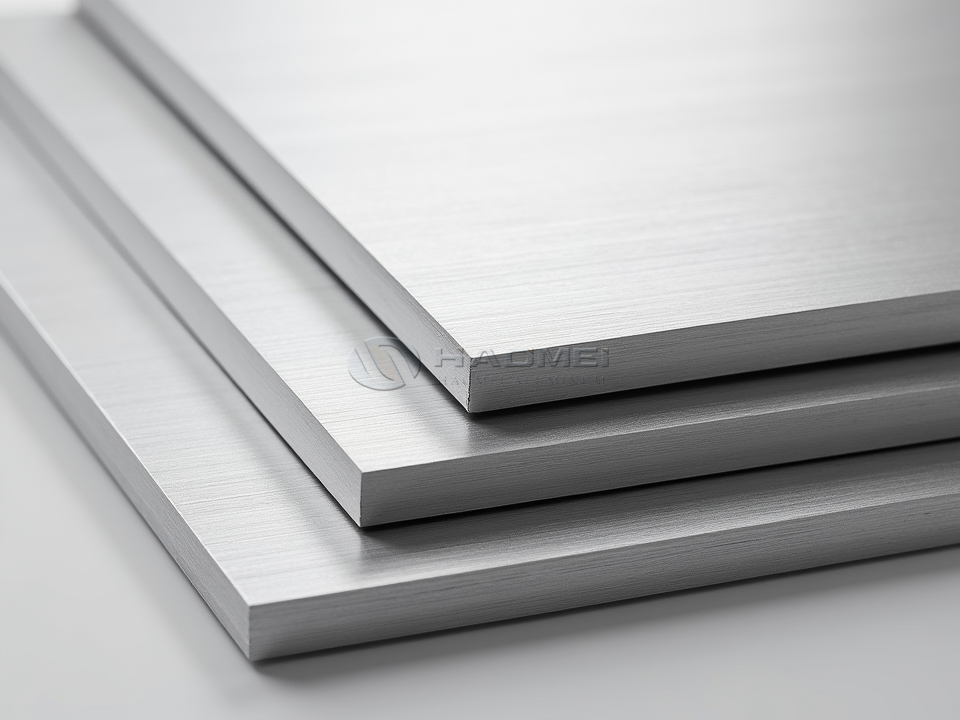
Hairline Brushed Aluminum Sheet
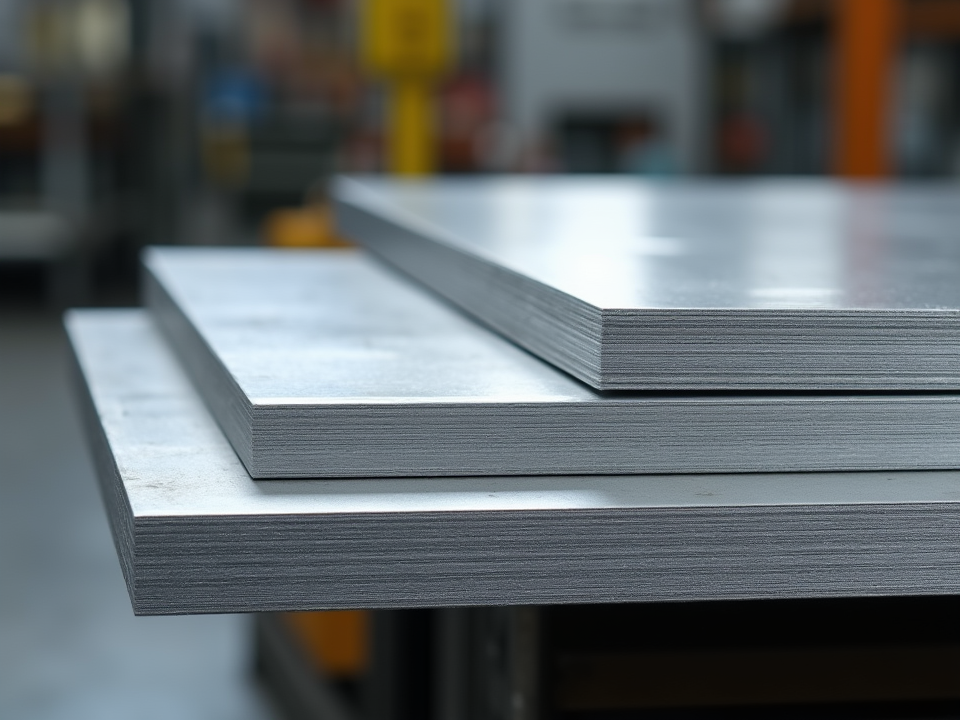
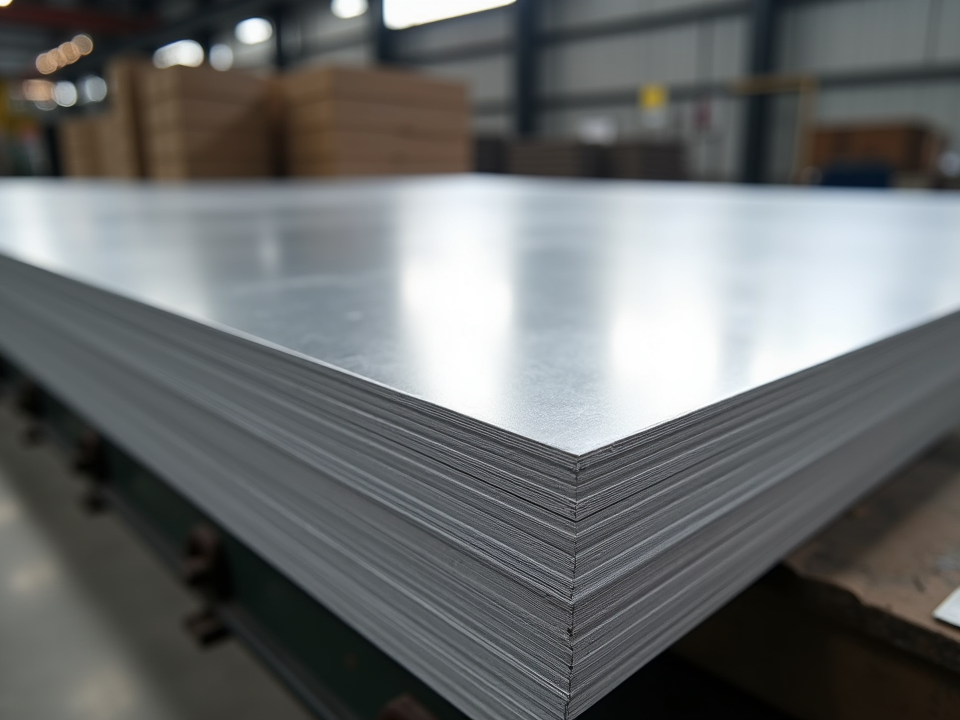
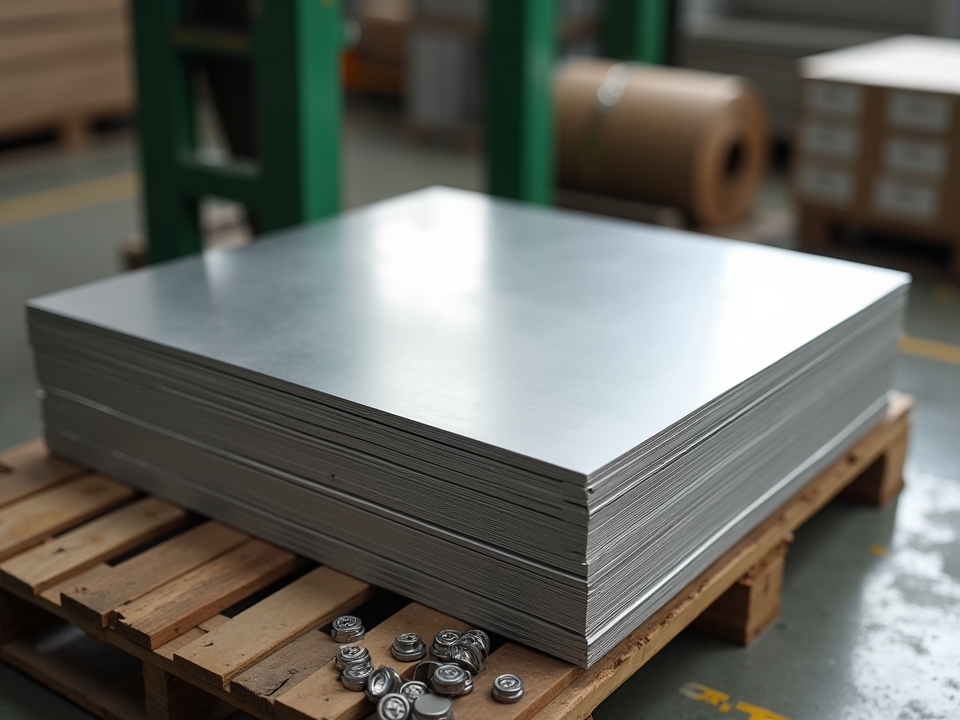
A hairline brushed aluminum sheet is often chosen for its clean metallic beauty, but the real value is not only in how it looks on day one. Its value appears when light moves across it, when hands touch it, when a panel is bent, cleaned, installed, and viewed from different angles. From that practical angle, this material is less like a decorative plate and more like a controlled surface that manages reflection, fingerprints, and visual rhythm.
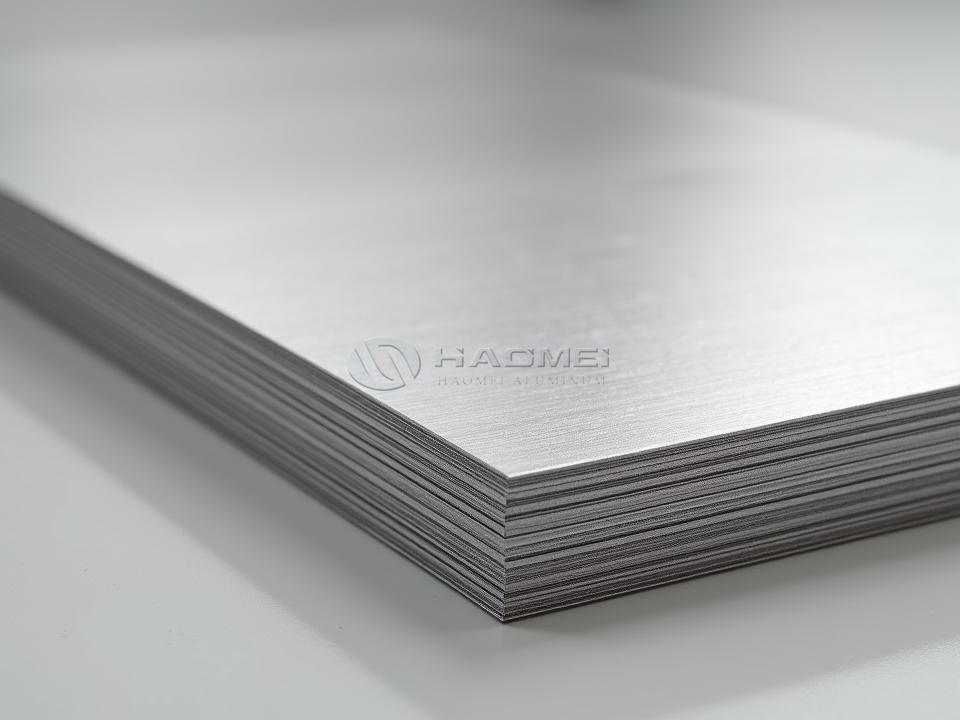
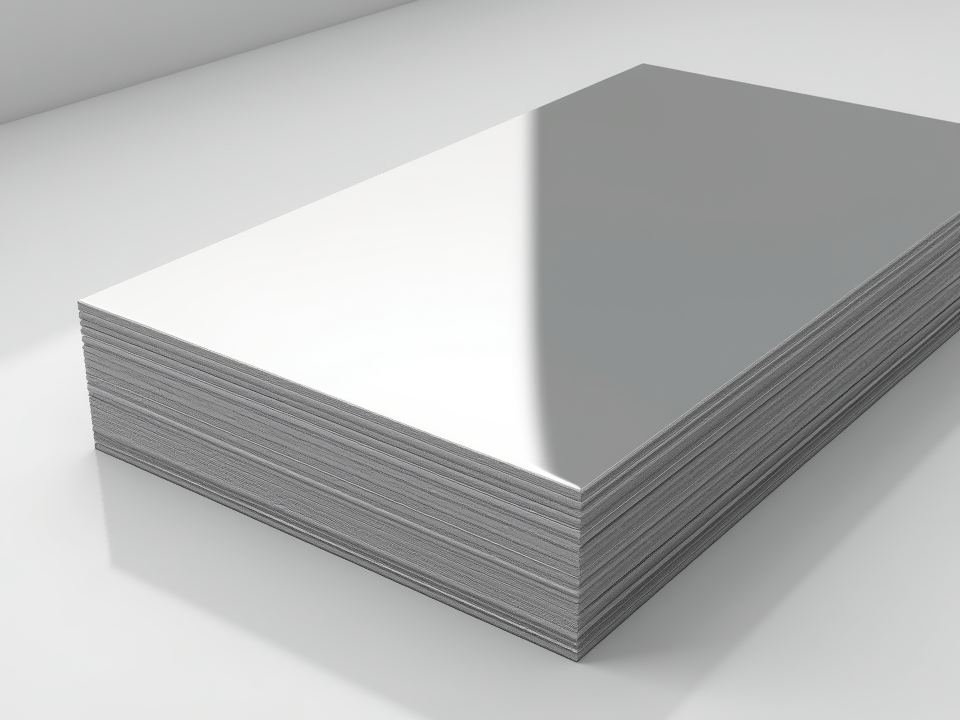
The hairline effect is created by brushing the aluminum surface in one direction with abrasive belts or finishing wheels. The result is a field of fine, straight, continuous lines. Unlike mirror aluminum, it does not throw back sharp reflections. Unlike random matte finishes, it has direction and movement. This is why it feels calm in elevators, refined on appliances, and precise on signage or interior wall panels.
The Surface Is a Direction, Not Just a Finish
Many buyers focus first on color: silver, champagne, black, gold, bronze, or custom tones. Color matters, but grain direction matters just as much. A hairline brushed aluminum sheet has a visual flow. If two adjacent panels are installed with different brushing directions, they may appear to be different colors even when they come from the same batch.
For projects with multiple panels, it is wise to mark the grain direction during cutting, bending, and installation. Vertical grain can make wall panels look taller and cleaner. Horizontal grain can make long counters, nameplates, and appliance panels look wider and more stable. On elevator doors, the vertical hairline direction is popular because it hides light hand marks better and gives a sense of height.
This is also why the broader family of Brushed Aluminum Sheet products should be selected with the final viewing angle in mind, not only by looking at a small sample under office lighting.
What Makes a Good Hairline Finish Feel Expensive
A fine hairline surface should look even from edge to edge. The lines should be straight, continuous, and free from chatter marks, cloudy areas, heavy scratches, stains, or sudden changes in brightness. A poor finish may look acceptable from one angle but reveal waves or patchy texture under side light.
Customers can use a simple inspection habit: tilt the sample slowly near a window or under a long LED strip. If the reflection flows smoothly, the brushing is well controlled. If the surface flickers with uneven bands, the abrasive pressure or previous substrate quality may not be stable enough for premium decoration.
The base aluminum sheet is also part of the story. Brushing cannot hide every defect. If the incoming sheet has dents, roll marks, oil stains, or poor flatness, the hairline process may even make them easier to see. For visible architectural panels, a stable substrate is worth paying attention to.
Alloy Choice Changes the Job, Even When the Face Looks the Same
Several aluminum alloys can be processed into hairline brushed sheet. The right choice depends on strength, corrosion resistance, formability, and budget.
Pure aluminum grades such as 1060 or 1100 are soft, bright, and easy to form. They are often used for decorative trims, signs, indoor panels, labels, and appliance faceplates. 3003 offers better strength while remaining easy to process, making it suitable for ceilings, wall cladding, and general decoration.
For applications that need improved corrosion resistance and higher strength, 5052 Brushed Aluminum Sheet is a strong option. It is commonly considered for humid interiors, transportation decoration, door panels, cabinet panels, and projects where the material must resist handling and environmental exposure better than softer grades.
Temper also matters. A soft temper is easier to bend and stamp, while a harder temper keeps better panel rigidity. If a panel must be folded after brushing, the bending radius and grain direction should be confirmed before mass production.
Anodizing Turns the Hairline Into a Harder Surface
Hairline brushing creates the texture. Anodizing, coating, or protective lacquer defines how well that texture survives use. An anodized brushed aluminum sheet has a harder oxide layer that improves wear resistance and corrosion resistance while keeping the metallic character visible. This is especially useful for touchable surfaces such as elevator panels, door trims, control panels, furniture parts, and equipment covers.
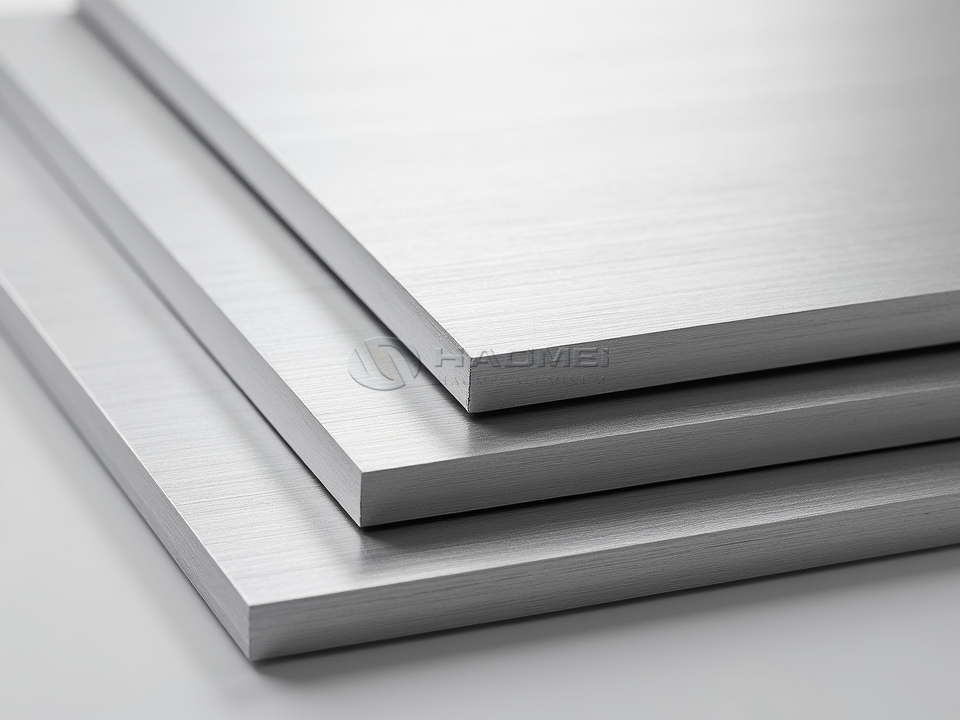
Anodizing can produce natural silver, champagne, bronze, black, and other controlled tones. However, anodized color is affected by alloy, surface preparation, anodizing thickness, sealing, and batch control. For large projects, color approval should be based on real production samples, not only small catalog chips.
Painted or coated brushed aluminum can offer more color freedom, including deep black, warm gold, and brand-specific tones. The coating system should be chosen according to indoor or outdoor use. Indoor decorative panels may need a clear protective film, while outdoor signs and cladding may require stronger weather resistance and sealed edges.
Thickness, Flatness, and Film Are More Practical Than They Sound
A beautiful finish can still cause trouble if the sheet is too thin, too soft, or poorly protected. Thin sheets are lighter and easier to cut, but they may show waviness after installation, especially on large panels. Thicker sheets feel more solid and stay flatter, but cost and forming force increase.
For interior wall panels, elevator decoration, cabinet panels, and signage, common thicknesses often range from about 0.5 mm to 3.0 mm, depending on the backing structure and installation method. For composite use or lamination, thinner material may be suitable. For direct exposed panels, flatness becomes more important.
Protective film is another small detail with big influence. A good film protects the brushed face during cutting, bending, transport, and installation. If laser cutting is required, the film must be suitable for the process. If bending is required, the film should not peel too easily or leave adhesive residue. Film removal time should also be managed, especially in warm environments or long storage.
Fabrication Notes That Save Money
Hairline brushed aluminum sheet can be cut, punched, bent, grooved, laminated, and formed, but the finish requires disciplined handling. Tools should be clean. Worktables should be free from chips. Operators should avoid dragging sheets face to face. Gloves help prevent sweat marks and dark fingerprints before coating or installation.
When bending, the relation between bend line and brushing direction can affect appearance. A bend across the grain may catch light differently from a bend along the grain. For visible folded corners, testing a small piece is safer than assuming the final panel will look the same as the flat sheet.
Welding is possible with suitable alloys, but heat can damage the surface finish and coating. For decorative projects, mechanical fastening, adhesive bonding, folding, or hidden framing is often preferred. If welding is required, refinishing and color matching should be discussed early.
Cleaning Should Follow the Grain
Hairline brushed aluminum sheet is easy to maintain, but it should be cleaned with the direction of the grain. A soft cloth, mild detergent, and clean water are usually enough. Strong alkaline cleaners, abrasive pads, steel wool, and harsh solvents may damage the surface or leave uneven marks.
For fingerprints, a neutral cleaner followed by a dry microfiber wipe works well. For public spaces with frequent touch, anodized or coated surfaces are easier to care for than untreated brushed aluminum. In kitchens, bathrooms, transport interiors, and commercial buildings, maintenance planning should be part of the material choice.
Buying by Sample, Confirming by Conditions
A sample tells the eye what the surface may become, but the final decision should include real project conditions. Will the sheet be used indoors or outdoors? Will it be touched every day? Will panels be viewed under strong side light? Will they be bent after brushing? Must several batches match over time?
Before ordering, customers should confirm alloy, temper, thickness, width, length, surface direction, color, coating type, protective film, tolerance, and packing method. For visible projects, a pre-production sample is very helpful. For repeat orders, keeping the same specification and approved sample can reduce color and grain variation.
Hairline brushed aluminum sheet earns its place because it balances industrial precision with quiet decoration. It does not shout like mirror metal, and it does not disappear like plain matte sheet. It catches light in thin lines, softens reflection, and gives products a clean, engineered surface. When selected with the right alloy, finish, protection, and grain direction, it becomes a dependable material for spaces and products that need to look refined while working hard every day.