PE Pre-Painted Aluminum Sheet
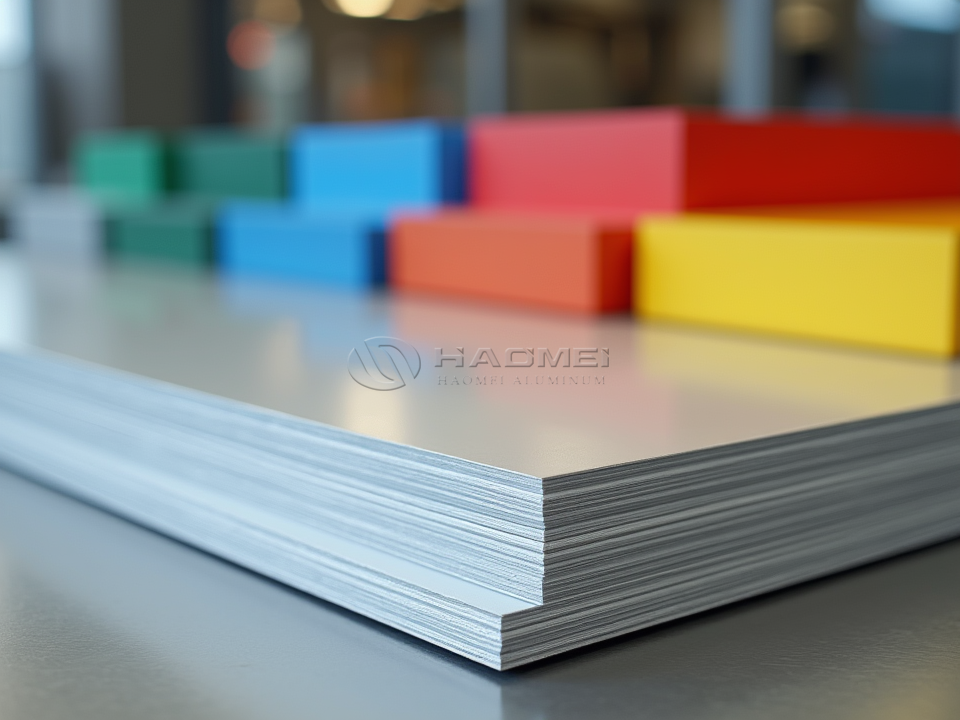
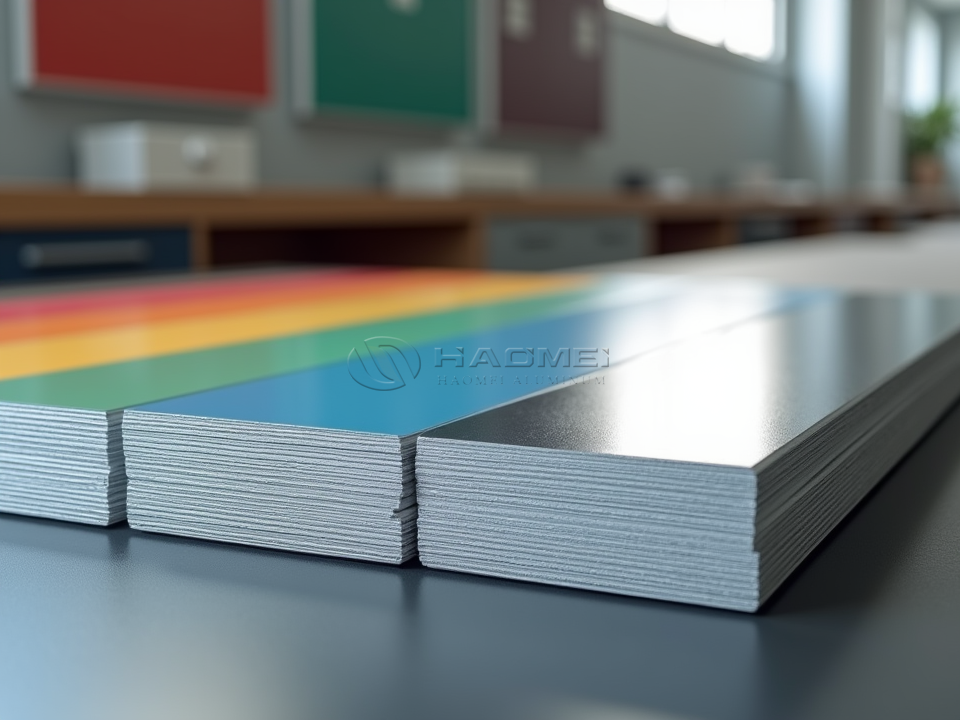
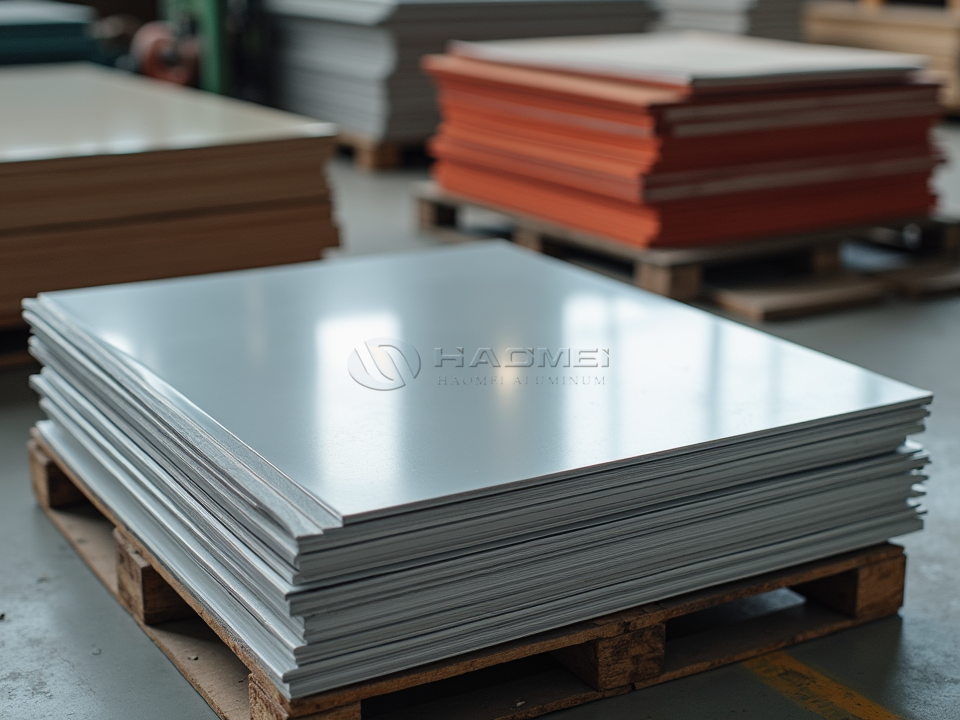
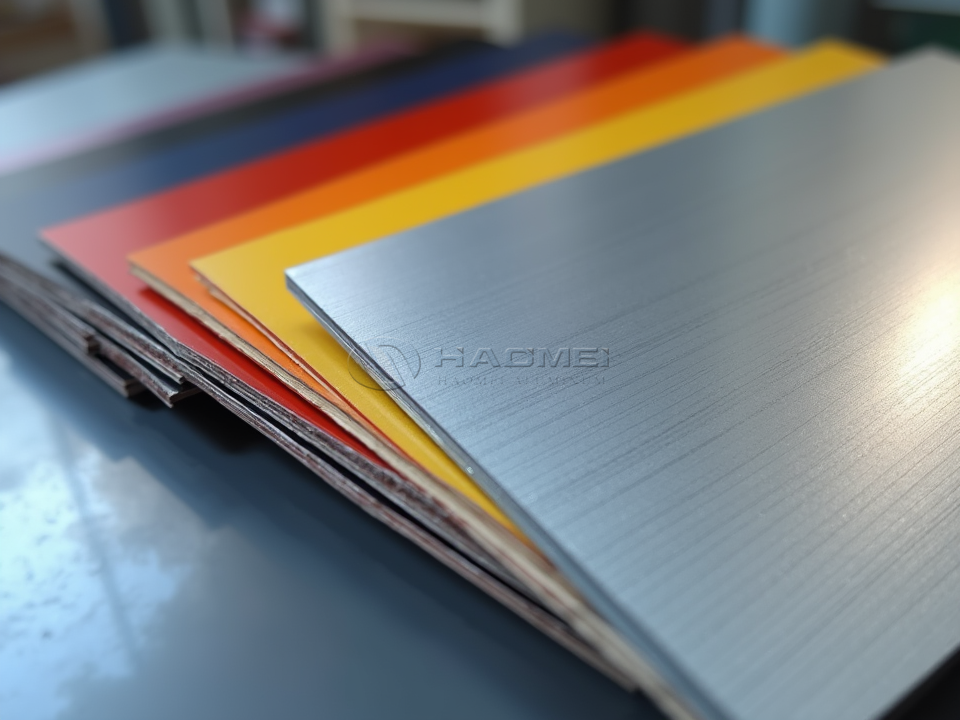
PE pre-painted aluminum sheet can be viewed as a finished surface before it becomes a product. Instead of cutting, bending, assembling, and then painting, the metal arrives with color, gloss, and protective coating already applied. This changes the way designers, fabricators, and buyers think about aluminum sheet: the surface is no longer an afterthought; it is part of the material specification.
The PE in PE pre-painted aluminum sheet means polyester coating. It is commonly chosen for indoor decoration, ceiling panels, signage, aluminum composite panels, household appliance panels, lighting parts, and moderate outdoor uses where color stability, workability, and cost control must stay balanced. Compared with post-painting, coil or sheet coating gives more consistent film thickness, smoother color, and better production efficiency.
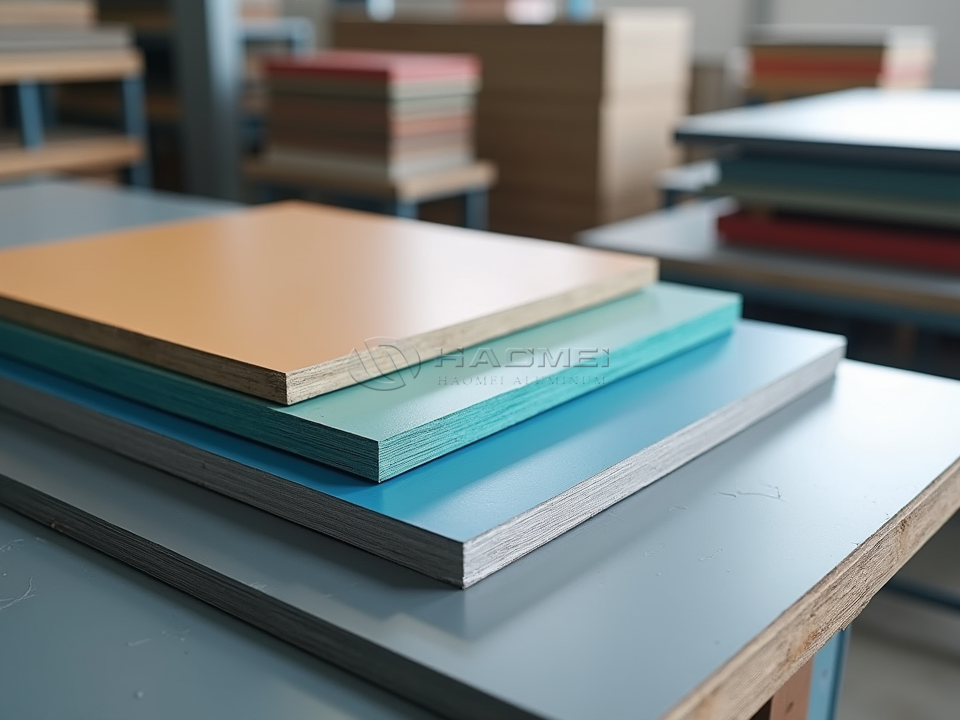
A Painted Sheet Is Really a Layered System
A PE pre-painted aluminum sheet may look simple from the front, but its performance comes from several layers working together. The aluminum substrate gives light weight, corrosion resistance, and formability. Chemical pretreatment improves coating adhesion. Primer supports bonding and corrosion resistance. The PE topcoat provides color, gloss, hardness, and weather protection. In many applications, the back side is coated with a service coating or protective lacquer.
This layered structure helps explain why two sheets with the same color can perform differently. Alloy, temper, pretreatment quality, coating thickness, curing temperature, and handling conditions all influence the final result. For customers, the right question is not only "what color is it?" but also "what environment will it face, and how will it be formed?"
For projects that need ready-to-use colored aluminum for panels and decorative fabrication, PE Color Coated Aluminum Sheet is often a practical choice because it combines stable appearance with easy processing.
Typical Technical Parameters
| Item | Common Range or Requirement |
|---|---|
| Substrate alloy | 1050, 1060, 1100, 3003, 3004, 3105, 5005 |
| Temper | O, H12, H14, H16, H18, H24, H26, H32, H34 |
| Thickness | 0.20-3.00 mm, customizable by project |
| Width | 600-1600 mm, wider sizes available on request |
| Top coating | PE polyester paint |
| Primer thickness | 5-8 microns typical |
| Topcoat thickness | 12-20 microns typical |
| Total paint film | 16-28 microns depending on application |
| Back coating | 5-12 microns, service coat or protective coat |
| Gloss | Matte, satin, semi-gloss, high gloss |
| Color system | RAL, Pantone, custom color matching |
| Surface texture | Smooth, embossed, brushed-effect, wood grain by process |
| Protective film | Optional PE film for processing and transport |
PE coating is valued for smooth appearance and color flexibility. It is especially suitable where the surface will be seen at close distance, such as interior cladding, advertising boards, partitions, and decorative panels. For strong UV exposure, coastal climates, or high-rise exterior curtain wall systems, PVDF coating may be a better fit because it has stronger long-term weathering resistance.
Standards Used in Production and Inspection
PE pre-painted aluminum sheet is usually produced and tested according to recognized aluminum and coating standards. Standards help align buyer expectations with measurable performance rather than visual judgment alone.
| Standard | Scope of Use |
|---|---|
| ASTM B209 | Aluminum and aluminum-alloy sheet and plate requirements |
| EN 485 | Aluminum sheet, strip, and plate mechanical properties and tolerances |
| EN 1396 | Coil coated aluminum sheet and strip for general applications |
| GB/T 3880 | Aluminum and aluminum alloy sheets and strips |
| GB/T 17748 | Aluminum composite panel related coated material requirements |
| AAMA 2603 | Performance guidance for organic coatings on architectural aluminum |
| ISO 2409 | Cross-cut adhesion test |
| ASTM D3359 | Tape adhesion test for coating film |
| ASTM D523 | Gloss measurement |
| ASTM D2794 | Impact resistance of organic coatings |
| ASTM B117 | Salt spray corrosion testing |
A good PE coated sheet should pass bending, adhesion, impact, hardness, color difference, gloss, and corrosion-related tests according to the intended use. For aluminum composite panel production, coating flexibility and bonding behavior are especially important, which is why many panel makers specify Coated Aluminum Sheet for ACP with controlled surface quality and coating consistency.
Alloy and Temper Selection
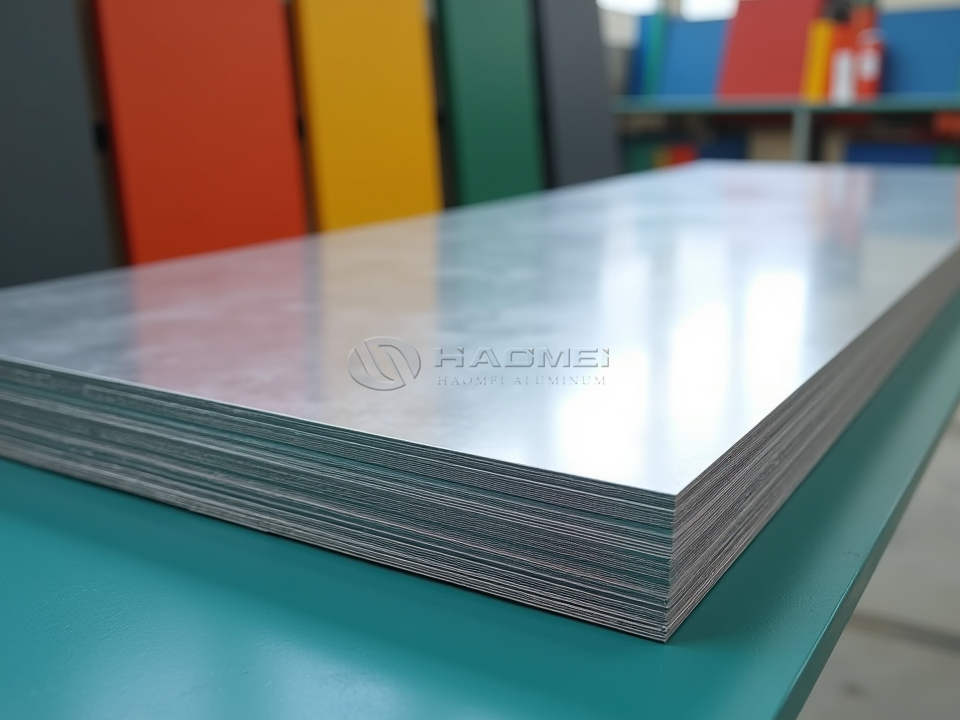
The aluminum alloy decides strength, corrosion resistance, and forming behavior. The temper decides how soft or hard the sheet feels during bending, stamping, or roll forming.
| Alloy | Common Tempers | Main Character | Typical Uses |
|---|---|---|---|
| 1050 | O, H14, H24 | High purity, soft, excellent workability | Decorative panels, labels, lighting parts |
| 1060 | O, H14, H24 | Good ductility and corrosion resistance | Signage, ceiling panels, general fabrication |
| 1100 | O, H14, H24 | Commercially pure aluminum, easy forming | Interior panels, household products |
| 3003 | H14, H24 | Manganese alloy, higher strength than pure aluminum | Roofing accessories, cladding, cabinets |
| 3004 | H24, H26 | Better strength and forming balance | Building panels, ceiling systems, closures |
| 3105 | H14, H24, H26 | Good coating response and durability | Wall panels, gutters, decorative sheet |
| 5005 | H32, H34 | Better surface quality and corrosion resistance | Architectural decoration, anodizing-grade appearance applications |
For deep bending or punching, softer tempers such as O or H24 are easier to process. For flat panels that require better rigidity, H14, H16, or H26 may be preferred. The coating must also tolerate the forming radius. If the bend is too tight for the paint film, micro-cracking may appear even when the substrate itself does not fail.
Chemical Composition of Common Substrates
The chemical composition of the substrate influences mechanical strength, corrosion behavior, and surface response during coating. Values may vary slightly by standard and mill practice, but the table gives typical maximum or range values by weight percent.
| Alloy | Si | Fe | Cu | Mn | Mg | Cr | Zn | Ti | Al |
|---|---|---|---|---|---|---|---|---|---|
| 1050 | 0.25 | 0.40 | 0.05 | 0.05 | 0.05 | - | 0.05 | 0.03 | 99.50 min |
| 1060 | 0.25 | 0.35 | 0.05 | 0.03 | 0.03 | - | 0.05 | 0.03 | 99.60 min |
| 1100 | Si+Fe 0.95 | Si+Fe 0.95 | 0.05-0.20 | 0.05 | - | - | 0.10 | - | 99.00 min |
| 3003 | 0.60 | 0.70 | 0.05-0.20 | 1.00-1.50 | - | - | 0.10 | - | Remainder |
| 3004 | 0.30 | 0.70 | 0.25 | 1.00-1.50 | 0.80-1.30 | - | 0.25 | - | Remainder |
| 3105 | 0.60 | 0.70 | 0.30 | 0.30-0.80 | 0.20-0.80 | 0.20 | 0.40 | 0.10 | Remainder |
| 5005 | 0.30 | 0.70 | 0.20 | 0.20 | 0.50-1.10 | 0.10 | 0.25 | - | Remainder |
Aluminum naturally forms a thin oxide film, which helps resist corrosion. Pretreatment improves this surface so the coating can bond more reliably. Modern chromium-free pretreatment is widely used when environmental requirements are strict.
Coating Properties Customers Should Check
PE coating performance is best understood through everyday handling. A good sheet should resist scratches during reasonable fabrication, keep color consistency across batches, bend without paint peeling, and maintain gloss during normal use. Common inspection items include pencil hardness, T-bend, cross-cut adhesion, impact resistance, solvent resistance, color difference, and salt spray performance.
| Property | Common PE Coating Target |
|---|---|
| Pencil hardness | HB-2H depending on paint system |
| Adhesion | Grade 0 or Grade 1 by cross-cut test |
| T-bend | Commonly 2T-3T, adjusted by coating and temper |
| Impact resistance | No peeling or cracking under specified test energy |
| Color difference | Usually Delta E controlled by customer agreement |
| Salt spray | Often 500 hours or more for general applications |
| Service environment | Interior and moderate exterior conditions |
PE pre-painted aluminum sheet is not only purchased by thickness and color. The fabrication route matters. A sheet used for flat signage may prioritize surface brightness and color accuracy. A sheet for ceilings may require flatness, low weight, and clean edges. A sheet for ACP production needs stable coating adhesion and reliable lamination behavior.
Where PE Pre-Painted Aluminum Sheet Fits Best
This material works well in commercial decoration, shopfront signs, interior wall panels, ceilings, lighting housings, appliance panels, partition systems, display boards, and aluminum composite panels. It is also used in light-duty building trim where the environment is not extremely aggressive.
The practical attraction is speed. Fabricators can shear, punch, groove, bend, and assemble without setting up a separate painting line. Project owners get controlled color and cleaner installation. Buyers also reduce waste because coating thickness and color are applied continuously under factory conditions.
Purchasing Notes for Better Results
When specifying PE pre-painted aluminum sheet, it is useful to confirm alloy, temper, thickness tolerance, coating thickness, color code, gloss level, protective film type, inner diameter for coils if needed, and packing method. Samples should be checked under the same lighting expected at the job site, since gloss and viewing angle can change color perception.
For formed parts, test the real bending radius before mass production. For panels installed near heat sources, confirm coating temperature resistance. For outdoor exposure, define the expected service life and climate conditions. These details help match the sheet to the job instead of forcing one grade to cover every situation.
PE pre-painted aluminum sheet is a smart material when appearance, workability, and cost efficiency need to move together. Its strength is not only the color on the surface, but the controlled partnership between aluminum alloy, temper, pretreatment, primer, and polyester topcoat.