Silver Brushed Aluminum Panel
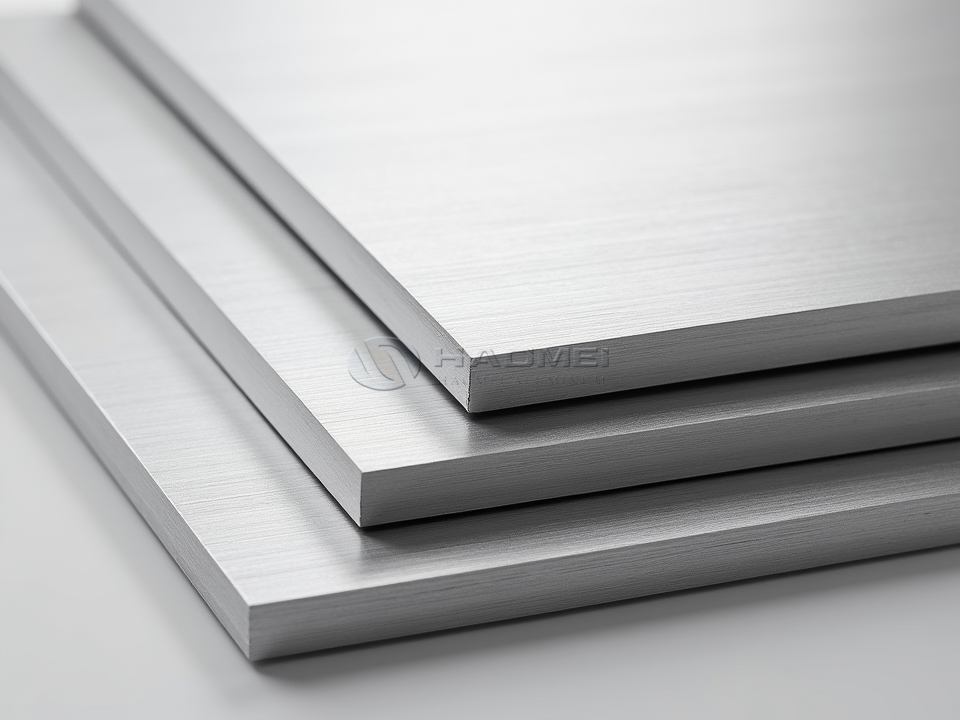
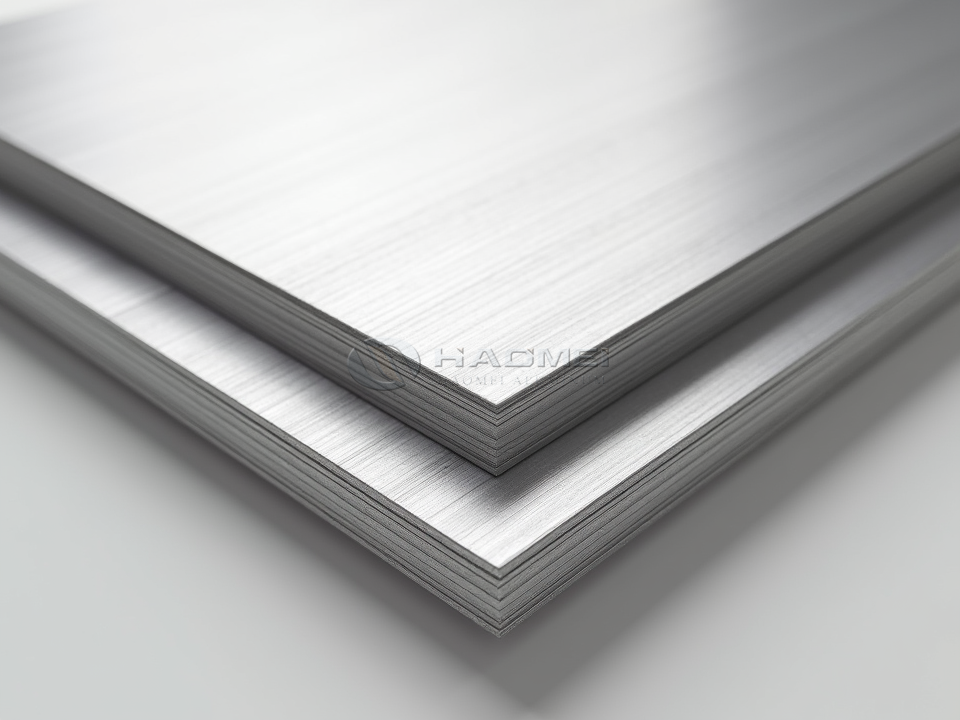
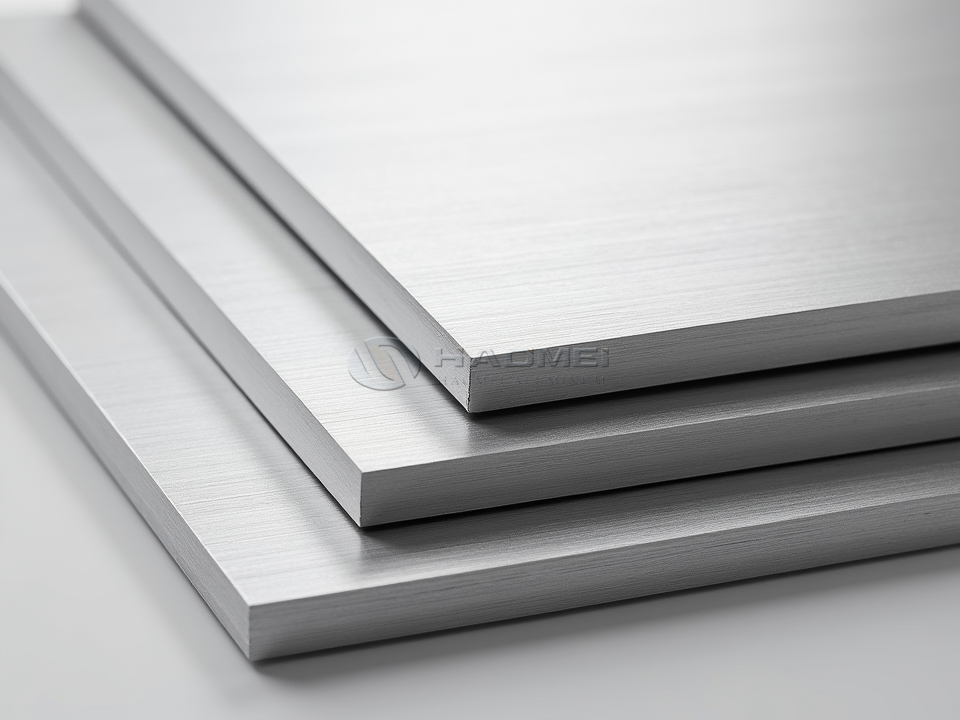
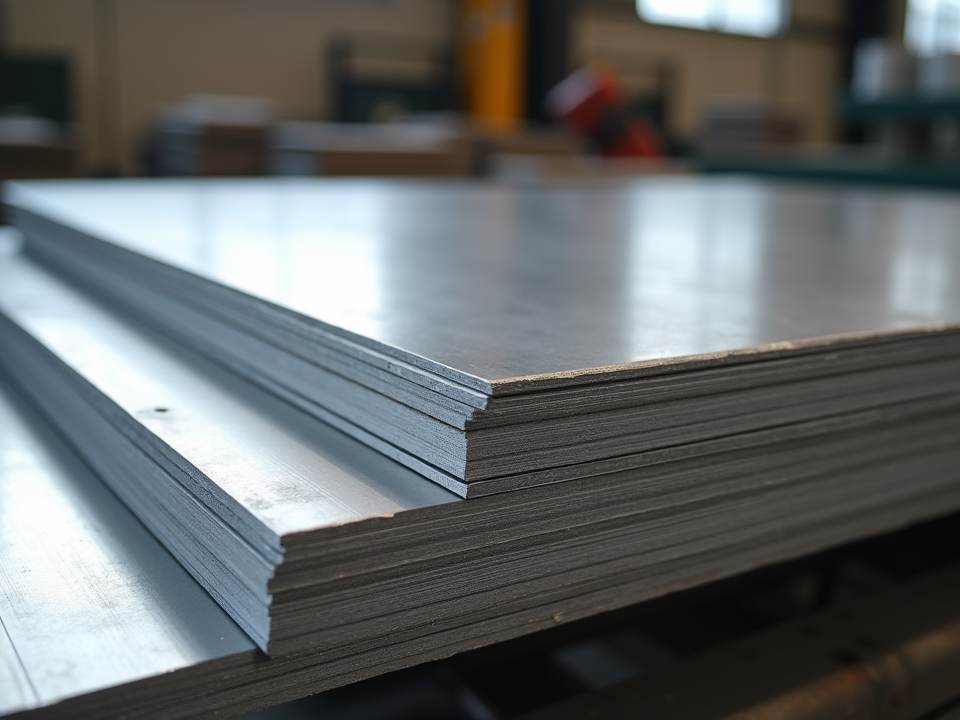
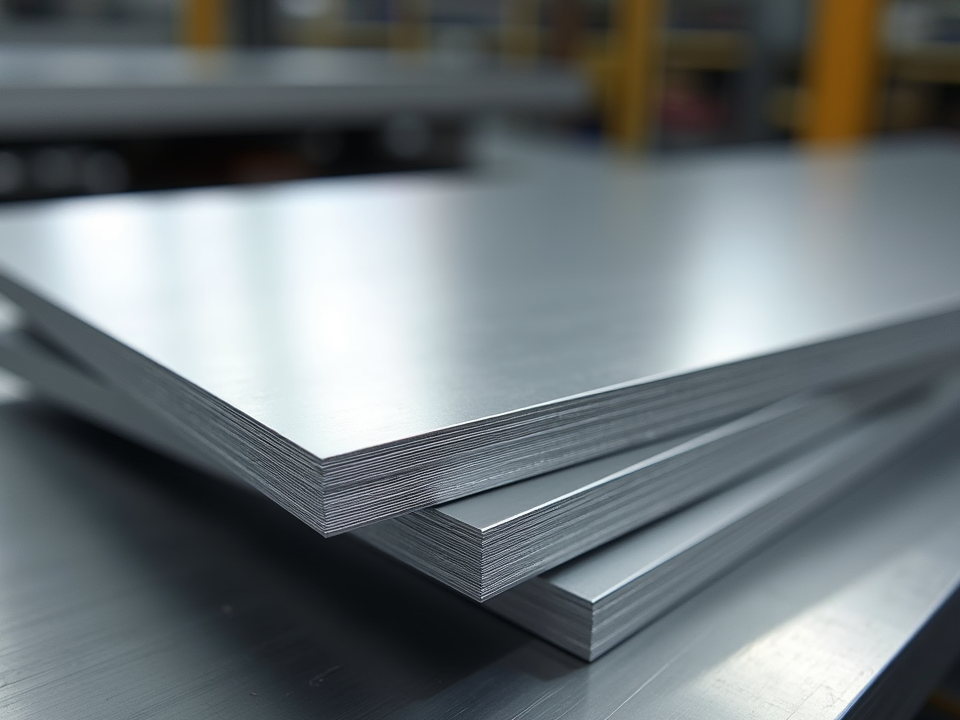
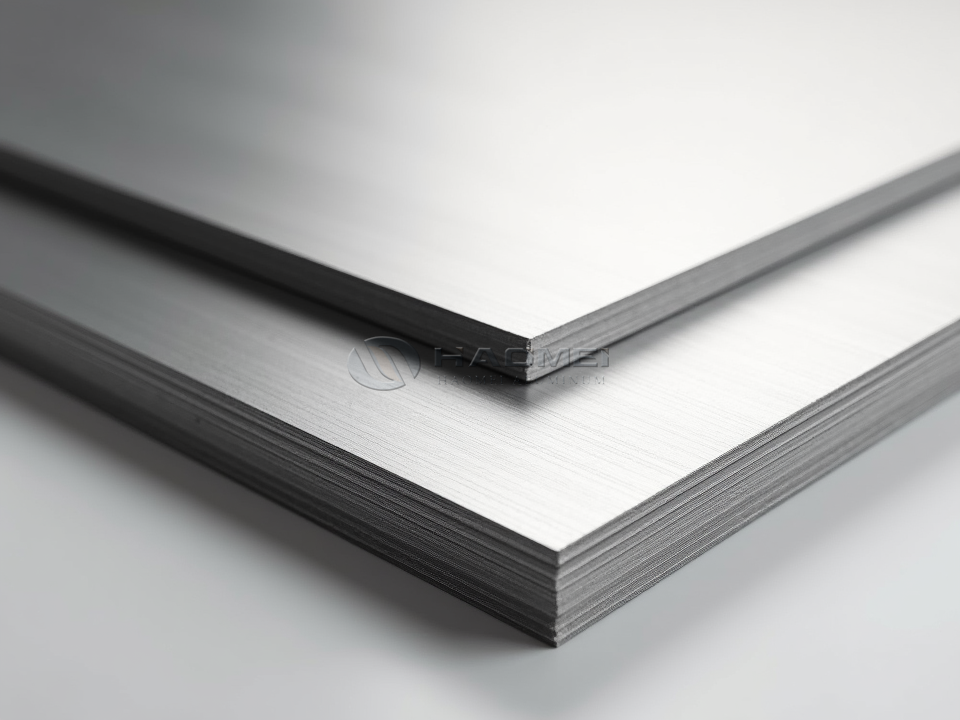
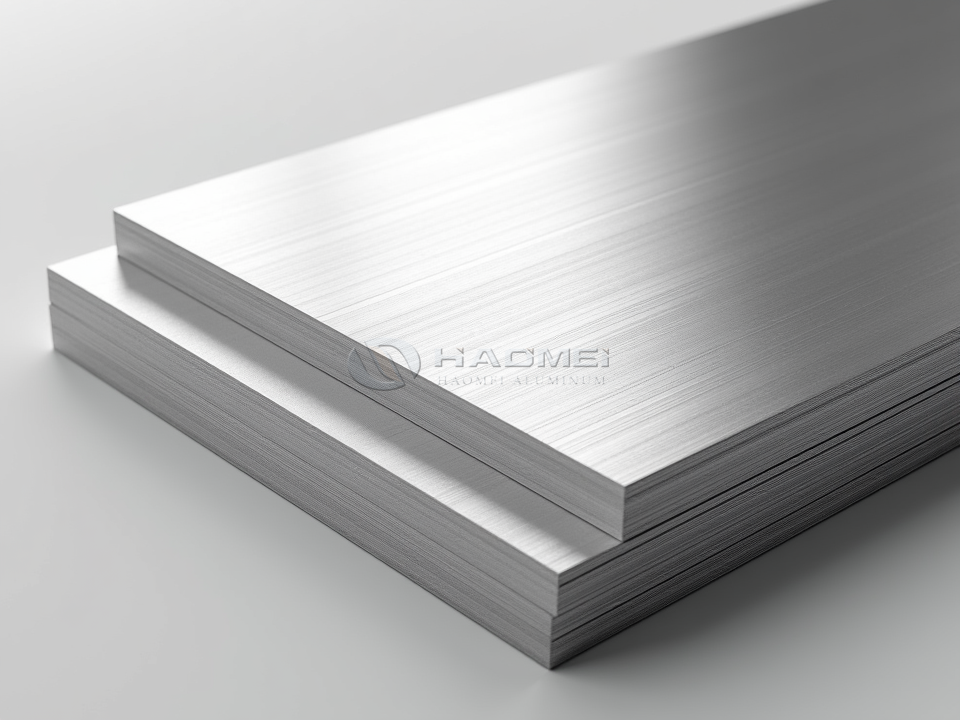
A silver brushed aluminum panel is a flat aluminum sheet finished with a controlled linear grain, giving the surface a clean satin-metal appearance. Compared with mirror aluminum, the brushed texture softens reflection, reduces visible fingerprints, and creates a refined industrial look. It is widely used where customers need light weight, corrosion resistance, easy fabrication, and a premium metallic surface.
The panel is commonly produced from 1060, 1100, 3003, or 5052 aluminum alloy. The base metal is degreased, mechanically brushed, cleaned, and then protected by anodizing, clear coating, or film lamination. For design projects requiring a ready-to-use silver surface, Silver Brushed Aluminum Sheet is a practical choice for both interior decoration and functional product panels.
Main Features
| Feature | Customer Benefit |
|---|---|
| Satin silver hairline finish | Modern metallic appearance with low glare |
| Lightweight aluminum base | Easier handling, cutting, bending, and installation |
| Good corrosion resistance | Suitable for indoor use and selected protected outdoor areas |
| Stable surface grain | Consistent visual direction across panels and cut parts |
| Optional anodized layer | Better hardness, color stability, and oxidation resistance |
| Protective film available | Helps prevent scratches during transport and fabrication |
| Recyclable material | Supports lower-waste architectural and industrial projects |
The brushed grain can be fine, medium, or deep depending on the abrasive belt and process speed. A fine hairline surface is preferred for elevators, appliance panels, and wall cladding, while a stronger grain is often selected for signage, display systems, and equipment covers.
Technical Specifications
| Item | Typical Range or Option |
|---|---|
| Product name | Silver brushed aluminum panel |
| Base alloy | 1060, 1100, 3003, 5052 |
| Temper | O, H14, H18, H24, H32, H34 |
| Thickness | 0.30 mm to 6.00 mm |
| Common thickness | 0.50 mm, 0.80 mm, 1.00 mm, 1.20 mm, 1.50 mm, 2.00 mm, 3.00 mm |
| Width | 300 mm to 1600 mm |
| Length | 500 mm to 6000 mm, cut to size available |
| Surface texture | Hairline, straight brush, fine brush, cross brush on request |
| Brush grit | About 120 to 320 grit |
| Surface roughness | Ra 0.4 to 1.2 micrometers, depending on finish |
| Surface color | Natural silver, bright silver, matte silver |
| Surface protection | PE film, paper interleaf, PVC film on request |
| Coating option | Clear lacquer, anodized, anti-fingerprint coating |
| Anodized film thickness | 5 to 20 micrometers typical |
| Flatness | Controlled according to thickness and panel size |
| Standards | ASTM B209, EN 485, EN 573, JIS H4000 as applicable |
Alloy Selection Guide
Different projects require different balances of formability, strength, corrosion resistance, and cost. Pure aluminum grades offer excellent workability and a bright silver tone, while magnesium-containing 5052 provides higher strength and better resistance in demanding environments.
| Alloy | Best Use | Main Advantage | Typical Temper |
|---|---|---|---|
| 1060 | Decorative trim, lighting reflectors, nameplates | High purity, soft forming, bright appearance | O, H14, H24 |
| 1100 | Appliance panels, interior cladding, craft panels | Excellent workability and clean surface | O, H14, H18 |
| 3003 | Wall panels, ceiling panels, signage, cabinet skins | Good strength with easy fabrication | H14, H24 |
| 5052 | Marine interiors, transport panels, equipment covers | Higher strength and improved corrosion resistance | H32, H34 |
For simple decorative panels, 1060 and 1100 are often cost-effective. For larger panels that need better dent resistance, 3003 is a balanced option. For equipment housings or humid environments, 5052 is usually recommended.
Chemical Composition
| Alloy | Si | Fe | Cu | Mn | Mg | Cr | Zn | Ti | Al |
|---|---|---|---|---|---|---|---|---|---|
| 1060 | 0.25 max | 0.35 max | 0.05 max | 0.03 max | 0.03 max | - | 0.05 max | 0.03 max | 99.60 min |
| 1100 | Si + Fe 0.95 max | Si + Fe 0.95 max | 0.05-0.20 | 0.05 max | - | - | 0.10 max | - | 99.00 min |
| 3003 | 0.60 max | 0.70 max | 0.05-0.20 | 1.00-1.50 | - | - | 0.10 max | - | Remainder |
| 5052 | 0.25 max | 0.40 max | 0.10 max | 0.10 max | 2.20-2.80 | 0.15-0.35 | 0.10 max | - | Remainder |
The final alloy choice affects bending behavior, strength, surface brightness, and corrosion performance. Chemical limits may vary slightly according to the standard requested by the customer.
Mechanical Properties
| Alloy and Temper | Tensile Strength MPa | Yield Strength MPa | Elongation % | Fabrication Note |
|---|---|---|---|---|
| 1060 O | 60-95 | 20-35 | 20-30 | Very easy deep forming and bending |
| 1060 H24 | 105-145 | 75-110 | 4-8 | Suitable for decorative panels and light covers |
| 1100 H14 | 110-145 | 95-125 | 3-8 | Good for stamping, folding, and cutting |
| 3003 H14 | 140-180 | 115-150 | 3-10 | Better stiffness for wall and sign panels |
| 3003 H24 | 145-195 | 120-160 | 3-8 | Stable flatness for cladding applications |
| 5052 H32 | 210-260 | 130-180 | 5-12 | Stronger panel for equipment and vehicle parts |
| 5052 H34 | 235-285 | 160-215 | 4-10 | Higher dent resistance and good corrosion behavior |
Values are typical reference ranges for sheet products. Final values depend on thickness, temper, and governing standard.
Surface Finish Options
| Finish Type | Appearance | Protection Level | Suitable Applications |
|---|---|---|---|
| Brushed mill finish | Natural silver grain | Basic | Interior trim, crafts, short-life displays |
| Clear coated brushed | Silver grain with transparent coating | Medium | Appliances, furniture, signage |
| Anodized brushed | Metallic silver with harder oxide layer | High | Elevators, panels, doors, premium interiors |
| Anti-fingerprint brushed | Soft silver with easy-clean surface | Medium to high | Touch panels, appliance fronts, cabinets |
| Film laminated brushed | Surface protected for processing | Depends on film | Laser cutting, CNC routing, bending operations |
Anodized silver brushed aluminum panel is especially valued for public interiors because the oxide layer improves surface hardness and helps the grain remain clean after repeated contact.
Common Applications
| Application Area | Typical Use |
|---|---|
| Architecture | Wall cladding, column covers, ceiling panels, door skins |
| Elevators | Cabin walls, control panels, decorative trims |
| Signage | Shop signs, wayfinding boards, logo backplates |
| Appliances | Refrigerator panels, range hood panels, dishwasher fronts |
| Furniture | Cabinet doors, table accents, display shelving |
| Electronics | Audio panels, control faceplates, instrument covers |
| Transportation | Interior trim for buses, trains, trailers, and boats |
| Retail display | Exhibition booths, product stands, advertising panels |
The silver brushed surface pairs well with glass, black profiles, stone, wood veneer, and powder-coated steel. Designers often use it to create a clean technical mood without making a space feel cold or overly reflective.
Fabrication and Processing
Silver brushed aluminum panel can be sheared, laser cut, CNC routed, punched, bent, rolled, riveted, bonded, or installed with mechanical fasteners. To preserve the surface appearance, the brushing direction should be confirmed before cutting and assembly. Adjacent panels should be installed with the grain running in the same direction unless a deliberate design contrast is required.
| Process | Recommendation |
|---|---|
| Cutting | Keep protective film on the visible side when possible |
| Bending | Use proper inside radius to avoid coating cracks |
| Drilling | Remove burrs carefully to protect the brushed face |
| Cleaning | Use neutral detergent and soft cloth |
| Storage | Keep dry, flat, and separated from corrosive materials |
| Installation | Align grain direction for consistent light reflection |
Strong alkaline cleaners, abrasive pads, and steel brushes should be avoided because they may stain or scratch the surface. For outdoor use, anodized or coated material is preferred, and edge protection should be considered.
Packaging and Quality Points
| Inspection Item | What to Check |
|---|---|
| Color consistency | Uniform silver tone under standard lighting |
| Brush direction | Straight, continuous grain without random swirl marks |
| Surface defects | No heavy scratches, oil stains, dents, or roller marks |
| Film adhesion | Protective film sticks evenly and peels cleanly |
| Dimensions | Thickness, width, length, diagonal, and flatness tolerance |
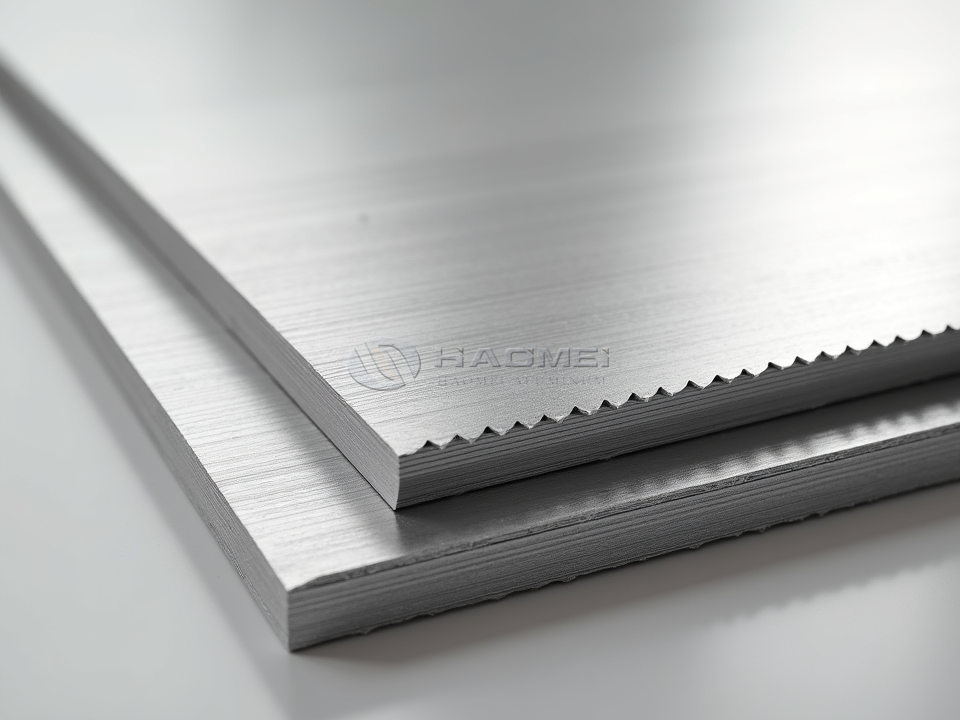
| Edge condition | Clean sheared or cut edges without severe burrs |
Panels are usually packed with protective film, moisture-proof paper, wooden pallets, and edge guards. For export orders, seaworthy packaging helps prevent water staining and surface abrasion during long-distance transport.
Why Choose Silver Brushed Aluminum Panel
A silver brushed aluminum panel combines appearance and practicality in one material. It is lighter than stainless steel, easier to fabricate, and available in many alloy and temper combinations. Its satin grain hides minor handling marks better than mirror metal and provides a dependable visual texture for both small components and large decorative surfaces.
For customers comparing materials for interiors, signage, appliances, or equipment covers, this panel offers a strong balance of metallic style, corrosion resistance, workability, and cost efficiency. With the right alloy, temper, surface treatment, and packaging, silver brushed aluminum becomes a reliable panel material for clean modern projects.