Pre-Lubricated Aluminum Closure Plate
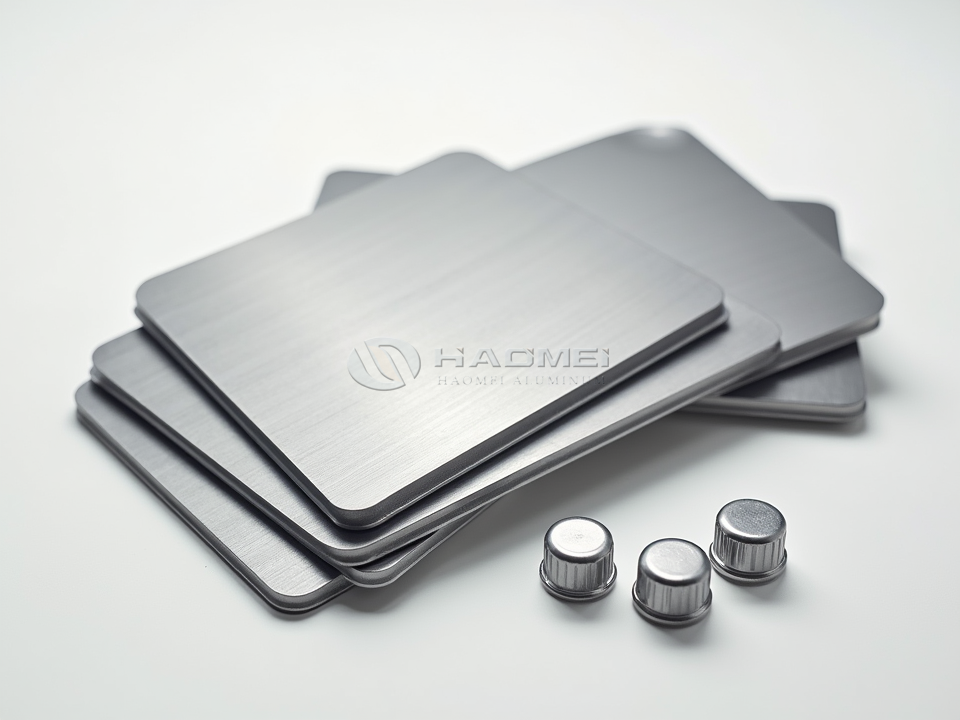
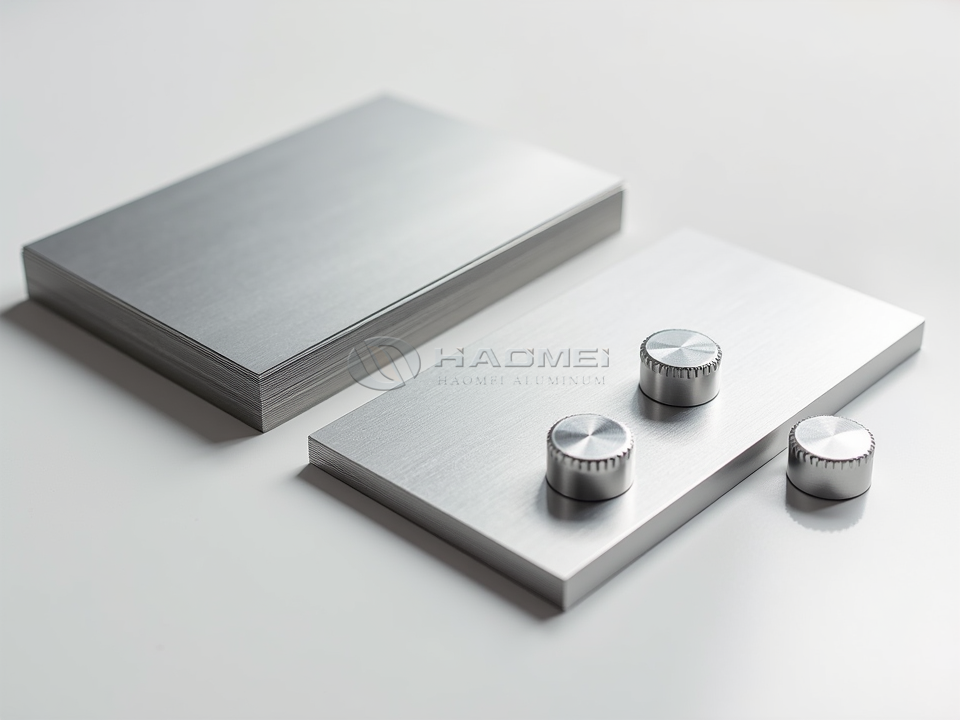
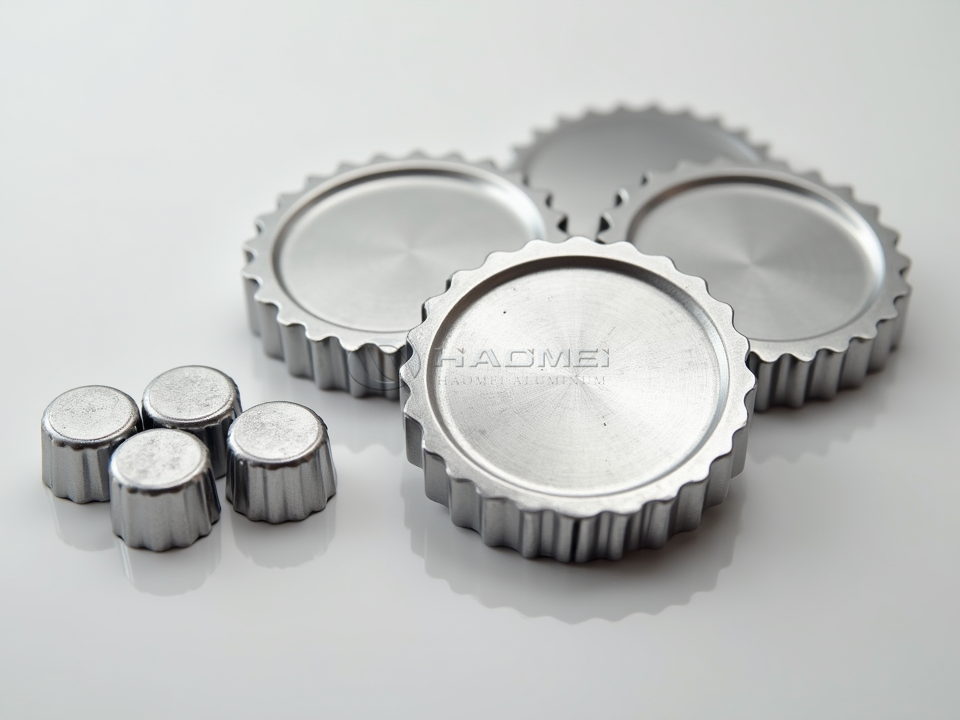
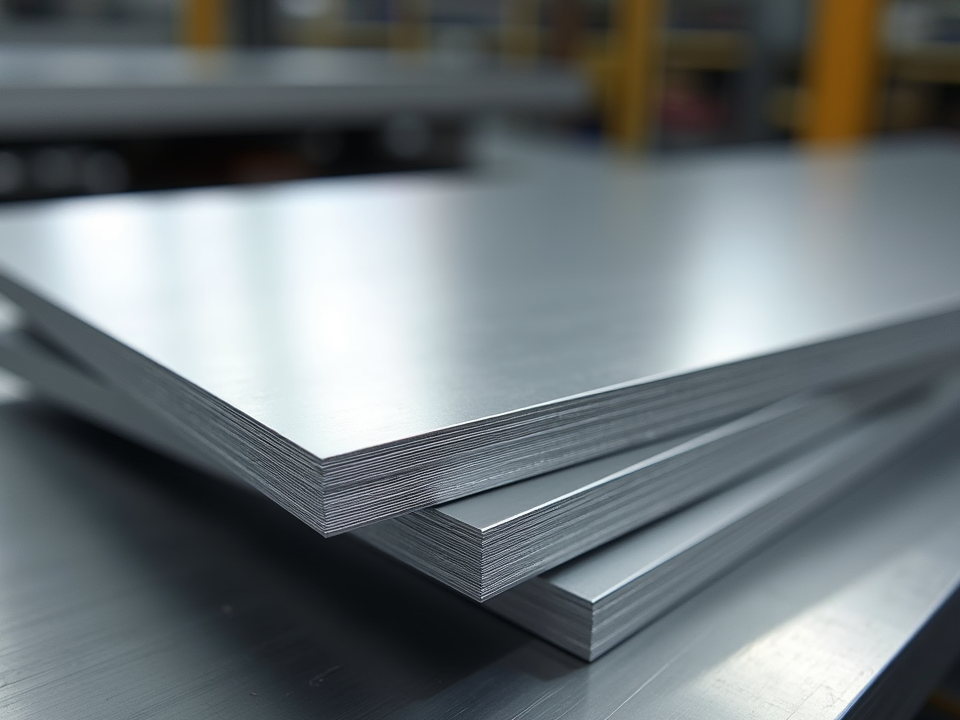
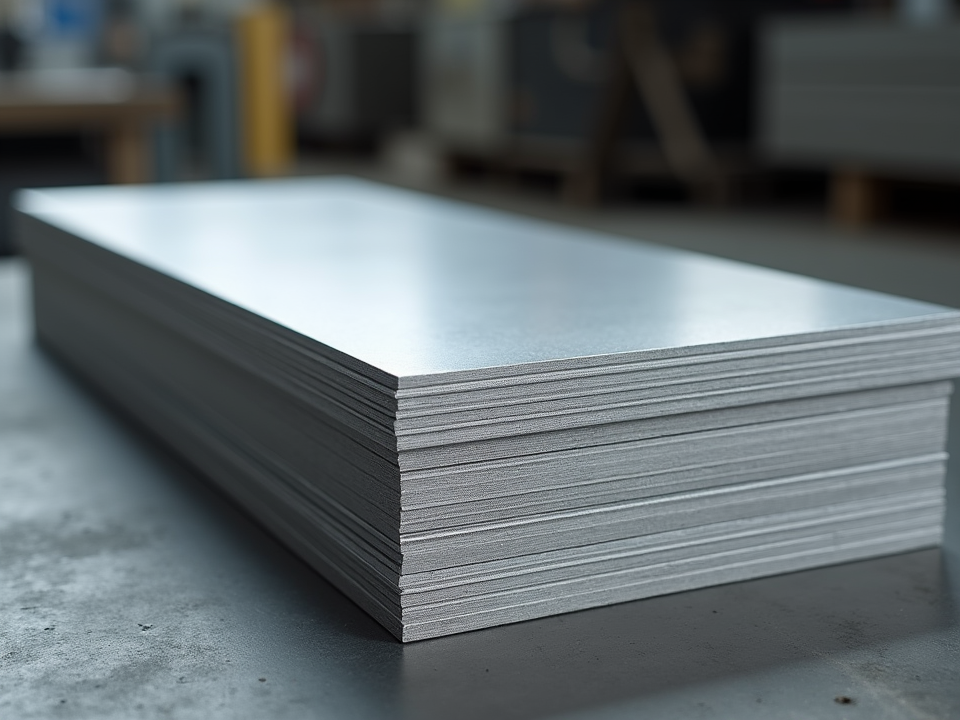
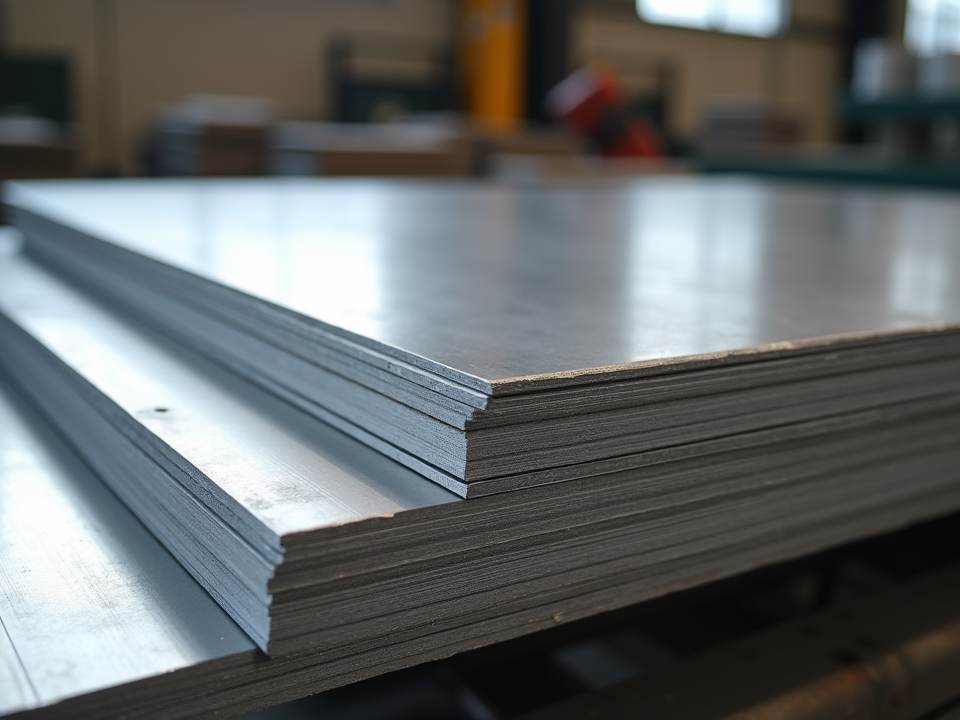
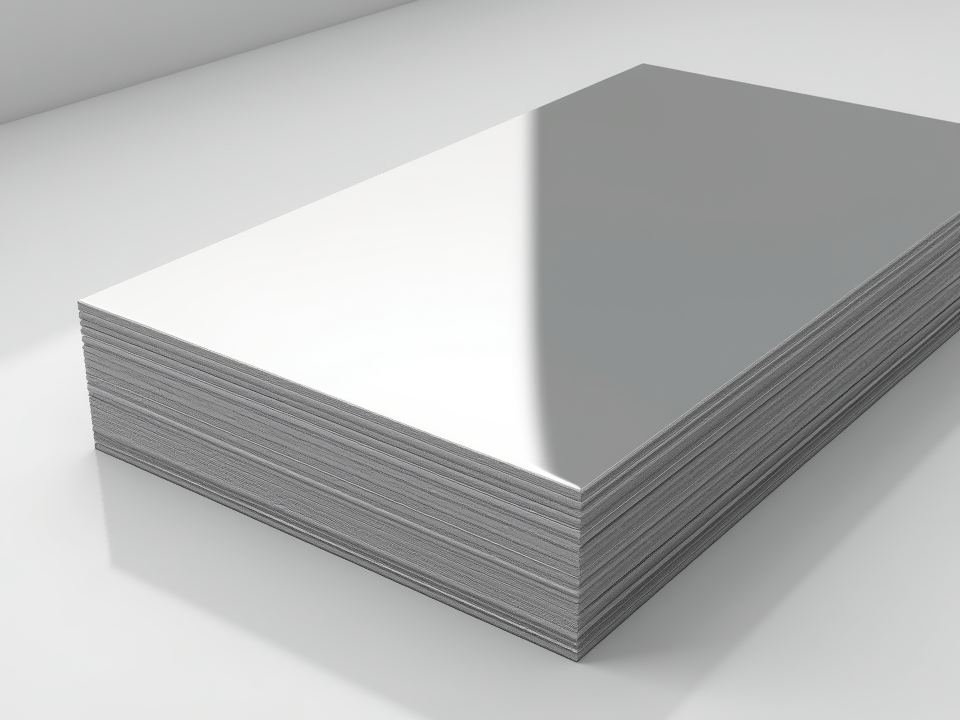
Pre-lubricated aluminum closure plate is a specialized aluminum sheet product designed for manufacturing bottle caps, screw caps, pilfer-proof closures, and beverage packaging components. It combines a carefully controlled aluminum alloy substrate with a thin, uniform lubricating layer that supports smooth stamping, deep drawing, shell forming, and thread rolling.
The material helps closure producers reduce die wear, improve production continuity, and achieve clean cap surfaces without excessive scratching or galling. It is widely used for wine caps, spirits closures, mineral water caps, edible oil caps, pharmaceutical closures, and non-carbonated beverage packaging.
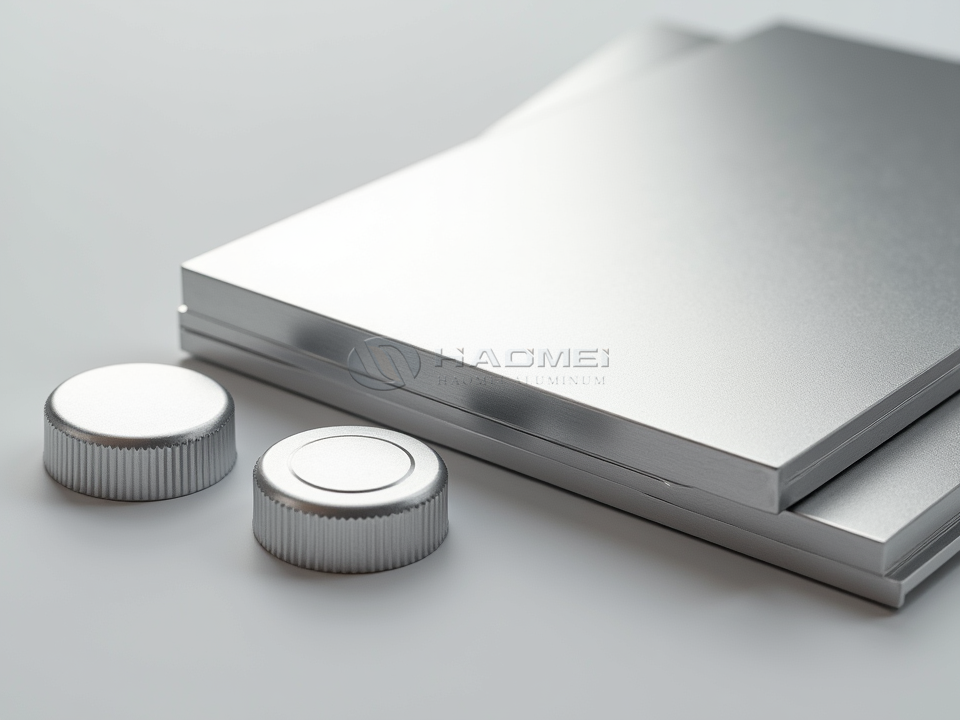
Performance Advantages
The lubricated surface is engineered to work efficiently during high-speed conversion. The lubricant film reduces friction between aluminum and tooling, allowing the sheet to move smoothly through blanking presses, drawing dies, and cap-forming equipment.
| Performance Area | Benefit for Closure Production |
|---|---|
| Surface lubrication | Reduces friction during stamping and drawing operations |
| Formability | Supports shell drawing, knurling, threading, and curling |
| Surface appearance | Helps minimize die lines, scratches, and handling marks |
| Tool protection | Reduces adhesive wear and aluminum pickup on forming tools |
| Process stability | Promotes consistent operation on high-speed cap lines |
| Coating compatibility | Suitable for printing, lacquering, varnishing, and embossing |
| Corrosion resistance | Protects closures used for food, beverage, and pharmaceutical packaging |
| Recyclability | Aluminum can be recycled repeatedly with high material value |
Unlike untreated sheet, pre-lubricated aluminum closure plate arrives ready for conversion. This reduces the need for an additional lubrication stage at the cap plant and creates a cleaner material flow. Lubricant selection and coating weight can be adjusted to suit the press speed, cap geometry, tooling condition, and downstream decoration process.
Common Applications
Pre-lubricated closure plate is selected when reliable forming quality and visual appearance are equally important. It is particularly suitable for closures with deep shells, rolled threads, tamper-evident bands, and decorative printed surfaces.
| Closure Type | Typical Use | Recommended Alloy and Temper |
|---|---|---|
| ROPP caps | Wine, spirits, olive oil, vinegar | 3105 H14, 3105 H16 |
| PP caps | Water, juice, edible oil, condiments | 8011 H14, 3105 H14 |
| Pilfer-proof caps | Pharmaceuticals, beverages, chemical containers | 3105 H14, 8011 H14 |
| Beer bottle caps | Beer, carbonated drinks, specialty beverages | 3104 H16, 3105 H16 |
| Cosmetic closures | Perfume, skincare, personal care products | 3105 H14, 3105 H16 |
| Food container closures | Sauces, dairy products, preserves | 8011 H14, 3105 H14 |
For applications requiring excellent strength, decorative potential, and forming balance, 3105 Aluminum Closure Sheet is a practical substrate choice. Its manganese and magnesium content supports a stable response during closure forming while maintaining good resistance to atmospheric corrosion.
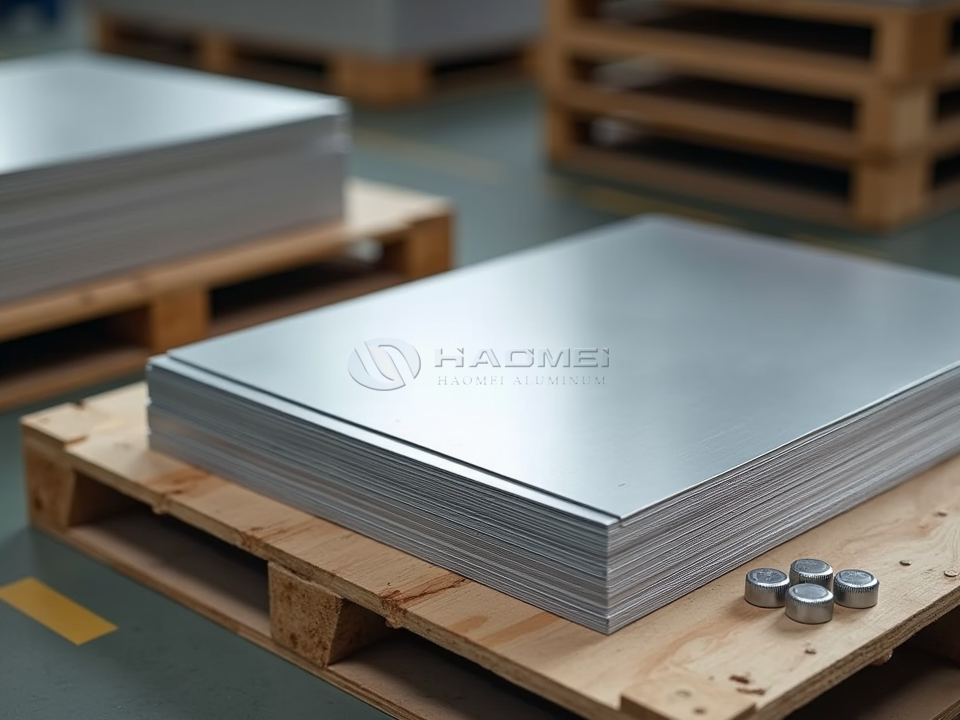
Alloy Options and Temper Conditions
The alloy and temper should match the closure design. Softer material supports deeper drawing, while harder tempers provide greater stiffness and dent resistance. H14 is commonly selected for standard cap shells, while H16 can be used when increased strength is needed for certain cap styles.
| Alloy | Main Characteristics | Common Temper | Suitable Closure Styles |
|---|---|---|---|
| 3105 | Good strength, formability, and coating response | H14, H16 | ROPP caps, wine caps, cosmetic caps |
| 3104 | Higher strength and good forming performance | H16 | Beer caps, stronger shell designs |
| 8011 | Excellent workability and broad closure use | H14, H16 | PP caps, food caps, pharmaceutical caps |
| 1060 | High aluminum purity and strong ductility | H14 | Light-duty decorative closures |
Chemical Composition of 3105 Aluminum Alloy
The following values represent commonly used composition limits for 3105 aluminum closure plate. Final material chemistry can be supplied according to applicable standards and customer requirements.
| Element | Content, % by Weight |
|---|---|
| Silicon, Si | 0.60 max |
| Iron, Fe | 0.70 max |
| Copper, Cu | 0.30 max |
| Manganese, Mn | 0.30-0.80 |
| Magnesium, Mg | 0.20-0.80 |
| Chromium, Cr | 0.20 max |
| Zinc, Zn | 0.40 max |
| Titanium, Ti | 0.10 max |
| Other elements, each | 0.05 max |
| Other elements, total | 0.15 max |
| Aluminum, Al | Balance |
Technical Specifications
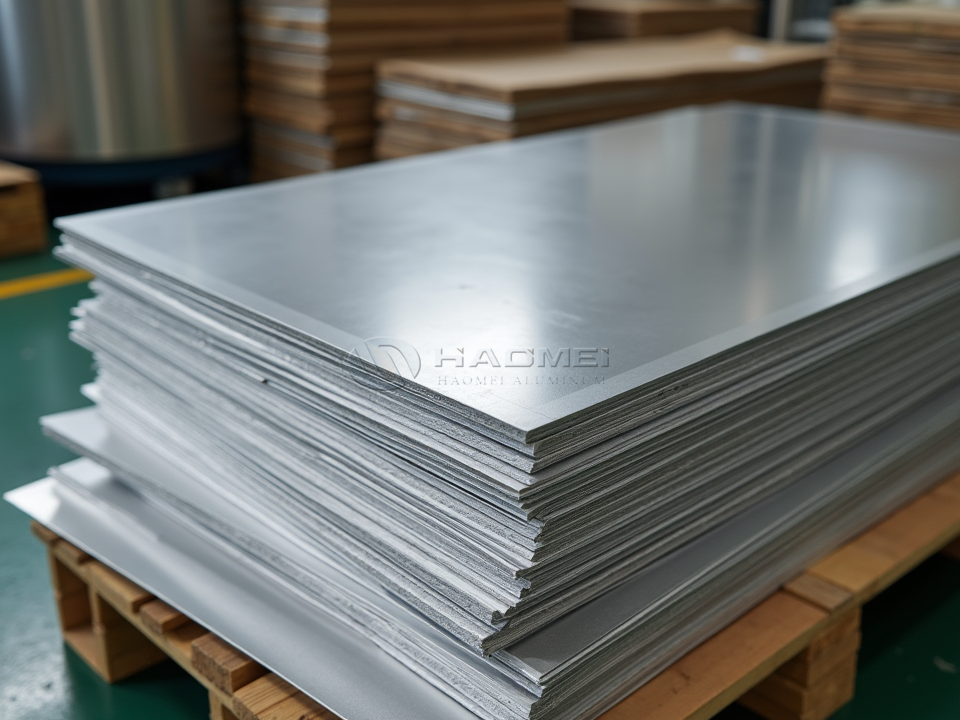
Pre-lubricated aluminum closure plate can be supplied in coils or sheets. Surface condition, coil dimensions, lubrication type, and packaging are tailored to the converting line and cap design.
| Parameter | Standard Supply Range | Notes |
|---|---|---|
| Alloy | 3105, 3104, 8011, 1060 | Selected according to cap forming requirement |
| Temper | H14, H16, H18 | H14 and H16 are widely used for closures |
| Thickness | 0.16-0.30 mm | Common range for bottle cap production |
| Width | 200-1,300 mm | Slit width available for press feeding |
| Coil inner diameter | 150 mm, 300 mm, 505 mm | Customized to uncoiler equipment |
| Coil outer diameter | Up to 1,800 mm | Subject to coil weight and handling limits |
| Coil weight | 1-8 metric tons | Available in export-ready coils |
| Surface finish | Mill finish, lubricated, lacquer-ready | Both sides can be specified as needed |
| Lubricant type | Dry film or forming lubricant | Selected for stamping and drawing conditions |
| Lubricant coating weight | 50-300 mg/m² | Adjustable by process requirement |
| Flatness | Controlled for closure conversion | Helps maintain stable feeding and stamping |
Mechanical Properties
Mechanical performance varies with alloy, thickness, temper, and production standard. The figures shown are typical reference values for 3105 closure stock in commonly used tempers.
| Temper | Tensile Strength, MPa | Yield Strength, MPa | Elongation, % | Forming Character |
|---|---|---|---|---|
| H14 | 145-185 | 120-165 | 3-8 | Balanced strength and drawability |
| H16 | 170-210 | 150-190 | 2-6 | Higher stiffness and dent resistance |
| H18 | 190-230 | 175-215 | 1-4 | Limited drawing, suitable for less demanding shapes |
Surface Quality and Conversion Control
Closure plate surfaces are inspected for defects that may affect printing, lacquering, or cap appearance. Quality control generally includes thickness measurement, width inspection, edge condition review, surface cleanliness checks, lubricant uniformity testing, and mechanical property verification.
A well-controlled lubricating film should remain even across the coil width. Excess lubricant may influence printing or lacquer adhesion, while insufficient lubrication can increase tool friction and create scoring during forming. For this reason, the lubricant system should be matched with the customer's coating sequence, cap geometry, and forming speed.
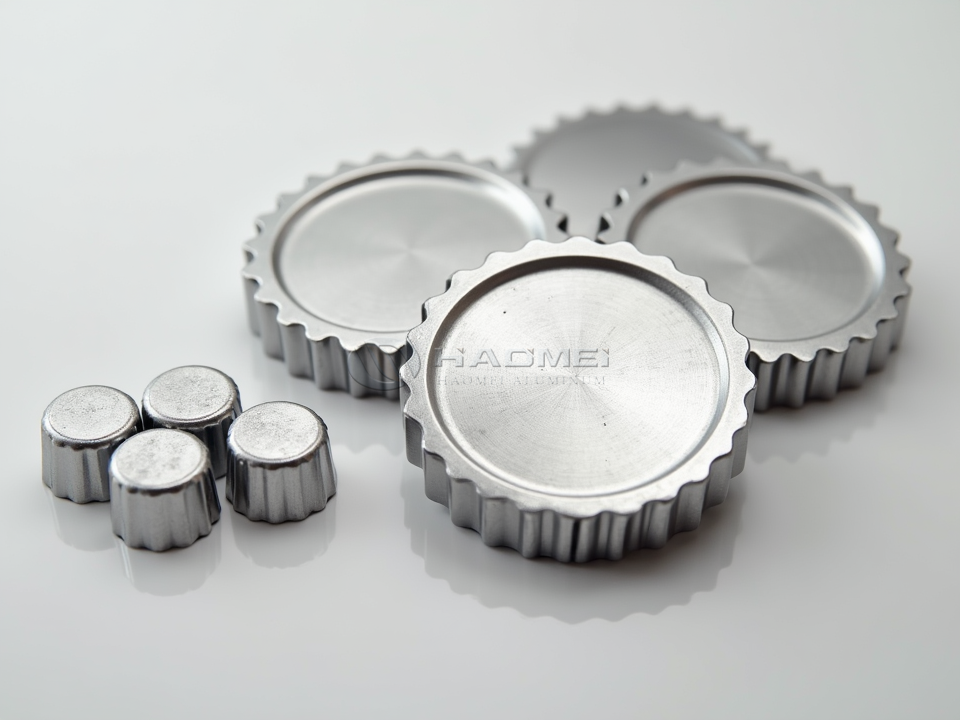
Packaging and Handling
Coils are protected with moisture-resistant wrapping, edge guards, steel or plastic strapping, and sturdy export pallets where required. Proper storage is important to preserve surface condition and lubricant performance.
| Handling Practice | Recommended Condition |
|---|---|
| Storage environment | Dry, clean, ventilated warehouse |
| Moisture protection | Keep packaging sealed until production use |
| Coil movement | Use suitable C-hooks, coil cars, or protected lifting equipment |
| Surface contact | Avoid contact with dust, water, oil, and sharp objects |
| Temperature exposure | Avoid excessive heat that may affect lubricant behavior |
Pre-lubricated aluminum closure plate provides an efficient material platform for high-quality cap manufacturing. With the right alloy, temper, thickness, and lubricant film, it supports smooth conversion, durable closures, attractive decoration, and dependable packaging performance.