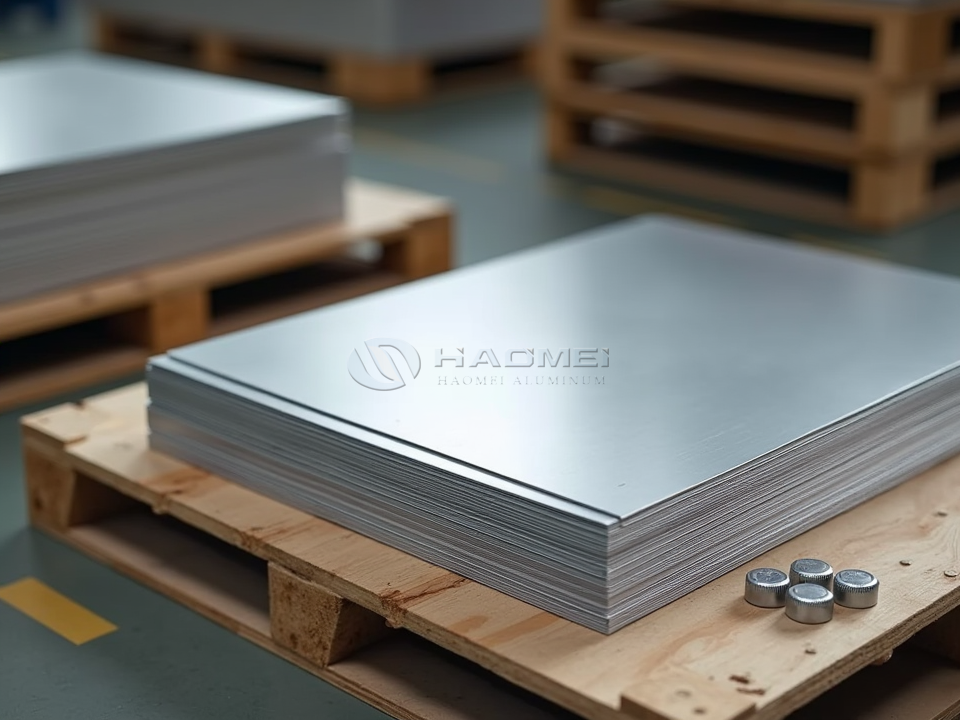
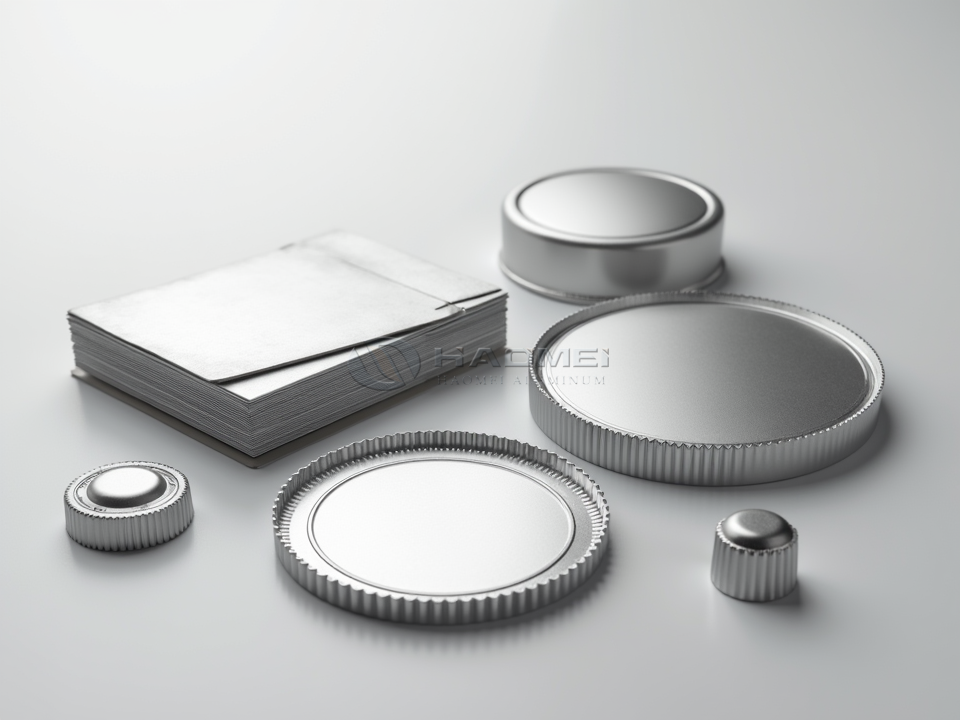
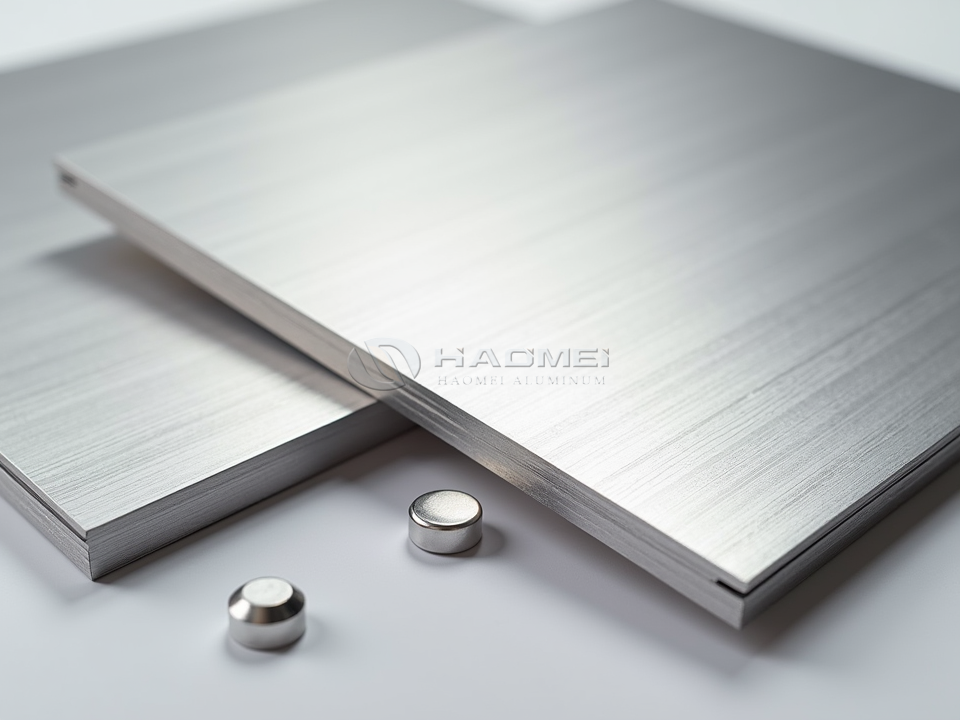
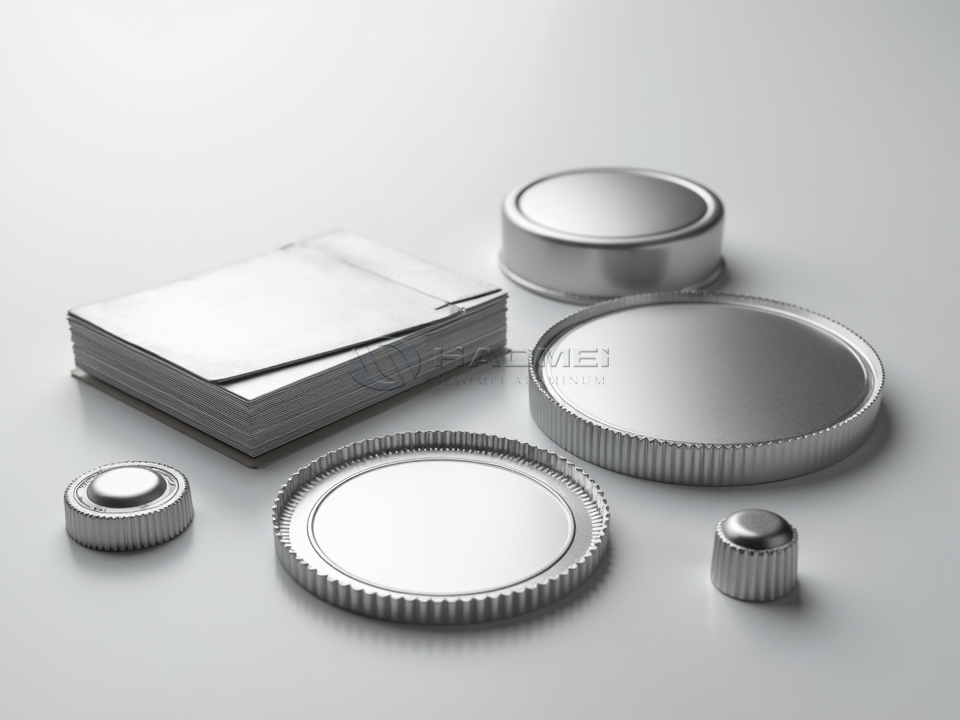
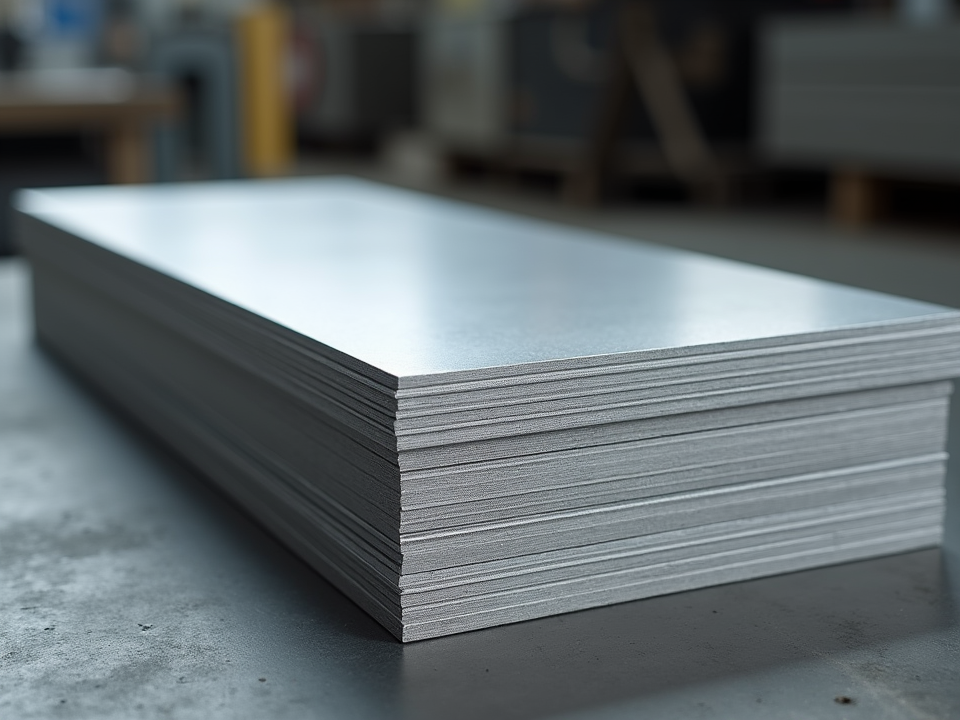
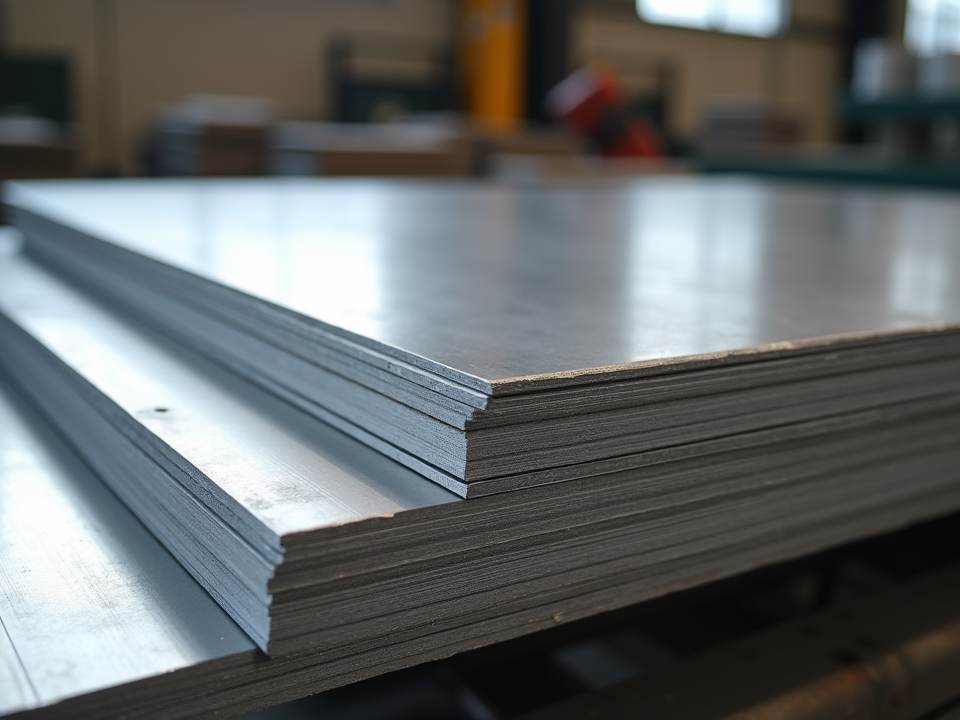
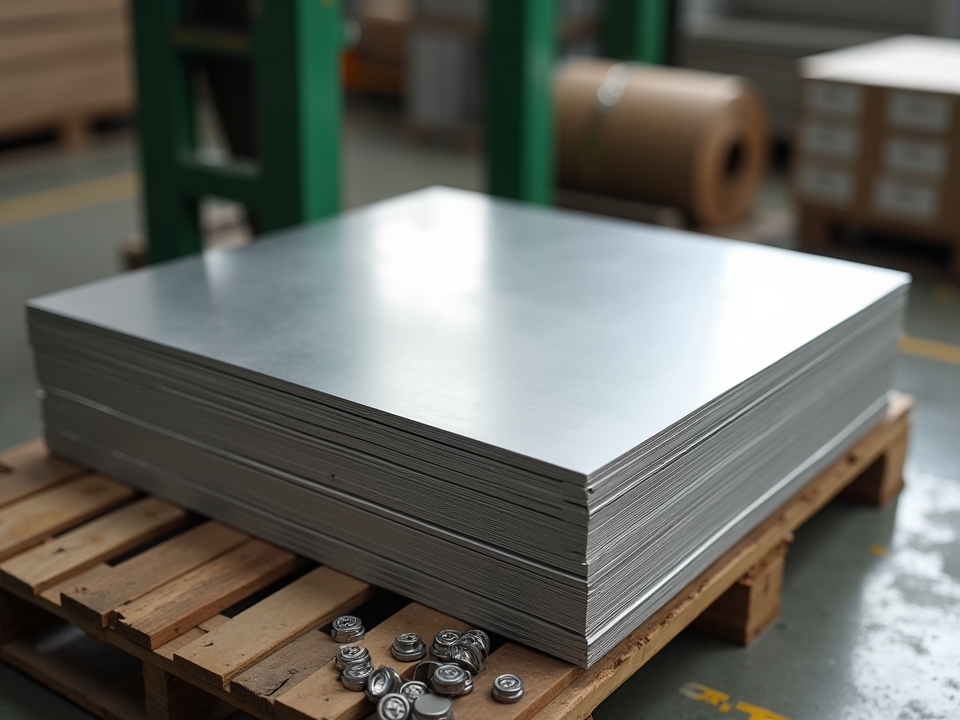
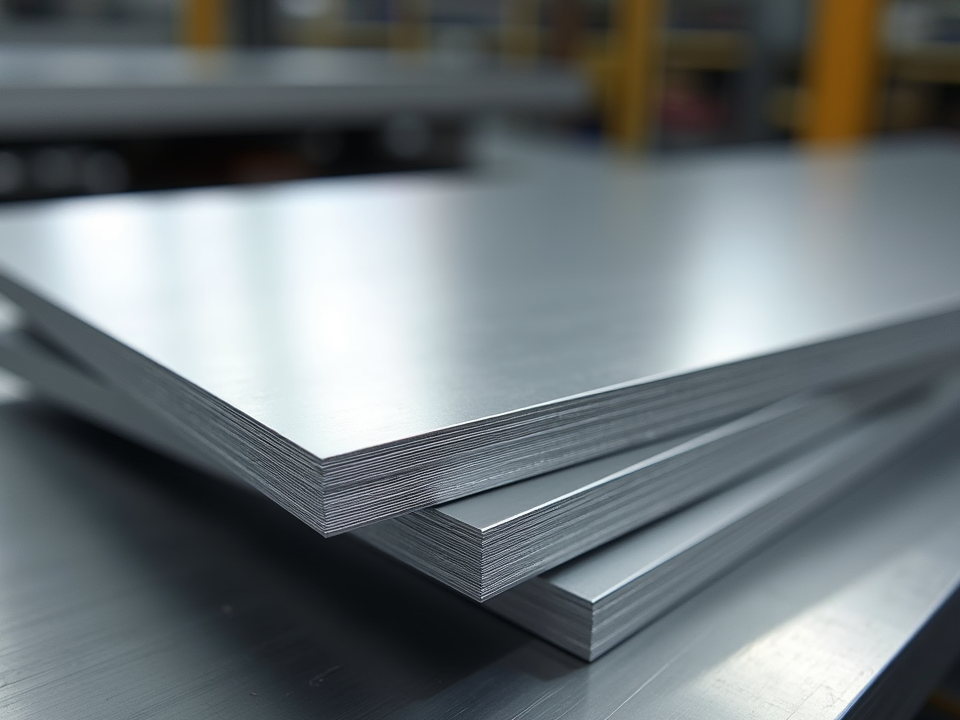
Color Printed Closure Aluminum Sheet
A bottle closure is often the first physical contact between a customer and a product. Before a beverage is poured, a sauce is tasted, or a medicine is used, the cap is seen, gripped, twisted, and judged. This makes color printed closure aluminum sheet more than a metal substrate. It is a working packaging surface that must carry graphics, survive cap forming, resist handling damage, and still look clean on a crowded shelf.
From this viewpoint, the printed aluminum sheet is not merely an input for cap production. It is a meeting point between material science, production efficiency, brand expression, and consumer confidence. A bright color, a sharp logo, or a metallic finish has value only when the sheet also runs smoothly through pressing, drawing, knurling, lining, and capping operations.
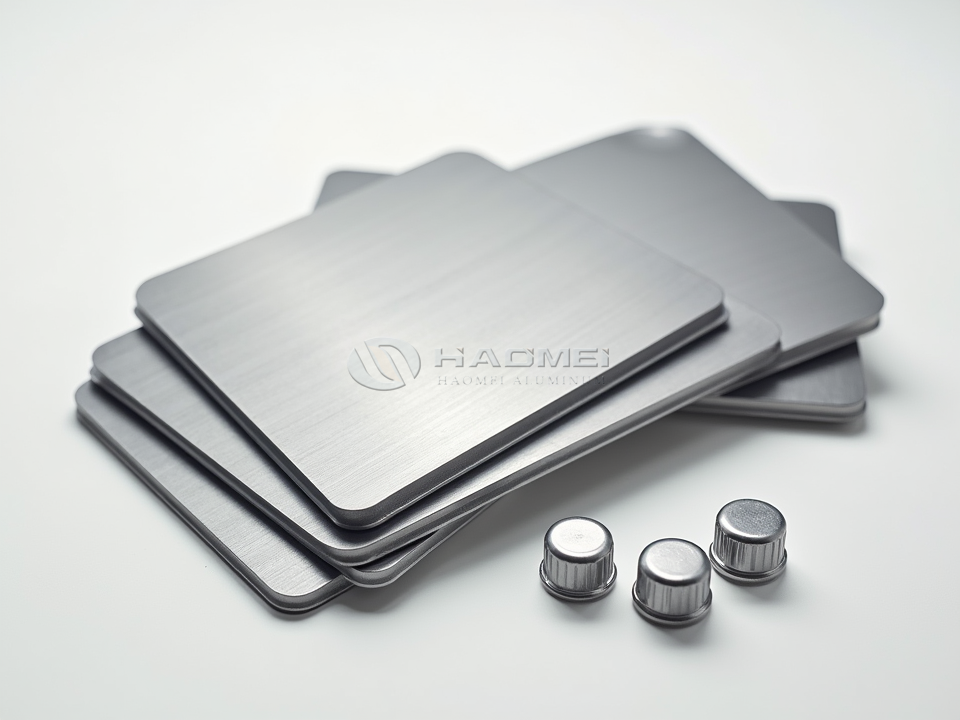
The cap begins as a visual promise
A printed closure can communicate product character in a fraction of a second. Deep black may suggest premium spirits. Clean white and blue often support freshness or purity. Strong red can make a beverage cap easier to spot in a refrigerator. Metallic silver, gold, matte colors, textured effects, and fine printed patterns give brands more room to distinguish products without changing the bottle itself.
Yet appearance is only one side of the decision. The color must remain stable after stamping and forming. If the coating cracks at the skirt, rubs off during transport, or shows color variation from coil to coil, the packaging loses its intended effect. For this reason, color printed closure aluminum sheet should be selected as a coordinated system: alloy, temper, surface treatment, primer, ink, topcoat, and forming conditions must work together.
A well-designed Printed Aluminum Closure Sheet gives the brand team a reliable decorative platform while giving the cap converter a material that behaves consistently on the production line.
Print quality is tested after forming, not only before it
A flat printed sheet can look perfect before it reaches a press. The more meaningful test happens after the metal becomes a closure. During cap production, the sheet may be blanked, drawn, curled, threaded, embossed, or knurled. Each operation stretches or compresses the printed surface. Fine lines around the cap edge, dense ink areas, and sharply contrasting graphics need enough coating flexibility to tolerate these movements.
This is why practical buyers should ask about more than color charts. They should consider coating adhesion, pencil hardness, flexibility, solvent resistance, gloss level, and post-forming appearance. A very hard coating may resist scratches well but become less suitable for demanding draw depths. A softer coating can form more easily but may need stronger protection against scuffing. The best balance depends on the cap design and the route it takes from printing to the retail shelf.
For beverage closures, resistance to moisture, condensation, ice-bucket exposure, and repeated handling is especially important. For edible oil, vinegar, and condiment caps, the coating system should also be evaluated for contact with product vapors and possible spills around the closure area. A cap does not need to touch the product directly to face a harsh environment.
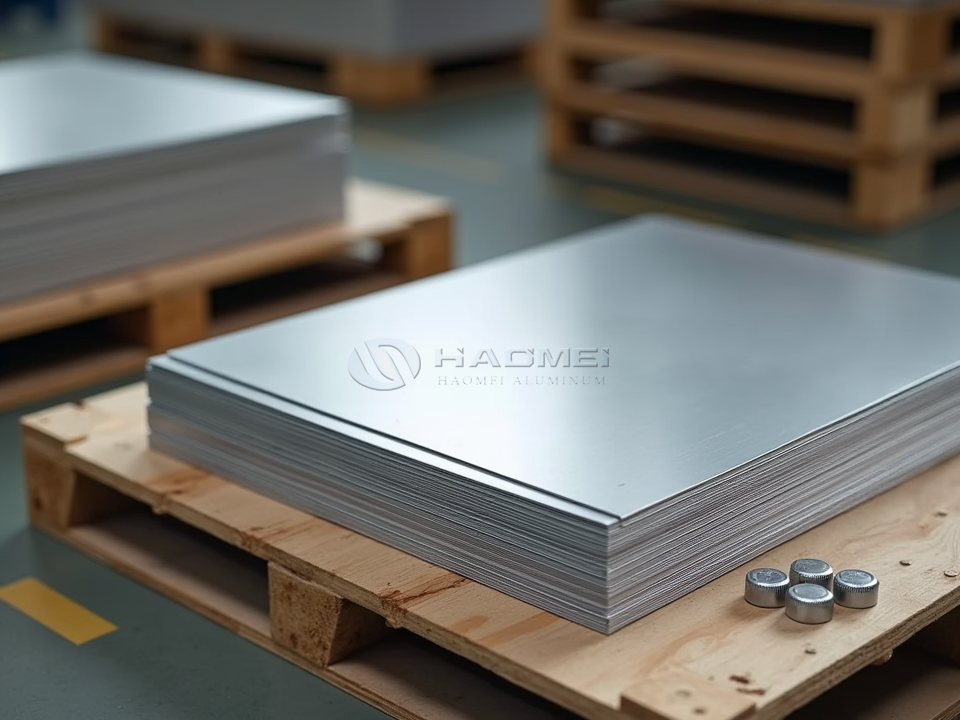
The aluminum underneath the color determines production stability
Color is visible, but aluminum governs the shape. Common closure alloys include 8011, 3105, and 3104, chosen according to the required strength, drawability, thickness, and cap style. Temper also matters. H14 material is often selected where controlled formability is needed, while H16 may provide a firmer feel for certain designs and processes.
For example, 8011 Aluminum Closure Sheet is widely used for many closure applications because it offers a practical combination of formability, surface quality, and process stability. The right specification should match the actual cap geometry rather than relying on a general material preference.
Thickness tolerance deserves close attention. Even a small deviation can affect blanking behavior, drawing consistency, cap height, thread definition, and material yield. Flatness is equally important because coil waviness can cause feeding problems, registration shifts, and uneven forming. For printed material, stable coil quality helps preserve the relationship between the decoration and the finished cap shape.
A customer evaluating color printed closure aluminum sheet should therefore look at the material as a precision component. Thickness, width tolerance, coil inner diameter, surface cleanliness, and mechanical properties all influence the efficiency of downstream processing.
Color consistency protects brand recognition
When closures are produced in large volumes, visual consistency becomes a commercial requirement. A slight shade difference between production batches may not be noticeable on a single cap, but it can become obvious when caps from different lots stand side by side in stores. This is particularly sensitive for signature colors, pale shades, high-gloss surfaces, and metallic finishes.
Reliable color control begins with defined color standards and continues through ink preparation, coating application, curing, and inspection. Buyers can request agreed reference samples, gloss targets, and color-difference limits. For repeat orders, retaining approved samples and documenting process conditions can reduce uncertainty.
Print registration also matters. Logos, neck-band graphics, opening instructions, and promotional marks must sit in the intended position after blanking. This requires accurate control of both print layout and cap tooling. Early communication between the sheet producer, printer, and cap maker prevents expensive adjustments after mass production has started.
A closure should look good after the journey, not just at shipment
The cap may pass through several environments before reaching the consumer: slitting, stamping, warehousing, lining, filling, capping, packing, transportation, retail display, and household use. Friction between caps, vibration in cartons, humidity, and temperature changes can all affect the printed finish.
Protective packaging for coils is therefore part of product quality. Proper interleaving, moisture protection, edge protection, secure coil wrapping, and clear lot identification help keep the surface ready for conversion. Storage conditions also matter. Printed coils should be kept dry, clean, and away from aggressive chemicals or excessive heat that could affect coatings.
For customers, the most useful purchasing conversation is not simply about price per ton. It is about preventing total cost in the cap line: fewer printing defects, fewer press stoppages, less scrap, stable color, and fewer complaints at retail. A lower-priced sheet can become expensive if it creates registration issues, coating damage, or unstable forming performance.
A practical specification creates better results
A clear order request should describe the closure application, alloy, temper, thickness, width, coil weight, coating color, finish, print pattern, forming depth, and intended market. It is also helpful to provide cap drawings, approved artwork, and physical samples when available. These details allow the material and decoration system to be matched to the real converting process.
Color printed closure aluminum sheet earns its value in a small but highly visible place. It protects the opening, supports convenient use, carries the brand image, and gives every bottle a finished identity. When the aluminum base and printed surface are chosen together, the result is not simply a colorful cap. It is dependable packaging that performs smoothly from coil to consumer.