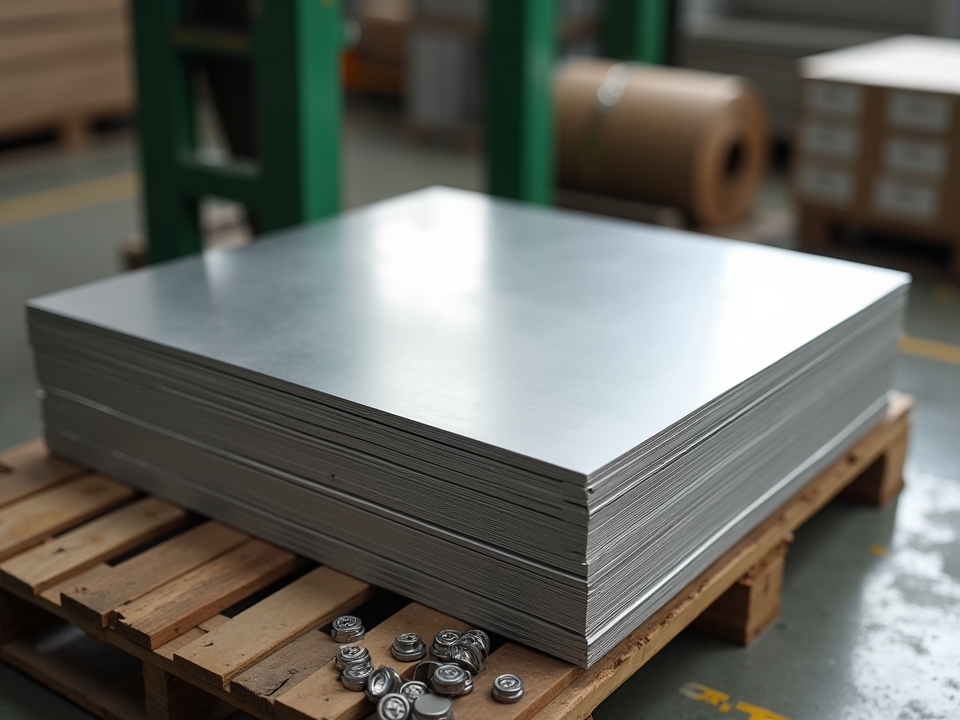
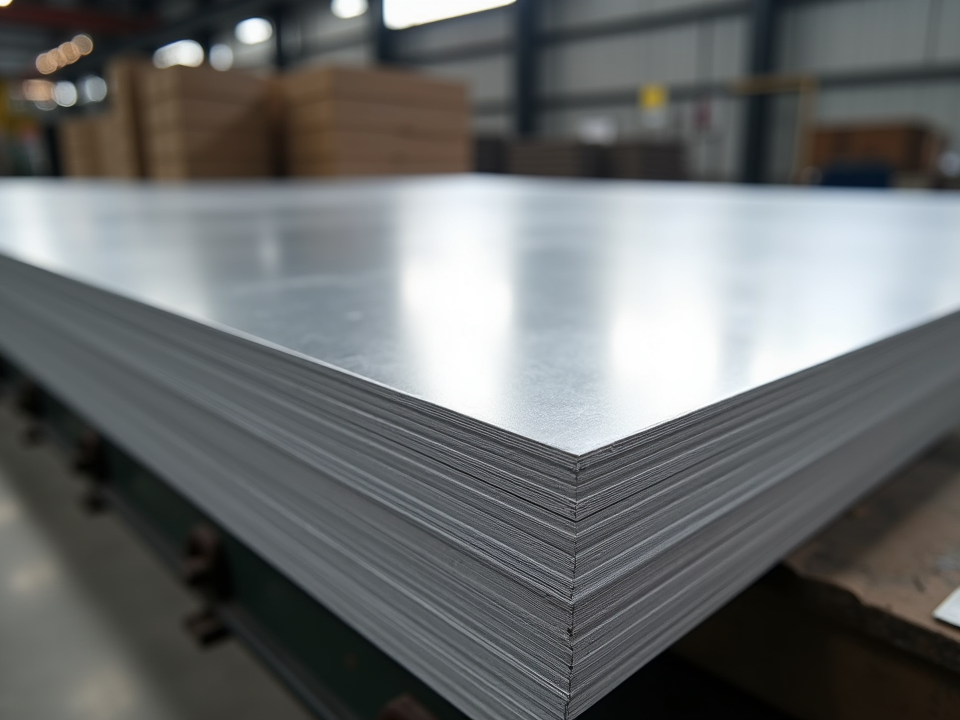
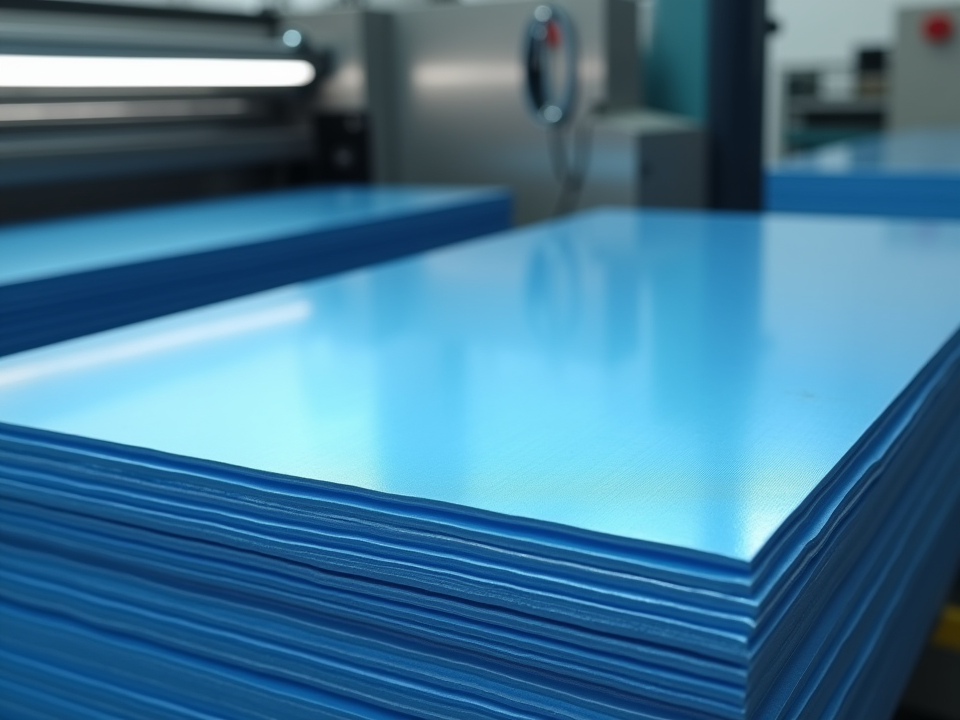
Clear Coated Closure Aluminum Plate
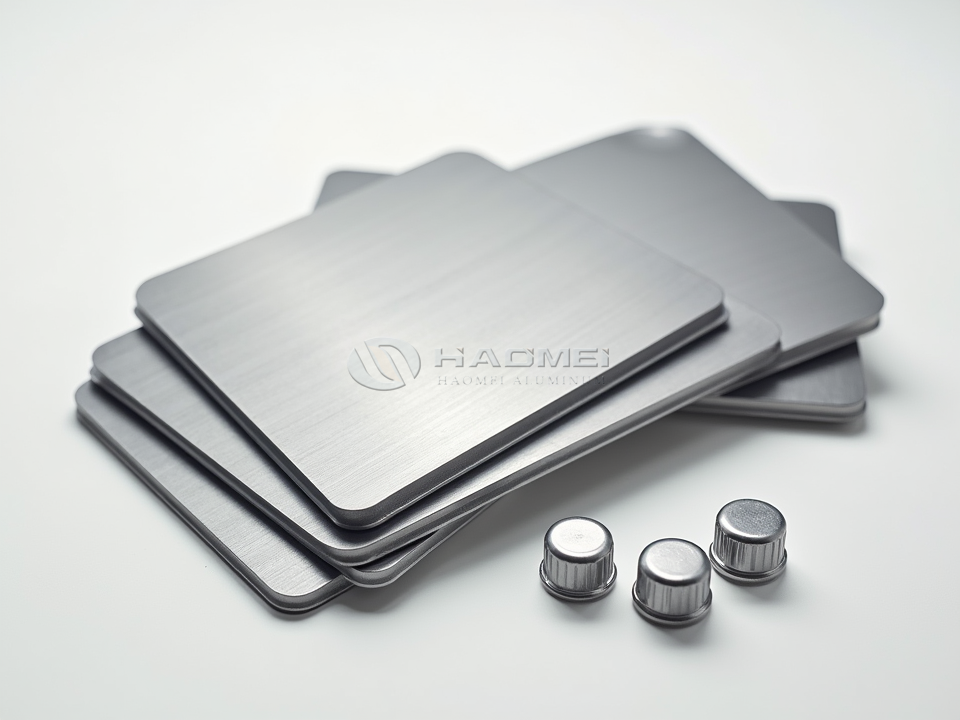
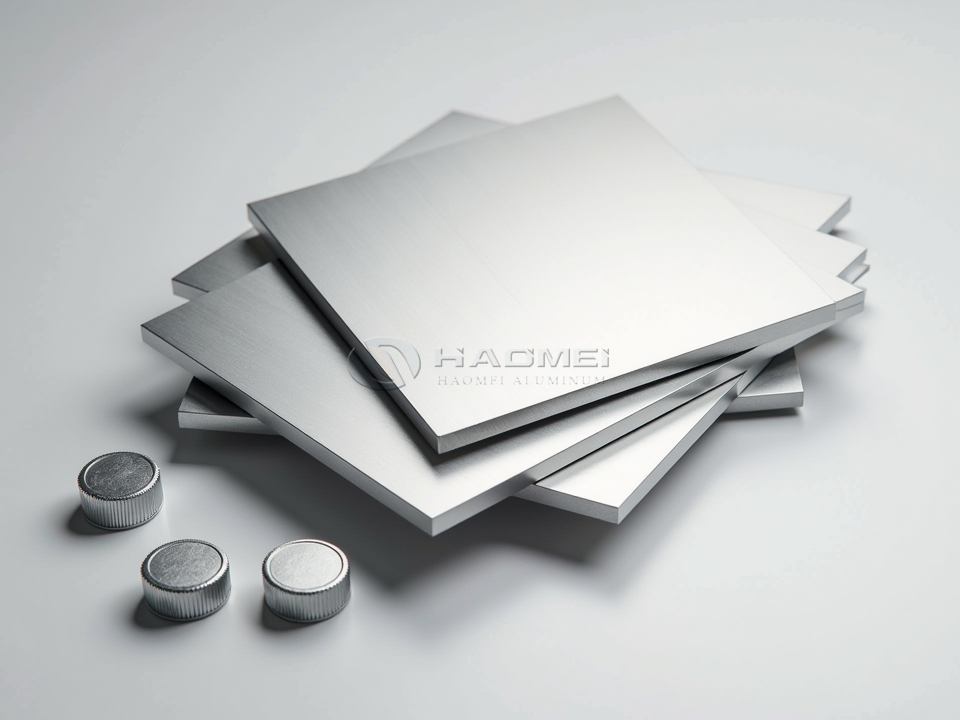
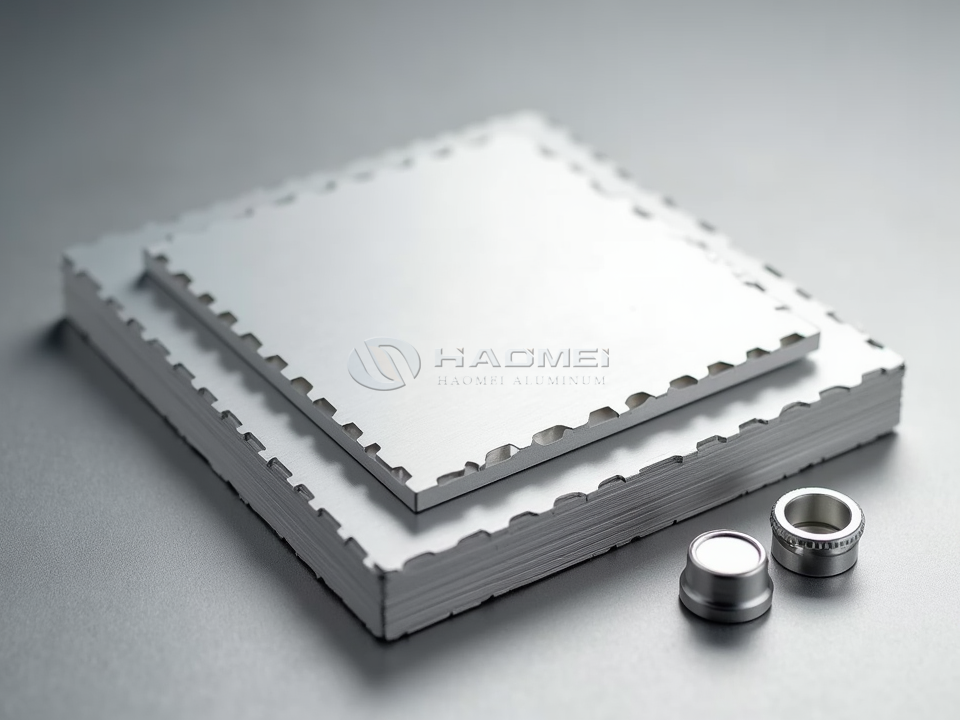
A clear coated closure aluminum plate is designed for a packaging detail that consumers touch before they see the product inside: the cap. Rather than hiding aluminum beneath an opaque color layer, clear coating preserves the natural metallic character of the substrate while adding a protective surface film. The result can look polished, satin-bright, brushed, or lightly textured depending on the aluminum finish and coating system selected.
For wine closures, spirits caps, pharmaceutical caps, cosmetic containers, beverage caps, and PP closures, the material must do more than look refined. It must survive blanking, deep drawing, knurling, threading, embossing, liner insertion, transport, and repeated handling without cracking, staining, or losing gloss. This is why clear coated closure aluminum plate should be evaluated as a formed packaging material, not simply as a decorative aluminum sheet.
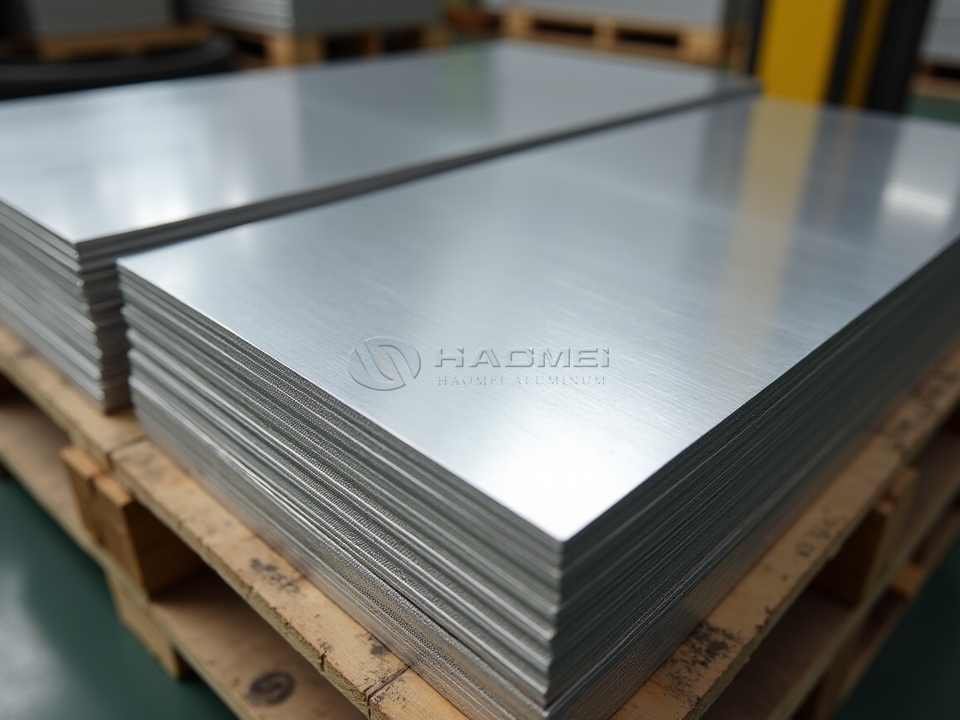
Why Clear Coating Matters on Closure Stock
Bare aluminum naturally develops a thin oxide layer, but this alone may not provide the required visual consistency or resistance to fingerprints, moisture, abrasions, and handling marks. A transparent lacquer gives the surface a controlled barrier while allowing the silver-white aluminum appearance to remain visible.
The coating can be applied to one side or both sides. The exterior coating generally focuses on gloss retention, scratch resistance, print compatibility, and visual appeal. The reverse side may receive a protective or lubricating lacquer suited to forming operations and contact conditions inside the closure. For food and beverage packaging, the selected coating system must also match the intended product environment, including acidic drinks, alcoholic products, oils, and moisture exposure.
Clear coating is especially valuable when a brand wants a premium metallic cap without the heavier visual effect of solid pigment. It can also serve as a base for selective printing, embossing, laser marking, or varnish effects.
Common Alloys and Tempers
The most widely used substrate is 8011 aluminum because it provides stable processing, suitable strength, good corrosion resistance, and reliable cap-forming behavior. 3105 aluminum is also frequently selected when extra strength and improved dent resistance are required. For demanding drawn closures, buyers may also consider 3104 depending on cap geometry and production conditions.
8011 Aluminum Closure Sheet is commonly supplied in H14 or H16 temper. H14 offers a balanced condition for drawing and thread forming, while H16 provides higher strength for applications needing firmer panel performance. The best temper depends on cap diameter, skirt depth, knurling pattern, closure line speed, and the risk of deformation during filling and distribution.
| Alloy | Si | Fe | Cu | Mn | Mg | Zn | Ti | Al |
|---|---|---|---|---|---|---|---|---|
| 8011 | 0.50-0.90 | 0.60-1.00 | 0.10 max | 0.20 max | 0.05 max | 0.10 max | 0.08 max | Balance |
| 3105 | 0.60 max | 0.70 max | 0.30 max | 0.30-0.80 | 0.20-0.80 | 0.40 max | 0.10 max | Balance |
| 3104 | 0.60 max | 0.80 max | 0.25 max | 0.80-1.40 | 0.80-1.30 | 0.25 max | 0.10 max | Balance |
Chemical composition values are typically expressed as mass percentages and should be confirmed against the applicable mill certificate and purchase specification.
Typical Supply Parameters
Clear coated closure aluminum plate is usually supplied as coil, though sheet formats can be arranged for specialized stamping or smaller-scale production. Coil supply supports continuous feeding on high-speed cap presses and helps reduce handling damage.
| Parameter | Typical Range or Condition |
|---|---|
| Alloy | 8011, 3105, 3104 |
| Temper | H14, H16, H18, or agreed special temper |
| Thickness | 0.18-0.30 mm commonly used for closures |
| Width | 500-1,650 mm, subject to equipment capability |
| Coil inner diameter | 150 mm, 300 mm, 505 mm, or as agreed |
| Surface finish | Mill finish, bright finish, brushed effect, or treated surface |
| Clear coating | Single-side or double-side transparent lacquer |
| Coating weight | Commonly 2-8 g/m² per side, depending on system |
| Color | Natural metallic silver with transparent gloss, matte, or satin effect |
| Flatness | Controlled for stable feeding and stamping |
Mechanical performance should be specified according to alloy, thickness, temper, and final cap design. As a reference, 8011 H14 closure stock often provides tensile strength around 110-145 MPa with elongation sufficient for controlled forming. H16 material generally has higher tensile strength, often around 130-165 MPa, while elongation may be lower. These are indicative values rather than fixed universal limits.
Standards and Compliance Conditions
Closure aluminum plate can be produced in accordance with standards such as ASTM B209, EN 485, EN 573, and GB/T 3880. The relevant standard depends on the destination market, customer drawings, and contractual specification. Dimensional tolerance, coil shape, surface quality, chemical composition, and mechanical properties should be documented through inspection records and mill test certificates.
For food-contact closures, aluminum alone is only part of the compliance picture. The clear coating, printing ink, primer, and internal lacquer require assessment for their intended use. Depending on the market and package design, common reference frameworks may include FDA 21 CFR 175.300 for resinous and polymeric coatings, Regulation (EC) No 1935/2004, and applicable migration requirements. Final approval should always be based on the complete closure structure, product type, contact time, filling temperature, and local regulations.
Surface Quality Is a Production Issue
A cap can be mechanically sound yet still fail the customer experience because of surface inconsistency. Fine scratches, oil spots, roller marks, coating pinholes, color variation, and uneven gloss become more visible under transparent lacquer. Clear-coated material therefore requires careful control from rolling through slitting, coating, rewinding, packing, and transport.
The plate should have a clean, uniform surface free from defects that interfere with forming or decoration. Coating adhesion is commonly checked through cross-hatch testing, bending tests, or forming trials. Resistance to boiling water, alcohol, detergent, salt mist, and product-specific media may also be requested where the closure will face severe conditions.
Matching the Plate to the Closure Design
The best material choice begins with the cap, not with the alloy name alone. A short PP cap with modest drawing depth may perform very well with 8011 H14. A tall wine cap with a deep skirt, embossed decoration, or demanding visual requirements may need tighter controls on grain structure, coating flexibility, and surface brightness. Stronger alloys such as 3105 can be effective where stiffness is important, but the forming window must remain compatible with the tooling.
For colored branding, a transparent protective layer can also work alongside printed decoration. A Printed Aluminum Closure Sheet may be selected when graphics, logos, or metallic visual effects need to be integrated before stamping.
Clear coated closure aluminum plate is ultimately a balance of metal behavior and surface chemistry. The aluminum must draw cleanly into a cap shape, while the lacquer must stretch with it and still protect the finish afterward. When alloy, temper, thickness, coating type, and cap design are specified together, the material becomes a dependable finishing layer for the entire package.