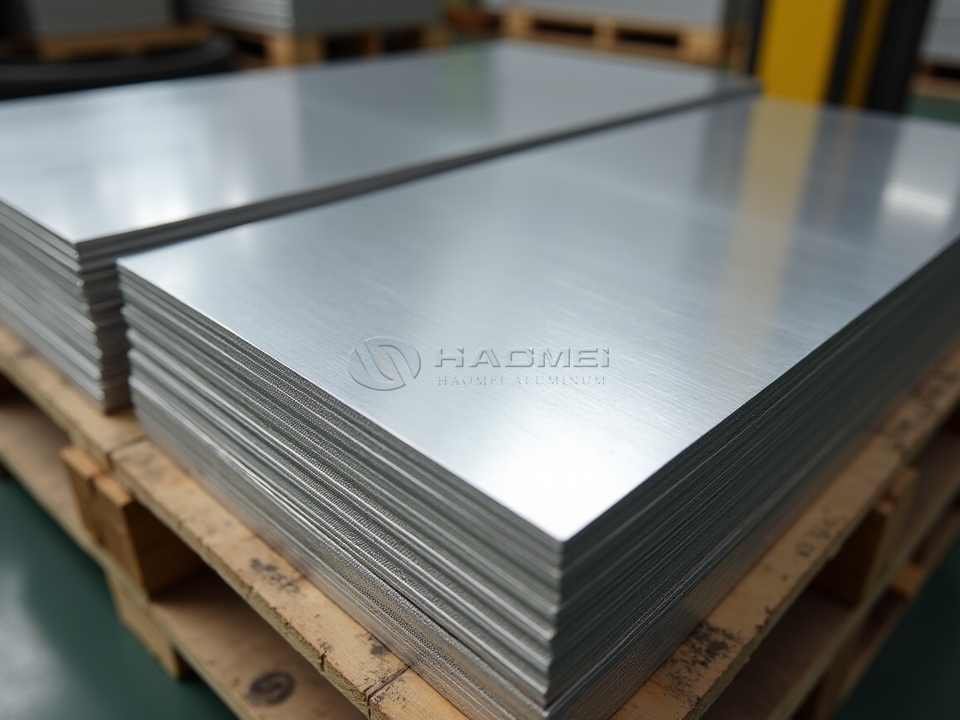
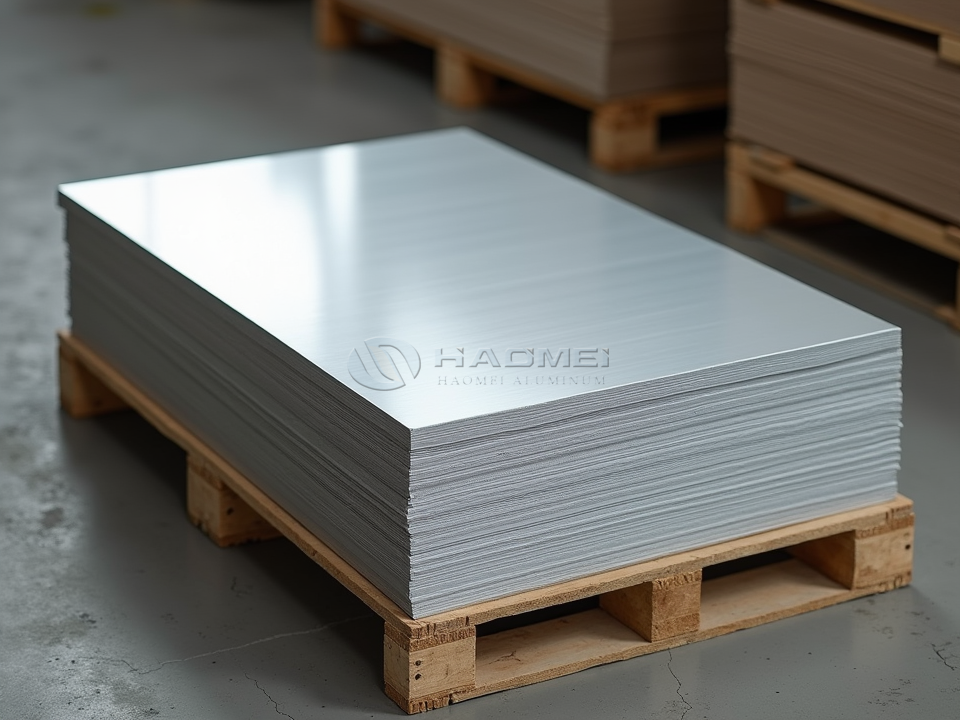
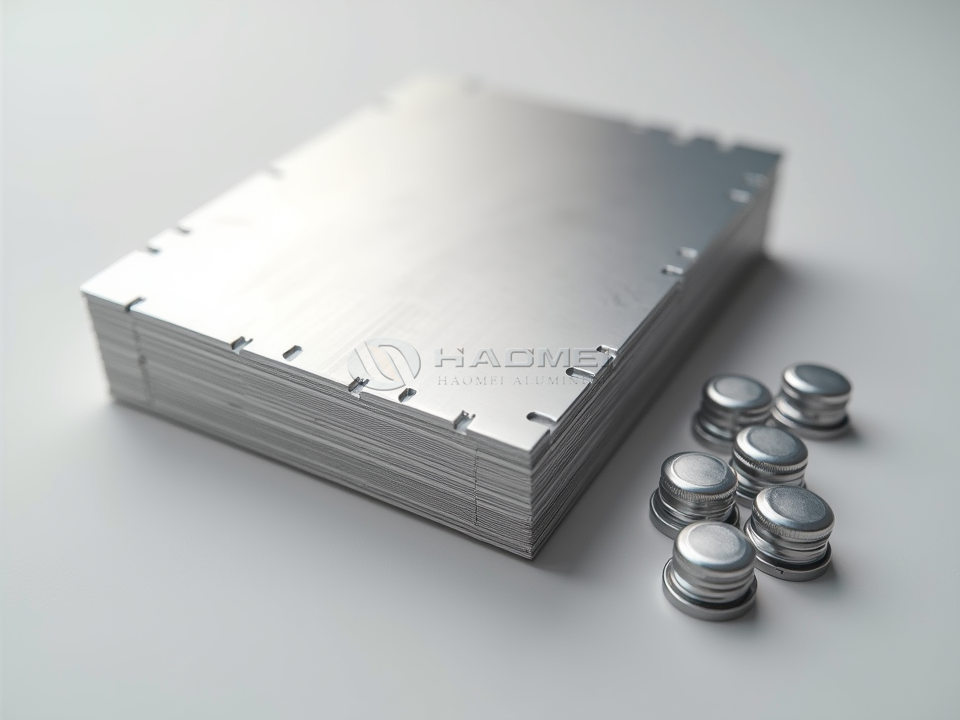
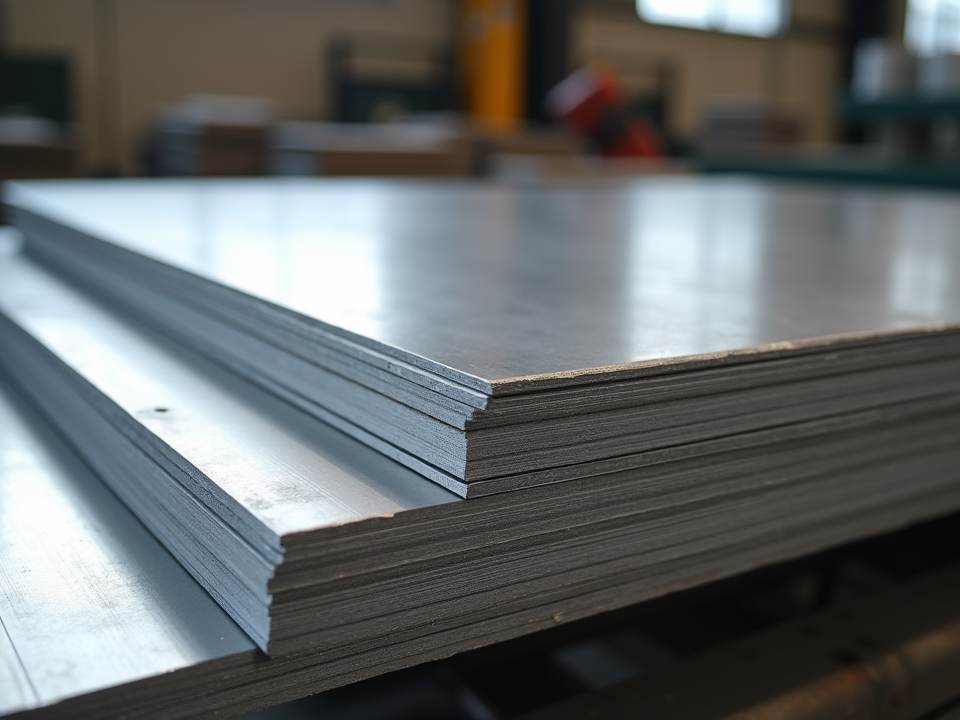
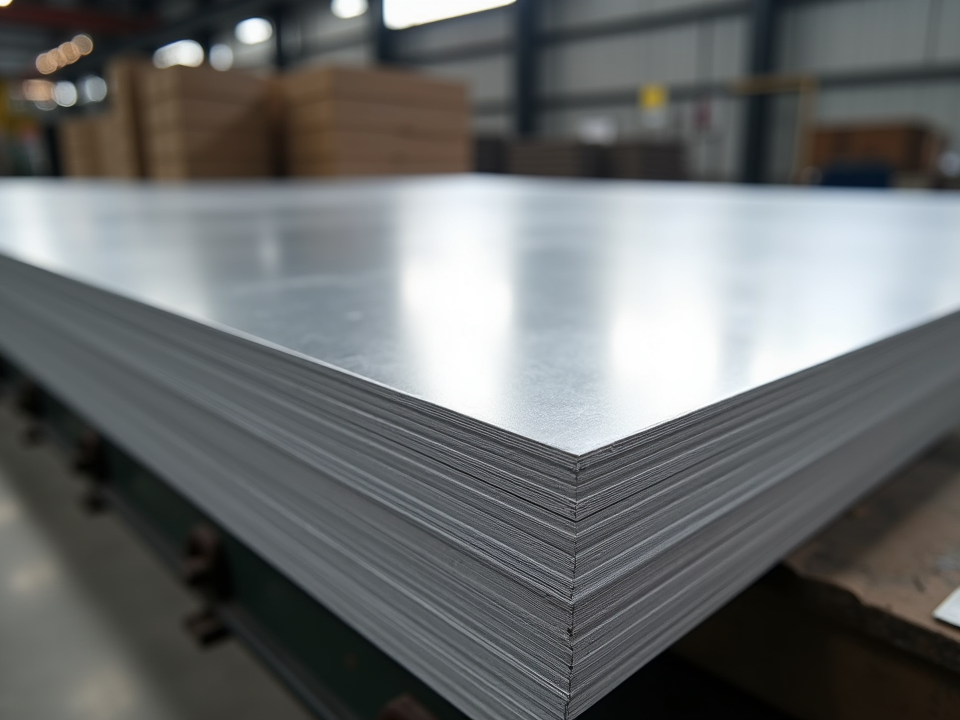
Non-Toxic Coated Aluminum Closure Sheet
A bottle closure is small, but it sits at one of the most sensitive points in a package: the boundary between the product, the outside environment, and the consumer. For wine, spirits, water, edible oil, pharmaceuticals, and beverage products, a non-toxic coated aluminum closure sheet is not simply a decorative metal material. It is a carefully engineered barrier that must form smoothly, retain its appearance, and avoid unwanted interaction with the packaged contents.
The most practical way to evaluate this material is to view it from the inside out. Customers often first notice cap color, gloss, embossing, or printed branding. Yet the coating on the inner side of the closure sheet often has the greater responsibility. It helps separate the aluminum substrate from moisture, acids, alcohol, oils, and product vapors that may be present during filling, storage, shipping, and consumer use.
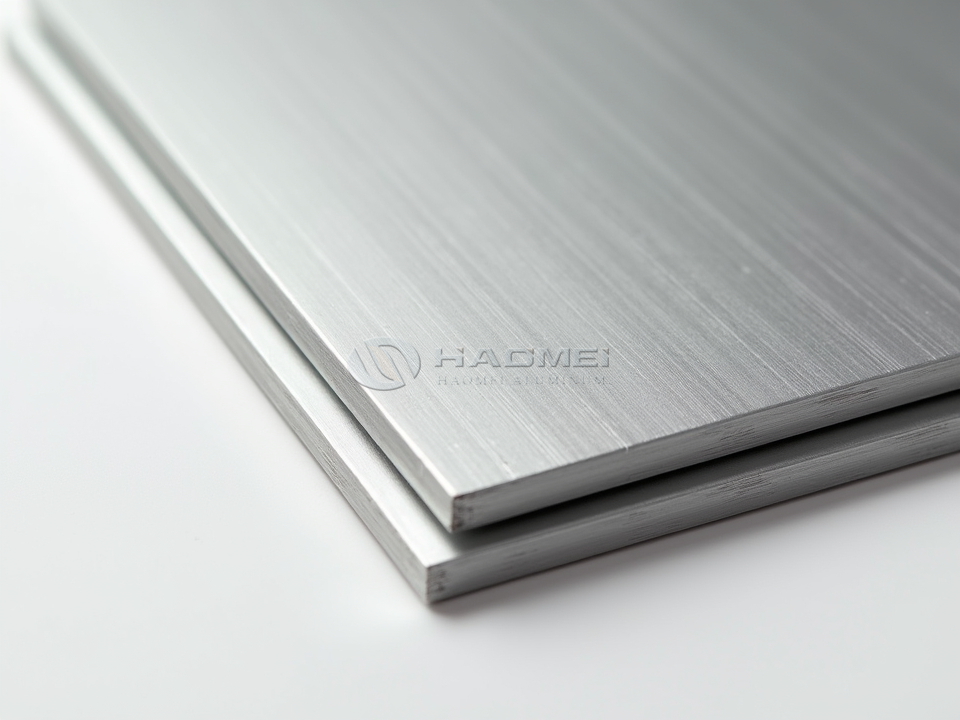
What "Non-Toxic" Should Mean in Closure Sheet Selection
The term non-toxic should never be treated as a casual marketing label. In closure applications, it should refer to a coating system selected for the intended food-contact or pharmaceutical-contact conditions and supported by suitable compliance documentation. The material must be assessed according to the regulations applicable in the destination market, the nature of the packed product, contact time, storage temperature, and filling process.
A coating appropriate for dry foods may not be appropriate for high-acid beverages. A system used for ambient-temperature bottled water may require a different performance profile from one intended for hot-filled juice or high-alcohol spirits. Therefore, buyers should provide real application details rather than requesting a generic "food-grade coating."
Useful information includes the product type, alcohol percentage where relevant, acidity, expected shelf life, pasteurization or sterilization conditions, cap geometry, and whether the closure uses a liner. With these details, the coating can be matched more responsibly to the end use.
The Coating Is a Working Layer, Not Just a Surface Finish
A non-toxic coated aluminum closure sheet generally includes aluminum alloy substrate, surface preparation, and one or more lacquer layers. The external coating provides appearance, print adhesion, abrasion resistance, and protection during handling. The internal lacquer is designed to support product compatibility and corrosion resistance.
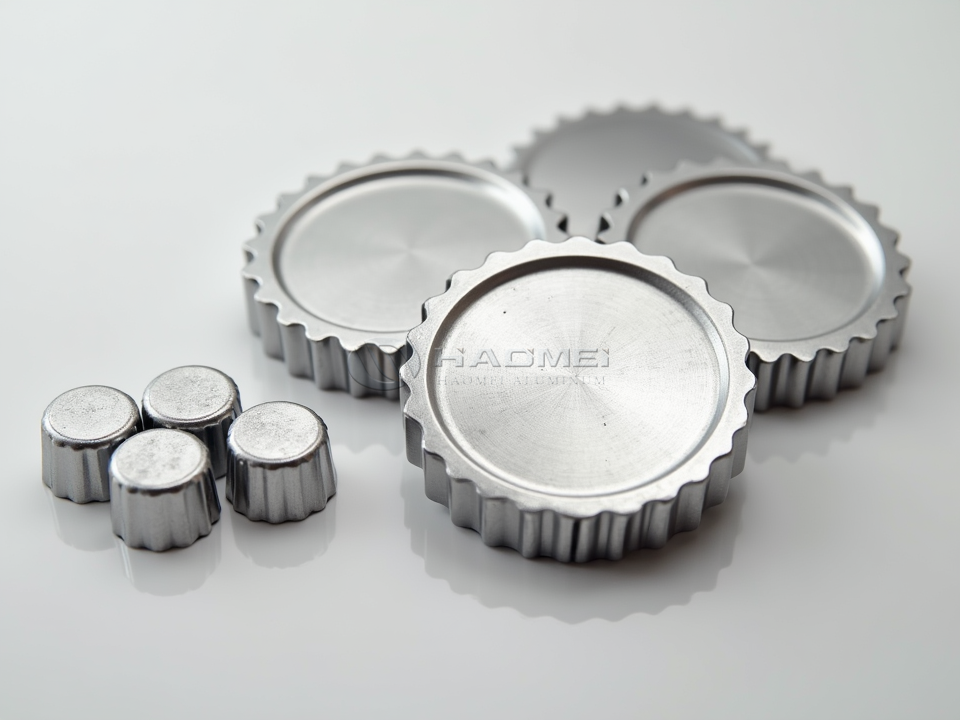
During cap manufacturing, the material may be blanked, deep drawn, skirted, threaded, knurled, embossed, or formed with a tamper-evident band. The coating must remain bonded to the aluminum throughout these operations. If it cracks or loses adhesion at the cap shoulder, thread area, or skirt, the finished closure may face corrosion, visual defects, or reduced barrier performance.
This is why coating flexibility matters as much as coating chemistry. A cap stock sheet that looks excellent in coil form can still fail after severe forming if the paint system and metal temper are poorly matched.
For applications requiring dependable formability, a 3105 Aluminum Closure Sheet is often considered because its strength and drawing behavior can suit many screw-cap designs. The final alloy and temper should still be selected around the closure design and processing route rather than by habit alone.
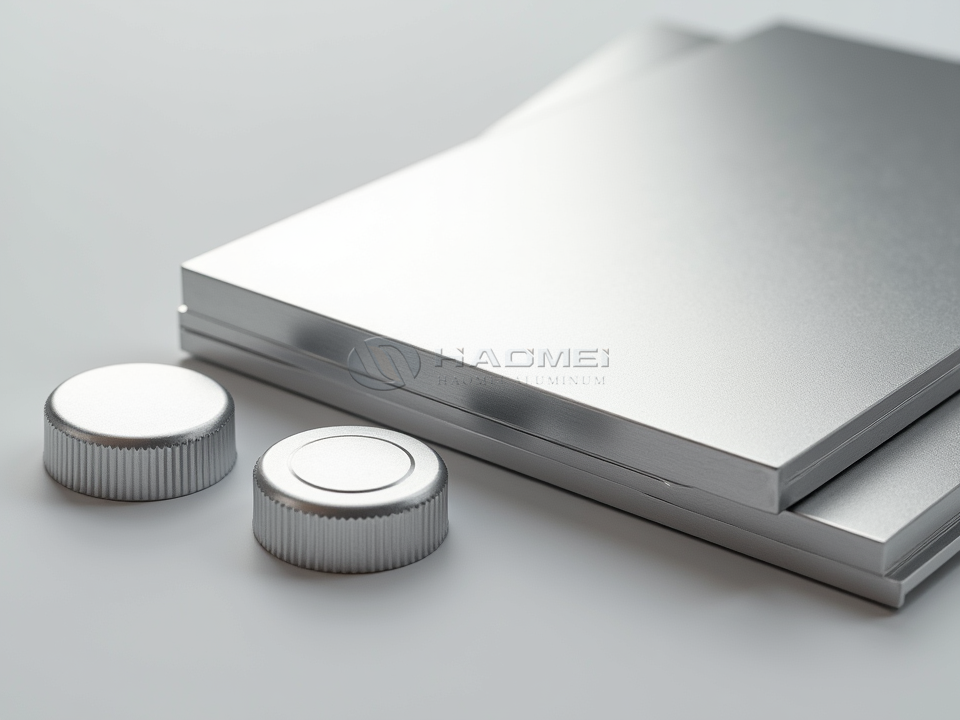
Why Aluminum Substrate Quality Still Matters
A safe lacquer cannot fully compensate for inconsistent aluminum. Surface cleanliness, flatness, edge condition, thickness tolerance, mechanical properties, and coil shape all influence coating quality and cap conversion efficiency.
An excessively rough or contaminated surface can affect lacquer wetting and adhesion. Thickness variation can lead to uneven drawing behavior. Poor flatness may create feeding instability on high-speed presses. Internal stresses in the sheet can contribute to deformation after slitting or during cap production. These issues may seem separate from non-toxicity, but they are connected: a coating is more likely to perform as intended when it is applied to a stable, clean, well-controlled substrate.
For this reason, customers should evaluate the complete material system: aluminum alloy, temper, coating type, coating weight, curing quality, surface finish, and conversion performance. An Aluminum Closure Sheet should be specified as a functional package component, not merely as painted coil stock.
Matching the Sheet to the Product Inside the Bottle
Different filled products create different risks. Carbonated drinks may create pressure and condensation exposure. Wine and spirits involve alcohol and flavor-sensitive contents. Edible oils can challenge a coating through long-term contact with fatty substances. Acidic juices and vinegar-based products may require stronger chemical resistance. Pharmaceutical closures can require strict traceability and carefully controlled material declarations.
For wine closures, odor neutrality is particularly important. The coating should not introduce an odor that could affect the sensory character of the wine. For edible oil caps, resistance to oily contact and storage conditions is essential. In beverage packaging, the cap must also preserve an attractive exterior after transport, chilling, and repeated handling.
The right selection process considers the full lifecycle. Think about filling, capping torque, warehouse temperature, sea transport, retail display, refrigeration, opening, and possible reclosure. A closure sheet is successful only when it remains stable through all these stages.
Practical Questions Buyers Should Ask
Before purchasing non-toxic coated aluminum closure sheet, ask whether the coating is intended for direct or indirect contact conditions in the planned closure structure. Request applicable declarations, test information, and batch traceability documents. Confirm whether the lacquer is suitable for the specific product and market requirements rather than accepting a broad statement of compliance.
It is also wise to confirm coating adhesion after forming, resistance to sterilization or pasteurization where applicable, color consistency between coils, and compatibility with printing inks, varnishes, lubricants, and cap liners. For high-volume cap production, trial forming remains valuable. A short conversion test can reveal issues with scratching, coating whitening, draw marks, or thread-area cracking before full-scale purchasing begins.
Packaging conditions deserve attention too. Coils should be protected from moisture, dust, impact, and extreme temperature changes. Improper storage can cause surface damage before the material even reaches the press line.
A Better Measure of Value
The lowest coil price rarely represents the lowest packaging cost. A more valuable non-toxic coated aluminum closure sheet reduces coating defects, minimizes press stoppages, improves cap appearance, supports product protection, and lowers the risk of costly claims after filling.
The best material is not simply one with a bright finish or a compliance statement. It is one that performs predictably on the cap-making line and stays dependable on the bottle for the entire shelf life of the product. When coating safety, aluminum quality, and application-specific testing work together, the closure becomes what it should be: a quiet, reliable safeguard for the product inside.