Pilfer Proof Cap Aluminum Sheet
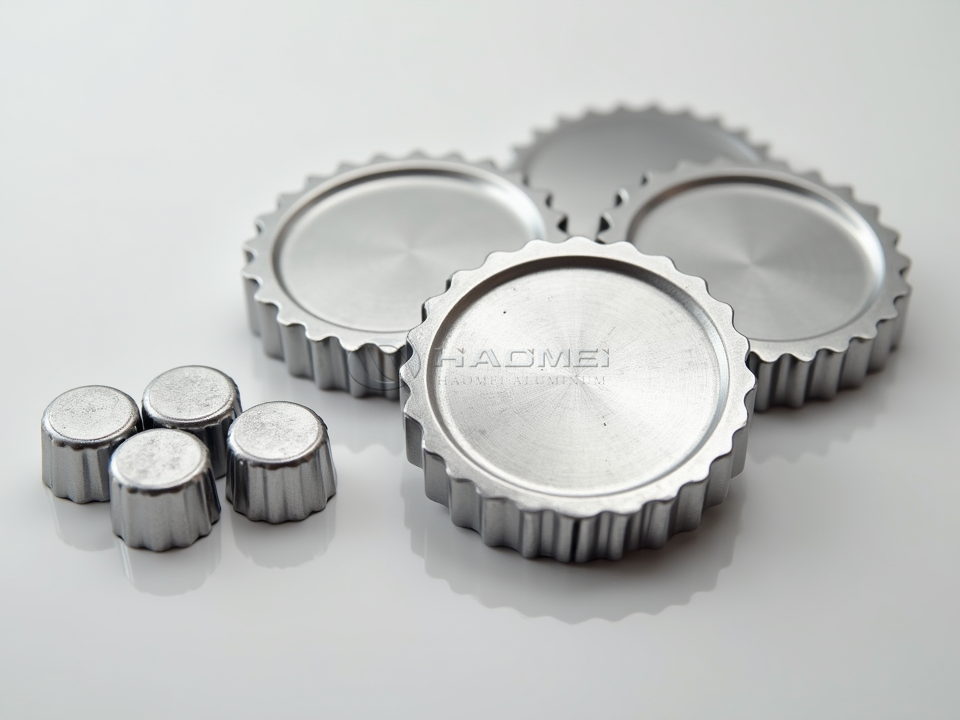
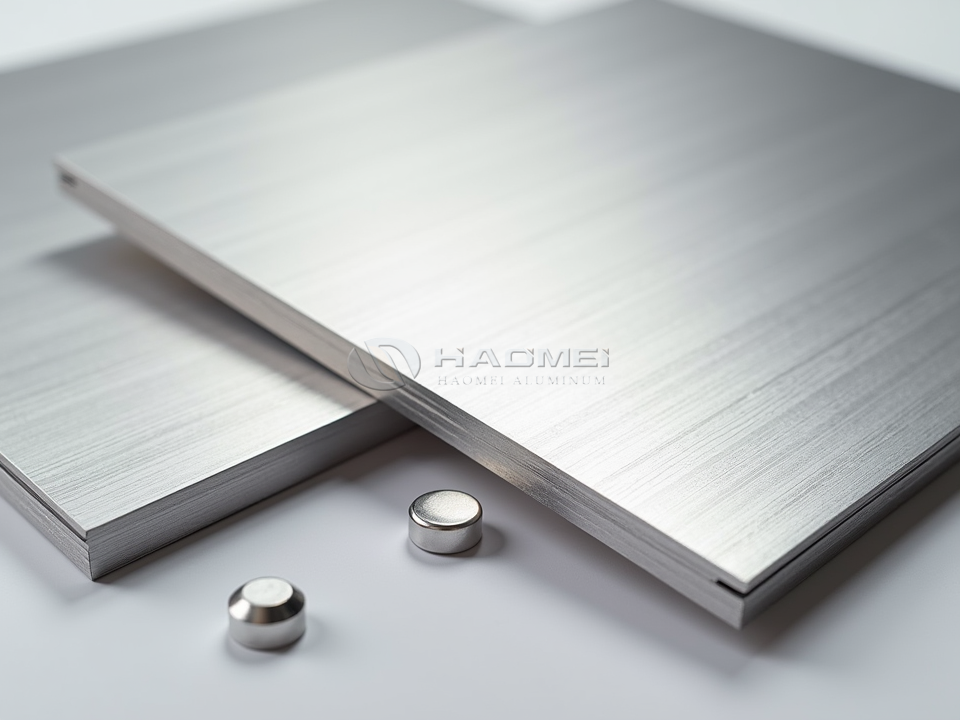
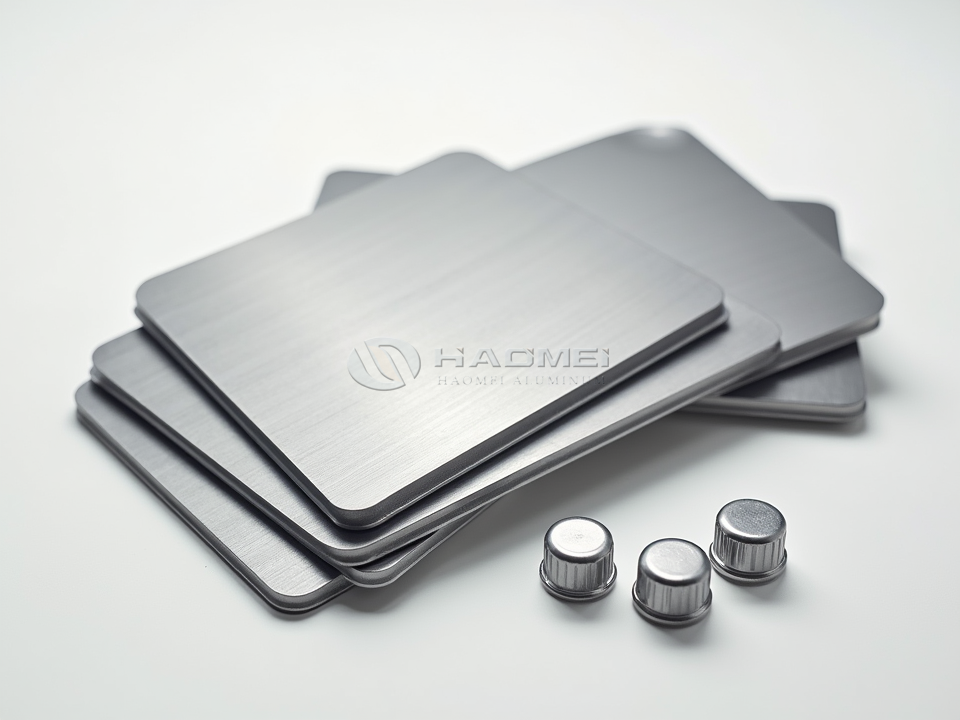
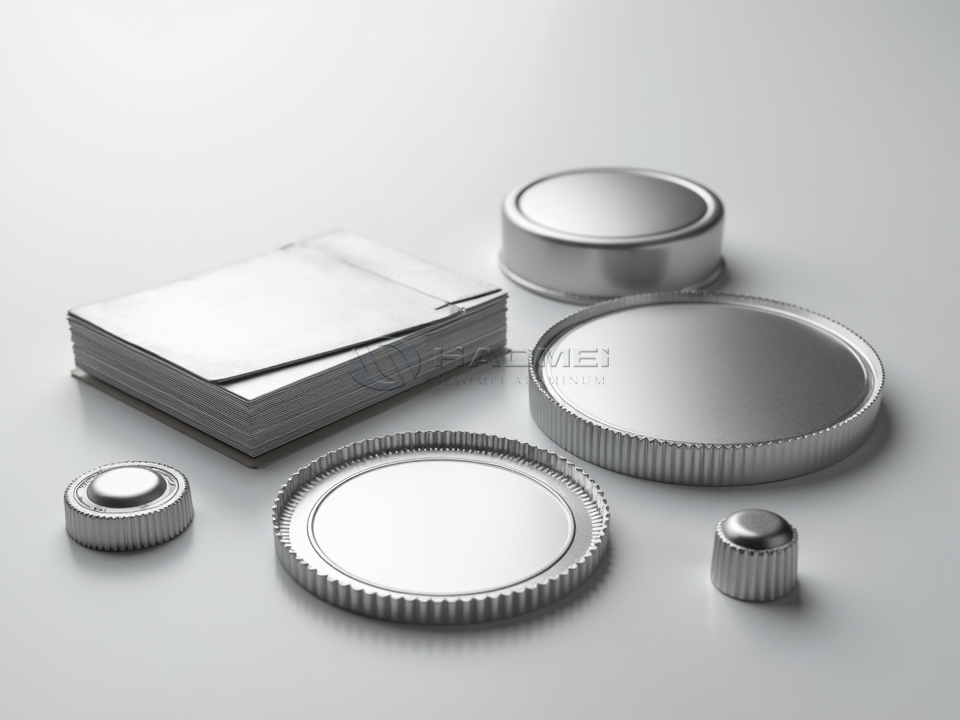
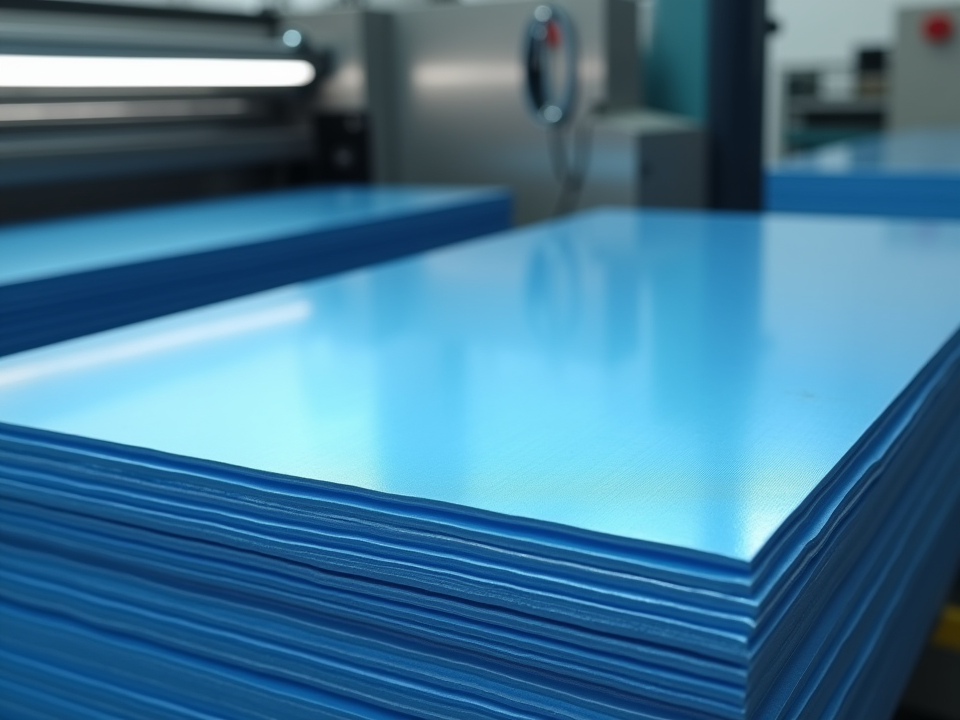
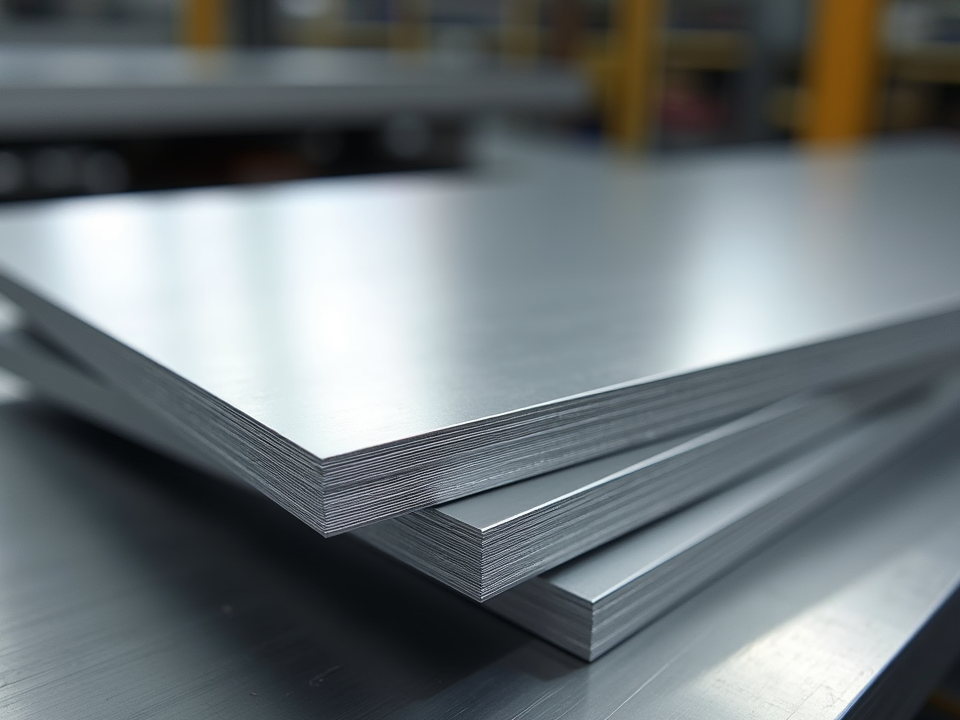
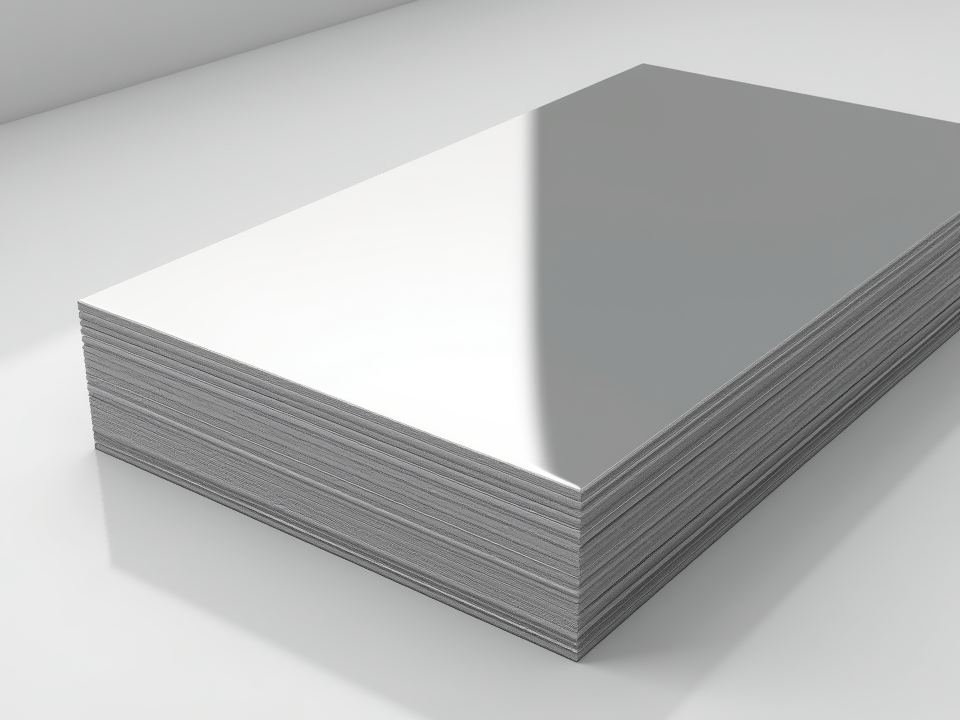
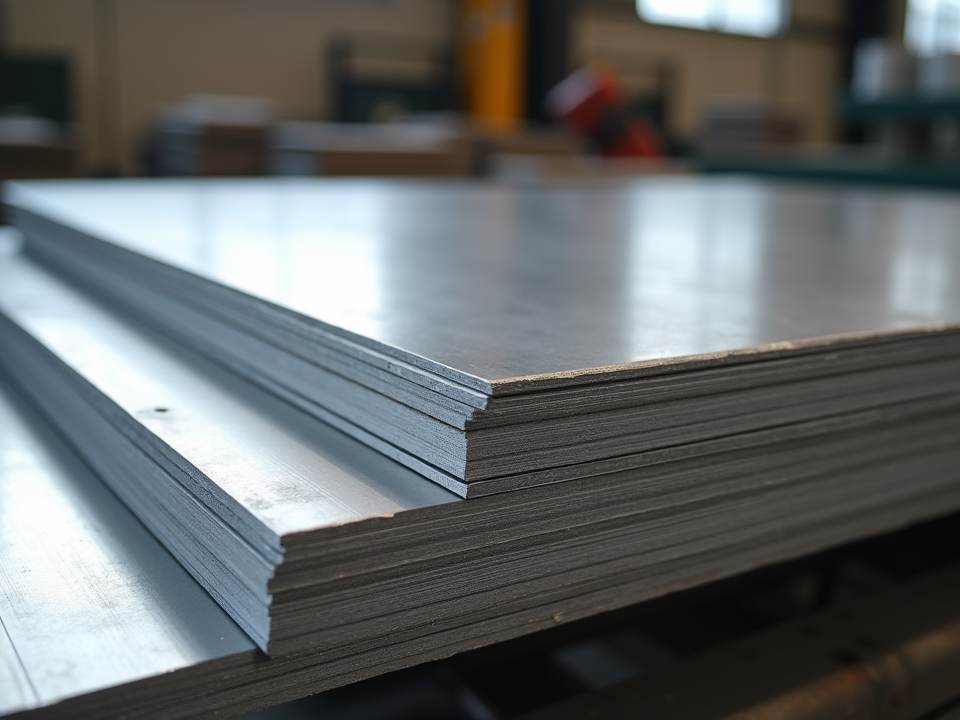
Pilfer proof cap aluminum sheet is a specialized rolled aluminum material used to manufacture tamper-evident bottle closures. It is widely processed into pilfer-proof caps, ROPP caps, screw caps, wine closures, and beverage bottle caps. The material must combine excellent drawing performance with sufficient strength, clean surface quality, stable coating adhesion, and precise thickness control.
When a consumer opens a pilfer-proof cap, the lower security band separates from the cap shell. This visible break helps confirm that the bottle has not been previously opened. For this reason, the aluminum sheet must form consistently during deep drawing, threading, knurling, scoring, and curling operations without cracking or excessive springback.
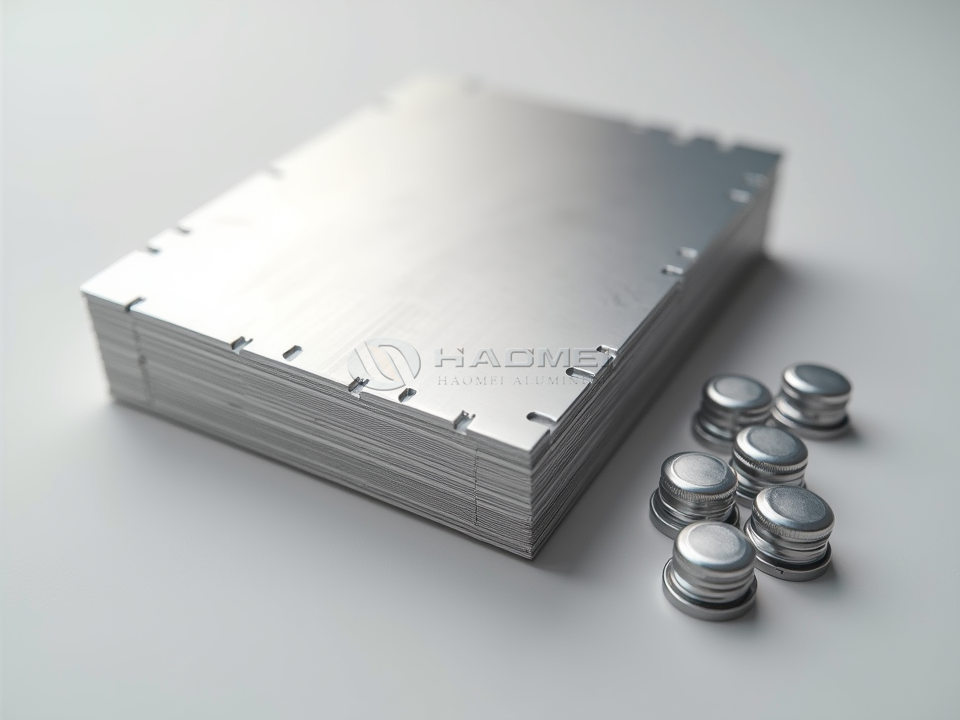
Functions of Pilfer Proof Cap Aluminum Sheet
The primary function of pilfer proof cap aluminum sheet is to provide a reliable metal substrate for closures that protect packaged contents and display opening evidence. Its low weight supports efficient transportation, while its corrosion resistance helps preserve product appearance during filling, storage, and distribution.
| Function | Contribution of Aluminum Sheet |
|---|---|
| Tamper evidence | Supports scoring and bridge formation for breakaway security bands |
| Bottle sealing | Forms a cap shell that works with liners to reduce leakage and contamination |
| Decorative finish | Accepts printing, embossing, coating, and color treatment for brand presentation |
| Process efficiency | Offers stable blanking, drawing, threading, and roll-on forming behavior |
| Product protection | Provides a barrier between the outer environment and the closure system |
| Sustainability | Aluminum closures can be collected and recycled after use |
Compared with heavier closure metals, aluminum offers a favorable strength-to-weight ratio. It can be rolled to thin gauges while retaining enough mechanical stability for high-speed cap-making lines. Its surface can also be lacquered to improve resistance to acidic, alcoholic, oily, or aqueous filling environments.
For broader closure material options, an Aluminum Closure Sheet can be selected according to cap geometry, coating system, and end-use requirements.
Common Applications
Pilfer proof cap aluminum sheet is used across consumer packaging sectors where visible opening protection and attractive shelf presence are required. The material is especially suitable for closures made by roll-on pilfer-proof processes.
| Application Sector | Typical Packaged Product | Closure Requirement |
|---|---|---|
| Wine and spirits | Wine, vodka, whisky, liqueur | Premium printing, deep drawing, reliable breakaway band |
| Beverages | Juice, mineral water, soft drinks | High-speed production and leak-resistant sealing |
| Edible oils | Olive oil, cooking oil, sesame oil | Resistance to oil contact and stable threading |
| Pharmaceuticals | Syrups, liquid supplements, topical products | Clean surface, controlled coating, tamper indication |
| Food condiments | Vinegar, sauces, flavorings | Corrosion-resistant internal lacquer |
| Cosmetics | Serums, fragrance bottles, beauty oils | Decorative finish and dimensional consistency |
Suitable Alloys and Temper Conditions
Alloy selection affects cap formability, hardness, surface appearance, and resistance to deformation. Alloy 8011 is commonly used for standard pilfer-proof and ROPP closures because of its balanced strength and processing performance. Alloy 3105 is often selected when greater strength, surface stability, or printing performance is desired.
| Alloy | Typical Temper | Characteristics | Common Closure Use |
|---|---|---|---|
| 8011 | H14, H16 | Good formability, stable hardness, economical processing | PP caps, ROPP caps, beverage closures |
| 3105 | H14, H16, H18 | Higher strength, good corrosion resistance, smooth finish | Wine caps, printed caps, premium closures |
| 3004 | H14, H16 | Good drawing performance and moderate strength | Specialty threaded closures |
The H14 temper is generally preferred where more drawing and shaping are required. H16 provides slightly higher strength and can be suitable for cap designs needing improved dent resistance. Final temper selection should match cap diameter, shell depth, bottle finish design, production speed, and coating process.
Chemical Composition
Chemical composition is controlled to maintain predictable rolling and forming behavior. The following values represent commonly referenced composition ranges for closure-sheet production. Actual requirements should be confirmed in the purchase specification.
| Alloy | Si % | Fe % | Cu % | Mn % | Mg % | Zn % | Ti % | Al % |
|---|---|---|---|---|---|---|---|---|
| 8011 | 0.50-0.90 | 0.60-1.00 | 0.10 max | 0.20 max | 0.05 max | 0.10 max | 0.08 max | Balance |
| 3105 | 0.60 max | 0.70 max | 0.30 max | 0.30-0.80 | 0.20-0.80 | 0.40 max | 0.10 max | Balance |
| 3004 | 0.30 max | 0.70 max | 0.25 max | 1.00-1.50 | 0.80-1.30 | 0.25 max | 0.10 max | Balance |
Silicon and iron contribute to strength and rolling performance in 8011 alloy. Manganese and magnesium in 3105 and 3004 alloys help provide higher mechanical strength. The chemistry must remain stable so the sheet performs uniformly from coil edge to center.
Technical Specifications
Pilfer proof cap aluminum sheet is normally supplied in coils, although slit coils and cut sheets may be prepared for specific closure plants. Tight gauge tolerance and flatness control are important because small variations can affect cap shell height, thread formation, and score-line consistency.
| Parameter | Typical Range or Requirement |
|---|---|
| Alloy | 8011, 3105, 3004 |
| Temper | H14, H16, H18, subject to cap design |
| Thickness | 0.18-0.30 mm |
| Common thickness | 0.20 mm, 0.22 mm, 0.24 mm, 0.25 mm |
| Width | 200-1,300 mm |
| Coil inner diameter | 405 mm or 505 mm |
| Coil outer diameter | According to equipment and shipping requirements |
| Surface | Mill finish, chemically treated, lacquered, printed, or color coated |
| Edge condition | Slit edge, clean edge, burr controlled |
| Tensile strength | Commonly 120-190 MPa, depending on alloy and temper |
| Elongation | Commonly 2%-8%, depending on thickness and temper |
| Flatness | Controlled for stable blanking and forming |
Mechanical values should be agreed between the cap maker and aluminum processor. A lower elongation is not always better: cap material needs enough ductility to withstand drawing and scoring without edge splitting.
Surface Treatment and Coating Options
The sheet surface can be supplied untreated or prepared for decorative and protective conversion. Internal lacquer is often applied to reduce direct interaction between aluminum and the packaged liquid. External coatings improve print quality, abrasion resistance, gloss, and color consistency.
| Surface Option | Purpose | Typical Use |
|---|---|---|
| Degreased mill finish | Provides a clean substrate for later processing | General cap manufacturing |
| Clear protective lacquer | Improves corrosion resistance while retaining metallic appearance | Wine and spirits caps |
| Gold or colored lacquer | Creates a premium visual effect | Beverage and cosmetic closures |
| White base coating | Supports high-definition printing | Branded consumer closures |
| Printed coating | Adds logos, instructions, and product identification | Promotional and retail packaging |
| Internal epoxy or polyester lacquer | Helps protect against product contact conditions | Oils, vinegar, beverages, pharmaceuticals |
Coating selection must consider filling temperature, pasteurization, product acidity, alcohol content, storage duration, and regulatory requirements for food-contact packaging.
Implementation Standards and Quality Controls
Pilfer proof cap aluminum sheet may be produced and inspected with reference to recognized aluminum sheet standards and customer-specific closure requirements. Compliance documentation should match the destination market and the product-contact application.
| Standard or Control Area | Typical Reference | Purpose |
|---|---|---|
| Aluminum sheet dimensions and tolerances | ASTM B209 | Thickness, width, and general sheet requirements |
| Rolled aluminum products | EN 485 | Mechanical properties and dimensional tolerances |
| Aluminum sheet and strip | GB/T 3880 | Product classification and technical requirements |
| Food-contact coating compliance | FDA 21 CFR or applicable regional rules | Coating suitability for intended packaging use |
| Quality management | ISO 9001 | Process control and traceability framework |
| Surface inspection | Customer agreement or internal specification | Control of scratches, oil marks, pinholes, and color variation |
Quality inspection commonly includes chemical analysis, tensile testing, thickness measurement, coil weight verification, surface cleanliness checks, coating adhesion testing, and visual inspection under controlled lighting. For printed or lacquered stock, color matching and coating cure performance are also important.
Selecting the Right Material
A successful pilfer-proof closure begins with matching sheet properties to the cap-making process. Consider alloy, temper, gauge, cap diameter, draw depth, liner type, decoration method, and the chemical nature of the filling product. A properly selected aluminum sheet reduces scrap, supports smooth high-speed forming, and creates a closure that is secure, attractive, and easy for consumers to recognize.
Pilfer proof cap aluminum sheet provides the technical foundation for dependable tamper-evident packaging across beverage, food, pharmaceutical, and personal-care markets.