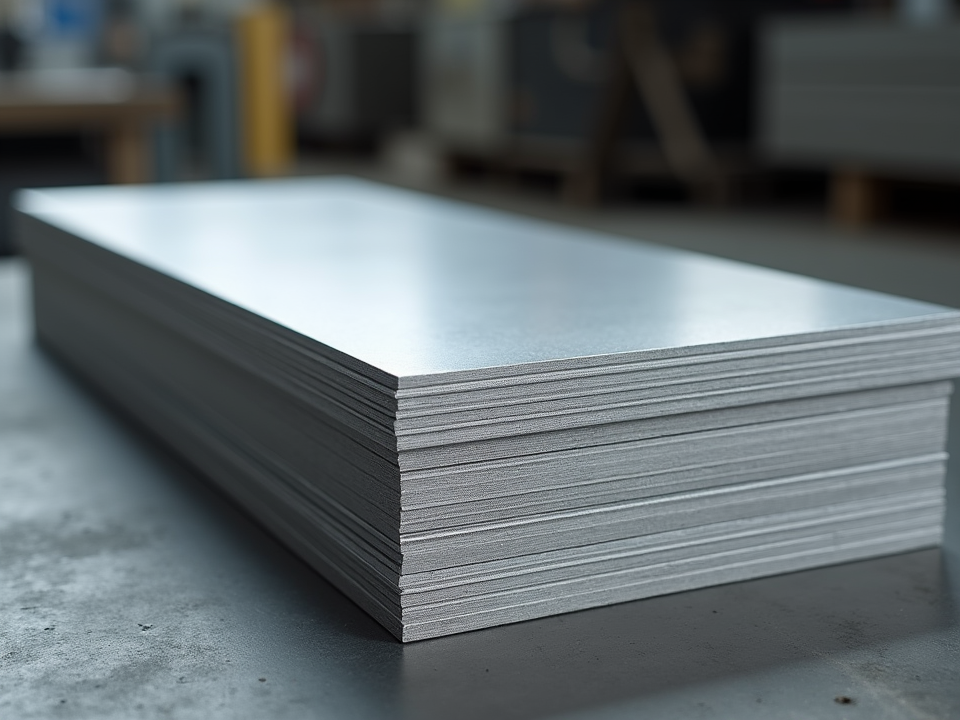
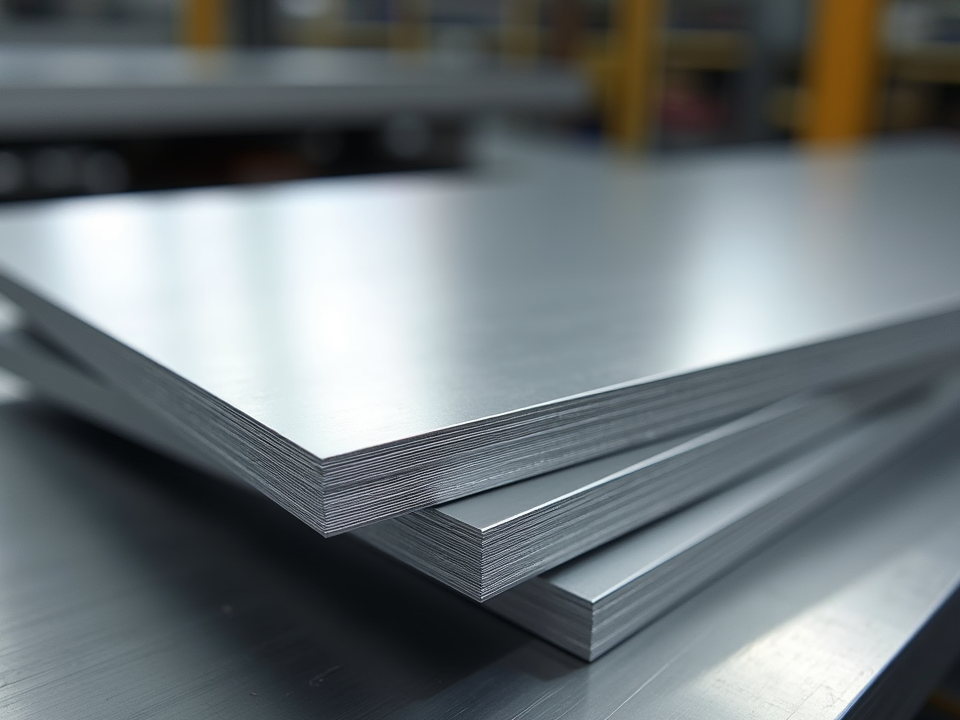
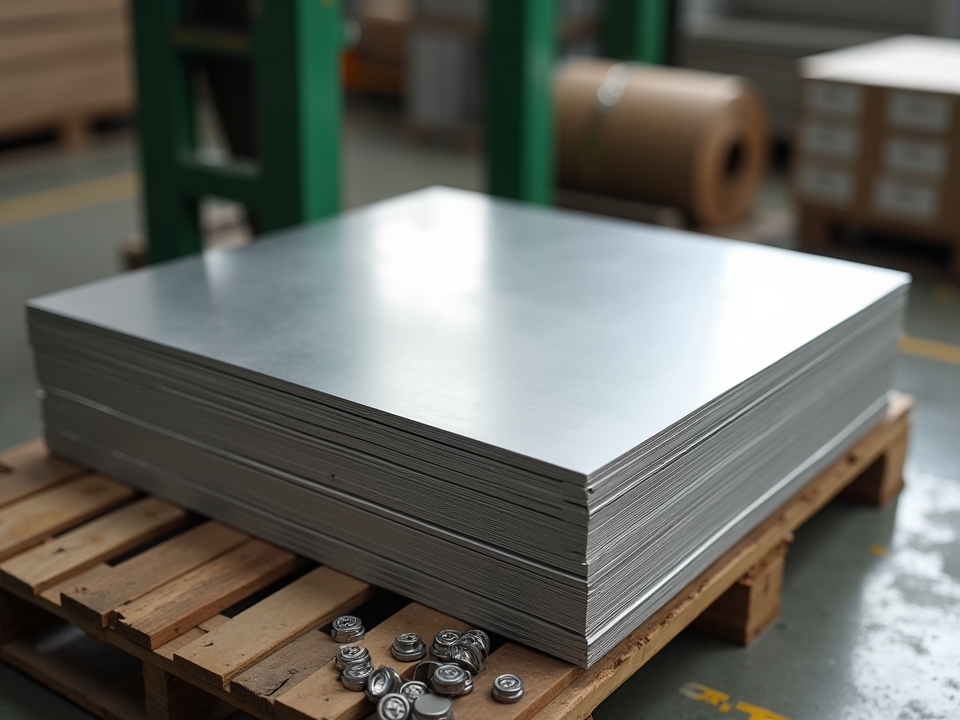
Plain Aluminum Closure Plate Factory
A plain aluminum closure plate may look like a simple metal sheet, yet its real job begins when it is stamped, drawn, threaded, curled, lined, and sealed onto a bottle or container. In this sense, a plain aluminum closure plate factory is not merely producing aluminum sheet. It is supplying the forming foundation of a packaging system that protects beverages, pharmaceuticals, cosmetics, edible oils, chemicals, and household products.
Haomei Aluminum CO., LTD., Inc. produces plain aluminum closure plate with attention to the relationship between metal behavior and cap-making speed. The material must stay flat during printing or coating, form cleanly during deep drawing, and maintain adequate strength after the cap skirt is rolled onto a bottle neck. A good closure sheet is therefore designed around controlled ductility, stable thickness, clean surface condition, and consistent coil properties.
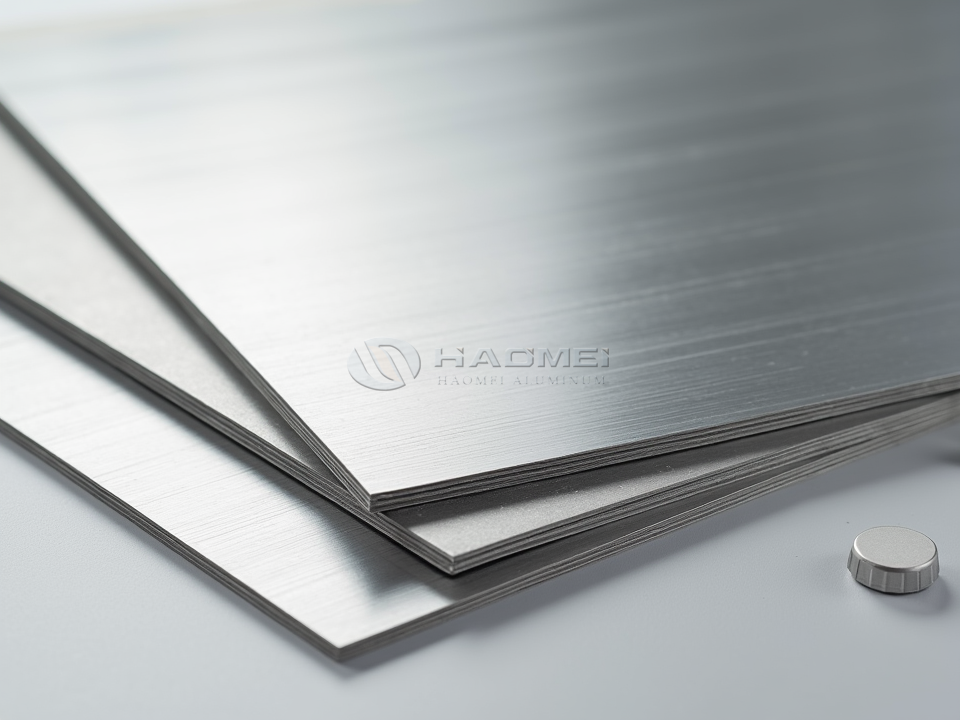
Plain Surface, Serious Manufacturing Purpose
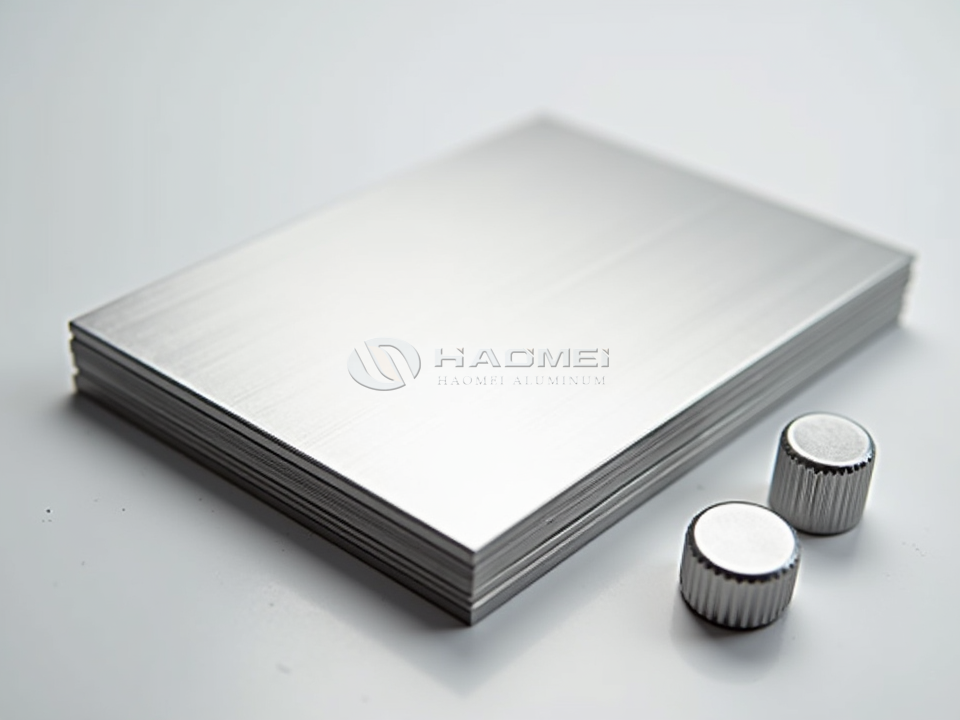
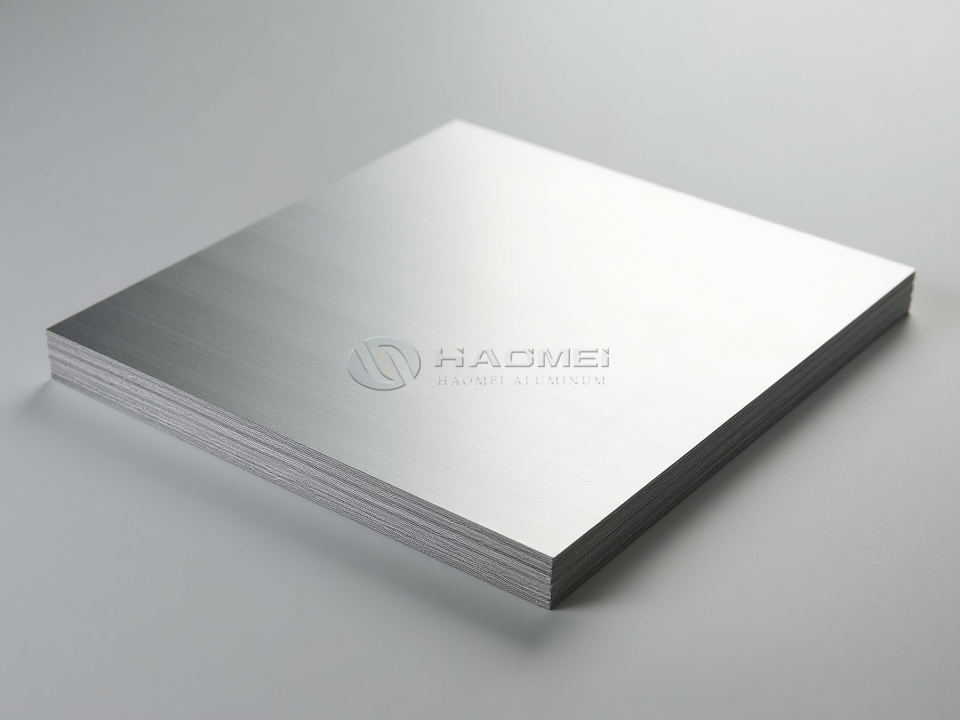
"Plain" generally refers to mill-finish aluminum closure stock without decorative printing. It may be supplied uncoated for customers that operate their own coating and printing lines, or prepared with a light surface treatment suitable for later lacquer application. This flexibility makes plain closure plate a practical choice for high-volume packaging converters seeking control over branding, color systems, food-contact lacquers, and production scheduling.
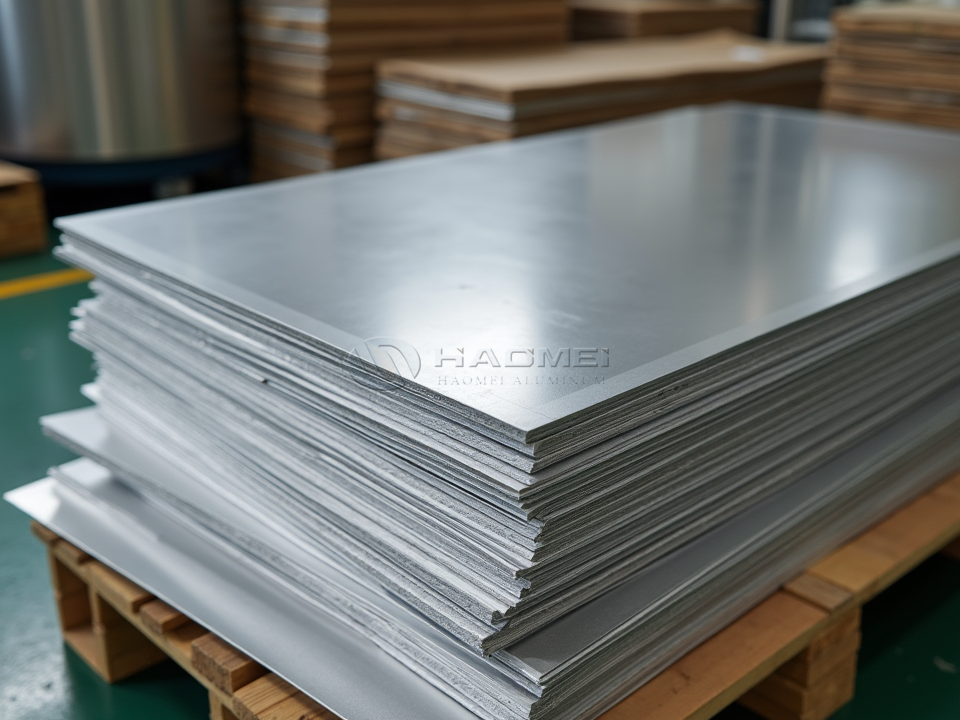
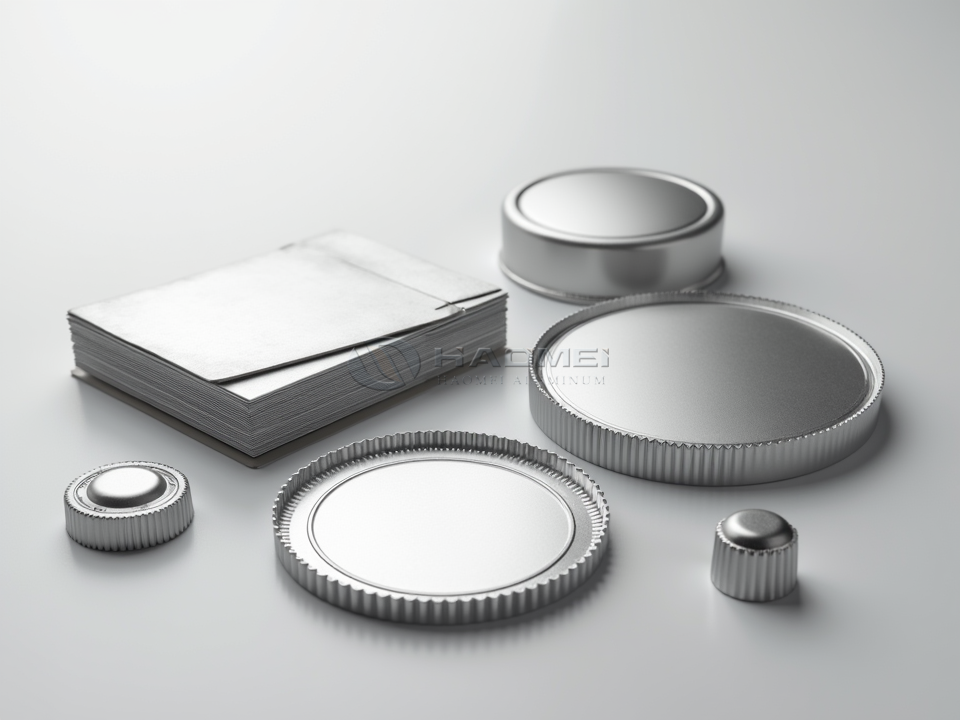
The plate is normally delivered as coil or sheet. Although the market sometimes uses the term "closure plate," thinner gauges are technically aluminum sheet or cap stock. It is processed into pilfer-proof caps, ROPP caps, PP caps, wine closures, beverage caps, cosmetic closures, and pharmaceutical screw caps.
For example, a wine closure requires a long skirt that can be rolled smoothly around the bottle finish without edge cracking. A PP cap requires dependable score-line behavior so that the tamper-evident band separates correctly on first opening. In both cases, the alloy and temper influence the final user experience as much as the cap design does.
Functions Seen Through the Cap-Making Process
A closure plate factory should be judged by what happens after delivery. The sheet must travel successfully through blanking, cupping, drawing, knurling, threading, scoring, lining, and inspection. Each operation places different demands on the metal.
During blanking, fine grain structure and stable thickness help create clean discs with limited burr formation. During deep drawing, controlled elongation reduces the risk of cracks at the shoulder or skirt. During threading and knurling, suitable work-hardening response helps preserve detailed geometry. During scoring, the metal must be strong enough to retain cap integrity while allowing a predictable tamper-evident break.
Surface quality also has a direct production value. A clean, uniform surface supports coating adhesion and reduces the possibility of scratches, stains, oil marks, roller marks, and handling defects becoming visible after decoration. For converters that later use offset printing, the consistency of the sheet surface affects ink appearance, lacquer coverage, and visual uniformity across large cap batches.
Aluminum Closure Sheet products are selected not only by thickness but also by forming route, cap profile, coating requirement, and end-use environment.
Common Alloys and Temper Conditions
Alloy selection is a balance between formability, strength, corrosion resistance, and economical production. The 1xxx, 3xxx, and 8xxx aluminum series are widely used for closure stock.
| Alloy | Typical Temper | Main Characteristics | Common Closure Use |
|---|---|---|---|
| 1050 | H14, H16 | High aluminum purity, excellent formability, bright surface | Cosmetic caps, simple screw caps |
| 1060 | H14, H16 | Good ductility and corrosion resistance | General packaging closures |
| 1070 | H14 | Very high purity and deep drawing ability | Premium decorative caps |
| 3003 | H14, H16 | Manganese-enhanced strength with good workability | Beverage and household-product caps |
| 3104 | H14, H16 | Stable strength and drawing performance | ROPP and pilfer-proof closures |
| 3105 | H14, H16, H18 | Stronger 3xxx-series option with good coating suitability | Wine caps, PP caps, threaded closures |
| 8011 | H14, H16 | Excellent cap-forming balance, widely used closure alloy | Pharmaceutical, beverage, and food caps |
H14 is commonly chosen where a soft-to-medium temper supports drawing and shaping. H16 offers moderately greater strength for cap structures that require improved resistance to deformation. H18 may be considered for applications needing higher hardness, although it is less suitable for aggressive forming. Actual temper selection should match the cap diameter, skirt height, thread detail, liner system, and forming equipment.
For demanding cap production, 3105 Aluminum Closure Sheet can provide a useful balance of mechanical stability and processability, particularly for coated or printed closure applications.
Typical Product Parameters
Plain aluminum closure plate is commonly made within the following commercial ranges. Exact tolerances should be agreed according to the customer's cap-making equipment and quality specification.
| Parameter | Typical Range or Condition |
|---|---|
| Thickness | 0.15 mm to 0.30 mm |
| Width | 200 mm to 1,650 mm |
| Coil inner diameter | 150 mm, 300 mm, 505 mm, or as agreed |
| Coil outer diameter | Usually up to 1,800 mm, subject to weight limits |
| Coil weight | Approximately 2 to 8 tonnes, or customer specified |
| Surface | Mill finish, clean, oil-controlled, free from obvious defects |
| Edge condition | Mill edge, slit edge, trimmed edge |
| Flatness | Controlled for blanking, printing, and coating operations |
| Direction | Rolling direction identified where required for forming control |
Thickness uniformity is especially important. A small variation can affect drawing pressure, cap height, score-line depth, and the force needed to apply or remove the finished closure. For high-speed lines, consistent coil-to-coil mechanical performance is often more valuable than simply meeting a broad nominal gauge.
Chemical Properties of Common Closure Alloys
The following table presents typical chemical composition limits in percent by mass. Values may vary slightly according to the applicable standard and customer agreement.
| Alloy | Si | Fe | Cu | Mn | Mg | Zn | Ti | Al |
|---|---|---|---|---|---|---|---|---|
| 1050 | ≤0.25 | ≤0.40 | ≤0.05 | ≤0.05 | ≤0.05 | ≤0.05 | ≤0.03 | ≥99.50 |
| 1060 | ≤0.25 | ≤0.35 | ≤0.05 | ≤0.03 | ≤0.03 | ≤0.05 | ≤0.03 | ≥99.60 |
| 3003 | ≤0.60 | ≤0.70 | 0.05-0.20 | 1.0-1.5 | ≤0.10 | ≤0.10 | - | Balance |
| 3104 | ≤0.60 | ≤0.80 | ≤0.25 | 0.8-1.4 | 0.8-1.3 | ≤0.25 | ≤0.10 | Balance |
| 3105 | ≤0.60 | ≤0.70 | ≤0.30 | 0.3-0.8 | 0.2-0.8 | ≤0.40 | ≤0.10 | Balance |
| 8011 | 0.50-0.90 | 0.60-1.00 | ≤0.10 | ≤0.20 | ≤0.05 | ≤0.10 | ≤0.08 | Balance |
Manganese contributes strength and helps improve resistance to deformation. Magnesium can improve strength in selected 3xxx-series alloys. Iron and silicon must be controlled because excessive intermetallic particles may reduce forming quality or influence surface appearance after coating.
Standards and Quality Control Conditions
A capable plain aluminum closure plate factory normally manufactures according to mutually agreed specifications referencing standards such as ASTM B209, EN 485, EN 573, GB/T 3880, and relevant food-contact packaging requirements. The standard selected depends on destination market, alloy grade, delivery form, and end-use application.
Inspection typically covers chemical composition, tensile properties, thickness tolerance, width tolerance, coil geometry, surface condition, edge quality, and packaging protection. For lacquered or later-coated material, additional checks may include wettability, coating adhesion, curing performance, solvent resistance, and simulated forming tests.
The strongest closure material is not automatically the best choice. The correct plate is the one that converts efficiently into a cap with reliable sealing, clean appearance, tamper evidence, and predictable opening behavior. That is the practical value delivered by a plain aluminum closure plate factory: metal engineered not just to be rolled, but to become a dependable seal.