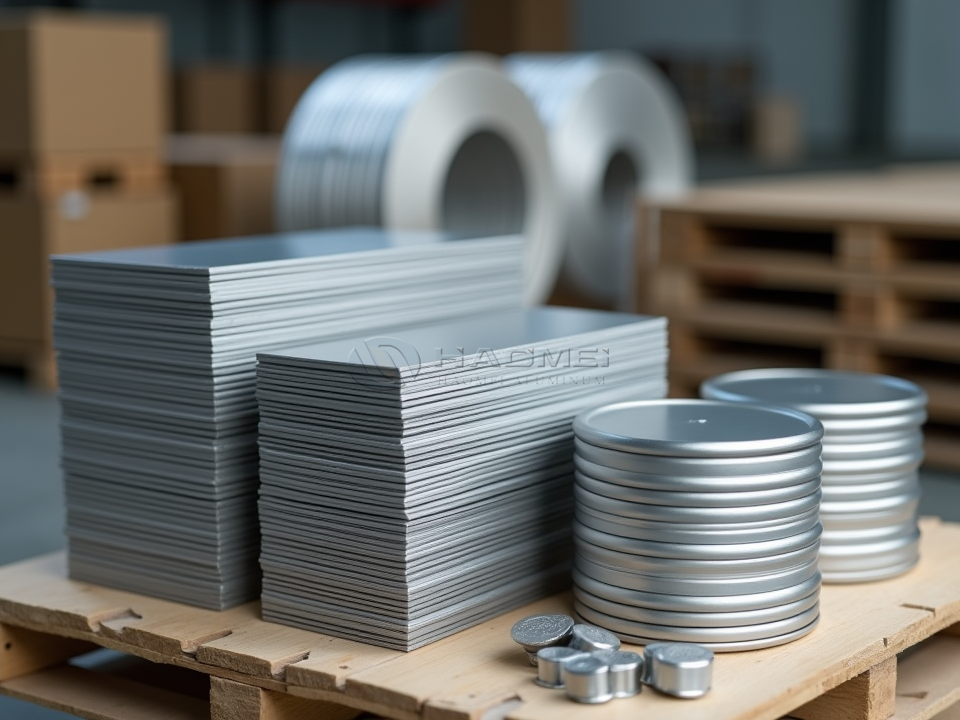
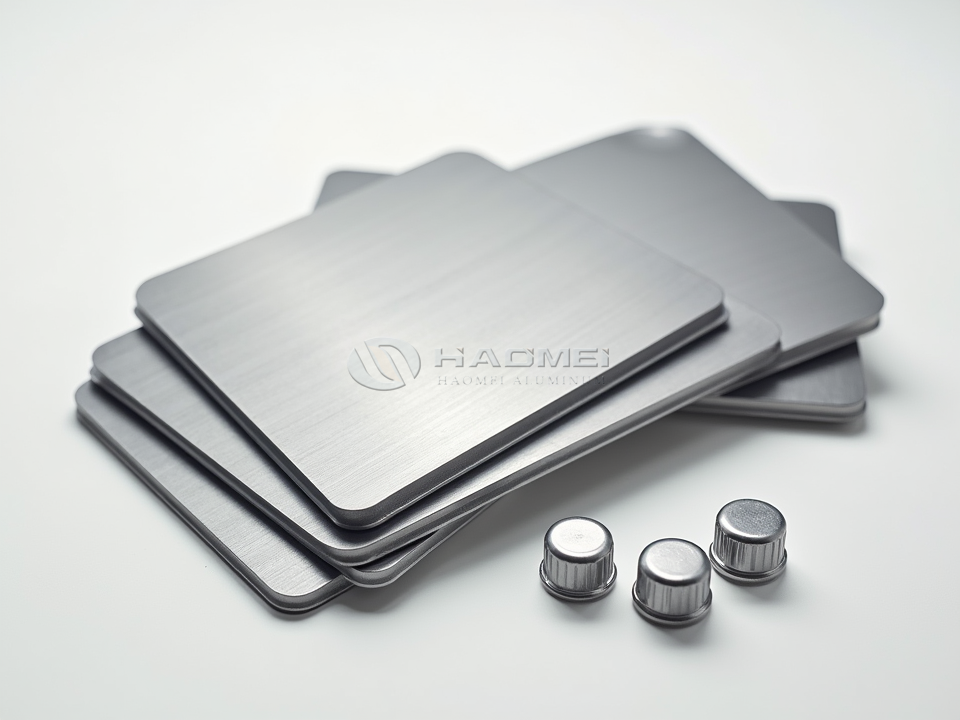
Vial Seal Aluminum Sheet Material
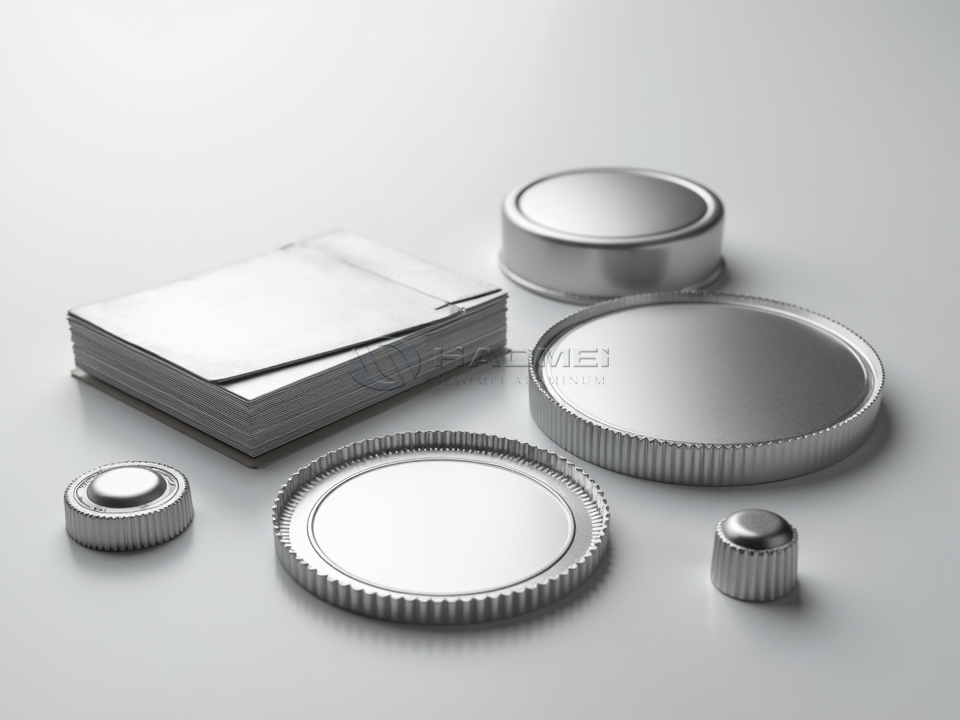
A pharmaceutical vial seal may appear to be a small aluminum component, but it performs a demanding role. It must hold a rubber stopper securely, withstand crimping without fracture, provide a clean surface for printing or coating, and retain its appearance through transport, sterilization, and use. The aluminum sheet behind this closure is therefore not simply decorative metal. It is a controlled barrier-support material engineered for reliable forming.
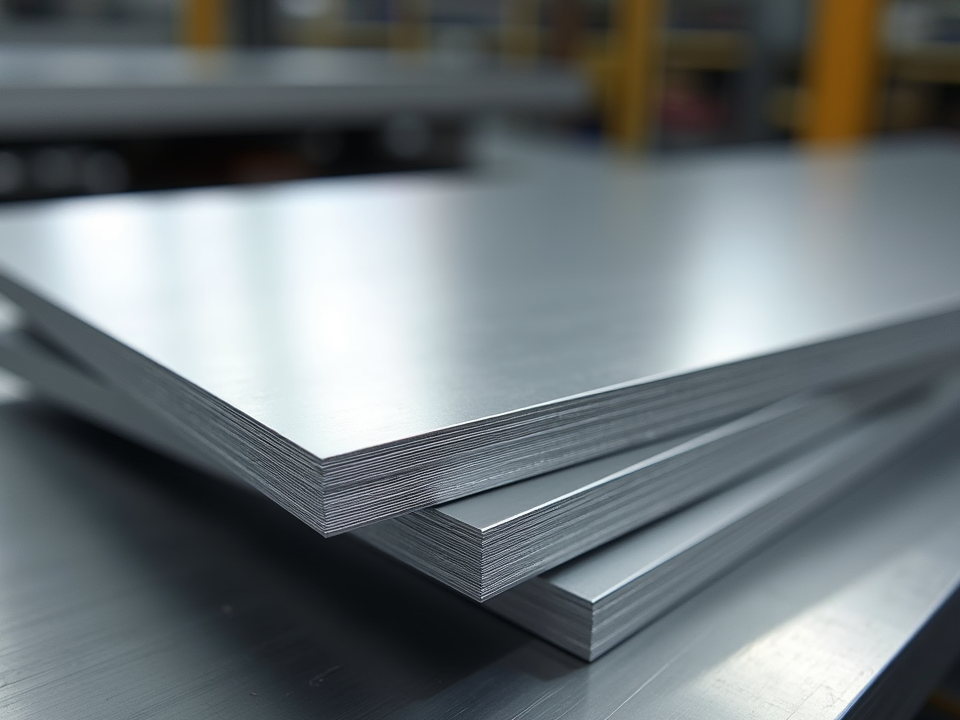
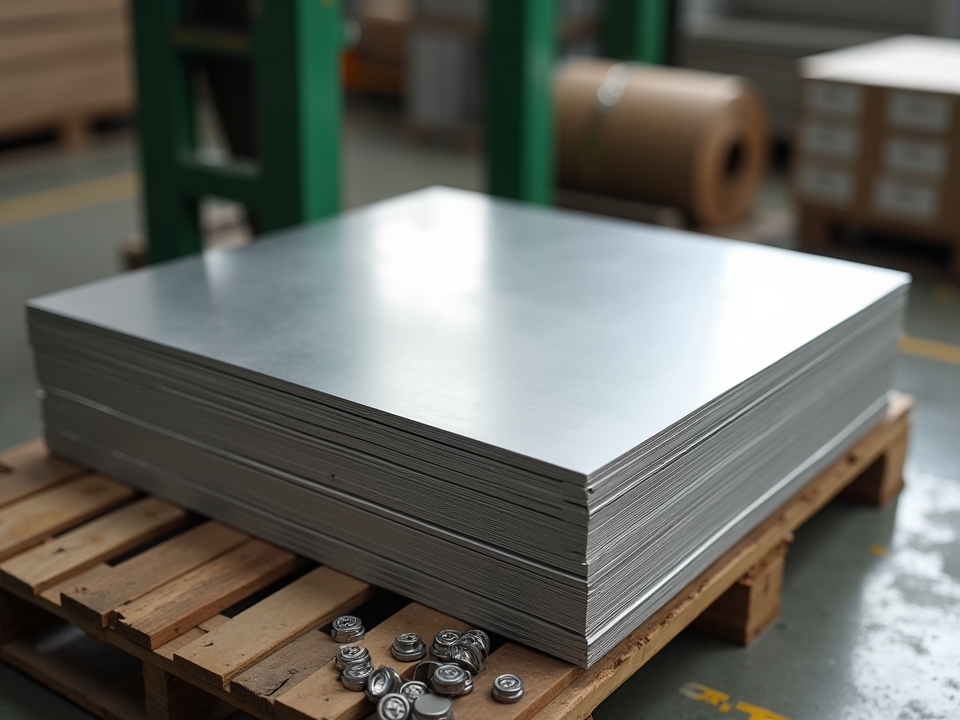
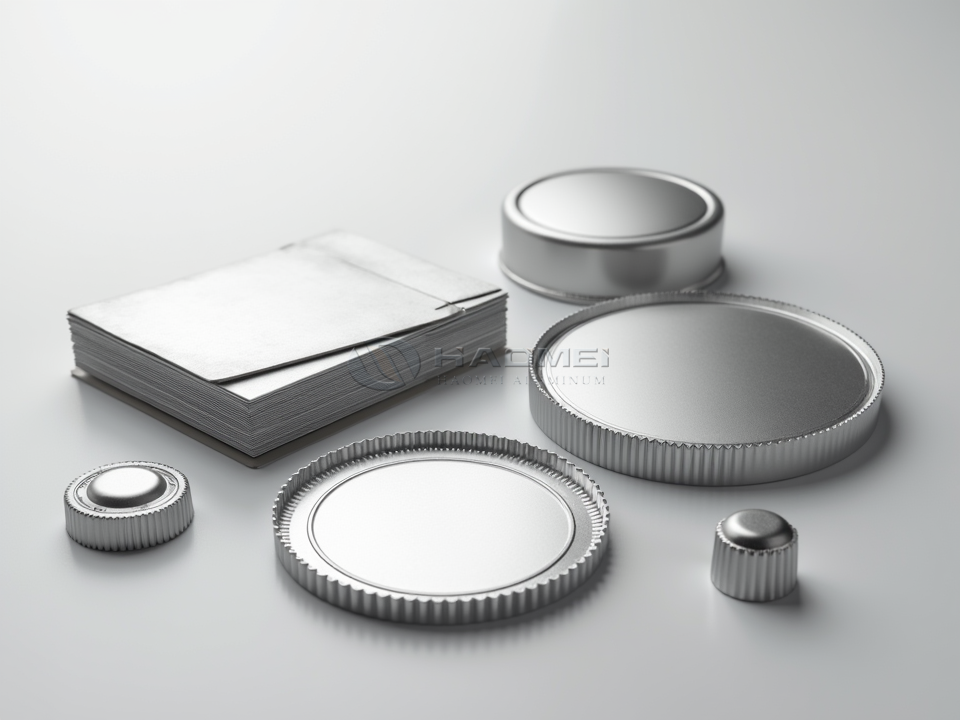
Vial seal aluminum sheet material is commonly used to produce flip-off seals, tear-off caps, injection vial overseals, and other crimped pharmaceutical closures. In the final package, aluminum does not usually contact the drug formulation directly because the elastomer stopper creates the primary interface. Even so, the sheet must be selected with pharmaceutical packaging discipline: stable chemistry, low surface defects, consistent thickness, clean rolling oil removal, and compatible protective lacquer.
The material should be judged by its crimping behavior
The most useful way to evaluate vial seal aluminum sheet is to imagine the crimping station rather than the coil warehouse. During cap production, the sheet is blanked, drawn, curled, skirted, and sometimes scored for a removable center section. During vial sealing, the aluminum skirt is compressed around the stopper and glass finish. If the sheet is too hard, it can crack at the curled edge or split near the score line. If it is too soft, the formed cap can lose definition, wrinkle, or provide uneven holding force.
For this reason, temper selection is as important as alloy selection. H14 is widely used because it offers a practical balance of strength and ductility for many vial seal designs. H16 can be selected when a closure needs greater rigidity or sharper geometry, although forming trials should confirm that the higher work-hardening level suits the cap profile. H18 is generally more suitable for products requiring higher strength and less severe drawing, rather than deep-form pharmaceutical seals.
The most commonly specified substrate is 8011 Aluminum Closure Sheet. This alloy has a fine balance of iron and silicon that supports stable rolling, adequate strength, and good processing behavior. For some closure structures, 3105 alloy is also considered, especially where extra strength and improved resistance to deformation are desired.
Typical product parameters for vial seal production
| Property | Common specification range | Practical significance |
|---|---|---|
| Alloy | 8011, 3105 | Determines formability, strength, and processing stability |
| Temper | H14, H16, H18 | Controls hardness and resistance to crimp deformation |
| Thickness | 0.18-0.30 mm | Selected according to cap diameter, skirt design, and seal force |
| Width | 200-1,300 mm | Matched to blanking and cap-making equipment |
| Coil inner diameter | 150 mm, 300 mm, 505 mm | Determined by production-line requirements |
| Surface finish | Mill finish, lacquered, printed | Supports corrosion resistance, branding, and clean handling |
| Tensile strength, 8011 H14 | Approx. 120-160 MPa | Provides controlled drawing and crimping response |
| Elongation | Typically 2% or more, subject to gauge | Helps prevent cracking during forming |
| Flatness and edge quality | Controlled by agreement | Reduces feeding problems and defective blanks |
Actual mechanical values should be confirmed on the mill test certificate and agreed according to thickness, width, temper, and applicable standard. For vial applications, narrow tolerances often matter more than a broad nominal property range. A small gauge variation can alter blanking consistency and make the crimping machine behave differently across a production run.
Chemical composition and why it matters
The chemical makeup of closure sheet affects grain structure, work hardening, corrosion behavior, and how the metal responds to rolling and forming. 8011 remains a preferred choice for vial seals because its composition supports dependable processing without making the sheet excessively rigid.
| Element | 8011 Alloy, % | 3105 Alloy, % |
|---|---|---|
| Silicon, Si | 0.50-0.90 | 0.60 max |
| Iron, Fe | 0.60-1.00 | 0.70 max |
| Copper, Cu | 0.10 max | 0.30 max |
| Manganese, Mn | 0.20 max | 0.30-0.80 |
| Magnesium, Mg | 0.05 max | 0.20-0.80 |
| Zinc, Zn | 0.10 max | 0.40 max |
| Titanium, Ti | 0.08 max | 0.10 max |
| Other elements, each | 0.05 max | 0.05 max |
| Other elements, total | 0.15 max | 0.15 max |
| Aluminum, Al | Balance | Balance |
Composition values may vary slightly with the edition of the selected material standard and contractual requirements. The higher manganese and magnesium content in 3105 gives it a different strength profile from 8011. In practical vial seal manufacturing, 8011 H14 is often favored for smooth drawing and secure crimping, while 3105 grades can serve designs that need a firmer skirt or more pronounced formed details.
Surface treatment is part of the sealing system
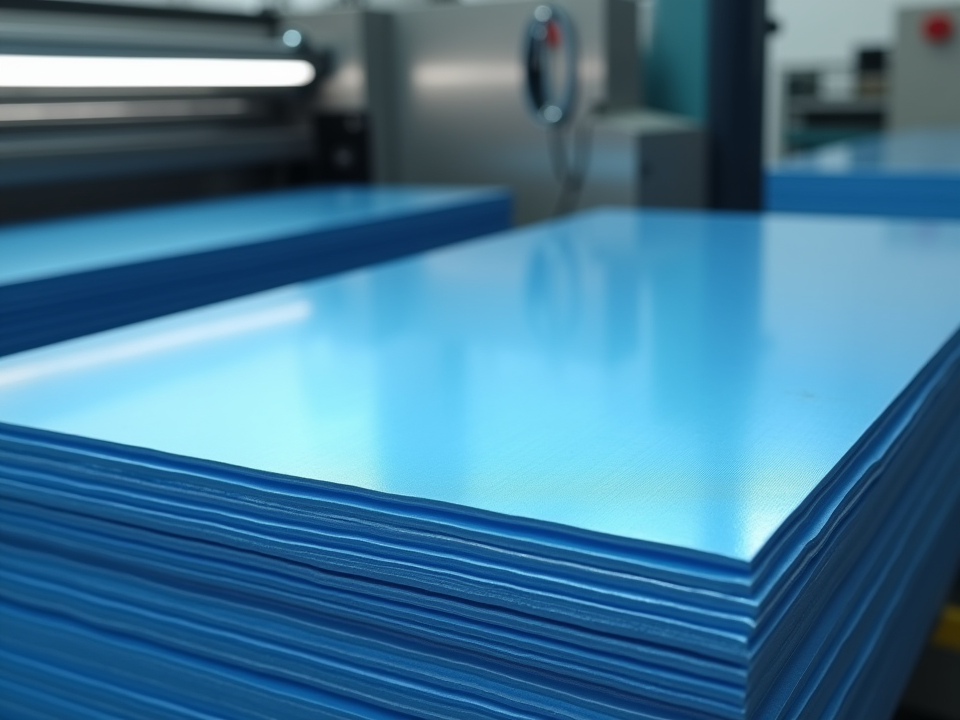
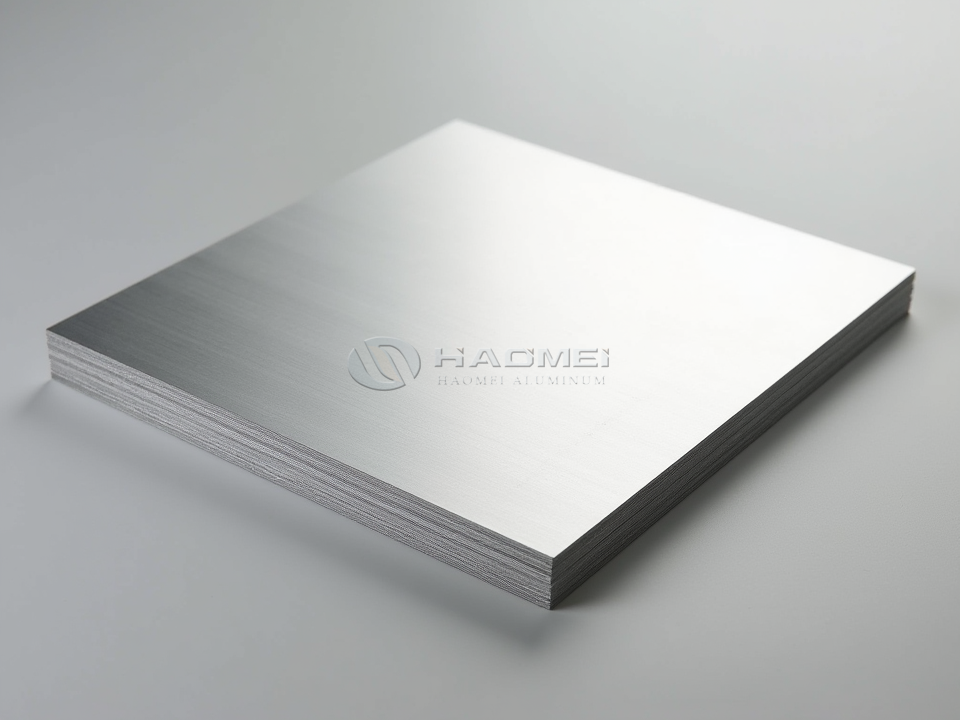
A vial seal sheet can be supplied in plain mill finish, but pharmaceutical closures frequently require coating. Clear or colored lacquer improves surface protection, supports clean presentation, and can provide a better base for printing. The coating must adhere firmly during blanking and forming. It should not flake around the scored opening, curl line, or crimped skirt.
For printed flip-off caps, the ink and lacquer system should resist abrasion while retaining legibility after transport. Coating selection also needs to consider sterilization conditions, such as autoclave exposure, where relevant. Heat, steam, condensation, and handling can challenge a decorative system that looks satisfactory before conversion but fails after real packaging conditions.
A properly specified Aluminum Closure Sheet should have a clean, oil-controlled surface without scratches, edge cracks, pinholes, severe roll marks, or color inconsistency. For pharmaceutical projects, buyers may also request controlled coil joints, protected coil wrapping, traceable batch identification, and inspection records for thickness, width, surface quality, and mechanical performance.
Standards and quality expectations
Material compliance is usually built around aluminum sheet standards and pharmaceutical packaging quality systems. ASTM B209 covers aluminum and aluminum-alloy sheet and plate. EN 485 provides requirements related to tolerances and mechanical properties for wrought aluminum sheet. GB/T 3880 is also commonly referenced for aluminum and aluminum-alloy sheets and strips.
For pharmaceutical packaging operations, ISO 15378 is highly relevant because it combines ISO 9001 quality management principles with Good Manufacturing Practice requirements for primary packaging materials for medicinal products. This standard does not replace alloy specifications, but it strengthens control over traceability, contamination prevention, change management, and documented quality assurance.
Choosing material for a stable vial closure line
The best vial seal aluminum sheet material is not always the strongest or the lowest-cost coil. It is the coil that forms consistently at production speed, maintains a neat crimp around the stopper, accepts the required lacquer or print, and arrives with dependable lot-to-lot properties. A specification should therefore state alloy, temper, thickness tolerance, width tolerance, coil dimensions, surface condition, coating system, color requirement, and applicable inspection standard.
When these details are aligned, the aluminum sheet becomes nearly invisible in the finished package, which is exactly its purpose. The patient sees a clean seal, the filling line sees stable performance, and the pharmaceutical producer gains confidence that a small metal closure is helping protect a much more valuable product.