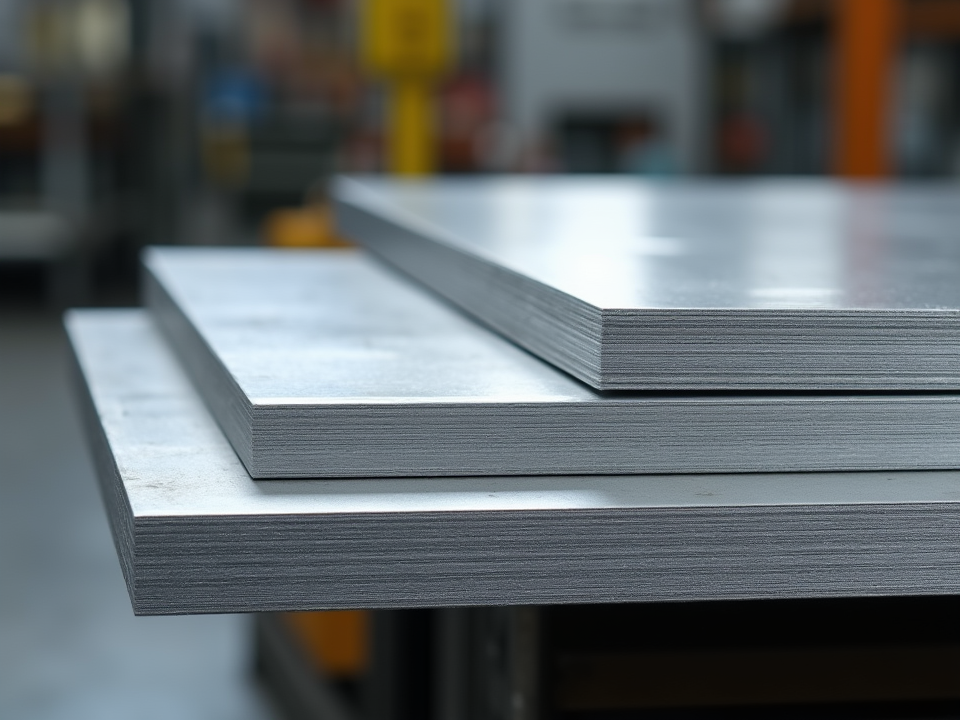
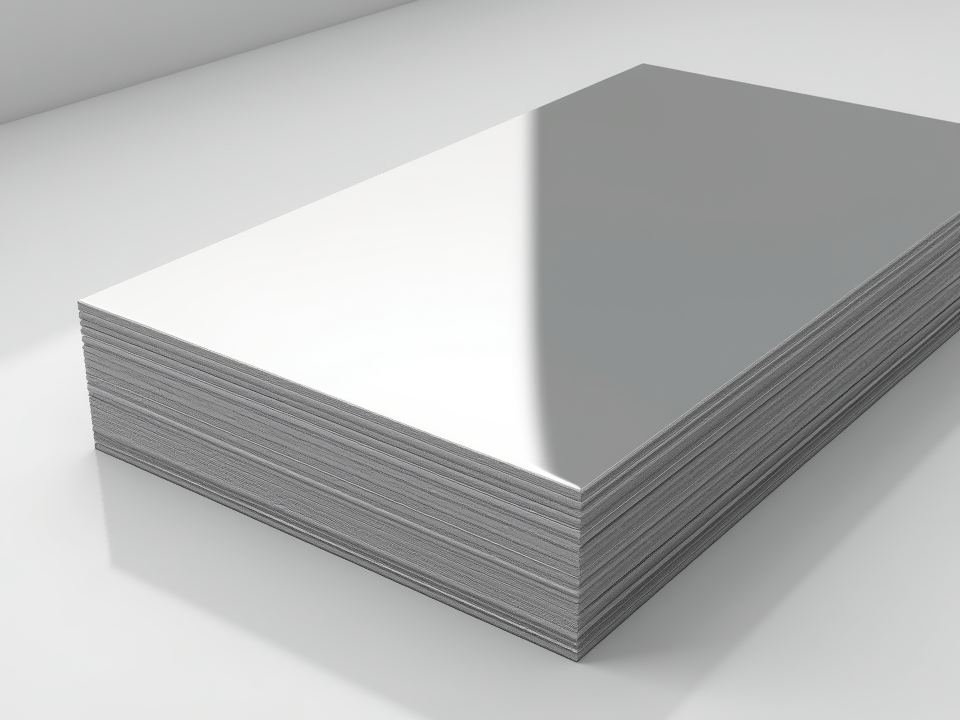
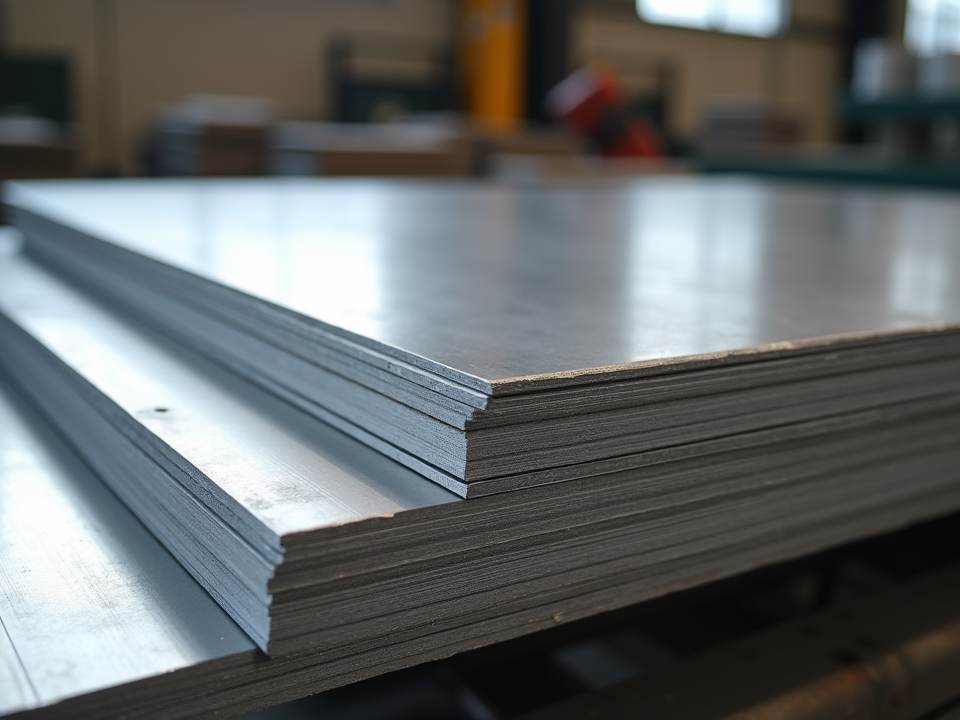
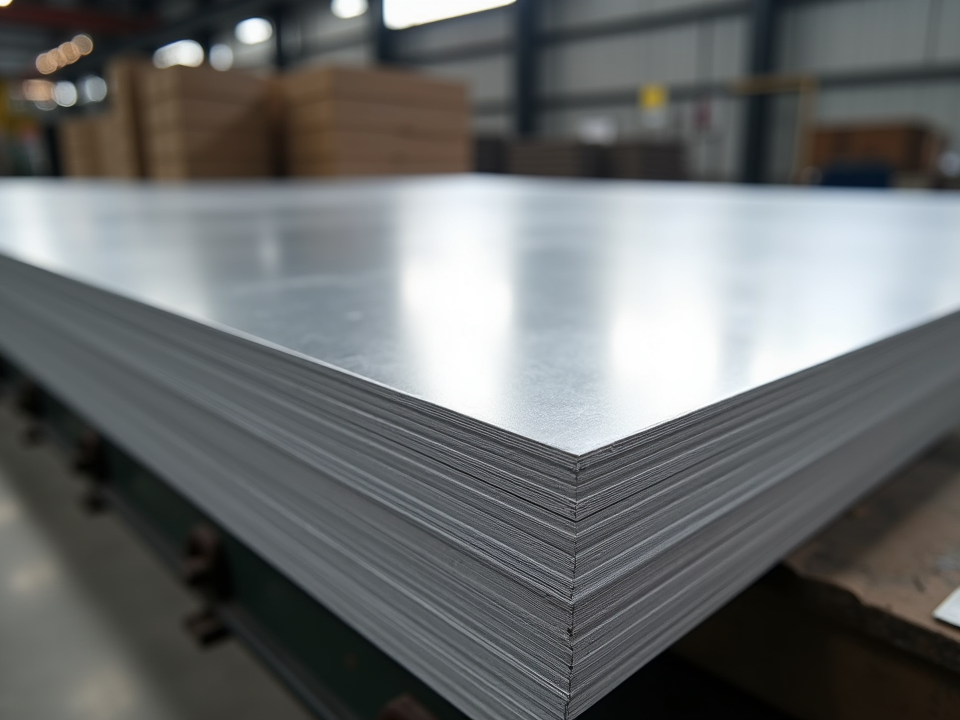
Epoxy Coated Closure Aluminum Sheet
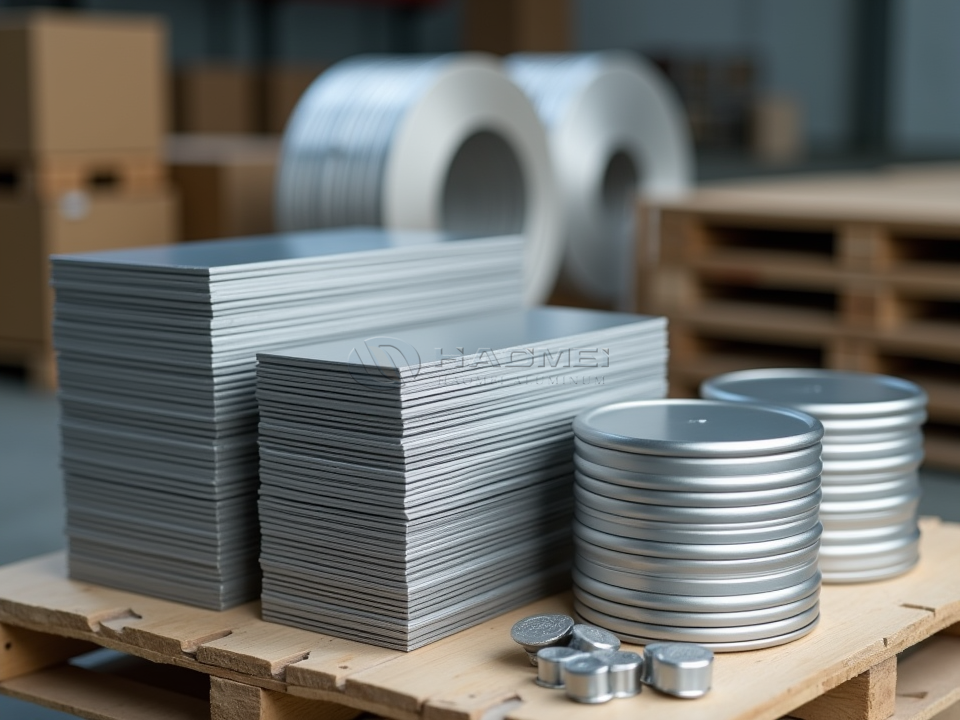
A bottle cap may be small, but it performs a demanding job. It must form cleanly at high speed, grip the bottle finish securely, resist scratches during transport, and avoid affecting the flavor or appearance of the packed product. From this practical viewpoint, epoxy coated closure aluminum sheet is not merely a painted metal coil. It is a working interface between the beverage, the cap, the liner system, and the production line.
The aluminum gives the closure its formability and lightweight strength. The epoxy coating adds a controlled protective layer that helps the metal withstand contact with moisture, acids, alcohol, oils, and other filling environments. When the coating is selected and cured correctly, the cap can retain a clean internal surface from conversion through filling, distribution, and consumer use.
Why the Internal Coating Matters More Than It Looks
The most visible side of a closure often receives the attention: color, gloss, printing, embossing, and brand identity. Yet the less visible inner surface may have a greater effect on pack performance. It faces condensation, product vapor, possible splashing during filling, and prolonged storage conditions. Bare aluminum can be suitable in some applications, but many closure systems benefit from a protective lacquer layer engineered for the intended contents.
Epoxy coated closure aluminum sheet is commonly used where dependable adhesion, chemical resistance, and film continuity are required. The cured epoxy film acts as a barrier between the aluminum substrate and the closure environment. This can help reduce staining, corrosion risk, and potential interaction between the metal surface and the packaged liquid.
For beverage, food, pharmaceutical, cosmetic, and chemical packaging, the coating should never be chosen by appearance alone. A bright, smooth coating is desirable, but the practical question is whether it remains intact after blanking, drawing, threading, knurling, and capping. A coating that looks excellent on a flat sheet but fractures at a cap skirt is not a dependable packaging solution.
The Sheet Must Form Without Damaging the Film
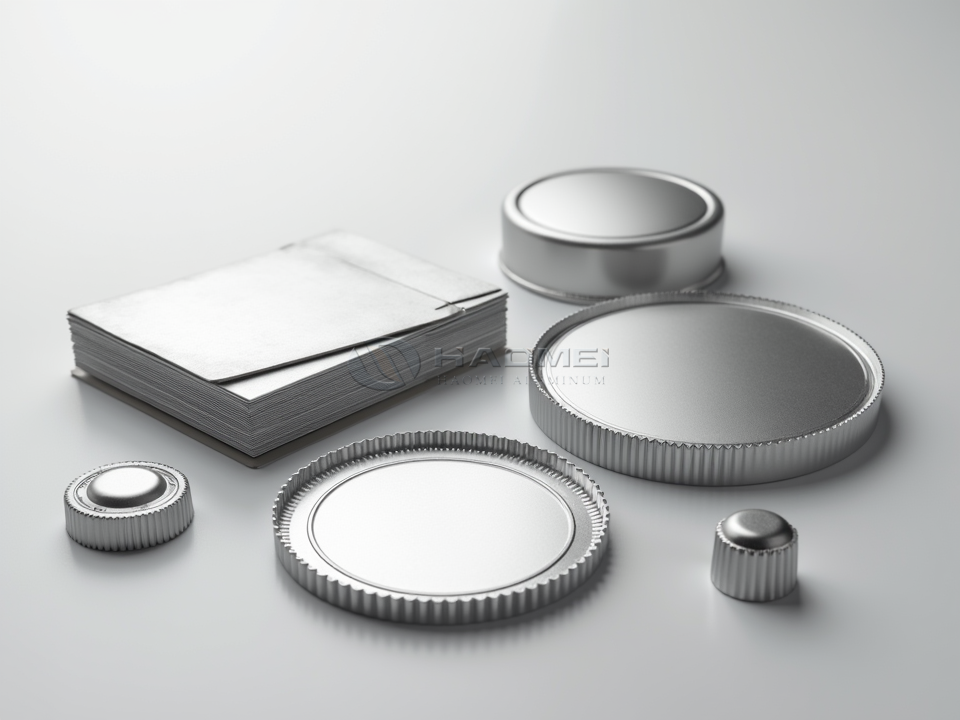
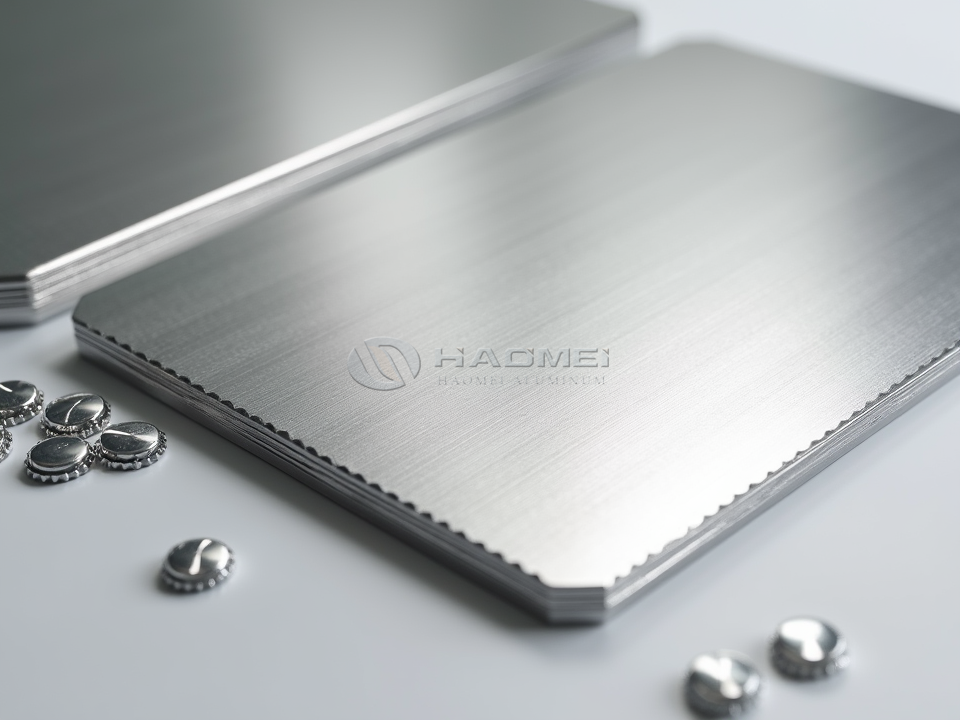
Closure stock is typically converted through rapid mechanical operations. The sheet is blanked into discs, drawn into shells, shaped around the sidewall, and sometimes threaded or fitted with tamper-evident features. During these processes, the aluminum and coating stretch together.
That is why coating flexibility matters. An epoxy system must have sufficient adhesion to remain anchored to the substrate and sufficient elasticity to tolerate deformation. The balance is delicate. A film that is excessively hard may crack at high-strain points. A film that is too soft may scuff, block during coil handling, or lose resistance in the packed environment.
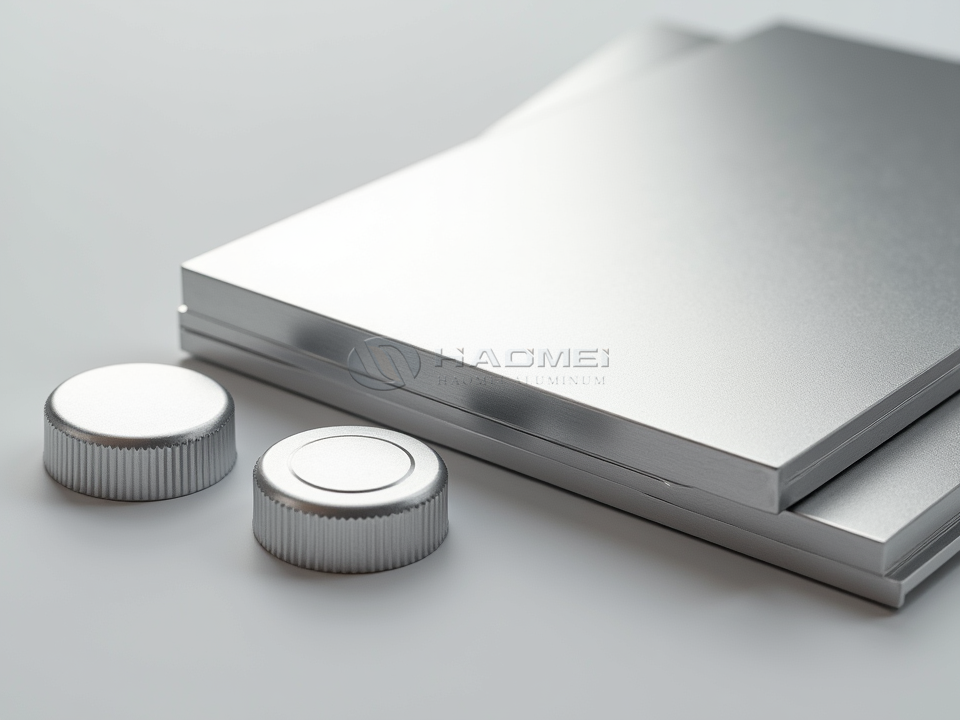
The aluminum alloy and temper also influence this result. Options such as 8011 Aluminum Closure Sheet are widely selected for closure production because they offer suitable forming behavior, surface quality, and process consistency. In other applications, 3105-series material may be preferred when the converter needs a different combination of strength and drawability.
Thickness must be matched to the closure design rather than copied from another project. Thin-gauge stock can improve material efficiency, while a more robust gauge may be needed for larger diameters, deeper drawing, premium cap geometry, or demanding handling conditions. The correct choice depends on the cap profile, tooling, line speed, liner design, and expected top-load performance.
Epoxy Coating Is a System, Not a Single Specification
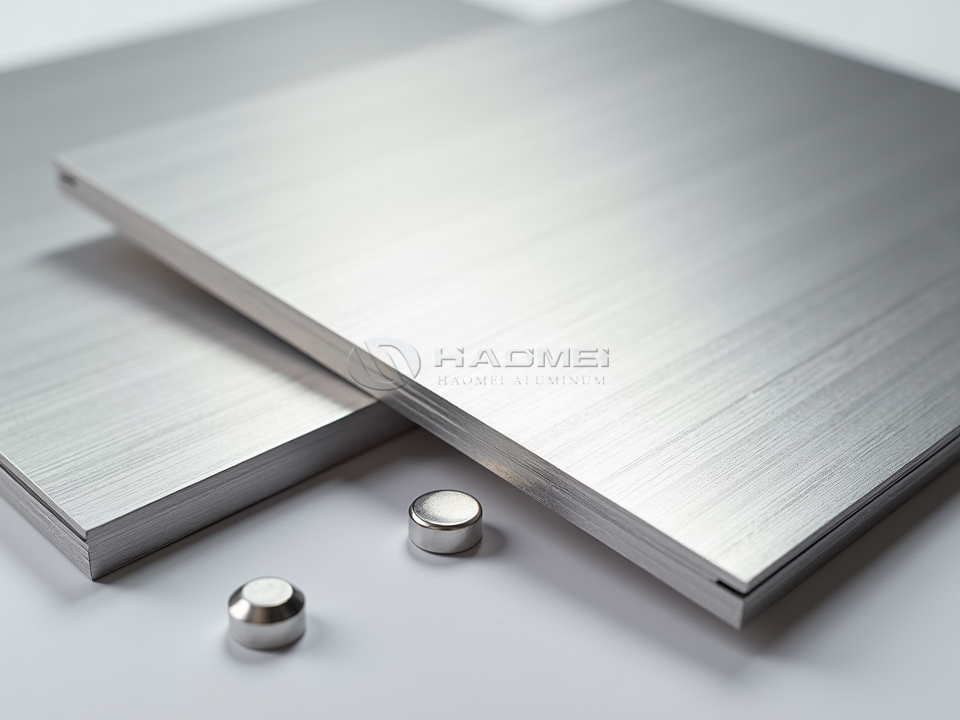
Customers sometimes request "epoxy coated aluminum" as if one coating suits every package. In reality, an effective specification considers the entire closure system. The coating side, color, dry-film weight, curing condition, adhesion level, and intended product contact all deserve attention.
The inner coating is usually designed around protection and compatibility. The outer surface may remain mill finish, receive a clear protective lacquer, or be finished with colored coatings and printed decoration. In a branded cap, the exterior must tolerate decoration and handling, while the interior must provide reliable functional protection. These surfaces can have different jobs and should be evaluated separately.
Curing is especially important. Epoxy coatings achieve their intended properties through a controlled bake cycle. Under-curing may leave insufficient chemical resistance or poor adhesion. Excessive baking can make a film overly brittle or alter its forming response. Consistent coil-coating control helps ensure that one section of the coil performs like the next, which is valuable for converters running long, uninterrupted production campaigns.
For regulated applications, coating selection should be confirmed against the destination market, end-use conditions, and product-contact requirements. A customer filling acidic juice, carbonated drinks, edible oil, spirits, or pharmaceutical products may need different validation work. Migration testing, sensory evaluation, corrosion checks, and cap-forming trials should be part of project approval where applicable.
Evaluate the Material at the Factory Floor, Not Only in the Laboratory
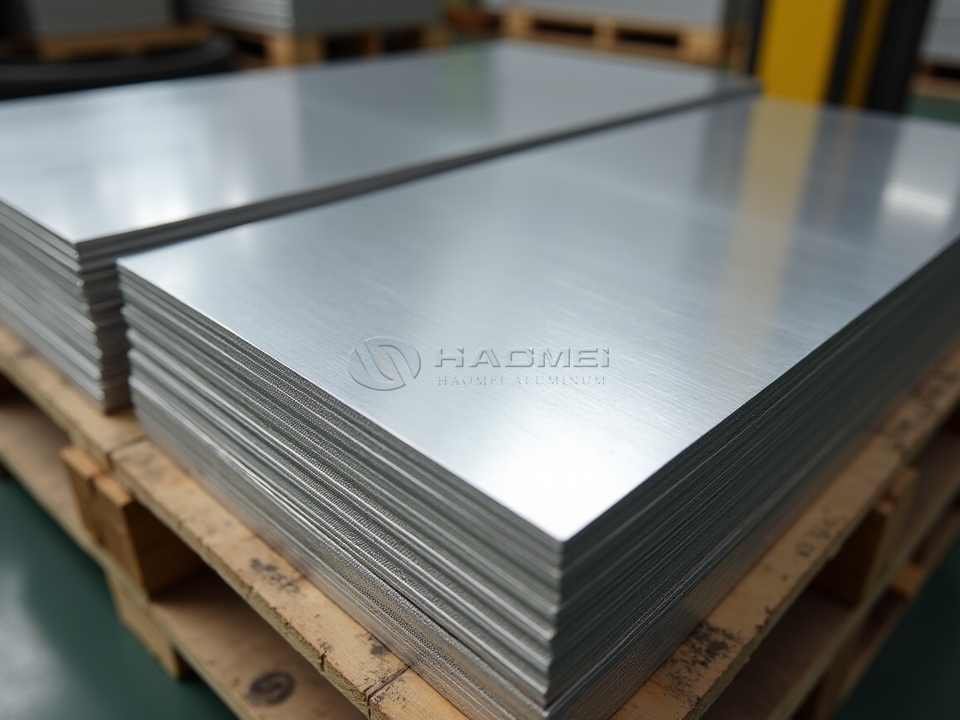
Laboratory tests are useful, but cap makers benefit most when material performs steadily in real production. A practical evaluation starts with coil flatness and surface cleanliness. Poor flatness can disturb feeding. Residual contamination can affect coating adhesion or printing. Uneven coating application may show up later as inconsistent gloss, patchy corrosion resistance, or variable friction during conversion.
The next check is forming behavior. After drawing and threading, inspect high-deformation zones under suitable magnification. The goal is to find coating splits, whitening, flaking, or exposed metal before full production begins. Cross-hatch adhesion tests, bend tests, solvent rub checks, and product-specific immersion evaluations can reveal different aspects of coating quality.
Cap makers should also examine how the coated sheet works with liners and sealing compounds. The cap is only one part of the seal. A well-coated aluminum shell cannot compensate for an unsuitable liner, poorly controlled application torque, or an incompatible bottle finish. Good packaging performance comes from matching each component rather than expecting one material to solve every issue.
For businesses requiring decorated caps, Printed Aluminum Closure Sheet can combine exterior branding potential with closure-grade substrate performance. The print and protective varnish system should be considered alongside the internal epoxy lacquer, particularly when caps will be transported in bulk or exposed to humid storage conditions.
Buying Guidance That Prevents Expensive Surprises
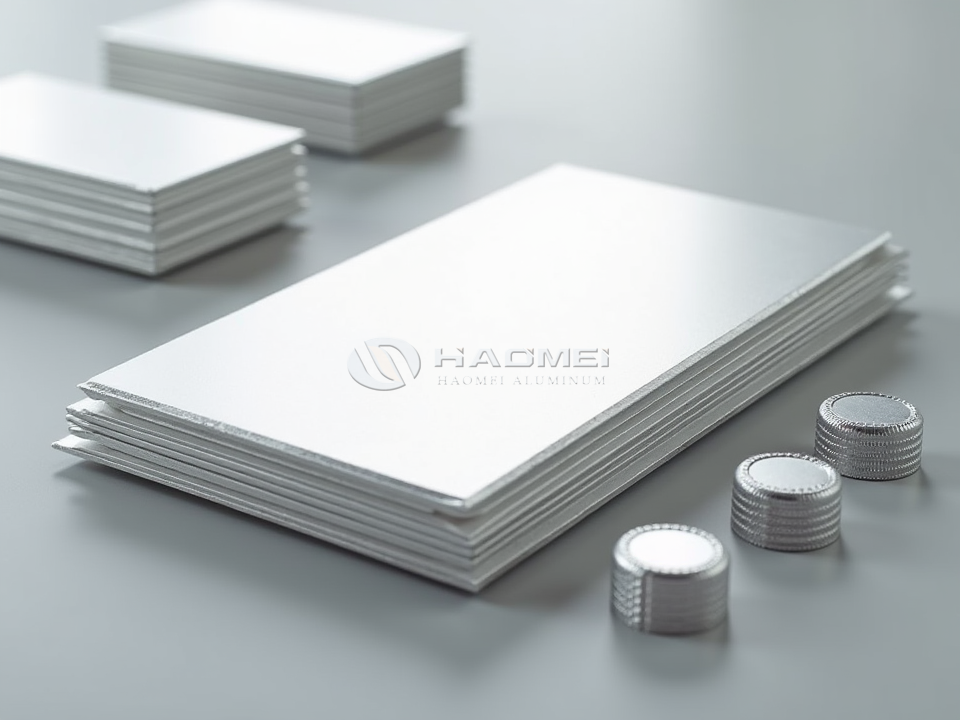
The most useful purchase inquiry includes more than alloy and thickness. It should identify the cap type, end application, approximate cap diameter, conversion process, intended contents, coating requirement on each side, decoration needs, and target market. This information allows the aluminum sheet and coating system to be matched to the actual task.
It is also sensible to request trial coils before approving large-volume supply, especially when changing suppliers, coatings, cap geometry, or product formulation. A trial should pass through the customer's own blanking, drawing, threading, lining, filling, and storage conditions. This approach detects problems at the lowest possible cost, before a coil becomes thousands of unusable caps.
Epoxy coated closure aluminum sheet earns its value in the moments customers rarely see: when a cap draws without cracking, when its internal surface remains stable through storage, and when the product reaches the consumer with its flavor, seal, and presentation intact. That quiet reliability is what makes the right coated aluminum sheet a serious packaging material rather than simply a decorative metal surface.