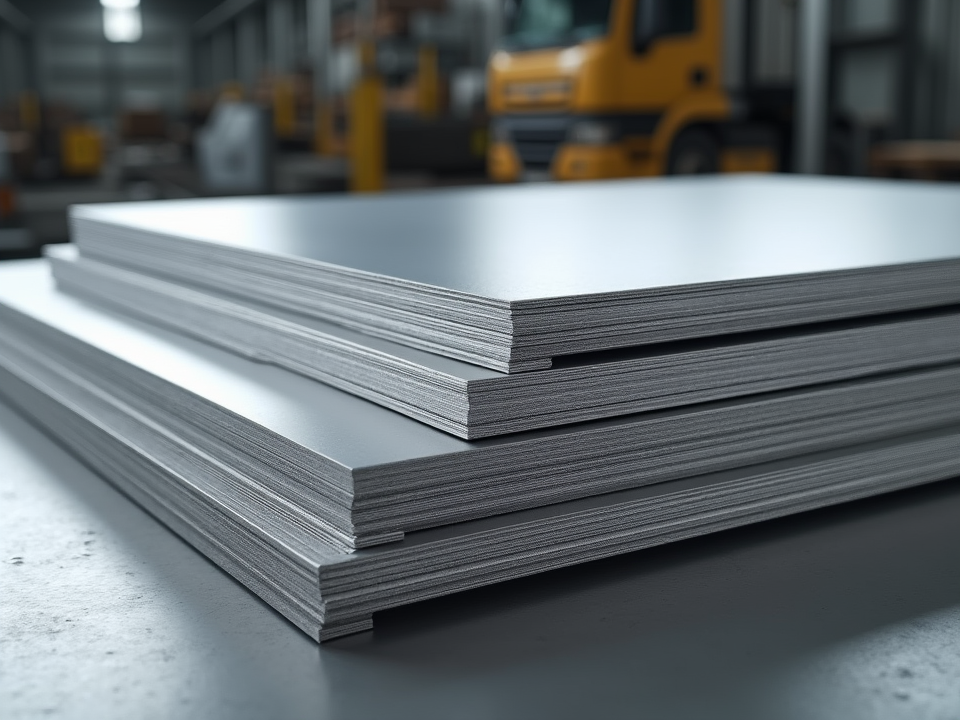
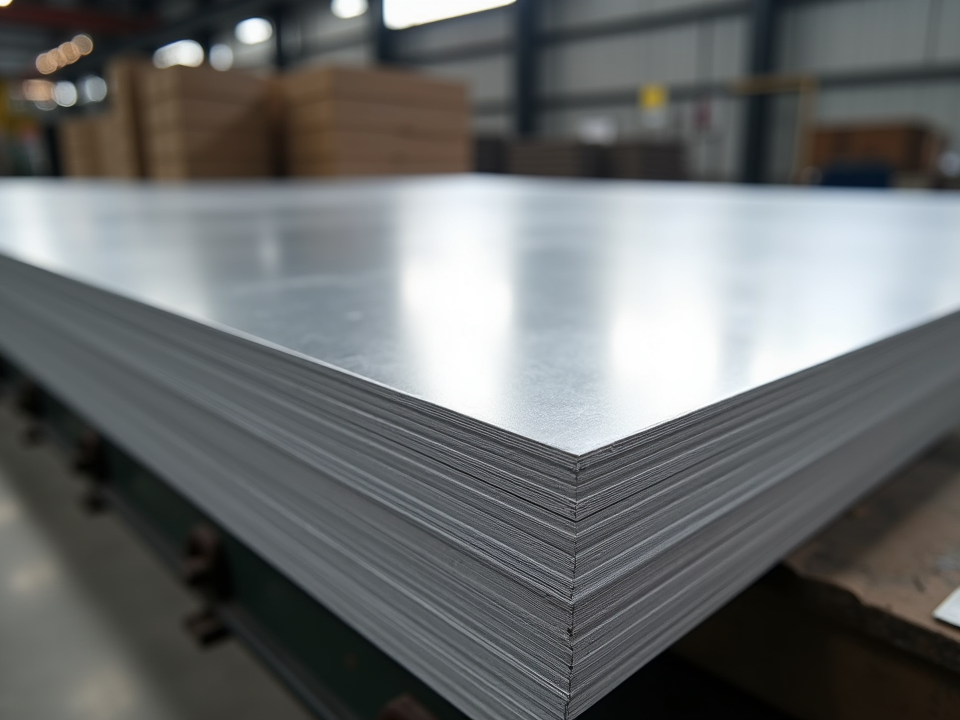
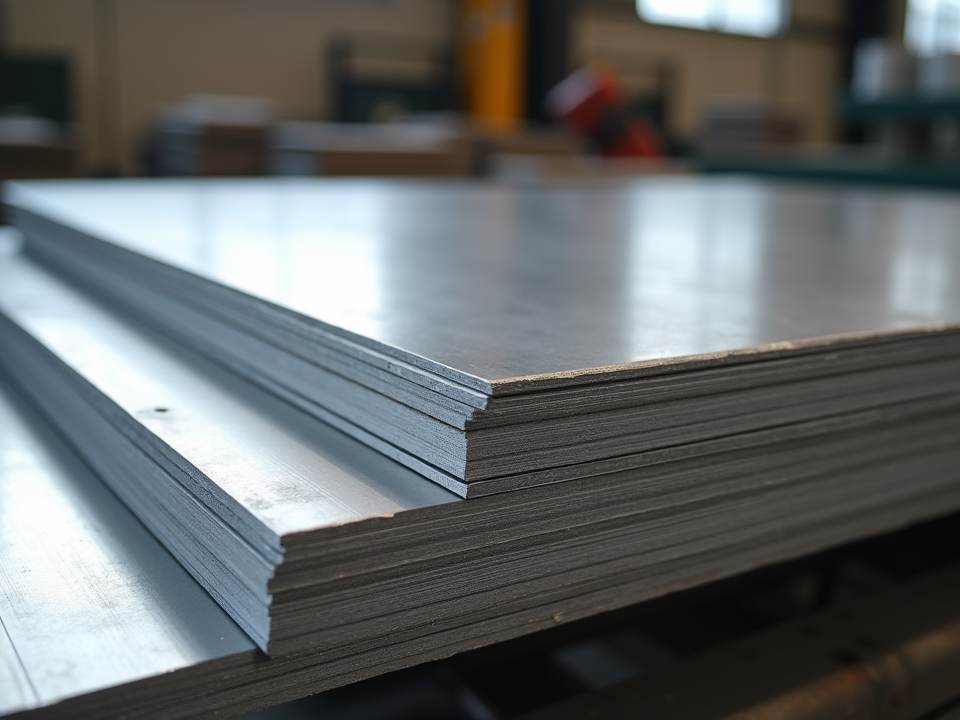
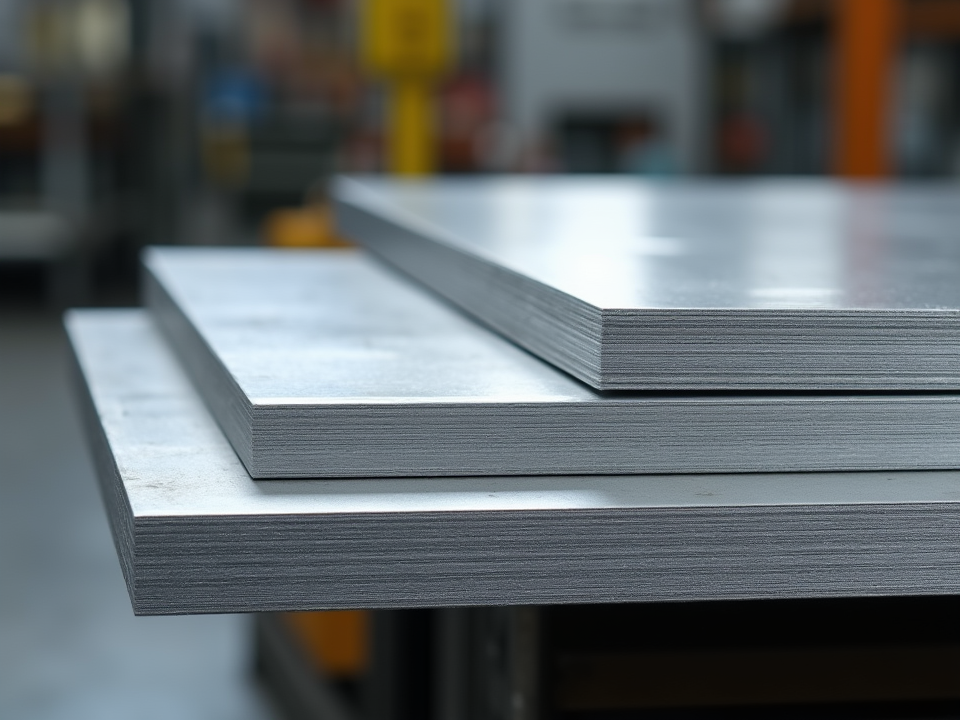
8011 H14 Aluminum Cap Sheet
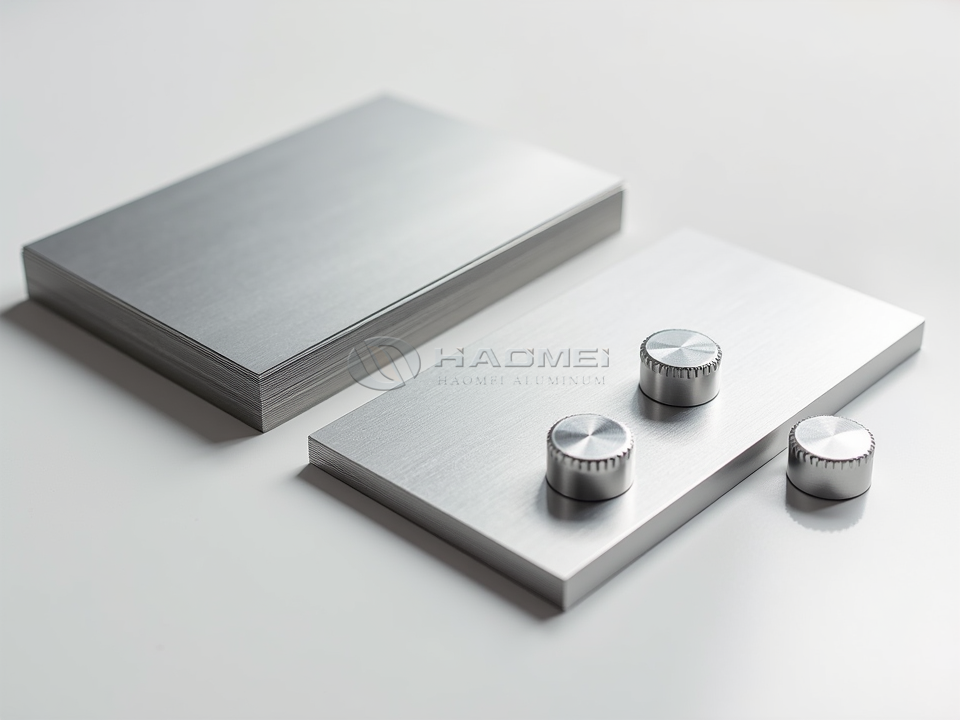
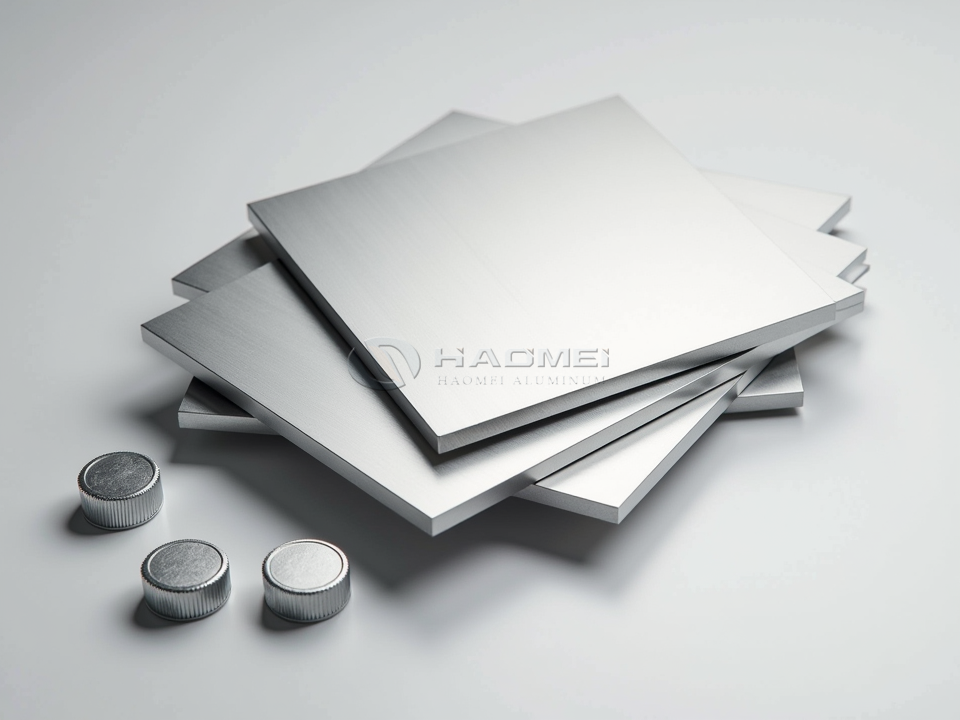
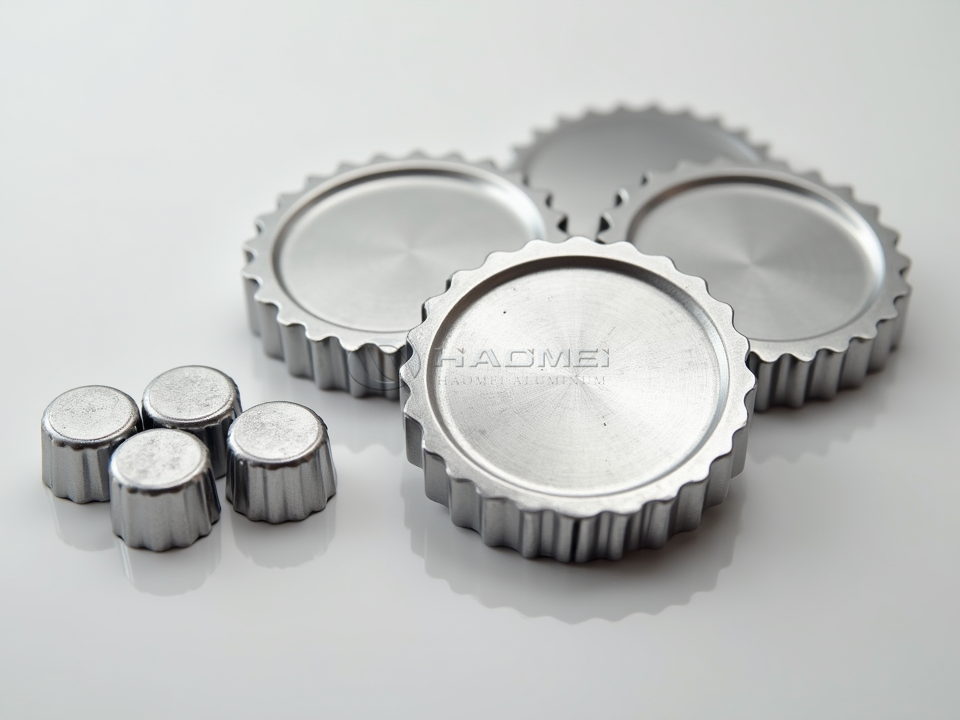
8011 H14 aluminum cap sheet is a rolled aluminum product engineered for manufacturing bottle closures, pilfer-proof caps, screw caps, pharmaceutical caps, and cosmetic packaging components. Combining the 8011 alloy with the H14 temper creates a practical balance of moderate strength, ductility, surface quality, and stamping stability. It is widely selected where cap shells must be drawn, threaded, embossed, printed, or lacquered without cracking or excessive wrinkling.
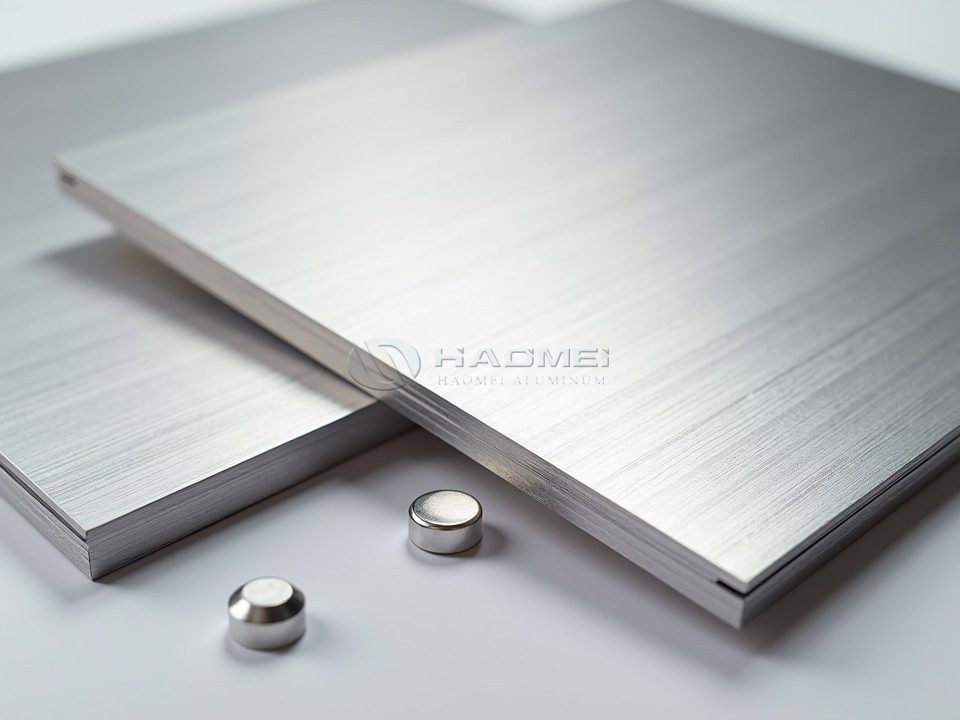
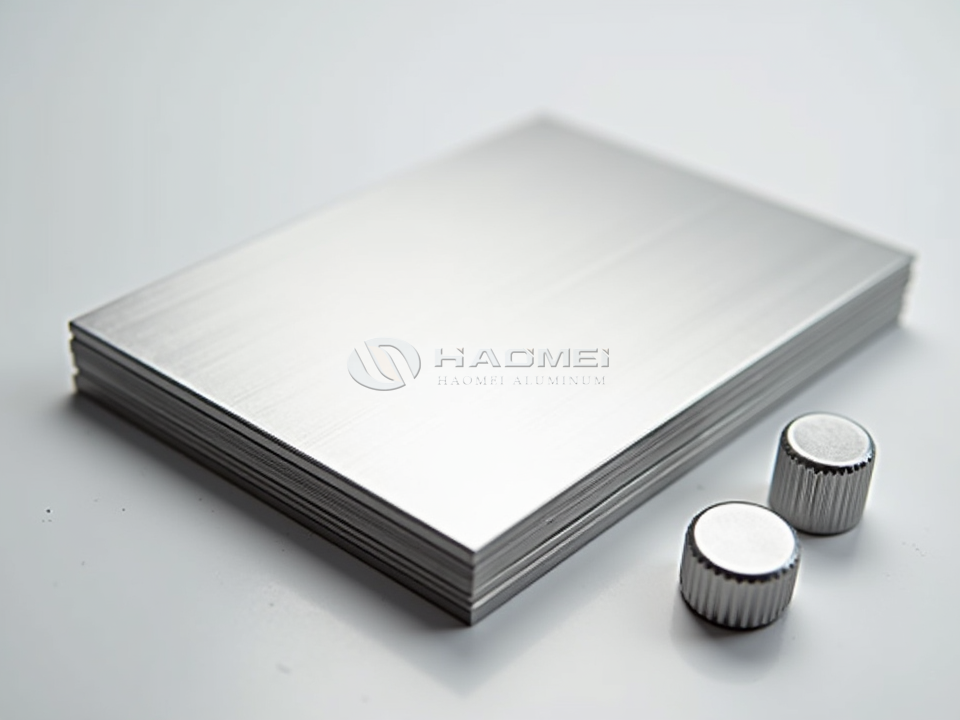
The sheet is normally supplied in coil or cut-sheet form. Its clean, even surface supports decorative printing and coating, while its controlled mechanical properties help closure makers maintain consistent cap geometry during high-speed conversion. For beverage, spirits, edible oil, medicine, and personal-care packaging, 8011 H14 aluminum cap sheet provides a lightweight, recyclable, and visually refined metal substrate.
Material Characteristics
The H14 temper means the material has been strain-hardened to a half-hard condition. Compared with soft annealed aluminum, H14 offers greater resistance to deformation during handling and cap production. At the same time, it retains sufficient formability for conventional deep drawing, knurling, threading, and skirt shaping processes.
| Property | Performance Benefit for Cap Production |
|---|---|
| Moderate H14 hardness | Helps cap shells retain shape after drawing and forming |
| Good elongation | Reduces risk of edge cracking during stamping and necking |
| Fine surface condition | Supports painting, printing, embossing, and protective lacquering |
| Low density | Reduces packaging weight and transport cost |
| Natural corrosion resistance | Protects the metal substrate in humid storage environments |
| High thermal conductivity | Supports stable baking and coating-curing operations |
| Excellent recyclability | Enables recovery and reuse within aluminum recycling streams |
8011 alloy contains aluminum as the primary element, with iron and silicon providing the alloying effect needed for strength and processing behavior. Trace additions are controlled to maintain reliable rolling quality and a smooth closure-grade surface.
Chemical Composition
| Element | Typical Specified Limit, % by Weight |
|---|---|
| Silicon, Si | 0.50-0.90 |
| Iron, Fe | 0.60-1.00 |
| Copper, Cu | 0.10 max |
| Manganese, Mn | 0.20 max |
| Magnesium, Mg | 0.05 max |
| Zinc, Zn | 0.10 max |
| Titanium, Ti | 0.08 max |
| Other elements, each | 0.05 max |
| Other elements, total | 0.15 max |
| Aluminum, Al | Balance |
Chemical limits can be adjusted according to the governing standard, customer agreement, and end-use approval requirements.
Technical Specifications
8011 H14 aluminum cap sheet is made with closely controlled gauge, width, flatness, and coil geometry. These factors directly influence blanking yield, die performance, decoration quality, and cap assembly efficiency.
| Specification | Common Range or Condition |
|---|---|
| Alloy | AA 8011 |
| Temper | H14 |
| Product form | Coil, slit coil, or cut sheet |
| Thickness | 0.16-0.30 mm |
| Common closure thickness | 0.18-0.23 mm |
| Width | 200-1,300 mm |
| Coil inner diameter | 150 mm, 300 mm, 505 mm, or as agreed |
| Coil outer diameter | According to equipment and shipping limits |
| Surface | Mill finish, degreased, coated, lacquered, or printed |
| Edge condition | Mill edge or trimmed edge |
| Flatness | Suitable for closure blanking and forming |
| Rolling direction | Identified upon request for conversion planning |
| Standards | EN, ASTM, GB, or customer-specific requirements |
| Mechanical Property | Typical H14 Performance* |
|---|---|
| Tensile strength | 110-145 MPa |
| Yield strength | 90 MPa min, typical range varies by gauge |
| Elongation | 2-8% |
| Hardness | Suitable for half-hard closure stock |
| Density | Approx. 2.71 g/cm³ |
| Melting range | Approx. 640-655°C |
Mechanical values are indicative. Final figures depend on thickness, production route, testing direction, and applicable material standard.
Surface and Coating Options
A cap sheet must do more than meet strength requirements. Its surface needs to remain free from defects that could become visible after printing or interfere with coating adhesion. Closure-grade 8011 H14 material can be prepared for a broad range of finishing systems.
| Surface Option | Typical Purpose |
|---|---|
| Mill finish | Used when the converter applies downstream treatment |
| Degreased surface | Improves cleanliness before coating or printing |
| Clear protective lacquer | Provides additional barrier protection and brightness retention |
| Colored coating | Creates a consistent decorative base color |
| Food-contact internal lacquer | Helps isolate aluminum from packaged contents where required |
| Printed decoration | Supports branding, graphics, text, and premium shelf presentation |
| Lubricated surface | Can assist demanding stamping and forming operations |
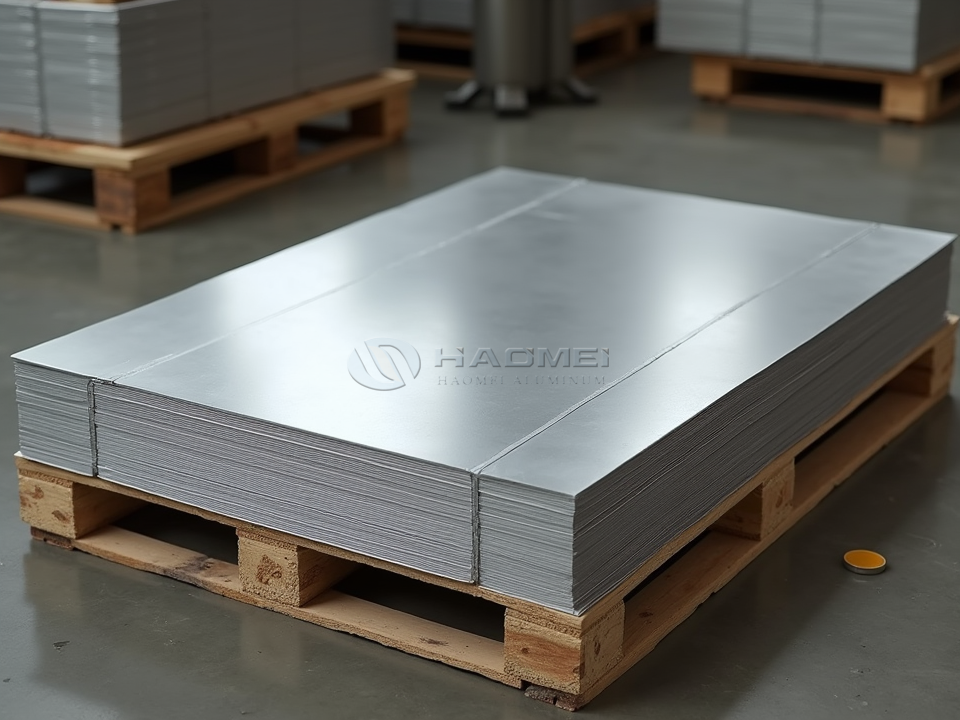
For branded packaging, coating adhesion and color consistency are often as important as gauge tolerance. The substrate should be evaluated together with the selected ink, varnish, curing schedule, and forming method. A well-matched system reduces scuffing, coating fracture, and visual variation on the finished closure.
Typical Applications
8011 H14 aluminum cap sheet is suitable for closure systems that require controlled drawing performance and dependable finished-cap rigidity.
| Application | Material Function |
|---|---|
| ROPP wine and spirits caps | Forms threaded, tamper-evident aluminum shells |
| Beverage bottle closures | Provides lightweight shells for water, juice, and soft-drink packaging |
| Pilfer-proof caps | Supports tear bands, bridges, knurling, and secure opening features |
| Pharmaceutical caps | Offers a clean metal base for medicine and healthcare packaging |
| Cosmetic closures | Enables decorative anodized, painted, or printed cap designs |
| Food and edible oil caps | Used for closures requiring corrosion-conscious surface treatment |
| PP cap aluminum shells | Serves as an exterior aluminum layer for composite closure designs |
For products designed around polypropylene closure systems, 8011 H14 Aluminum Sheet for PP Caps can be selected with dimensions and surface preparation suited to composite cap processing.
Processing Performance
During closure conversion, 8011 H14 aluminum cap sheet is commonly blanked into discs, deep drawn into shells, trimmed, curled, knurled, threaded, and decorated. Stable coil properties help converters reduce press interruptions and maintain a consistent appearance across production lots.
| Processing Stage | Expected Material Behavior |
|---|---|
| Blanking | Clean disc edges with appropriate tool clearance |
| Drawing | Balanced metal flow for cap-shell formation |
| Thread rolling | Adequate strength for defined thread profiles |
| Knurling | Supports textured grip patterns and tamper-band features |
| Embossing | Allows logos and decorative details with controlled depth |
| Coating and printing | Smooth surface assists uniform film and ink application |
| Curing | Aluminum remains dimensionally stable under standard coating bake cycles |
Successful conversion depends on coordinated control of blank diameter, lubrication, die radius, press speed, and coating system. Material selection should therefore be confirmed through production trials when cap geometry is unusually deep, heavily embossed, or highly decorative.
Quality Control and Packaging
Quality inspection commonly includes chemical analysis, thickness measurement, width verification, tensile testing, surface examination, edge inspection, and coil-shape checks. For coated stock, additional evaluation may include coating weight, adhesion, cure response, color consistency, and resistance to forming damage.
| Inspection Item | Quality Focus |
|---|---|
| Thickness tolerance | Consistent drawing behavior and finished cap height |
| Width tolerance | Reliable slitting, blanking, and material utilization |
| Surface inspection | Reduced risk of scratches, oil marks, roll marks, and staining |
| Coil shape | Smooth feeding through high-speed processing equipment |
| Mechanical testing | Confirmation of H14 forming and strength balance |
| Coating evaluation | Decoration durability and post-forming adhesion |
Coils are generally protected with moisture-resistant packaging, edge guards, protective interleaving where required, and secure export-grade palletization. Storage should be dry, ventilated, and protected from condensation to preserve the surface condition before conversion.
Selection Guidance
When specifying 8011 H14 aluminum cap sheet, customers should define thickness, width, coil dimensions, surface route, intended cap type, coating requirement, and applicable food-contact or packaging regulations. Selecting the proper combination helps improve stamping efficiency, cap appearance, sealing reliability, and material yield.
8011 H14 aluminum cap sheet remains a dependable choice for producers seeking a balance of formability, half-hard strength, decorative potential, and recyclable aluminum value in modern bottle-closure production.