Beverage Closure Aluminum Plate
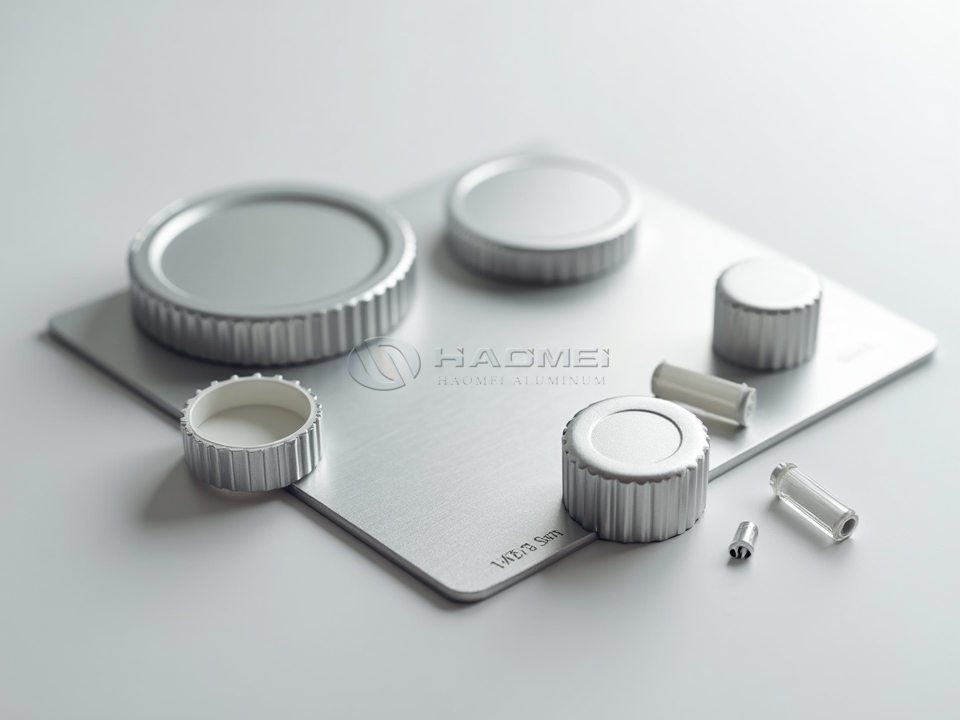
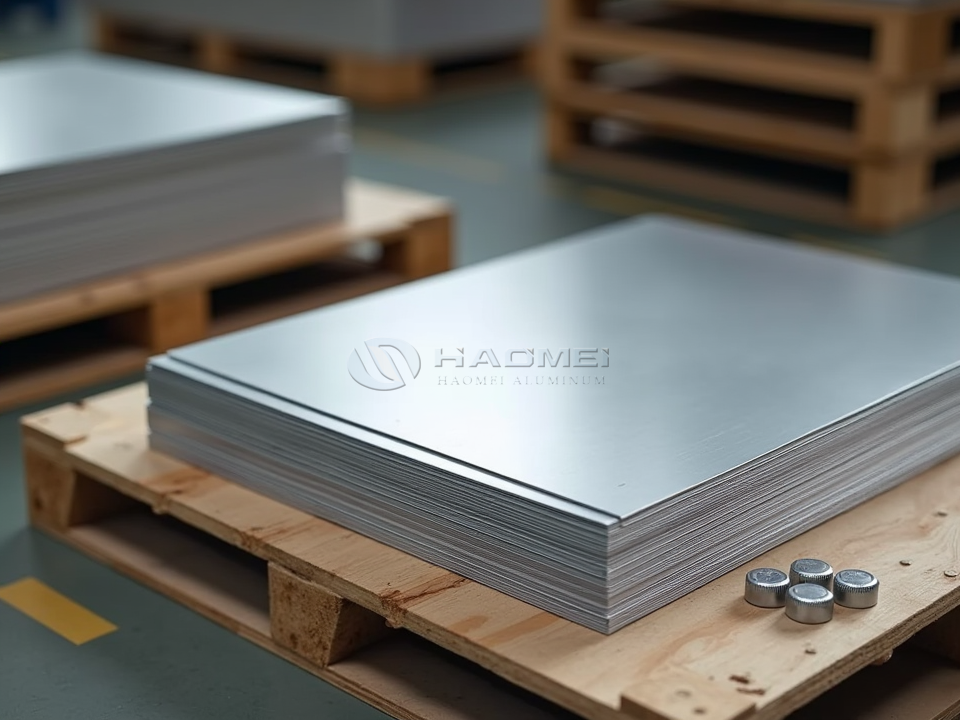
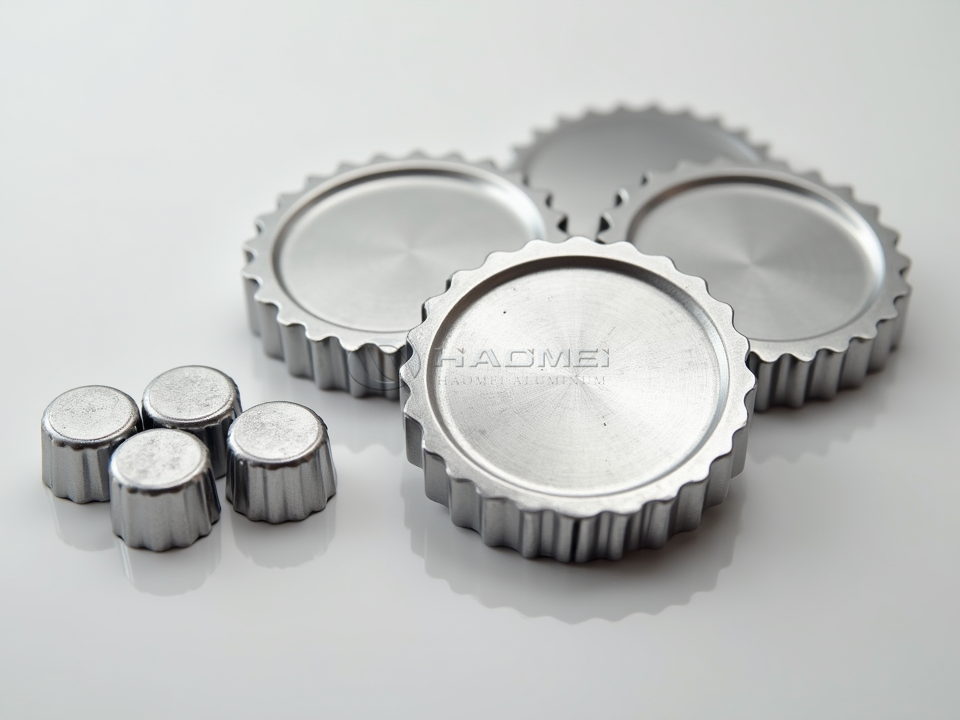
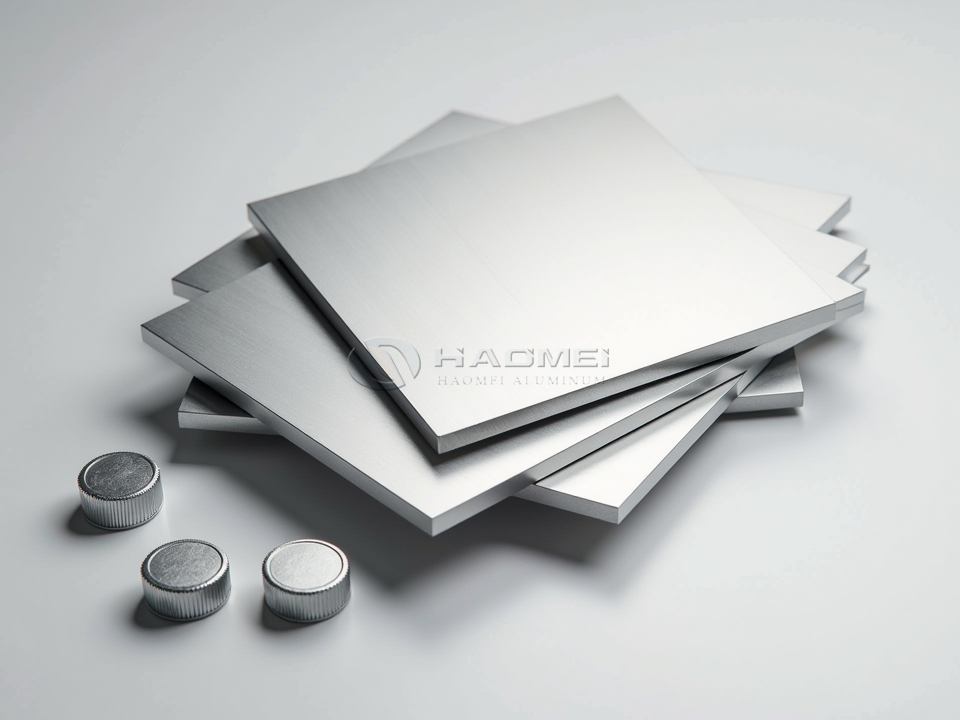
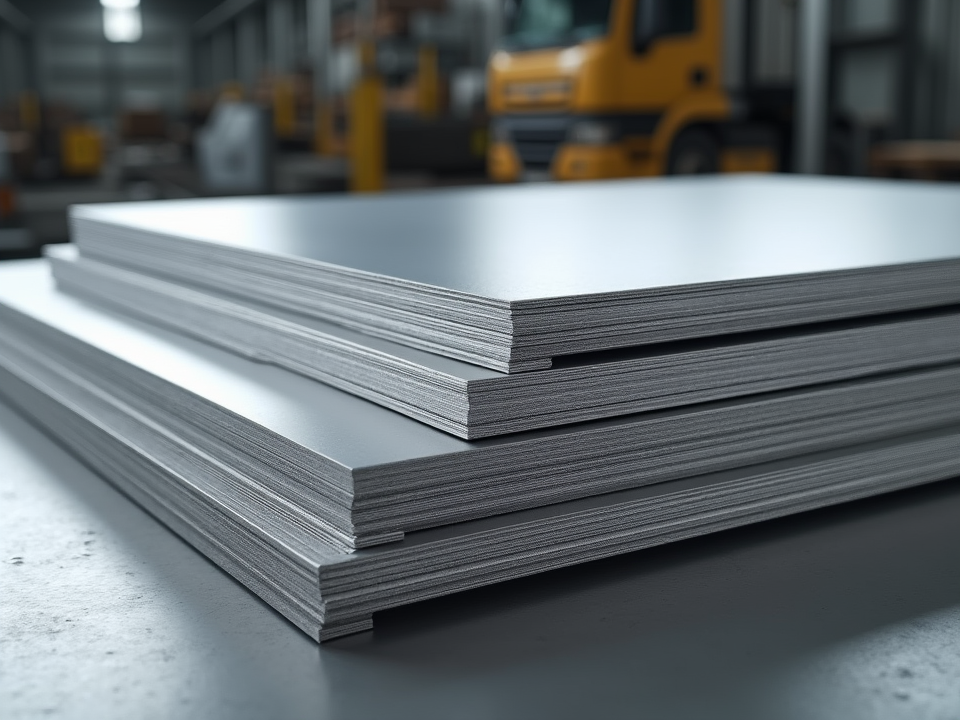
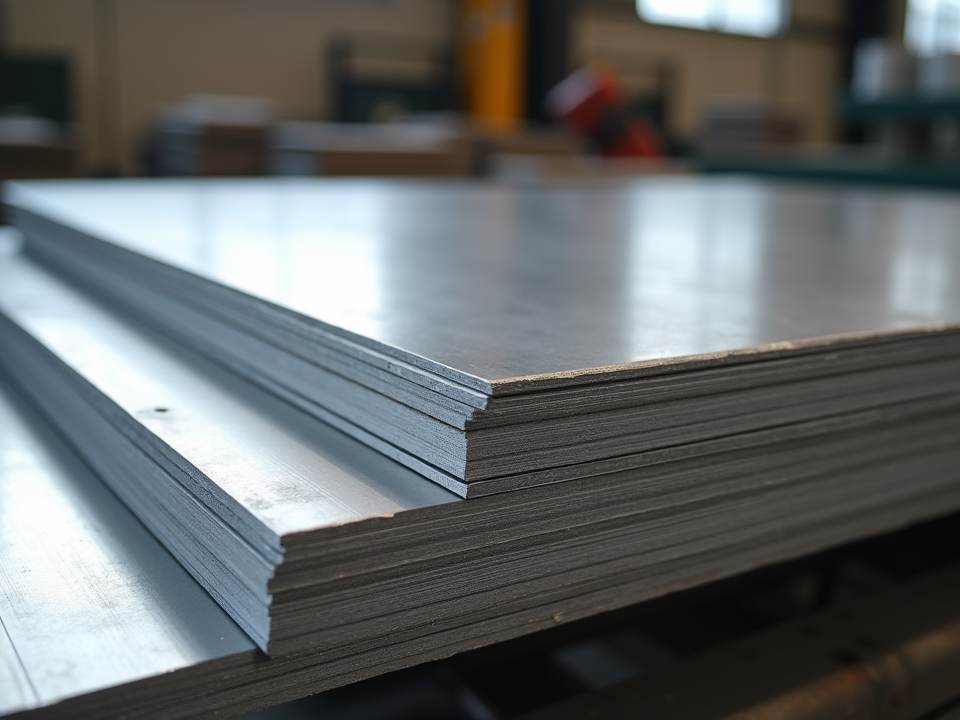
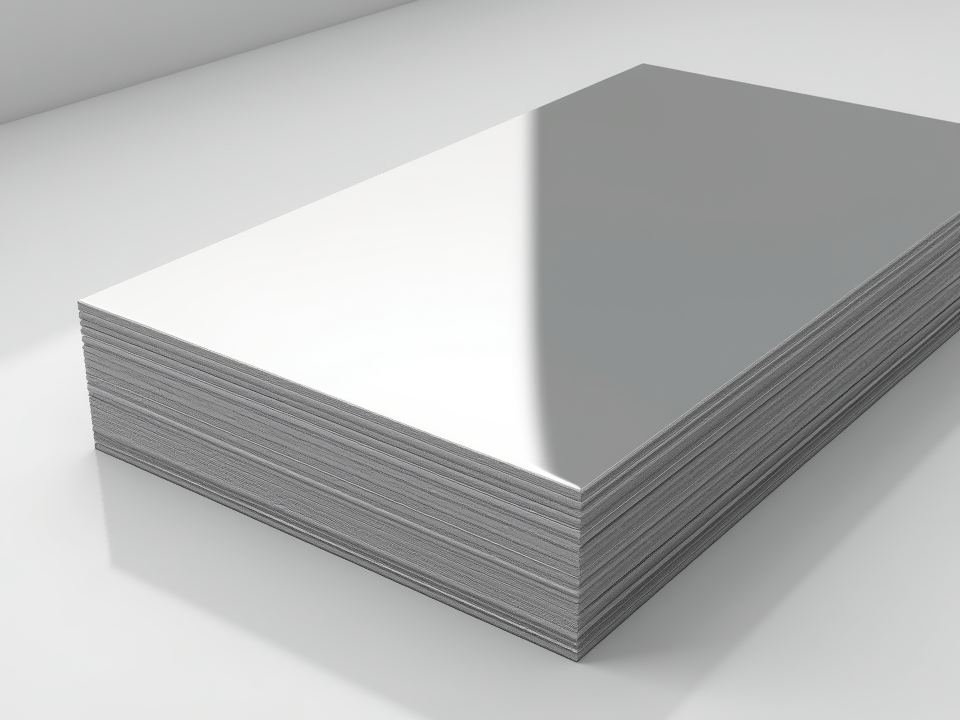
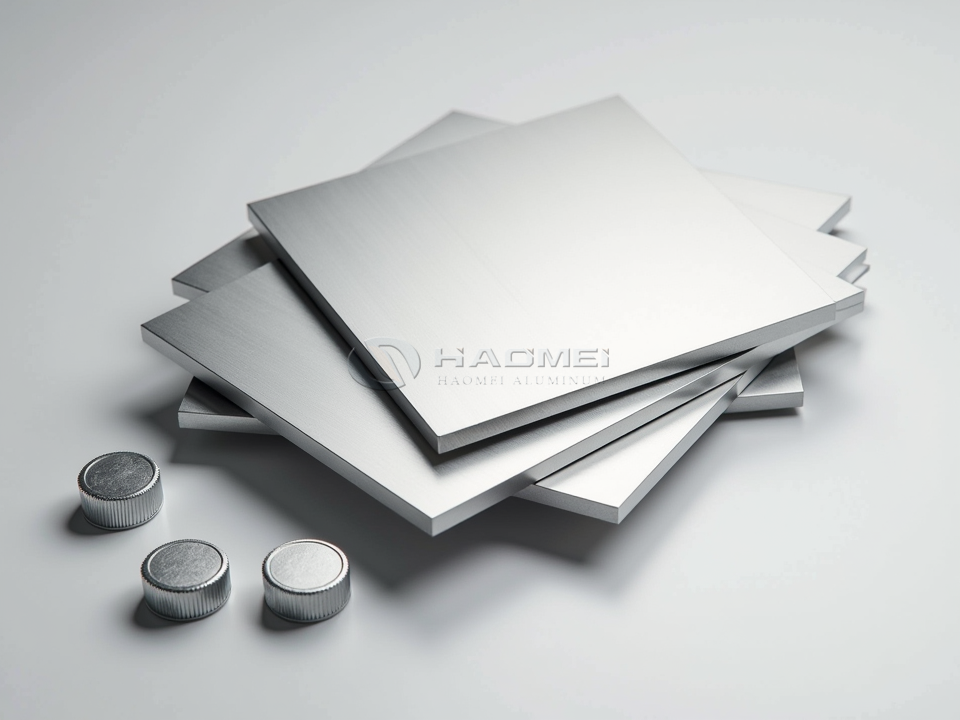
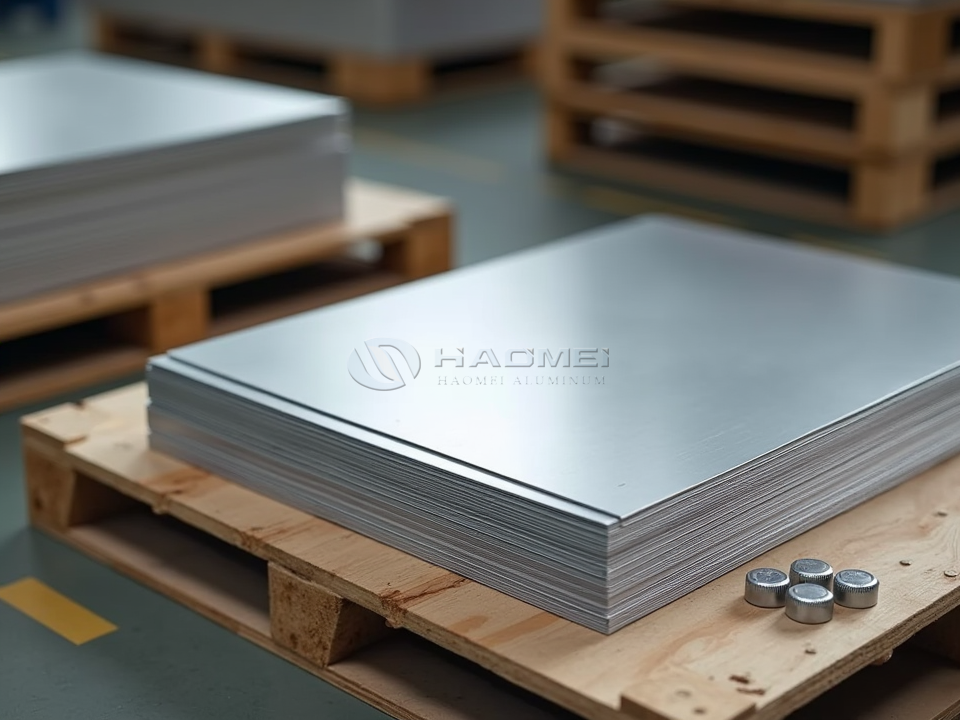
Beverage closure aluminum plate is a precision-rolled aluminum sheet or coil designed for producing bottle caps, screw caps, ROPP closures, pilfer-proof caps, crown shells, and decorative beverage packaging components. Although commonly called "plate" in commercial purchasing, this material is generally supplied as thin-gauge aluminum sheet in coil or cut-sheet form.
The material must perform well through blanking, deep drawing, curling, knurling, thread rolling, lining, printing, and sealing. A stable aluminum substrate helps closure producers maintain high-speed production while delivering attractive surfaces, dependable opening performance, and a tight fit on glass or PET bottles.
Functions in Beverage Packaging
A closure does more than cover a bottle. Beverage closure aluminum plate provides the metal shell that supports sealing compounds, tamper-evident bridges, printed graphics, and shaped threads. Its balanced strength and ductility allow the cap wall to be formed without excessive cracking, wrinkling, or earing.
| Closure function | Contribution of aluminum plate | Customer benefit |
|---|---|---|
| Sealing support | Holds liner or sealing compound firmly in the cap shell | Helps preserve carbonation, aroma, and product freshness |
| Forming performance | Allows drawing, curling, skirt forming, and thread rolling | Smooth production on automated cap-making lines |
| Tamper evidence | Forms bridges, bands, and pilfer-proof structures | Visible indication of first opening |
| Decoration | Accepts printing, varnish, embossing, and color coating | Strong shelf appeal and brand recognition |
| Protection | Forms a barrier between the closure structure and the external environment | Improved durability during transport and storage |
| Recyclability | Aluminum can be recycled repeatedly | Supports circular packaging programs |
For most beverage cap applications, aluminum offers a favorable combination of low weight, corrosion resistance, and bright surface appearance. It is particularly suitable for wine, spirits, mineral water, juice, carbonated drinks, beer, and premium bottled beverages.
Common Applications
Beverage closure aluminum plate can be matched to the closure design, bottle finish, lining system, and desired decoration method. The alloy and temper should be selected according to the forming depth and final mechanical requirements.
| Application | Typical closure type | Common alloy and temper | Typical thickness |
|---|---|---|---|
| Wine and spirits | ROPP screw cap | 3105 H14, 3105 H16 | 0.20-0.23 mm |
| Water and soft drinks | Pilfer-proof cap | 3105 H14, 8011 H14 | 0.20-0.25 mm |
| Beer packaging | Crown shell or decorative cap component | 8011 H14, 3105 H14 | 0.20-0.28 mm |
| Juice and dairy drinks | Screw cap and tamper-evident closure | 3105 H14, 8011 H14 | 0.20-0.25 mm |
| Premium beverages | Printed and embossed aluminum caps | 3105 H14, 3105 H16 | 0.21-0.30 mm |
For brands requiring bright graphics, embossing, or color consistency, a clean, flat, coating-ready substrate is essential. A dedicated Aluminum Closure Sheet can be supplied with mill finish or with surface treatments suitable for subsequent coating and printing processes.
Alloy and Temper Conditions
The 3xxx aluminum alloy family is widely used for beverage closures because manganese improves strength while retaining good formability. Alloy 3105 is a frequent choice for ROPP and pilfer-proof caps. Alloy 8011 is also used where stable processing and practical closure performance are required.
| Alloy | Main alloying feature | Typical closure use | Suitable tempers | Forming characteristic |
|---|---|---|---|---|
| 3105 | Aluminum-manganese alloy with magnesium addition | Wine caps, spirits caps, ROPP caps | H14, H16 | Good drawing and thread-forming balance |
| 8011 | Aluminum alloy containing iron and silicon | PP caps, general beverage caps, cap shells | H14, H16, H18 | Good process stability and surface quality |
| 3104 | Aluminum-manganese-magnesium alloy | Selected high-strength closure components | H14, H16 | Higher strength with controlled formability |
Temper designations describe the work-hardened condition of the metal. H14 is half-hard and is widely selected when deeper forming or more demanding skirt shaping is needed. H16 provides greater strength and can be appropriate for caps requiring improved stiffness, provided the conversion equipment is set for the reduced ductility.
| Temper | Relative hardness | Typical use | Processing note |
|---|---|---|---|
| H14 | Half-hard | Standard ROPP and pilfer-proof caps | Strong forming capability with dependable stiffness |
| H16 | Three-quarter hard | Stiffer cap shells and selected premium closures | Requires controlled drawing and curling conditions |
| H18 | Full-hard | Limited shallow-forming applications | Better for less severe forming operations |
Chemical Composition
Chemical composition is controlled to ensure repeatable mechanical behavior, surface quality, and compatibility with rolling and coating operations. The values shown are typical limits based on commonly used international alloy specifications. Final requirements should follow the agreed material standard and purchase specification.
| Alloy | Si % max | Fe % max | Cu % max | Mn % | Mg % | Zn % max | Ti % max | Al |
|---|---|---|---|---|---|---|---|---|
| 3105 | 0.60 | 0.70 | 0.30 | 0.30-0.80 | 0.20-0.80 | 0.40 | 0.10 | Balance |
| 8011 | 0.90 | 1.00 | 0.10 | 0.20 | 0.05 | 0.10 | 0.08 | Balance |
| 3104 | 0.60 | 0.80 | 0.25 | 0.80-1.40 | 0.80-1.30 | 0.25 | 0.10 | Balance |
Manganese contributes to strength, magnesium supports work-hardening behavior, and carefully controlled iron and silicon help maintain rolling performance. Composition control is especially important for closure stock because small variations can affect earing, surface appearance, and cap-forming consistency.
Technical Specifications
Beverage closure aluminum plate is normally manufactured with strict thickness control, clean edges, low surface defects, and uniform coil shape. These factors reduce scrap during blanking and improve consistency during printing, lacquering, and cap conversion.
| Parameter | Typical range or requirement |
|---|---|
| Product form | Coil, slit coil, or cut sheet |
| Thickness | 0.20-0.30 mm, subject to closure design |
| Width | 300-1,300 mm, subject to mill capability |
| Coil inner diameter | Commonly 150 mm, 300 mm, or 505 mm |
| Coil outer diameter | Typically up to 2,000 mm, subject to weight limits |
| Surface finish | Mill finish, degreased, coated, printed, or lacquer-ready |
| Thickness tolerance | Often controlled to approximately ±0.01 mm or by agreement |
| Tensile strength | Commonly 130-190 MPa, depending on alloy and temper |
| Elongation | Commonly 2-8%, depending on thickness and temper |
| Flatness | Controlled for smooth feeding, coating, and blanking |
| Edge condition | Trimmed, burr-controlled edges for safe high-speed processing |
Mechanical values vary with alloy, thickness, rolling practice, and temper. Closure manufacturers should confirm the target drawing depth, cap diameter, skirt length, liner type, and production speed before finalizing the material grade.
Standards and Quality Controls
Beverage closure aluminum plate may be manufactured in accordance with recognized aluminum sheet standards, customer drawings, and food-contact packaging requirements. Material compliance should include both base-metal properties and the suitability of any applied coatings or lubricants.
| Standard or control area | Typical relevance |
|---|---|
| EN 485 | Aluminum and aluminum alloy sheet, strip, and plate mechanical properties and tolerances |
| ASTM B209 | Aluminum and aluminum-alloy sheet and plate requirements |
| EN 573 | Aluminum alloy chemical composition and designation system |
| ISO 9001 | Quality management and traceability practices |
| Food-contact regulations | Evaluation of coating, lacquer, ink, and liner systems for intended use |
| RoHS or customer restricted-substance requirements | Control of specified hazardous substances where requested |
Inspection commonly includes chemical analysis, thickness measurement, tensile testing, elongation testing, surface inspection, coil geometry checks, and packaging verification. For coated closure stock, coating weight, adhesion, cure condition, color consistency, and printability may also be tested.
Surface Treatment and Conversion Considerations
The aluminum surface can be supplied plain or prepared for coating. Beverage closures often receive a base coat, decorative ink, protective varnish, internal lacquer, and lubricant before cap forming. The interior coating is selected according to beverage chemistry, pasteurization conditions, and contact requirements. Acidic drinks, alcoholic beverages, and carbonated products may require different coating systems.
| Conversion stage | Material requirement | Desired result |
|---|---|---|
| Blanking | Accurate thickness and controlled burr | Clean discs with low tooling wear |
| Printing and coating | Clean, uniform surface energy | Strong ink adhesion and even color |
| Drawing and shell forming | Adequate elongation and surface lubrication | Reduced cracking and scuffing |
| Thread rolling | Controlled temper and consistent gauge | Accurate engagement with bottle threads |
| Curling and knurling | Stable edge quality | Smooth opening and reliable cap retention |
| Lining and sealing | Suitable inner surface and cap geometry | Reliable seal performance |
Selecting the Right Material
The most suitable beverage closure aluminum plate is determined by the closure profile rather than alloy name alone. Deep-drawn ROPP caps often favor 3105 H14 because of its forming balance. Where added stiffness is needed, 3105 H16 may be considered. For general caps and selected PP closure designs, 8011 in H14 temper remains a practical choice.
Specify alloy, temper, thickness, width, coil dimensions, surface finish, coating condition, applicable standard, and intended beverage type when requesting material. This creates a clear path from rolled aluminum stock to a closure that seals securely, forms efficiently, and presents the beverage brand with a polished appearance.