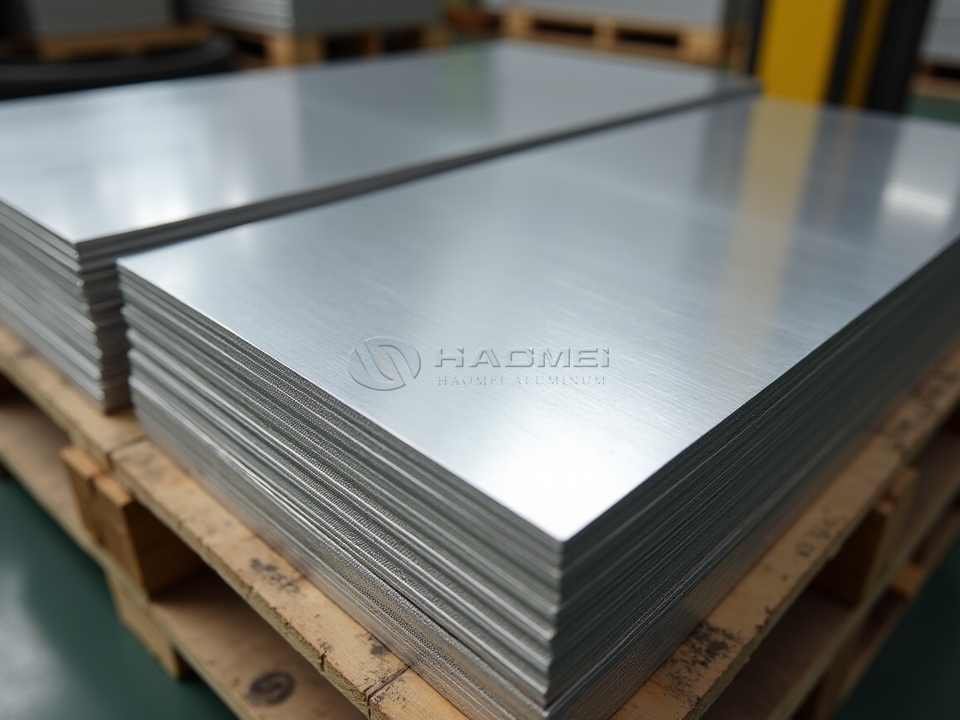
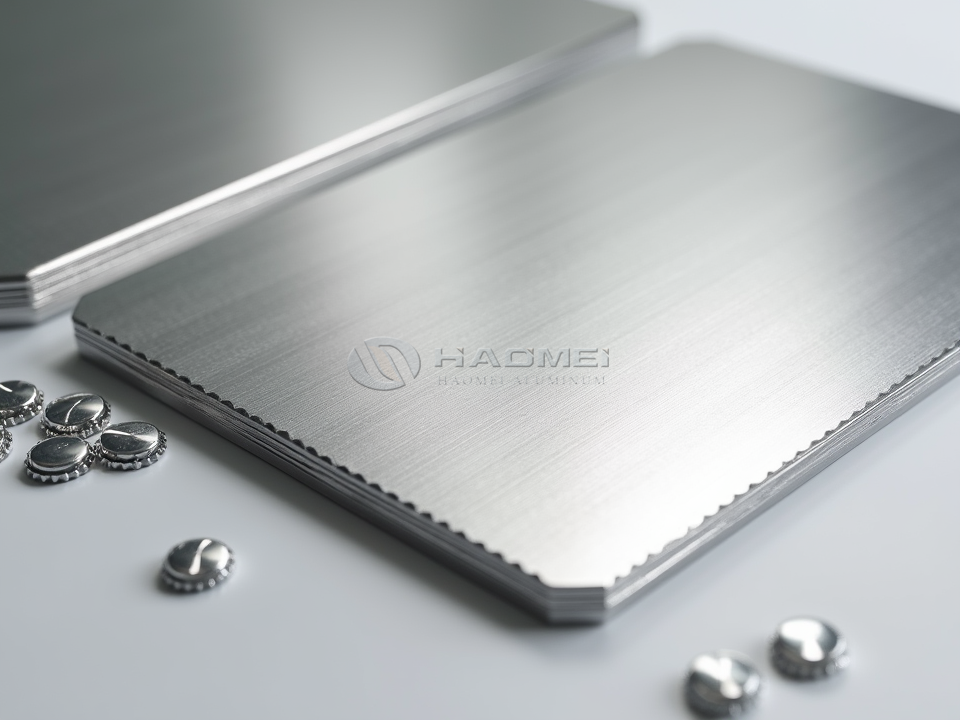
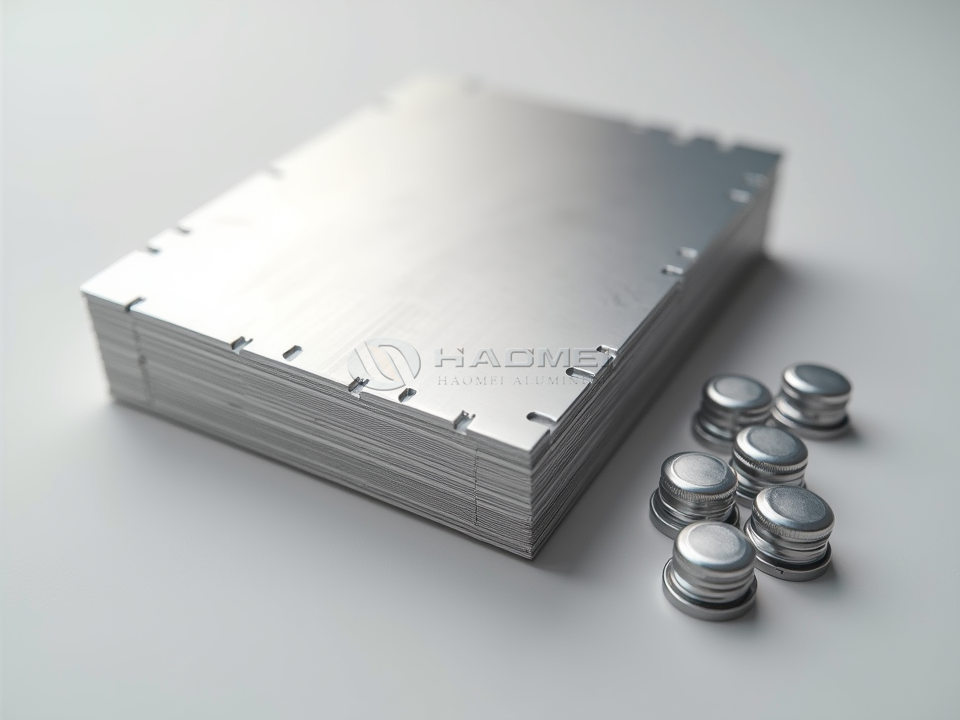
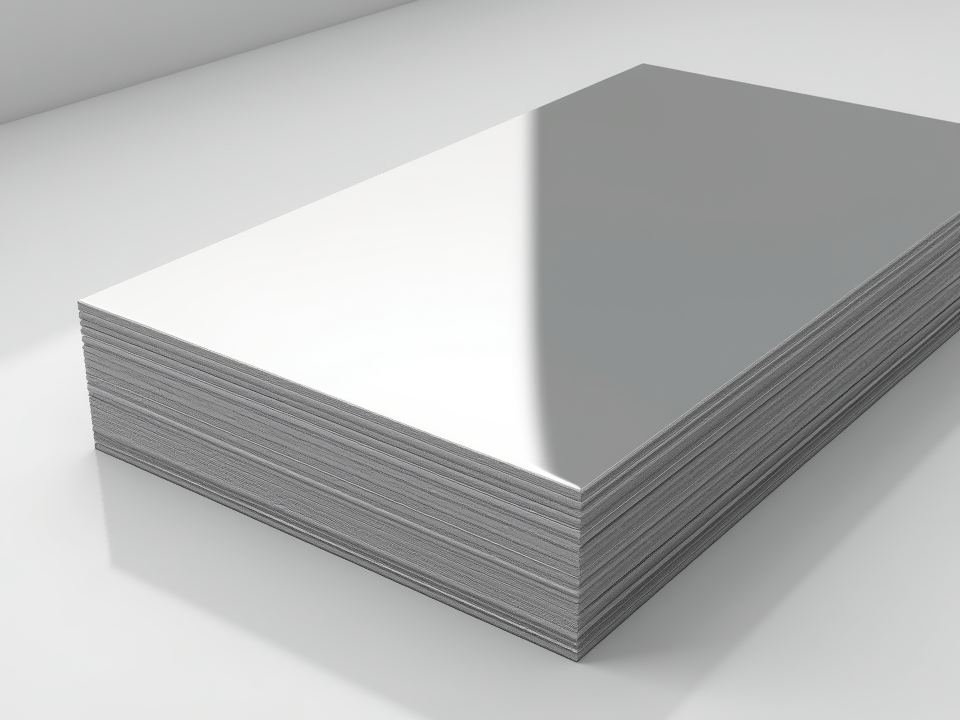
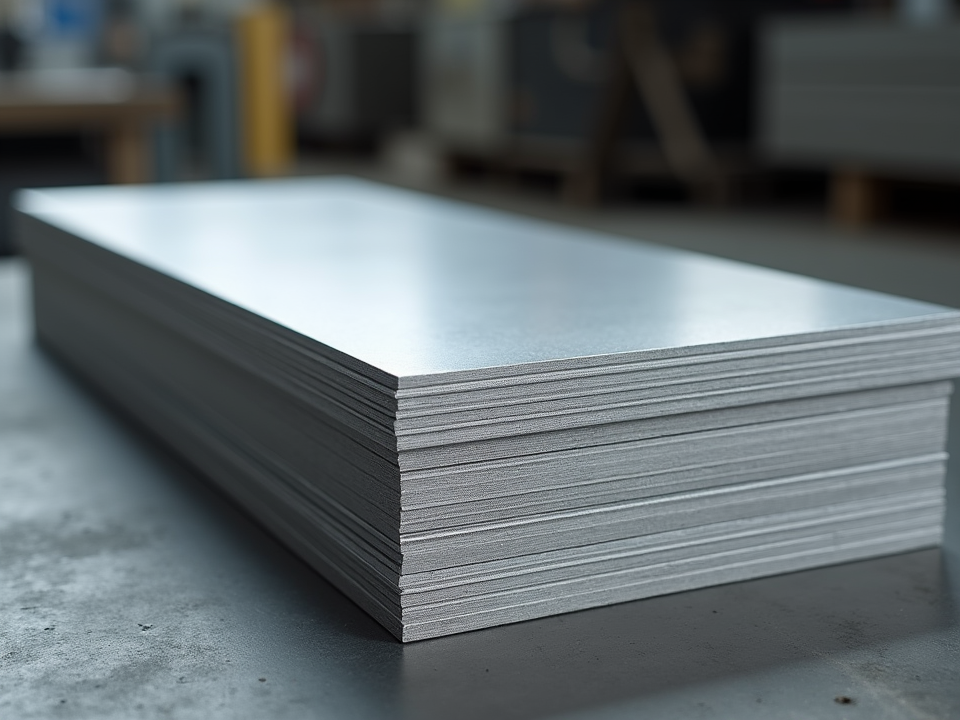
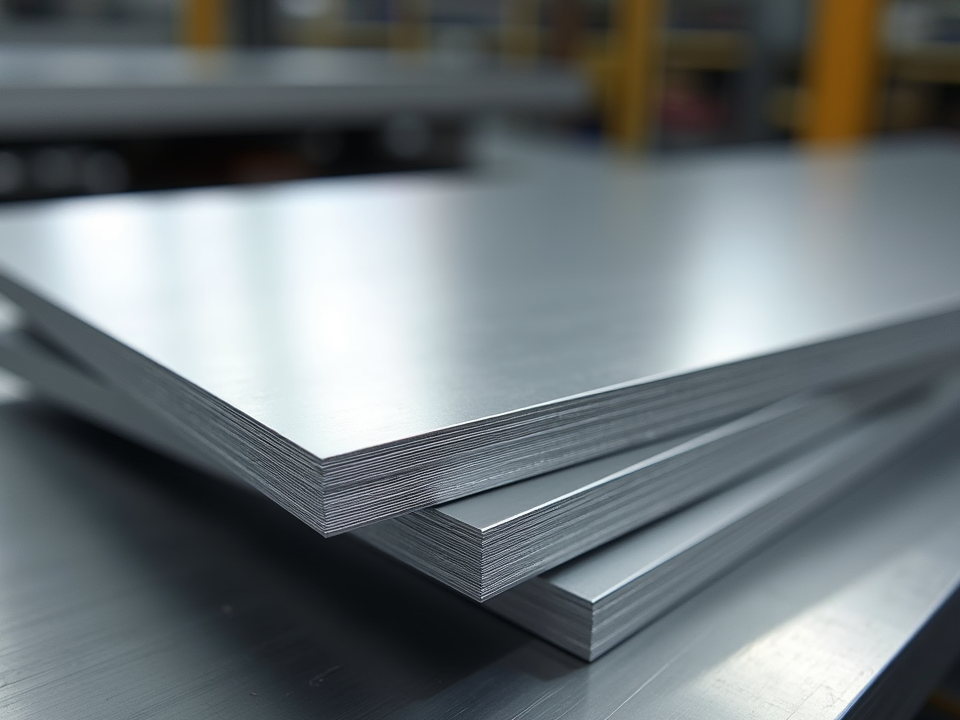
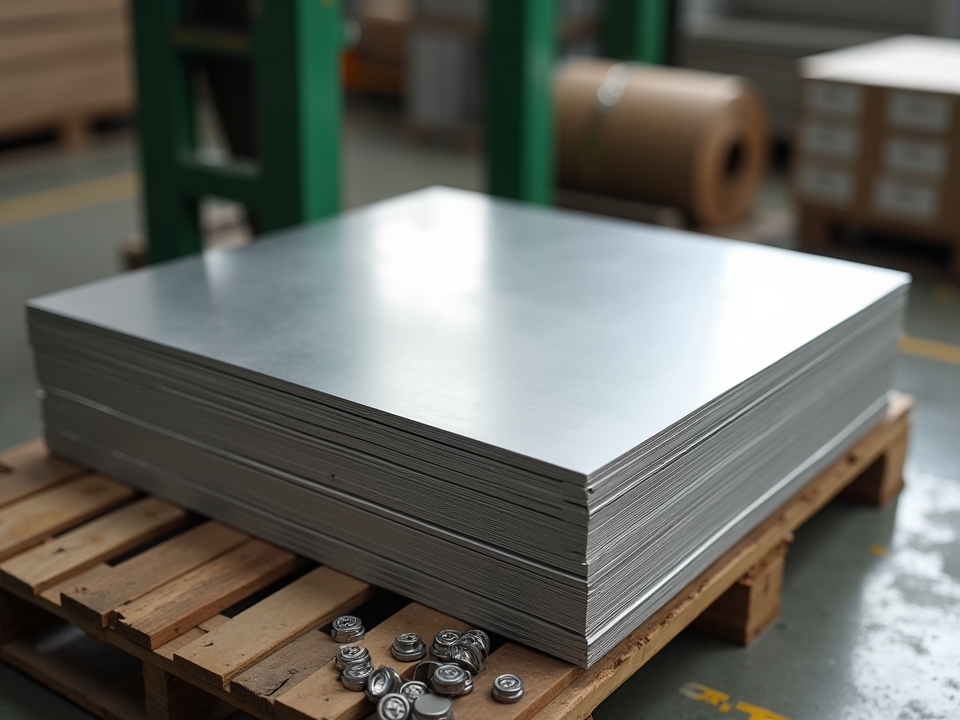
Crown Cork Aluminum Sheet Material
A crown cork is a small component with a demanding job. It must grip the bottle finish, retain internal pressure, protect flavor, resist moisture, carry printed branding, and release predictably when opened. Crown cork aluminum sheet material is designed around this sequence of events rather than around thickness alone. Its value lies in controlled metal behavior during stamping, curling, lining, pasteurization, transport, and opening.
Although traditional crown caps are commonly produced from coated steel, aluminum sheet can be selected for specialized lightweight closures, decorative crown-style caps, and packaging systems where corrosion resistance, bright surface appearance, and lower material mass are important. The conversion line must be matched to aluminum's lower elastic modulus and different springback characteristics. In other words, a successful aluminum crown closure is not simply a steel design made from another metal; it is a coordinated result of alloy choice, temper, cap geometry, liner, and coating.
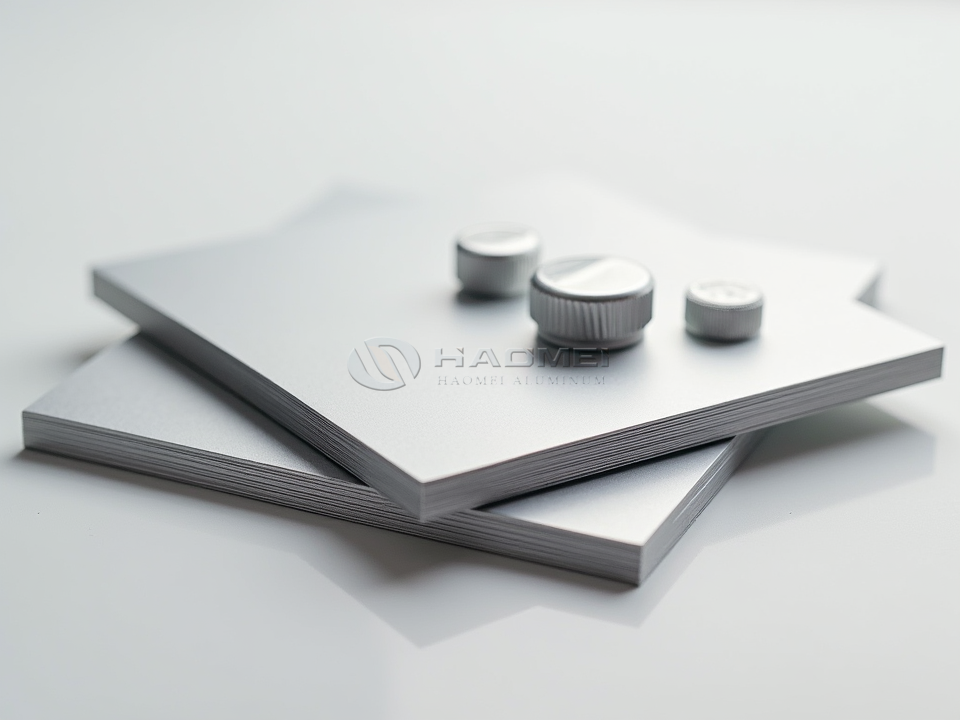
The Material as a Controlled Forming Platform
Crown cork aluminum sheet material begins as rolled aluminum coil or sheet with stable thickness, surface cleanliness, and mechanical consistency from edge to edge. During cap production, the blank is punched, drawn into a shallow shell, corrugated around its skirt, curled at the rim, coated or decorated, and combined with a sealing compound. Every one of these operations places a different demand on the metal.
The punch requires clean shearing with minimal burr. The forming die requires adequate ductility so corrugations do not crack. The final cap needs enough rigidity to preserve its profile under carbonation pressure and handling loads. For this reason, temper selection is often more decisive than selecting the highest possible tensile strength.
H14 and H16 tempers are widely used for closure stock. H14 provides a balanced condition for forming, printing, and moderate stiffness. H16 supplies additional strength where cap geometry, transport conditions, or pressure retention require a firmer shell. An excessively hard sheet may split at corrugations or show greater springback. A sheet that is too soft can lose dimensional control and reduce gripping consistency around the bottle bead.
For broader packaging applications, buyers can compare crown-style stock with an Aluminum Closure Sheet program that supports screw caps, cosmetic caps, beverage closures, and other formed packaging components.
Common Alloys and Temper Conditions
The 3xxx and 8xxx alloy families are frequently considered for aluminum closure applications. Their properties are shaped by manganese, magnesium, iron, silicon, and processing history.
| Alloy | Typical Temper | Closure-Related Character | Common Use Direction |
|---|---|---|---|
| 3105 | H14, H16 | Good strength, stable formability, good coating response | Crown-style caps, beverage closures, printed cap shells |
| 8011 | H14, H16, H18 | Good processing performance, surface quality, and barrier support after coating | Bottle caps, pilfer-proof closures, specialty caps |
| 3004 | H14 | Higher strength potential with controlled formability | Closures requiring a stronger formed profile |
3105 is often favored when a producer needs a reliable balance between stiffness and shaping performance. Its manganese-containing composition supports strength without making the material overly difficult to form. 3105 Aluminum Closure Sheet is therefore a practical option for caps that combine embossed branding, color printing, and formed skirt features.
8011 is a familiar choice where surface quality, thin-gauge processing, and forming adaptability are priorities. It can be especially effective when the cap includes lacquer, decorative ink, or a protective conversion layer that must remain continuous after shaping.
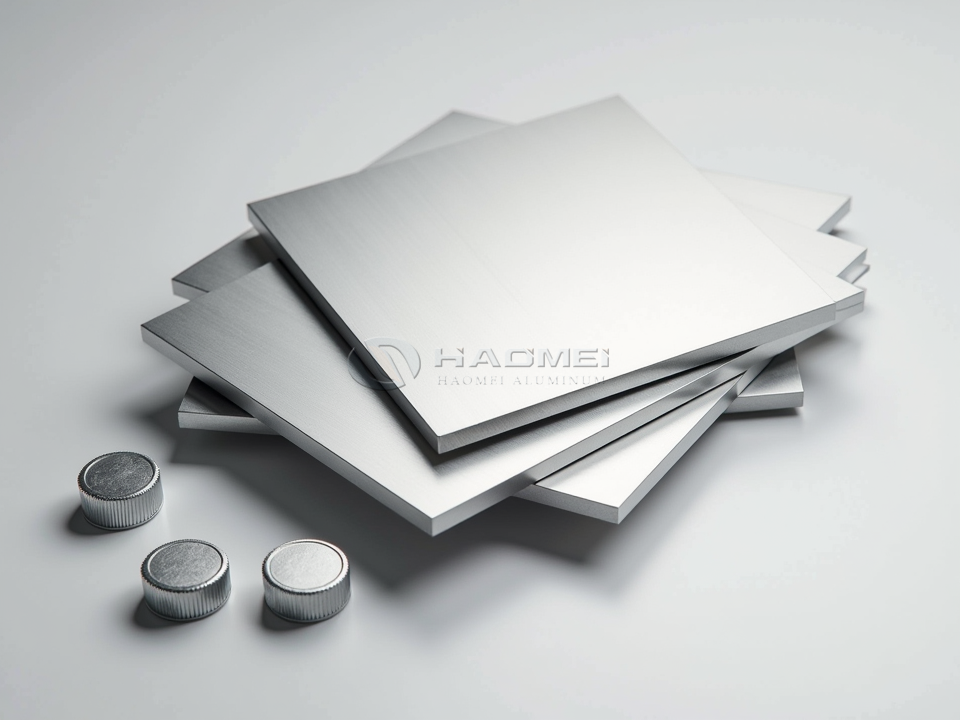
Typical Technical Parameters
Actual dimensions must follow the cap diameter, tooling design, and customer drawing. The ranges in the table are commonly used as a purchasing reference for aluminum closure stock and should be confirmed through production trials.
| Parameter | Typical Range or Requirement |
|---|---|
| Alloy | 3105, 8011, or agreed equivalent |
| Temper | H14, H16; other tempers by forming requirement |
| Thickness | 0.20 mm to 0.30 mm |
| Typical crown-cap gauge | 0.21 mm to 0.25 mm |
| Coil width | 200 mm to 1,500 mm, customized for blanking layout |
| Inner diameter | Commonly 405 mm or 505 mm, subject to equipment needs |
| Surface | Mill finish, degreased, conversion-treated, lacquered, or pre-printed |
| Edge condition | Slit edge, smooth and burr-controlled |
| Flatness | Suitable for high-speed punching and forming |
| Thickness tolerance | Agreed to applicable standard and product specification |
A narrow thickness variation is important because the cap rim and corrugation are formed from very small dimensional allowances. Even slight gauge changes can alter draw depth, curl diameter, or liner compression. For this reason, closure producers normally evaluate material not only by average thickness but also by cross-coil consistency, edge quality, oil level, and surface tension after pretreatment.
Chemical Properties of Common Closure Alloys
The following values represent typical composition limits in mass percent. Contract specifications and the selected regional standard govern final acceptance.
| Element | 3105 Aluminum Alloy, % | 8011 Aluminum Alloy, % |
|---|---|---|
| Silicon, Si | 0.60 max | 0.50 to 0.90 |
| Iron, Fe | 0.70 max | 0.60 to 1.00 |
| Copper, Cu | 0.30 max | 0.10 max |
| Manganese, Mn | 0.30 to 0.80 | 0.20 max |
| Magnesium, Mg | 0.20 to 0.80 | 0.05 max |
| Zinc, Zn | 0.40 max | 0.10 max |
| Titanium, Ti | 0.10 max | 0.08 max |
| Aluminum, Al | Remainder | Remainder |
The chemistry explains why these alloys perform differently. In 3105, manganese and magnesium contribute to strength and work-hardening response. In 8011, iron and silicon form intermetallic particles that influence strength, grain structure, and processing behavior. Neither chemistry alone guarantees cap performance; rolling reduction, annealing control, lubrication, and temper stabilization complete the material system.
Standards and Compliance Considerations
Crown cork aluminum sheet material may be supplied with reference to EN 485 for aluminum and aluminum alloy sheet and strip, ASTM B209 for aluminum sheet and plate, or GB/T 3880 for aluminum and aluminum alloy sheets and strips. Dimensional tolerances, mechanical properties, surface requirements, and inspection methods should be stated clearly in the purchase agreement.
For food and beverage closures, the aluminum substrate is only one part of the compliance package. The internal lacquer, external coating, printing ink, sealing compound, and any conversion treatment should be evaluated for the intended product contact conditions. Acidic drinks, beer, carbonated beverages, juice, and pasteurized products can expose the closure to different moisture, temperature, and chemical conditions. A suitable coating protects the aluminum from direct contact and helps preserve the beverage's taste profile.
Where Crown Cork Aluminum Sheet Creates Value
The most visible application is the beverage crown cap, especially where a premium metallic appearance or low-weight package is desired. Aluminum also suits promotional closures with high-definition printing, embossed logos, textured finishes, or colored lacquers. Beyond beverages, crown-style aluminum closures can appear on specialty food containers, small glass bottles, health-product packaging, and limited-edition retail packs.
Its practical advantage is not merely that aluminum is light. It is that the material can be engineered as a surface, a structural shell, and a branded object at the same time. When alloy, temper, coating, and forming conditions are aligned, crown cork aluminum sheet material delivers dependable sealing support and a refined consumer-facing finish in one compact closure.