Commercial Printing CTP Aluminum
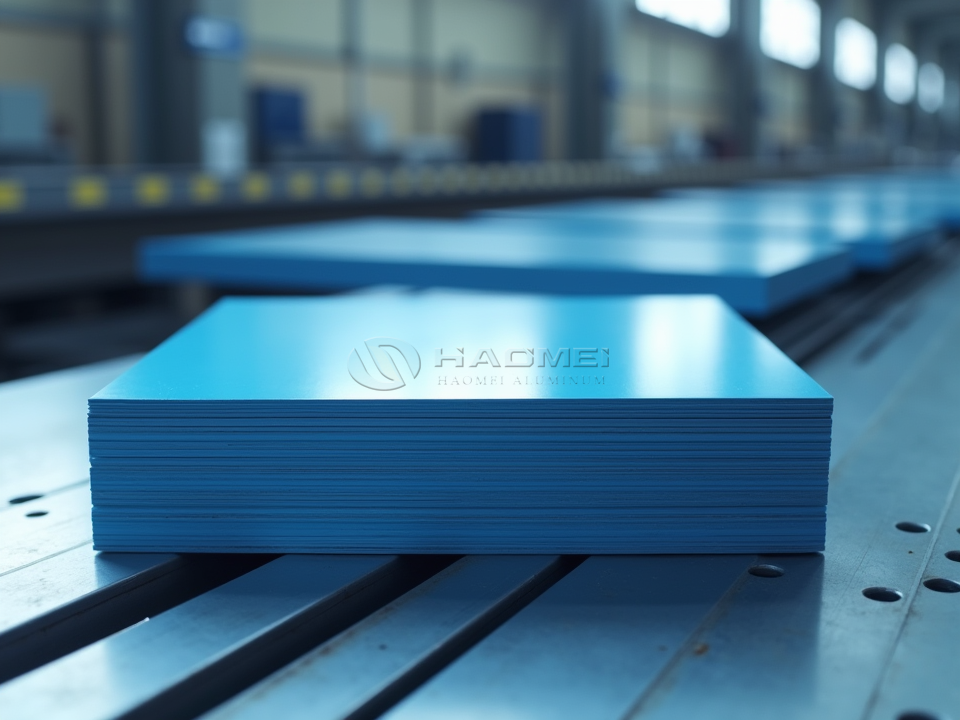
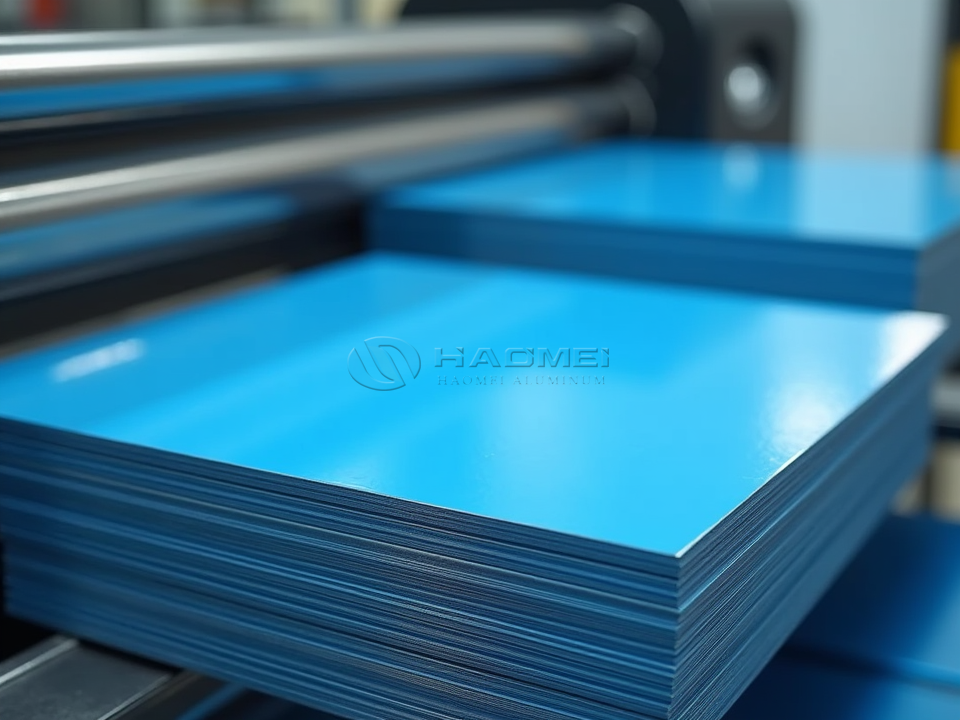
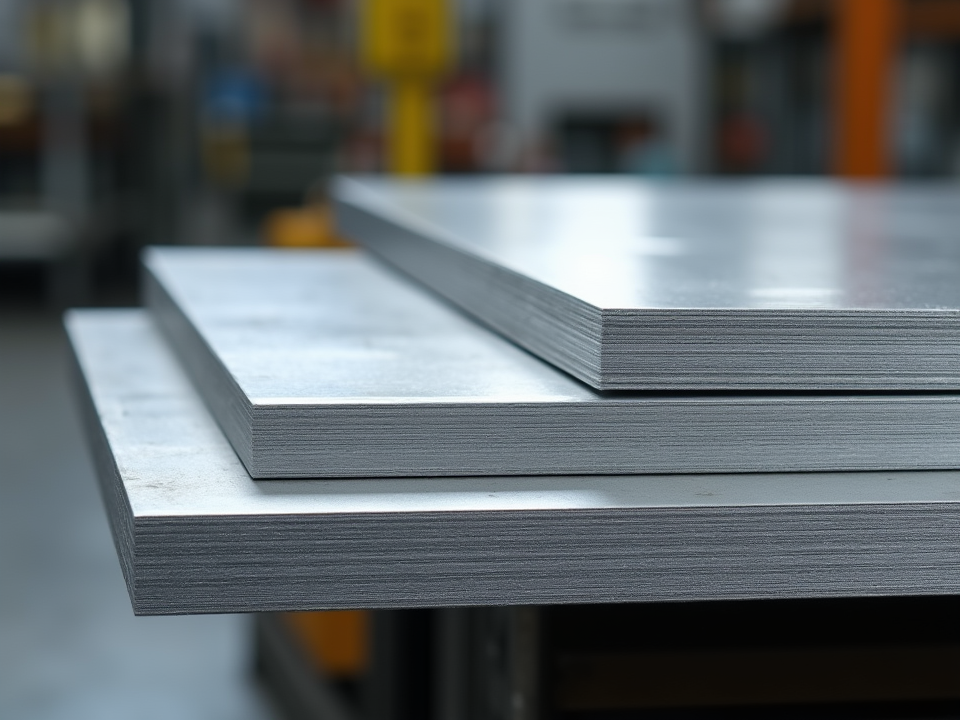
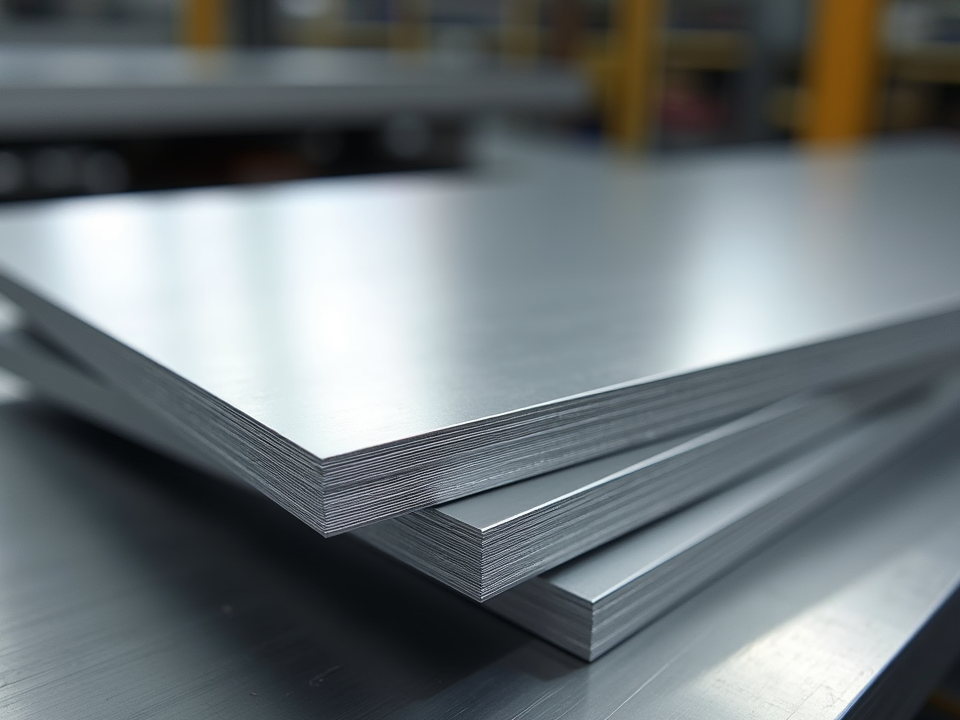
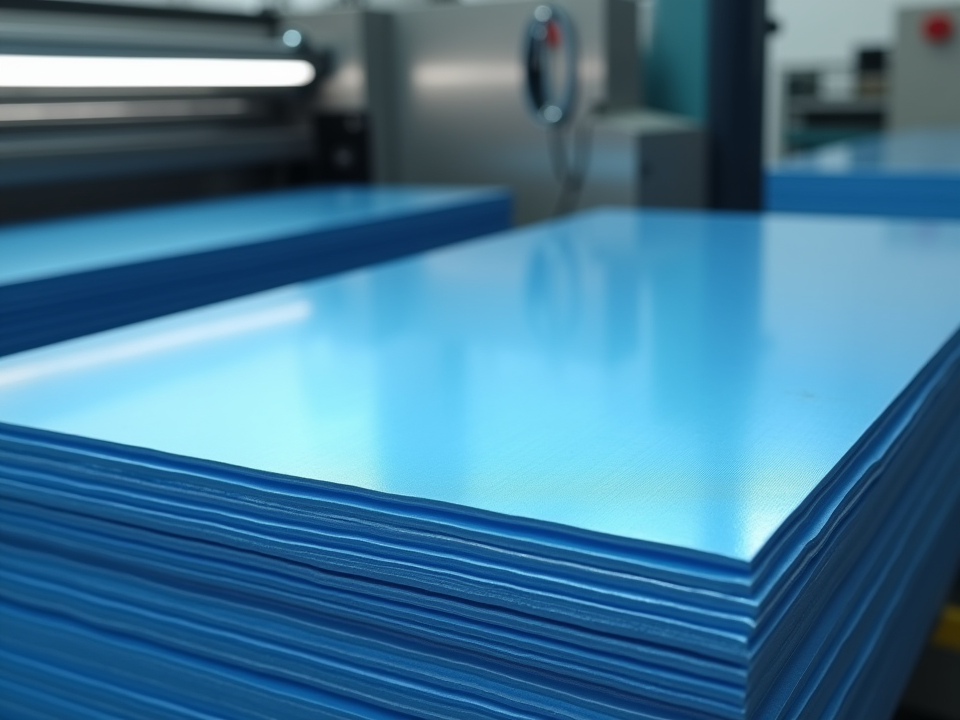
Commercial printing CTP aluminum is a precision aluminum substrate engineered for computer-to-plate production in modern offset printing. It provides the dimensional stability, surface uniformity, and controlled electrochemical response required to produce dependable printing plates. From short-run marketing materials to high-volume packaging, publishing, and commercial print work, the substrate supports sharp image reproduction and consistent press behavior.
The aluminum sheet is commonly produced from high-purity 1050A or similar aluminum alloy, rolled to tight thickness tolerances and supplied in a hard temper suitable for plate manufacturing. After substrate preparation, the material can be grained, anodized, and coated to create thermal, violet, UV, low-chemistry, or processless CTP plates.
Product Strengths
Commercial printing CTP aluminum combines a fine, uniform grain structure with excellent flatness. These characteristics help plate manufacturers apply photosensitive coatings evenly and help printers maintain clean water balance during offset press operation. The substrate resists deformation during imaging, bending, clamping, and repeated cylinder contact.
Its carefully controlled surface supports stable dot transfer, smooth highlight reproduction, and solid ink density. A consistent oxide layer, when anodized, improves hydrophilicity in non-image areas while strengthening the bond between the aluminum base and the imaging coating. This balance reduces toning, scumming, premature wear, and variation between plates.
| Product characteristic | Commercial value |
|---|---|
| High aluminum purity | Supports uniform electrograining and predictable anodizing response |
| Tight thickness control | Promotes accurate plate registration and stable press mounting |
| High flatness | Reduces handling problems, imaging variation, and plate-cylinder vibration |
| Fine grain capability | Improves water retention in non-image areas |
| Strong coating adhesion | Helps maintain image integrity through processing and press runs |
| Good bend resistance | Supports plate punching, bending, and automatic loading systems |
| Recyclable aluminum base | Supports material recovery after plate use |
Typical Chemical Composition
Commercial printing CTP aluminum is generally based on AA 1050A-grade aluminum or a comparable high-purity substrate. Exact chemistry may be adjusted according to coil source, surface-treatment route, and plate-maker requirements.
| Element | Typical content, % by weight | Function in CTP substrate |
|---|---|---|
| Aluminum, Al | 99.50 min | Provides corrosion resistance, conductivity, formability, and electrochemical uniformity |
| Silicon, Si | 0.00-0.25 | Controlled to preserve surface consistency during graining |
| Iron, Fe | 0.00-0.40 | Maintained at low levels to support uniform rolling and etching behavior |
| Copper, Cu | 0.00-0.05 | Limited to reduce corrosion sensitivity |
| Manganese, Mn | 0.00-0.05 | Kept low for stable anodizing response |
| Magnesium, Mg | 0.00-0.05 | Controlled to maintain softness and processability before final tempering |
| Zinc, Zn | 0.00-0.07 | Restricted to preserve surface quality |
| Titanium, Ti | 0.00-0.05 | May assist grain refinement when specified |
| Other elements | 0.00-0.03 each | Controlled impurities |
Technical Specifications
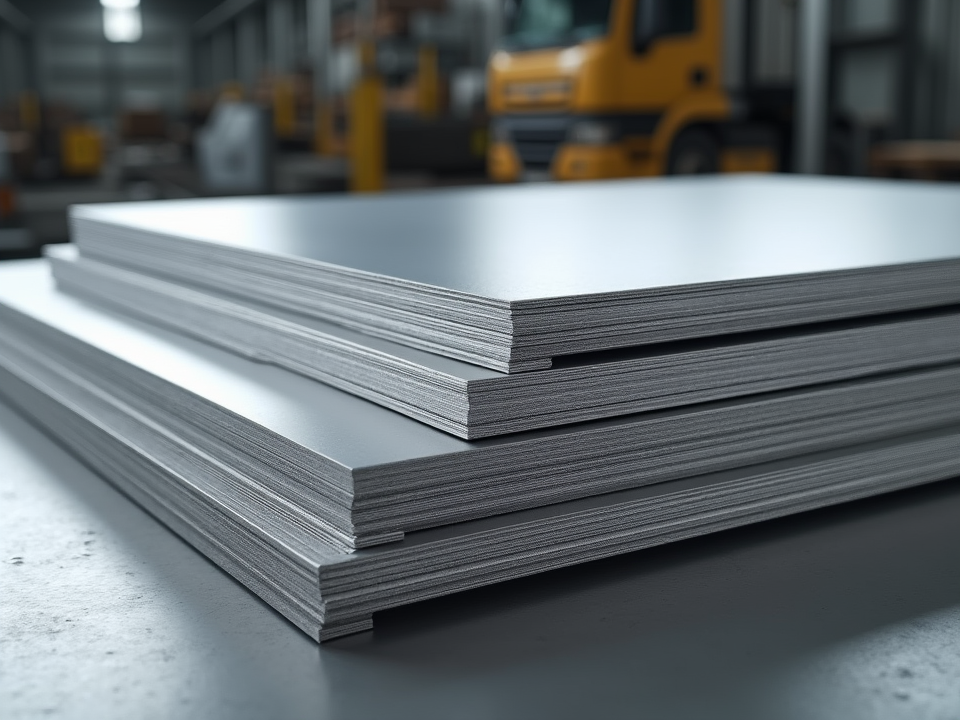
The sheet is normally delivered in coil, cut sheet, or customer-defined blank sizes. Surface cleanliness and edge quality are especially important because contaminants, scratches, or edge burrs can affect subsequent graining, anodizing, coating, and imaging steps.
| Parameter | Typical range or condition |
|---|---|
| Alloy | AA 1050A, 1050, 1060, or equivalent high-purity aluminum |
| Temper | H18, H19, H24, or customized condition |
| Thickness | 0.14-0.40 mm |
| Common plate thicknesses | 0.15 mm, 0.20 mm, 0.24 mm, 0.27 mm, 0.30 mm |
| Width | Up to 1,650 mm, subject to equipment capability |
| Sheet length | Customized for plate format and press requirements |
| Thickness tolerance | Typically ±0.005 mm to ±0.010 mm, depending on gauge |
| Surface condition | Mill finish, degreased, grained, anodized, or plate-ready substrate |
| Flatness | Controlled for reliable imaging and press mounting |
| Edge condition | Slit edge, trimmed edge, or deburred edge available |
| Packaging | Moisture-protected paper, film wrapping, palletized export packing |
Mechanical and Physical Performance
Mechanical behavior must be balanced carefully. The substrate needs enough strength to remain flat and resist press stress, while retaining enough ductility for punching, bending, and automated plate handling.
| Property | Typical value | Printing relevance |
|---|---|---|
| Tensile strength | 130-185 MPa | Supports plate rigidity during handling and press operation |
| Yield strength | 110-165 MPa | Helps prevent permanent distortion |
| Elongation | 1-5% | Supports controlled bending at plate edges |
| Density | 2.70 g/cm³ | Enables lightweight plate handling |
| Melting range | 645-655°C | Confirms suitability for downstream thermal processing environments |
| Electrical conductivity | Approx. 35-37 MS/m | Supports electrochemical graining and anodizing consistency |
| Thermal conductivity | Approx. 220-235 W/m·K | Assists stable response during thermal plate exposure |
Surface Treatment and Plate-Making Compatibility
The value of commercial printing CTP aluminum becomes especially visible during surface preparation. Mechanical or electrochemical graining creates a controlled microstructure that retains fountain solution in non-image areas. Anodizing then develops a durable aluminum oxide layer with improved hardness, corrosion resistance, and coating anchorage.
For high-resolution applications, substrate uniformity helps retain fine halftone dots, thin lines, and small text after imaging and development. The material is compatible with positive and negative thermal systems, violet-sensitive systems, UV-sensitive systems, and chemistry-reduced workflows. A properly prepared Aluminium CTP Plate substrate can provide dependable imaging behavior while reducing variability across production batches.
Thermal workflows are widely selected for commercial offset printing because of their exposure stability and strong image contrast. For demanding run lengths and more abrasive press conditions, a Long Run Thermal CTP Plate construction can use this aluminum foundation to support enhanced durability.
Applications in Commercial Printing
Commercial printing CTP aluminum serves as the foundation for plate products used across a broad range of offset applications.
| Application | Typical requirement | Benefit of CTP aluminum |
|---|---|---|
| Brochures and catalogs | Fine images, accurate brand colors | Supports smooth tonal transitions and reliable registration |
| Books and magazines | Repeated long-form production | Provides stable plate dimensions and consistent ink-water balance |
| Newspapers | Fast plate throughput | Enables efficient imaging and dependable press startup |
| Packaging inserts | Crisp text and dense solids | Supports sharp image edges and coating stability |
| Labels and promotional print | Detailed graphics and small type | Helps preserve fine dots and line definition |
| Commercial job shops | Mixed formats and variable run lengths | Offers flexible compatibility with multiple CTP technologies |
Benefits for Plate Makers and Printers
A consistent aluminum substrate improves manufacturing efficiency before the plate ever reaches the press. Uniform coil quality can reduce coating defects, processing rejects, and imaging inconsistency. Reliable flatness also supports automatic plate loading, accurate punching, and smoother plate transport through production equipment.
On press, the benefits continue through cleaner non-image areas, predictable fountain solution behavior, reduced risk of plate damage, and more stable printed output. For printers, this translates into lower waste, faster job changeovers, clearer image quality, and dependable production planning.
Commercial printing CTP aluminum is therefore more than a metal sheet. It is a controlled printing foundation designed to connect plate production precision with consistent offset press performance.