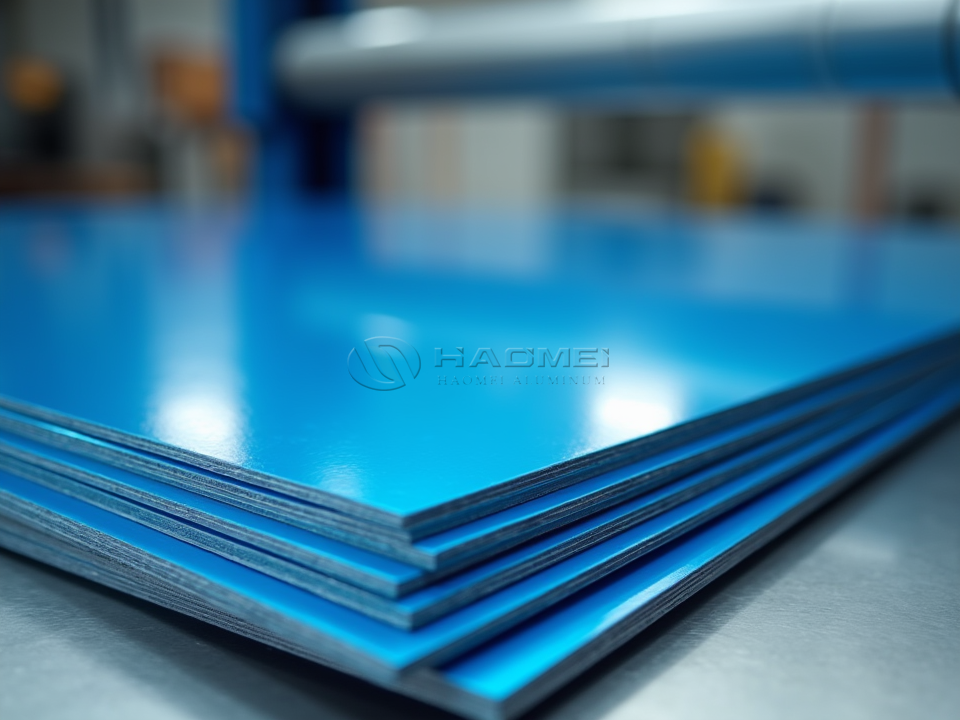
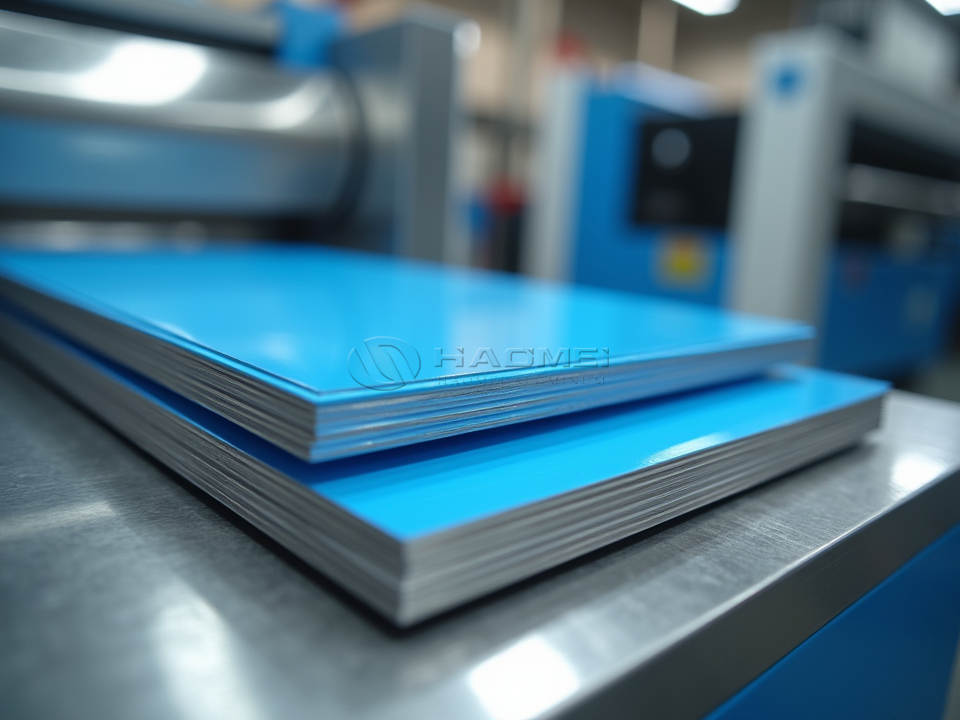
Offset Printing CTP Aluminum Plate
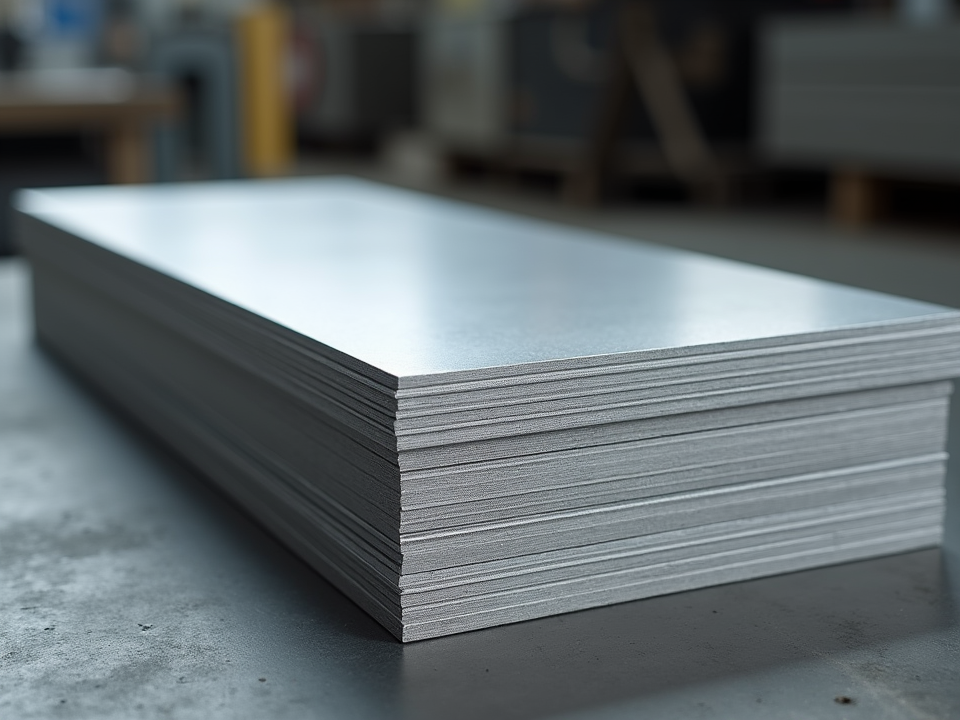
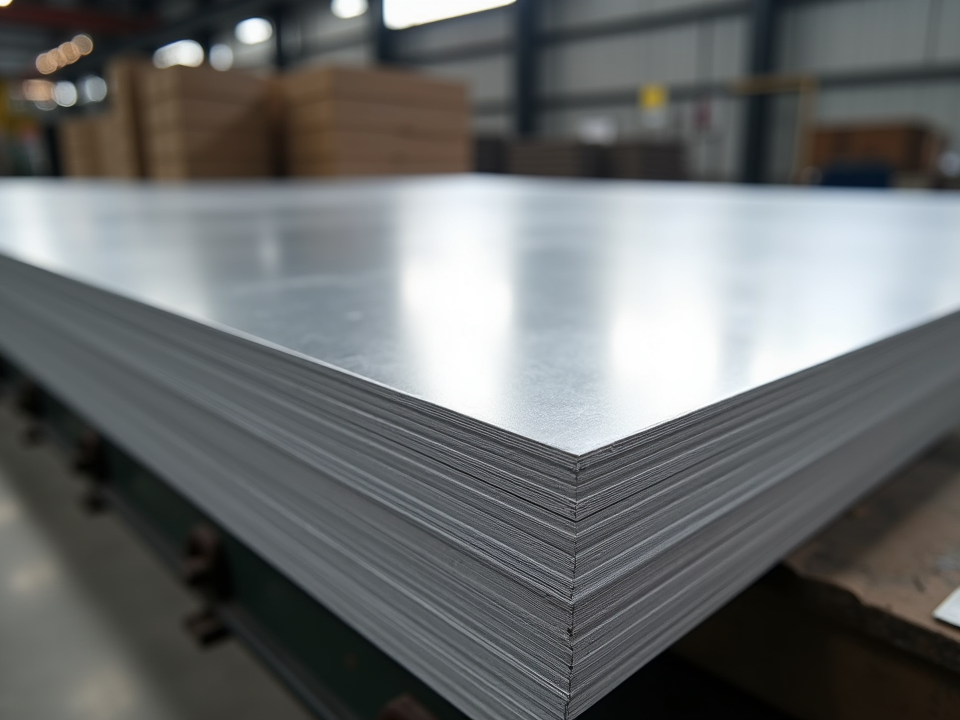
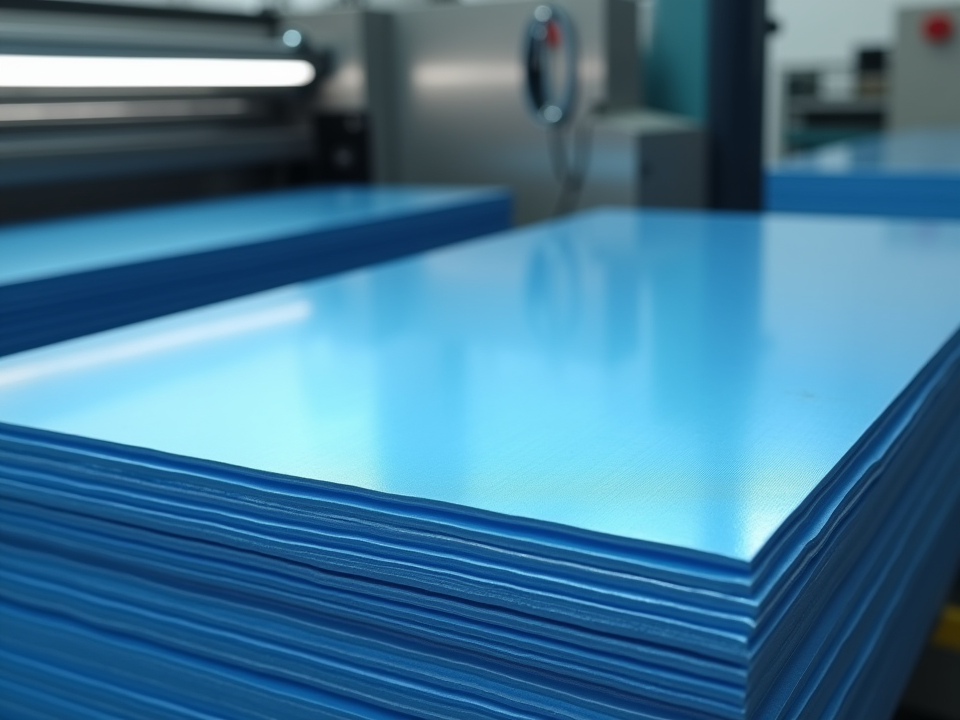
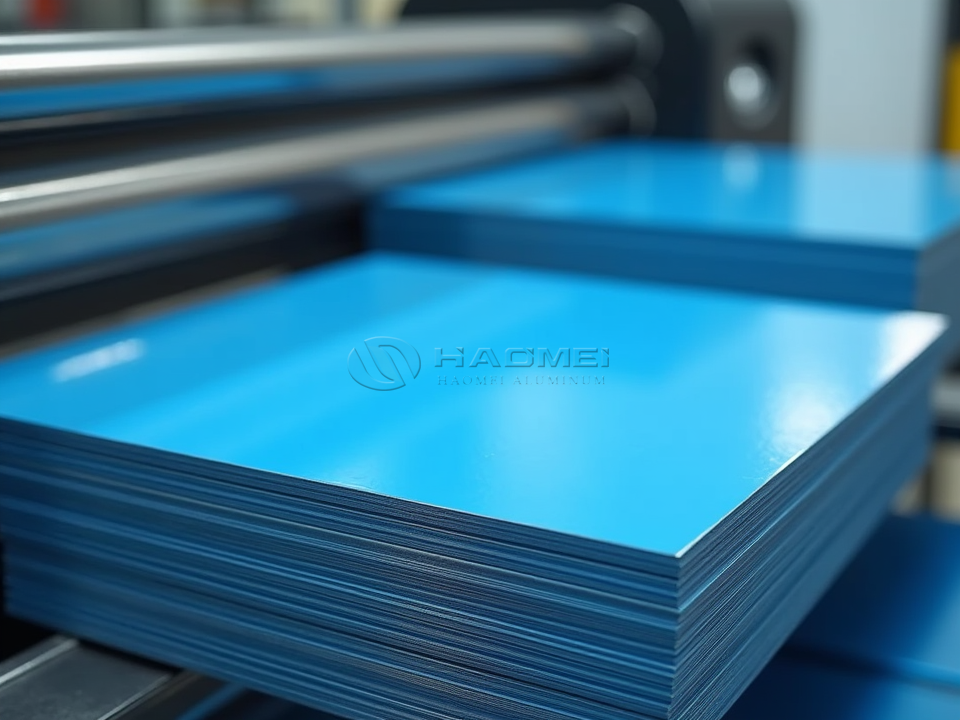
Offset printing CTP aluminum plate is a high-accuracy lithographic plate designed for computer-to-plate imaging, stable press performance, and efficient print production. It uses a dimensionally stable aluminum substrate, electrochemical graining, anodizing, and a photosensitive or thermal coating to transfer digital image data directly onto the printing plate without film.
For printers handling newspapers, books, commercial sheets, labels, folding cartons, and promotional materials, this plate offers sharp dots, fast plate making, reliable ink-water balance, and strong resistance during press operation.
Product Description
An offset printing CTP aluminum plate is built on a high-purity aluminum base, commonly from 1050, 1060, or 1070 series aluminum. The surface is mechanically and electrochemically treated to form a uniform grained structure, then anodized to improve wear resistance and coating adhesion.
The plate can be supplied in thermal, violet, UV, positive, negative, low-chemistry, processless, or long-run versions depending on the platesetter, developer system, and expected printing volume. For users seeking a general aluminum plate platform, Aluminium CTP Plate solutions provide a practical balance between imaging precision and press durability.
Main Characteristics
| Item | Performance Value |
|---|---|
| Substrate | High-purity aluminum alloy sheet |
| Imaging method | Computer-to-plate digital exposure |
| Surface structure | Uniform grained and anodized surface |
| Dot reproduction | Fine highlight and shadow detail retention |
| Ink-water balance | Fast stabilization on press |
| Coating behavior | Clean development and strong image adhesion |
| Application range | Sheet-fed, web offset, newspaper, packaging, commercial printing |
The value of the plate comes from the cooperation between the aluminum base and the coating layer. The aluminum controls flatness, strength, and dimensional stability, while the coating controls sensitivity, image contrast, chemical resistance, and press life.
Chemical Composition of Typical Aluminum Base
The substrate composition may vary by plate grade and customer requirement. The following table shows a common reference range for 1050 and 1060 aluminum plate bases used in lithographic applications.
| Element | 1050 Aluminum, % | 1060 Aluminum, % | Function in Plate Base |
|---|---|---|---|
| Al | >= 99.50 | >= 99.60 | Main metal, supports conductivity and formability |
| Fe | <= 0.40 | <= 0.35 | Influences grain refinement and strength |
| Si | <= 0.25 | <= 0.25 | Affects surface response during graining |
| Cu | <= 0.05 | <= 0.05 | Controlled to maintain corrosion behavior |
| Mn | <= 0.05 | <= 0.03 | Minor strength contribution |
| Mg | <= 0.05 | <= 0.03 | Limited for stable electrochemical treatment |
| Zn | <= 0.05 | <= 0.05 | Controlled impurity level |
| Ti | <= 0.03 | <= 0.03 | Grain structure adjustment |
| Others | <= 0.15 total | <= 0.15 total | Residual elements |
High aluminum purity is preferred because it supports consistent graining, clean anodizing, and predictable coating response. A stable substrate helps reduce plate defects such as streaks, pinholes, uneven development, and premature wear.
Technical Specifications
| Parameter | Common Range |
|---|---|
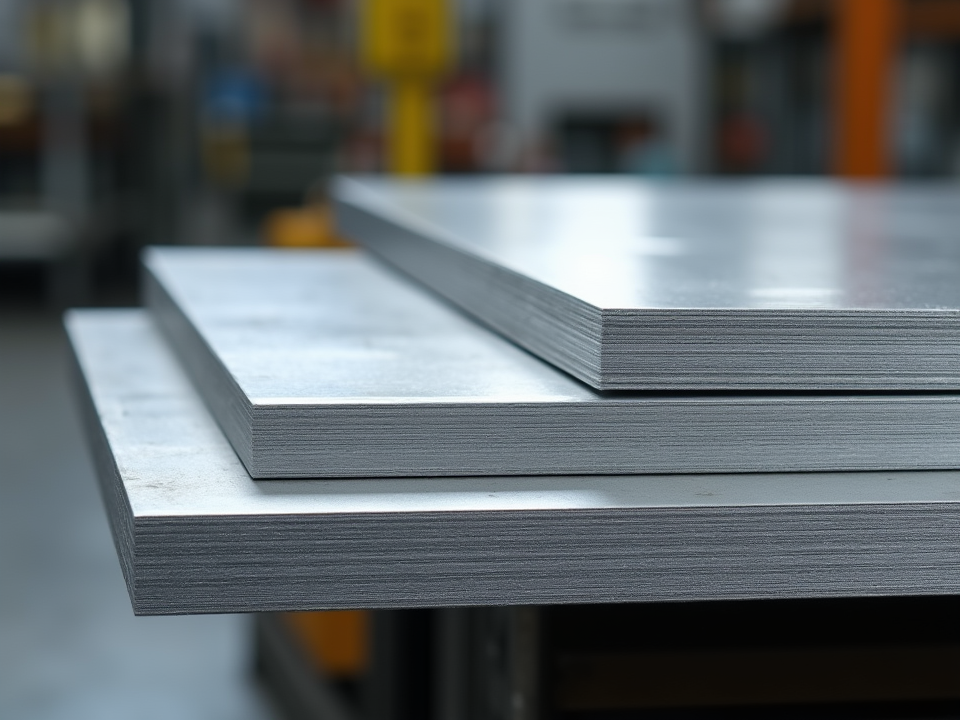
| Plate thickness | 0.15 mm, 0.20 mm, 0.24 mm, 0.27 mm, 0.30 mm, 0.40 mm |
| Width | 400 mm to 1600 mm |
| Length | Custom sheet size or coil processing |
| Thickness tolerance | ±0.005 mm to ±0.010 mm, depending on gauge |
| Surface roughness Ra | 0.45 µm to 0.65 µm typical |
| Anodic layer weight | 2.0 g/m² to 4.0 g/m² typical |
| Coating weight | 0.8 g/m² to 1.6 g/m² typical |
| Flatness | Suitable for automatic plate loading |
| Storage condition | Cool, dry, protected from light and moisture |
| Shelf life | Commonly 12 to 18 months under recommended storage |
Mechanical Properties of Aluminum Substrate
| Property | Typical Value |
|---|---|
| Temper | H18 or similar hard temper |
| Tensile strength | 130 MPa to 170 MPa |
| Yield strength | 115 MPa to 155 MPa |
| Elongation | 1% to 4% |
| Elastic modulus | Approx. 69 GPa |
| Density | Approx. 2.70 g/cm³ |
| Bending behavior | Suitable for punching, bending, and plate mounting |
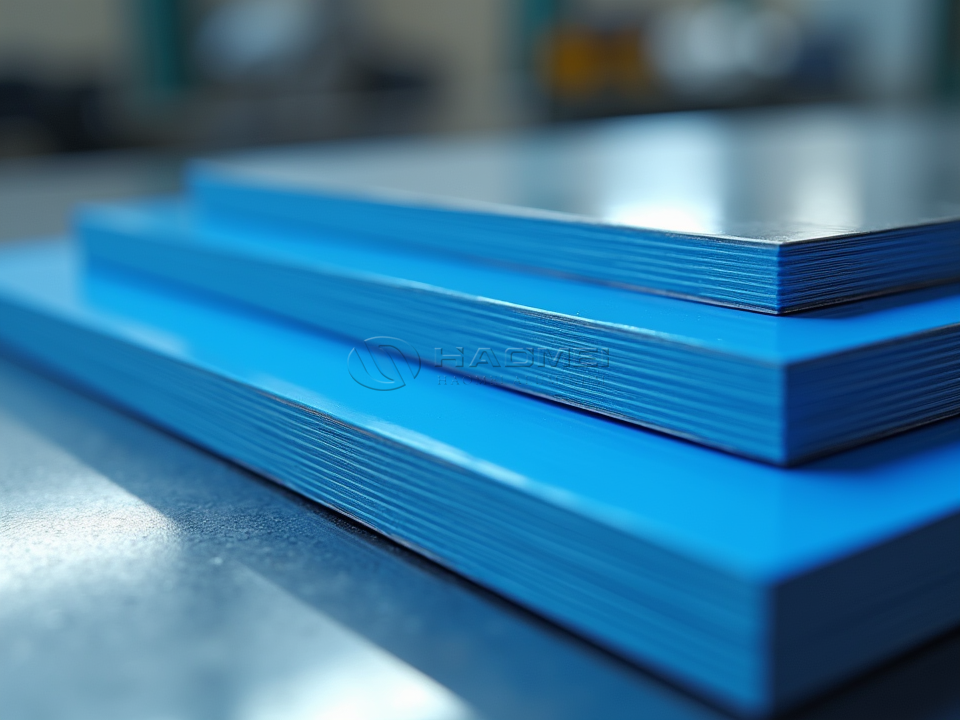
Hard temper aluminum improves handling stability during plate loading, punching, bending, and high-speed press operation. Good flatness also helps maintain registration, especially in multicolor printing.
Printing Performance Data
| Performance Item | Typical Result |
|---|---|
| Resolution | 1% to 99% at 200 lpi, depending on workflow |
| FM screening capability | 20 µm to 25 µm dot support typical |
| Run length, standard grade | 50,000 to 150,000 impressions |
| Run length, baked or long-run grade | 200,000 to 500,000 impressions or higher |
| Exposure energy, thermal type | 100 mJ/cm² to 150 mJ/cm² typical |
| Developer compatibility | Standard alkaline, low-chemistry, or processless systems |
| Start-up waste | Low, due to quick ink-water balance |
| Image contrast | Clear visual inspection after exposure or development |
For high-volume book, packaging, or publication work, a Thermal CTP Plate is often selected because of its stable daylight handling, strong image latitude, and reliable long-run performance.
Surface Engineering and Coating Behavior
The plate surface is not simply polished aluminum. It is a controlled microstructure designed to hold water in non-image areas while supporting ink acceptance in image areas. Electrochemical graining creates uniform valleys and peaks. Anodizing converts the top layer into a hard aluminum oxide film, giving the plate improved wear resistance and better coating anchorage.
The coating must react consistently to laser exposure. In thermal positive systems, the exposed area becomes soluble in developer. In negative systems, the exposed area hardens and remains on the plate. Violet and UV systems use different light-sensitive mechanisms but still depend on substrate quality for final print stability.
Practical Benefits for Printers
| Customer Need | Plate Benefit |
|---|---|
| Faster plate room workflow | Direct digital imaging removes film processing |
| Cleaner dots | Uniform coating supports sharp highlight reproduction |
| Reduced press adjustment | Stable graining helps ink-water balance quickly |
| Longer usable life | Anodized aluminum resists abrasion on press |
| Lower waste | Accurate registration and fast start-up reduce paper loss |
| Flexible production | Suitable for short-run and long-run offset jobs |
Printers can reduce preparation time because digital files are transferred directly to the plate. This improves consistency from job to job and supports repeat orders where brand color and fine text clarity matter.
Application Fields
| Printing Segment | Typical Products |
|---|---|
| Commercial printing | Brochures, catalogs, posters, calendars |
| Publishing | Books, magazines, manuals, educational materials |
| Newspaper printing | Daily papers, inserts, advertising sheets |
| Packaging | Folding cartons, paperboard boxes, labels |
| Security and fine printing | Certificates, tickets, microtext patterns |
| Web offset production | High-speed publication and direct mail work |
Offset printing CTP aluminum plate is especially valuable where image sharpness, repeatability, and press stability are required. Packaging printers appreciate its resistance to longer runs and frequent color changes. Newspaper printers prefer fast imaging and quick mounting. Commercial printers benefit from detailed reproduction in photos, gradients, and small type.
Selection Guidance
| Requirement | Recommended Plate Direction |
|---|---|
| Standard commercial jobs | Positive or thermal CTP plate |
| High-speed newspaper work | Violet or thermal plate with fast sensitivity |
| Packaging with long runs | Long-run thermal or baked plate |
| Reduced chemical handling | Low-chemistry or processless plate |
| UV ink printing | UV-compatible CTP plate |
| Fine screen reproduction | Plate with high resolution and wide exposure latitude |
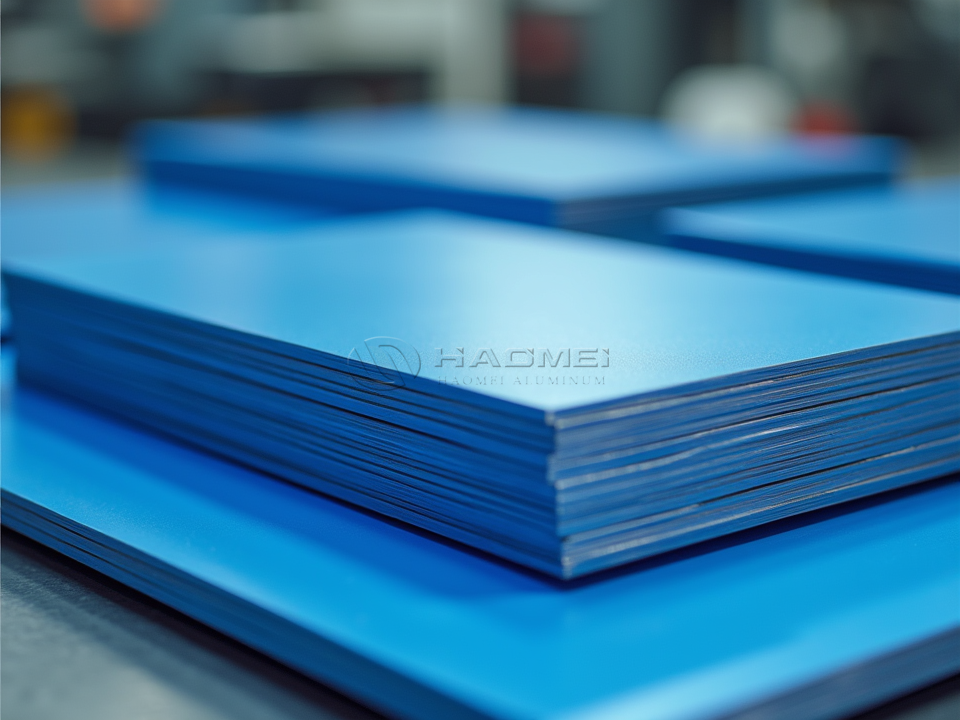
Plate selection should match the platesetter laser type, processor chemistry, press speed, ink system, substrate, and expected run length. A plate that performs well in one workflow may need adjustment in another, so exposure calibration, developer activity, and gum condition should be checked regularly.
Handling and Storage Notes
Store plates flat in original packaging, away from heat, moisture, direct sunlight, and strong chemical vapors. Before imaging, allow plates to reach room temperature to avoid condensation. During handling, gloves are recommended to prevent fingerprints, oil marks, and coating scratches.
In the plate room, stable developer temperature and replenishment improve consistency. On press, correct fountain solution pH, conductivity, and roller pressure help protect the plate surface and extend printing life.
Why This Plate Adds Value
Offset printing CTP aluminum plate combines material stability, digital workflow speed, and lithographic precision. Its high-purity aluminum base provides flatness and strength, while the engineered surface and coating deliver clean imaging and dependable press behavior. For printers aiming to improve quality, shorten preparation time, and control production cost, this plate is a reliable foundation for modern offset printing.