Double Coated CTP Aluminum Plate
Double coated CTP aluminum plate is designed for printers who need sharp imaging, long press life, and stable production across demanding offset jobs. Compared with a conventional single-layer plate, it uses two functional coating layers on a grained and anodized aluminum base. This structure gives the plate stronger resistance to chemicals, better dot holding, and wider processing tolerance, making it suitable for commercial printing, packaging, publishing, and other high-volume applications.
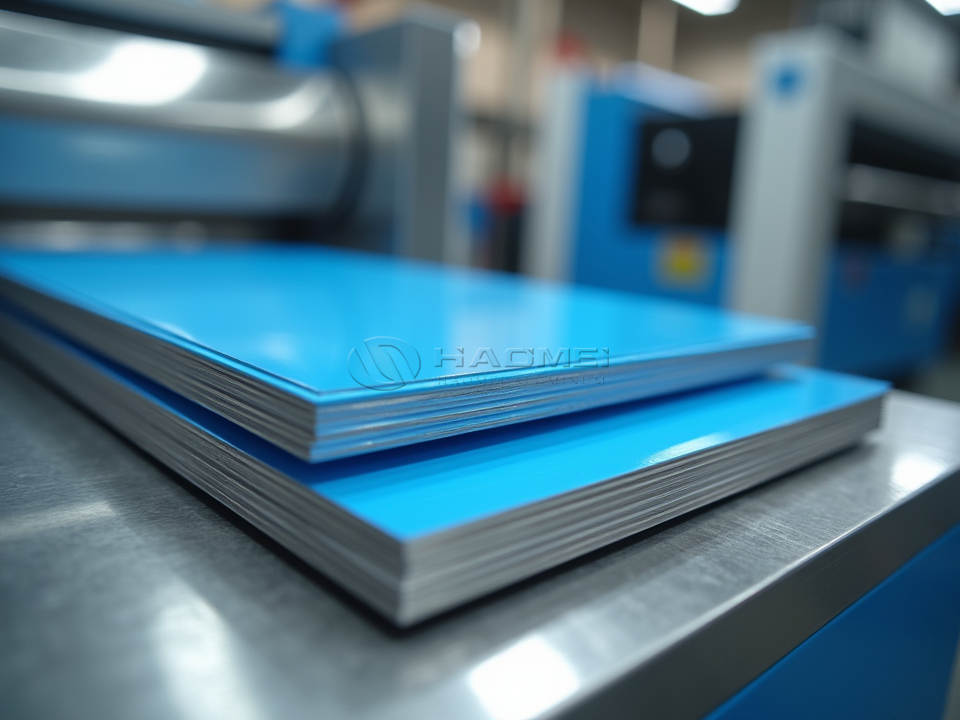
The plate is commonly used with thermal CTP imaging systems and positive-working processing. Its double coating structure helps balance sensitivity and durability: the upper layer responds cleanly during laser exposure, while the lower layer supports image strength, ink-water balance, and pressroom endurance. For buyers already using standard Aluminium CTP Plate products, the double coated version offers an upgrade path when longer run length and steadier reproduction are required.
Product Structure and Functional Design
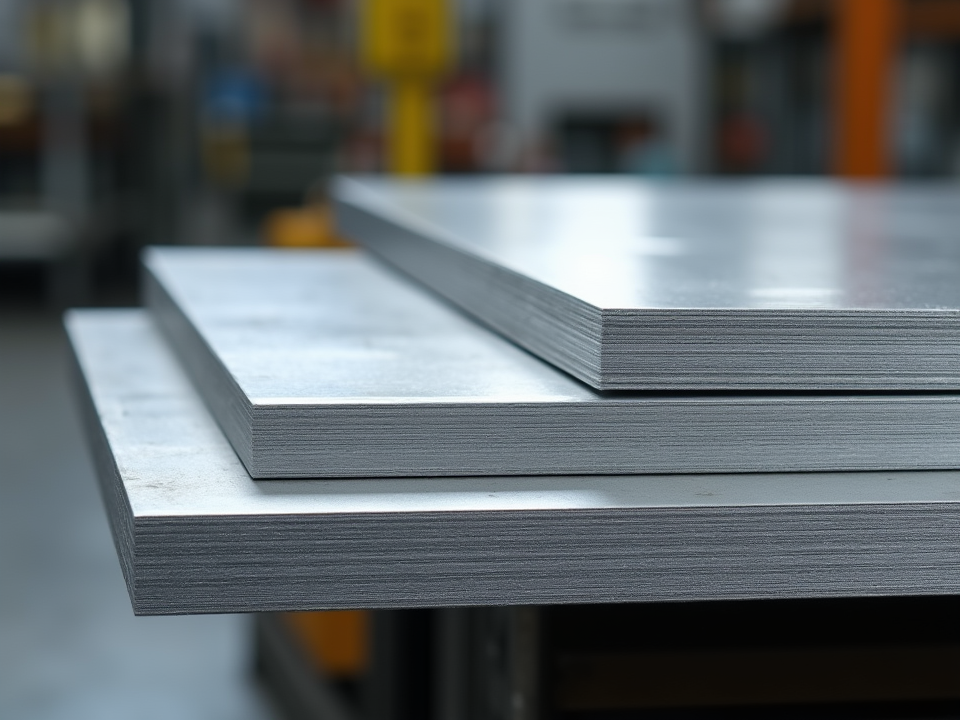
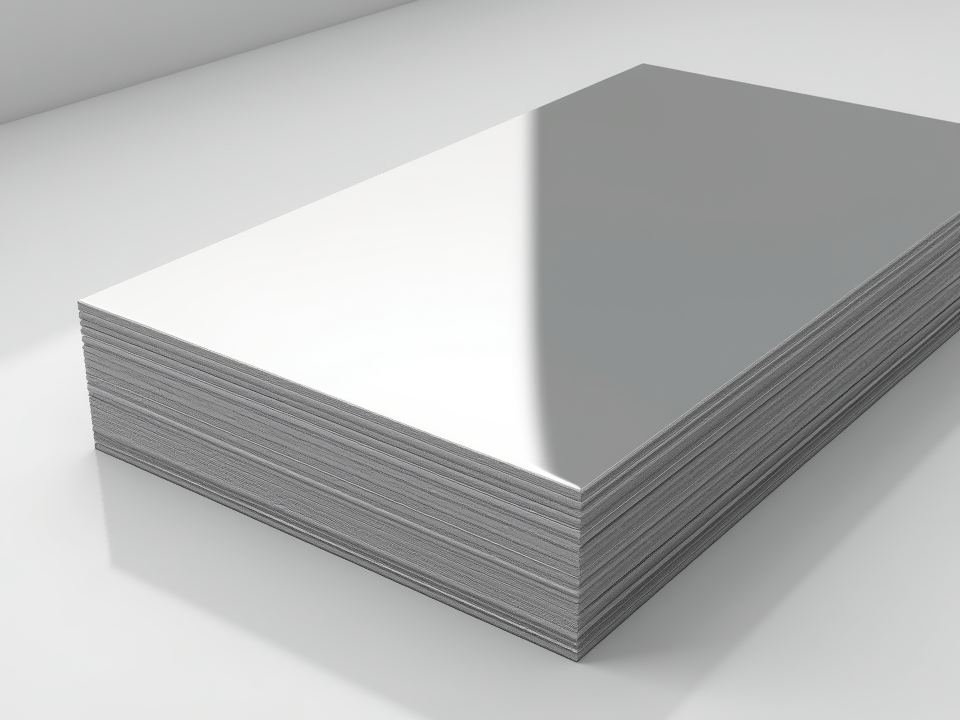
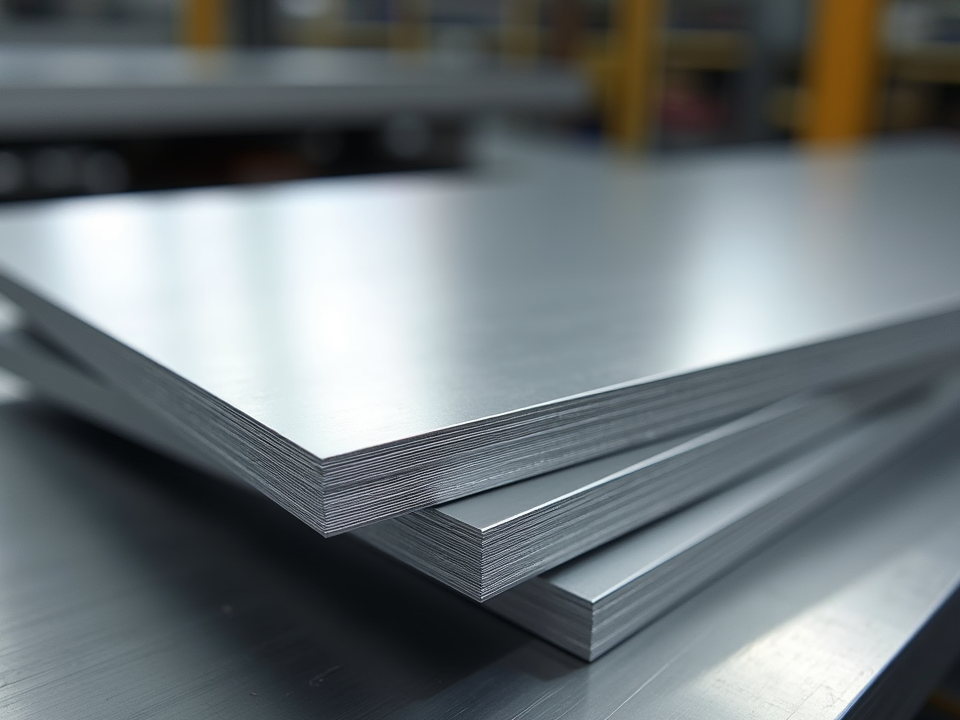
A double coated CTP aluminum plate starts with a high-purity aluminum substrate. The surface is electrochemically grained to create a controlled micro-roughness, then anodized to form a hard oxide layer. After sealing and surface treatment, two photosensitive coatings are applied with tight thickness control.
| Layer or Component | Function | Customer Benefit |
|---|---|---|
| High-purity aluminum base | Provides flatness, strength, and dimensional stability | Smooth feeding, accurate registration, stable mounting |
| Electrochemical graining | Creates a uniform water-retaining surface | Fast ink-water balance and reduced scumming risk |
| Anodized oxide layer | Improves hardness and coating adhesion | Better press durability and chemical resistance |
| Lower functional coating | Supports image anchoring and run length | Stronger image area during long printing runs |
| Upper imaging coating | Reacts to CTP laser exposure and development | Sharp dots, clean highlights, and reliable plate making |
This layered design is especially helpful in production environments where plate processors, fountain solutions, inks, and press speeds may vary from job to job. The plate is built to remain predictable, even when conditions are not perfectly constant.
Main Features Customers Notice on Press
The first advantage is image stability. A well-made double coated CTP aluminum plate can reproduce fine screens, small text, barcodes, and dense solid areas with consistent clarity. The coating resists dot loss in highlight areas and helps prevent excessive dot gain in midtones.
The second advantage is longer service life. The lower coating and anodized aluminum surface work together to resist abrasion from paper dust, ink pigments, fountain solution, and blanket pressure. This makes the plate a strong choice for long-run commercial jobs and packaging work with dense ink coverage.
Another benefit is wider development latitude. In actual plate rooms, developer activity changes with temperature, replenishment, oxidation, and contamination. A double coated plate provides more tolerance, reducing the chance of over-development or incomplete cleaning. This supports fewer remake plates and more stable daily output.
The plate also performs well during start-up. Good hydrophilicity in non-image areas allows the press to reach ink-water balance quickly. Printers can reduce paper waste during make-ready, especially on multi-color presses where every unit must stabilize together.
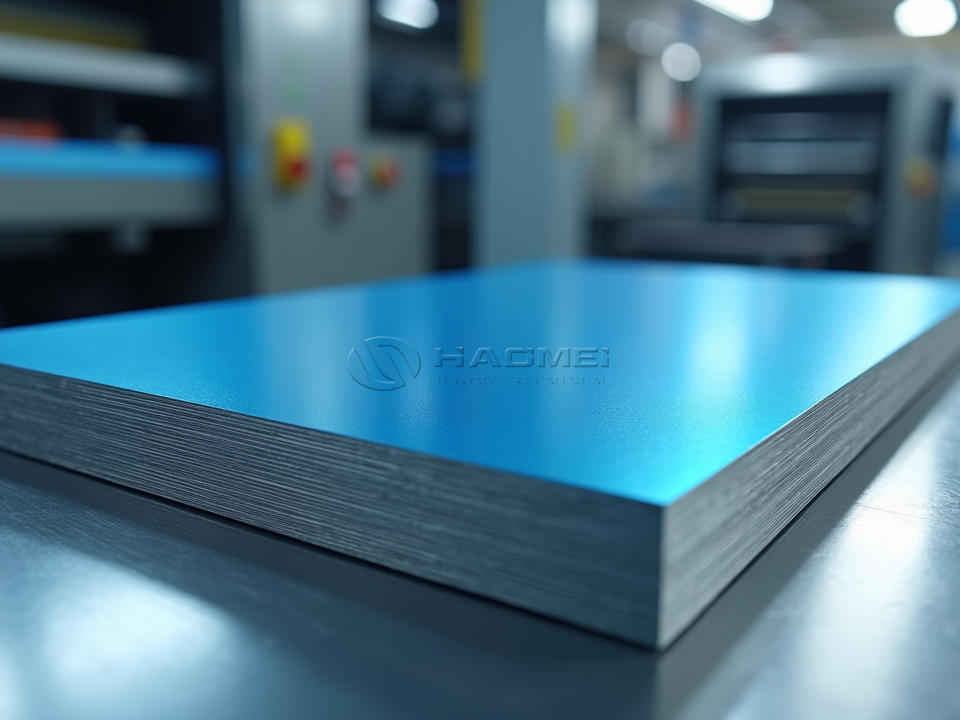
Typical Technical Parameters
Actual values can be adjusted according to customer plate setter, processor, press, and run-length targets. The following specifications represent common industrial ranges for double coated thermal CTP plates.
| Parameter | Typical Range or Value |
|---|---|
| Plate type | Positive-working double coated CTP aluminum plate |
| Imaging wavelength | 830 nm thermal laser |
| Plate thickness | 0.15 mm, 0.20 mm, 0.24 mm, 0.30 mm, 0.40 mm |
| Exposure energy | 110-150 mJ/cm2, depending on equipment |
| Resolution | 1%-99% at 200 lpi under suitable conditions |
| FM screening capability | Down to 20 micron, subject to workflow control |
| Unbaked run length | Commonly 150,000-300,000 impressions |
| Baked run length | Up to 800,000-1,000,000 impressions in suitable conditions |
| Developer compatibility | Positive thermal CTP developer systems |
| Safelight condition | Normal daylight handling for limited time before exposure |
| Shelf life | Usually 18-24 months in recommended storage |
| Storage condition | Cool, dry, sealed packaging, away from heat and humidity |
For buyers comparing thermal plate options, double coated products are often evaluated alongside Long Run Thermal CTP Plate grades because both are selected when durability and print consistency are high priorities.
Aluminum Substrate and Chemical Composition
The substrate is usually made from high-purity aluminum alloy suitable for lithographic plate production. Clean metallurgy, controlled rolling, and precise surface finishing are essential because even small defects can affect coating uniformity or printing behavior.
| Element | Typical Content for High-Purity Plate Base |
|---|---|
| Aluminum | Balance, commonly 99.5% or higher |
| Silicon | Up to 0.25% |
| Iron | Up to 0.40% |
| Copper | Up to 0.05% |
| Manganese | Up to 0.05% |
| Magnesium | Up to 0.05% |
| Zinc | Up to 0.07% |
| Titanium | Up to 0.05% |
| Other elements | Controlled trace levels |
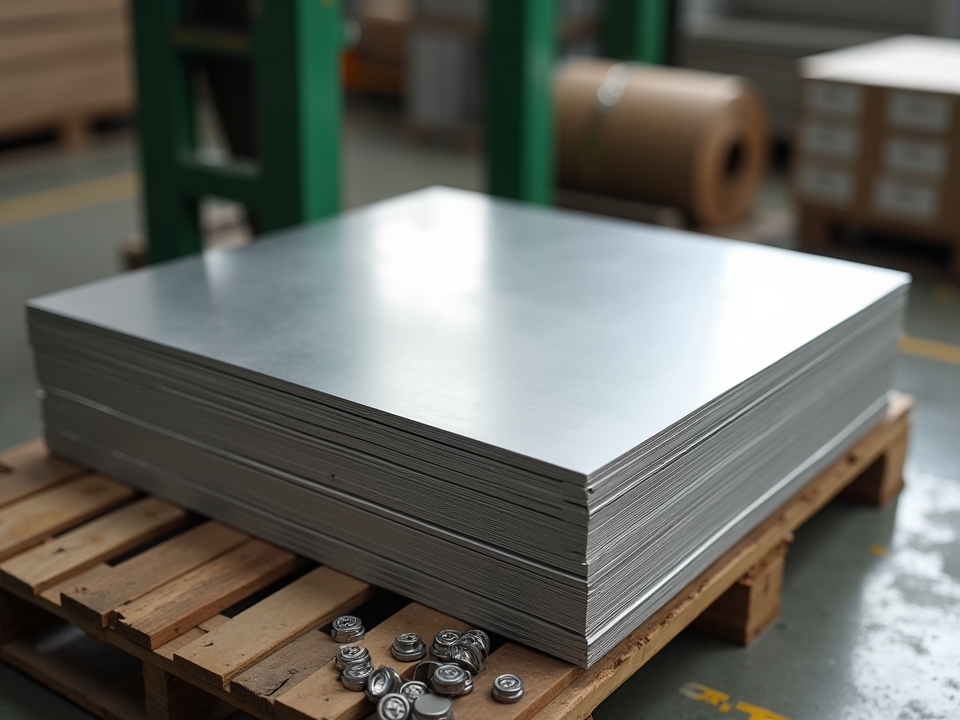
The aluminum base must have stable gauge, low residual stress, and a clean surface. In sheet production, rolling quality affects flatness and mechanical behavior, while surface treatment affects water retention and coating adhesion. For CTP plates, both metal quality and coating technology must work as one system.
Application Areas
Double coated CTP aluminum plate is used wherever offset printers need dependable output and extended press performance. It is suitable for sheetfed and web offset applications, with particular strength in medium and long print runs.
| Application | Why This Plate Fits |
|---|---|
| Commercial brochures and catalogs | Fine images, smooth gradients, and repeatable color control |
| Packaging printing | Strong solids, stable registration, and resistance to abrasion |
| Book and magazine printing | Long-run consistency with reduced plate changes |
| Label and insert printing | Accurate text, barcodes, and fine line reproduction |
| Newspaper supplements | Fast plate making and reliable press start-up |
| High-coverage jobs | Better chemical and wear resistance during heavy ink transfer |
In packaging, the plate is valued for clean image edges and durability under heavier ink loads. In publishing, it supports consistent tone reproduction across many forms. In commercial work, it helps printers handle a mix of short and long jobs without constantly changing plate type.
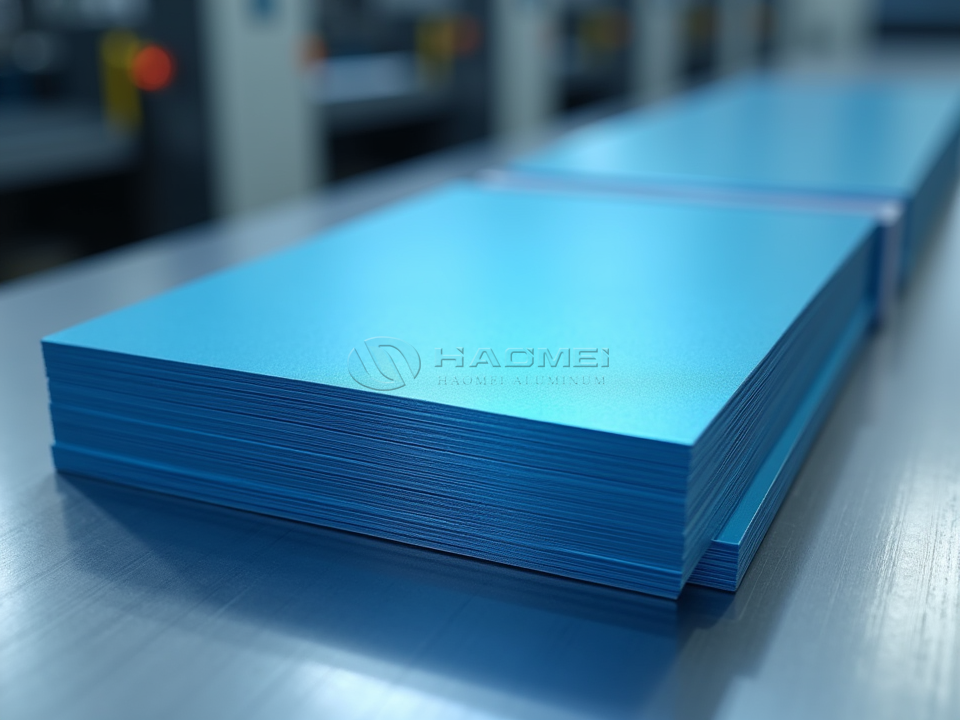
Handling and Storage Guidance
Although the plate is durable on press, careful handling before imaging is still important. Packages should be stored flat in a dry room, away from direct sunlight, steam, and chemical vapor. Sudden temperature changes can cause condensation, which may affect coating performance. Before opening, plates should be allowed to reach room temperature if they have been stored in a colder area.
During plate making, clean processor maintenance is essential. Developer strength, bath temperature, brush pressure, and replenishment rate should be monitored regularly. A double coated plate gives more tolerance than many standard plates, but stable processing remains the foundation of repeatable printing.
On press, correct fountain solution conductivity, pH, blanket condition, and packing pressure will help the plate reach its full run length. If baking is used, follow the recommended baking temperature and time to avoid coating brittleness or image distortion.
Why Printers Choose Double Coated CTP Aluminum Plate
Customers select this plate because it brings together fast digital imaging, strong aluminum support, and a coating system built for real pressroom conditions. It offers fine dot reproduction for demanding graphics, long run capability for cost control, and process stability that helps reduce remakes.
For printers running varied workloads, double coated CTP aluminum plate provides a practical balance between quality and endurance. It is not only a plate for long jobs; it is also a dependable daily production material for shops that want cleaner starts, fewer interruptions, and more predictable results from prepress to final printed sheet.