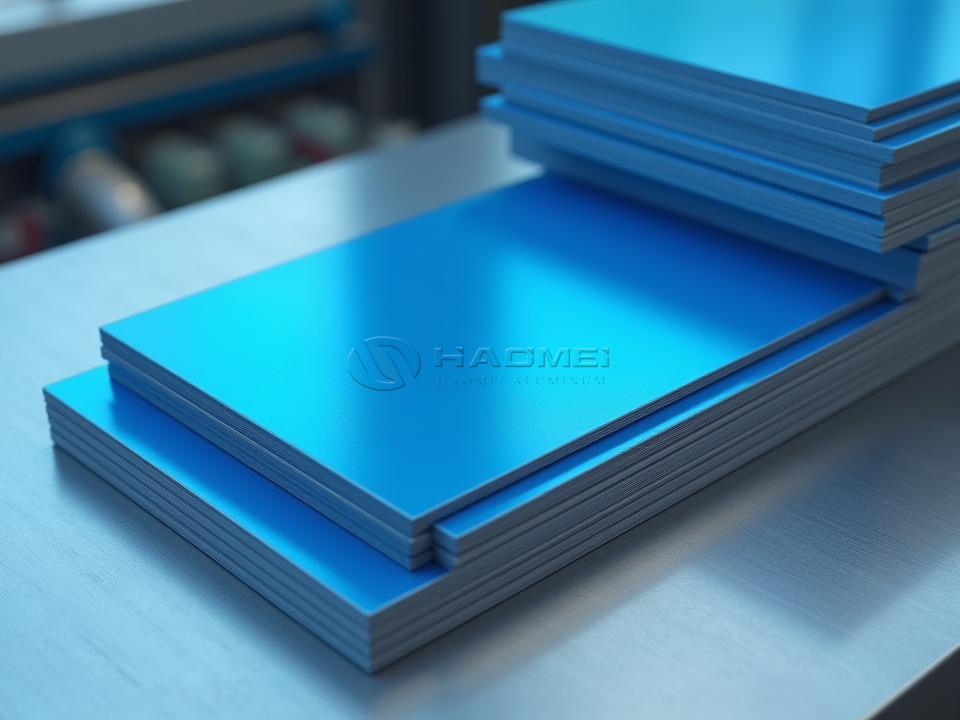
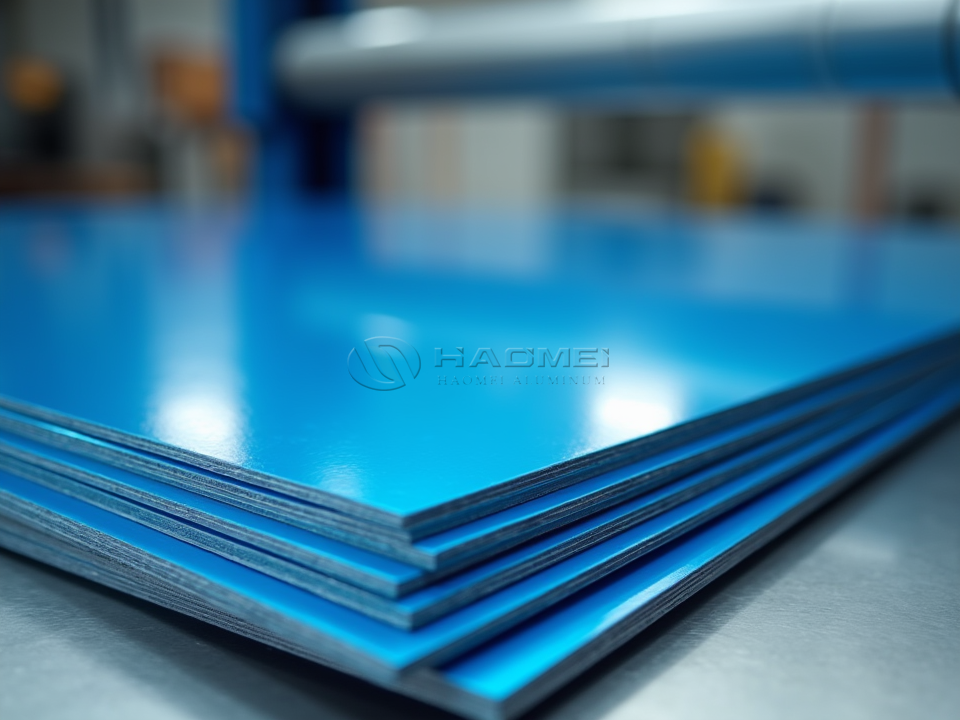
Computer to Plate Aluminum Material
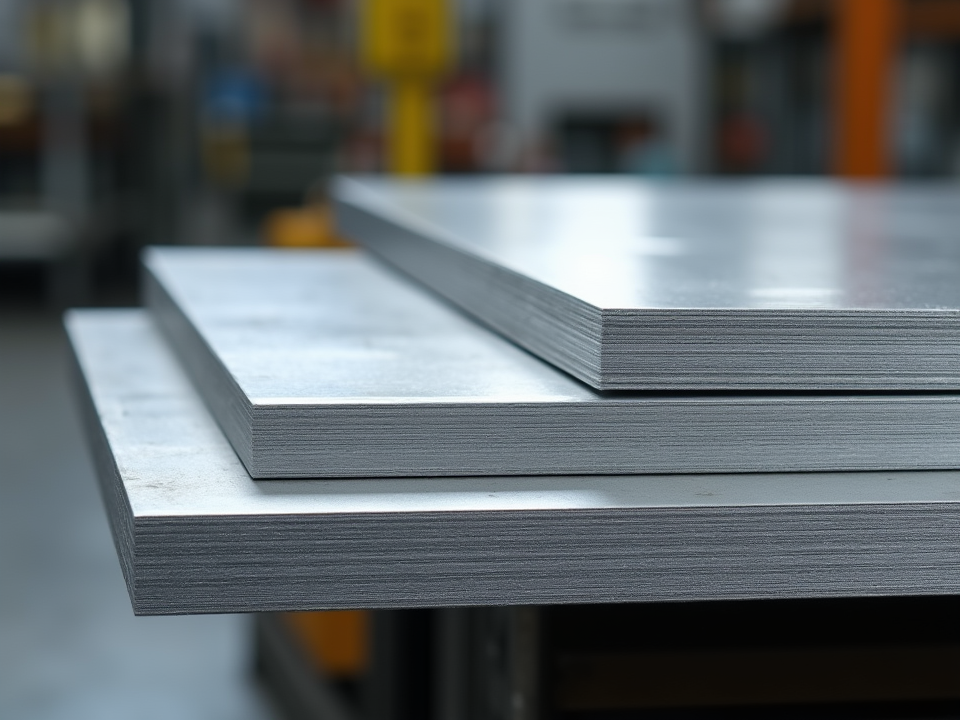
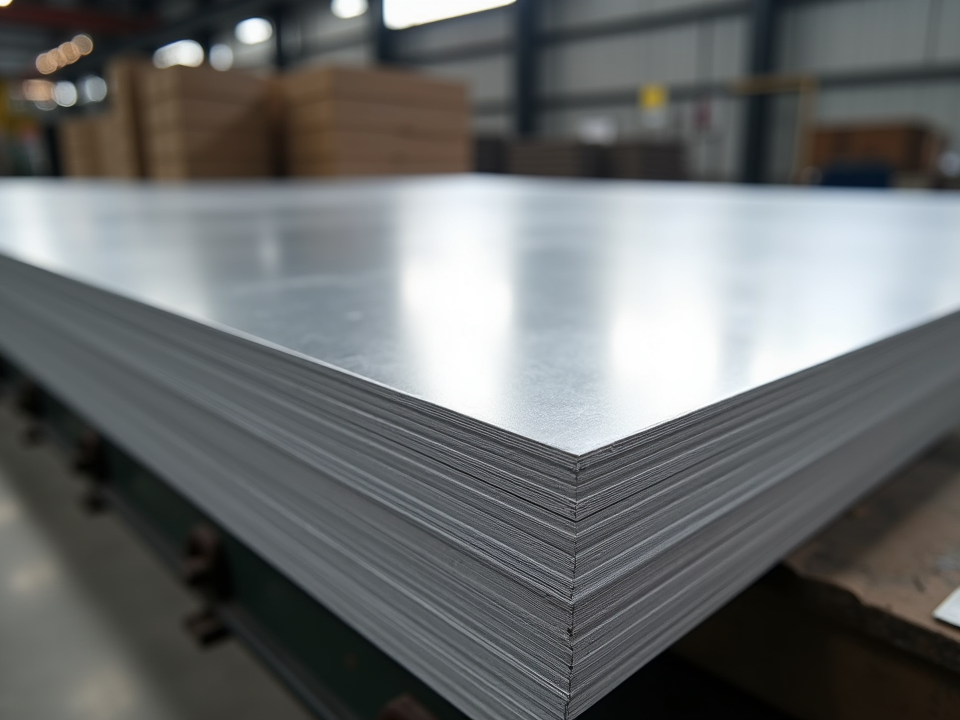
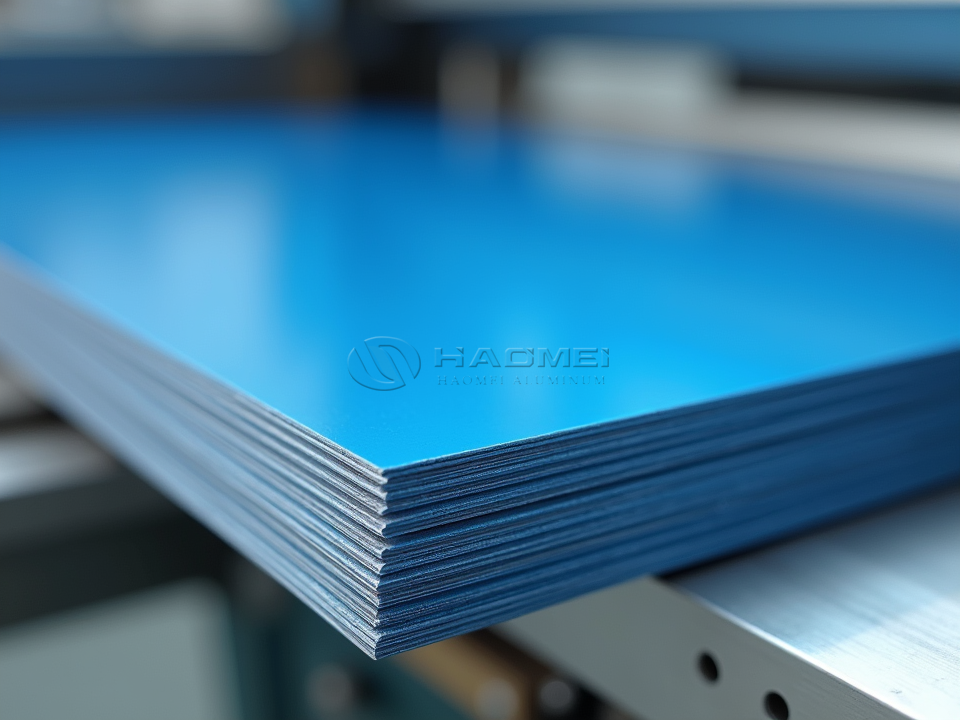
Computer to plate aluminum material is not only a printing consumable. In a modern pressroom, it acts like a physical memory surface: digital files are written onto a coated aluminum sheet, then transferred into repeatable ink and water behavior on press. Its value comes from the way aluminum flatness, grain structure, anodic layer, and photosensitive coating work together.
For buyers, the question is not simply whether the plate can be imaged. The real question is whether it can hold dots cleanly, resist wear during production, mount smoothly on the cylinder, and keep color stable across thousands or hundreds of thousands of impressions.
What the Material Does in the Printing Chain
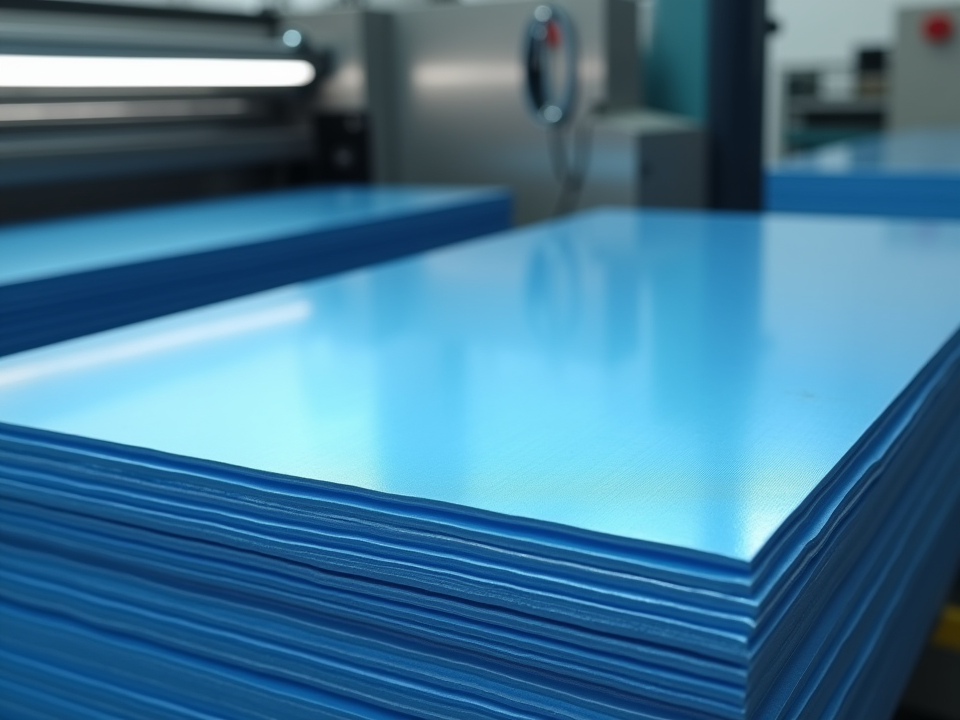
Computer to plate, often shortened as CTP, removes the film stage from offset plate making. A laser images the plate directly from digital data. The aluminum base provides mechanical strength, while the coated layer forms image and non-image areas.
The aluminum material performs several functions at once. It keeps the plate dimensionally stable during exposure, processing, bending, and press rotation. It provides a controlled surface for electrochemical graining, helping water retention in non-image areas. It carries an anodized oxide layer that improves coating adhesion and corrosion resistance. It also allows fast heat transfer during thermal imaging, which is especially important for an Thermal CTP Plate used in commercial offset printing.
Seen from the press operator's viewpoint, the plate is a negotiation surface between ink and dampening solution. Good aluminum CTP material makes that negotiation predictable.
Aluminum Alloy and Temper Conditions
Most computer to plate aluminum material is produced from high-purity aluminum alloys such as 1050, 1050A, 1060, 1070, or 1100. These alloys are selected because they combine corrosion resistance, formability, surface consistency, and stable electrochemical response.
Common temper conditions include H18 and H19 for higher hardness and dimensional stability. Some applications may use H16 or H24 depending on bending requirements and plate thickness. For high-speed press operation, the material must resist elongation, edge cracking, and cylinder movement. A harder temper helps the plate remain accurate during mounting and long production runs.
Typical thickness ranges are 0.15 mm to 0.40 mm. Newspaper plates often use thinner gauges such as 0.15 mm, 0.20 mm, or 0.24 mm. Commercial sheetfed and web offset printing often uses 0.27 mm or 0.30 mm. Packaging and longer press runs may require 0.30 mm or 0.40 mm, depending on equipment and job length.
Typical Technical Parameters
| Item | Common Range or Requirement |
|---|---|
| Alloy | 1050, 1050A, 1060, 1070, 1100 |
| Temper | H18, H19, H16, H24 according to application |
| Thickness | 0.15 mm-0.40 mm |
| Width | Usually 400 mm-1600 mm, customizable by press format |
| Length | Sheet or coil supply, cut to plate size |
| Surface roughness after graining | Usually Ra 0.45-0.70 um |
| Anodic oxide layer | Commonly 2.0-4.0 g/m² depending on plate type |
| Tensile strength | Approx. 130-180 MPa depending on alloy and temper |
| Elongation | Controlled for bending and mounting stability |
| Flatness | Tight tolerance to support laser focus and registration |
| Coating type | Thermal, violet, UV, positive, negative, processless, low chemistry |
These values can be adjusted to match the customer's exposure system, developer chemistry, printing speed, run length, and press cylinder design.
Chemical Composition Reference
The chemical properties of the aluminum base influence graining behavior, oxide uniformity, and corrosion resistance. High aluminum purity helps produce a clean, even surface after rolling, degreasing, graining, anodizing, and coating.
| Alloy | Al Min. | Si | Fe | Cu | Mn | Mg | Zn | Ti | Other Total |
|---|---|---|---|---|---|---|---|---|---|
| 1050A | 99.50% | <=0.25 | <=0.40 | <=0.05 | <=0.05 | <=0.05 | <=0.07 | <=0.05 | <=0.15 |
| 1060 | 99.60% | <=0.25 | <=0.35 | <=0.05 | <=0.03 | <=0.03 | <=0.05 | <=0.03 | <=0.15 |
| 1070 | 99.70% | <=0.20 | <=0.25 | <=0.04 | <=0.03 | <=0.03 | <=0.04 | <=0.03 | <=0.10 |
| 1100 | 99.00% | Si+Fe <=0.95 | Included in Si+Fe | 0.05-0.20 | <=0.05 | -- | <=0.10 | -- | <=0.15 |
Composition should comply with recognized aluminum sheet standards such as ASTM B209, EN 485, GB/T 3880, and JIS H4000 where applicable. Finished printing performance may also be evaluated with reference to ISO 12647 for process control in offset printing.
Surface Engineering: Where the Plate Gains Its Character
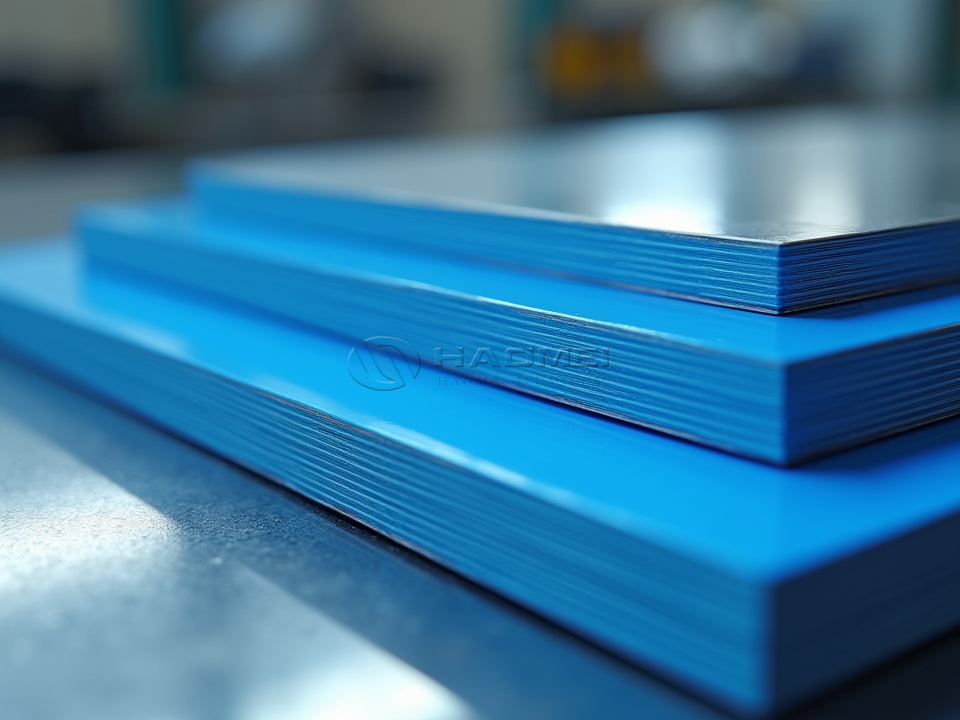
Before coating, the aluminum sheet is not ready for printing. It must pass through surface treatment. Degreasing removes rolling oil and contaminants. Electrochemical graining creates a fine, sponge-like topography. Anodizing builds a hard aluminum oxide layer. Sealing and coating then prepare the plate for laser imaging.
This treated surface is the reason an Aluminium CTP Plate can hold fine dots while keeping non-image areas hydrophilic. If the surface is too smooth, water control may become weak. If it is too rough, dot reproduction and coating uniformity may suffer. The target is controlled micro-roughness, not random texture.
Imaging Types and Their Practical Meaning
Thermal CTP material is widely used for commercial printing because it offers high stability under normal light and sharp dot formation with infrared laser exposure, commonly around 830 nm. It is suitable for brochures, books, packaging inserts, calendars, and high-quality color work.
Violet CTP material is exposed by violet laser, often around 405 nm. It is known for fast imaging speed and is often used in newspaper production and high-volume plate rooms. A violet plate can be a practical choice where production speed and plate economy are major concerns.
UV CTP and conventional compatible plates are designed to work with UV imaging systems or strong UV ink environments. Processless and low chemistry plates reduce developer use, wastewater, and maintenance time, which helps printers looking for cleaner workflows.
Negative and positive CTP plates differ in how exposed and unexposed areas respond during processing. Negative plates often provide strong run length and chemical resistance, while positive plates are valued for high resolution and stable highlights.
Applications Across Printing Markets
In commercial sheetfed printing, computer to plate aluminum material supports fine image detail, smooth gradients, and accurate color registration. Catalogs, magazines, art books, manuals, flyers, and brand materials rely on stable dot reproduction.
In newspaper printing, the material must support fast imaging, quick mounting, and stable performance on high-speed web presses. Plate weight, gauge consistency, and bending behavior become especially important because production windows are short.
In packaging printing, run length and resistance matter. Folding cartons, labels, paper bags, and display materials may involve stronger inks, frequent wash-ups, and longer press cycles. A thicker aluminum base or long-run coating can improve durability.
For UV ink printing, the plate surface and coating need better resistance to aggressive chemicals. Poor resistance can cause image wear, scumming, or shortened plate life. Matching the plate type to ink system is therefore essential.
Implementation Standards and Quality Control Points
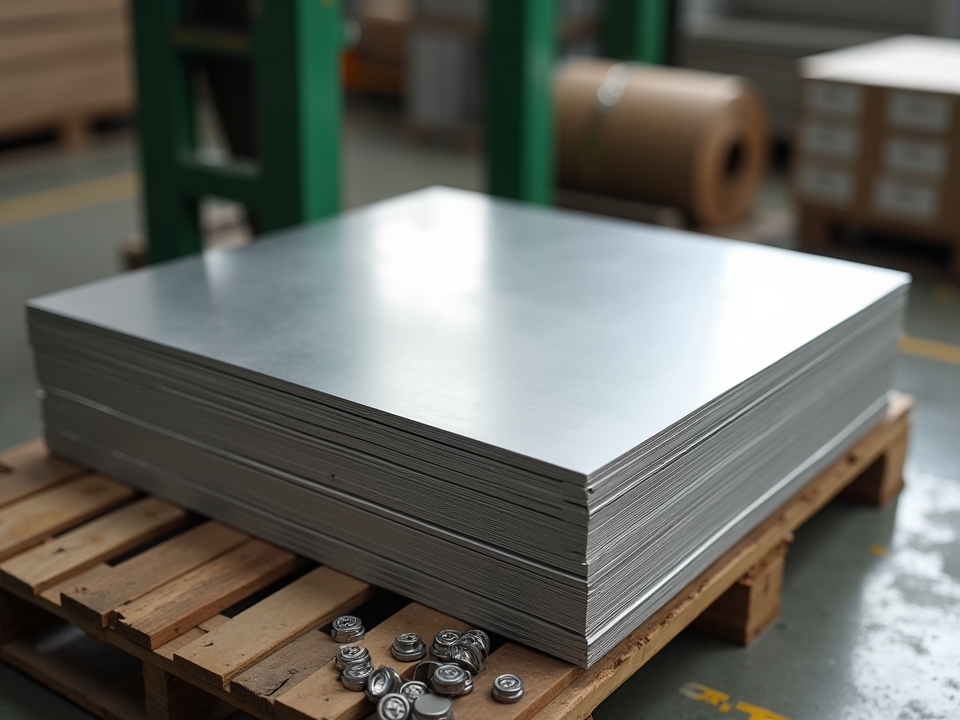
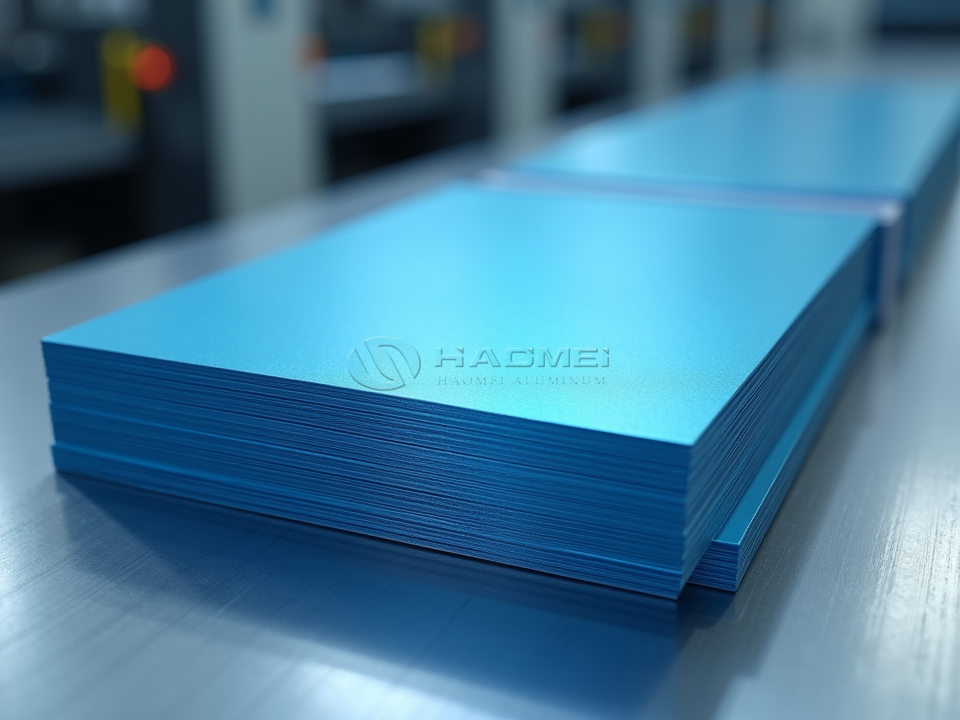
Reliable computer to plate aluminum material should be checked from coil to finished plate. Aluminum coil quality includes thickness tolerance, width tolerance, diagonal accuracy after cutting, burr control, surface cleanliness, and flatness. Surface treatment checks include roughness, oxide weight, coating weight, sensitivity, resolution, and development latitude.
Common quality expectations include clean edges without cracks, uniform coating without scratches or pinholes, stable sensitivity across the plate, good vacuum contact or laser focus compatibility, and consistent behavior during bending. Packaging should protect plates from humidity, light, abrasion, and impact during storage and shipping.
Storage is also part of implementation. Plates should be kept in a dry, cool indoor environment, away from direct sunlight, acid vapor, alkali vapor, and sudden temperature changes. Before imaging, plates should be acclimated to the plate room to avoid condensation.
How to Select the Right Material Quickly
Choose by press type, imaging system, run length, ink chemistry, and required resolution. A newspaper plant may focus on fast exposure and economical gauge. A commercial printer may require high dot fidelity and stable development. A packaging printer may need thicker material, stronger coating adhesion, and better chemical resistance.
The best computer to plate aluminum material is the one that makes the digital file behave predictably on press. When alloy purity, temper hardness, surface graining, anodic layer, and coating chemistry are correctly matched, the plate becomes more than aluminum sheet. It becomes a precise bridge between prepress data and printed color.