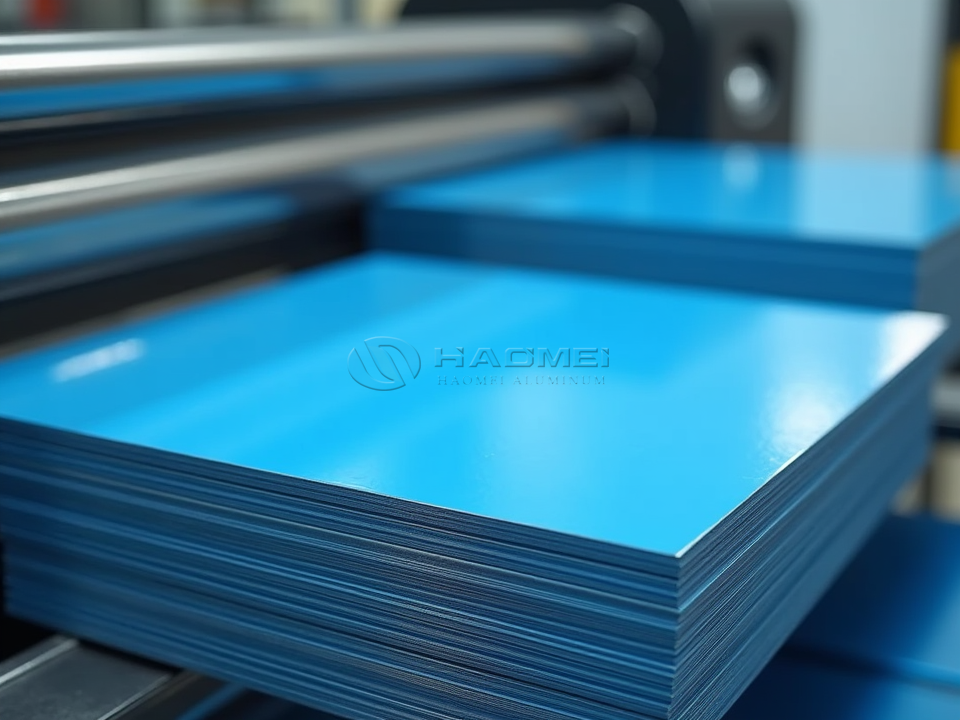
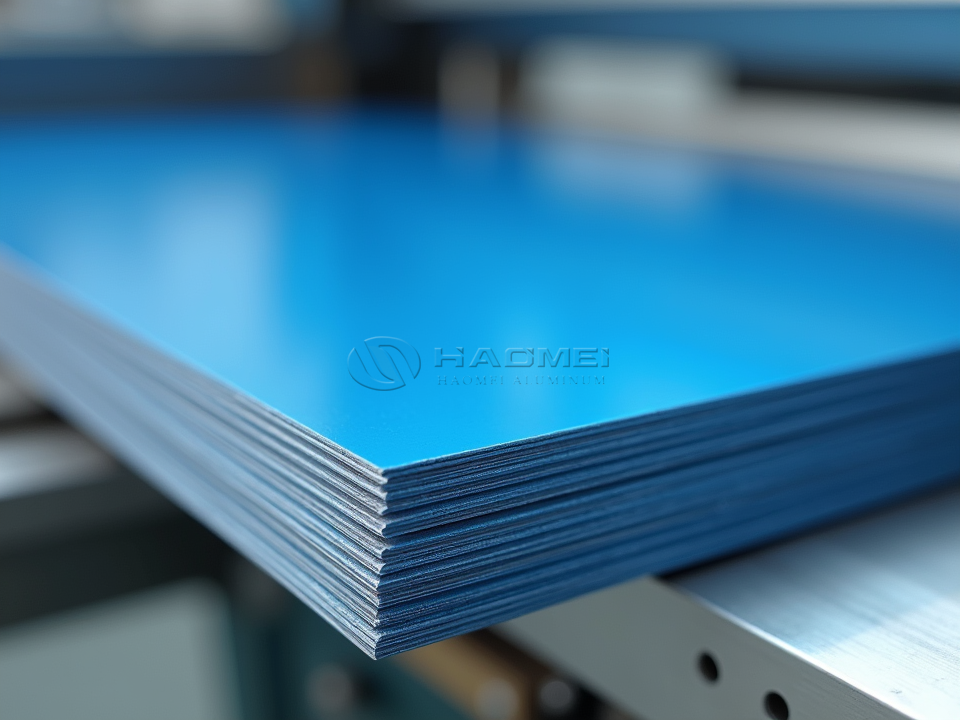
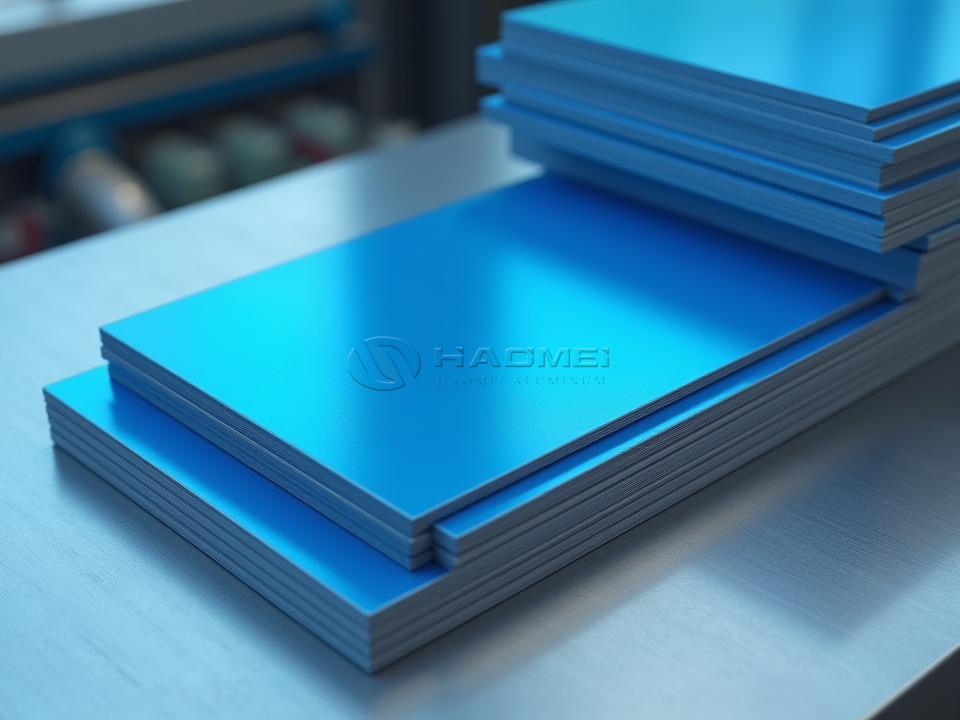
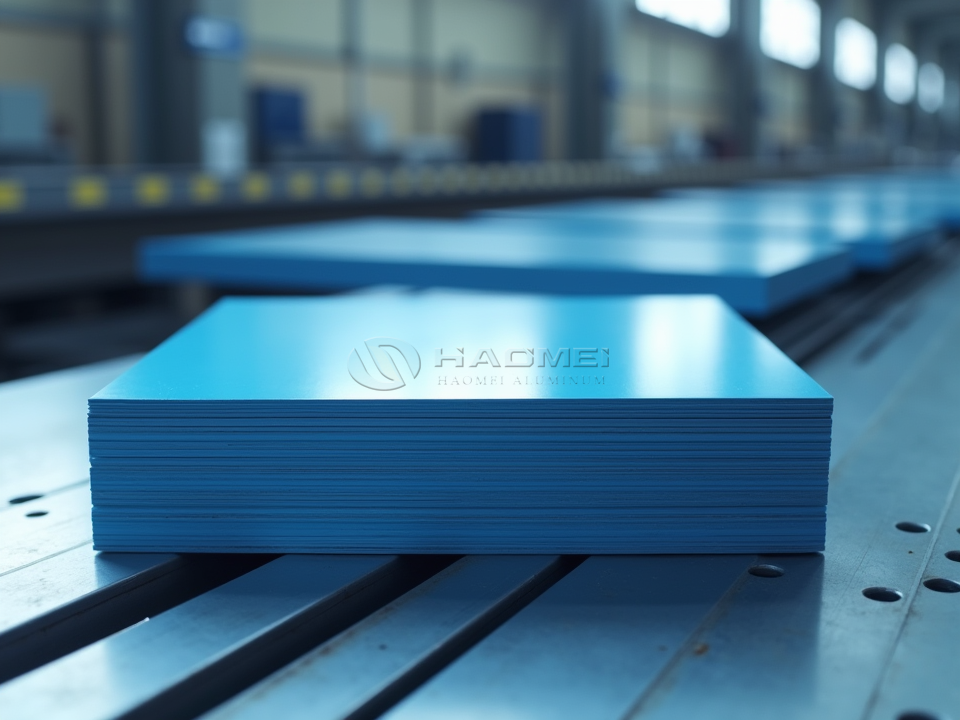
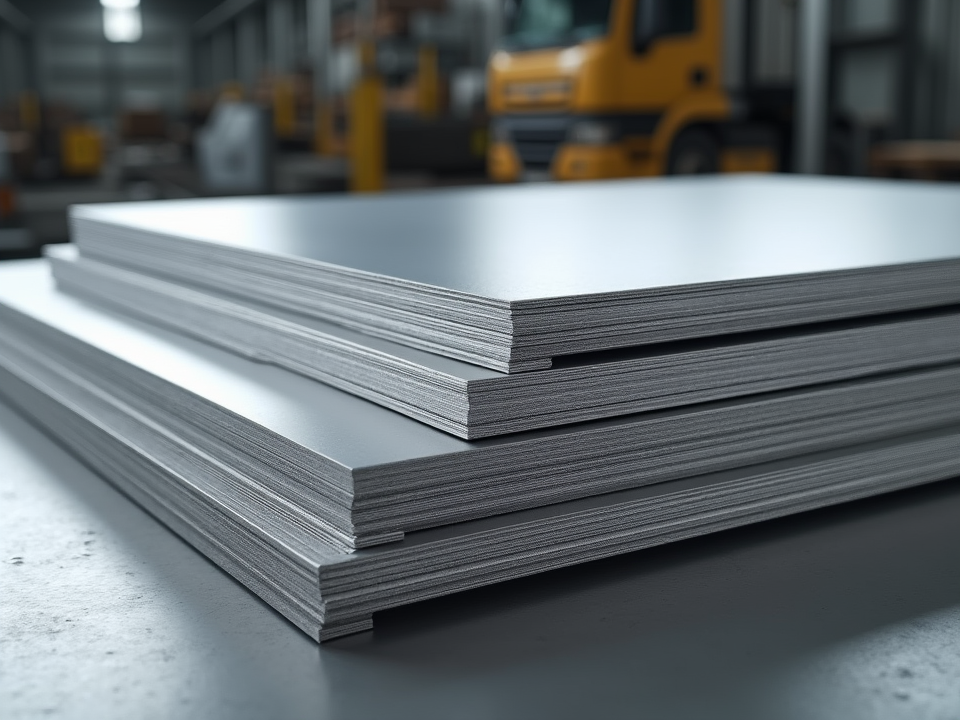
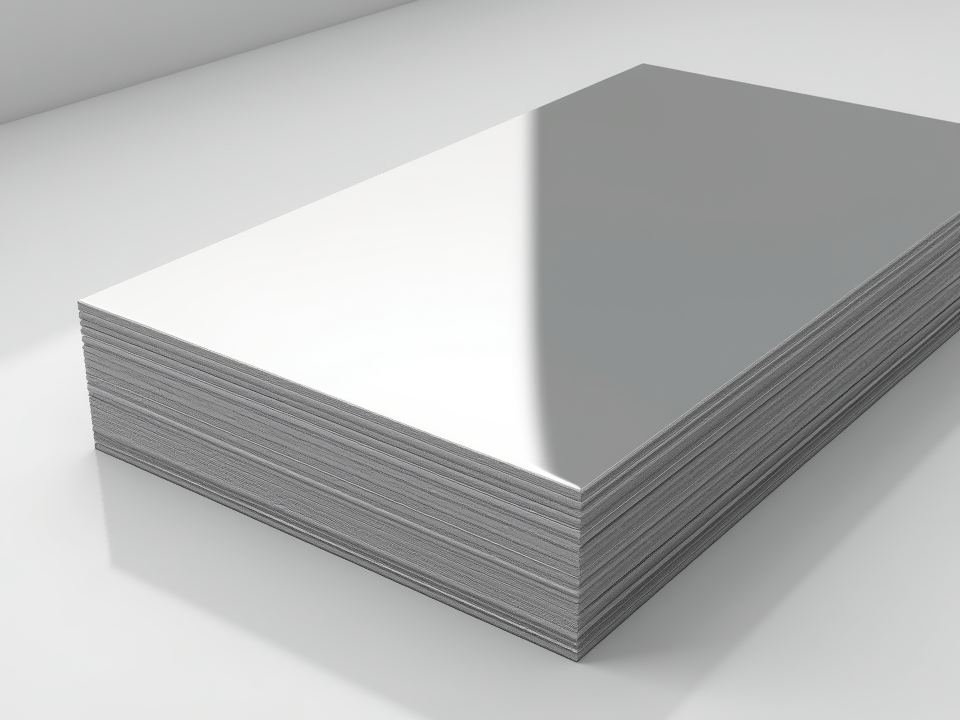
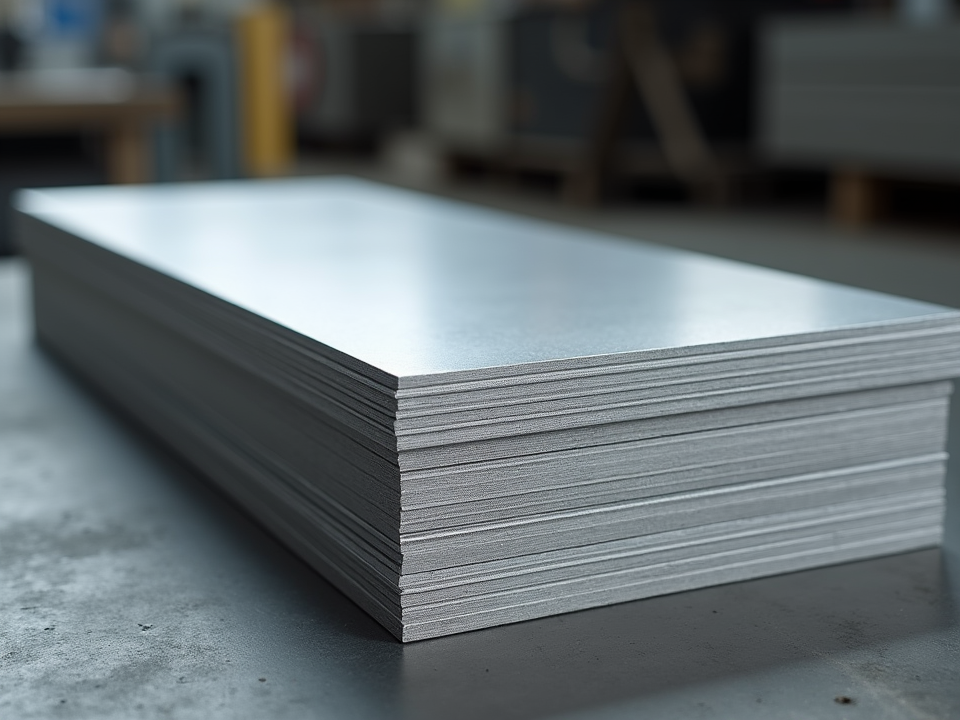
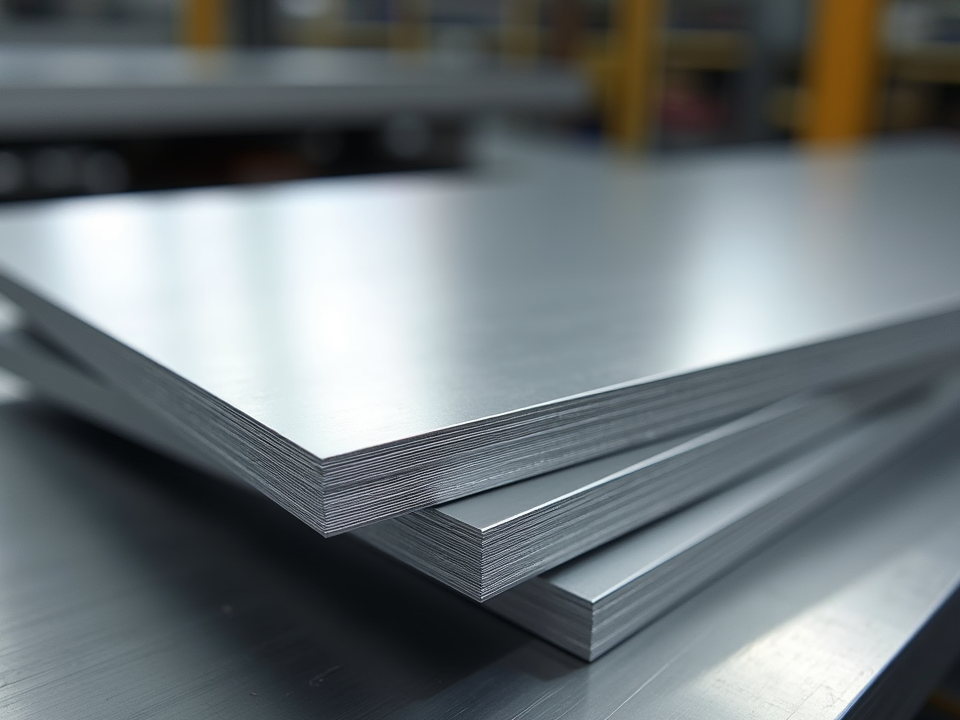
Positive Thermal CTP Aluminum Sheet
A positive thermal CTP aluminum sheet is more than a flat metal carrier with a photosensitive layer. In a modern printing room, it behaves like a precision interface between digital imaging data, chemical development, ink transfer, water balance, and long-run press stability. When the aluminum base, anodized surface, and positive thermal coating are matched correctly, the plate gives clean dots, fast imaging, steady registration, and dependable run length.
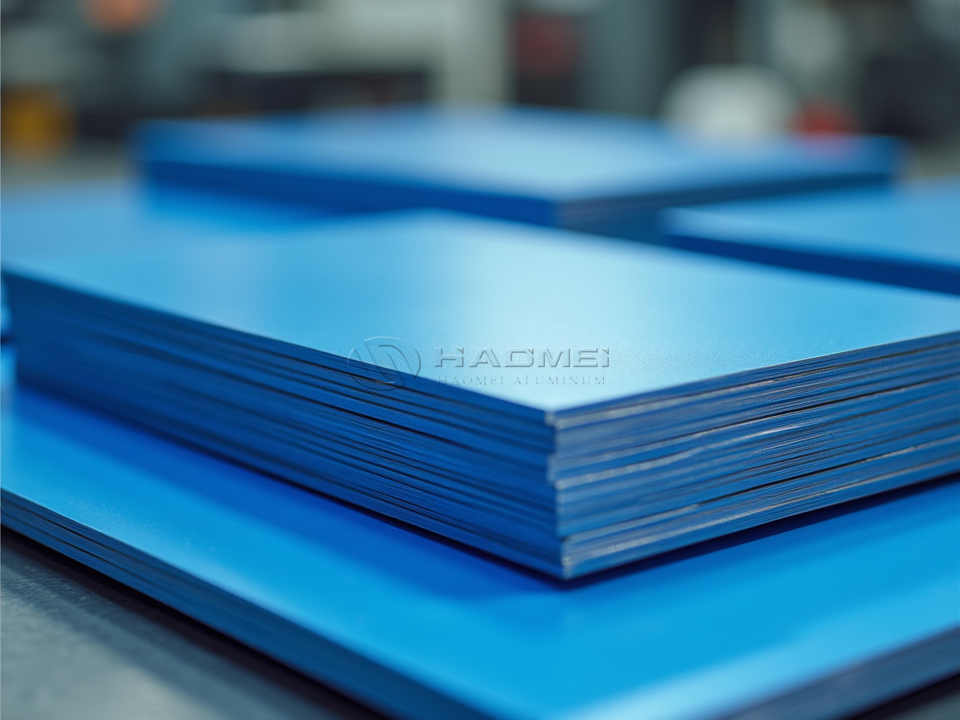
The product is designed for thermal CTP systems, typically using an 830 nm infrared laser. In positive-working thermal technology, the laser-exposed coating area becomes soluble in the developer. After processing, the remaining coating forms the image area that accepts ink, while the anodized aluminum surface carries water in the non-image area. This simple sentence hides a demanding material system: the aluminum sheet must be clean, dimensionally stable, finely grained, uniformly anodized, and compatible with high-speed coating lines.
Why the Aluminum Sheet Matters Before the Coating Does
Printers often judge a plate by dot reproduction or run length, but these results begin with the aluminum sheet. A positive thermal CTP aluminum sheet commonly uses high-purity 1xxx series aluminum because it provides excellent formability, corrosion resistance, electrochemical graining response, and surface uniformity. Alloys such as 1050, 1060, 1070, and 1100 are widely used for lithographic plate stock.
The temper is usually H18 or H19 for strong flatness and stable handling during punching, bending, loading, and high-speed rotation on press. Too soft, and the plate may deform during mounting. Too hard or uneven, and the surface may create processing instability or registration problems. A well-controlled Aluminium CTP Plate base offers a balance between mechanical strength and surface activity.
Typical Product Parameters
| Item | Common Specification |
|---|---|
| Product type | Positive thermal CTP aluminum sheet / plate stock |
| Laser wavelength | 830 nm infrared thermal imaging |
| Working mode | Positive-working, exposed coating removed by developer |
| Alloy | 1050, 1060, 1070, 1100, or customer-specified 1xxx alloy |
| Temper | H18, H19, sometimes H16 depending on press and forming demand |
| Thickness | 0.15 mm, 0.20 mm, 0.24 mm, 0.27 mm, 0.30 mm, 0.40 mm |
| Width range | Commonly 400 mm to 1600 mm, subject to production route |
| Surface treatment | Degreasing, electrochemical graining, anodizing, sealing or post-treatment |
| Coating type | Positive thermal photosensitive coating |
| Resolution | Usually 1-99% dots at 200 lpi under suitable imaging conditions |
| Developer compatibility | Alkaline thermal CTP developer or low-chemistry systems by coating design |
| Run length | Often 50,000 to 150,000 impressions; higher with optimized coating and press conditions |
| Packaging | Moisture-proof paper, protective film, wooden pallet or export seaworthy packing |
For customers comparing this product with a standard Thermal CTP Plate, the important distinction is not only exposure energy. The positive thermal version is valued for sharp highlights, predictable processing latitude, and clean non-image areas when developer concentration and temperature are controlled.
Alloy Tempering and Mechanical Conditions
The plate base must remain flat from coil unwinding to coating, cutting, shipping, imaging, and printing. H18 and H19 tempers are work-hardened conditions that give the aluminum sheet higher tensile strength than annealed material. This reduces edge waves, center buckles, and handling marks.
| Alloy | Typical Temper | Tensile Strength | Elongation | Practical Benefit |
|---|---|---|---|---|
| 1050 | H18 / H19 | 145-190 MPa | 1-4% | High purity, fine graining, stable anodizing |
| 1060 | H18 / H19 | 150-195 MPa | 1-4% | Good surface brightness and corrosion resistance |
| 1070 | H18 / H19 | 145-190 MPa | 1-4% | Very high aluminum content for premium plate base |
| 1100 | H18 | 150-200 MPa | 1-5% | Slightly stronger, good forming and handling behavior |
Values vary with thickness, rolling process, and customer specification. For plate production, mechanical uniformity across the coil is as important as average strength. Variation in hardness can influence graining depth, anodic film growth, and coating adhesion.
Chemical Composition Reference
The chemical composition controls corrosion behavior, electrochemical roughening, anodizing uniformity, and long-term surface stability. High aluminum purity helps create a consistent hydrophilic non-image area after development.
| Alloy | Al | Si | Fe | Cu | Mn | Mg | Zn | Ti | Other Each | Other Total |
|---|---|---|---|---|---|---|---|---|---|---|
| 1050 | >= 99.50 | <= 0.25 | <= 0.40 | <= 0.05 | <= 0.05 | <= 0.05 | <= 0.05 | <= 0.03 | <= 0.03 | <= 0.15 |
| 1060 | >= 99.60 | <= 0.25 | <= 0.35 | <= 0.05 | <= 0.03 | <= 0.03 | <= 0.05 | <= 0.03 | <= 0.03 | <= 0.15 |
| 1070 | >= 99.70 | <= 0.20 | <= 0.25 | <= 0.04 | <= 0.03 | <= 0.03 | <= 0.04 | <= 0.03 | <= 0.03 | <= 0.10 |
| 1100 | >= 99.00 | Si + Fe <= 0.95 | included | 0.05-0.20 | <= 0.05 | - | <= 0.10 | - | <= 0.05 | <= 0.15 |
These ranges are typical references based on common aluminum alloy systems. Final delivery can follow agreed standards and mill certificates.
Implementation Standards and Quality Control
Positive thermal CTP aluminum sheet can be supplied according to EN 573, EN 485, ASTM B209, GB/T 3880, and JIS H4000 requirements for aluminum sheet and strip. For printing application control, producers may also align testing with ISO 12647-2 printing process control, RoHS, REACH, and internal coating performance procedures.
Important inspection points include thickness tolerance, diagonal tolerance, flatness, burr control, surface cleanliness, oxide film consistency, coating weight, photosensitivity, dot reproduction, developer resistance, scratch resistance, and vacuum contact behavior in the platesetter. Surface defects such as black lines, oil stains, pinholes, transverse marks, and uneven coating can directly affect imaging quality.
A stable anodized layer is especially important. It provides micro-porosity for water retention while supporting firm coating adhesion. If the oxide film is too thin, run length may drop. If it is uneven, dot edge quality and background cleanliness may suffer. Good production control keeps the sheet predictable rather than merely acceptable.
Printing Behavior Seen From the Pressroom
On press, a positive thermal CTP aluminum sheet should feel quiet. It should mount without fighting the cylinder, accept ink quickly, clean up fast, and maintain the water-ink balance without constant operator adjustment. Highlight dots should remain open, solids should be dense, and the background should resist scumming.
For packaging, commercial printing, books, labels, and newspaper inserts, the plate supports fine text, smooth screens, and consistent repeat jobs. Its thermal sensitivity gives strong resistance to safelight influence compared with violet-sensitive systems, making storage and handling more forgiving under normal controlled conditions.
Storage still matters. Plates should be kept in a dry, cool room, away from direct sunlight, acid or alkaline vapor, and heavy pressure. Recommended conditions are often 10-25°C with relative humidity around 40-60%. Before imaging, plates should be allowed to reach the production room temperature to reduce condensation risk.
Choosing the Right Positive Thermal CTP Aluminum Sheet
The best choice depends on press format, run length, platesetter energy, developer system, screen ruling, and bending method. A 0.15 mm sheet may suit lightweight short-run work, while 0.30 mm or 0.40 mm material is preferred for larger presses or demanding registration. For longer runs, customers may request stronger anodizing, optimized coating durability, or baked-plate compatibility.
A reliable positive thermal CTP aluminum sheet is not defined by one parameter alone. It is the result of alloy purity, temper precision, surface graining, anodic control, coating chemistry, and careful packaging working together. When these elements are aligned, printers gain faster setup, less waste, cleaner dots, and more confidence across repeated production batches.