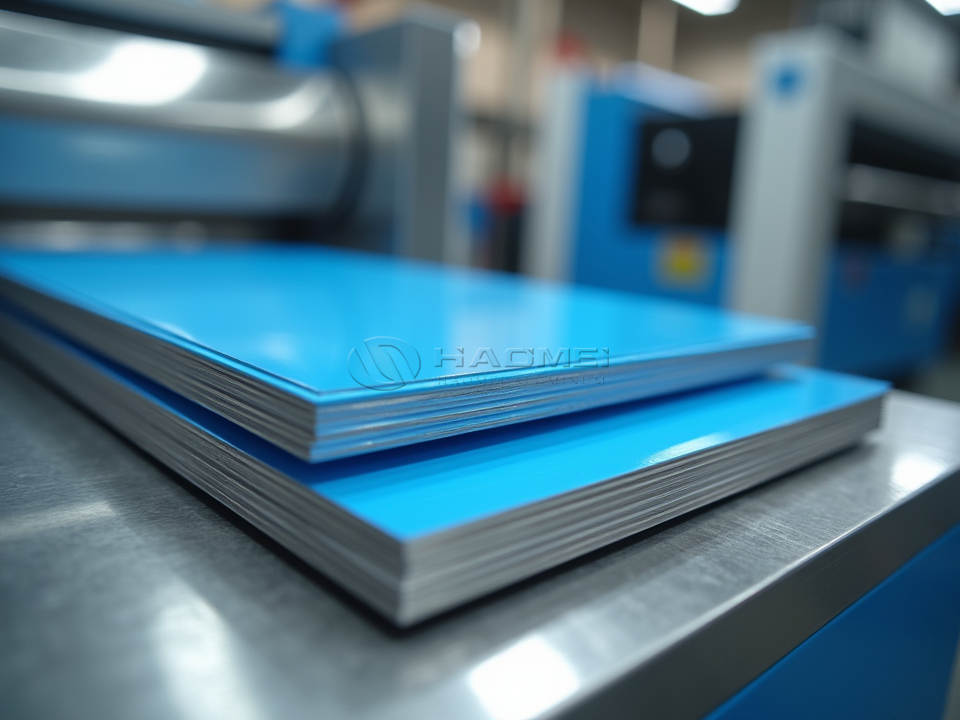
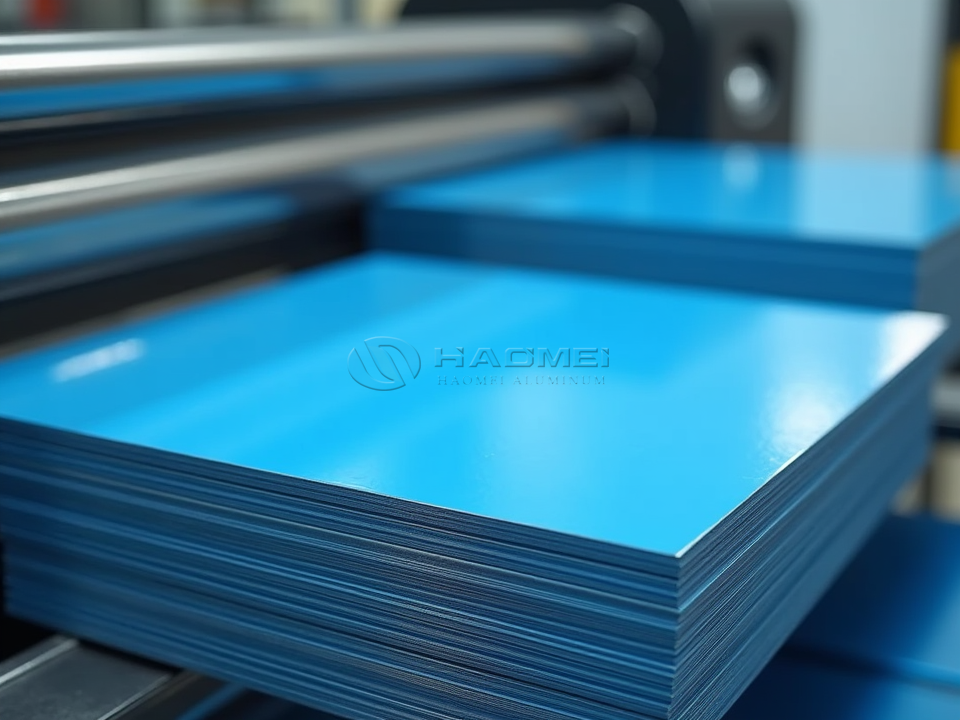
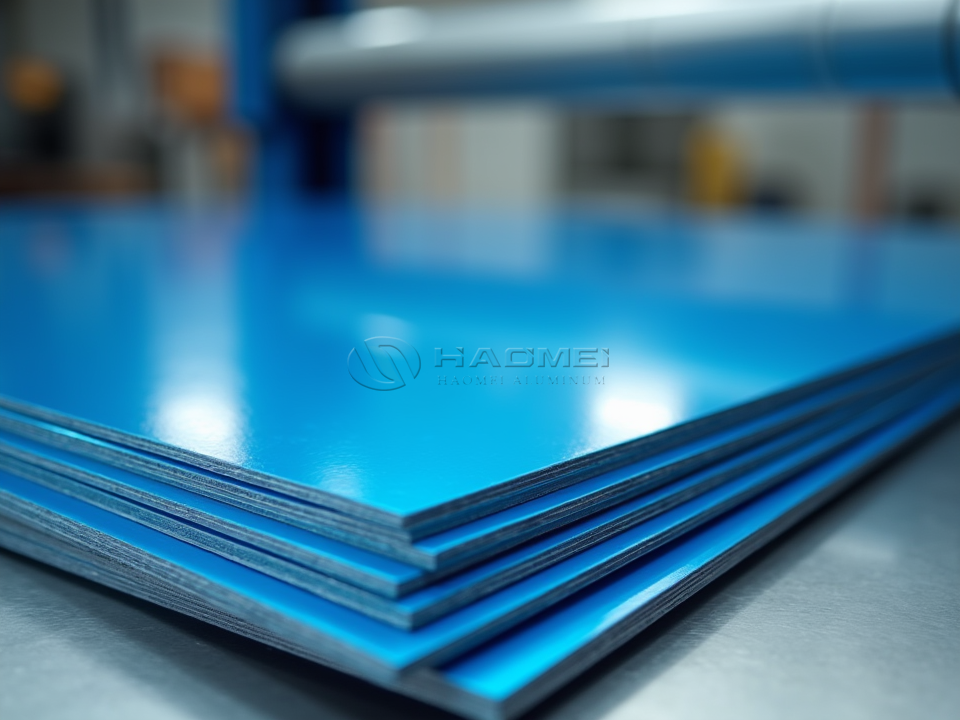
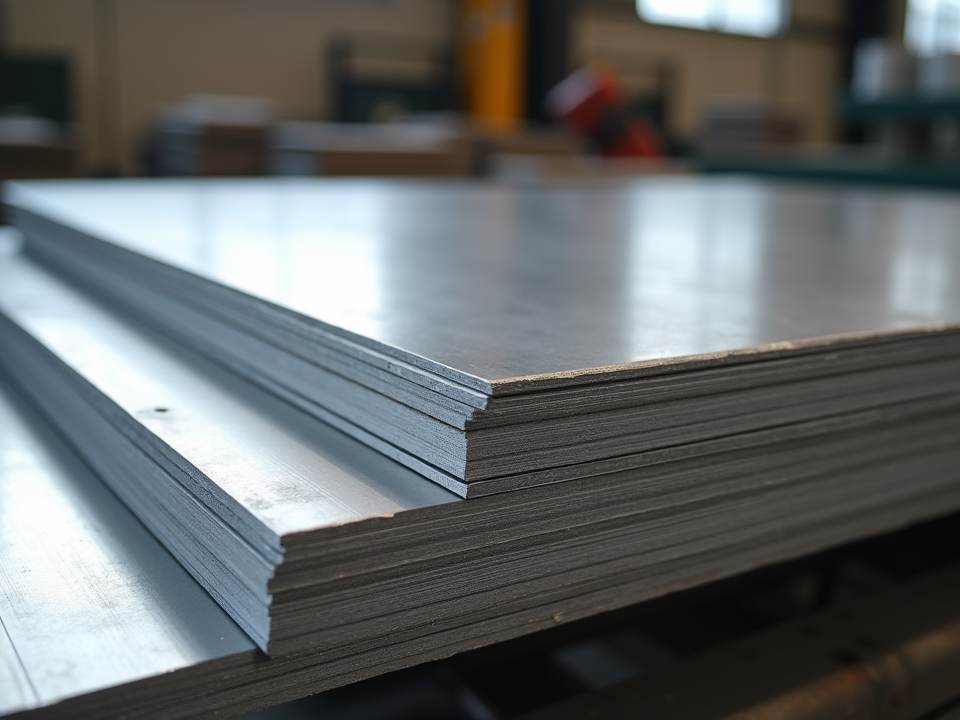
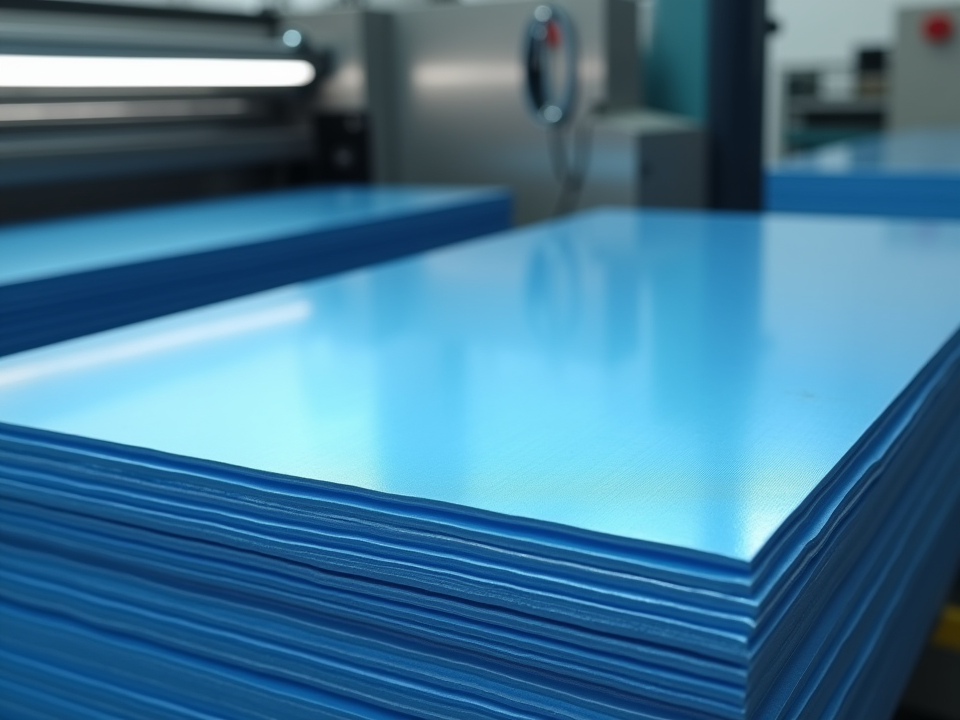
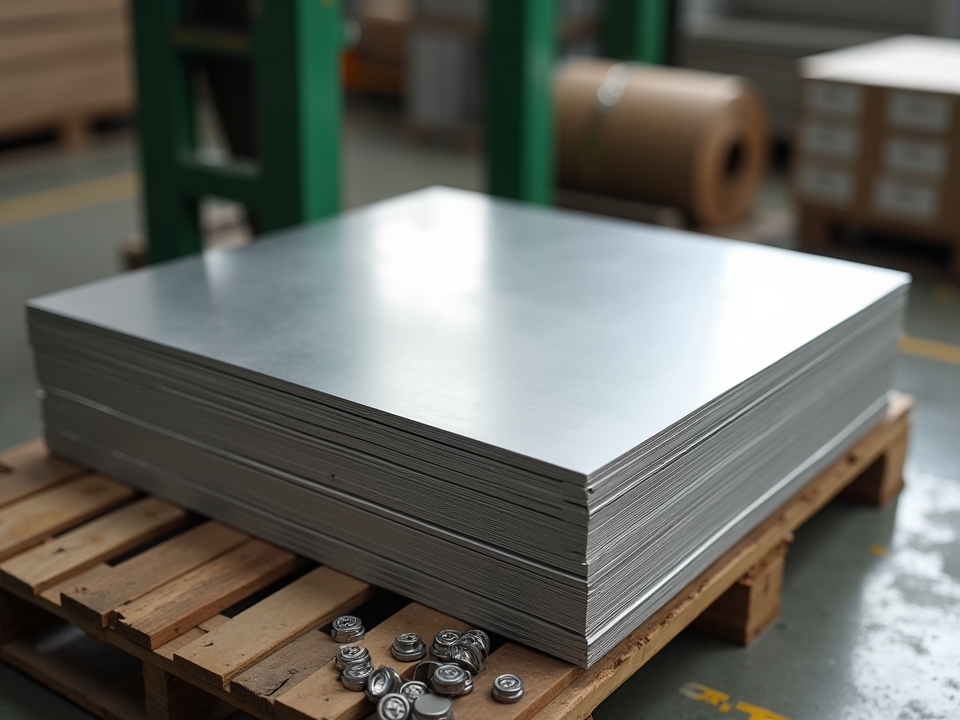
Developer Free CTP Aluminum Plate
A developer free CTP aluminum plate is designed for computer-to-plate imaging without a conventional chemical developer. After laser exposure, the non-image coating is removed during the first sheets on press or by a simplified finishing step, helping printers reduce water use, chemical storage, processor maintenance, and disposal cost.
This plate is built on high-purity aluminum sheet, normally 1050A, 1060, 1070, or similar lithographic-grade alloy. The substrate is degreased, electrochemically grained, anodized, sealed, and coated with a thermal-sensitive layer that can form a durable ink-receptive image after exposure.
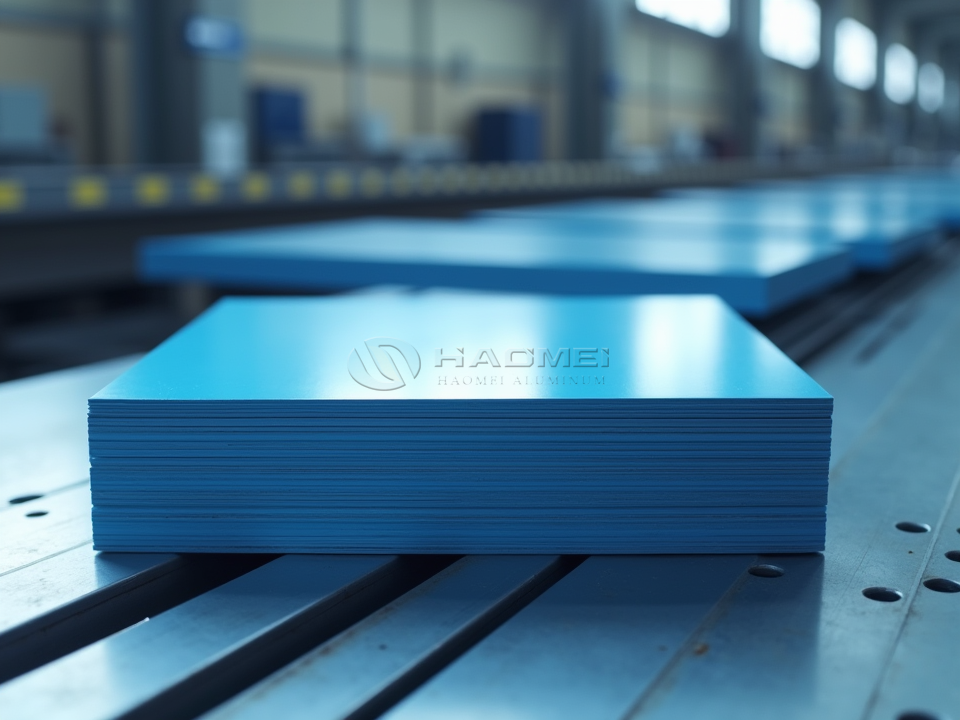
How Developer Free CTP Aluminum Plate Works
The plate combines a dimensionally stable aluminum base with a photosensitive coating that reacts to laser energy. In thermal systems, the most common exposure wavelength is 830 nm. The exposed image area becomes press-ready, while the unexposed area is removed by fountain solution and ink contact during press start-up.
For printing houses already using CTP equipment, developer-free technology can simplify production. It removes the need for processor temperature control, replenishment rate adjustment, pH monitoring, and developer sludge handling. This makes the plate attractive for commercial printing, packaging, short-run books, labels, and newspaper work where speed and consistency matter.
For customers comparing plate types, a modern Aluminium CTP Plate range can include thermal, violet, UV, low-chemistry, and processless options depending on pressroom conditions.
Main Functions in Printing Production
| Function | Practical Benefit for Printers |
|---|---|
| Direct digital imaging | Eliminates film output and improves dot accuracy |
| Developer-free processing | Reduces chemical consumption and processor maintenance |
| Stable aluminum base | Supports accurate registration and repeatable plate mounting |
| Grained hydrophilic surface | Improves water balance and fast ink-water separation |
| Anodized layer | Increases wear resistance and coating adhesion |
| Fast on-press cleanout | Shortens preparation time before saleable sheets |
| High-resolution imaging | Supports fine screens, small text, and detailed graphics |
Common Applications
Developer free CTP aluminum plate is suitable for many offset printing environments, especially where clean production and fast changeovers are valued.
| Application Field | Typical Printed Products | Recommended Plate Thickness |
|---|---|---|
| Commercial offset | Brochures, catalogs, posters, manuals | 0.15-0.30 mm |
| Packaging printing | Folding cartons, labels, paperboard packaging | 0.24-0.40 mm |
| Book printing | Textbooks, novels, educational materials | 0.20-0.30 mm |
| Newspaper printing | Daily newspapers, inserts, advertising pages | 0.15-0.24 mm |
| Web offset | Magazines, directories, forms | 0.20-0.30 mm |
| Short-run print shops | Personalized jobs, rapid proofing, variable orders | 0.15-0.30 mm |
Technical Specifications
Actual values can be adjusted according to coating formulation, platesetter model, press type, and run-length requirement.
| Parameter | Typical Value |
|---|---|
| Plate type | Thermal developer free CTP aluminum plate |
| Imaging wavelength | 830 nm thermal laser |
| Aluminum alloy | 1050A, 1060, 1070, 1100 lithographic grade |
| Temper condition | H18, H19, H26, or customized hard temper |
| Thickness range | 0.15-0.40 mm |
| Width range | 400-1600 mm |
| Length range | Sheet cut to customer press format |
| Surface roughness Ra | 0.45-0.65 micrometer after graining |
| Anodic oxide weight | 2.0-4.0 g/m2 |
| Coating color | Blue, green, or customer specified |
| Exposure energy | 120-180 mJ/cm2, equipment dependent |
| Resolution | 1-99% at 200 lpi under proper imaging conditions |
| FM screen capability | 20 micrometer dot, press condition dependent |
| Run length | 50,000-100,000 impressions typical without baking |
| Shelf life | 12-18 months in original package |
| Storage condition | 10-30 °C, RH 40-60%, away from sunlight and heat |
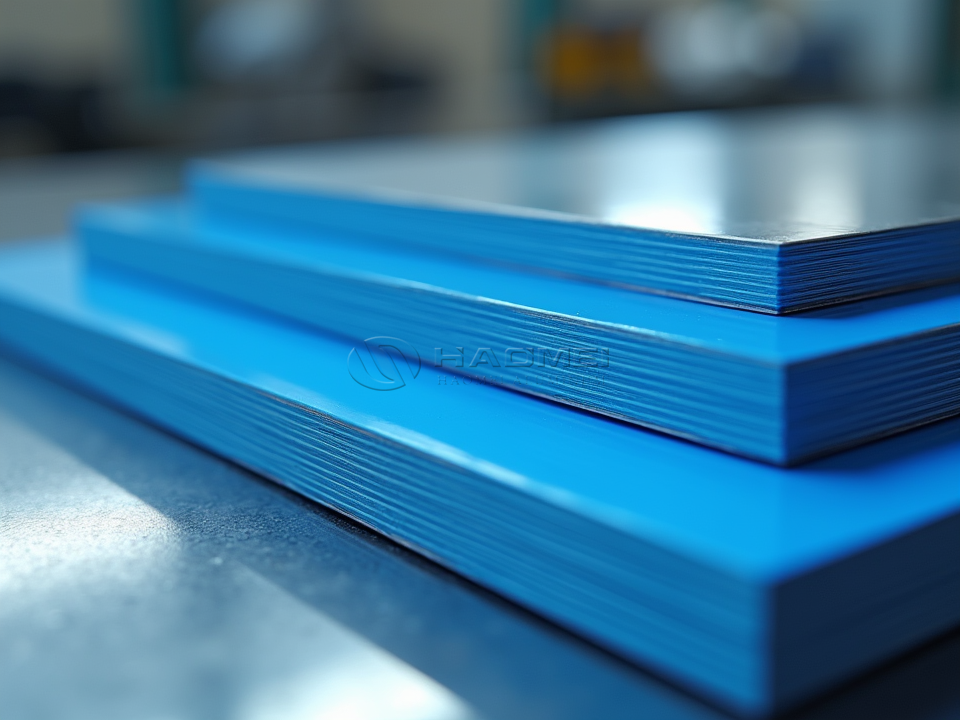
Aluminum Alloy and Temper Conditions
The aluminum substrate affects flatness, plate feeding, registration, graining quality, and press durability. High-purity aluminum is preferred because it provides uniform electrochemical graining and a clean anodized surface.
| Alloy | Common Temper | Characteristics | Suitable Use |
|---|---|---|---|
| 1050A | H18, H19 | Very high aluminum purity, excellent graining response | Premium commercial and packaging plates |
| 1060 | H18, H19 | High conductivity, stable anodizing, good formability before hardening | General offset CTP production |
| 1070 | H18 | Higher aluminum content, fine surface uniformity | Fine-screen printing and strict dot reproduction |
| 1100 | H18, H26 | Good corrosion resistance and workability | Standard sheet-fed and web offset plates |
| Mechanical Property | H18 Typical Range | H19 Typical Range |
|---|---|---|
| Tensile strength | 135-185 MPa | 150-195 MPa |
| Yield strength | 120 MPa min | 135 MPa min |
| Elongation | 1-4% | 1-3% |
| Flatness tolerance | Controlled for automatic plate loading | Controlled for high-speed loading |
| Burr condition | Low burr after precision shearing | Low burr after precision shearing |
Chemical Composition of Common Substrates
Values are shown as mass percentage. Final composition should follow the selected alloy standard and customer order requirements.
| Alloy | Si | Fe | Cu | Mn | Mg | Zn | Ti | Al |
|---|---|---|---|---|---|---|---|---|
| 1050A | ≤0.25 | ≤0.40 | ≤0.05 | ≤0.05 | ≤0.05 | ≤0.07 | ≤0.05 | ≥99.50 |
| 1060 | ≤0.25 | ≤0.35 | ≤0.05 | ≤0.03 | ≤0.03 | ≤0.05 | ≤0.03 | ≥99.60 |
| 1070 | ≤0.20 | ≤0.25 | ≤0.04 | ≤0.03 | ≤0.03 | ≤0.04 | ≤0.03 | ≥99.70 |
| 1100 | Si+Fe ≤0.95 | Included | 0.05-0.20 | ≤0.05 | - | ≤0.10 | - | ≥99.00 |
Implementation Standards and Quality References
| Standard | Coverage |
|---|---|
| GB/T 3880 | Aluminum and aluminum alloy sheets and strips |
| ASTM B209 | Aluminum and aluminum-alloy sheet and plate |
| EN 485 | Aluminum sheet, strip, and plate technical delivery conditions |
| ISO 12647-2 | Process control for offset lithographic printing |
| ISO 9001 | Quality management system for production control |
| RoHS / REACH | Restricted substances and chemical compliance when required |
Surface Treatment and Coating Details
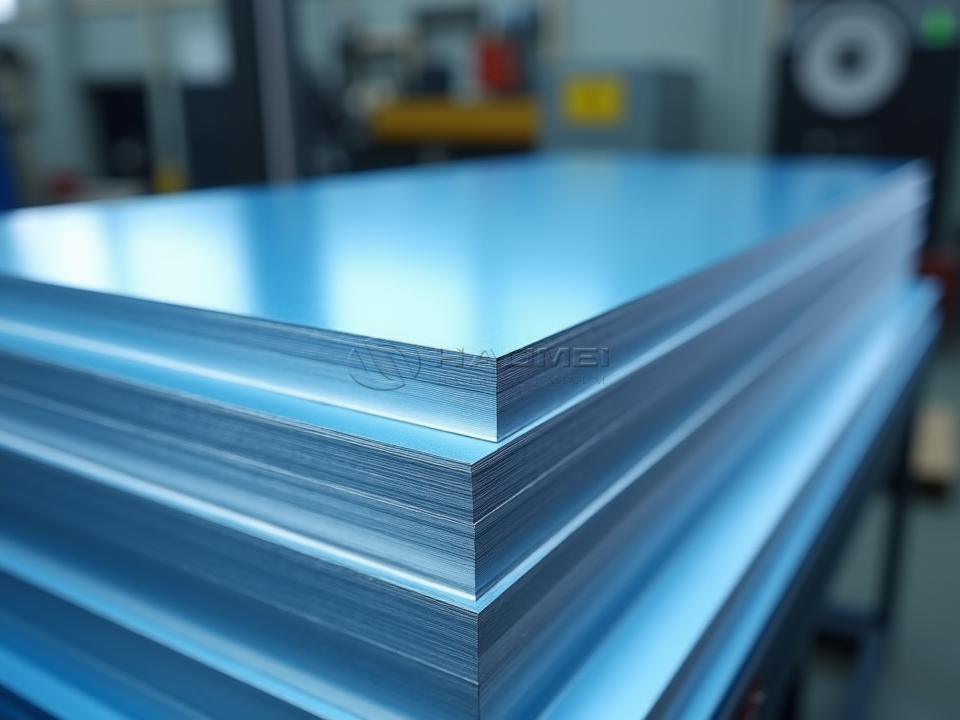
A developer free CTP aluminum plate depends heavily on surface preparation. The aluminum sheet is first cleaned to remove rolling oil and oxides. Electrochemical graining creates a controlled micro-rough surface that carries fountain solution evenly. Anodizing then forms a hard porous aluminum oxide layer, improving wear resistance and bonding strength between aluminum and coating.
| Production Stage | Control Target | Effect on Final Plate |
|---|---|---|
| Degreasing | Clean, oil-free surface | Prevents coating defects and pinholes |
| Electrochemical graining | Uniform pit structure | Improves water retention and dot stability |
| Anodizing | Consistent oxide layer | Enhances durability and corrosion resistance |
| Sealing | Controlled pore structure | Balances adhesion and hydrophilicity |
| Coating | Even photosensitive layer | Ensures exposure latitude and cleanout |
| Slitting and cutting | Accurate size, low burr | Supports smooth loading and mounting |
Printing Performance Data
| Performance Item | Expected Result |
|---|---|
| Start-up waste | Usually low after correct exposure and press setting |
| Ink acceptance | Fast image-area ink pickup |
| Water balance | Stable hydrophilic non-image area |
| Dot reproduction | Clean highlights and shadows under calibrated workflow |
| Scratch resistance | Suitable for automatic handling with correct storage |
| Press compatibility | Sheet-fed offset, web offset, and newspaper offset presses |
| Environmental impact | Less developer chemistry, less rinse water, reduced waste liquid |
Handling, Storage, and Use Notes
Store plates flat in original light-protective packaging. Avoid high humidity, direct sunlight, corrosive gases, and strong temperature swings. Before imaging, allow cold plates to reach room temperature to prevent condensation. During press start-up, use balanced fountain solution, correct ink tack, and normal cleanout sheets to achieve stable production faster.
For best results, plate exposure should be calibrated to the platesetter, laser power, screen ruling, and press conditions. Excessive underexposure may cause slow cleanout or image weakness, while overexposure may reduce fine-dot latitude. Regular linearization and plate control strips help maintain predictable output.
Why Printers Choose Developer Free CTP Aluminum Plate
This plate type supports cleaner operation, simplified workflow, and reliable offset performance. It is especially useful for printers looking to reduce chemical handling without sacrificing image quality. With a high-purity aluminum substrate, stable hard temper, precise graining, and durable processless coating, developer free CTP aluminum plate offers a practical path toward efficient and lower-waste printing production.