UV CTP Printing Plate Wholesale
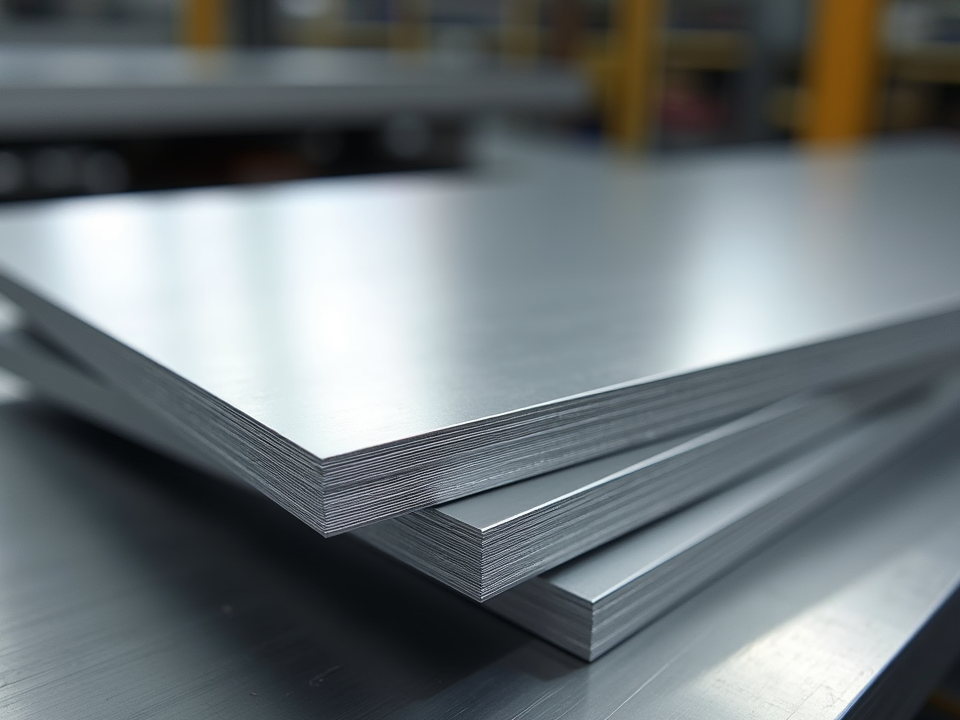
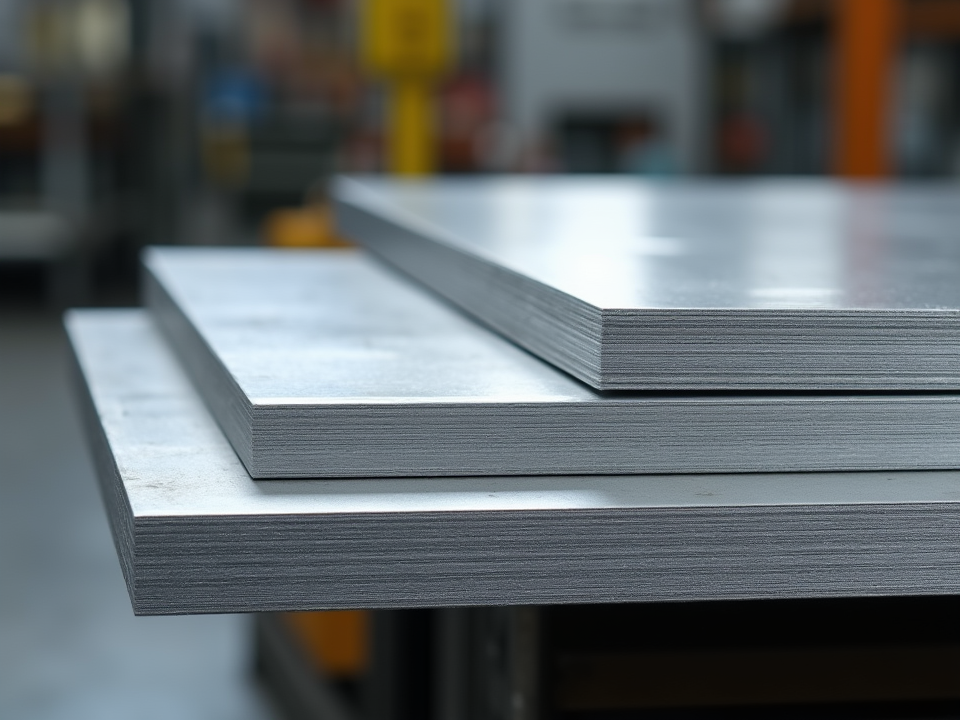
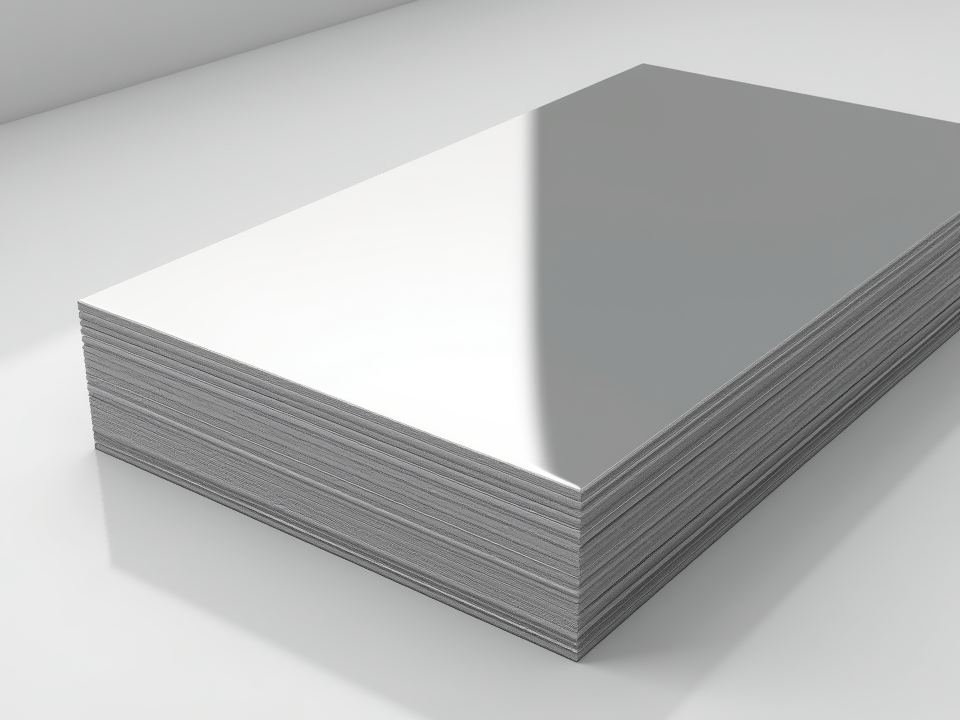
UV CTP printing plate wholesale supply is designed for printing houses, packaging converters, newspaper plants, and trade plate-making centers that need stable imaging, fast delivery, and consistent batch quality. A UV CTP plate uses a grained and anodized aluminum sheet as the base, coated with a UV-sensitive layer that responds to 360-450 nm exposure systems. It combines the familiar workflow of offset printing with computer-to-plate accuracy, helping users reduce film output, shorten plate-making time, and improve dot reproduction.
For bulk buyers, Haomei Aluminum CO., LTD., Inc. focuses on aluminum substrate control, coating uniformity, packaging protection, and size customization. The result is a plate that runs smoothly on common UV-CTP, CTcP, and compatible plate setters while maintaining reliable press performance.
What a UV CTP Printing Plate Does
The plate works as the image carrier in offset lithography. After digital exposure, the coated surface forms oleophilic image areas and hydrophilic non-image areas. During printing, fountain solution wets the non-image area, while ink adheres to the exposed image pattern. The aluminum base gives the plate dimensional stability, while the electrochemically grained surface helps water retention and ink balance.
Compared with film-based plate-making, UV CTP plates reduce intermediate steps and improve registration accuracy. They are especially practical for printers that still use UV-sensitive workflows but want computer-to-plate productivity. When supplied in wholesale quantities, they also support standardized production across multiple presses and shifts.
Printers comparing UV systems with other aluminum plate options can also review our UV-CTP Plate range for size, gauge, and coating selection.
Main Applications
UV CTP printing plates are widely used in commercial and industrial offset printing. Their balanced sensitivity and durable aluminum substrate make them suitable for both short-run and medium-to-long-run jobs.
| Application field | Typical printed products | Plate performance demand |
|---|---|---|
| Commercial printing | Brochures, catalogs, books, flyers | Fine dots, clean background, stable color |
| Packaging printing | Folding cartons, labels, paper bags | Strong ink transfer, repeatable registration |
| Newspaper printing | Daily papers, inserts, advertising pages | Fast imaging, high output efficiency |
| Business forms | Invoices, documents, mailers | Sharp lines and reliable plate life |
| Trade plate-making | Outsourced plates for print shops | Batch consistency and size flexibility |
| Education and publishing | Textbooks, manuals, journals | Stable reproduction over repeat orders |
Technical Specifications
Actual data may be adjusted according to exposure equipment, developer chemistry, press condition, and customer target run length. The following ranges are commonly used for wholesale UV CTP printing plate production.
| Item | Typical value or range | Notes |
|---|---|---|
| Plate type | UV-sensitive CTP / CTcP plate | Positive or negative workflow available by order |
| Base material | Aluminum alloy sheet | Grained, anodized, coated |
| Common alloy | 1050A, 1060, 1070A | High-purity aluminum for lithographic use |
| Temper | H18, H19 | Hard temper for plate flatness |
| Thickness | 0.15-0.40 mm | 0.15, 0.20, 0.24, 0.27, 0.30 mm are common |
| Width and length | Customized | Sheet or web-cut format |
| Spectral response | 360-450 nm | Suitable for UV and violet-compatible systems |
| Recommended exposure energy | 35-70 mJ/cm² | Equipment dependent |
| Resolution | 1%-99% at 200 lpi | Under calibrated conditions |
| FM screening | 20-25 microns | Depends on plate setter and processor |
| Run length, unbaked | 80,000-150,000 impressions | With normal paper and ink |
| Run length, baked | Up to 300,000 impressions | Baking improves wear resistance |
| Developer compatibility | Conventional alkaline developer | Follow processor control range |
| Shelf life | 12-18 months | Stored sealed in original packaging |
| Storage condition | 10-28°C, RH 40%-60% | Avoid sunlight, heat, and moisture |
Aluminum Alloy and Tempering Conditions
The quality of the aluminum sheet has a direct influence on coating adhesion, imaging stability, water retention, and press durability. High-purity aluminum alloys are preferred because they provide excellent surface treatment response, low impurity interference, and dependable mechanical strength after cold rolling.
| Alloy | Temper | Typical tensile strength | Elongation | Use reason |
|---|---|---|---|---|
| 1050A | H18 | 130-170 MPa | 1%-4% | Excellent purity, stable graining behavior |
| 1060 | H18/H19 | 135-180 MPa | 1%-3% | Good flatness and corrosion resistance |
| 1070A | H18 | 120-160 MPa | 2%-5% | High aluminum content, clean electrochemical response |
| 1100 | H18 | 125-165 MPa | 1%-4% | Good forming and surface treatment performance |
Temper H18 and H19 indicate strain-hardened conditions produced by cold rolling. For CTP plate substrates, this hardness helps resist bending marks, improves feed stability in plate setters, and reduces dimensional movement during printing.
Chemical Composition of Aluminum Substrate
Chemical composition affects grain structure, anodizing quality, and the long-term stability of the coated plate. Values are typical limits for common high-purity aluminum grades used in plate stock.
| Alloy | Al min. | Si | Fe | Cu | Mn | Mg | Zn | Ti | Other each |
|---|---|---|---|---|---|---|---|---|---|
| 1050A | 99.50% | ≤0.25% | ≤0.40% | ≤0.05% | ≤0.05% | ≤0.05% | ≤0.07% | ≤0.05% | ≤0.03% |
| 1060 | 99.60% | ≤0.25% | ≤0.35% | ≤0.05% | ≤0.03% | ≤0.03% | ≤0.05% | ≤0.03% | ≤0.03% |
| 1070A | 99.70% | ≤0.20% | ≤0.25% | ≤0.04% | ≤0.03% | ≤0.03% | ≤0.04% | ≤0.03% | ≤0.03% |
| 1100 | 99.00% | Si+Fe ≤0.95% | Si+Fe ≤0.95% | 0.05%-0.20% | ≤0.05% | - | ≤0.10% | - | ≤0.05% |
Surface and Coating Structure
A UV CTP printing plate is more than a coated sheet. It is a precision layered material engineered for imaging sensitivity, ink acceptance, and water balance.
| Layer or treatment | Function | Typical control target |
|---|---|---|
| Degreased aluminum surface | Removes rolling oil and contaminants | Clean water-break-free surface |
| Electrochemical graining | Creates micro-roughness for water retention | Uniform Ra profile |
| Anodized oxide film | Improves hardness and coating anchoring | Dense porous oxide layer |
| Hydrophilic treatment | Strengthens non-image water affinity | Clean background on press |
| UV-sensitive coating | Forms printable image after exposure and development | Even coating weight |
| Protective interleaf paper | Prevents abrasion during transport | Dust-free and moisture-controlled |
Physical and Chemical Properties
| Property | Typical value | Practical meaning |
|---|---|---|
| Aluminum density | 2.70 g/cm³ | Lightweight handling and lower freight load |
| Melting point | About 660°C | Stable under normal press and baking conditions |
| Oxide film nature | Al₂O₃ based | Good wear and corrosion resistance |
| Thermal conductivity | About 200-230 W/m·K | Helps heat distribution during baking |
| Electrical conductivity | About 55%-62% IACS | Supports electrochemical surface treatment |
| Surface wettability | Hydrophilic non-image area | Stable ink-water balance |
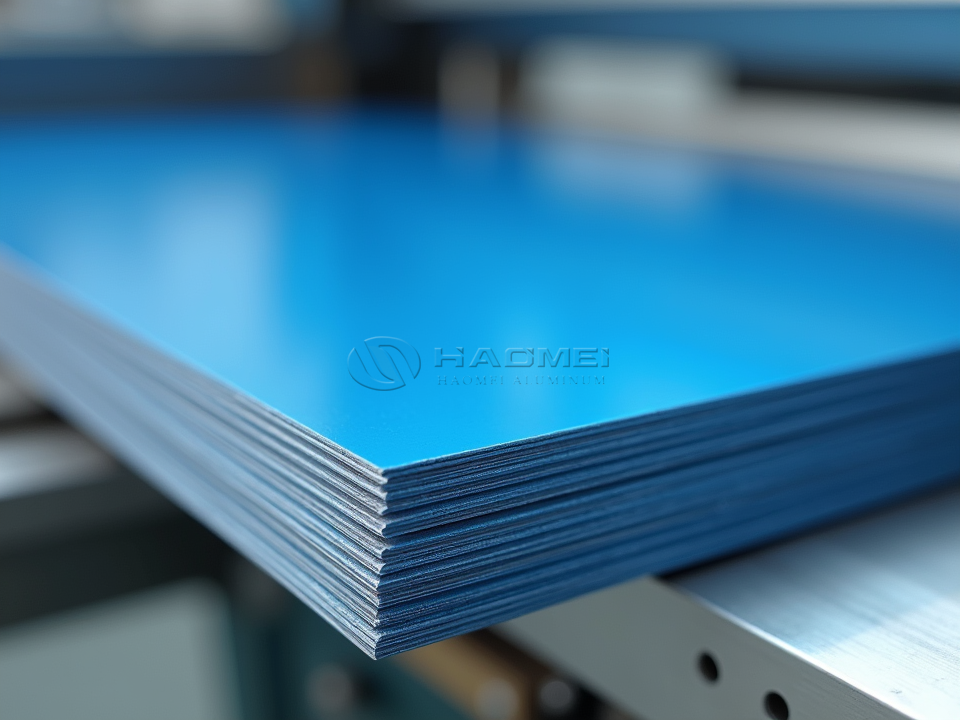
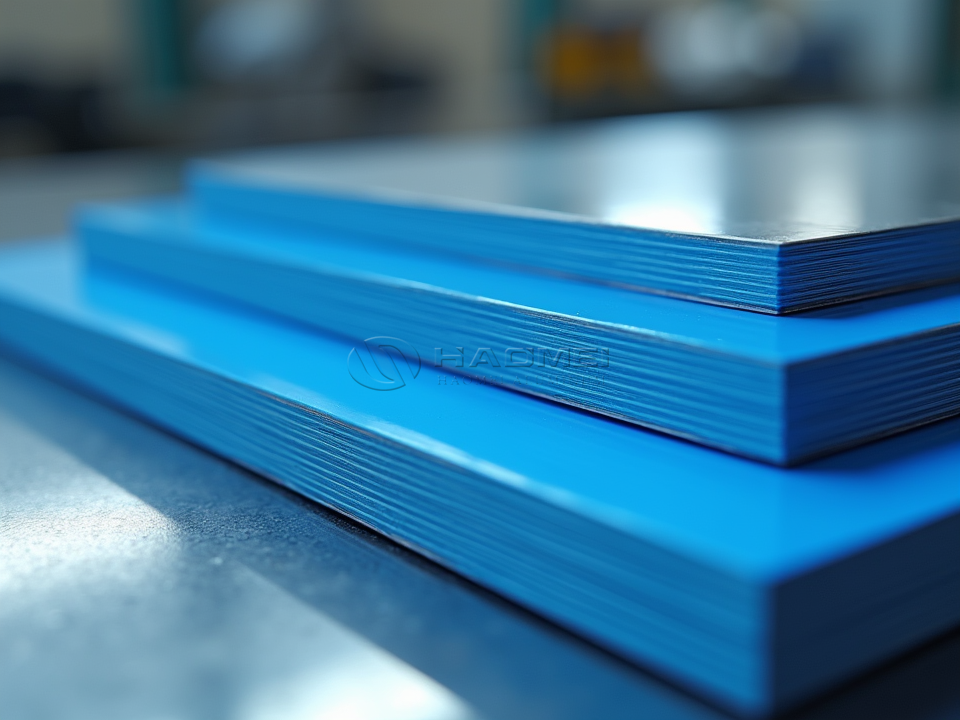
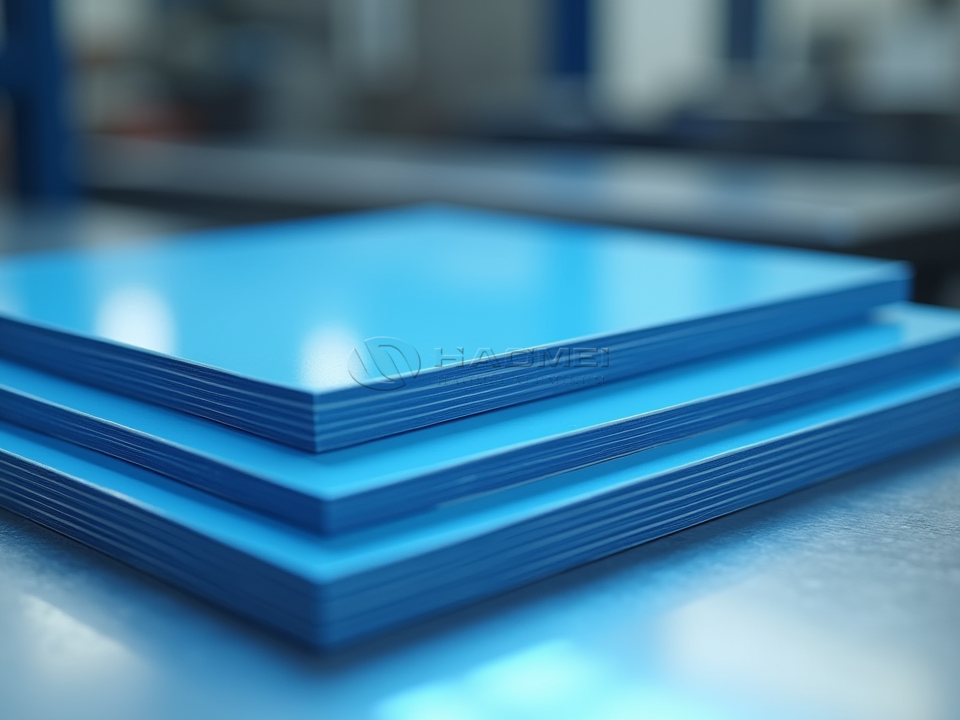
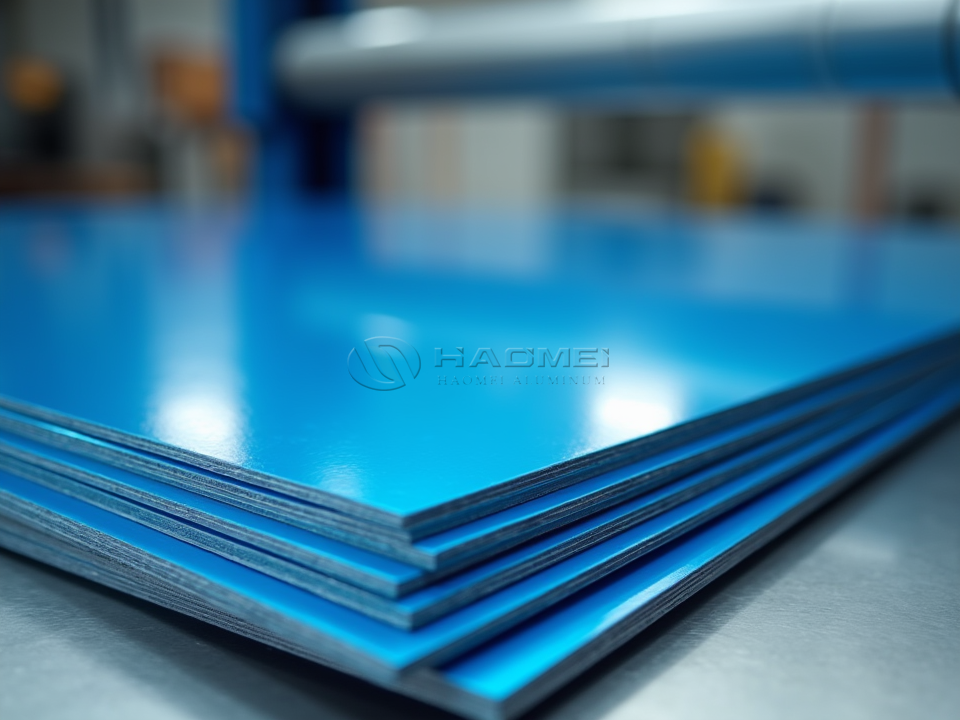
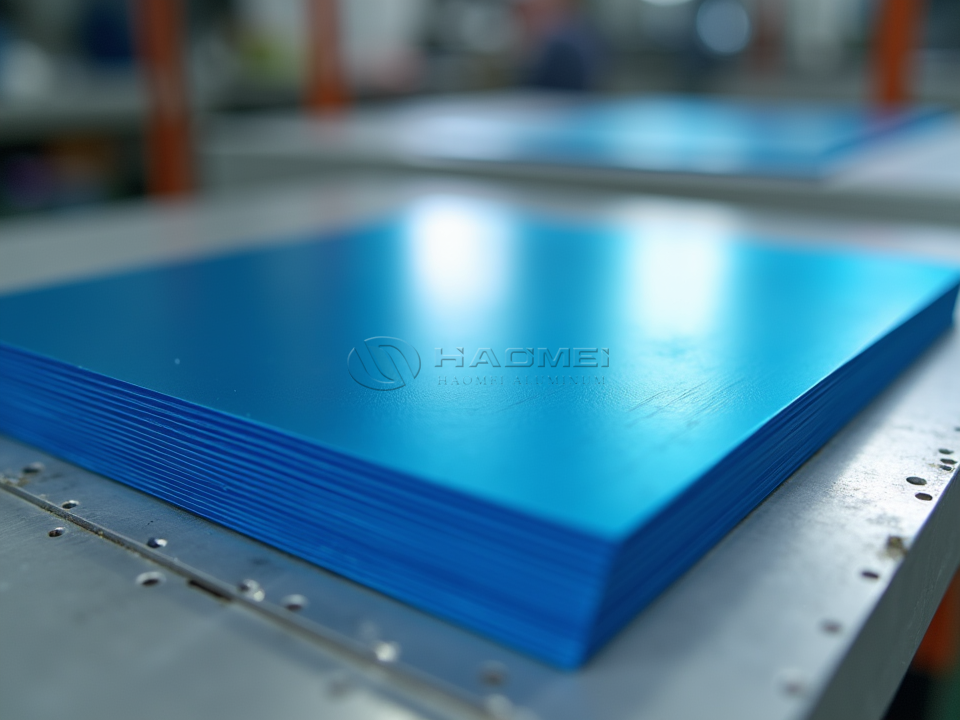
| Coating appearance | Smooth blue, green, or customized tone | Visual inspection of coating uniformity |
Implementation Standards and Quality Control
Wholesale orders require repeatability from pallet to pallet. Production is usually managed through aluminum coil inspection, surface treatment monitoring, coating weight control, darkroom inspection, cutting accuracy checks, and final packaging verification.
| Standard or control reference | Scope |
|---|---|
| ASTM B209 | Aluminum and aluminum-alloy sheet and plate requirements |
| EN 485 | Aluminum sheet, strip, and plate technical delivery conditions |
| GB/T 3880 | Chinese standard for aluminum alloy sheet and strip |
| ISO 12647-2 | Process control for offset lithographic printing |
| ISO 9001 | Quality management system |
| RoHS / REACH request | Restricted substance control when required |
| Internal coating test | Sensitivity, dot reproduction, background cleanliness |
| Packaging inspection | Edge protection, moisture barrier, label accuracy |
Ordering Data for Wholesale Buyers
For quick quotation and production planning, customers normally provide plate size, thickness, quantity, coating type, plate setter model, exposure wavelength, processor chemistry, target run length, and packing preference. Export packaging can include moisture-proof black bags, cardboard boxes, wooden pallets, reinforced corners, and clear batch labels.
| Order factor | Common options |
|---|---|
| Thickness | 0.15 mm, 0.20 mm, 0.24 mm, 0.27 mm, 0.30 mm, 0.40 mm |
| Plate format | Custom sheet size, press-ready format, bulk packed size |
| Quantity | Trial cartons, pallet order, container load |
| Packaging | 50-100 sheets per box, palletized for sea or air freight |
| Labeling | Neutral label or customer brand label by agreement |
| Documentation | COA, packing list, invoice, MSDS when requested |
Practical Value for Printers
UV CTP printing plate wholesale purchasing gives printers cost control without sacrificing technical performance. The aluminum base offers flatness, stiffness, and corrosion resistance. The UV-sensitive coating supports sharp image formation, clean background, and predictable processing. With properly matched exposure and development settings, the plate can deliver fine lines, stable solids, and consistent color across repeat production.
For printing companies that want a dependable balance of imaging quality, press durability, and economical bulk sourcing, UV CTP printing plates remain a practical choice for modern offset workflows.