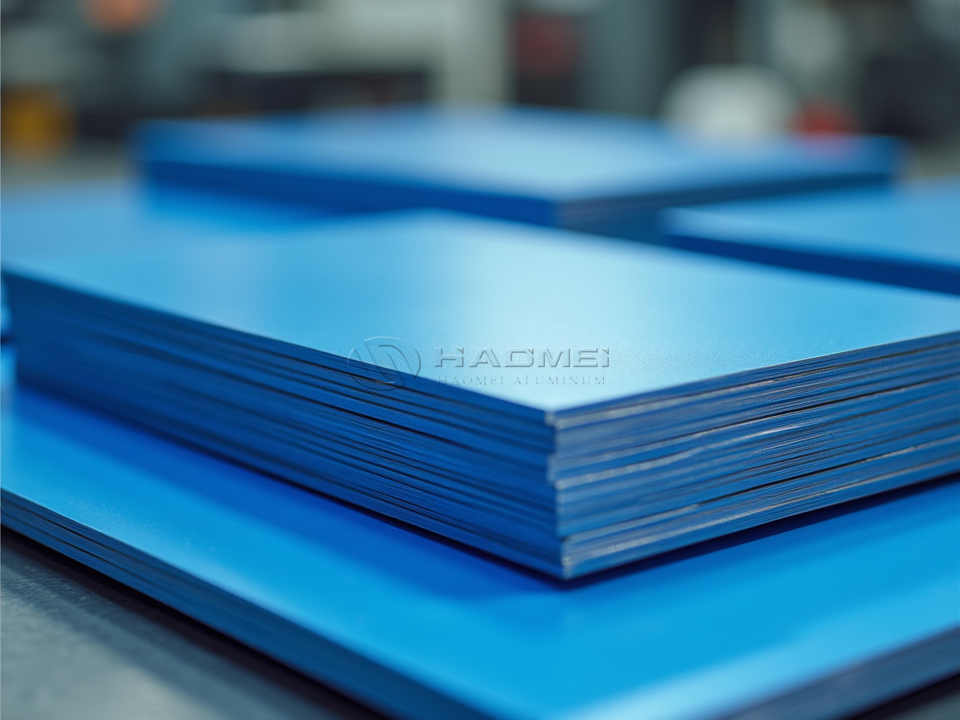
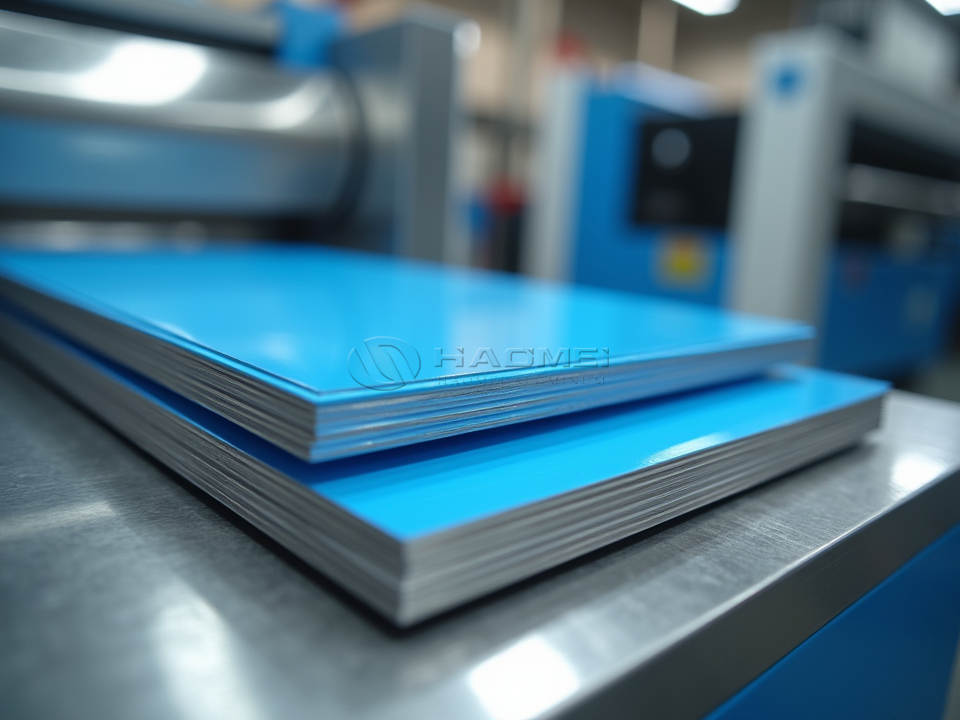
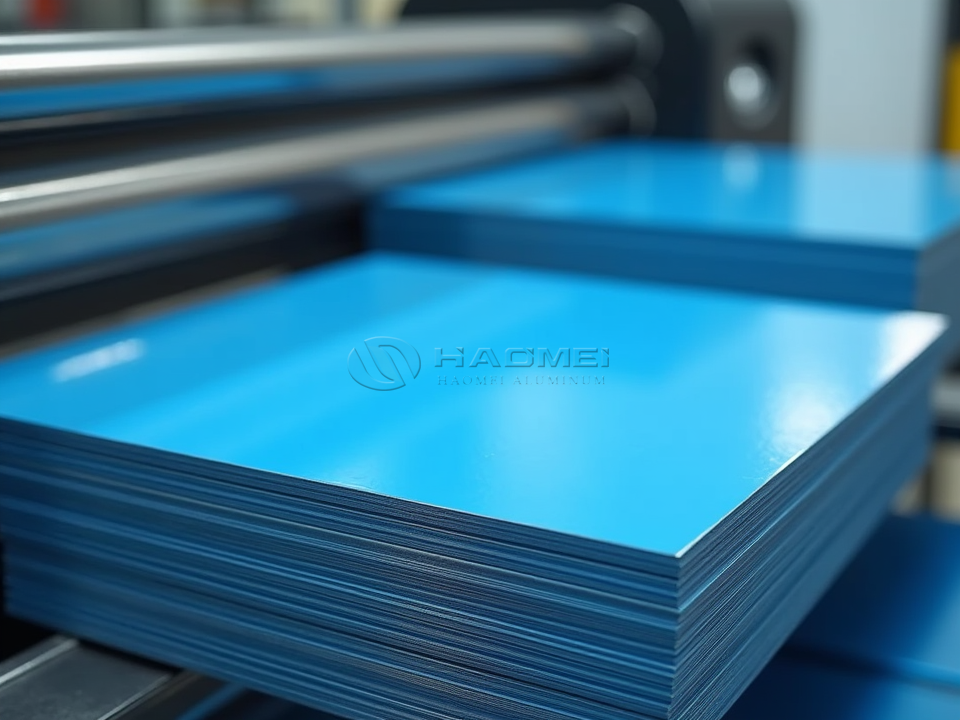
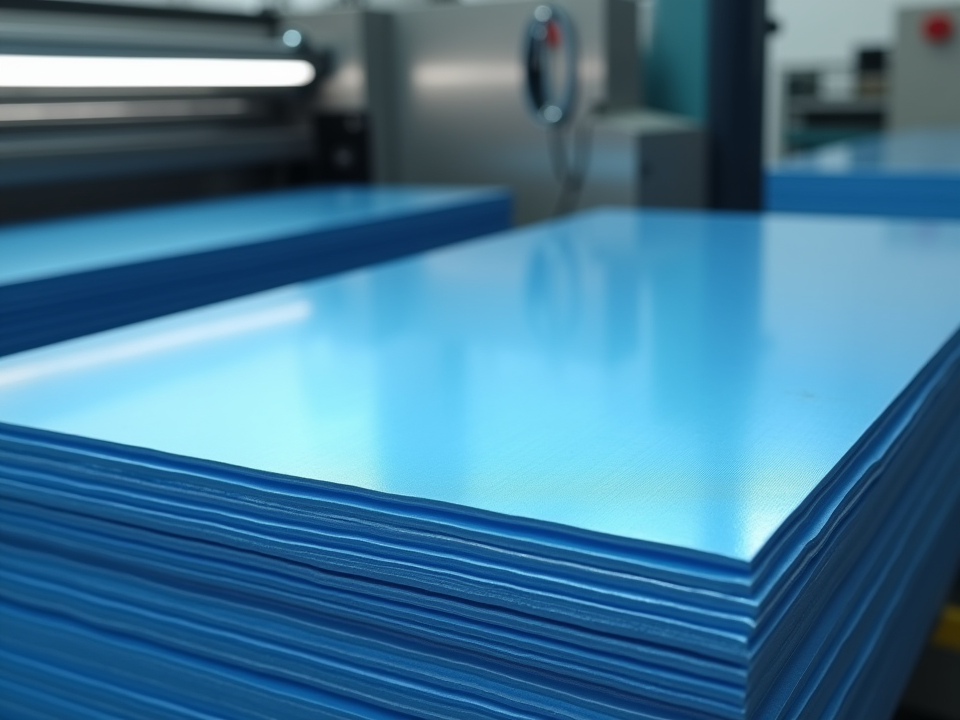
Long Run Thermal CTP Plate
A long run thermal CTP plate is not just a coated aluminum sheet. It is a carefully balanced printing surface designed to keep dots stable, water balance steady, and image areas sharp through extended offset production. For printers running packaging, books, catalogs, labels, commercial forms, and high-volume promotional work, the plate must behave like a calm operator on a noisy press: predictable, resistant, and clean from the first impression to the last.
The value of this plate begins with its aluminum base. The substrate must be flat, strong, and dimensionally stable, while the surface must hold a fine electrochemical grain that accepts water in non-image areas and transfers ink from image areas without premature wear. A normal plate may handle daily short jobs well, but a long run thermal CTP plate is engineered for jobs where stopping the press to remake plates is expensive.
What Makes It Different in Daily Printing
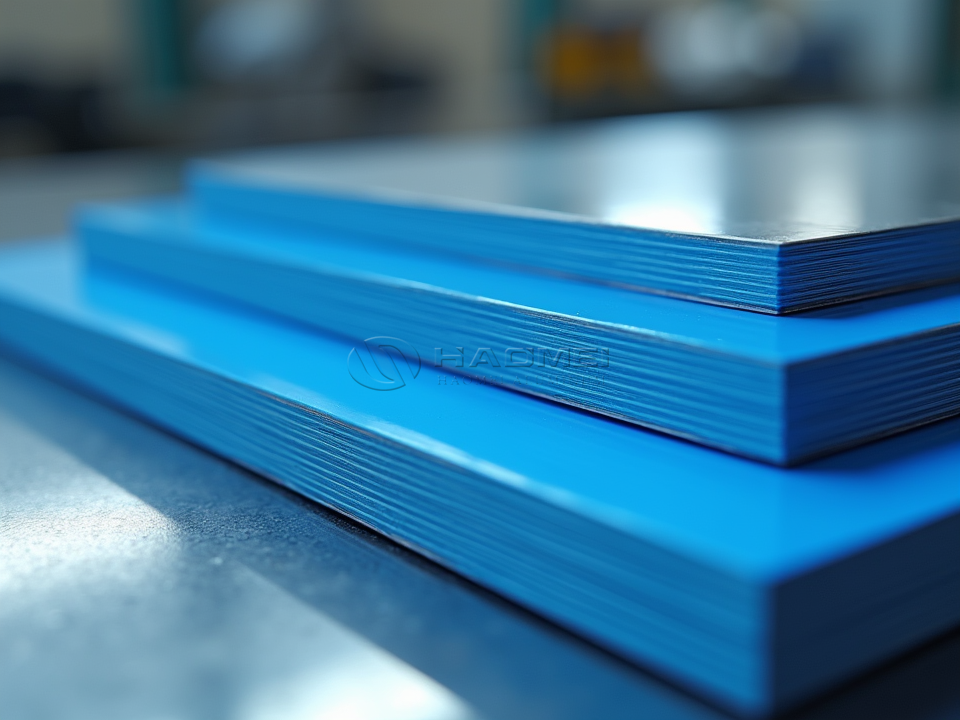
In a pressroom, long run performance is measured in fewer interruptions. The plate has to resist blanket friction, paper dust, fountain solution variation, alcohol substitutes, UV inks, conventional inks, and sometimes abrasive board stocks. A high-quality Thermal CTP Plate gives accurate imaging, but the long run version adds stronger coating adhesion, better anodic support, and higher resistance after development.
Thermal imaging normally uses an 830 nm infrared laser. The laser exposes the coating with controlled energy, forming image and non-image areas with high dot fidelity. Because thermal plates have good daylight handling compared with violet systems, they suit modern automated plate rooms where stable workflow matters as much as imaging speed.
Typical Product Parameters
| Item | Typical Range or Value | Practical Meaning |
|---|---|---|
| Plate type | Positive thermal CTP, long run grade | Suitable for high-volume offset printing |
| Laser wavelength | 830 nm | Compatible with mainstream thermal CTP setters |
| Spectral sensitivity | 110-150 mJ/cm² | Adjusted by platesetter power and speed |
| Plate thickness | 0.15, 0.20, 0.24, 0.27, 0.30, 0.40 mm | Selected by press format and cylinder requirement |
| Run length unbaked | 150,000-300,000 impressions | Depends on ink, paper, chemistry, and press condition |
| Run length baked | 500,000+ impressions | Recommended for very abrasive or repeat jobs |
| Resolution | 1%-99% at 200 lpi | Supports commercial and packaging screens |
| FM screening | 20 micron typical | Requires stable processing and clean press control |
| Developer temperature | 23 ± 2°C | Helps maintain clean non-image areas |
| Storage condition | 10-30°C, RH 40%-60% | Protects coating sensitivity and flatness |
These values can vary with plate formulation, press chemistry, and customer workflow. For demanding package and commercial work, a dedicated Long Run Thermal CTP Plate is often preferred because it gives a wider operating window under continuous production pressure.
Aluminum Alloy, Temper, and Sheet Condition
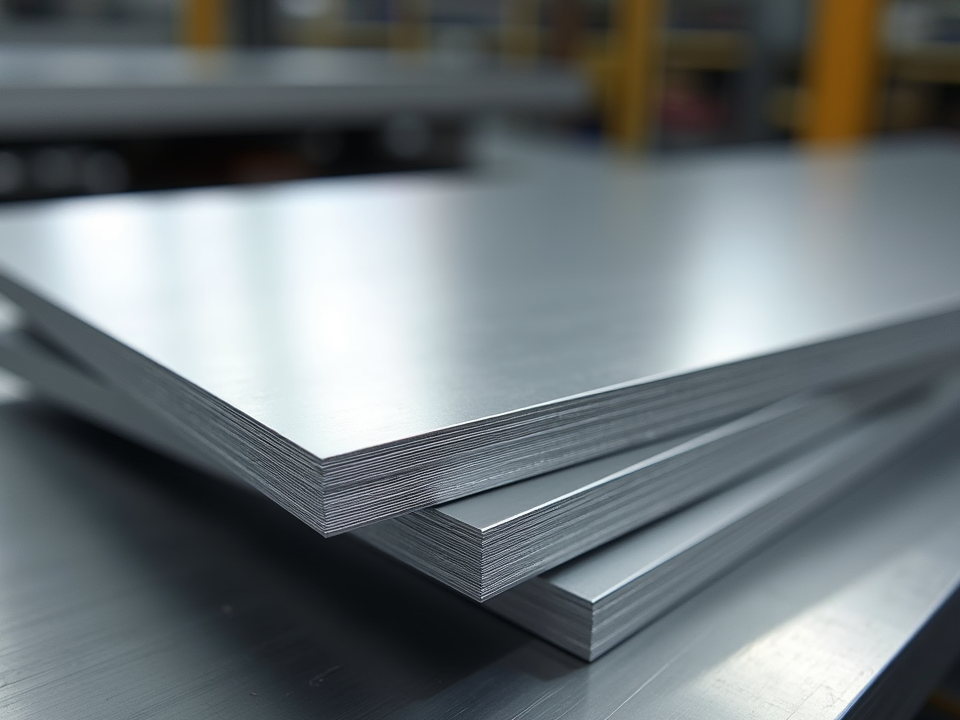
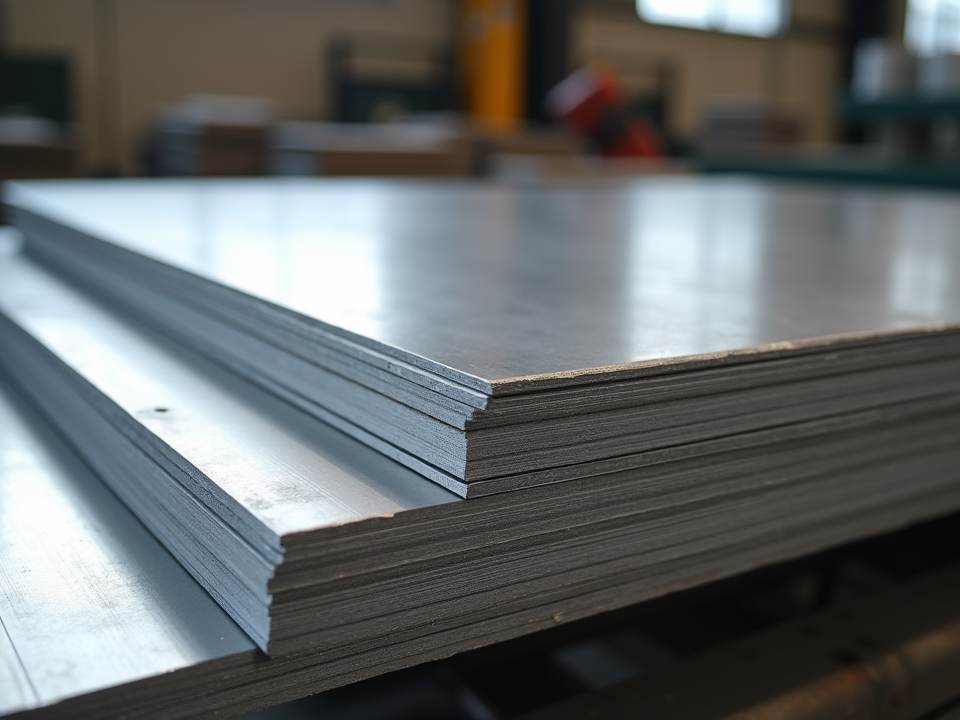
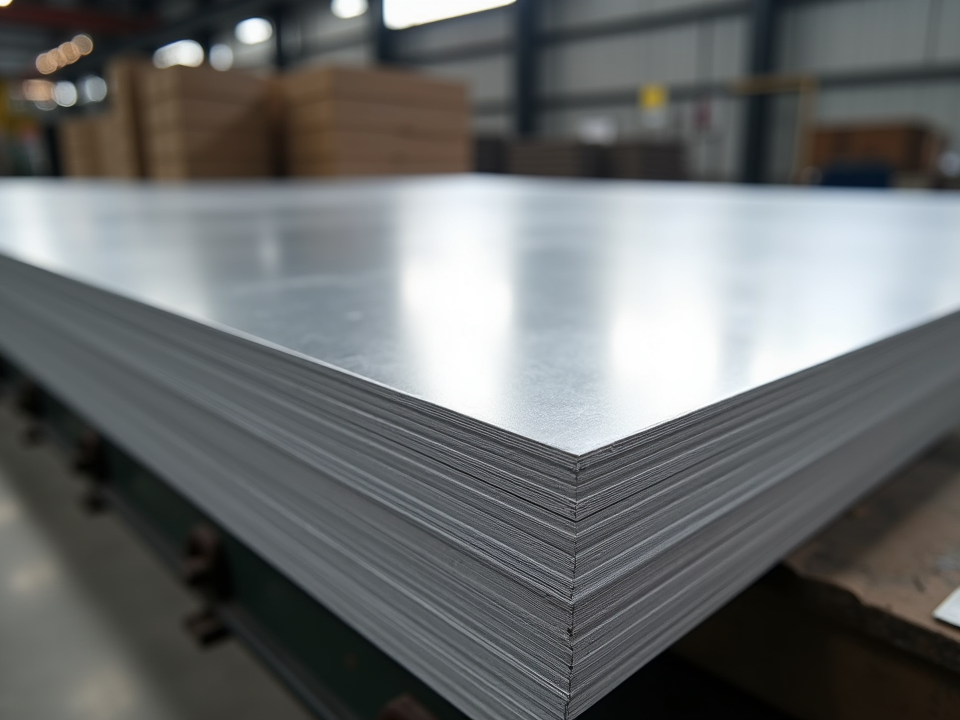
The aluminum base is commonly made from high-purity 1xxx series aluminum sheet. This family is chosen for its corrosion resistance, formability, and excellent response to graining and anodizing. For CTP production, the coil must be free from oil stains, scratches, chatter marks, heavy oxide streaks, and edge waves.
| Substrate Alloy | Common Temper | Typical Thickness | Use Condition |
|---|---|---|---|
| 1050A | H18 or H19 | 0.15-0.40 mm | Commercial CTP plate substrate |
| 1060 | H18 or H19 | 0.20-0.40 mm | High-purity base for stable anodizing |
| 1070 | H18 | 0.20-0.30 mm | Premium base where higher aluminum purity is required |
H18 and H19 tempers provide hard, stable sheet behavior. The plate must not stretch during mounting, and it must remain stable when clamped around the cylinder. Good temper control also helps reduce registration drift during long print runs.
Chemical Composition Reference
The chemical composition of the aluminum substrate affects grain uniformity, anodic layer quality, corrosion resistance, and coating adhesion. The table gives common reference ranges for high-purity aluminum sheet used in CTP plates. Final limits should follow the signed material specification.
| Element | Typical Range in 1050A / 1060 Base | Influence on Plate Behavior |
|---|---|---|
| Al | 99.50%-99.60% min | Main metal, supports corrosion resistance and uniform graining |
| Fe | 0.25%-0.40% max | Affects strength and surface response during rolling |
| Si | 0.25% max | Excess level may influence graining regularity |
| Cu | 0.05% max | Kept low for corrosion resistance |
| Mn | 0.05% max | Minor impurity control for stable surface quality |
| Mg | 0.03%-0.05% max | Low level helps maintain consistent anodizing behavior |
| Zn | 0.05% max | Controlled to reduce corrosion risk |
| Ti | 0.03% max | Grain refinement influence in casting stage |
| Other elements | Each 0.03% max, total 0.10% max | Limits unwanted variation in coating performance |
Surface Architecture: Where Endurance Is Created
A long run plate has three important layers working together. The aluminum base provides stiffness and registration stability. The electrochemically grained and anodized layer creates microscopic valleys that hold fountain solution and anchor the coating. The thermal photosensitive coating receives the laser image and forms the ink-receptive surface.
The grained surface is often measured by roughness, with Ra commonly controlled around 0.45-0.65 microns depending on process design. A surface that is too smooth may not carry water well. A surface that is too rough may increase dot gain or shorten coating life. The anodic oxide layer is also important, often controlled around 2.0-4.0 g/m². It gives the plate a hard, porous foundation and improves press durability.

Implementation Standards and Production Control
Long run thermal CTP plates are commonly produced and checked with reference to recognized aluminum and printing standards. Aluminum composition may follow GB/T 3190, EN 573-3, or ASTM B209, depending on market requirements. Dimensional tolerances may refer to GB/T 3880 or EN 485. Printing performance is often evaluated in relation to ISO 12647-2 process control for offset lithography.
Quality systems such as ISO 9001 help maintain batch traceability, coating consistency, inspection records, and corrective action control. For export supply, RoHS and REACH declarations may be requested when plates are used in markets with chemical compliance requirements. Packaging should protect the plate from humidity, light, edge damage, and abrasion during sea freight or warehouse storage.
Processing and Pressroom Conditions
Even the best plate needs a stable environment. Developer concentration, replenishment rate, temperature, and filtration must stay within the recommended window. If the developer is exhausted, non-image areas may scum. If processing is too aggressive, fine dots may weaken. In long run work, small chemistry errors become visible because the plate is asked to perform for many hours.
On press, fountain solution pH is often maintained around 4.8-5.5 for conventional offset, though exact values depend on the system. Conductivity should be monitored rather than guessed. Too much ink, too much pressure, contaminated dampening solution, or abrasive paper can reduce run length. For UV ink, metallic ink, recycled board, or very long repeat production, baking the plate is a wise choice.
Choosing the Right Plate for the Job
A customer should choose by total job cost, not only plate price. If a plate fails midway through a long packaging run, the cost includes press downtime, remaking, color matching, waste sheets, operator labor, and missed delivery time. A long run thermal CTP plate reduces these risks by giving higher coating toughness and stable dot behavior.
The right plate should match the press format, plate setter energy, processor condition, ink system, substrate type, and expected impressions. For most buyers, the best testing method is simple: image the plate under normal workflow, run it with real ink and paper, record dot stability at intervals, and inspect background cleanliness after the job. A plate that remains quiet on press is usually the plate that saves money.
Practical Buying Notes
Before ordering, confirm plate size, thickness, grain direction, packing quantity, laser compatibility, processing type, run length target, baking requirement, and storage period. Ask for batch consistency rather than only laboratory data. A reliable long run thermal CTP plate should feel invisible during production: easy to image, easy to process, quick to reach ink-water balance, and strong enough to finish the run without drama.