Orange Peel Embossed Aluminum Panel
Orange Peel Embossed Aluminum Panel: A Surface Designed for Real Use
An orange peel embossed aluminum panel is often chosen first with the eyes, then approved by the hand, and finally trusted by the installer. Its value is not only in the metal itself, but in the small raised pattern that changes how the panel reflects light, resists marks, handles contact, and sits on a finished project.
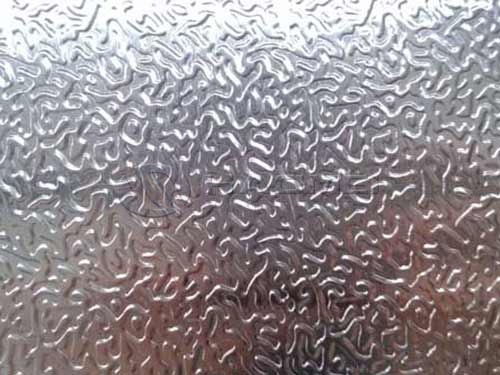
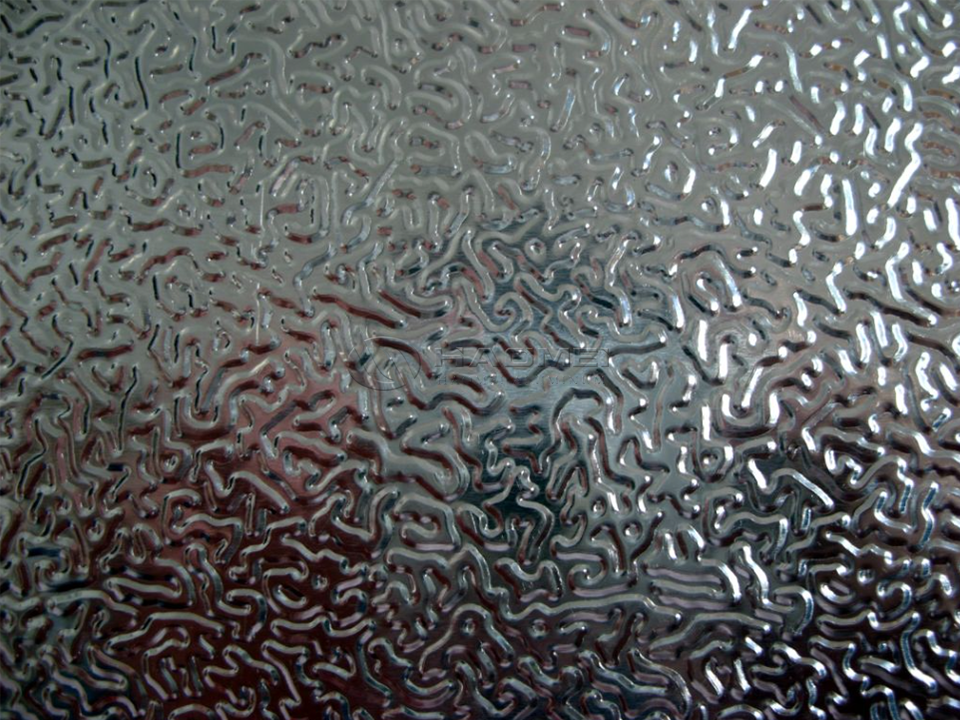
The texture looks familiar because it borrows from nature. Like the skin of an orange, the surface has a soft, irregular grain. It is not aggressive like tread plate, not flat like plain aluminum, and not overly decorative. This middle character is the reason it appears in insulation jacketing, cold storage panels, cabinet surfaces, elevator interiors, appliances, wall panels, and vehicle lining.
The Pattern Is Small, but the Effect Is Large
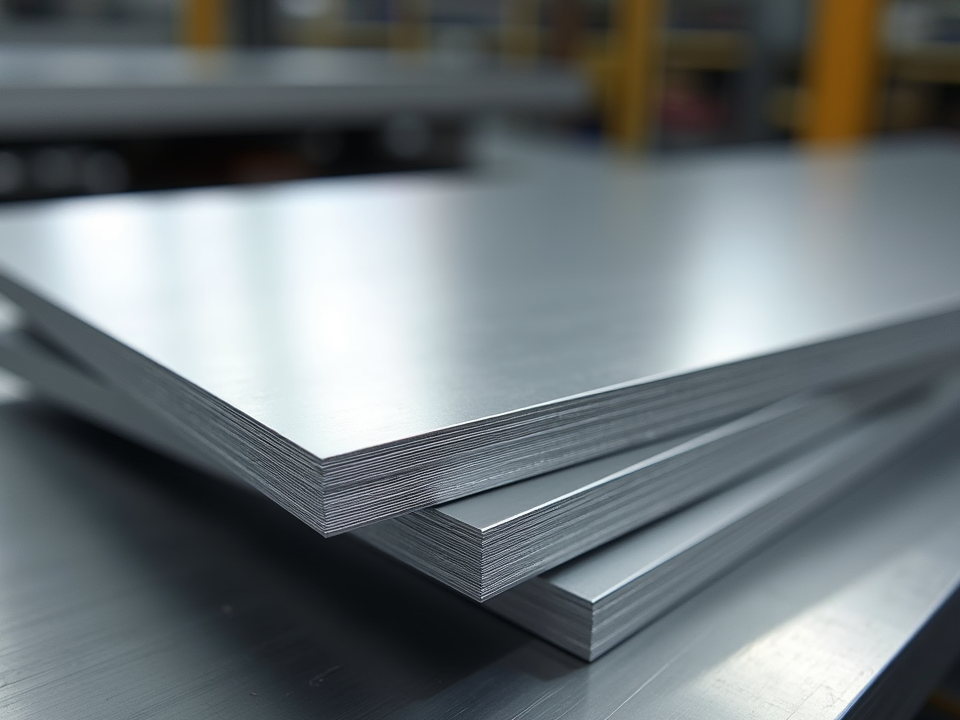
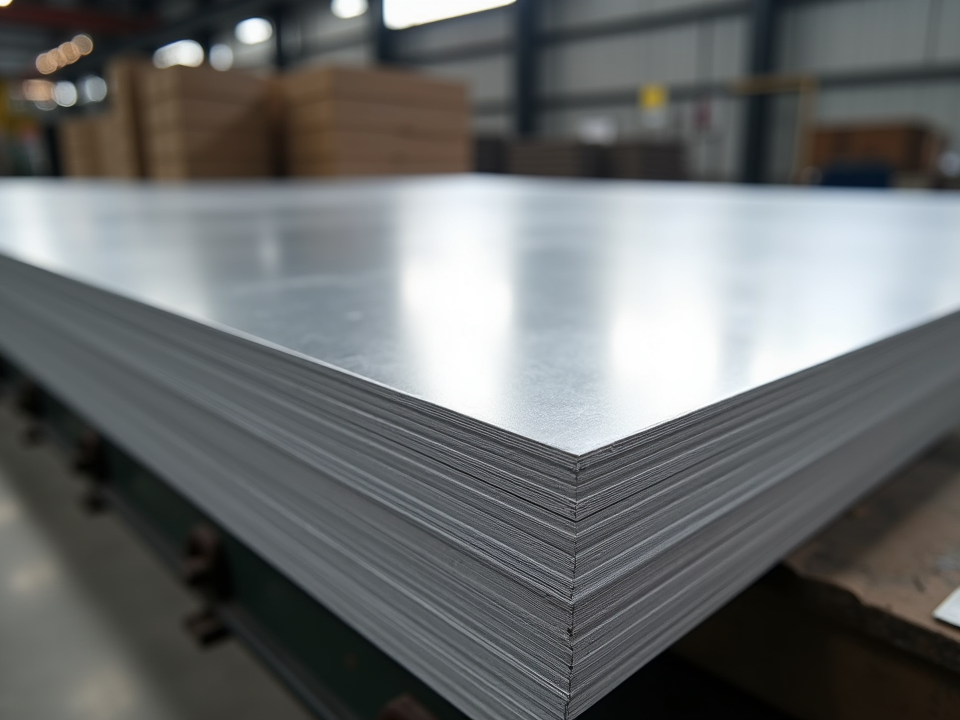
Flat aluminum can be beautiful, but it is also honest. It shows fingerprints, minor dents, oil marks, and handling scratches quickly, especially under strong light. Orange peel embossing changes the way light travels across the surface. Instead of one broad reflection, the surface breaks light into many tiny highlights and shadows. This makes small defects less visible and gives the panel a cleaner appearance during daily use.
For customers, this matters because real projects are not handled in showrooms. Panels are moved, stacked, cut, installed, wiped, touched, and sometimes bumped. The orange peel texture helps the material stay visually steady after installation. It does not make aluminum indestructible, but it makes ordinary use more forgiving.
This is also why many buyers compare it with Stucco Embossed Aluminum Sheet. Both offer textured surfaces, yet orange peel embossing usually feels finer and more compact. Stucco patterns may appear more rugged, while orange peel panels often look smoother and more modern in interior or appliance-related applications.
A Panel That Works Quietly in the Background
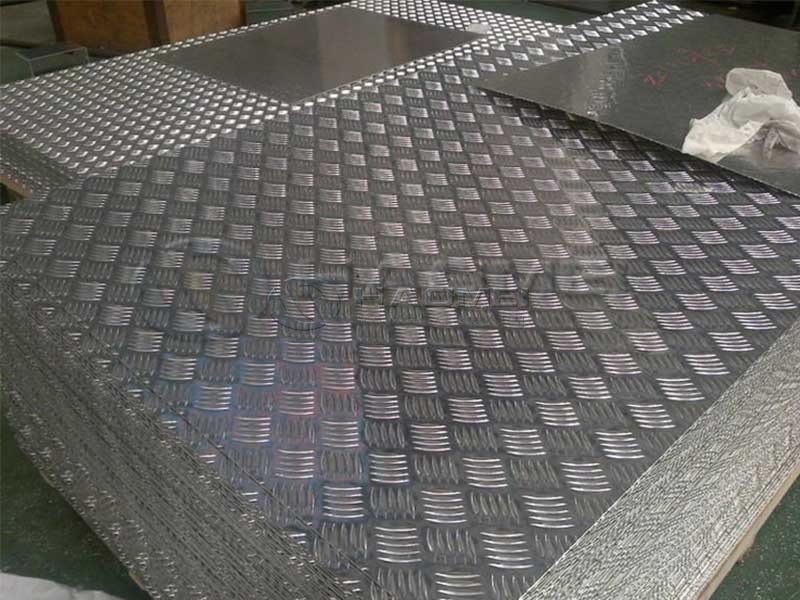
Some aluminum products are made to stand out. Five bar and diamond patterns announce strength and grip. Orange peel embossed aluminum panel works differently. It improves performance without calling too much attention to itself.
In insulation cladding, the panel protects pipes, tanks, and ductwork from mechanical contact and weather exposure. The texture adds stiffness to thin aluminum, helping it resist waviness after forming. In cold storage and refrigeration, the panel offers a bright, easy-to-clean surface that does not feel as plain as flat sheet. In interior decoration, it adds depth while keeping a professional look.
The beauty of this panel is its restraint. It gives just enough texture to hide surface noise, just enough brightness to keep spaces clean, and just enough rigidity to support practical fabrication.
What Customers Should Notice Before Buying
The first detail is alloy. Common choices include 1060, 1100, 3003, and 5052 aluminum. For general decorative and insulation use, 1060 and 1100 offer good formability and cost efficiency. 3003 gives better strength and corrosion resistance, making it popular for building and equipment surfaces. 5052 is often selected when higher corrosion resistance and toughness are required, especially in humid or marine-related environments.
Thickness is the next decision. Thin panels are easier to bend and wrap, which is useful for pipe insulation and curved surfaces. Thicker panels feel more solid and are better suited for wall protection, cabinetry, and equipment covers. Customers often focus only on thickness, but temper matters too. A softer temper supports forming, while a harder temper improves panel flatness and handling resistance.
Surface finish also affects the final result. Mill finish orange peel aluminum has a natural metallic look. Painted or coated panels can match design colors and improve resistance to specific environments. If the panel will be exposed outdoors, coating quality, edge protection, and drainage design should be considered together rather than separately.
The Feel of the Surface Is Part of the Specification
When customers request samples, they often compare color and thickness, but the hand feel deserves equal attention. Orange peel embossing can be fine or more pronounced depending on the roller pattern and production setting. A finer surface looks elegant and cleans easily. A deeper surface may improve stiffness and hide marks better.
The best choice depends on where people will see and touch the panel. For appliance panels or elevator decoration, a uniform, refined pattern is usually preferred. For insulation jacketing or utility areas, durability and forming behavior may be more important than visual delicacy.
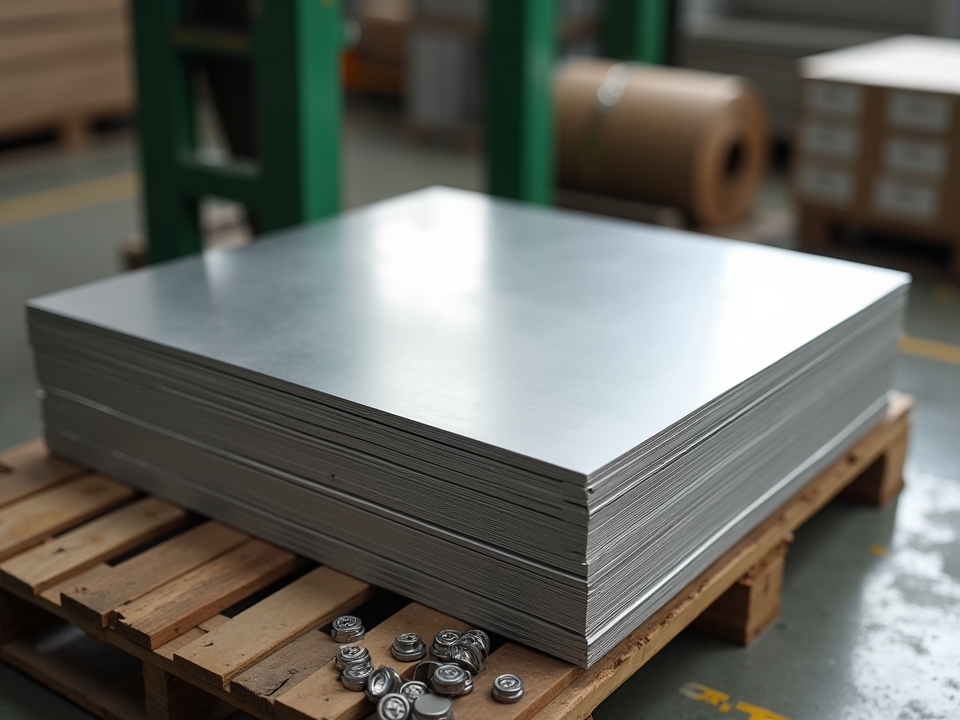
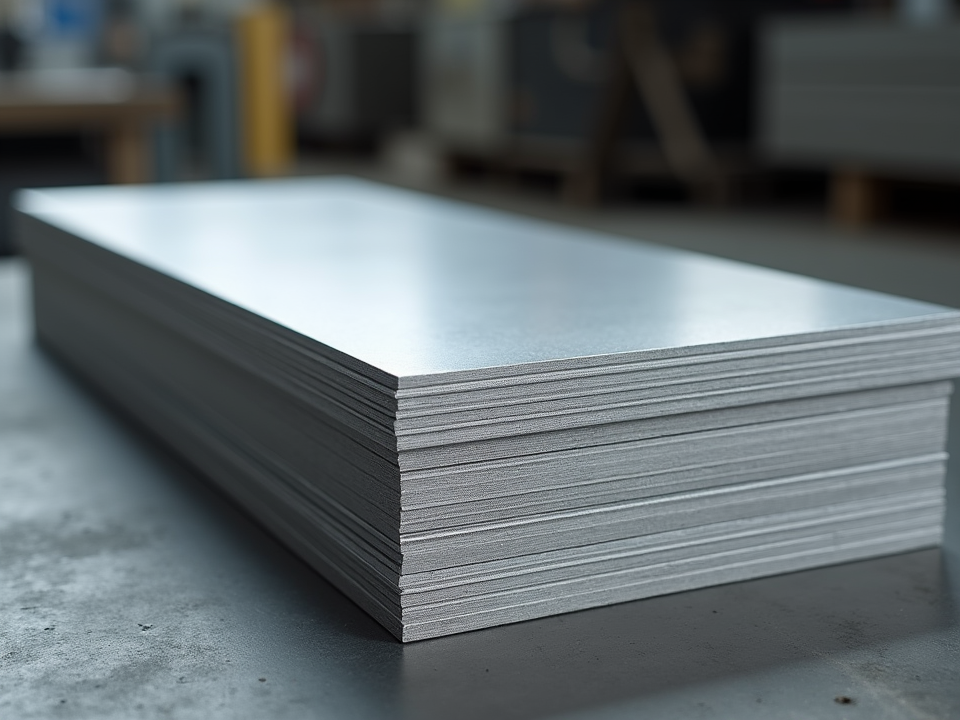
This is why the phrase Orange Peel Embossed Aluminum Sheet can refer to several practical variations. Buyers should confirm alloy, thickness, width, coil or sheet form, surface protection film, coating, and tolerance before placing an order.
Comparing Orange Peel with Tread Patterns
A tread plate is designed to create grip. Its raised bars or diamonds are taller, directional, and more obvious. Orange peel embossing is designed more for surface refinement, light control, and added rigidity. It is not the right choice for heavy anti-slip flooring, but it is often better for surfaces that need to look clean and resist visible wear.
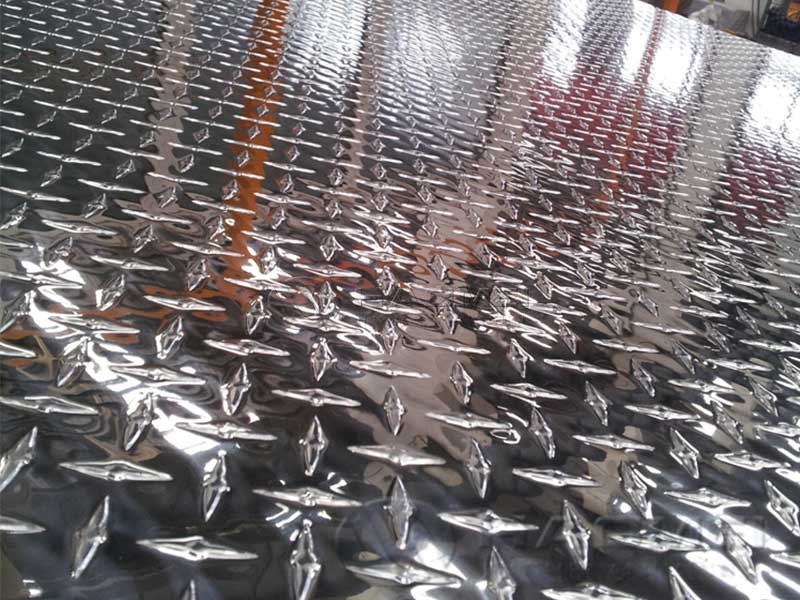
For example, a vehicle step may need diamond or five bar tread plate because footwear traction is the main concern. A refrigerated truck interior wall, however, may benefit more from orange peel aluminum because the wall needs to be lightweight, washable, corrosion resistant, and visually neat. The same logic applies in workshops, food storage rooms, utility cabinets, and machine enclosures.
The decision is not about which pattern is better in general. It is about what the surface must do after installation.
Fabrication: Easy, but Not Careless
Orange peel embossed aluminum panel can be cut, bent, punched, laminated, and formed, but the embossed texture changes how the material behaves slightly. During bending, the outer surface stretches and the pattern may open visually if the radius is too tight. A proper bending radius helps preserve the appearance.
When cutting panels for visible installations, direction and pattern consistency should be checked. Although orange peel texture is less directional than tread plate, panels from different batches or coils may reflect light differently. For large wall areas, it is wise to install panels from the same production lot where possible.
Protective film can reduce scratches during transport and installation, especially for bright or coated surfaces. Still, film should not be left on for too long under heat or sunlight, because adhesive residue may become difficult to remove.
Cleaning and Long-Term Appearance
Maintenance is simple. Mild detergent, water, and a soft cloth are usually enough. Strong alkaline cleaners, hard brushes, and abrasive pads should be avoided because they can damage the natural oxide layer or coating. In industrial areas, regular cleaning helps prevent deposits from building up in the small texture valleys.
The panel ages well when matched correctly to the environment. Aluminum naturally forms a protective oxide film, and embossed texture reduces the visual impact of small contact marks. For outdoor or chemical environments, alloy and coating selection become more important. A low-cost panel may look acceptable at delivery, but the right alloy and surface treatment decide how it performs after years of exposure.
A Smart Choice for Buyers Who Think Beyond Appearance
Orange peel embossed aluminum panel is not loud, but it is practical. It solves common problems that customers face after installation: visible fingerprints, flat-sheet waviness, minor dents, dull surfaces, and difficult visual maintenance. It brings texture without harshness and strength without unnecessary weight.
For purchasing, the safest approach is to define the working scene first. Is the panel for insulation, decoration, refrigeration, machinery, transport, or wall protection? Will it be used indoors or outdoors? Does it need coating? Will it be bent, rolled, or kept flat? These questions lead to the right alloy, thickness, temper, and surface finish.
A good orange peel embossed aluminum panel is more than a patterned sheet. It is a surface that makes aluminum easier to live with, easier to maintain, and easier to trust in daily work.