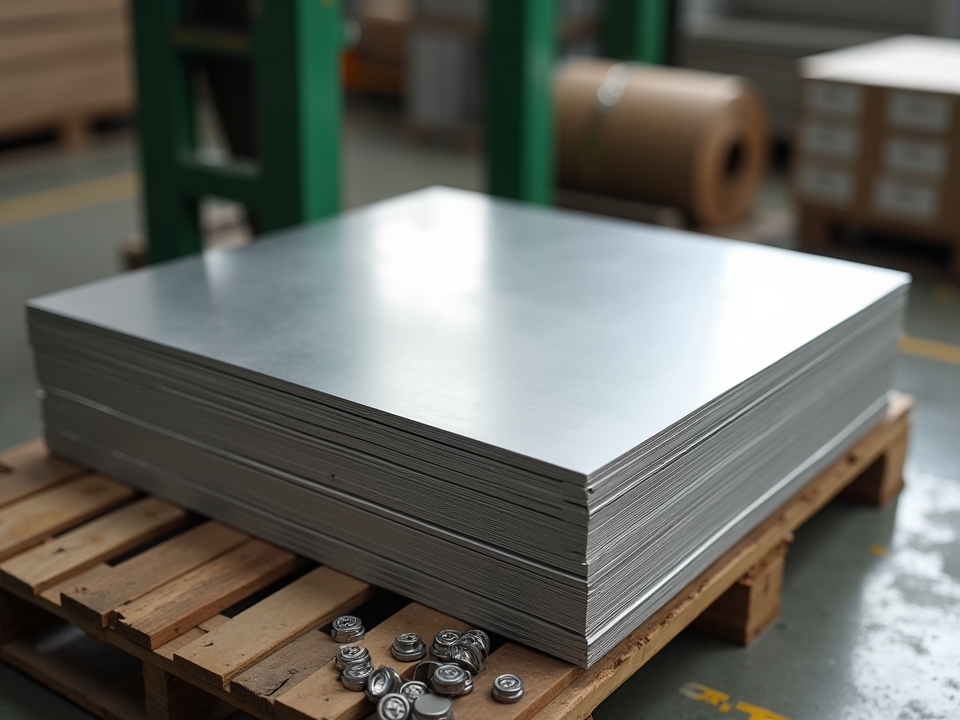
Stucco Embossed Aluminum Sheet
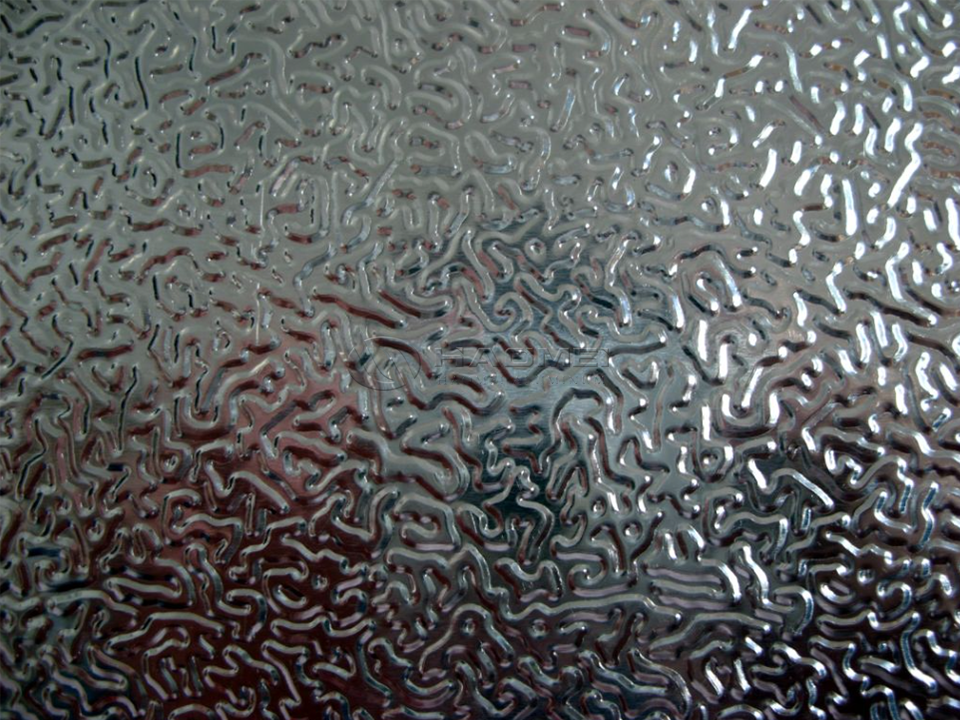
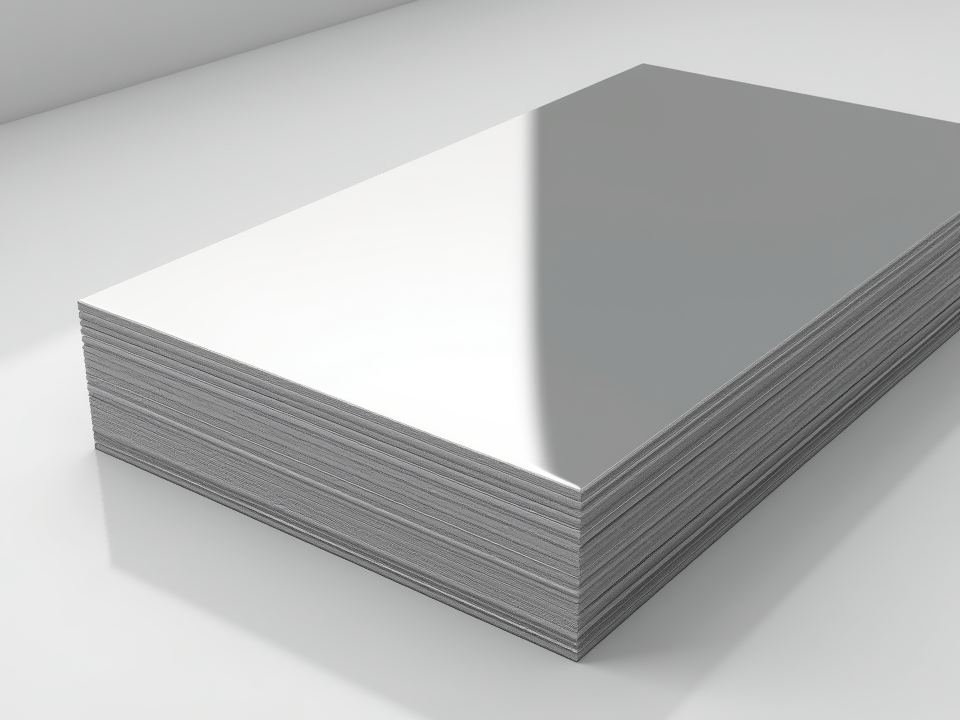
Stucco embossed aluminum sheet is a flat aluminum coil or sheet processed through patterned rollers to create a fine, raised, pebble-like surface. The result is a metal sheet that keeps aluminum's low weight and corrosion resistance while gaining better rigidity, reduced reflectivity, and a more attractive surface for exposed use.
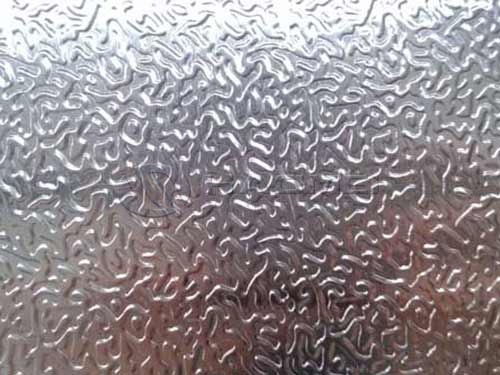
For customers who need a practical material rather than a purely decorative panel, stucco embossing offers an excellent balance. It is commonly used on pipe insulation jackets, HVAC ducting, cold storage rooms, refrigeration equipment, wall panels, appliance liners, and transport interiors. As part of the broader Embossed Aluminum Sheet family, it is especially valued where a clean industrial look, easy forming, and long service life are required.
What Makes the Stucco Pattern Practical
The surface looks similar to a fine orange-peel or plaster texture, but its function goes beyond appearance. During embossing, the sheet surface is pressed into a shallow relief pattern. This mechanical deformation increases surface hardness slightly and improves panel stiffness compared with a plain sheet of the same thickness.
The pattern also disperses light. Plain aluminum can produce strong glare, especially on cladding or bright workshop surfaces. Stucco texture softens reflections, making the sheet more comfortable to view in equipment rooms, ceilings, walls, and insulation systems.
Another benefit is surface tolerance. Small dents, handling marks, and minor scratches are less visible on a stucco embossed surface than on a bright mill finish. This is helpful in installation environments where sheets are cut, rolled, wrapped, or fastened on site.
Typical Product Specifications
| Item | Common Range | Notes |
|---|---|---|
| Alloy | 1050, 1060, 1100, 3003, 3105, 5052 | Selection depends on forming, strength, and corrosion needs |
| Temper | O, H14, H16, H18, H24 | Soft tempers form easily; hard tempers improve stiffness |
| Thickness | 0.20 mm to 3.00 mm | Insulation jacketing often uses thin gauges |
| Width | 500 mm to 1600 mm | Custom widths can reduce trimming waste |
| Length | Coil, cut-to-length sheet, custom blanks | Coil is preferred for continuous fabrication |
| Surface | Mill finish, coated, moisture barrier options | Coating improves weathering and appearance |
| Pattern | Fine stucco pebble texture | Uniform relief across the sheet surface |
For most insulation jacketing, 1060 and 3003 alloys are widely used because they combine corrosion resistance with good formability. For marine-adjacent or more aggressive environments, 5052 may be selected because of its higher magnesium content and stronger resistance to salt-related corrosion.
Common Alloy Choices and Chemical Composition
| Alloy | Main Composition Character | Typical Use Advantage |
|---|---|---|
| 1050 | Aluminum purity around 99.5 percent | Very high corrosion resistance and good thermal conductivity |
| 1060 | Aluminum purity around 99.6 percent | Excellent workability for wrapping and light cladding |
| 1100 | Aluminum purity around 99.0 percent with small copper content | Stable performance for general sheet applications |
| 3003 | Al-Mn alloy | Better strength than pure aluminum with good formability |
| 3105 | Al-Mn-Mg alloy | Good coating performance and moderate strength |
| 5052 | Al-Mg alloy | Higher strength and improved corrosion resistance |
| Element Range Guide | 1050 | 1060 | 3003 | 5052 |
|---|---|---|---|---|
| Aluminum | Balance | Balance | Balance | Balance |
| Silicon + Iron | Up to 0.95 | Up to 0.60 | Up to 0.70 | Up to 0.45 |
| Copper | Up to 0.05 | Up to 0.05 | 0.05 to 0.20 | Up to 0.10 |
| Manganese | Up to 0.05 | Up to 0.03 | 1.00 to 1.50 | Up to 0.10 |
| Magnesium | Up to 0.05 | Up to 0.03 | Up to 0.05 | 2.20 to 2.80 |
Actual chemical limits may vary by standard such as ASTM, EN, or customer specification. When ordering, confirm alloy, temper, thickness tolerance, surface condition, and packaging method before production.
Feature Benefits for Buyers
Stucco embossed aluminum sheet is light, so it reduces load on supporting structures and is easier to transport, lift, and install. This matters on large insulation projects where workers may handle hundreds of square meters per shift.
It also resists rust naturally. Aluminum forms a protective oxide film, making it suitable for humid industrial spaces, refrigeration lines, and outdoor service when the correct alloy and finish are chosen. For harsher conditions, coated stucco sheet or 5052 alloy can extend durability.
The embossed surface adds rigidity without a large increase in weight. In many cladding jobs, this allows the designer to use a thinner gauge while keeping a stable feel after installation. The texture also reduces oil-canning appearance, which can occur on large flat metal surfaces.
Workability remains strong. Stucco embossed aluminum sheet can be cut, bent, rolled, punched, riveted, or fastened with common sheet metal tools. Softer tempers are especially suitable for wrapping elbows, tanks, and irregular equipment shapes.
Applications Across Industries
In thermal insulation systems, stucco embossed aluminum sheet is often used as a protective outer jacket around pipelines, vessels, boilers, tanks, and HVAC ducts. It shields insulation from mechanical damage, moisture exposure, sunlight, and contamination. The textured surface gives the installation a professional finish while helping hide site handling marks.
In refrigeration and cold chain facilities, it is used for cold room wall panels, ceiling panels, equipment skins, and protective linings. Aluminum's low weight and corrosion resistance are valuable in environments where condensation and temperature changes are common.
In building decoration, stucco sheet works well for interior wall panels, ceilings, elevator interiors, column covers, and service corridors. It provides a clean metallic appearance without the mirror-like glare of bright aluminum. For designers comparing textured styles, Orange Peel Embossed Aluminum Sheet can be considered when a more pronounced decorative effect is desired.
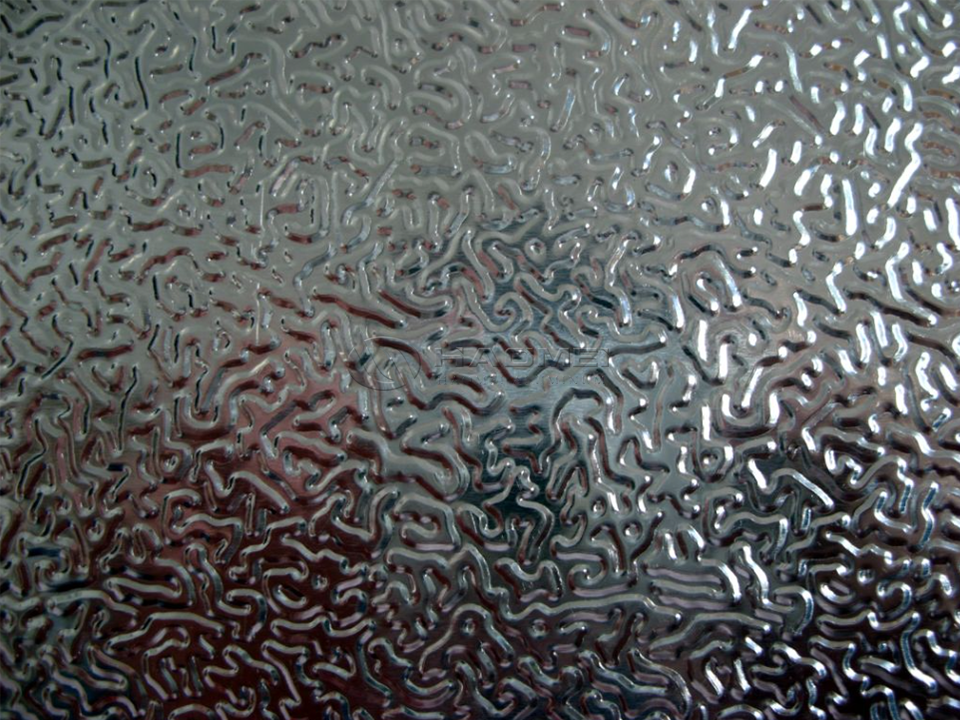
Appliance manufacturers use stucco embossed aluminum sheet for refrigerator liners, freezer panels, washing machine parts, air conditioning components, and kitchen equipment. The pattern helps disguise minor surface marks during assembly and daily use.
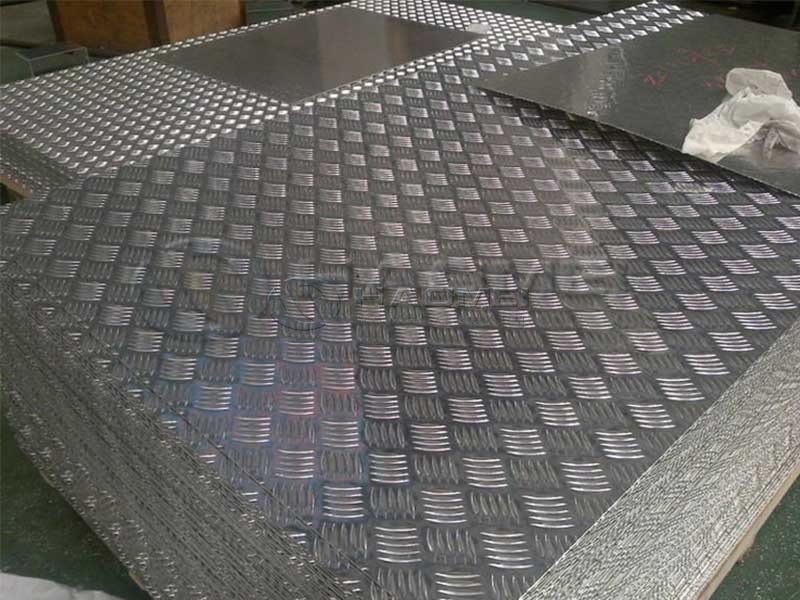
Transport and storage applications include trailer liners, truck body panels, tool boxes, protective covers, and container interiors. While stucco sheet is not a heavy anti-slip tread plate, its texture offers better surface grip than flat sheet for light-duty contact areas.
Selection Tips for a Better Purchase
Choose 1060 or 1100 when maximum formability and corrosion resistance are the main concerns. Choose 3003 when higher strength is needed without sacrificing easy fabrication. Choose 5052 for stronger panels or environments with higher corrosion demand.
For pipe insulation jacketing, confirm the required thickness, coil width, moisture barrier backing, and fastening method. For visible architectural surfaces, request surface samples so color, gloss, and embossing depth can be approved before bulk order.
Packaging also matters. Stucco embossed sheets should be protected from moisture, edge damage, and abrasion during shipping. For export shipments, wooden pallets, waterproof wrapping, desiccant, and firm strapping help maintain surface quality.
A Reliable Material for Functional Metal Surfaces
Stucco embossed aluminum sheet is popular because it solves several needs at once: it is light, corrosion resistant, easy to fabricate, visually neat, and more rigid than plain sheet of similar gauge. From insulation cladding to appliances and interior panels, it provides a durable textured surface that performs well in demanding commercial and industrial environments.