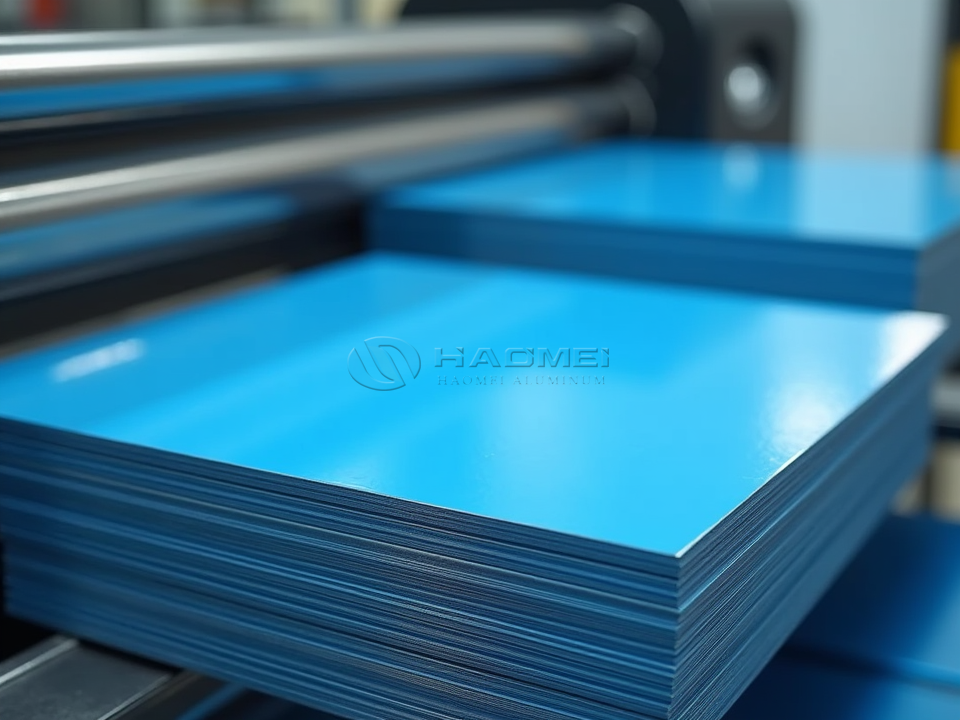
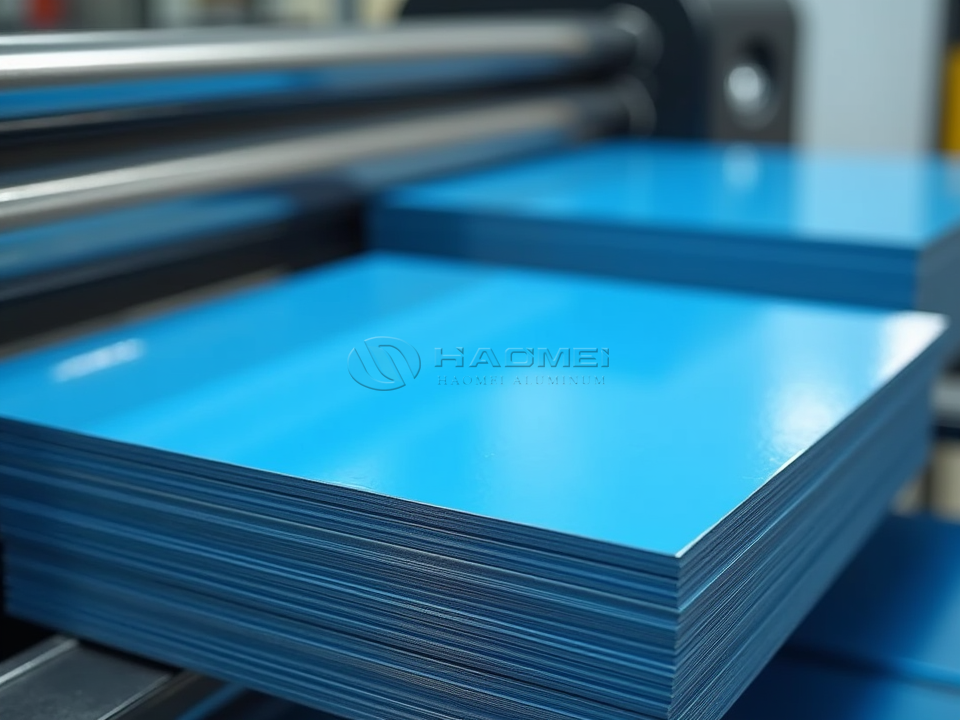
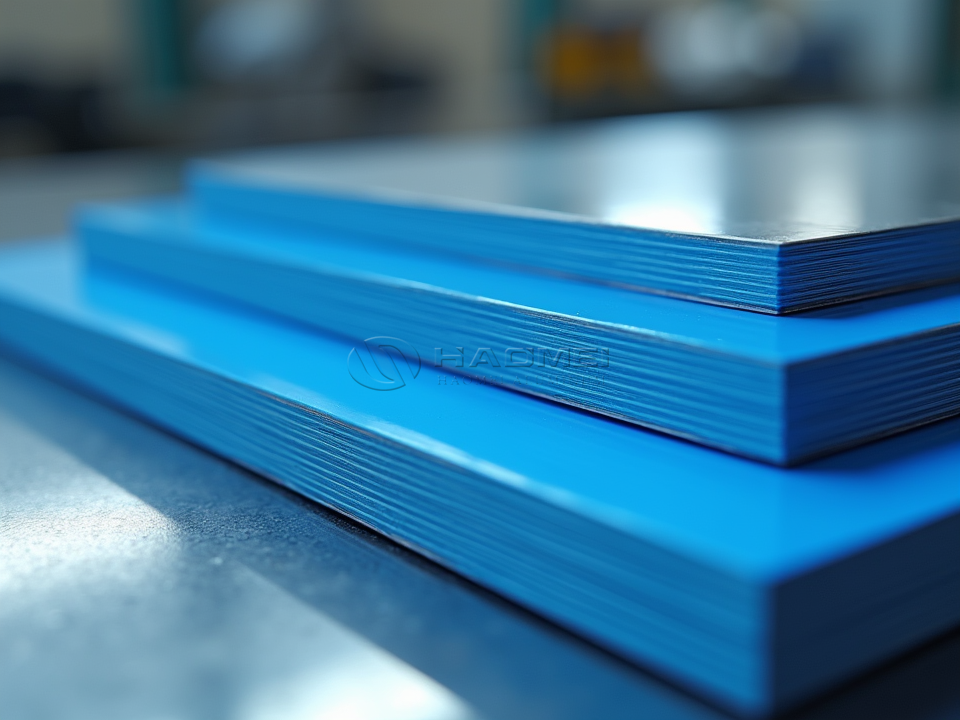
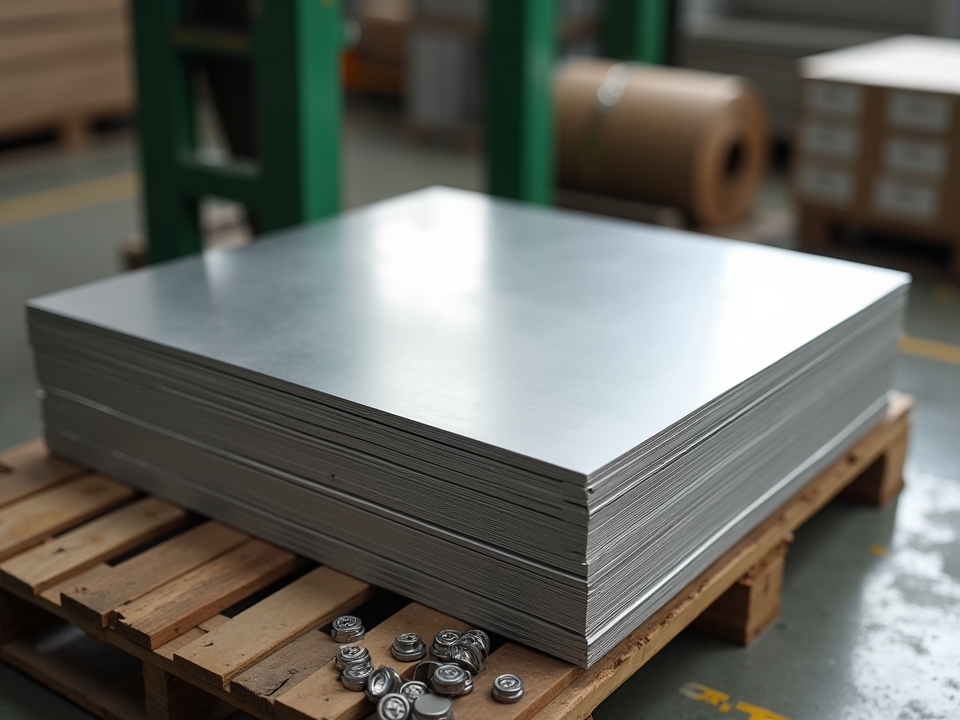
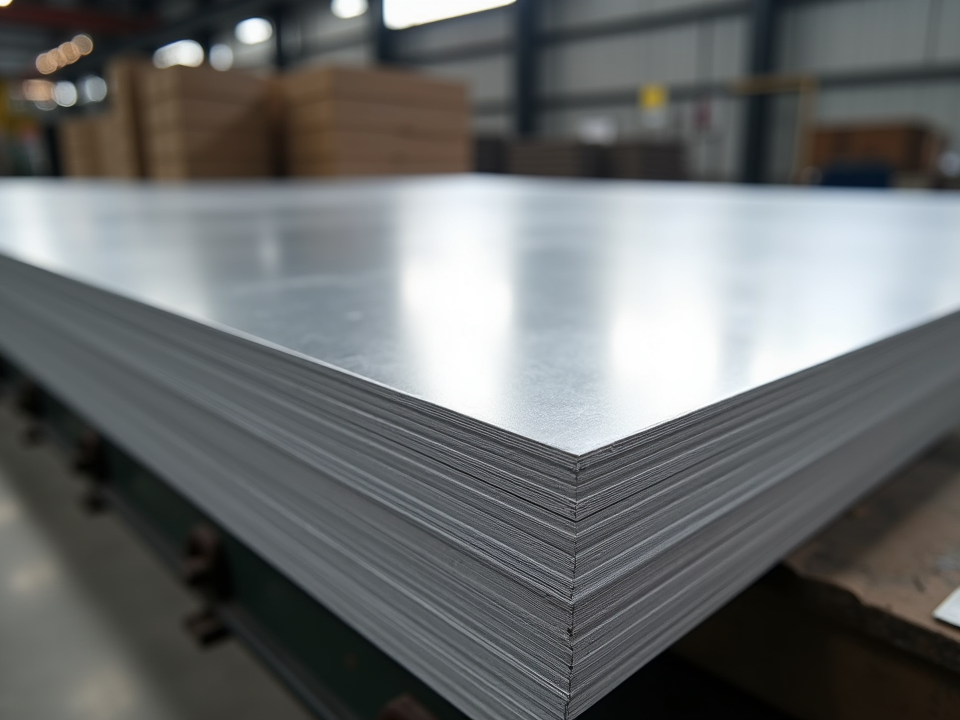
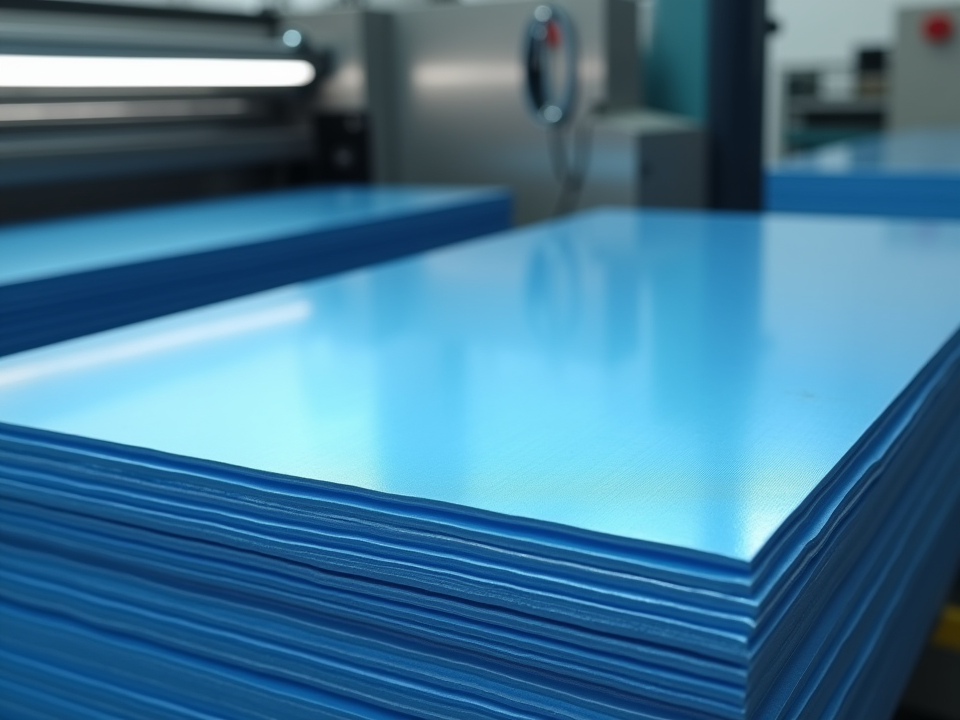
Prepress Aluminum CTP Plate
A prepress aluminum CTP plate is a computer-to-plate printing material designed for offset lithography. It transfers digital image data directly onto a coated aluminum sheet, removing film output and improving plate accuracy, press setup speed, and repeatability. For commercial printers, packaging converters, newspaper plants, and book printing lines, the plate must combine a clean imaging response with dimensional stability, strong ink-water balance, and dependable run length.
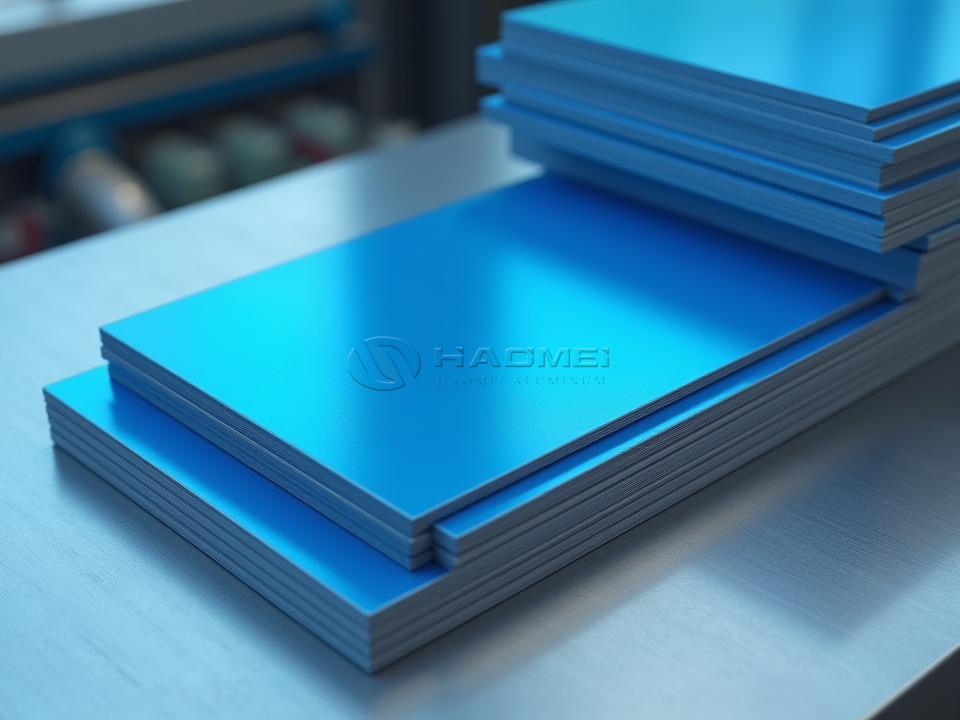
Modern CTP plates are built on high-purity aluminum alloy strip, usually from the 1xxx series. The base is degreased, electrochemically grained, anodized, sealed, and coated with a photosensitive layer. This layered structure gives the plate its performance: the aluminum provides flatness and mechanical strength, the anodized oxide layer improves wear resistance, and the coating responds to laser exposure in the platesetter.
Product Structure
| Layer | Main Function | Customer Benefit |
|---|---|---|
| Photosensitive coating | Responds to thermal, violet, UV, or processless laser systems | Sharp dots, clean image reproduction |
| Hydrophilic surface layer | Maintains water affinity in non-image areas | Stable ink-water balance during printing |
| Anodized aluminum oxide | Improves hardness and coating anchorage | Better run length and scratch resistance |
| Electrochemical grain | Creates micro-rough surface texture | Fast dampening and consistent plate behavior |
| Aluminum substrate | Provides strength, flatness, and dimensional stability | Smooth transport through platesetter and press |
Main Features Customers Care About
| Feature | Practical Value in Printing |
|---|---|
| High-resolution imaging | Supports fine screens, small text, barcodes, and detailed packaging graphics |
| Stable aluminum base | Reduces plate stretching, registration drift, and press waste |
| Strong coating adhesion | Helps prevent image loss during development and long print runs |
| Fast plate loading | Suitable for automatic and semi-automatic CTP lines |
| Wide compatibility | Available for thermal, violet, UV, low-chemistry, and processless systems |
| Good ink-water balance | Shortens make-ready time and supports clean background areas |
| Custom size range | Can be slit and cut for sheetfed, web, newspaper, and packaging presses |
For plants using 830 nm exposure, a Thermal CTP Plate is often selected for its strong imaging latitude, stable dot reproduction, and suitability for medium to long press runs.
Common CTP Plate Types
| Plate Type | Laser Wavelength | Processing Style | Typical Use |
|---|---|---|---|
| Thermal CTP plate | 830 nm | Positive or negative developer processing | Commercial printing, packaging, books |
| Violet CTP plate | 405 nm | Developer processing | Newspaper and fast-turnaround production |
| UV-CTP plate | 365 nm to 405 nm | Conventional-style processing | Printers upgrading from PS plate workflows |
| Processless CTP plate | 830 nm | On-press cleanout or minimal chemistry | Eco-focused print rooms, short to medium runs |
| Low-chemistry CTP plate | 830 nm or 405 nm | Reduced developer consumption | Plants seeking lower waste and simpler maintenance |
Aluminum Alloy and Temper
The aluminum base must be uniform, clean, and strong enough for high-speed coating and press use. High-purity 1050, 1060, and 1070 aluminum are commonly selected because they provide excellent electrochemical response, corrosion resistance, and stable grain formation.
| Alloy | Typical Temper | Aluminum Purity | Why It Is Used for CTP Plates |
|---|---|---|---|
| 1050 | H18, H19 | 99.50% min | Good balance of cost, surface quality, and processing performance |
| 1060 | H18, H19 | 99.60% min | Higher purity, clean graining, stable anodizing effect |
| 1070 | H18, H19 | 99.70% min | Premium surface response for demanding imaging and coating lines |
Chemical Composition of Aluminum Substrate
Typical composition values are shown for reference. Final chemistry can be adjusted according to production route, substrate specification, and customer standard.
| Alloy | Al Min | Si | Fe | Cu | Mn | Mg | Zn | Ti | Others Each | Others Total |
|---|---|---|---|---|---|---|---|---|---|---|
| 1050 | 99.50 | 0.25 max | 0.40 max | 0.05 max | 0.05 max | 0.05 max | 0.05 max | 0.03 max | 0.03 max | 0.15 max |
| 1060 | 99.60 | 0.25 max | 0.35 max | 0.05 max | 0.03 max | 0.03 max | 0.05 max | 0.03 max | 0.03 max | 0.15 max |
| 1070 | 99.70 | 0.20 max | 0.25 max | 0.04 max | 0.03 max | 0.03 max | 0.04 max | 0.03 max | 0.03 max | 0.10 max |
Technical Specifications
| Parameter | Standard Range | Notes |
|---|---|---|
| Plate thickness | 0.15 mm to 0.40 mm | 0.15 mm, 0.20 mm, 0.24 mm, 0.27 mm, 0.30 mm are common |
| Width | 200 mm to 1600 mm | Custom sizes available by slitting and shearing |
| Length | 300 mm to 1700 mm | Matched to press format and platesetter size |
| Diagonal tolerance | ±0.5 mm to ±1.0 mm | Supports accurate registration |
| Thickness tolerance | ±0.005 mm to ±0.010 mm | Depends on gauge and order standard |
| Surface roughness Ra | 0.45 µm to 0.70 µm | Controlled after electrochemical graining |
| Anodic oxide weight | 2.0 g/m² to 4.0 g/m² | Higher oxide improves wear resistance |
| Coating weight | 1.0 g/m² to 2.5 g/m² | Varies by plate chemistry and imaging type |
| Recommended storage | 10°C to 30°C, RH 40% to 60% | Keep sealed and away from direct light |
| Shelf life | 12 to 18 months | Depends on coating system and packaging |
Imaging and Printing Performance
| Performance Item | Typical Value | Printing Benefit |
|---|---|---|
| Resolution | 1% to 99% at 200 lpi | Smooth tone reproduction |
| FM screening capability | 20 µm to 25 µm | Fine detail for premium graphics |
| Thermal sensitivity | 90 mJ/cm² to 150 mJ/cm² | Efficient exposure on 830 nm systems |
| Violet sensitivity | 30 µJ/cm² to 70 µJ/cm² | Fast imaging for newspaper output |
| Unbaked run length | 50,000 to 200,000 impressions | Suitable for most commercial jobs |
| Baked run length | 300,000 impressions or more | Better for long-run packaging and books |
| Dot reproduction | Clean 1% highlight to 99% shadow | Reduces tone loss and plate correction work |
| Developer latitude | Wide operating window | More stable production across shifts |
Actual run length depends on press condition, ink type, paper dust, fountain solution, blanket quality, and operator practice. UV ink, abrasive paper, metallic ink, and poor dampening control may reduce plate life.
Applications
Prepress aluminum CTP plate is widely used wherever offset printing requires speed, precision, and repeatable plate quality.
| Industry | Typical Printed Products | Plate Requirement |
|---|---|---|
| Commercial printing | Brochures, catalogs, posters, flyers | Sharp dots, fast make-ready, stable color control |
| Packaging printing | Folding cartons, labels, paper bags | Long run length, durable image areas, accurate registration |
| Book printing | Textbooks, novels, manuals | Consistent plate behavior across large batches |
| Newspaper printing | Daily newspapers, inserts, supplements | Fast exposure, rapid processing, reliable plate loading |
| Security and forms | Tickets, forms, vouchers | Fine lines, small text, clean non-image areas |
| Web offset | Magazines, mailers, directories | Dimensional stability and strong plate bending performance |
Plate Selection Guide
| Printing Condition | Recommended Plate Choice | Reason |
|---|---|---|
| Standard sheetfed commercial work | Thermal positive CTP plate | Balanced cost, image quality, and process stability |
| High-volume packaging | Long-run thermal or baked thermal plate | Higher wear resistance and stronger image durability |
| Newspaper production | Violet CTP plate | Fast exposure and efficient workflow |
| Cleaner prepress room target | Processless or low-chemistry plate | Lower water, chemical, and waste load |
| Existing UV exposure workflow | UV-CTP plate | Easier transition from conventional plate systems |
Handling, Storage, and Pressroom Tips
| Practice | Recommended Action |
|---|---|
| Storage | Keep plates flat, sealed, dry, and away from heat or sunlight |
| Handling | Wear clean gloves to avoid fingerprints, scratches, and coating stains |
| Cutting and punching | Use accurate equipment to avoid burrs and registration issues |
| Processing | Maintain developer temperature, conductivity, replenishment, and brush pressure |
| Press startup | Check dampening, blanket pressure, ink setting, and plate clamp tension |
| Waste reduction | Use correct exposure energy and avoid over-development |
Why Aluminum Matters in CTP Plate Quality
The coating receives much of the attention, but the aluminum sheet determines how reliably the plate can be manufactured and printed. A clean alloy composition supports uniform graining. A controlled hard temper improves flatness and transport through automatic loaders. Stable thickness helps the plate sit correctly on the press cylinder. A well-anodized surface locks the coating in place and resists wear during repeated ink and fountain solution contact.
For customers comparing prepress aluminum CTP plate options, the best choice is not only the lowest price per square meter. It is the plate that images predictably, processes cleanly, starts quickly on press, and completes the job with minimal waste. Matching alloy base, coating type, thickness, platesetter wavelength, press format, and expected run length creates the most reliable result for daily offset production.