Single Coated Thermal CTP Plate
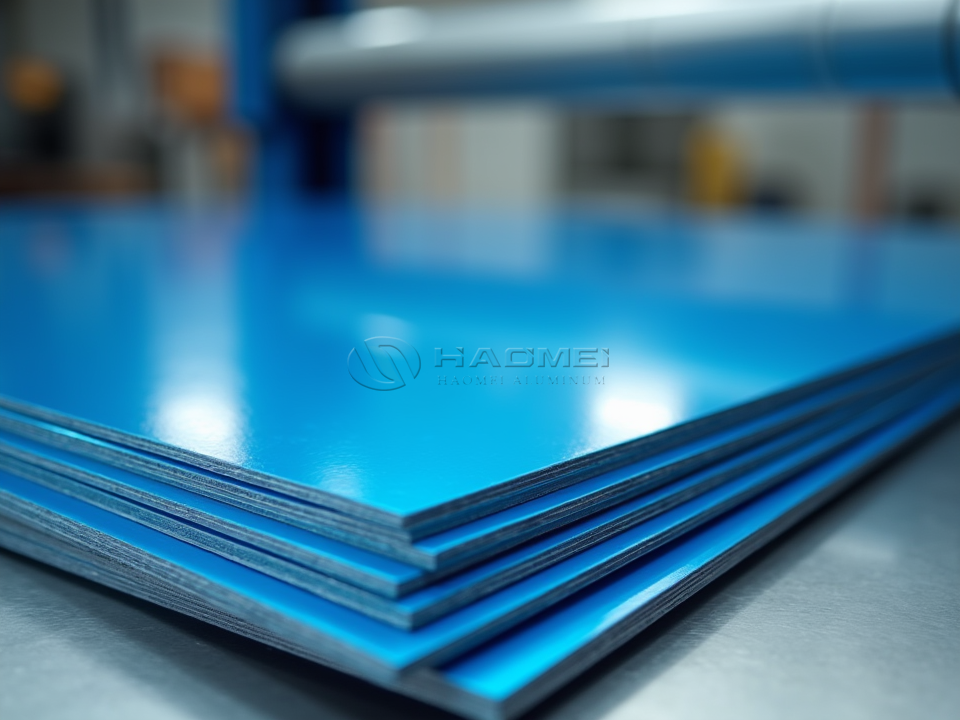
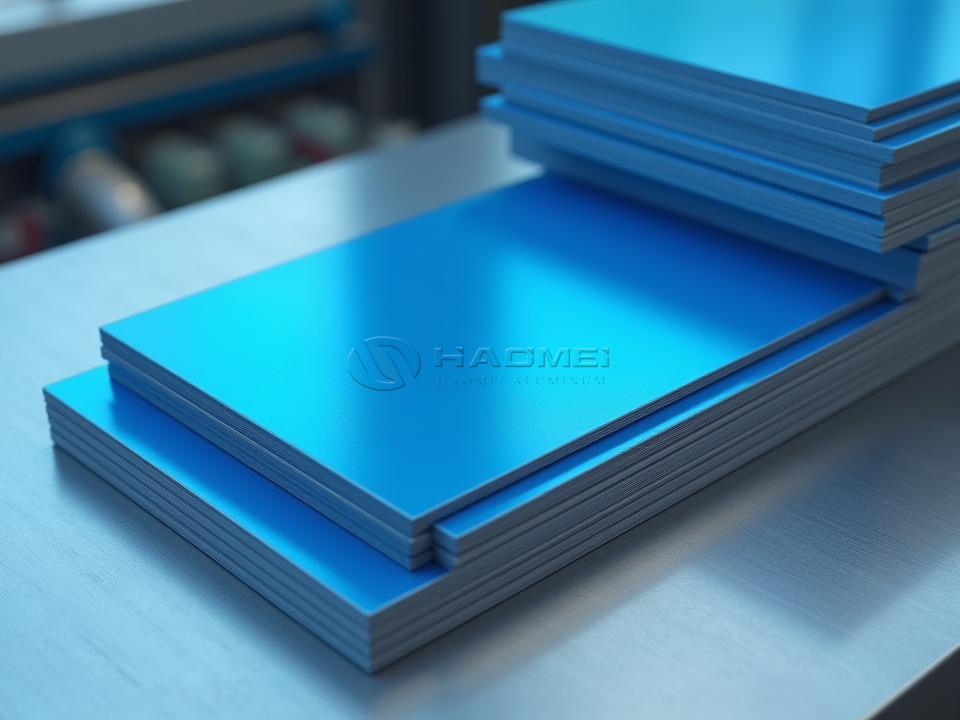
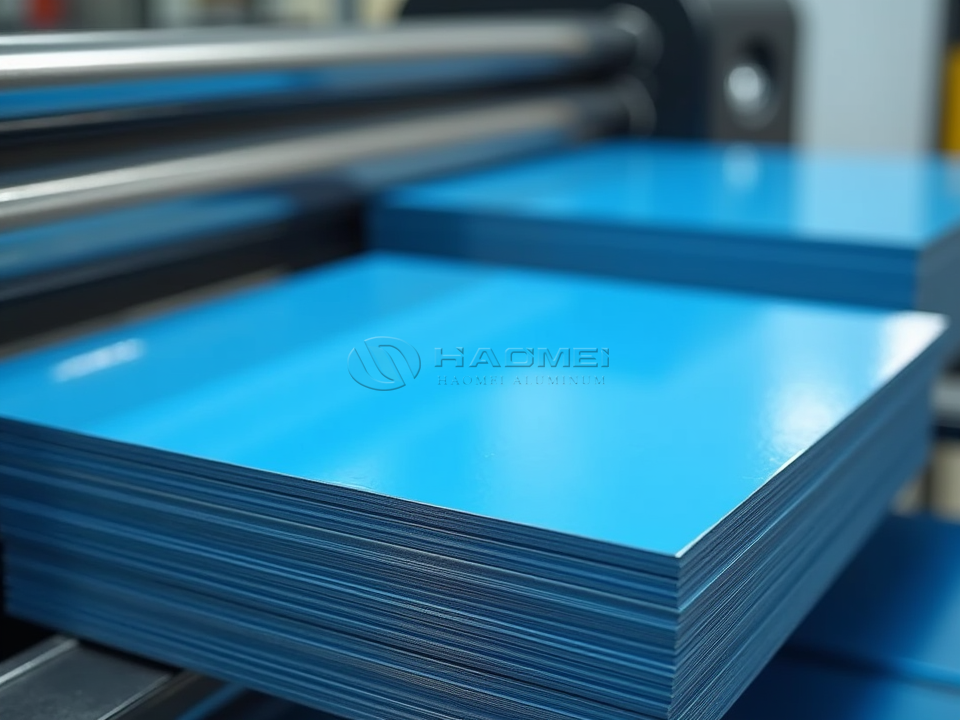
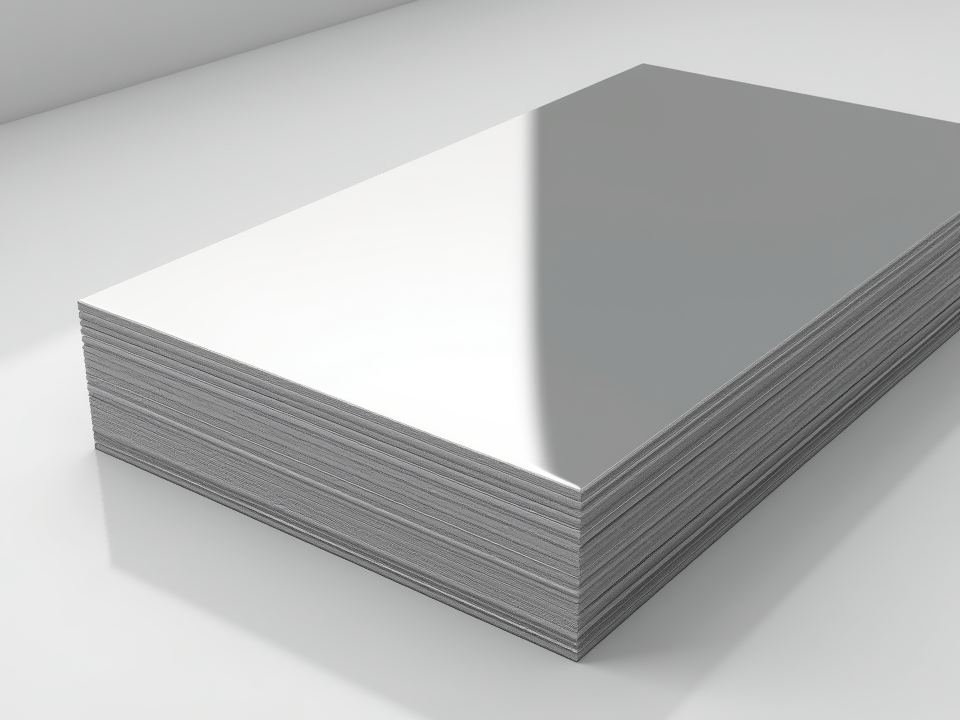
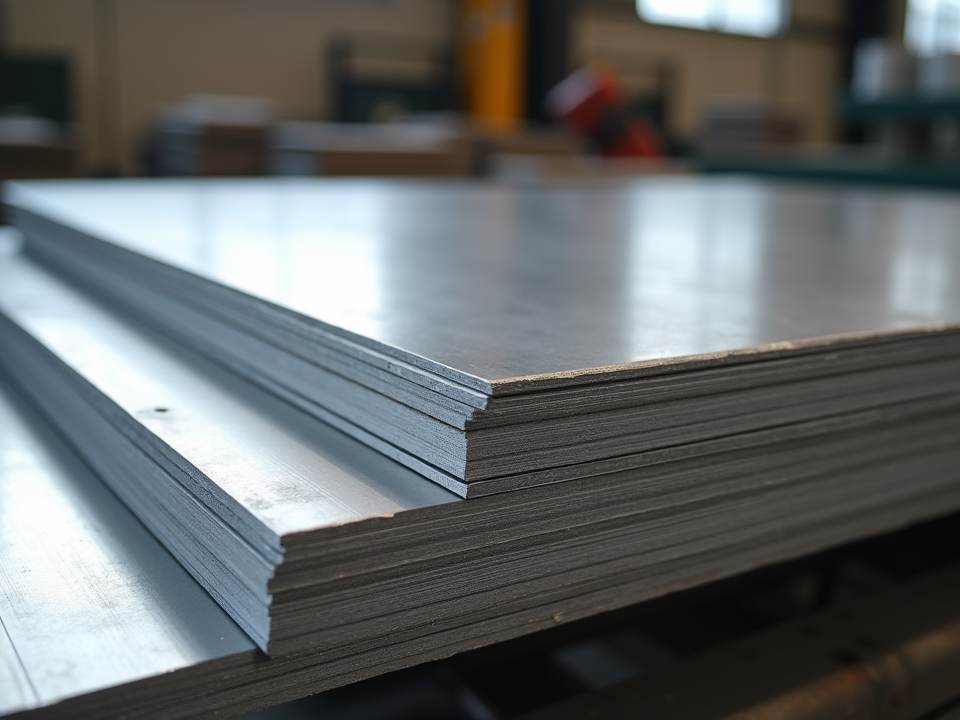
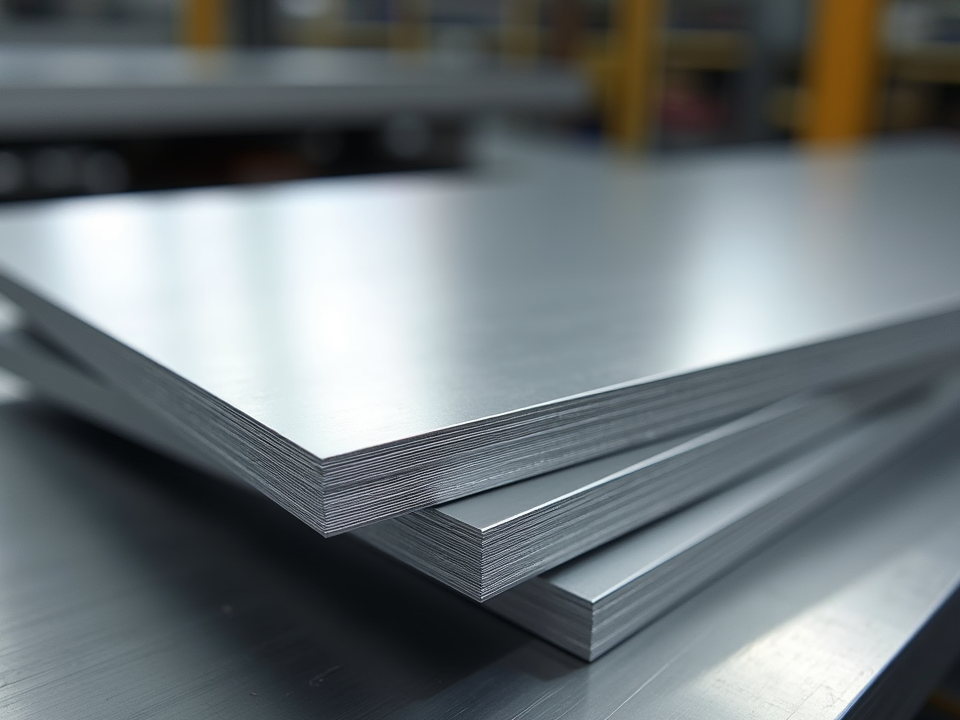
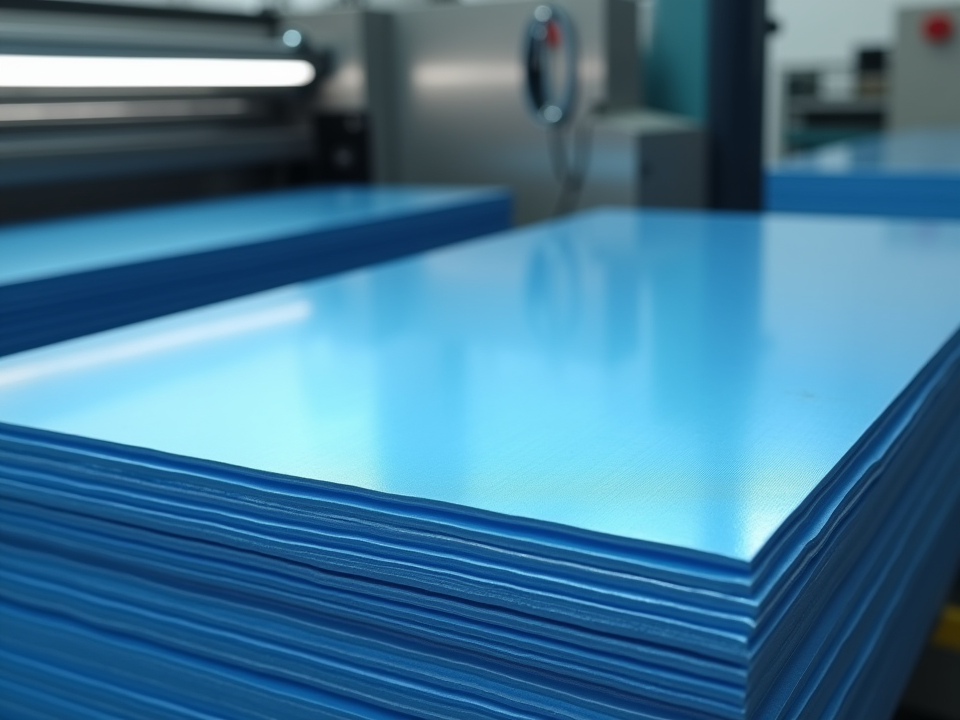
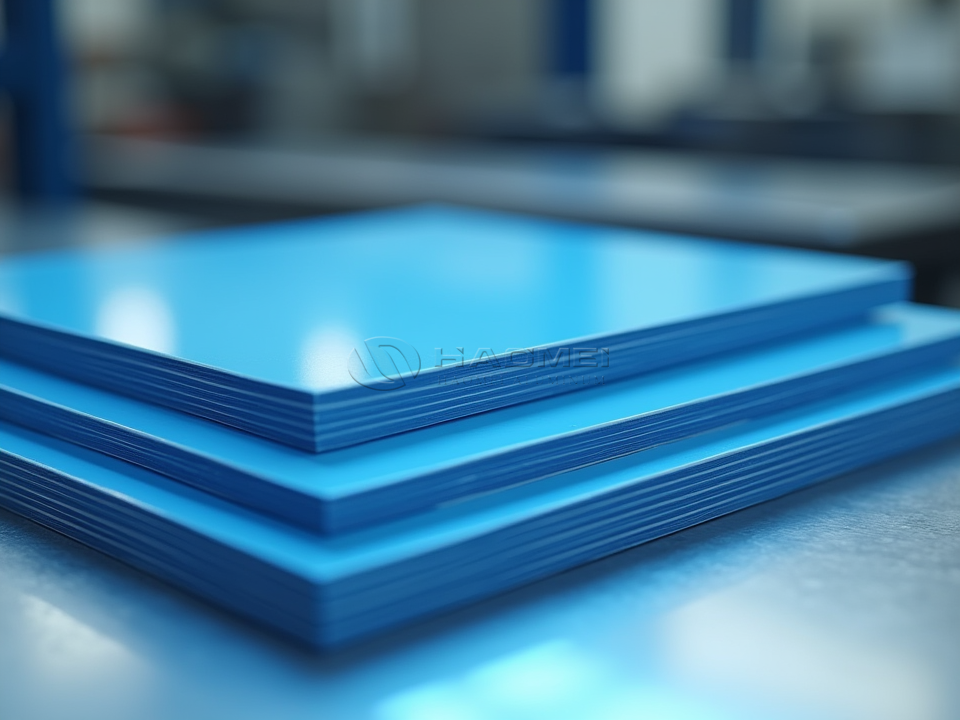
A single coated thermal CTP plate is designed for offset printers that need sharp imaging, predictable press behavior, and efficient plate handling without the added complexity of multi-layer systems. It uses a precision-grained aluminum base coated with one thermal-sensitive imaging layer, making it a practical choice for commercial printing, packaging, book production, newspaper inserts, labels, and general sheet-fed or web offset work.
Product Profile
The plate is exposed by an 830 nm thermal CTP platesetter. During imaging, the laser creates a stable image area with clean edges and accurate dot reproduction. The single coating structure supports fast laser response, simple developing control, and good compatibility with mainstream thermal plate processors.
| Item | Description |
|---|---|
| Product name | Single coated thermal CTP plate |
| Plate type | Positive-working thermal CTP plate |
| Imaging wavelength | 830 nm thermal laser |
| Coating structure | One thermal-sensitive coating layer |
| Base material | Electrochemically grained and anodized aluminum |
| Typical use | Offset lithographic printing |
| Processing | Conventional thermal plate developer |
| Press type | Sheet-fed offset, web offset, UV-compatible systems depending on ink and condition |
For printers comparing thermal product families, this plate sits in the same production environment as a standard Thermal CTP Plate, while offering a streamlined coating design for stable daily output.
Aluminum Base and Surface Engineering
The foundation of plate performance is the aluminum substrate. A clean, flat, high-purity aluminum sheet is degreased, electrochemically grained, anodized, and sealed before coating. The grained surface improves water retention, while the anodized layer increases wear resistance and supports strong coating adhesion.
| Layer | Function | Customer Benefit |
|---|---|---|
| Aluminum substrate | Provides flatness, stiffness, and dimensional stability | Accurate registration and smooth running on press |
| Grained surface | Creates micro-roughness for dampening balance | Faster ink-water control and cleaner non-image areas |
| Anodized layer | Improves hardness and corrosion resistance | Better run length and stronger resistance to press chemicals |
| Single thermal coating | Forms the printable image after exposure and development | Sharp dots, fast plate output, easier processing control |
Typical Aluminum Chemical Composition
The substrate is generally produced from high-purity aluminum alloy suitable for lithographic plate stock. Composition may be adjusted according to plant practice, but the following range is commonly used for CTP plate base material.
| Element | Typical Range, % | Role in Plate Base |
|---|---|---|
| Al | Balance, usually above 99.0 | Main matrix for corrosion resistance and formability |
| Fe | 0.15 - 0.40 | Supports strength control and rolling behavior |
| Si | 0.05 - 0.25 | Influences grain structure and surface response |
| Cu | Max 0.05 | Kept low for corrosion resistance |
| Mn | Max 0.05 | Controlled to maintain uniform anodizing |
| Mg | Max 0.05 | Limited for stable electrochemical treatment |
| Zn | Max 0.05 | Restricted to preserve surface durability |
| Ti | Max 0.03 | Helps refine grain structure |
| Other each | Max 0.03 | Controlled impurities |
| Other total | Max 0.10 | Maintains consistency batch to batch |
Mechanical and Dimensional Properties
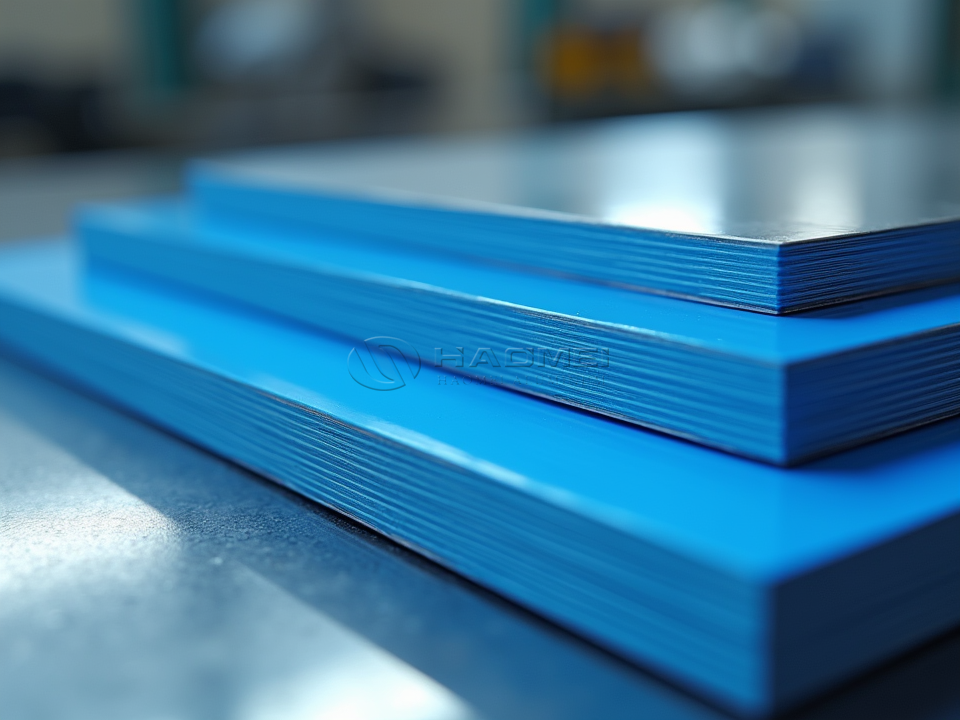
Reliable printing starts with plate flatness and strength. The plate must bend cleanly, mount accurately, and resist deformation during high-speed press operation.
| Property | Typical Value | Practical Meaning |
|---|---|---|
| Thickness options | 0.15 mm, 0.20 mm, 0.24 mm, 0.30 mm, 0.40 mm | Covers small-format, commercial, and heavy-duty press needs |
| Tensile strength | 120 - 180 MPa | Good handling strength during punching, bending, and mounting |
| Elongation | 2% - 6% | Supports controlled plate bending without cracking |
| Surface roughness Ra | 0.45 - 0.65 micrometers | Balanced water retention and image clarity |
| Anodized layer weight | 2.0 - 4.0 g/m² | Wear resistance and stable non-image areas |
| Flatness | Controlled for automatic platesetters | Reduces feeding issues and focus variation |
Technical Specifications
The single coated thermal CTP plate is intended for high-productivity plate rooms where fast imaging and dependable development are more important than complicated process windows.
| Parameter | Standard Range |
|---|---|
| Spectral sensitivity | 830 nm |
| Laser energy requirement | 120 - 150 mJ/cm², depending on platesetter and processor condition |
| Resolution | 1% - 99% at 200 lpi under proper calibration |
| Screening compatibility | AM, FM, hybrid screening |
| Developer temperature | 23 - 28°C typical |
| Development time | 20 - 35 seconds typical |
| Safe light | Daylight handling for short periods, avoid direct sunlight |
| Unbaked run length | Up to 100,000 impressions, subject to ink, paper, press, and chemistry |
| Baked run length | Can reach higher duty cycles when baking is supported |
| Plate sizes | Custom sheet and coil-cut formats available |
| Storage | Cool, dry room, sealed packaging, away from heat and chemical vapor |
Printing Performance
The single coated structure gives a direct imaging response with fewer variables during processing. Printers benefit from smooth plate linearization, repeatable dot gain control, and dependable solid ink density on press.
| Performance Area | Result on Press |
|---|---|
| Dot reproduction | Clean highlights, stable midtones, dense shadows |
| Ink-water balance | Quick start-up with reduced waste sheets |
| Scratch resistance | Good resistance during handling and mounting |
| Chemical resistance | Stable against standard fountain solutions and plate cleaners |
| Press start behavior | Fast roll-up and reduced toning tendency |
| Batch consistency | Supports repeat jobs and color-managed workflows |
The plate is especially useful in shops printing a wide mix of jobs. A catalog may require fine screen detail, while a folding carton job may demand durable solids and stable register. This plate provides a balanced answer for both conditions.
Main Features
- Single coating efficiency with less processing sensitivity than more complex coated systems.
- Sharp thermal imaging for fine text, barcodes, screens, and high-resolution images.
- Strong aluminum base for reliable mounting, punching, and press stability.
- Good chemical latitude for common thermal developers and fountain solutions.
- Consistent press behavior that helps reduce start-up waste and operator adjustment.
- Flexible format supply for commercial printers, trade shops, and packaging converters.
Applications
Single coated thermal CTP plates are used across many offset printing environments because they balance cost, productivity, and quality.
| Application | Why It Fits |
|---|---|
| Commercial brochures | Accurate color reproduction and smooth screening |
| Books and manuals | Stable long repeat work with clear text |
| Packaging cartons | Strong solids, barcodes, and fine graphic detail |
| Labels and inserts | Good registration and fast job changeover |
| Direct mail | Cost-efficient plate output for frequent short and medium runs |
| Newspaper supplements | Fast imaging and dependable processing for time-sensitive production |
For very demanding press runs with abrasive paper, metallic inks, or extended production cycles, printers may also evaluate a Long Run Thermal CTP Plate as part of their plate selection strategy.
Operating Recommendations
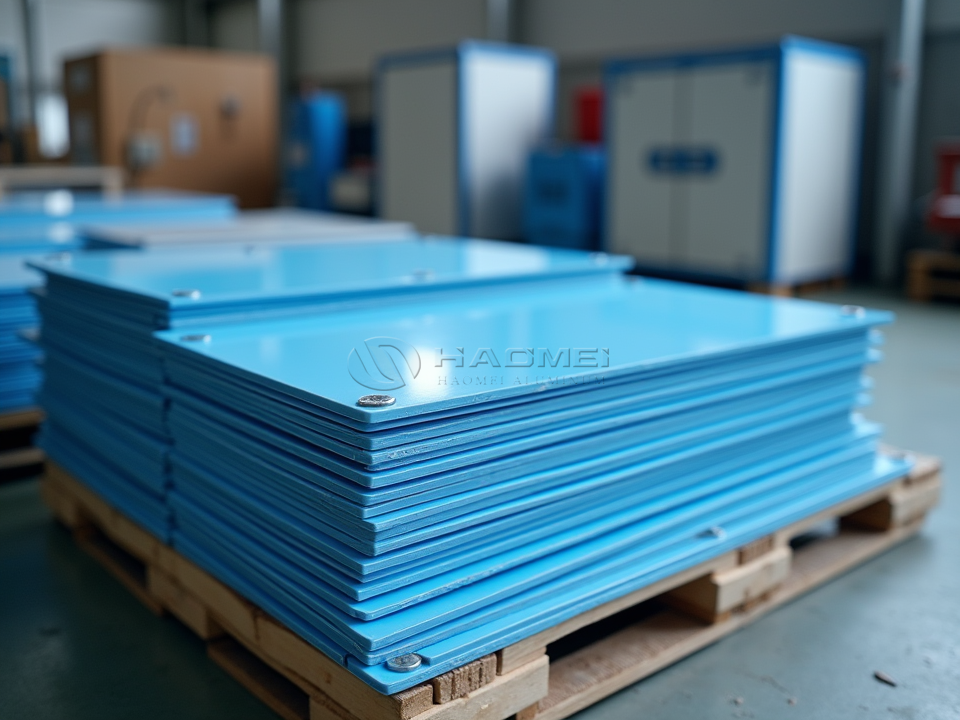
Consistent plate performance depends on stable prepress and processing control. Plates should be stored flat in original packaging until use. The platesetter should be calibrated for exposure energy, focus, and drum vacuum. Processor conductivity, pH, temperature, brush pressure, and replenishment rate should be checked regularly.
| Control Point | Recommended Practice |
|---|---|
| Storage temperature | 5 - 30°C |
| Relative humidity | 40% - 60% preferred |
| Handling | Use clean gloves, avoid fingerprints and scratches |
| Exposure calibration | Verify with plate control wedge or digital test target |
| Developer maintenance | Filter and replenish according to production volume |
| Press chemistry | Avoid overly aggressive cleaners on image areas |
Customer Benefits
The greatest value of a single coated thermal CTP plate is operational simplicity. The plate is easy to integrate into existing thermal CTP workflows, requires no special imaging concept, and supports predictable plate-room routines. For printers focused on cost per plate, make-ready reduction, and repeatable image quality, it offers a practical balance of productivity and press durability.
Its clean dot formation helps color control teams maintain profiles over repeated jobs. Its grained and anodized aluminum base helps press operators reach stable ink-water balance faster. Its single thermal layer helps prepress departments reduce uncertainty during exposure and development.
Selection Guidance
Choose this plate when your production mix includes commercial print, packaging, labels, books, and medium-run offset work where image quality and stable processing are required. Select thickness according to press specification, plate cylinder design, and bending requirement. For high-volume plants, testing should include exposure latitude, developer life, press start-up sheets, run length, and compatibility with inks, fountain solution, blanket wash, and paper grade.
A well-matched single coated thermal CTP plate can improve plate-room speed, reduce waste, and deliver reliable offset printing results across a broad range of daily production jobs.