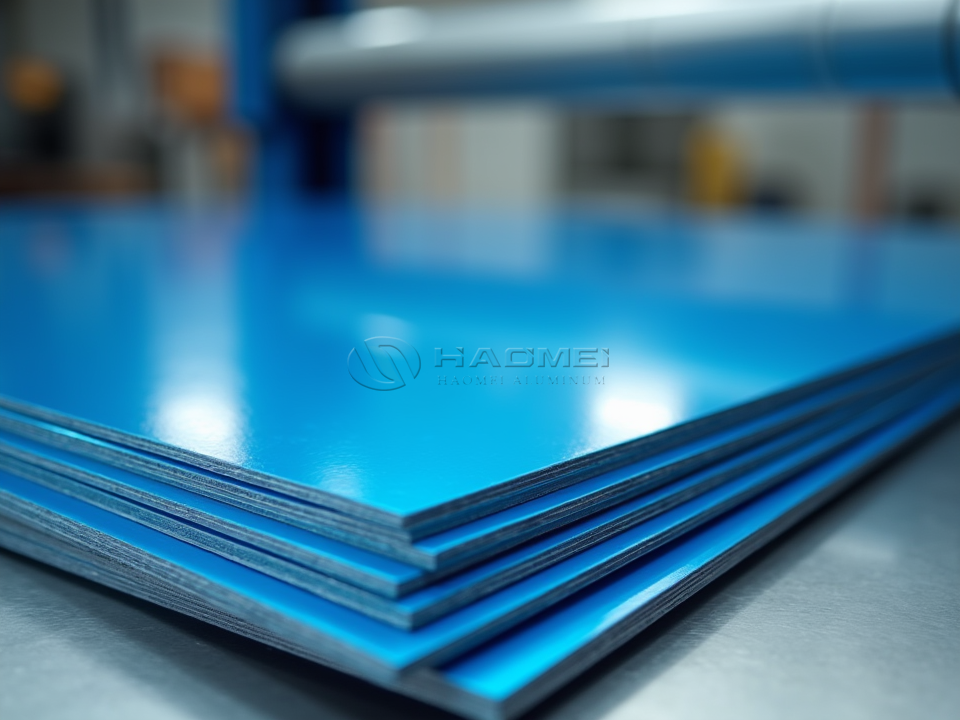
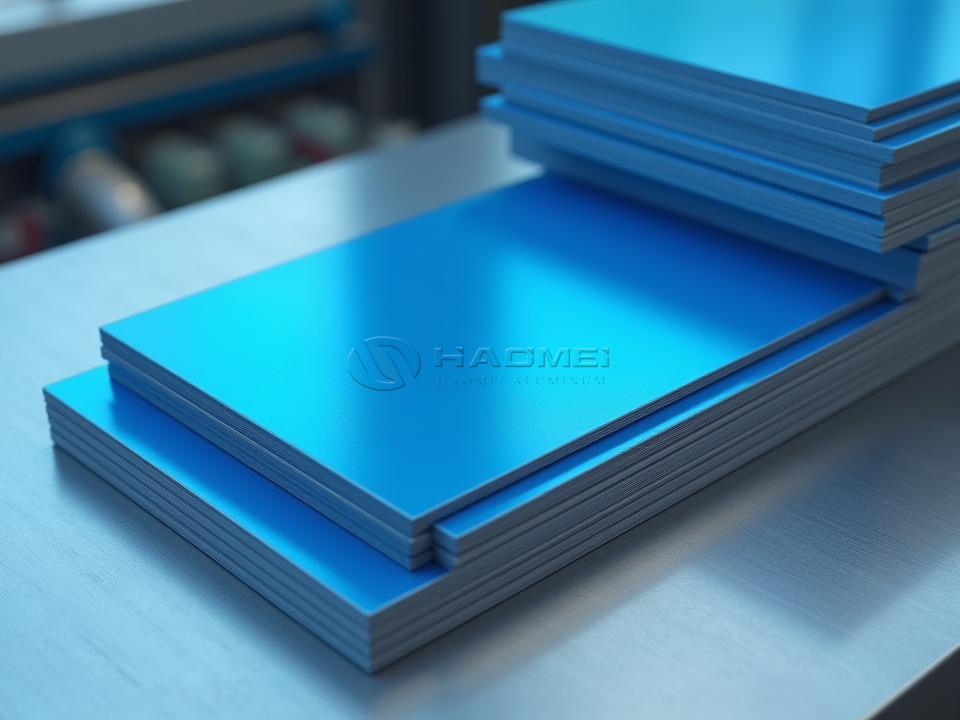
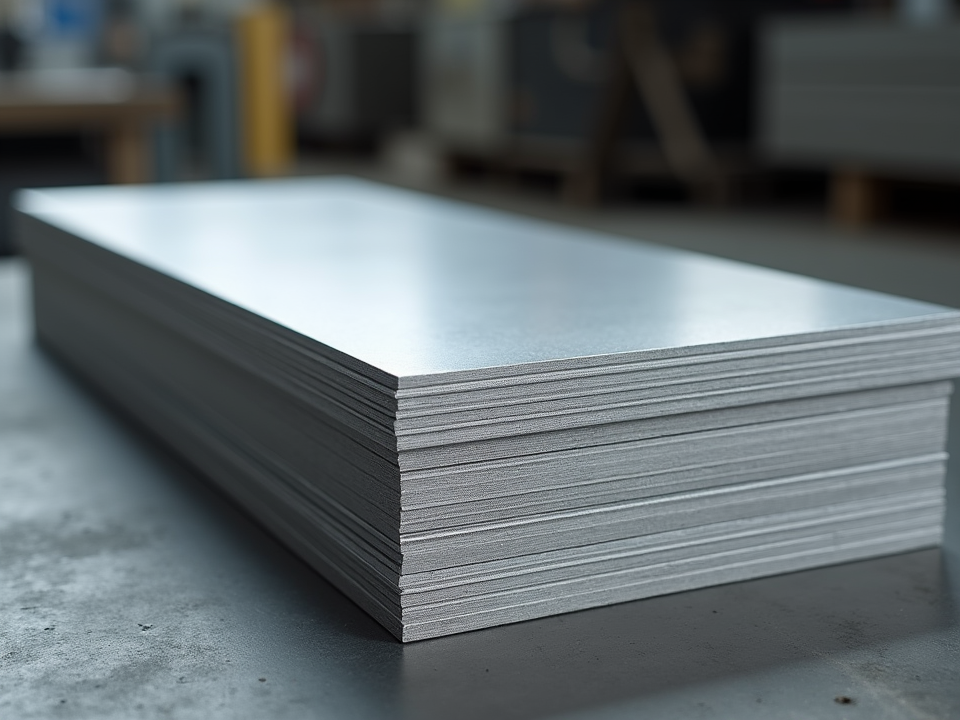
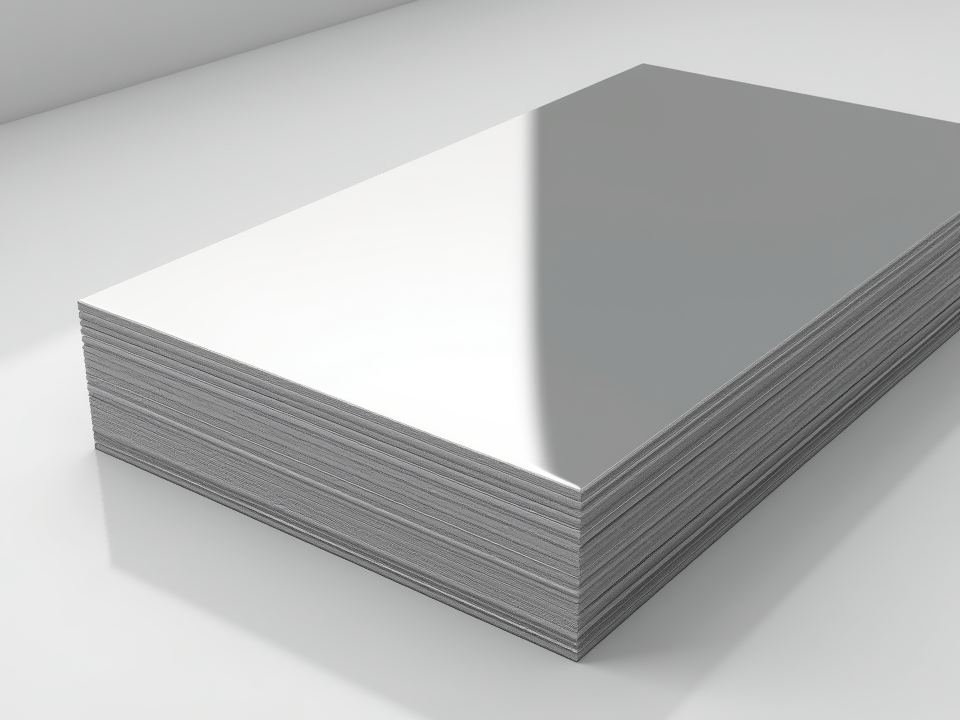
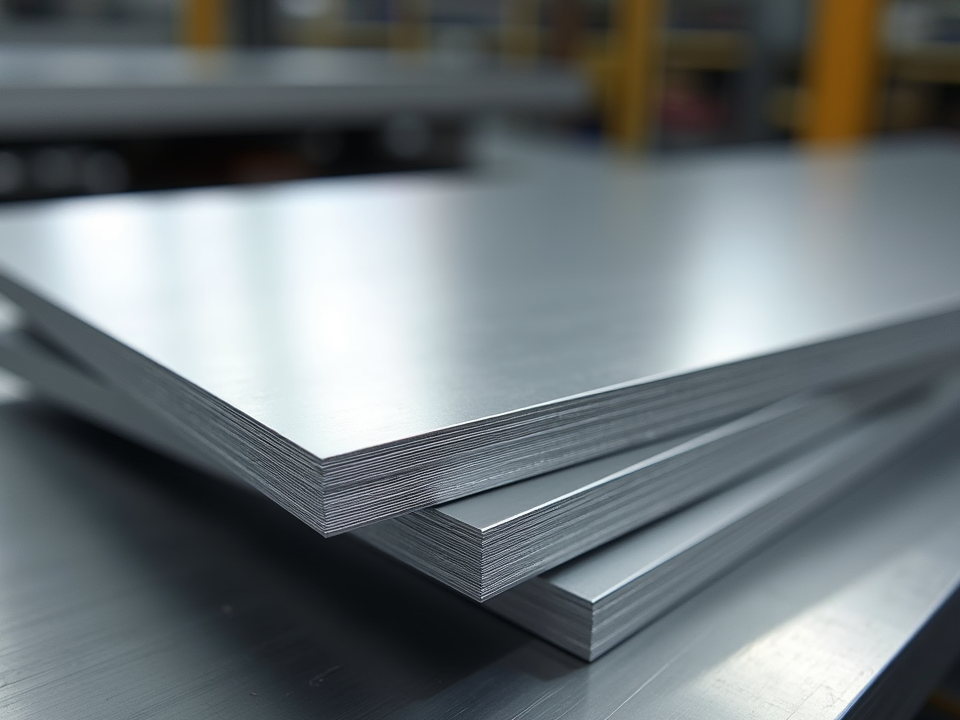
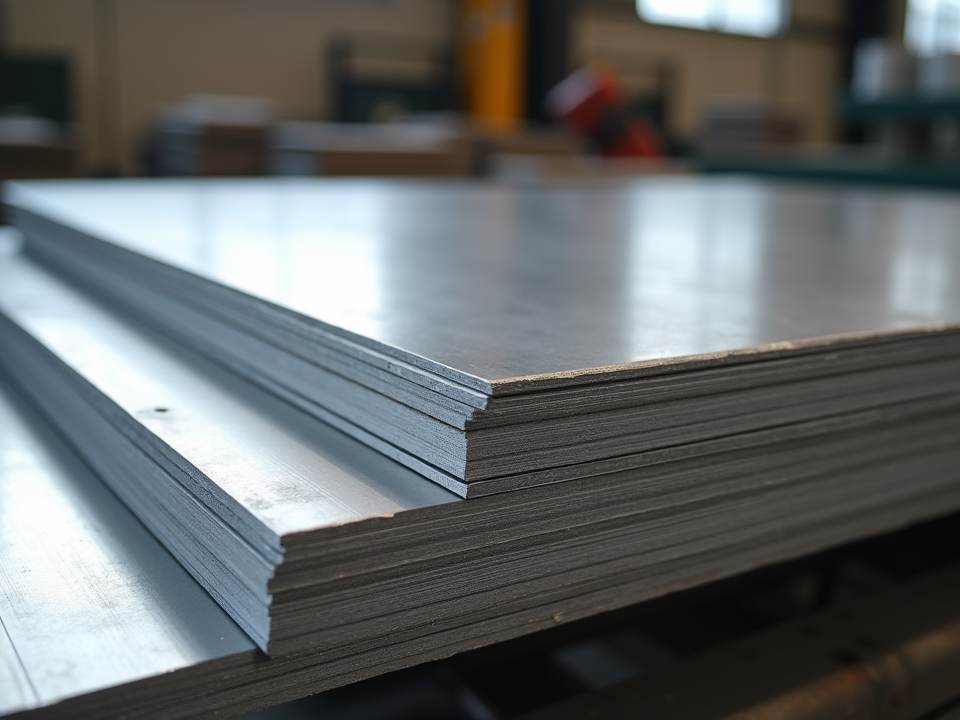
Lithographic Printing Aluminum Plate
A lithographic printing aluminum plate is easy to underestimate because it is thin, flat, and usually hidden inside the rhythm of a pressroom. Yet it carries one of the most delicate jobs in offset printing: it must separate ink from water with absolute confidence, thousands or even hundreds of thousands of times, while holding fine dots, sharp text, smooth gradients, and repeatable color.
Seen from the press operator's side, the plate is not just a consumable. It is a working surface that decides whether the first good sheet arrives quickly or after a pile of waste. Seen from the buyer's side, it is a cost control tool. The right plate reduces chemistry trouble, keeps the press stable, and protects delivery time.
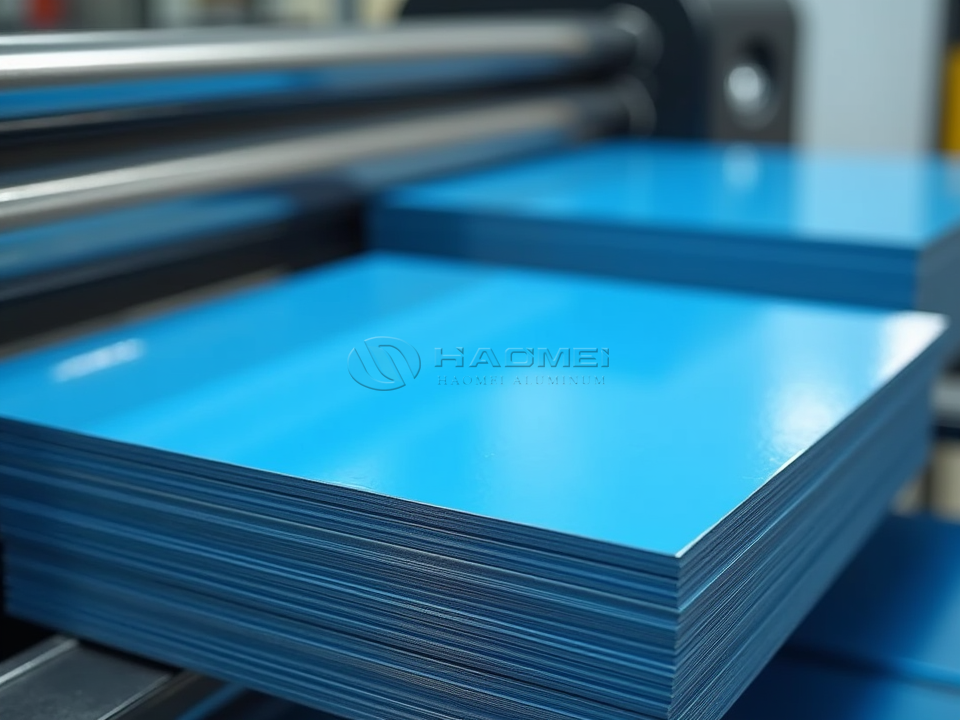
A plate is a conversation between ink, water, and aluminum
Lithography depends on a simple idea with demanding execution: oil-based ink and water do not naturally mix. The image area accepts ink, while the non-image area accepts dampening solution. The aluminum base gives the plate strength, flatness, and dimensional stability. The coated surface gives it photosensitivity, chemical behavior, and print performance.
This is why plate quality cannot be judged only by appearance. Two plates may look similar in a box, but behave very differently on press. A good lithographic printing aluminum plate has a clean grain structure, uniform anodized layer, consistent coating thickness, and controlled sensitivity. These details influence exposure latitude, dot reproduction, plate wear, scumming resistance, and ink-water balance.
For customers, the practical question is not only whether the plate can print. It is whether it can print without surprises.
The aluminum base does more than support the coating
The aluminum substrate is the foundation of plate behavior. Its surface is grained to create micro-roughness, then anodized to form a hard, porous oxide layer. This structure helps water retention in non-image areas and improves coating adhesion.
If the grain is too aggressive, water behavior may be unstable and fine highlights can suffer. If it is too weak, the plate may be more vulnerable to wear or background marks. If thickness tolerance is poor, the plate may mount unevenly or affect registration, especially in multi-color jobs.
Common thicknesses vary by press format and run length, but the real value lies in consistency. A plate that performs the same from batch to batch allows the press team to set exposure, developer, dampening, and ink curves with confidence. That reliability is often worth more than a small difference in plate price.
CTP changed the meaning of plate accuracy
Computer-to-plate production removed film from the workflow and made plate imaging more direct. This raised expectations. Buyers now expect clean halftones, stable screening, fast turnaround, and fewer manual corrections.
An Aluminium CTP Plate is designed for this direct imaging environment, where laser response, coating uniformity, and processing stability all matter. In packaging, commercial printing, books, labels, and newspapers, even small variations can become visible as color shifts, dot gain changes, or premature plate wear.
The plate must translate digital data into a physical printing surface. That translation needs precision. A sharp file cannot produce a sharp print if the plate coating is uneven, the exposure latitude is narrow, or the developer window is too sensitive.
Thermal, violet, UV, and processless choices
Different lithographic printing aluminum plate types exist because pressrooms have different machines, job lengths, and environmental targets.
Thermal plates are widely used for commercial and packaging work because they offer strong stability, good imaging accuracy, and convenient daylight handling in many workflows. A Thermal CTP Plate is often selected when customers need fine dot reproduction and predictable output across repeat jobs.
Violet plates are common in newspaper and high-speed production environments. They can support fast imaging and efficient plate making, especially where volume and speed matter.
UV-CTP plates are often chosen by printers upgrading from conventional UV exposure systems or working with compatible UV imaging equipment. They can offer a bridge between older habits and modern digital plate production.
Processless and low-chemistry plates are increasingly attractive to printers who want to reduce processor maintenance, water use, chemical handling, and waste disposal. Their value is not only environmental. Less chemistry can also mean fewer variables in daily production.
What customers should watch before buying
The best plate is the one that fits the pressroom, not the one with the longest technical sheet. Customers should compare plate performance through daily production behavior.
Run length is the first practical measure. Short-run commercial work may not need the same endurance as long-run packaging or book printing. For unbaked plates, run length depends on coating strength, press conditions, ink type, paper quality, and operator control. Baking can extend durability for certain plate types, but it adds time and process control.
Sensitivity is another concern. A plate should match the platesetter laser power and workflow speed. Too little sensitivity slows output. Too much sensitivity without enough latitude can make the plate less forgiving.
Dot reproduction matters when printing skin tones, brand colors, fine text, security patterns, or high-resolution images. Check highlight dots, shadow detail, and mid-tone smoothness rather than looking only at solid areas.
Chemical compatibility should never be ignored. Developer strength, temperature, replenishment rate, gum quality, and processor cleanliness all affect results. Many plate complaints are not caused by the plate alone, but by the relationship between plate, processor, and press conditions.
Packaging also deserves attention. Plates must arrive flat, clean, dry, and free from edge damage. Humidity, storage temperature, and handling can influence coating performance. A plate stored carelessly can create problems before it ever reaches the platesetter.
The hidden cost of an unstable plate
A low-priced lithographic printing aluminum plate may look attractive on a purchase sheet, but the pressroom reads cost differently. If a plate causes extra start-up sheets, more remakes, slower color approval, frequent cleaning, or unexpected stops, its real cost rises quickly.
Stable plates help reduce waste in several ways. They shorten make-ready, preserve registration, maintain consistent dot gain, and reduce operator intervention. For repeat brand work, this consistency is essential. A carton, label, brochure, or catalog must match previous production, not merely look acceptable today.
Printers also care about plate removal and press cleanup. A plate that runs cleanly, resists scumming, and keeps non-image areas open supports a calmer production environment. Operators may not praise it loudly, but they notice when they do not have to fight the press.
A buyer's way to test plate value
Before switching plate brands or ordering large volume, customers can run a controlled trial. Use familiar artwork with fine text, screens, solids, and critical colors. Keep press, paper, ink, fountain solution, and operator settings as consistent as possible. Compare start-up waste, exposure settings, processor behavior, dot readings, run stability, and final print appearance.
The trial should include normal jobs, not only perfect test files. Real production reveals whether the plate handles dust, humidity changes, ink variation, speed changes, and operator habits. A plate that performs well under normal pressure is the plate that protects profit.
Why aluminum remains the preferred base
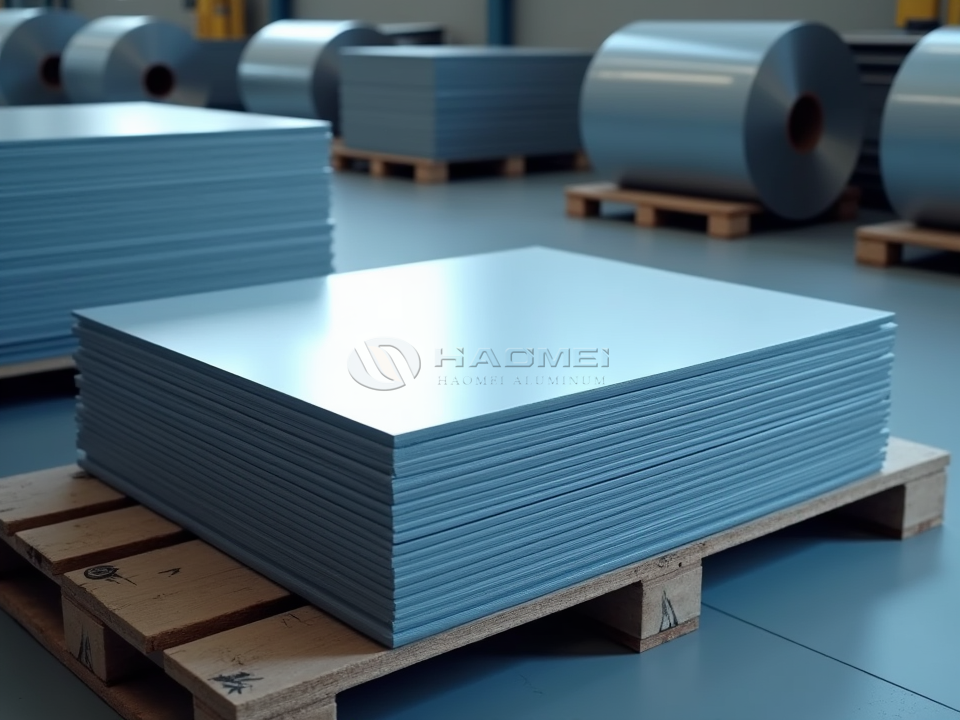
Aluminum offers a rare balance of light weight, strength, corrosion resistance, recyclability, and surface treatability. For lithographic printing, it can be rolled thin, kept flat, grained precisely, anodized uniformly, and coated for high-resolution imaging.
This balance explains why aluminum plates remain central to offset printing even as digital printing grows. Offset still delivers strong advantages in long runs, color stability, paper flexibility, and unit cost. The aluminum plate is one reason the process remains competitive.
Final thought for customers
A lithographic printing aluminum plate is not merely a sheet used before printing begins. It is part of the print quality system. It connects prepress data, plate imaging, chemistry, press control, ink transfer, and final customer approval.
When choosing plates, look past the surface. Ask how consistently the plate images, processes, mounts, runs, cleans, and repeats. The right choice will not only produce better prints. It will make the pressroom quieter, faster, and more predictable.