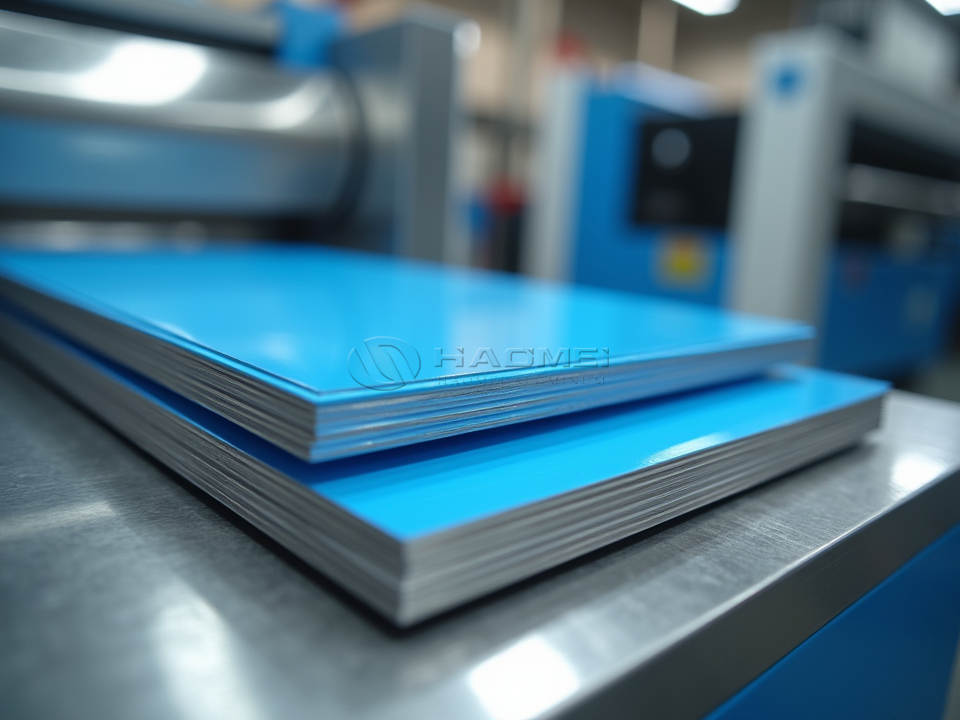
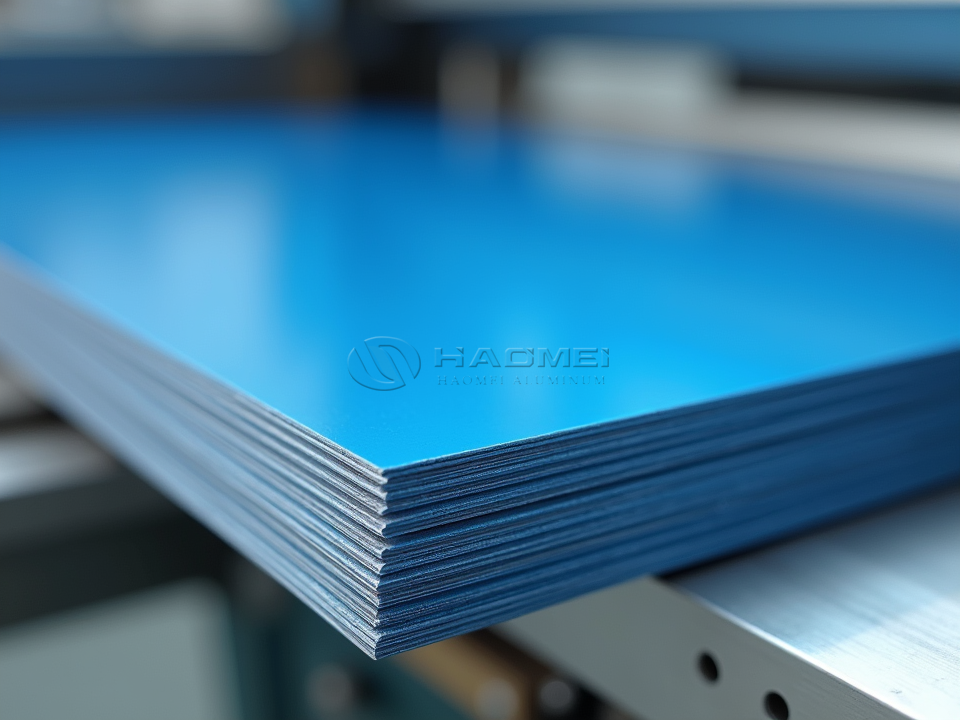
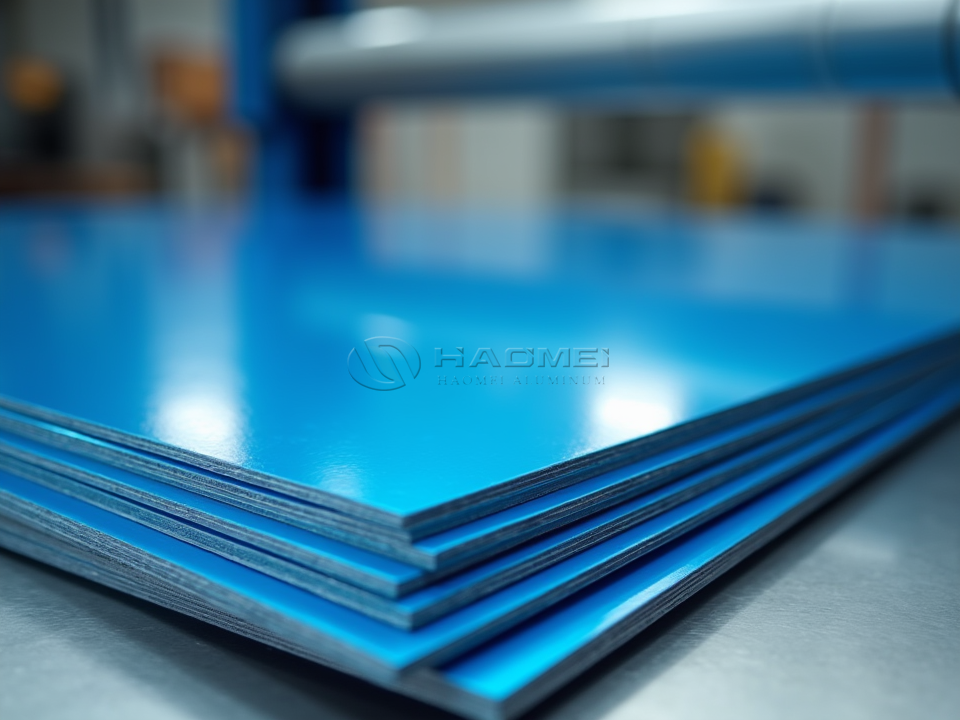
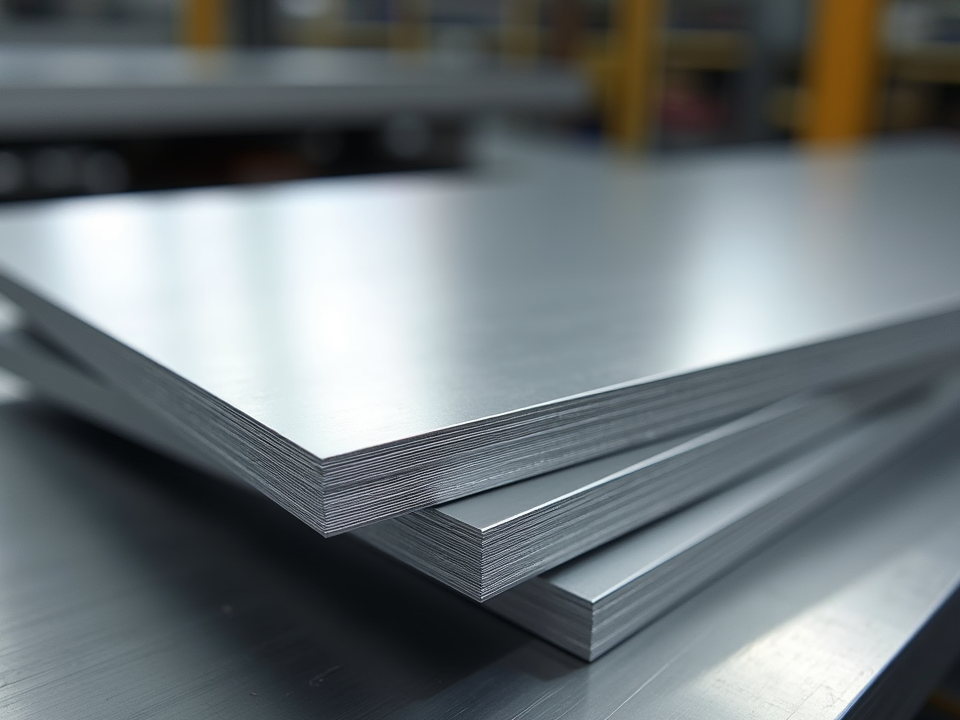
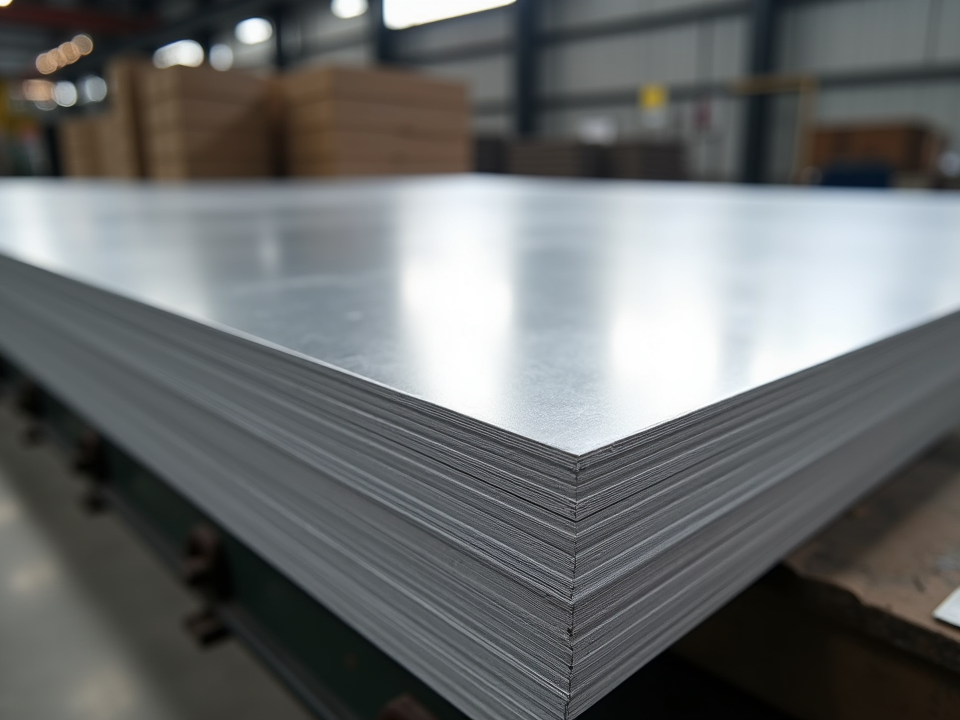
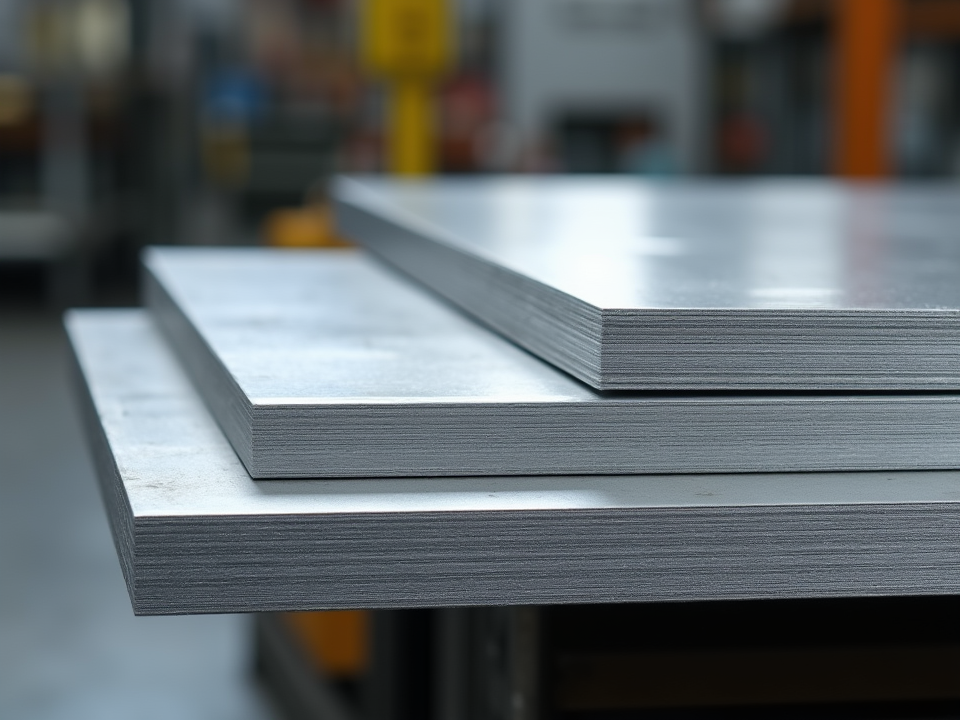
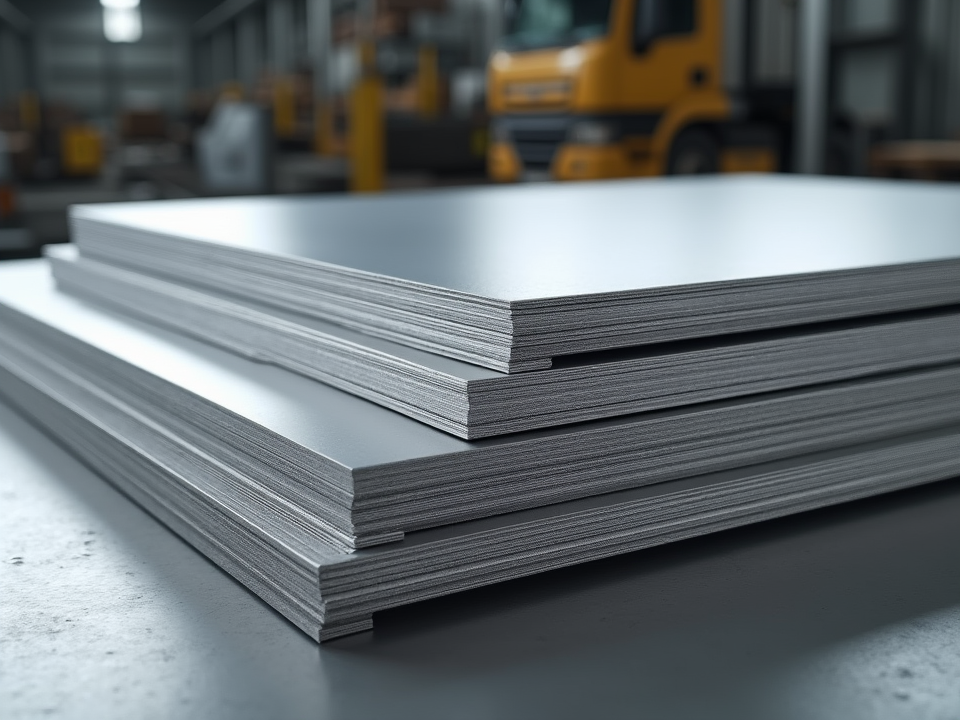
Newspaper Offset CTP Aluminum Plate
Newspaper offset CTP aluminum plate is engineered for the demanding rhythm of modern newspaper production. Daily and weekly publications need plates that image quickly, mount smoothly, reproduce fine text clearly, and remain stable through long press runs. A well-made CTP plate supports consistent ink-water balance, sharp halftone dots, and dependable registration from the first copy to the final printed section.
Built on a high-quality aluminum substrate, this plate combines controlled grain structure, anodized protection, and a photosensitive coating designed for computer-to-plate workflows. It eliminates film-based preparation, shortens prepress time, and helps newspaper printers respond quickly to late editorial changes, breaking news, regional editions, and advertising updates.
Designed for the Pace of Newspaper Printing
Newspaper presses work under conditions that differ from commercial sheet-fed printing. Print runs can be lengthy, production windows are narrow, and paper quality may vary from one edition to another. Newspaper offset CTP aluminum plate is designed to maintain image integrity while operating efficiently with high-speed web offset presses.
The aluminum base provides dimensional stability during imaging, processing, bending, punching, and press mounting. Its electrochemically grained surface creates a controlled hydrophilic foundation that retains fountain solution in non-image areas. The imaging layer forms ink-receptive areas with clear boundaries, helping the press achieve strong solid density, readable small type, and clean reverse text.
For publishers using thermal imaging systems, a Thermal CTP Plate offers dependable exposure control and robust handling. Thermal technology is particularly suitable where repeatable imaging quality and stable plate behavior are required across multiple editions.
Main Features and Press Benefits
Newspaper CTP plates are developed to balance speed, durability, and process efficiency. Their performance benefits are visible both in the prepress room and on the press floor.
| Feature | Production Benefit |
|---|---|
| High-sensitivity imaging coating | Supports fast plate output and shorter edition turnaround time |
| Fine electrochemical graining | Promotes stable water retention and clean non-image areas |
| Durable anodized aluminum layer | Improves resistance to wear, oxidation, and press chemicals |
| Strong dot reproduction | Produces legible text, smooth tonal transitions, and controlled screen values |
| Reliable coating adhesion | Reduces risk of premature image wear during longer runs |
| Stable plate thickness and flatness | Helps accurate mounting, registration, and consistent press contact |
| Good chemical tolerance | Performs reliably with compatible fountain solutions, cleaners, and inks |
| Optional low-chemistry or processless design | Can reduce processor maintenance and chemical consumption |
The plate coating is optimized to accept imaging energy accurately. Exposed areas become capable of receiving ink, while unexposed areas remain water-friendly after development or on-press processing, depending on plate type. This separation is central to clean offset printing: water protects the non-image area, and ink transfers only from the image area to the blanket and then to newsprint.
Aluminum Substrate and Chemical Composition
The substrate is commonly manufactured from high-purity aluminum alloy coil selected for its surface consistency, workability, and corrosion resistance. Exact chemistry can be adjusted to match plate design and production requirements, but 1050-series or similar aluminum grades are frequently used for CTP plate stock.
| Element | Typical Content for Aluminum Plate Substrate |
|---|---|
| Aluminum, Al | Balance, typically 99.50% minimum |
| Silicon, Si | 0.00-0.25% |
| Iron, Fe | 0.00-0.40% |
| Copper, Cu | 0.00-0.05% |
| Manganese, Mn | 0.00-0.05% |
| Magnesium, Mg | 0.00-0.05% |
| Zinc, Zn | 0.00-0.05% |
| Titanium, Ti | 0.00-0.03% |
The aluminum coil passes through cleaning, roughening, anodizing, sealing, and coating stages. Electrochemical graining creates a uniform microscopic texture rather than a visibly rough surface. This texture improves water affinity and creates an anchoring profile for the photosensitive layer. Anodizing then forms a hard aluminum oxide layer that protects the substrate and improves coating attachment.
Typical Technical Parameters
Technical values vary according to plate type, imaging technology, press condition, and required run length. The following ranges represent common specifications for newspaper offset CTP aluminum plate.
| Parameter | Typical Range or Option |
|---|---|
| Plate type | Thermal positive, violet photopolymer, low-chemistry, or processless |
| Aluminum alloy | 1050, 1060, or equivalent high-purity aluminum substrate |
| Plate thickness | 0.15 mm, 0.20 mm, 0.30 mm, or customized thickness |
| Width | Customized according to CTP setter and press format |
| Length | Customized according to press cylinder and punching layout |
| Surface treatment | Electrochemical graining and anodizing |
| Spectral sensitivity | Thermal 800 nm or violet 405 nm, depending on plate design |
| Resolution capability | Suitable for newspaper text, line work, images, and screening requirements |
| Press run capability | Dependent on plate type, ink, fountain solution, paper, and press settings |
| Storage conditions | Cool, dry environment away from direct sunlight and heat sources |
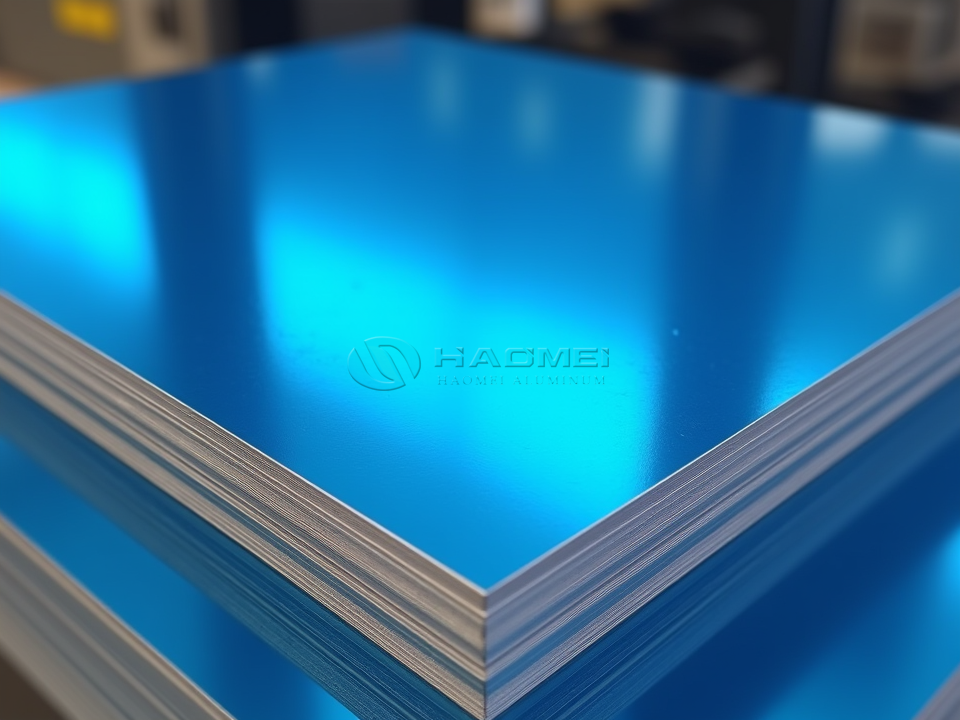
A Aluminium CTP Plate can be supplied in formats tailored to automatic loaders, manual plate handling, and different web press configurations. Correct plate dimensions, punching precision, grain direction, and packaging method all contribute to smoother production.
Applications in Newspaper Production
The primary application is high-volume newspaper printing, including daily newspapers, community newspapers, free-distribution publications, financial newspapers, sports editions, and multilingual regional editions. These products often require several plate sets each day, with rapid preparation between editions.
Newspaper offset CTP aluminum plate is also suitable for inserts, classified advertising supplements, local advertising sections, election coverage, retail flyers printed on newsprint, and time-sensitive special editions. Its ability to transfer small text and halftone image detail makes it useful for pages containing dense editorial columns, maps, tables, weather graphics, price listings, and black-and-white photography.
Thermal plates are often selected for predictable processing and robust handling. Violet plates can support high-output newspaper workflows where violet CTP systems are already installed. Processless and low-chemistry plate options may be preferred by plants seeking lower processor chemical use, reduced waste handling, and a more streamlined plate room.
Handling Practices for Consistent Results
Plate performance depends not only on plate quality but also on storage, imaging, processing, and press discipline. Plates should remain sealed until use and be stored away from moisture, dust, direct sunlight, and extreme temperature changes. Operators should avoid touching the coating surface with bare hands, as fingerprints can affect wetting behavior or image cleanliness.
During imaging, calibrated laser energy and proper focus help produce stable image contrast. For processed plates, developer concentration, temperature, replenishment, and gum application should remain within the recommended operating window. On press, compatible fountain solution, controlled conductivity, balanced pH, and suitable ink settings support clean printing and reduce the risk of scumming or toning.
Newspaper offset CTP aluminum plate gives publishers a practical foundation for fast, repeatable, and economical production. With an appropriately matched plate type, accurate prepress control, and disciplined press conditions, it supports the constant cycle of modern newspaper printing without compromising readability or image consistency.