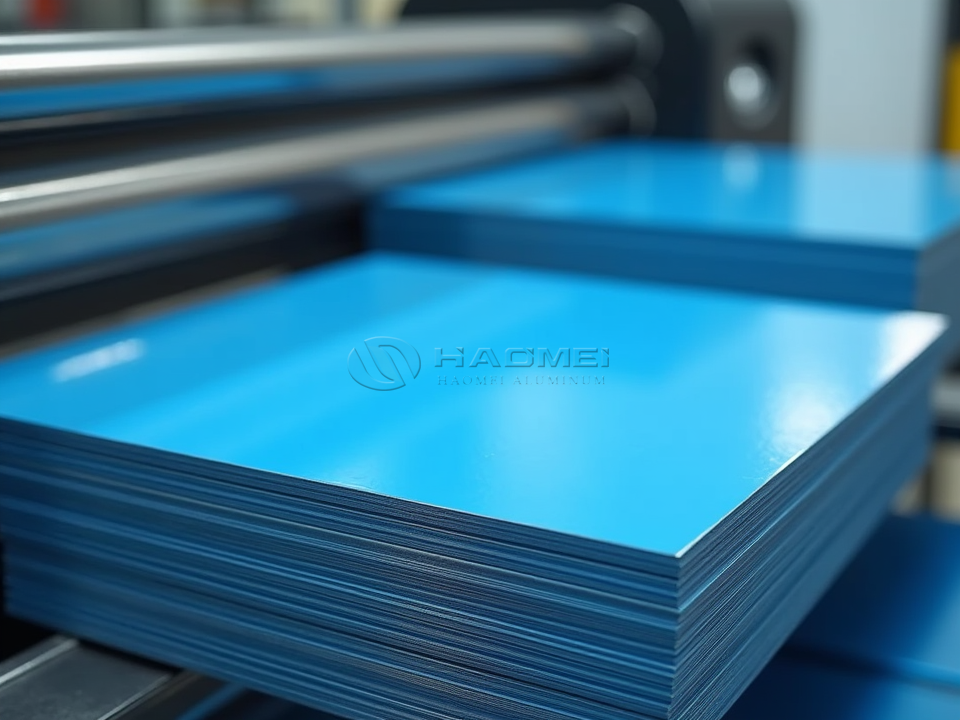
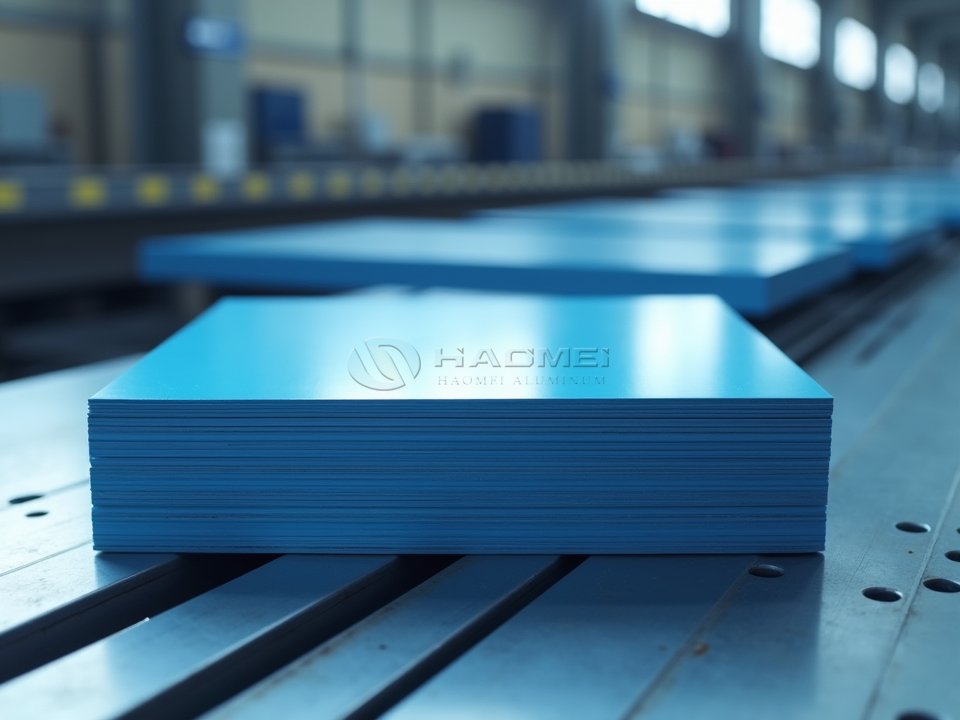
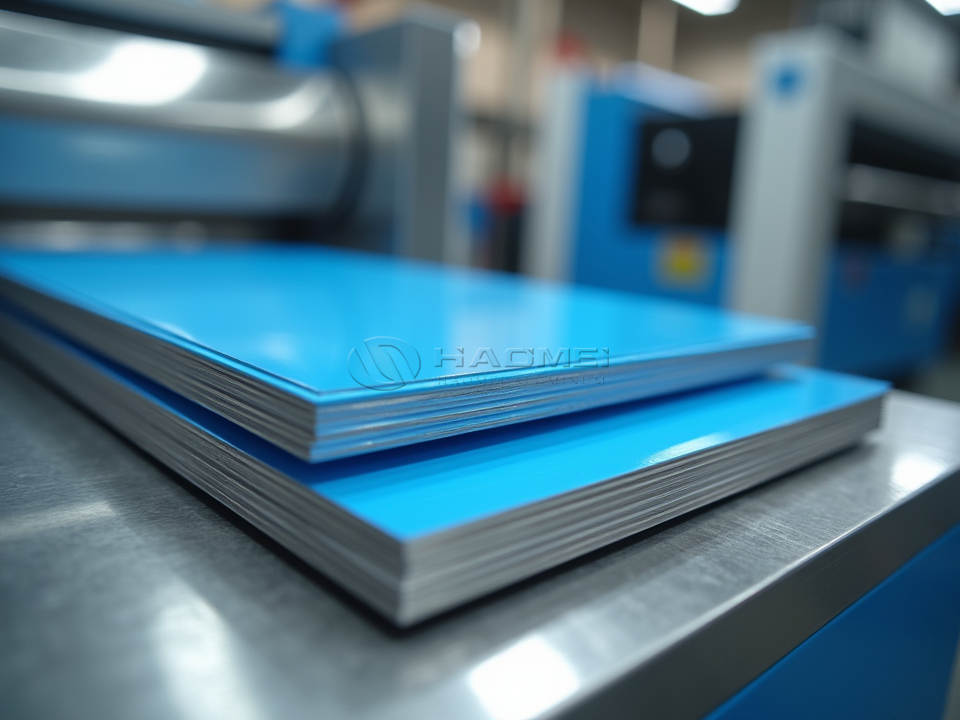
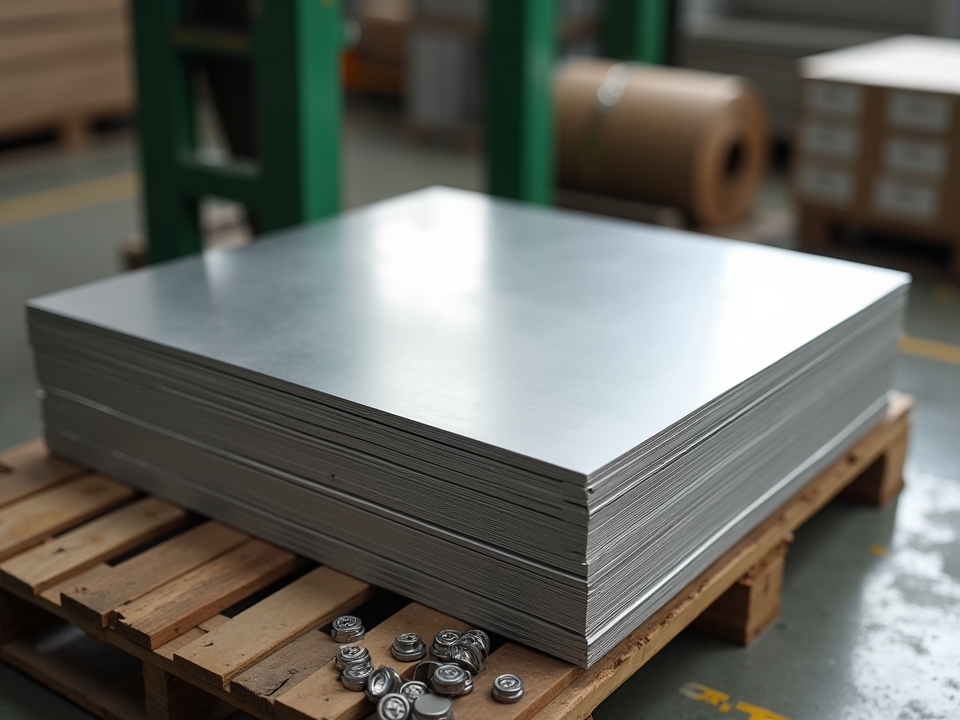
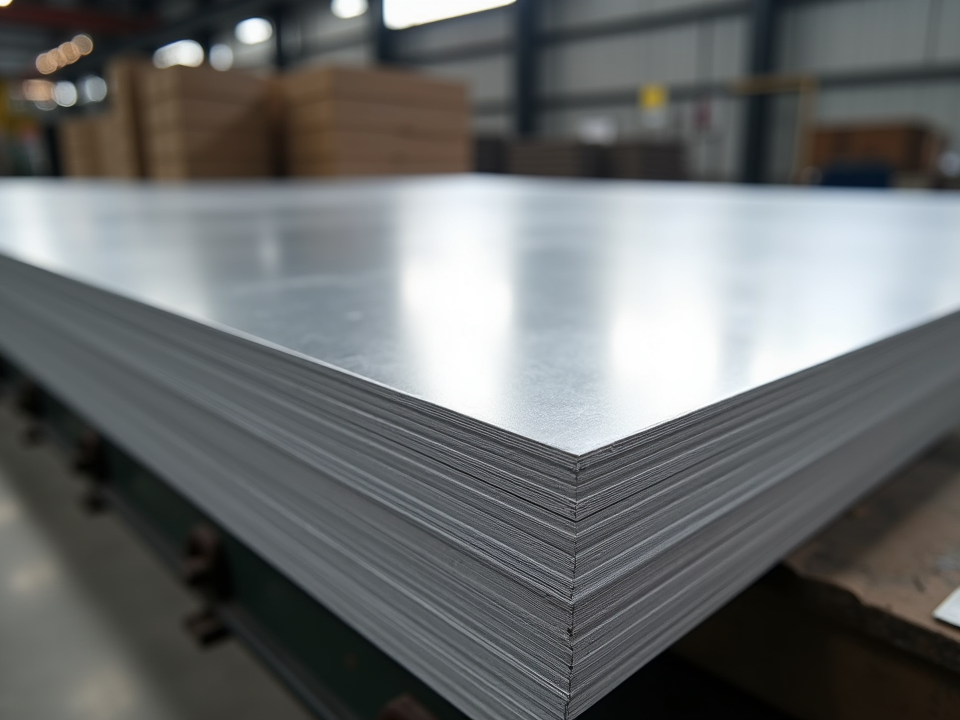
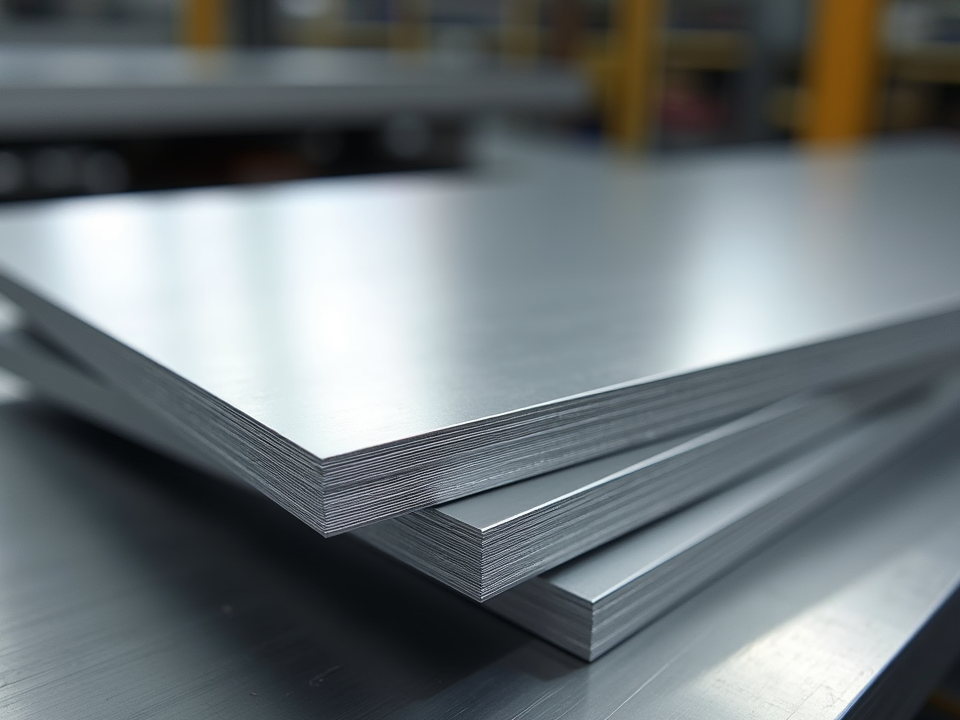
Violet CTP Aluminum Printing Plate
A violet CTP aluminum printing plate is more than a consumable for prepress. It is the working interface that converts digital page data into stable ink-and-water behavior on an offset press. While a workflow begins with RIP output and ends with printed sheets, the plate determines whether fine text remains sharp, halftone dots stay controlled, and solid areas print evenly over the production run.
Violet CTP technology uses a violet laser, typically operating at approximately 405 nm, to expose a light-sensitive coating on an electrochemically grained and anodized aluminum substrate. The exposed image is developed into ink-receptive printing areas, while non-image areas retain hydrophilic performance and accept fountain solution. This controlled contrast is the foundation of reliable lithographic printing.
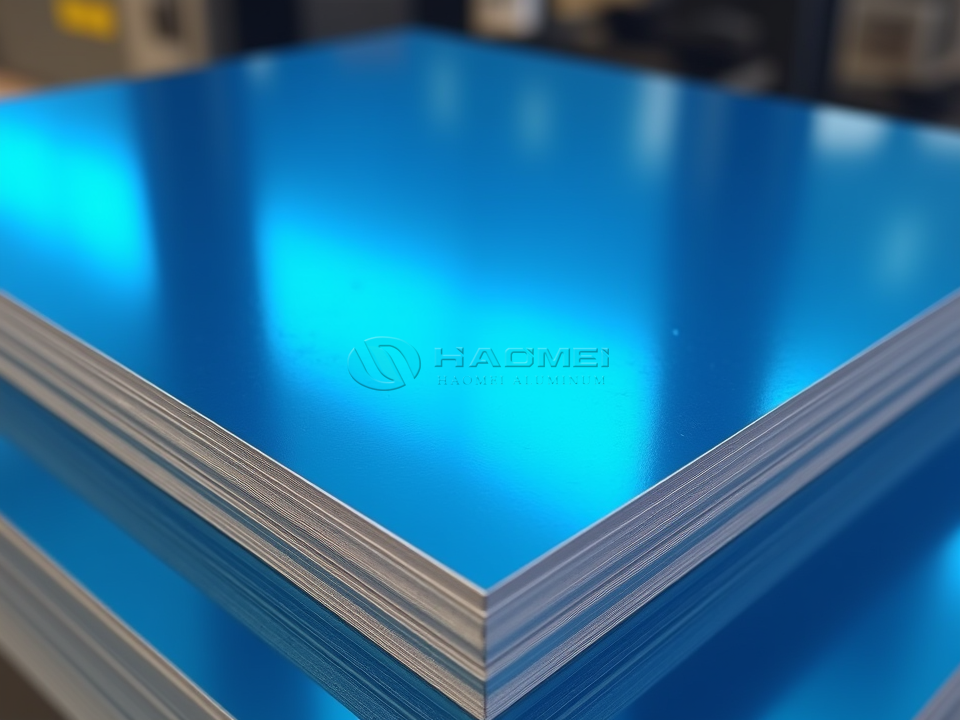
A Plate Designed for Fast Prepress Rhythm
The practical value of a violet CTP aluminum printing plate lies in production rhythm. Violet imaging systems are well suited to commercial print environments where repeat jobs, short turnaround times, catalogs, manuals, forms, books, newspapers, and packaging inserts require consistent plate output. The plate can receive high-resolution raster data directly from the CTP device, reducing film handling, registration variation, dust exposure, and manual stripping errors.
In this role, the aluminum base does not merely support the coating. Its grain pattern carries water during printing, its anodic layer protects the surface from chemical attack, and its flatness helps preserve press registration. The photosensitive coating then works as a selective gate: it keeps ink in the image area and resists ink in non-image zones.
For printers comparing imaging technologies, a Violet CTP Plate is particularly relevant when the prepress department operates violet laser exposure equipment and needs an efficient balance of imaging speed, dot quality, plate cost, and conventional processing familiarity.
Technical Parameters That Shape Print Results
A violet CTP aluminum printing plate is commonly supplied in thicknesses suitable for sheet-fed and web offset presses. The final choice depends on press cylinder design, plate clamping method, print format, and expected run length.
| Parameter | Typical Range or Condition | Production Relevance |
|---|---|---|
| Substrate material | Aluminum alloy, commonly 1050A, 1060, or 1100 series | Supports grain quality, flatness, and corrosion resistance |
| Plate thickness | 0.15 mm, 0.20 mm, 0.25 mm, 0.30 mm, 0.40 mm | Selected according to press type and rigidity requirement |
| Imaging wavelength | Approximately 405 nm | Matches violet laser CTP systems |
| Plate type | Usually negative-working photopolymer coating | Exposed areas form durable printing regions |
| Resolution capability | Up to 2,400 dpi or higher, system dependent | Supports fine text, line art, and AM/FM screening |
| Recommended screen ruling | Commonly 150-300 lpi | Depends on RIP, paper, ink, and press calibration |
| Run length | Typically 50,000-200,000 impressions, process dependent | Affected by baking, ink, paper, chemistry, and press conditions |
| Surface treatment | Electrochemical graining and anodizing | Improves water retention and coating anchorage |
| Storage condition | Cool, dry, protected from direct light | Helps maintain coating sensitivity and shelf stability |
Actual imaging energy, developer compatibility, processing temperature, replenishment rate, and run length should be confirmed against the plate supplier's technical data and the CTP machine configuration. A plate that performs well in one workflow may need different exposure calibration in another RIP and processor combination.
Aluminum Alloy, Temper, and Chemical Properties
The substrate is generally produced from high-purity aluminum sheet in soft or stabilized tempers such as H18, H19, H22, or H24, depending on plate thickness and manufacturing route. For CTP plate production, the material must combine stable flatness with a surface suitable for graining and anodizing. Excessive hardness can complicate surface preparation, while insufficient strength may affect handling and press mounting.
The following chemical composition represents common limits for 1050A aluminum alloy substrate. Exact specifications can differ by mill, plate design, and contractual requirement.
| Chemical Element | Typical Maximum Content, % |
|---|---|
| Aluminum, Al | 99.50 minimum |
| Silicon, Si | 0.25 |
| Iron, Fe | 0.40 |
| Copper, Cu | 0.05 |
| Manganese, Mn | 0.05 |
| Magnesium, Mg | 0.05 |
| Zinc, Zn | 0.07 |
| Titanium, Ti | 0.05 |
| Other elements, each | 0.03 |
| Other elements, total | 0.10 |
High aluminum content supports corrosion resistance and consistent electrochemical surface treatment. Silicon and iron levels are carefully controlled because they can influence grain uniformity, etching response, and the visual consistency of the finished plate surface.
Implementation Standards and Quality Conditions
Aluminum sheet used for violet CTP plate substrates may be produced in reference to EN 573 for chemical composition and EN 485 for mechanical properties and tolerances. Depending on destination market and procurement requirements, manufacturers may also work with ASTM B209, GB/T 3880, or equivalent regional aluminum sheet standards.
For the finished plate, implementation focuses on practical quality controls rather than alloy data alone. Important conditions include thickness tolerance, plate flatness, burr-free edges, coating uniformity, clean grain structure, stable spectral sensitivity, and resistance to scratches during packing and transport. Plate dimensions are usually cut to match the press format or CTP loader requirement, with punched, notched, or unpunched configurations available.
The anodized layer is especially important. It creates a durable oxide barrier on the aluminum and improves the bond between the substrate and photosensitive coating. A uniform anodic structure supports clean development, lowers the chance of background scumming, and helps the plate retain hydrophilic behavior in non-image areas during long press runs.
Applications Where Violet Imaging Makes Sense
Violet CTP plates are widely used for commercial offset printing, educational books, newspapers, magazines, direct mail, manuals, pharmaceutical inserts, office stationery, and medium-run packaging components. They are particularly effective where fast plate output and predictable repeatability matter more than extreme long-run durability.
A print plant producing frequent job changes can benefit from the accurate digital-to-plate transfer of violet systems. Small typography, barcodes, registration marks, fine reverse lines, and halftone transitions are reproduced with less dependence on manual film assembly. This makes the plate valuable not simply as an imaging surface, but as a process-control component across prepress and pressroom operations.
For operations evaluating several plate technologies, an Aluminium CTP Plate portfolio can help match substrate thickness, coating chemistry, imaging wavelength, and press run requirements to the intended production environment.
Handling for Stable Plate Performance
Violet CTP aluminum printing plates should be stored in their original protective packaging, away from high humidity, strong light, heat sources, and chemical vapors. Operators should avoid touching the coated surface with bare hands, since fingerprints can interfere with imaging or development. Before exposure, the CTP device should be calibrated for laser power, focus, and plate sensitivity. After processing, careful gumming and correct drying help protect the non-image area before mounting on press.
When aluminum quality, anodizing, coating response, imaging calibration, and press chemistry work together, the violet CTP plate becomes a highly controlled production surface. Its purpose is simple: make the digital image behave predictably in ink, water, pressure, and time.