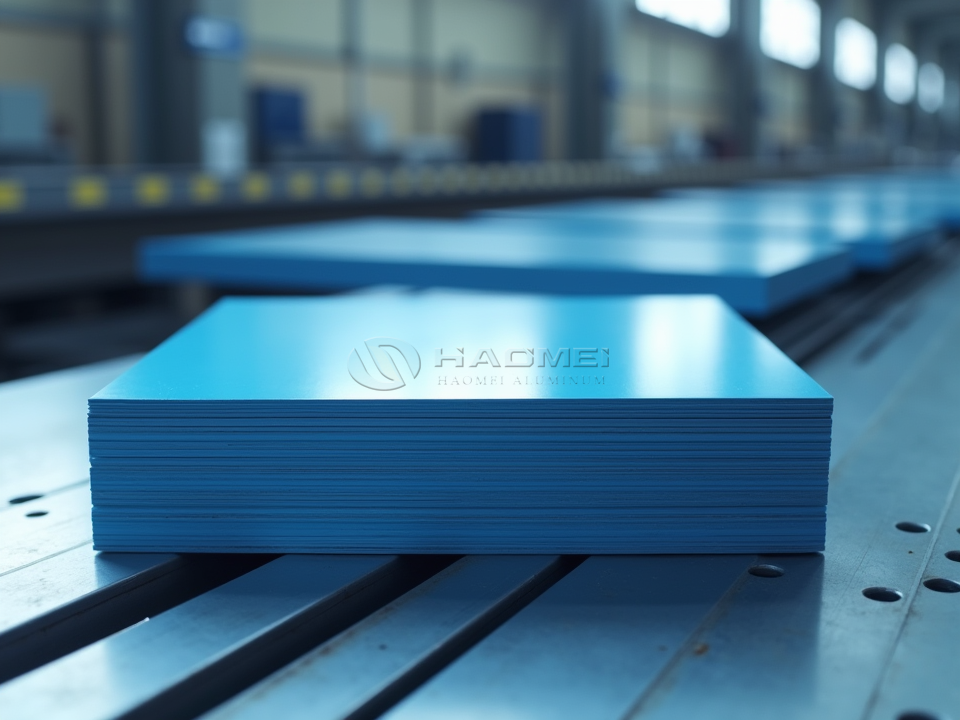
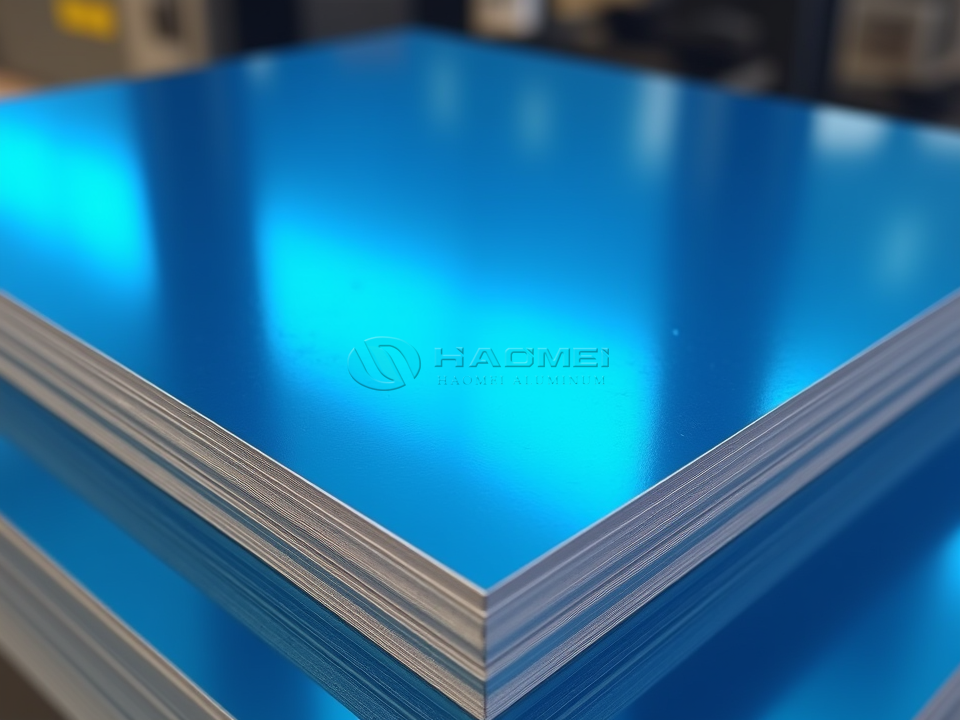
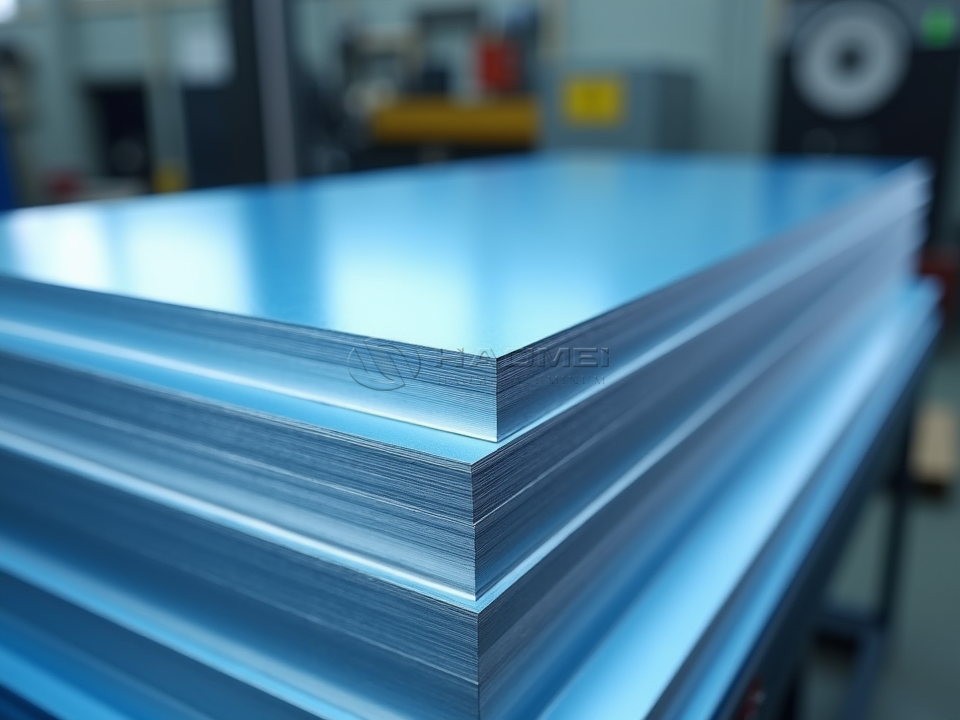
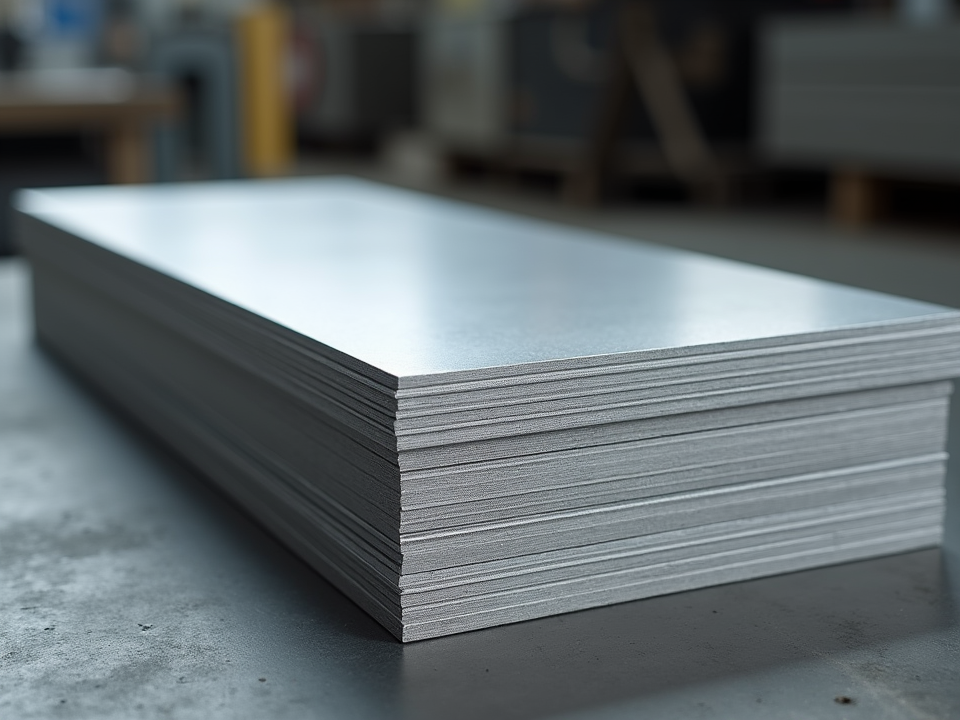
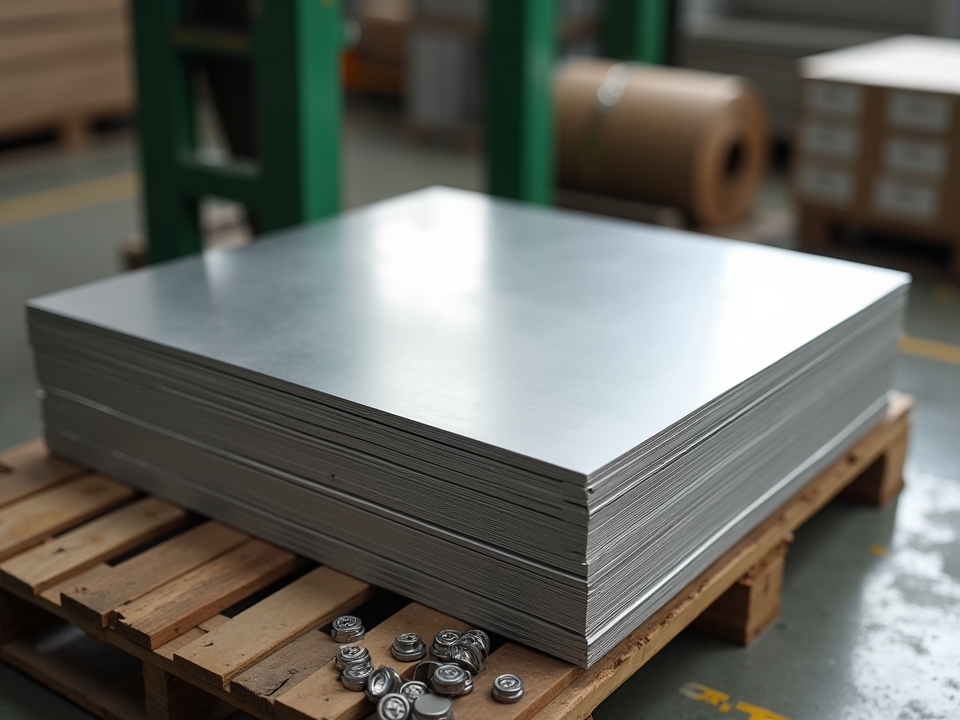
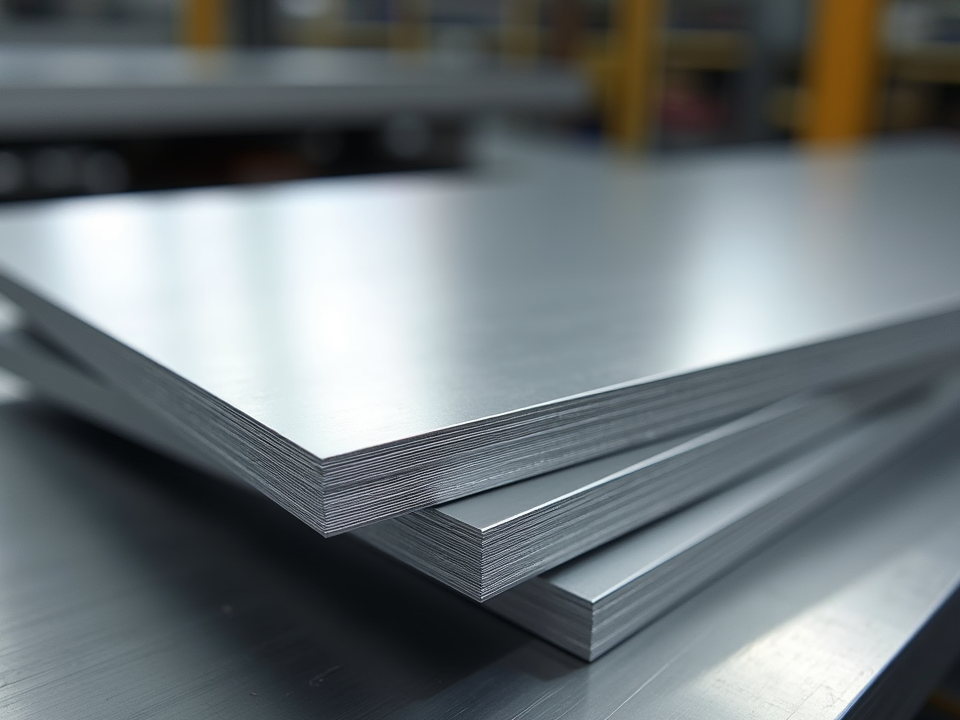
Chemical Free CTP Aluminum Sheet
Chemical free CTP aluminum sheet is a processless printing plate substrate designed for modern offset printing operations. It removes the need for conventional plate developers, replenisher chemicals, processor cleaning solutions, and related wastewater treatment. After laser imaging, the plate is mounted directly on the press, where the non-image coating is removed during initial press rotation.
This technology helps commercial printers reduce chemistry consumption, simplify plate-room workflows, and maintain stable image reproduction. A chemical free CTP plate combines an electrochemically grained and anodized aluminum sheet with a laser-sensitive coating engineered for direct press development.
How Chemical Free CTP Aluminum Sheet Works
The aluminum sheet acts as the stable, water-loving foundation of the plate. Its surface is mechanically and electrochemically treated to create a fine grain structure. An anodic oxide layer is then formed to improve corrosion resistance, hydrophilicity, and coating anchorage.
During imaging, a thermal or violet laser changes the coating in exposed areas. The plate is then loaded onto the offset press without chemical development. Fountain solution and ink remove the unexposed coating during start-up, leaving a clean image area that accepts ink while the treated aluminum background accepts water.
| Process Stage | Function | Result |
|---|---|---|
| Aluminum rolling | Produces a flat, uniform sheet at controlled thickness | Consistent plate fit and press stability |
| Electrochemical graining | Creates microscopic surface texture | Better water retention and coating adhesion |
| Anodizing | Forms a dense aluminum oxide layer | Improved durability and corrosion resistance |
| Hydrophilic treatment | Enhances non-image water acceptance | Cleaner backgrounds and reduced scumming |
| Coating application | Adds laser-sensitive processless layer | Direct imaging and on-press development |
| CTP imaging | Transfers digital page data to the plate | Sharp dots, text, and graphic detail |
| On-press development | Removes non-image coating during press start-up | No separate processor chemistry required |
Functions in the Printing Workflow
Chemical free CTP aluminum sheet supports a cleaner plate-making route while retaining the dimensional stability needed for high-quality lithographic printing. It is particularly valuable where printers need to shorten preparation time, save space, or meet tighter environmental targets.
| Function | Practical Value for Printers |
|---|---|
| Processless plate production | Eliminates dedicated developer processors and most plate chemistry |
| High-resolution image transfer | Supports fine screen rulings, sharp text, and smooth tonal transitions |
| Stable water balance | Hydrophilic anodized aluminum helps maintain clean non-image areas |
| Fast plate preparation | Imaging-to-press workflow reduces handling stages |
| Reduced waste stream | Minimizes developer disposal, processor wash water, and chemical packaging |
| Reliable registration | Flat, dimensionally stable aluminum supports accurate multi-color alignment |
| Lower maintenance demand | Fewer processing machines reduce cleaning and service requirements |
For printing facilities shifting from conventional thermal plates, an Aluminium CTP Plate with a processless coating can be selected according to press format, imaging wavelength, ink system, and expected run length.
Typical Technical Specifications
Chemical free CTP aluminum sheet is usually supplied as finished plates, but its performance begins with the aluminum base. Thickness, flatness, grain quality, anodic coating weight, and coating uniformity all influence imaging consistency and press behavior.
| Parameter | Typical Range or Condition | Technical Purpose |
|---|---|---|
| Base alloy | AA 1050A, AA 1050, AA 1060 | High purity, good electrochemical graining response |
| Temper | H18 or H19 | Provides stiffness and handling resistance |
| Plate thickness | 0.15 mm to 0.40 mm | Selected by press type and cylinder design |
| Common thicknesses | 0.15, 0.20, 0.30, 0.40 mm | Common commercial and packaging press formats |
| Width tolerance | Typically ±0.20 mm | Helps registration and plate mounting |
| Thickness tolerance | Typically ±0.01 mm to ±0.02 mm | Supports stable press contact and imaging |
| Surface roughness, Ra | Approximately 0.40 to 0.70 μm | Balances water retention with coating adhesion |
| Anodic oxide weight | Approximately 2.0 to 3.0 g/m² | Improves durability and hydrophilic performance |
| Imaging sensitivity | Depends on coating and CTP system | Thermal 830 nm or violet 405 nm options |
| Resolution capability | Up to 2,400 dpi or system-dependent | Supports fine images and detailed typography |
| Run length | Approximately 20,000 to 100,000 impressions | Depends on plate grade, ink, paper, press, and bake-free use |
| Storage condition | Cool, dry, protected from direct light | Preserves coating response and plate quality |
Actual values should be agreed in the purchasing specification because plate construction differs between thermal, violet, and UV-sensitive processless systems.
Alloy Temper and Chemical Composition
High-purity 1xxx aluminum alloys are widely used for CTP sheet because they offer excellent formability, corrosion behavior, electrical conductivity during graining, and consistent anodizing performance. H18 and H19 tempers are hard-rolled conditions that provide good flatness and plate stiffness.
| Alloy | Si + Fe, % Max. | Cu, % Max. | Mn, % Max. | Mg, % Max. | Zn, % Max. | Ti, % Max. | Aluminum, % Min. |
|---|---|---|---|---|---|---|---|
| AA 1050A | Si 0.25 / Fe 0.40 | 0.05 | 0.05 | 0.05 | 0.07 | 0.05 | 99.50 |
| AA 1050 | Si 0.25 / Fe 0.40 | 0.05 | 0.05 | 0.05 | 0.07 | 0.05 | 99.50 |
| AA 1060 | Si + Fe 0.35 | 0.05 | 0.03 | 0.03 | 0.05 | 0.03 | 99.60 |
| Temper | Condition | Typical Application Benefit |
|---|---|---|
| H18 | Full-hard cold worked | Good rigidity for common sheet-fed and web offset plates |
| H19 | Extra-hard cold worked | Higher stiffness where thin plate gauge requires added handling strength |
| H16 | Three-quarter hard, less common | May be used where additional forming tolerance is required |
Surface and Chemical Properties
The processless coating must interact correctly with both the aluminum substrate and press chemistry. The non-image area requires strong hydrophilicity, while the image area needs sufficient oleophilicity after exposure and on-press cleanout.
| Property | Desired Characteristic | Printing Effect |
|---|---|---|
| Aluminum oxide surface | Dense, continuous anodic film | Resists corrosion and supports coating adhesion |
| Surface energy | High in non-image areas | Promotes fountain solution wetting |
| Image-region behavior | Ink receptive after imaging | Produces strong printed solids and dots |
| Coating solubility | Non-image coating disperses on press | Enables chemical-free development |
| Alkali resistance | Suitable for normal fountain solution conditions | Reduces background sensitivity |
| Solvent resistance | Compatible with approved blanket washes | Supports practical press maintenance |
| Light stability | Protected packaging required | Prevents premature coating response |
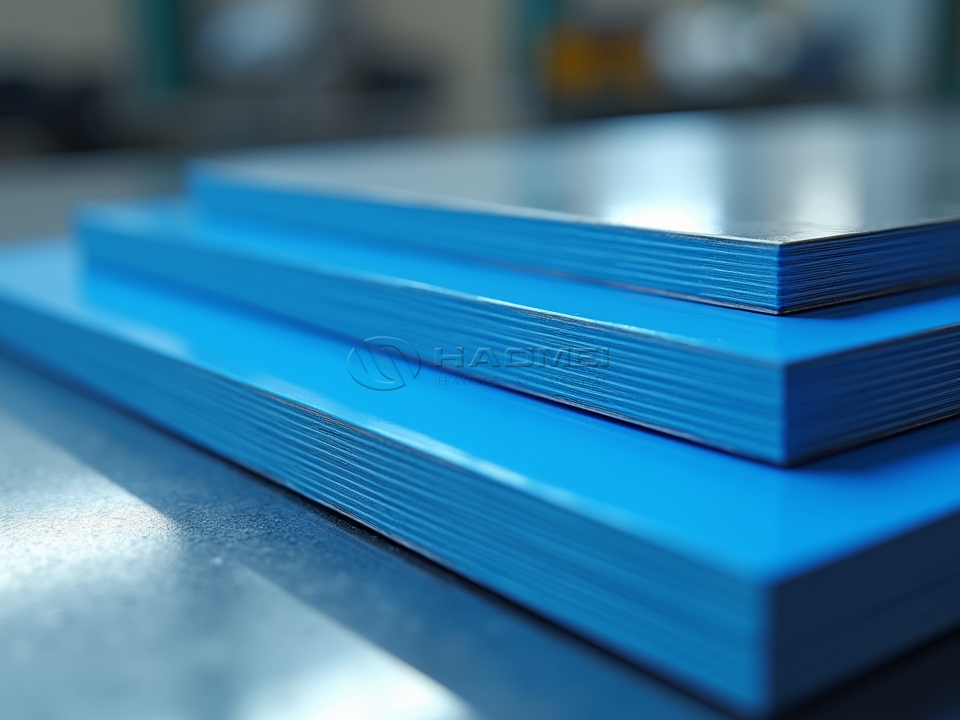
Applications of Chemical Free CTP Plates
Chemical free CTP aluminum sheet is suitable for many offset print jobs where reduced chemistry and efficient plate handling are priorities. It performs especially well in operations with repeatable press conditions, controlled fountain solution, and moderate to medium print runs.
| Printing Segment | Typical Products | Why Processless Plates Fit |
|---|---|---|
| Commercial printing | Brochures, catalogs, inserts, stationery | Fast plate preparation and reduced plate-room work |
| Newspaper printing | Daily news pages, local publications | Efficient workflow for frequent plate changes |
| Book and publication printing | Text pages, manuals, journals | Reliable line work and consistent registration |
| Packaging printing | Cartons, labels, promotional sleeves | Supports short-run and versioned packaging work |
| In-plant printing | Corporate materials, education, government forms | Simplifies chemical handling and storage |
| Quick-turn print shops | Marketing pieces and variable campaigns | Reduces the time from file approval to press |
Implementation Standards and Quality Control
A dependable chemical free CTP aluminum sheet should be manufactured and inspected against recognized aluminum, plate, and printing quality practices. Standards may vary by market and customer specification, but the following references are commonly relevant.
| Standard or Practice | Scope | Relevance |
|---|---|---|
| EN 573-3 | Chemical composition of aluminum alloys | Confirms alloy composition requirements |
| EN 485-2 | Mechanical properties of wrought aluminum sheet | Supports temper and thickness consistency |
| ASTM B209 | Aluminum and aluminum-alloy sheet and plate | Common material reference for dimensional control |
| ISO 12647-2 | Offset printing process control | Supports repeatable color and print quality targets |
| ISO 9001 | Quality management systems | Supports traceability and controlled production |
| ISO 14001 | Environmental management systems | Supports reduced-impact manufacturing practices |
Quality checks normally include sheet thickness, width, flatness, burr condition, surface grain uniformity, anodic layer quality, coating weight, imaging sensitivity, cleanout behavior, resolution, and press run testing.
Practical Handling Notes
Store plates in sealed original packaging, away from sunlight, high humidity, heat sources, and aggressive chemicals. Handle edges with clean gloves to avoid fingerprints or scratches on the coating. Use fountain solution, inks, and plate cleaners approved for the specific processless plate system. Proper roller settings and a stable water-ink balance are important because on-press development occurs during start-up.
Chemical free CTP aluminum sheet provides a practical route toward lower chemical use, simpler plate production, and dependable offset print performance. With the correct alloy, H18 or H19 temper, controlled anodized surface, and matched imaging technology, it becomes a durable foundation for efficient processless printing.