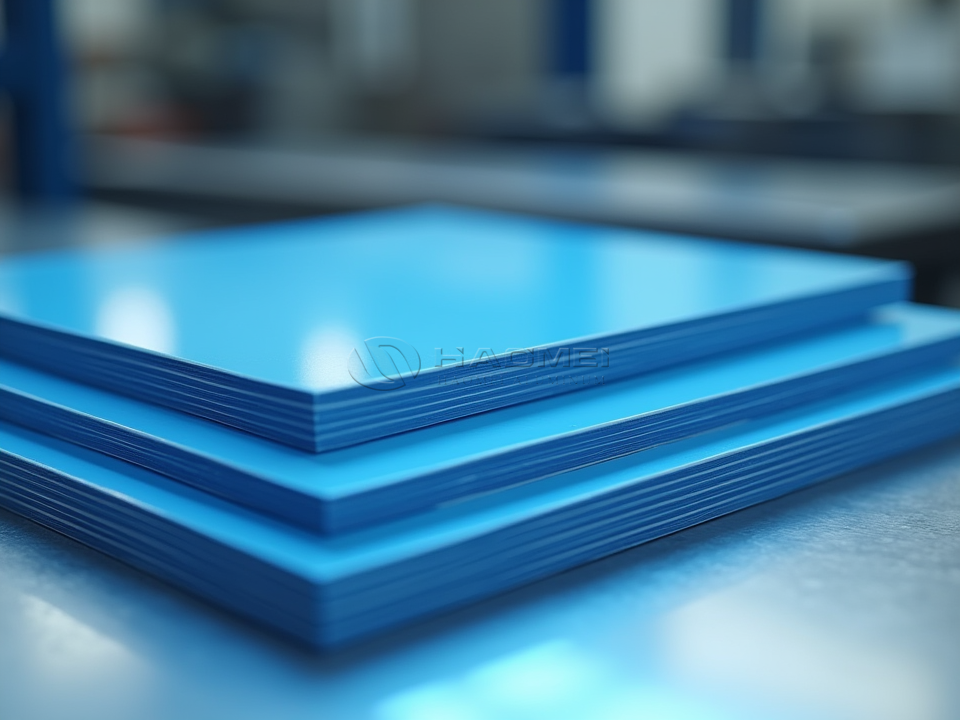
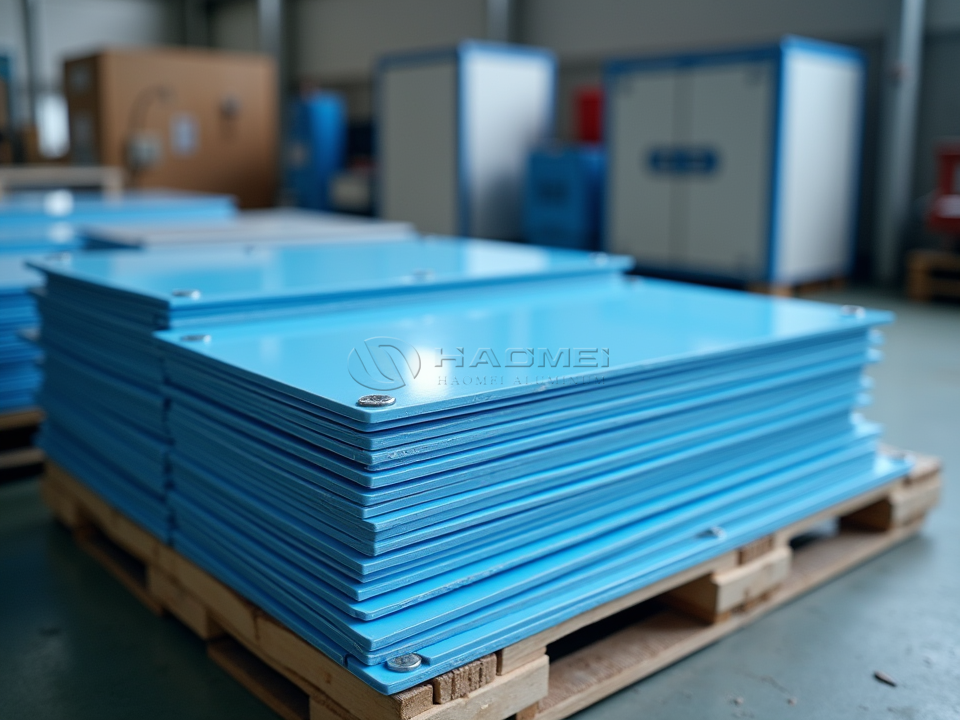
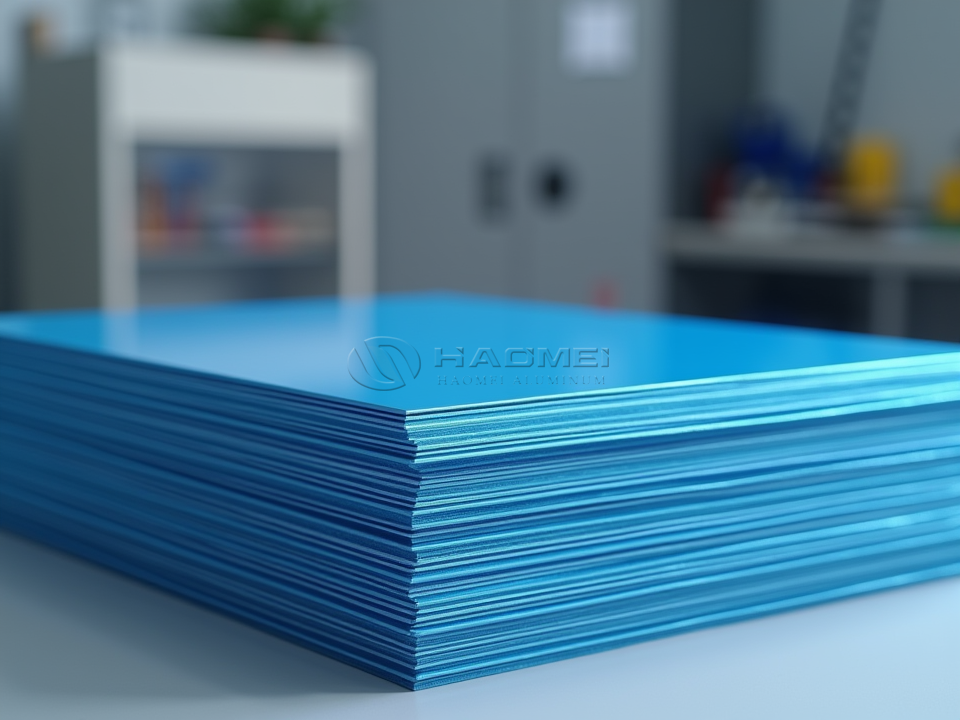
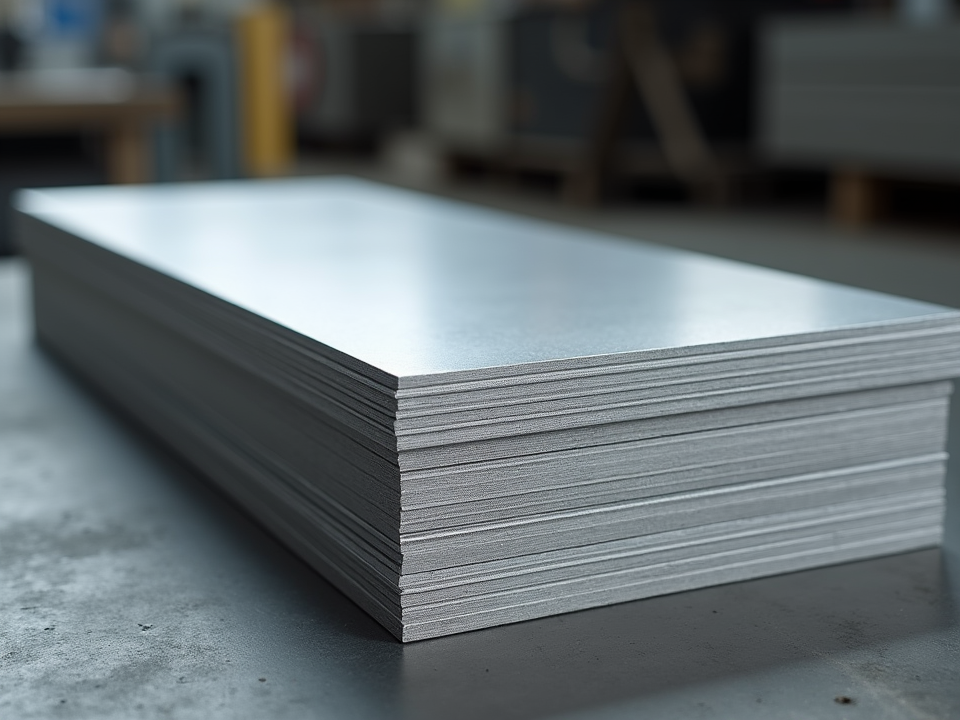
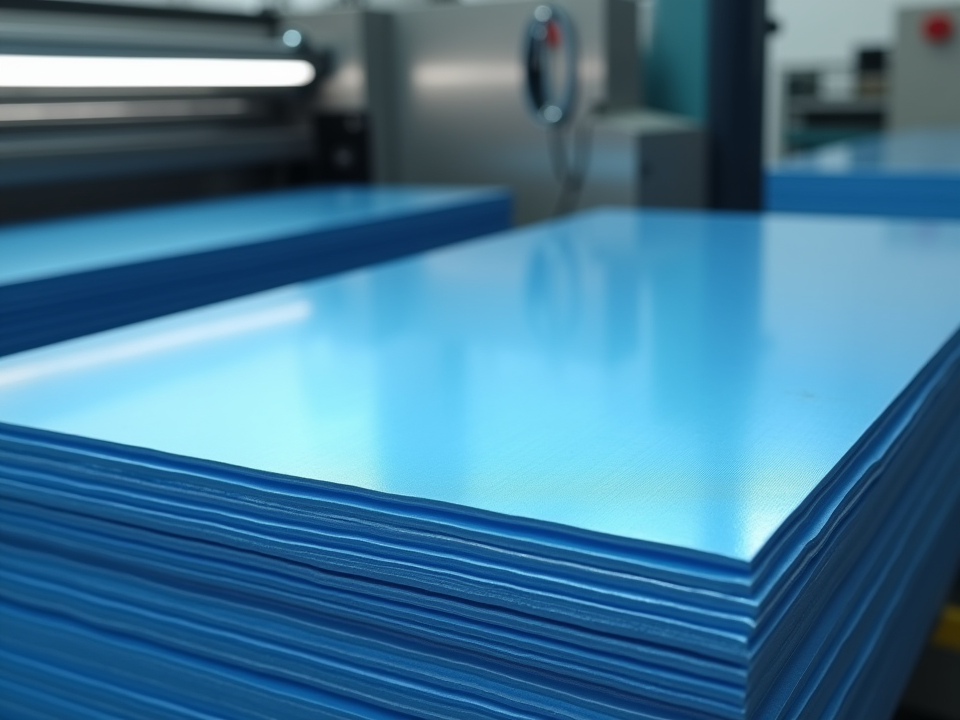
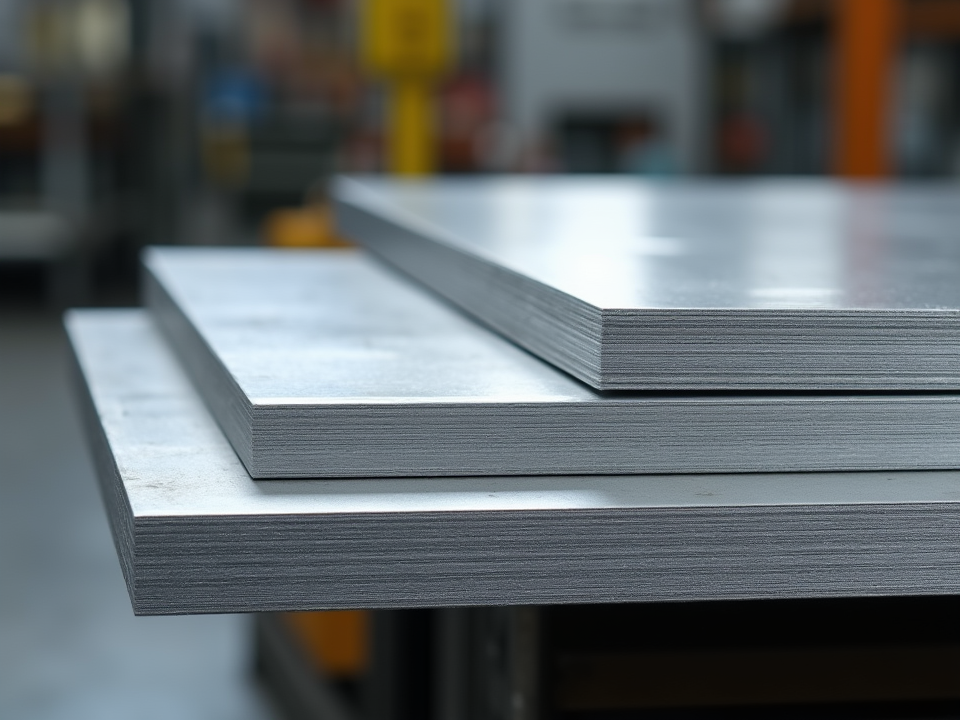
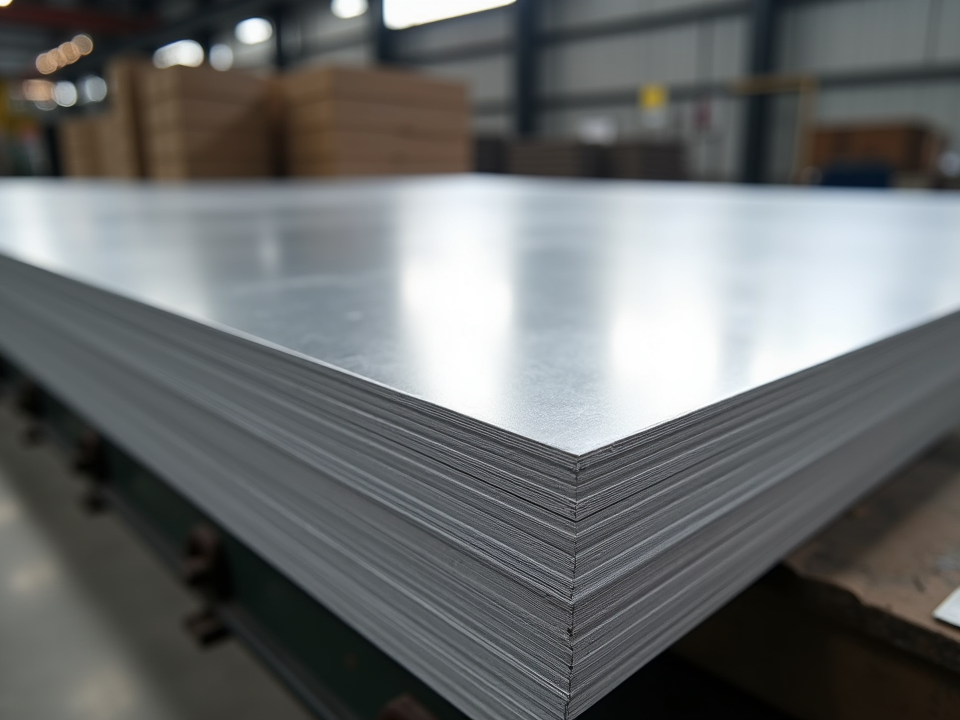
Eco-Friendly CTP Aluminum Plate
An eco-friendly CTP aluminum plate is designed for modern offset printers that want high image quality while reducing chemical consumption, water discharge, energy demand, and production waste. CTP, or computer-to-plate technology, transfers digital page files directly onto a coated aluminum plate, eliminating film preparation and improving workflow consistency.
Compared with conventional prepress systems, environmentally considerate CTP plates can simplify plate production substantially. Processless and low-chemistry plate technologies reduce or remove development steps, helping printers create a cleaner plate room with fewer consumables. The result is a practical balance of press performance, sharp imaging, operational efficiency, and responsible resource use.
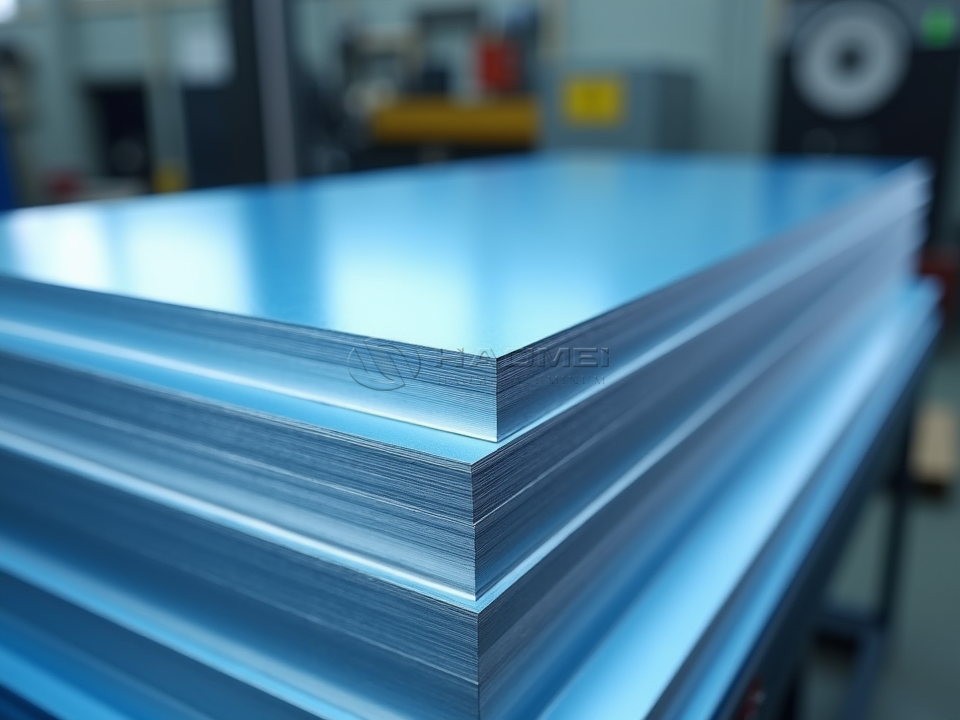
Built on Stable Aluminum Substrate Technology
The foundation of an eco-friendly CTP aluminum plate is a carefully prepared aluminum alloy substrate. The aluminum coil is commonly grained and anodized to form a controlled surface structure. This surface improves coating anchorage, supports stable water balance on press, and gives the non-image area strong hydrophilic behavior.
A uniform substrate is especially important for fine-screen commercial work, text reproduction, solid ink coverage, and repeatable color. The plate must remain dimensionally stable during laser exposure, mounting, printing pressure, fountain-solution contact, and long press runs.
| Parameter | Typical Specification | Printing Benefit |
|---|---|---|
| Substrate alloy | AA 1050, AA 1060, or similar lithographic aluminum | Clean surface quality and good dimensional stability |
| Plate thickness | 0.15 mm to 0.40 mm | Fits newspaper, commercial, packaging, and sheet-fed applications |
| Surface treatment | Electrochemical graining and anodizing | Strong coating adhesion and consistent water receptivity |
| Coating type | Thermal, violet, low-chemistry, or processless coating | Matches different CTP systems and environmental targets |
| Spectral sensitivity | Usually thermal 830 nm or violet 405 nm | Supports common laser imaging equipment |
| Plate format | Standard and custom cut sizes | Adapts to press and CTP device requirements |
| Run length | From short-run work to extended commercial runs | Supports varied print volumes and ink systems |
The exact plate grade should be selected according to the CTP engine, press condition, ink type, blanket condition, fountain solution, run length, and whether post-baking is used. A properly matched Aluminium CTP Plate helps maintain stable dot reproduction from the first approved sheet through the final printed copy.
Typical Aluminum Chemical Composition
Lithographic aluminum substrates are made with tightly controlled composition. High aluminum content contributes to corrosion resistance, formability, surface-treatment response, and reliable behavior during plate manufacture.
| Element | Typical Range, % | Function in the Plate Substrate |
|---|---|---|
| Aluminum, Al | Balance, typically above 99.4% | Provides light weight, corrosion resistance, and processability |
| Iron, Fe | 0.20 to 0.50 | Helps control strength and grain structure |
| Silicon, Si | 0.05 to 0.25 | Supports alloy balance and rolling performance |
| Copper, Cu | Up to 0.05 | Controlled at low level for corrosion resistance |
| Manganese, Mn | Up to 0.05 | May assist strength and structural consistency |
| Magnesium, Mg | Up to 0.05 | Maintained within controlled limits |
| Zinc, Zn | Up to 0.05 | Trace element control supports stable anodizing |
Chemical values may vary by alloy designation, plate thickness, and customer specification. The important point is not only composition, but also uniform coil quality, surface cleanliness, grain consistency, anodic-film integrity, and coating compatibility.
Environmental Benefits That Matter in Daily Production
The environmental value of an eco-friendly CTP aluminum plate is visible in the routine work of the plate room. Traditional plate processing can consume developer, gum, replenisher, wash water, and energy. Each chemical stage also introduces handling, storage, maintenance, and wastewater-management demands.
Processless plates are developed directly on the printing press. During initial impressions, the exposed non-image coating is removed and carried into the press system under controlled conditions. This removes the separate plate processor from the workflow. Low-chemistry plates still use a finishing stage, but need significantly less chemistry and water than conventional processed plates.
Environmental and operational gains can include:
- Less developer, replenisher, and cleaning chemical consumption
- Reduced wastewater volume from plate processing
- Lower processor maintenance requirements
- Fewer chemical containers and less material handling
- Reduced floor-space demand in the prepress department
- Faster plate production with fewer manual interventions
- Lower risk of scratches, contamination, and processor-related defects
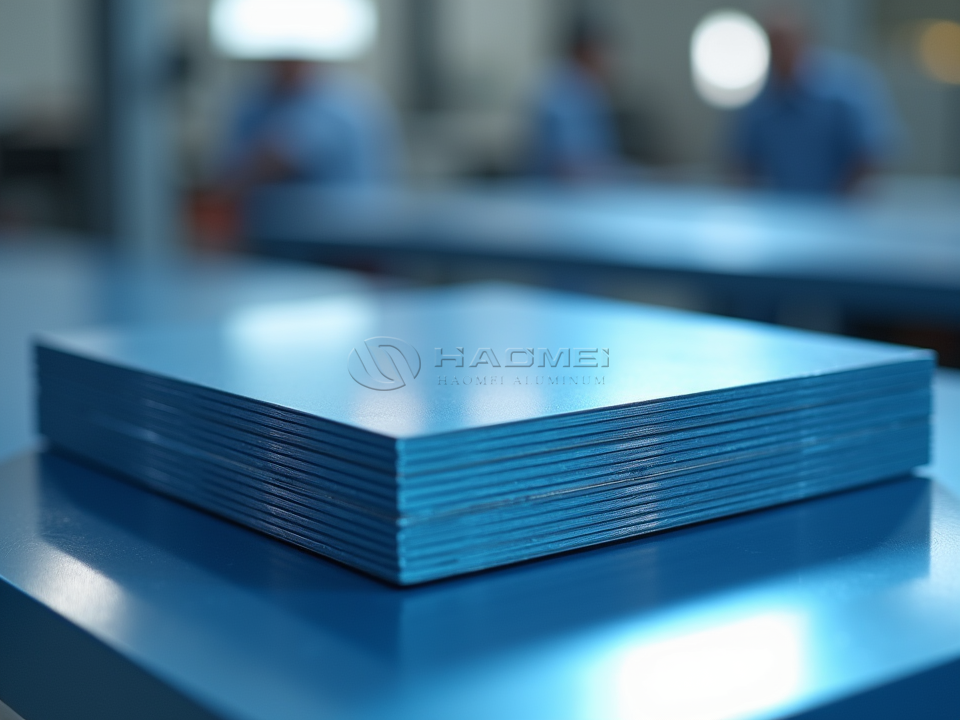
Eco-friendly plate selection also supports broader sustainability programs. Aluminum is a highly recyclable material, and used plates can often enter established aluminum recycling streams after suitable ink and coating management. Printers should follow local recycling requirements and work with approved recyclers to ensure safe, efficient recovery.
Imaging Quality and Press Performance
Environmental improvement should not require a compromise in print quality. A well-engineered CTP aluminum plate offers precise laser response, high resolution, clean highlight dots, strong solids, and dependable image contrast. The coating is formulated to distinguish image areas from non-image areas while preserving reliable ink-water balance on press.
Thermal systems are widely valued for stable handling under normal plate-room lighting and robust imaging latitude. For printers that require long production runs, UV inks, aggressive press conditions, or baking capability, a Long Run Thermal CTP Plate can provide greater image durability while retaining the advantages of aluminum-based lithographic construction.
Typical performance targets include fine stochastic screening, clear small text, accurate barcodes, stable halftone dots, and clean background areas. Press operators can benefit from reduced make-ready time when plate exposure, processing condition, and press settings are standardized.
Suitable Printing Applications
Eco-friendly CTP aluminum plates are used across a broad range of offset-printing environments. Processless grades are often chosen by commercial printers seeking simplified prepress and lower chemical use. Low-chemistry products suit operations that want a familiar finishing step with reduced environmental load. Durable thermal grades are suitable where run length and ink resistance are critical.
Common applications include:
- Commercial brochures, catalogs, direct mail, and corporate literature
- Books, manuals, educational materials, and transactional documents
- Newspaper inserts and regional publication printing
- Retail flyers, point-of-sale graphics, and promotional sheets
- Folding-carton and selected packaging work using compatible inks and press conditions
- Short-run, medium-run, and repeat commercial print jobs
For printers handling frequent job changes, the reduction in processor-related work can be especially valuable. For longer campaigns, the plate should be specified with sufficient run-length capacity, suitable baking options, and compatibility with UV or hybrid inks when required.
Handling and Storage Guidance
Even a durable aluminum plate requires careful handling. Store plates in a dry, temperature-stable room away from direct sunlight, high humidity, corrosive vapors, and dust. Keep unopened packages flat and protected from pressure damage. Operators should wear clean gloves to prevent fingerprints from affecting the coating surface.
During imaging, use the exposure setting recommended for the specific plate and CTP device. Underexposure may weaken image durability, while excessive exposure can affect tonal reproduction. On press, maintain fountain-solution conductivity, pH, ink settings, and roller conditions within the approved operating range. These controls help preserve clean non-image areas and maximize usable plate life.
A Practical Choice for Responsible Printing
Eco-friendly CTP aluminum plate technology gives printers a direct route toward cleaner prepress without sacrificing the precision expected from offset production. With a stable grained-and-anodized aluminum base, responsive imaging coating, and processless or low-chemistry workflow options, it supports efficient production from digital file to printed sheet.
For print businesses aiming to reduce water use, chemical handling, processor maintenance, and avoidable waste, the right CTP plate is more than a consumable. It is a working component of a more efficient, lower-impact printing operation.