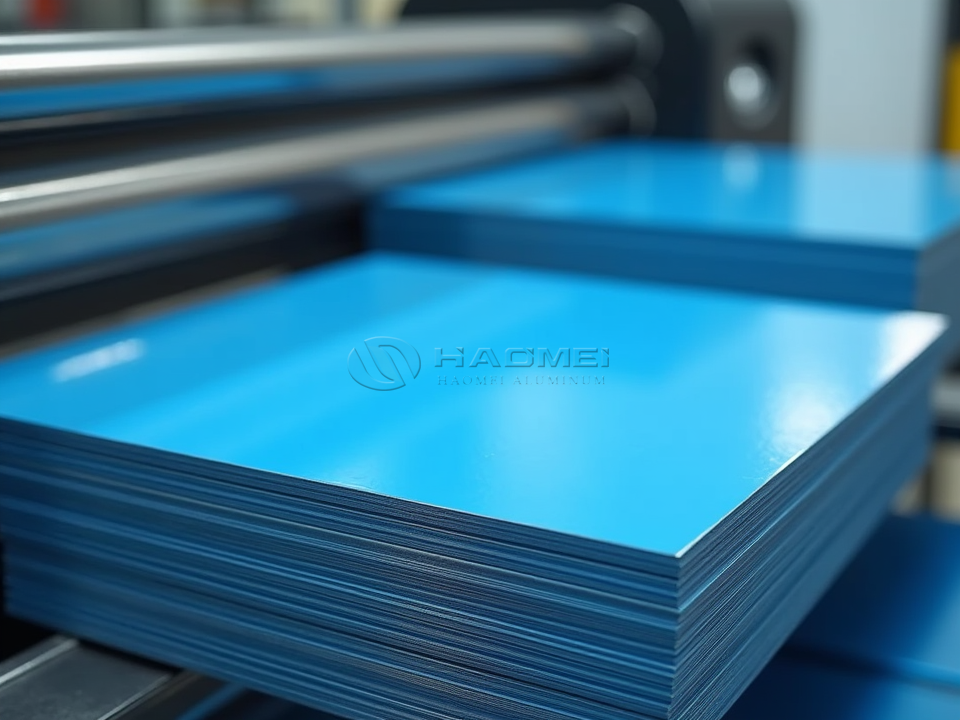
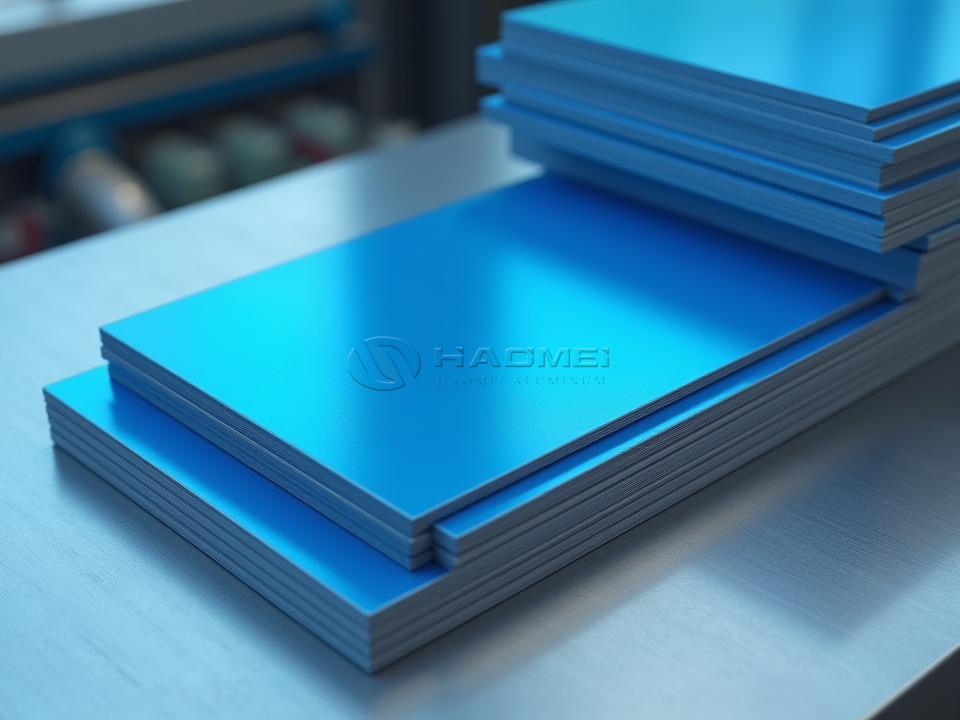
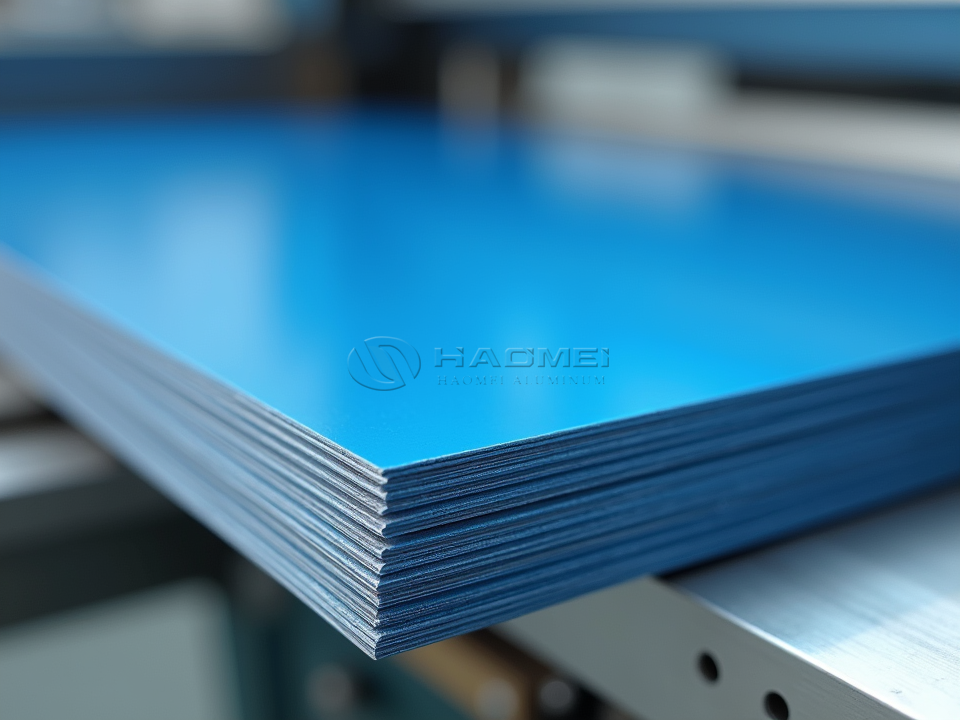
High Sensitivity Offset CTP Plate
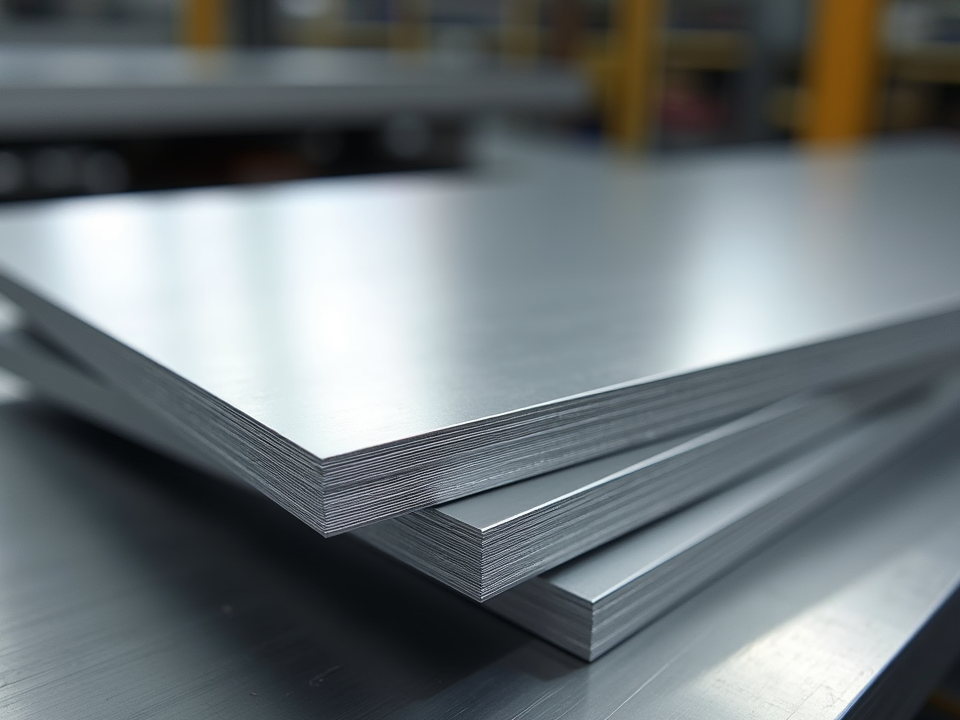
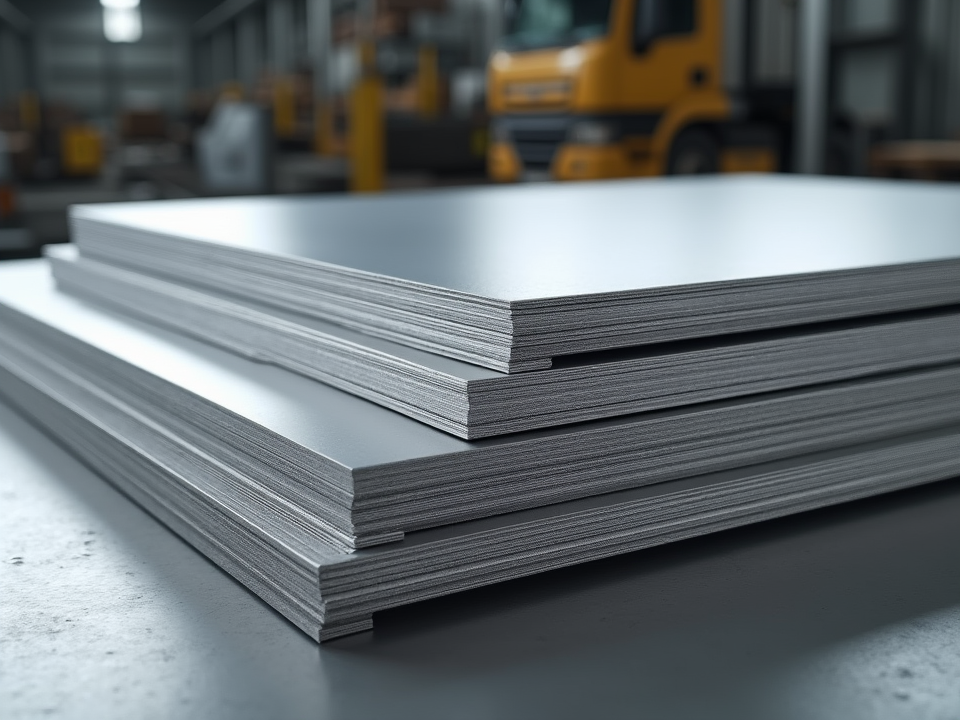
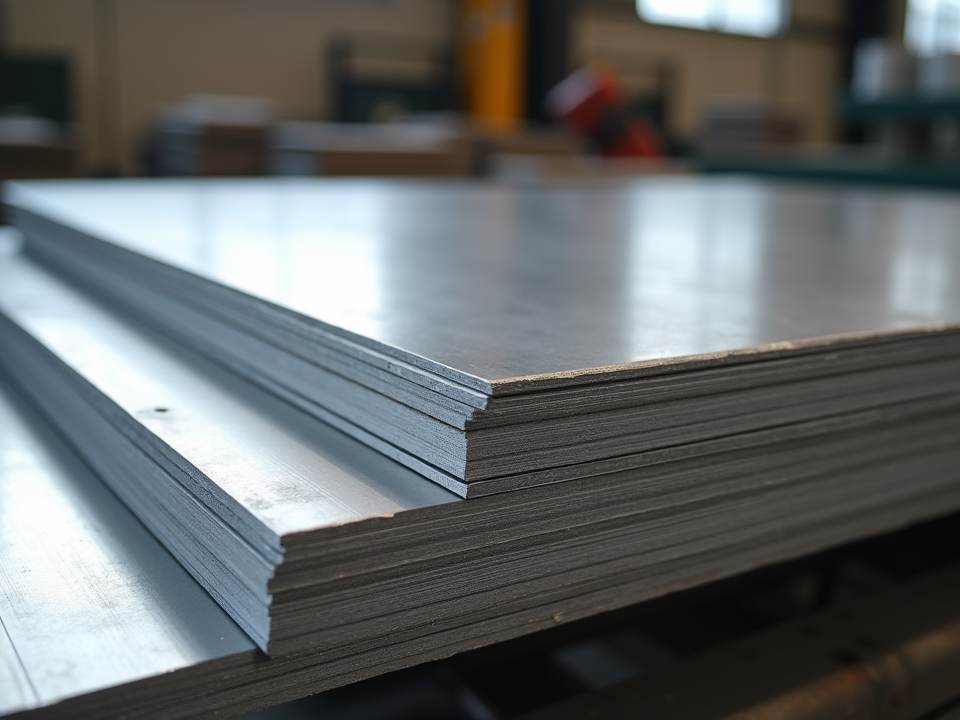
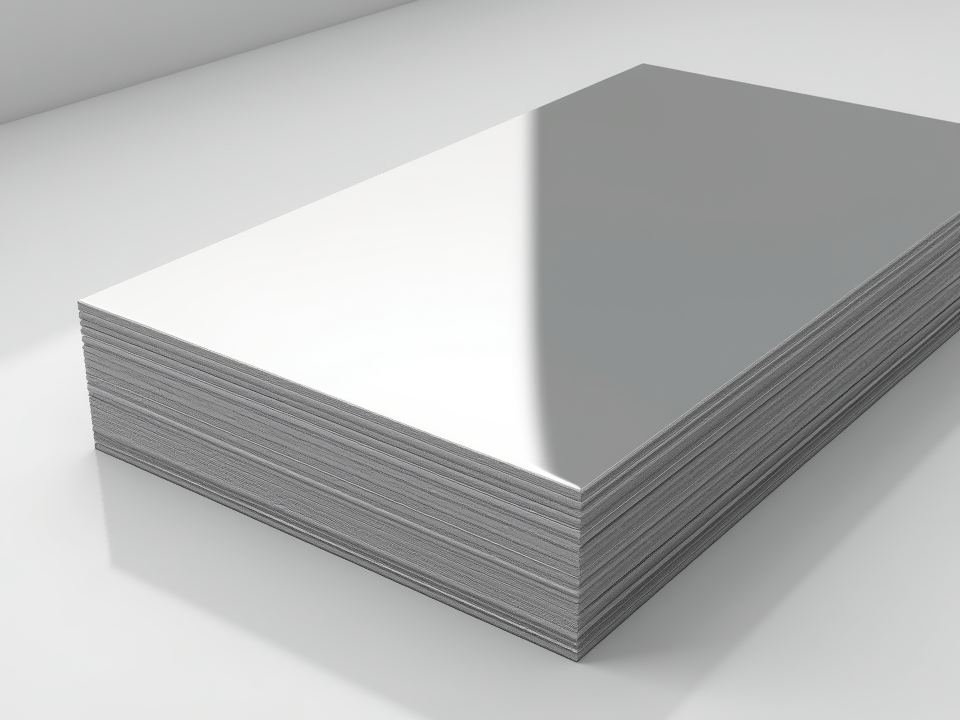
High sensitivity offset CTP plate is engineered for printrooms that require fast plate imaging, dependable dot reproduction, and consistent offset press performance. Built on a dimensionally stable aluminum substrate with a responsive photosensitive coating, it converts digital page data into durable printing forms with reduced exposure energy and efficient processing.
This plate is especially suitable for modern commercial printing environments where short turnaround, color accuracy, and repeatable quality matter. Its sensitive coating responds rapidly to violet laser imaging, helping operators maintain production speed while preserving clean highlights, sharp text, and smooth tonal transitions.
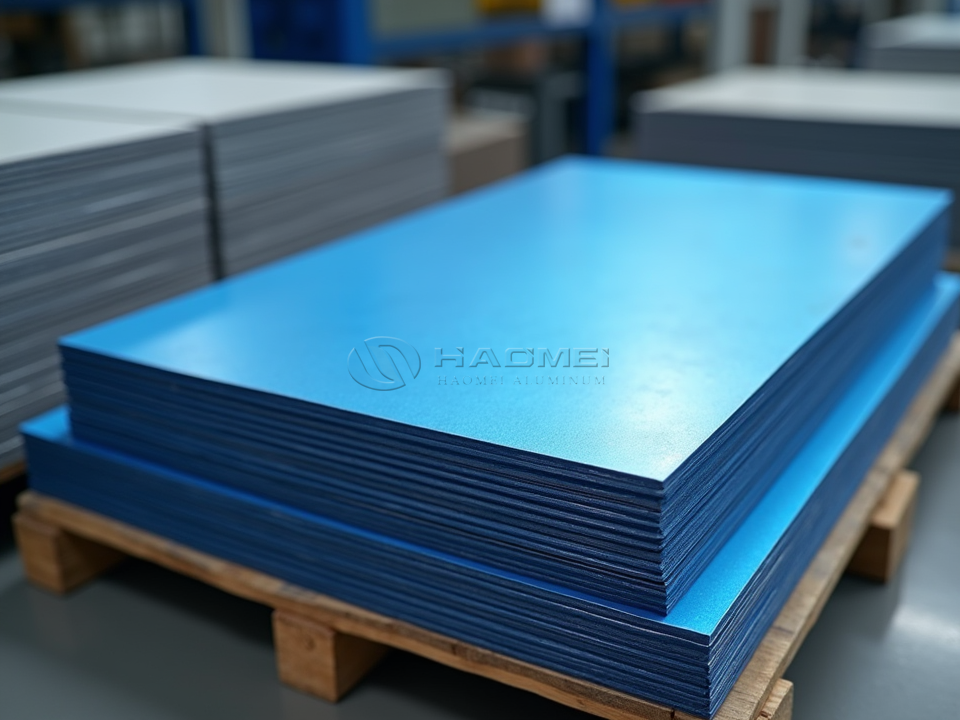
Product Characteristics
The high sensitivity offset CTP plate combines an electrochemically grained and anodized aluminum base with a hydrophilic surface treatment and image-forming coating. During laser exposure, the coating creates image areas that accept ink, while non-image areas retain water during offset printing. This oil-water balance supports stable ink transfer and clean background performance.
| Feature | Production Value |
|---|---|
| High photosensitivity | Reduces imaging energy and supports faster plate output |
| Fine grained aluminum surface | Promotes strong water retention and even ink balance |
| Accurate dot reproduction | Supports crisp text, fine lines, and controlled halftones |
| Stable coating adhesion | Helps prevent image wear during press operation |
| Broad press compatibility | Suitable for sheet-fed and web offset presses |
| Consistent batch quality | Supports standardized plate curves and predictable prepress settings |
| Aluminum substrate rigidity | Assists registration accuracy and reduces handling deformation |
Compared with conventional analog plates, a high sensitivity CTP plate removes film-related variables from the plate-making workflow. Digital imaging improves registration control, shortens preparation time, and reduces the risk of dust, scratches, or film-density variation affecting the printed result.
Aluminum Substrate and Chemical Composition
The substrate is generally produced from high-purity aluminum alloy, commonly based on AA 1050 or a comparable plate-grade alloy. The material is rolled to controlled thickness, degreased, electrochemically grained, anodized, and sealed or treated to create a durable hydrophilic foundation for the coating.
| Element | Typical Content, % by Weight | Function in Plate Substrate |
|---|---|---|
| Aluminum, Al | Balance, typically ≥99.50 | Provides light weight, flatness, and corrosion resistance |
| Iron, Fe | ≤0.40 | Contributes to alloy strength within controlled limits |
| Silicon, Si | ≤0.25 | Maintains rolling and surface treatment consistency |
| Copper, Cu | ≤0.05 | Restricted to preserve corrosion resistance |
| Manganese, Mn | ≤0.05 | Controlled for stable mechanical behavior |
| Magnesium, Mg | ≤0.05 | Kept low for surface uniformity |
| Zinc, Zn | ≤0.05 | Limited to protect anodizing quality |
| Titanium, Ti | ≤0.03 | Grain refinement control where applicable |
Values are typical for plate-grade aluminum substrate and may be adjusted according to alloy standard, plate gauge, and customer specification.
The anodized layer is important because it creates a hard, porous structure that anchors the coating while supporting water retention in non-image areas. This surface architecture helps the plate reach ink-water equilibrium quickly on press, reducing paper waste during start-up.
Technical Specifications
| Parameter | Typical Specification |
|---|---|
| Plate type | Positive-working violet-sensitive offset CTP plate |
| Imaging wavelength | 405 nm violet laser |
| Spectral sensitivity | Approximately 30-50 mJ/cm², depending on platesetter and processor condition |
| Substrate | Electrochemically grained and anodized aluminum |
| Aluminum thickness | 0.15 mm, 0.20 mm, 0.30 mm, 0.40 mm options |
| Coating color | Violet to blue-violet |
| Resolution capability | Up to 2-99% at 200 lpi, subject to workflow and device calibration |
| FM screening suitability | Suitable with optimized exposure and processing settings |
| Development | Compatible with recommended positive plate developer |
| Unbaked run length | Up to 100,000 impressions with conventional inks |
| Baked run length | Up to 250,000 impressions, depending on press conditions |
| UV ink resistance | Available in enhanced grades; confirm before production use |
| Safelight handling | Yellow safelight or controlled low-UV illumination |
| Storage life | Typically 12-18 months under recommended storage conditions |
Plate sensitivity should be evaluated as part of the complete workflow rather than as an isolated figure. Laser output, focus, plate calibration, developer activity, replenishment rate, wash water quality, gum application, and press chemistry all influence final imaging and run length.
For printers using violet imaging equipment, our Violet CTP Plate range offers a practical route to high-speed prepress with controlled image quality and dependable processing behavior.
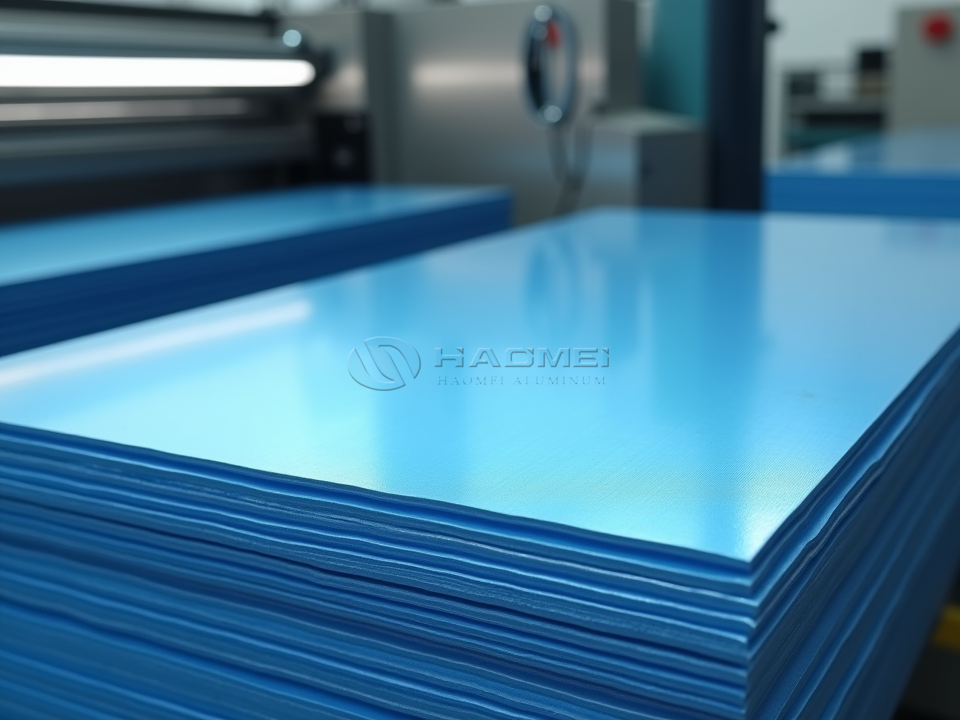
Press Performance and Print Quality
A high sensitivity offset CTP plate is designed to give press operators a broad operating window. Its hydrophilic non-image areas resist scumming, while image areas are structured to accept ink uniformly. The result is clean backgrounds, strong solid density, and balanced tonal reproduction over extended runs.
| Performance Metric | Typical Result | Customer Benefit |
|---|---|---|
| Highlight reproduction | Fine highlight dots retained with calibrated exposure | Cleaner image detail in light tonal areas |
| Solid ink density | Uniform ink acceptance | Richer solids and more stable brand colors |
| Non-image cleanliness | Strong water retention | Reduced scumming and lower waste |
| Registration stability | Flat aluminum base | Better front-to-back and multi-color alignment |
| Start-up efficiency | Fast ink-water balance | Fewer make-ready sheets |
| Plate handling | Lightweight, rigid sheet | Easier loading and reduced risk of distortion |
| Process consistency | Responsive coating and stable substrate | Repeatable results across production batches |
The plate supports demanding commercial jobs such as brochures, catalogs, packaging inserts, manuals, educational materials, direct-mail pieces, and high-quality marketing collateral. It is also well suited to operations with frequent job changes, where rapid imaging and predictable plate behavior help protect press capacity.
Practical Applications
| Application Area | Typical Print Requirement | Plate Advantage |
|---|---|---|
| Commercial sheet-fed printing | Fine images, brand colors, short delivery schedules | Sharp detail and quick plate output |
| Publishing | Text clarity and reliable tonal images | Consistent dot structure and stable registration |
| Catalog and retail printing | Large color areas and product photography | Even solids and smooth gradients |
| Newspaper supplements | Fast production with readable images | High imaging response and efficient workflow |
| Book and manual printing | Long text runs and repeated forms | Durable image areas and clean backgrounds |
| General packaging inserts | Precise graphics and barcodes | Fine-line reproduction and dimensional stability |
For higher-volume production or jobs requiring enhanced durability, a Long Run Thermal CTP Plate may be considered where thermal imaging infrastructure and extended press runs are available.
Handling, Storage, and Process Control
High sensitivity plates should be handled carefully to protect the coating from fingerprints, scratches, excessive light, and chemical contamination. Operators should wear clean gloves, keep plates in their original packaging until use, and avoid exposure to direct sunlight or strong UV-containing light.
| Control Item | Recommended Practice |
|---|---|
| Storage temperature | 15-25°C |
| Relative humidity | 30-70% RH |
| Storage environment | Clean, dry, dark, and free from corrosive vapors |
| Plate handling | Use gloves and support large formats to avoid bending |
| Developer monitoring | Maintain concentration, temperature, and replenishment rate |
| Exposure calibration | Verify with plate control strips or calibrated test forms |
| Press fountain solution | Maintain recommended conductivity, pH, and alcohol substitute balance |
Business Benefits for Printrooms
High sensitivity offset CTP plate helps printers turn prepress speed into measurable production value. Lower exposure requirements can improve platesetter throughput, while stable imaging reduces the need for repeated plate remakes. On press, rapid roll-up and clean non-image areas help reduce make-ready waste, labor time, and ink-water adjustment.
The product also supports a more controlled digital workflow. Standardized plate curves, predictable processing response, and reliable aluminum flatness make it easier to maintain color consistency across repeat jobs. For print buyers, this translates into dependable deadlines, accurate reproduction, and a professional printed finish.
When matched with compatible imaging, processing, and press conditions, high sensitivity offset CTP plate delivers an efficient balance of speed, image precision, durability, and cost control for everyday offset printing.