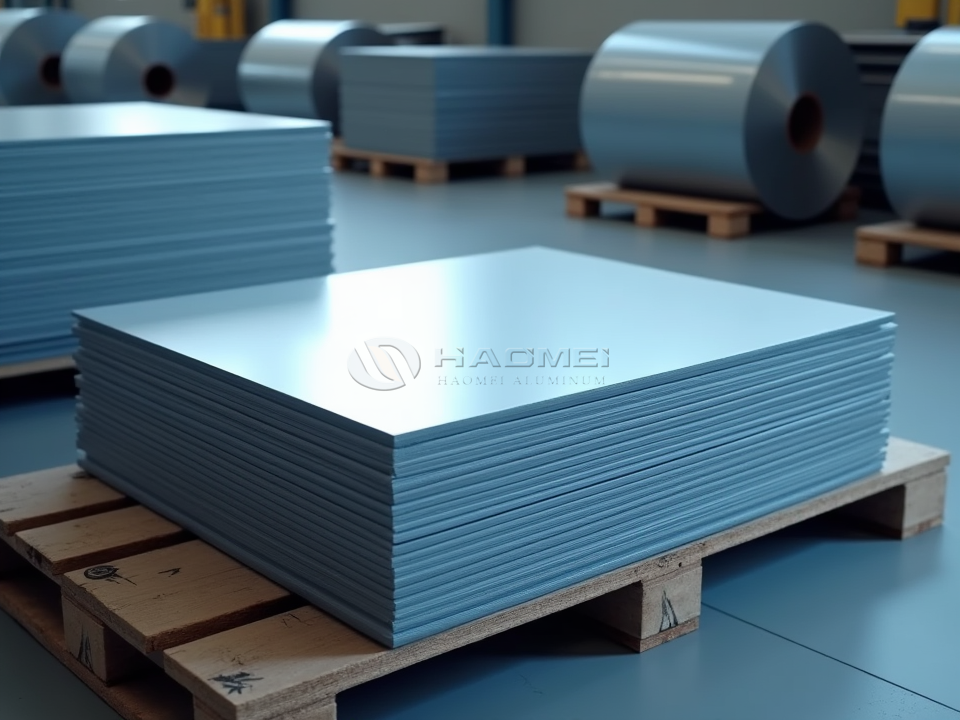
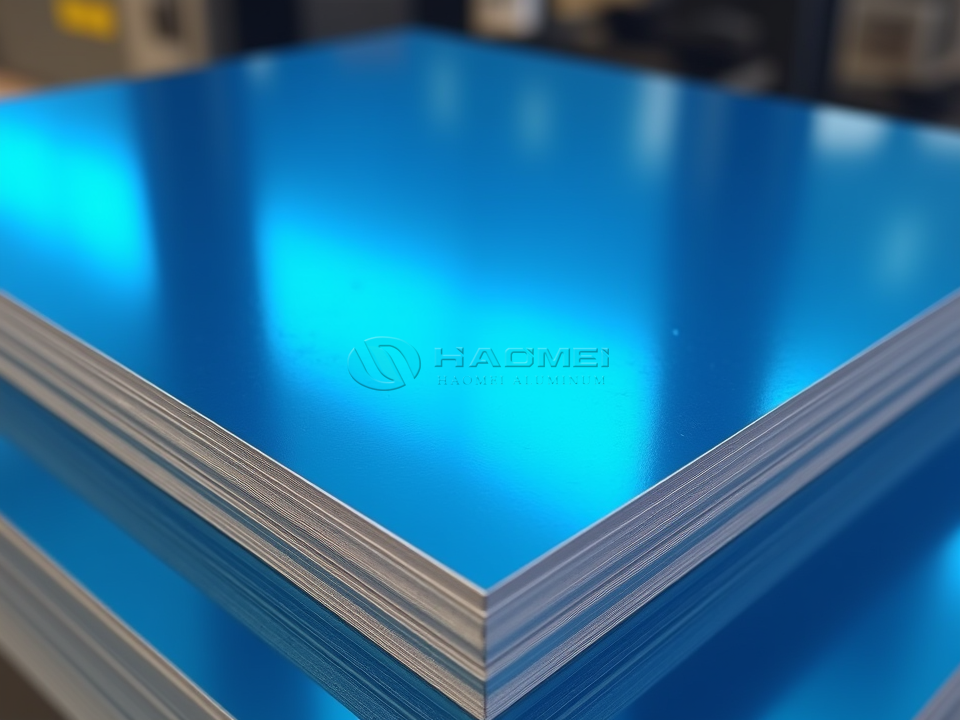
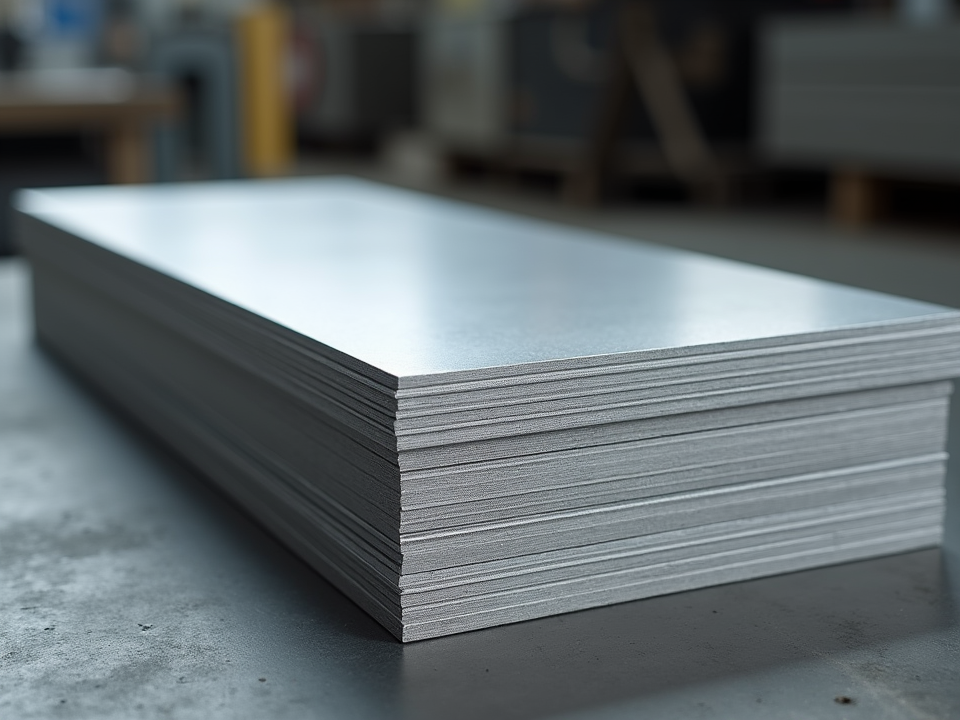
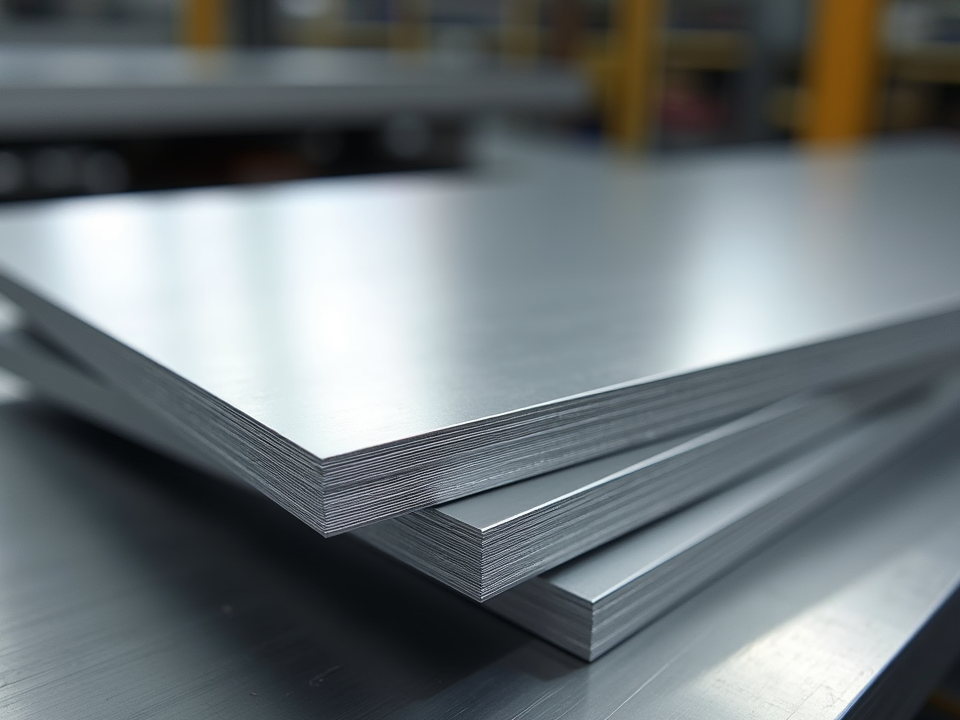
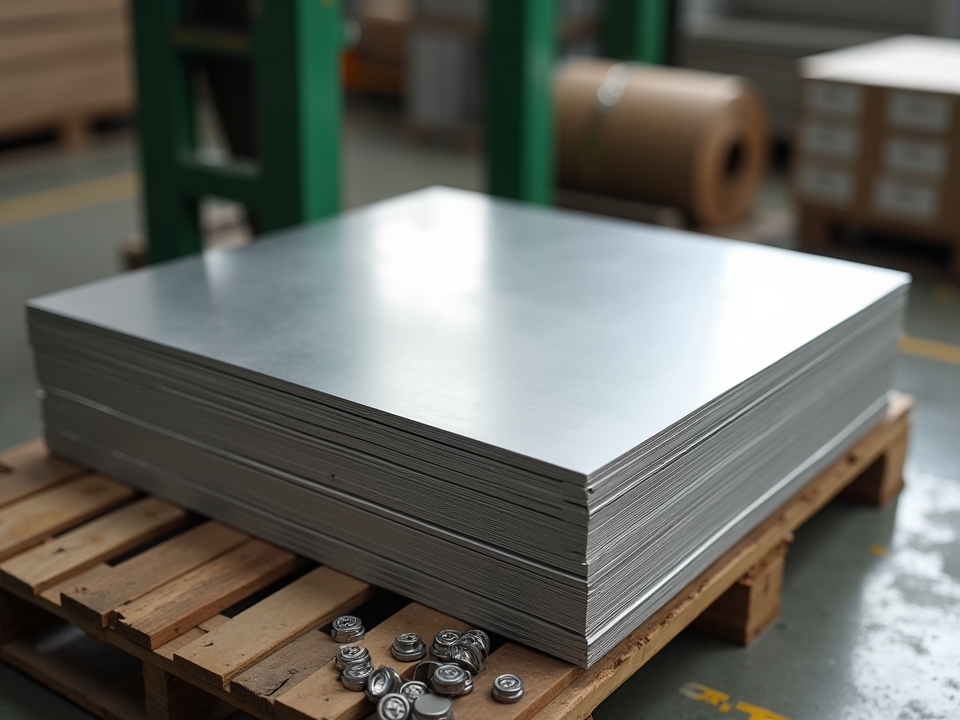
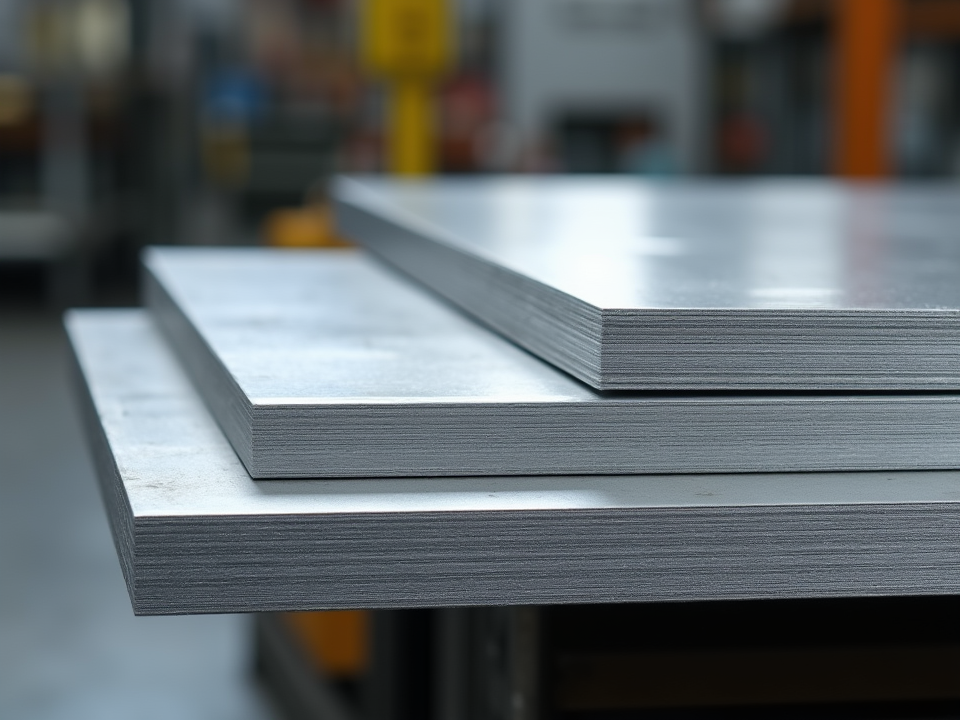
0.30mm CTP Aluminum Plate Factory
A 0.30mm CTP aluminum plate may look like a simple, thin sheet, yet it carries a demanding job. It must travel through imaging, developing or on-press processing, mounting, dampening, ink transfer, and thousands of press impressions without creating unstable print results. For buyers, the plate is often judged by its final appearance. For a 0.30mm CTP aluminum plate factory, however, the real work starts much earlier, at the moment the aluminum coil enters production.
The most practical way to assess a plate factory is not to ask only about plate type or price. It is to look at how the factory protects consistency from coil to carton. A plate that performs reliably at a customer's press is the result of controlled material selection, surface treatment, coating discipline, careful slitting, inspection, and moisture-resistant packaging.
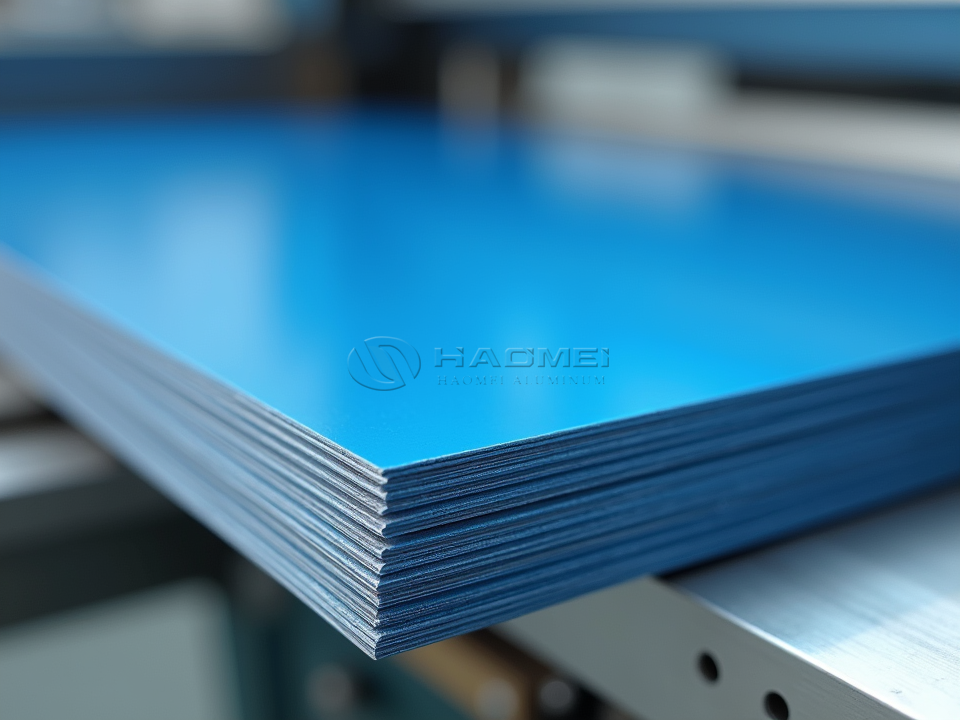
Why 0.30mm Thickness Is a Serious Production Standard
The 0.30mm thickness is widely used for commercial sheet-fed offset printing. It offers more rigidity than thinner gauges while remaining suitable for standard plate cylinders and automated plate handling systems. This balance matters in print shops producing catalogs, packaging inserts, books, promotional materials, and medium-to-long production runs.
A plate at this thickness must not merely meet a nominal measurement. Thickness variation across the width and along the coil can affect plate mounting, register stability, bending behavior, and contact with the plate cylinder. Even a small deviation may become visible when a press is running at speed or when tight color registration is required.
At Haomei Aluminum CO., LTD., Inc., thickness control is treated as a functional printing requirement rather than a line on a specification sheet. Reliable measurement equipment checks the aluminum substrate before coating, while in-process inspection helps prevent off-tolerance material from moving into later stages. This approach reduces the risk of mixing inconsistent sheets into one shipment.
The Aluminum Base Determines More Than Strength
A CTP plate coating receives much attention, but the aluminum base is the platform that supports every later process. The factory begins with aluminum coil selected for suitable mechanical properties, surface uniformity, and cleanliness. A stable base supports smooth electrochemical graining and anodizing, which create the microstructure needed for water retention in non-image areas.
The grained surface must be even. If the surface profile changes noticeably from one area to another, the plate may show differences in water balance, ink acceptance, or image reproduction. In real press conditions, these differences can lead to scumming, weak highlights, excessive fountain solution demand, or longer startup adjustments.
Anodizing adds another layer of protection. The anodic oxide layer improves corrosion resistance and helps form a dependable interface for the light-sensitive coating. It also contributes to plate durability during handling and printing. A factory with stable chemical control monitors bath conditions, conductivity, temperature, and treatment time because these factors influence the final surface behavior.
Coating Is Where Plate Chemistry Meets Print Reality
After aluminum treatment, the plate receives a photosensitive coating designed for its imaging technology. Thermal, violet, UV, processless, and low-chemistry products have different coating requirements. The correct choice depends on the customer's CTP device, processor condition, press type, ink system, target run length, and environmental preferences.
For example, a Thermal CTP Plate is often chosen for its imaging stability and broad suitability in commercial offset operations. Thermal technology can support sharp dot reproduction and dependable plate making when exposure settings and processing conditions are properly managed.
Coating uniformity is especially important on 0.30mm plates because customers expect predictable behavior from sheet to sheet. The coating must be applied evenly, dried under controlled conditions, and protected from dust or handling marks. An uneven coating can affect sensitivity, development latitude, image contrast, and run consistency.
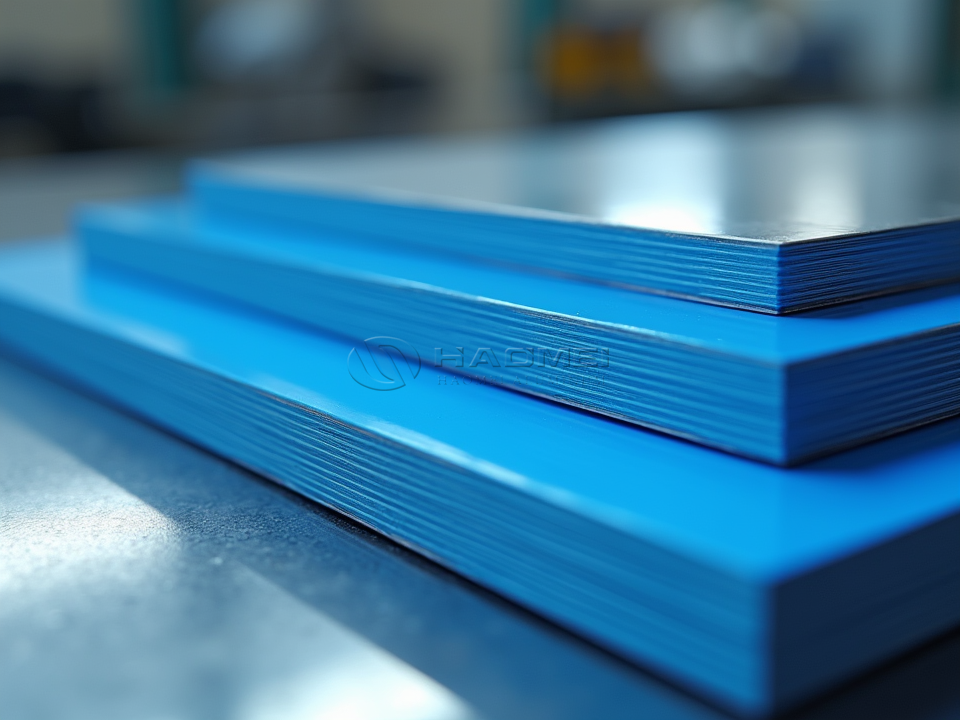
A capable factory does not rely on visual appearance alone. It uses test exposure, development checks, coating-weight monitoring, and image evaluation to confirm that the finished plate works as intended. These checks are valuable because a plate can look clean in a warehouse but still behave poorly during production if imaging response is unstable.
Flatness Is the Quiet Factor Behind Fast Make-Ready
Customers usually notice flatness only when it is missing. A plate that curves, waves, or retains stress can complicate automatic loading and plate mounting. It may cause mounting delays, poor tension, edge damage, or an unnecessary press stop.
Flatness is influenced by substrate quality, chemical treatment, drying conditions, cutting accuracy, storage, and packing pressure. In a disciplined 0.30mm CTP aluminum plate factory, these stages are connected rather than treated as separate departments. A slight process imbalance early in production may become a visible plate-shape problem after cutting.
This is why buyers should discuss the intended plate size, press model, and loading method with the factory. Large-format plates, repeated bending, and automatic loading systems can require more careful control of sheet flatness and edge condition. A suitable plate is not simply one that fits the stated dimensions. It is one that moves smoothly through the customer's actual workflow.
Edges, Cutting, and Packaging Protect the Investment
A finished CTP plate can lose value in the final meters of production if cutting and packaging are overlooked. Burrs, rough edges, diagonal errors, and scratches may interrupt plate loading or create handling risks. Clean cutting is particularly important for customers using automatic plate changers, where repeatable dimensions help maintain efficient operation.
Packaging is equally practical. CTP plates are sensitive to moisture, heat, pressure, contamination, and light exposure depending on the product type. Protective interleaving, sealed wrapping, rigid cartons, corner protection, and pallet stability all help ensure that plates arrive in usable condition.
Haomei Aluminum CO., LTD., Inc. can tailor packing details around sheet size, destination climate, shipment method, and customer storage conditions. For export cargo, strong packaging is not a cosmetic extra. It is part of preserving plate performance from the factory floor to the pressroom.
Selecting the Right Plate for the Printing Job
Thickness alone does not determine plate suitability. A 0.30mm plate should be matched with the right imaging and press demand. Customers producing long-run commercial work may benefit from a Long Run Thermal CTP Plate designed for greater durability and stable output through extended printing cycles. Operations focused on lower processing chemistry may instead consider processless or low-chemistry options where compatible equipment is available.
Before placing an order, it is useful to confirm plate dimensions, grain direction, positive or negative working type, laser wavelength, required run length, processing method, and packaging quantity. Providing these details allows the factory to recommend a plate construction that fits the production environment instead of offering a generic sheet.
A Factory Relationship Built Around Repeatability
The strongest value of a 0.30mm CTP aluminum plate factory is repeatability. Printers need the next carton to behave like the previous carton. They need predictable imaging, clean non-image areas, stable dot reproduction, easy mounting, and dependable storage life.
That consistency comes from disciplined manufacturing rather than a single inspection point. From aluminum coil selection to coating, trimming, testing, packing, and shipment, every stage leaves a trace on press performance. When customers evaluate Haomei Aluminum CO., LTD., Inc., they are not simply buying aluminum plates. They are choosing a controlled production process designed to make plate making smoother and printing more reliable.