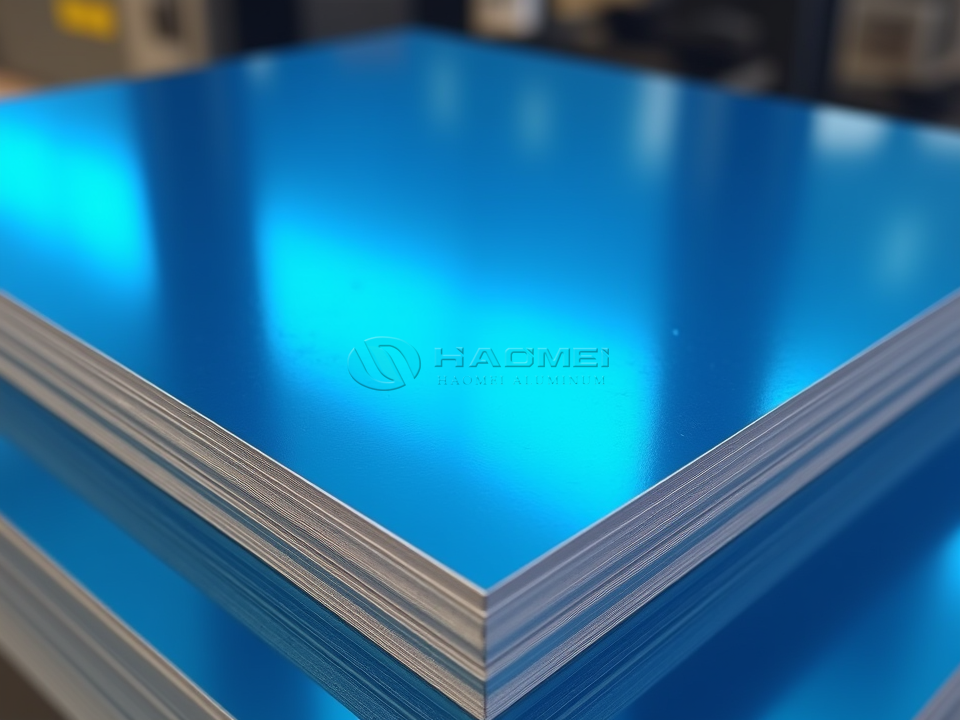
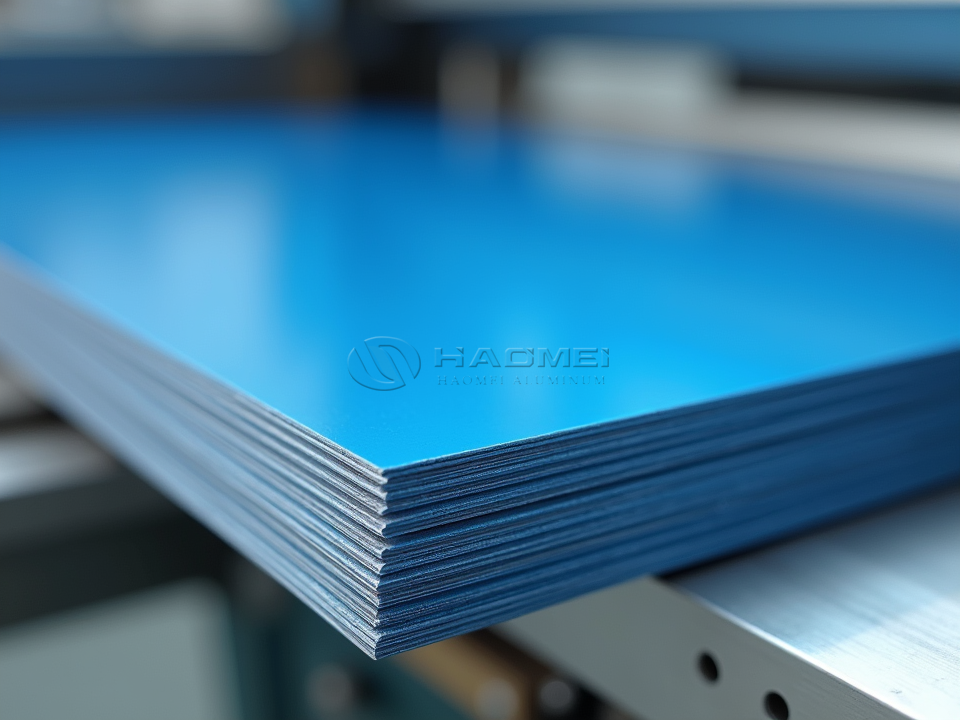
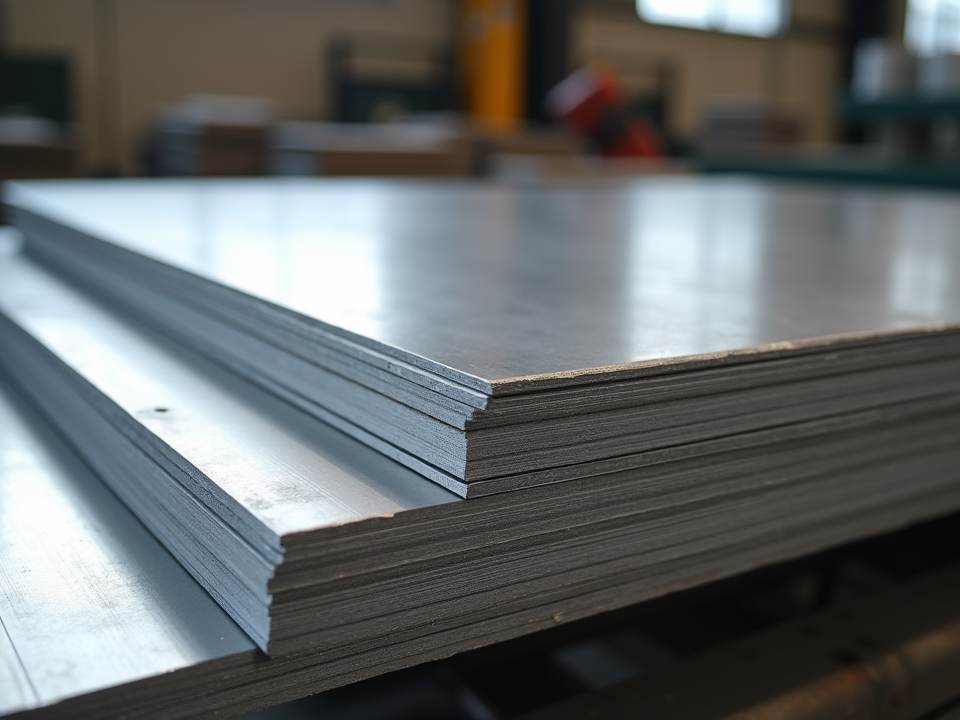
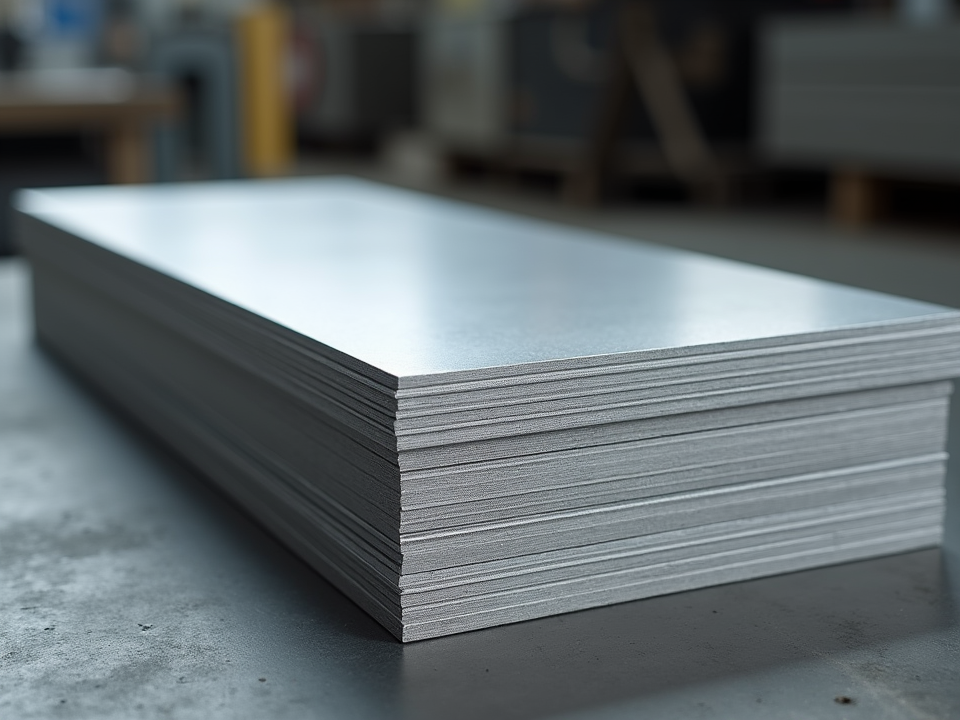
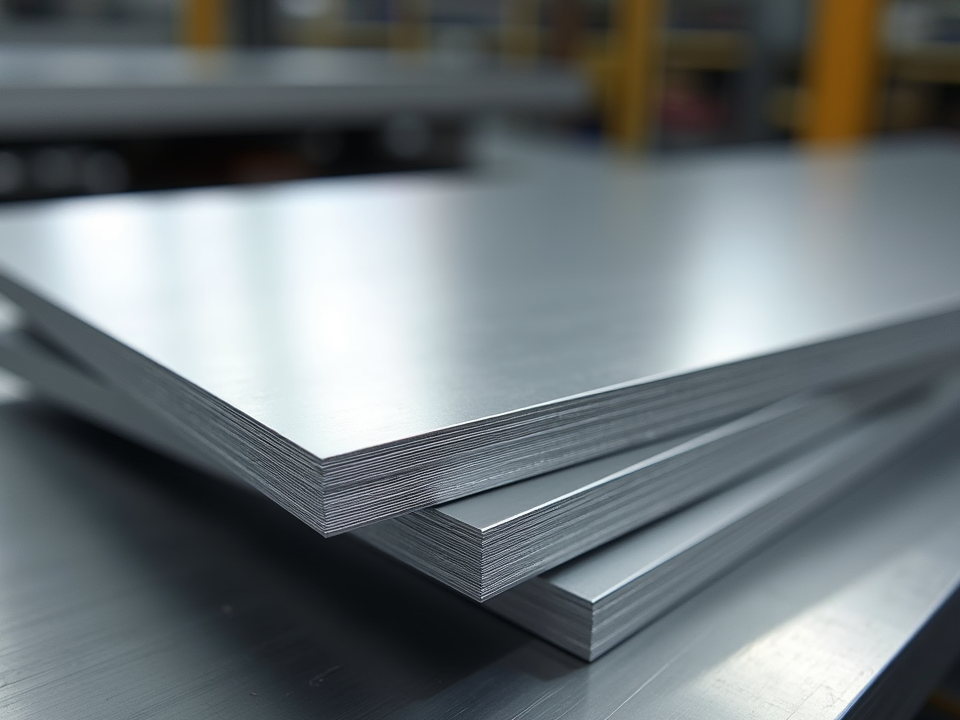
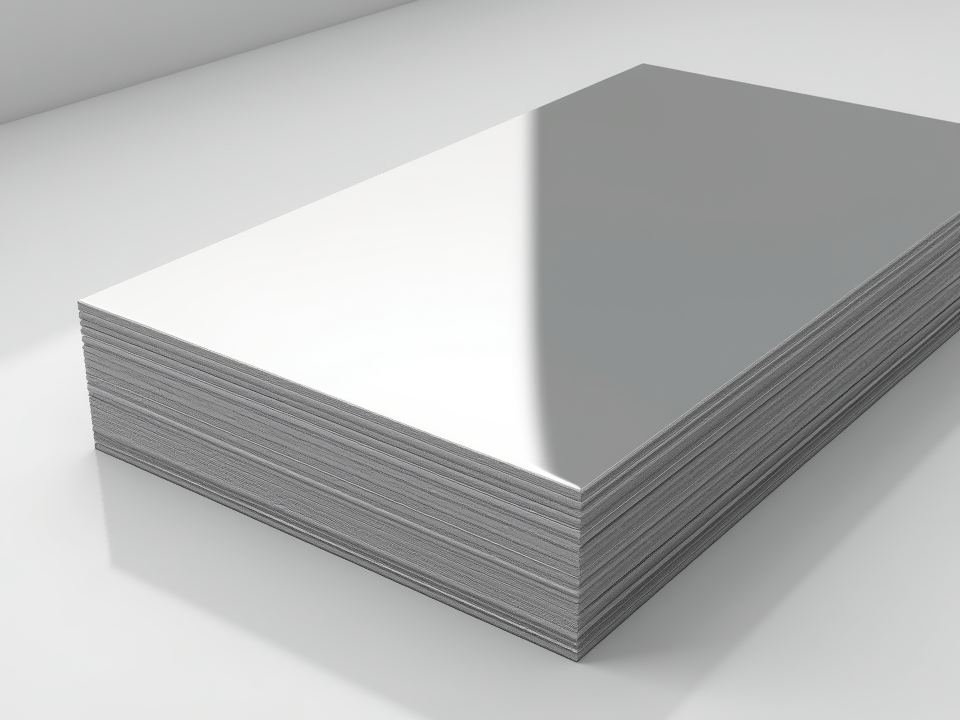
0.15mm Thermal CTP Offset Plate
The 0.15mm thermal CTP offset plate is a high-precision aluminum printing plate designed for computer-to-plate workflows in commercial offset printing. Its thin, stable aluminum substrate supports accurate imaging, fast mounting, clean ink-water balance, and dependable press performance. It is particularly suitable for short- to medium-run printed materials where detail reproduction, production efficiency, and plate consistency matter.
Thermal CTP technology uses an infrared laser, commonly operating at 830 nm, to create image areas on a specially coated and anodized aluminum surface. After imaging and processing, the plate develops durable oleophilic image regions that accept ink, while the hydrophilic non-image areas retain fountain solution and resist ink contamination.
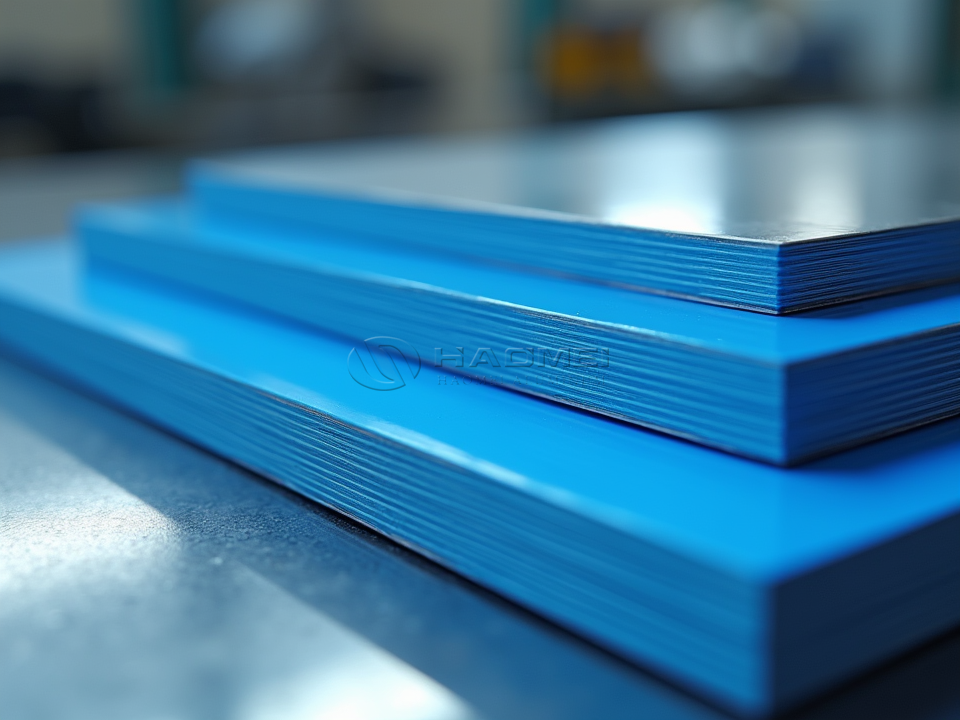
Product Characteristics
A 0.15mm plate offers a lightweight alternative to thicker offset plates while maintaining the dimensional stability required for accurate registration. The aluminum base is generally produced from high-purity 1xxx-series aluminum alloy, then treated through electrochemical graining and anodizing. This surface structure improves water retention, coating anchorage, chemical resistance, and printing latitude.
| Feature | Customer Benefit |
|---|---|
| 0.15mm aluminum gauge | Light plate weight, efficient handling, and reduced material consumption |
| Thermal-sensitive coating | Compatible with standard thermal CTP imaging systems |
| Electrochemically grained surface | Supports stable fountain solution control and uniform coating adhesion |
| Anodized aluminum layer | Improves corrosion resistance and strengthens the printing surface |
| High-resolution imaging | Reproduces fine text, line work, halftones, and detailed graphics |
| Good dimensional stability | Helps maintain register during plate mounting and printing |
| Consistent coating response | Supports predictable exposure, development, and press startup |
| Clean non-image areas | Reduces scumming risk when process parameters are properly controlled |
For printers requiring greater impression resistance, a Long Run Thermal CTP Plate may be selected for more demanding production conditions. The 0.15mm version remains a practical choice where fast turnaround, lighter gauge, and controlled print volumes are the priority.
Aluminum Substrate and Surface Construction
The performance of a thermal CTP plate begins with the aluminum sheet. A tightly controlled substrate thickness, flatness, surface cleanliness, and metallurgical structure are necessary to achieve even graining and anodizing. The plate base is normally supplied in a hard temper suitable for plate processing and press mounting.
| Layer or Element | Function in the Plate Structure |
|---|---|
| Aluminum substrate | Provides mechanical strength, flatness, and dimensional stability |
| Electrochemical grain | Creates microscopic texture for water retention and coating bonding |
| Anodic oxide layer | Enhances hydrophilicity and protects the aluminum base |
| Hydrophilic sealing treatment | Helps preserve clean non-image behavior during printing |
| Thermal imaging coating | Forms ink-receptive image areas after laser exposure and processing |
| Protective interleaf or packaging | Prevents scratches, pressure marks, and surface contamination during transport |
Chemical Composition of Aluminum Base
The plate substrate is commonly made from aluminum alloy grades comparable to AA 1050A or AA 1060. Exact chemistry can be adjusted according to mill standards, local regulations, and plate manufacturing requirements.
| Element | Typical Content, % by Weight | Contribution |
|---|---|---|
| Aluminum, Al | Balance, typically ≥ 99.50 | Provides corrosion resistance, formability, and low weight |
| Silicon, Si | ≤ 0.25 | Controlled to support surface-treatment consistency |
| Iron, Fe | ≤ 0.40 | Maintained at low levels for stable rolling and finishing |
| Copper, Cu | ≤ 0.05 | Restricted to protect corrosion resistance |
| Manganese, Mn | ≤ 0.05 | Kept low for substrate uniformity |
| Magnesium, Mg | ≤ 0.05 | Controlled for predictable mechanical response |
| Zinc, Zn | ≤ 0.05 | Limited to avoid adverse surface-treatment effects |
| Titanium, Ti | ≤ 0.03 | May be present in trace quantities |
| Other elements | ≤ 0.03 each | Strictly controlled impurity level |
Technical Specifications
| Parameter | Standard Specification | Notes |
|---|---|---|
| Product type | Positive-working thermal CTP offset plate | Processed after imaging |
| Nominal thickness | 0.15 mm | Thickness tolerance subject to agreed supply standard |
| Aluminum alloy | AA 1050A / AA 1060 equivalent | High-purity aluminum plate base |
| Temper | H18 or equivalent hard temper | Supports stable handling and press mounting |
| Imaging wavelength | 800-850 nm | Commonly used with 830 nm thermal CTP systems |
| Spectral sensitivity | Thermal infrared | Designed for thermal laser imaging |
| Resolution capability | Up to 1-99% at 200 lpi, process dependent | Influenced by RIP, screening, exposure, and development |
| Minimum FM dot | Typically 20 µm or finer, system dependent | Requires calibrated CTP and processing conditions |
| Plate width | Customized | Slit or sheeted to press and CTP requirements |
| Plate length | Customized | Tailored to cylinder circumference and clamp format |
| Surface finish | Electrochemically grained and anodized | Optimized for coating adhesion and water balance |
| Coating color | Usually green, blue, or violet-green | May vary by coating formulation |
| Processing | Compatible with thermal plate developer | Chemistry and temperature should follow plate guidance |
| Storage condition | Cool, dry, protected from direct light | Maintain sealed packaging before use |
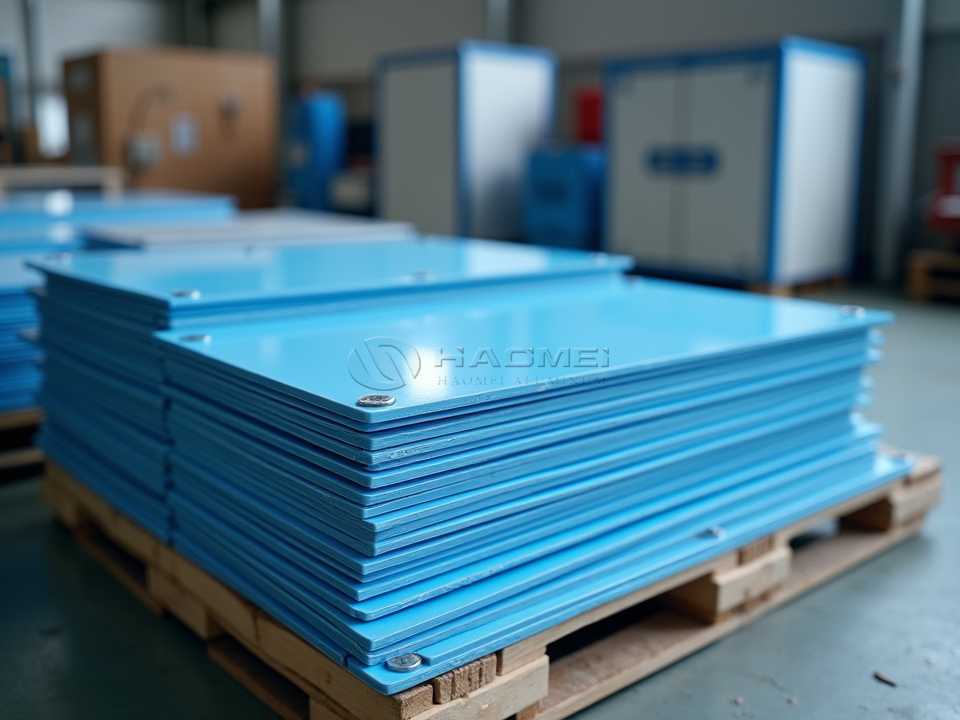
Printing Performance
A well-processed 0.15mm thermal CTP offset plate can deliver sharp edge definition, solid ink density, stable dots, and clean background performance. The grained anodized surface assists fountain solution distribution, while the thermal coating enables precise laser-generated image formation. These factors work together to reduce make-ready variability and support consistent results across repeated jobs.
| Performance Area | Expected Result |
|---|---|
| Fine text reproduction | Crisp small characters and positive or reverse text |
| Halftone stability | Controlled dot transfer with suitable exposure and press settings |
| Solid area printing | Uniform ink acceptance and good density potential |
| Register behavior | Reliable plate positioning when punched and mounted correctly |
| Startup efficiency | Fast transition to clean printing after normal press adjustment |
| Water balance | Stable non-image wetting when fountain solution is correctly maintained |
| Plate handling | Easier manual loading due to lower material weight |
Run length depends on press conditions, ink type, blanket condition, fountain chemistry, wash frequency, paper abrasiveness, and whether the plate is baked. For conventional sheetfed applications, the plate is commonly used for short to medium production runs. UV inks, abrasive stocks, aggressive washes, and extended continuous operation can reduce usable press life unless a plate formulation intended for those conditions is selected.
Typical Applications
| Printing Segment | Suitable Printed Products |
|---|---|
| Commercial printing | Brochures, catalogs, leaflets, posters, folders, and inserts |
| Publishing | Books, manuals, educational materials, and journal pages |
| Packaging support printing | Cartons, labels, sleeves, and promotional packaging components |
| Quick-turn print shops | Short-run marketing materials and variable job schedules |
| Corporate communications | Annual reports, forms, stationery, and presentation documents |
| General offset production | Text-and-image work requiring dependable detail and color consistency |
Processing and Pressroom Guidance
Plate quality is closely connected to disciplined workflow control. The thermal CTP device should be calibrated for laser energy, focus, drum cleanliness, and imaging speed. Processor developer concentration, temperature, replenishment rate, and gum finishing conditions should remain within the approved operating window. Insufficient exposure may weaken image areas, while excessive exposure can affect dot shape and processing latitude.
During press setup, use clean fountain solution, compatible inks, properly conditioned blankets, and balanced roller settings. Avoid touching the coated face with bare hands, as fingerprints can interfere with wetting behavior. Plates should be carried by the edges, stored flat in their original packaging, and protected from heat, high humidity, direct sunlight, dust, and chemical vapors.
| Handling Item | Recommended Practice |
|---|---|
| Storage temperature | Maintain a cool, stable warehouse environment |
| Humidity | Keep packaging dry and away from condensation risk |
| Light exposure | Store unopened plates away from direct sunlight and intense UV sources |
| Plate surface contact | Handle by edges and wear clean gloves when practical |
| Cutting and punching | Use clean, burr-free equipment to protect registration accuracy |
| Processor maintenance | Monitor developer activity, filters, rollers, and replenishment regularly |
| Press cleaning | Use plate-compatible wash products and avoid unnecessary abrasion |
Why Choose 0.15mm Thermal CTP Offset Plate
The 0.15mm thermal CTP offset plate combines a lightweight aluminum base with accurate thermal imaging capability for efficient offset print production. Its controlled alloy chemistry, hard temper, grained anodized surface, and responsive coating help printers obtain dependable image quality without unnecessary plate weight. With correct imaging, processing, storage, and pressroom care, it provides a practical solution for commercial jobs that demand clear graphics, stable color reproduction, and efficient production flow.