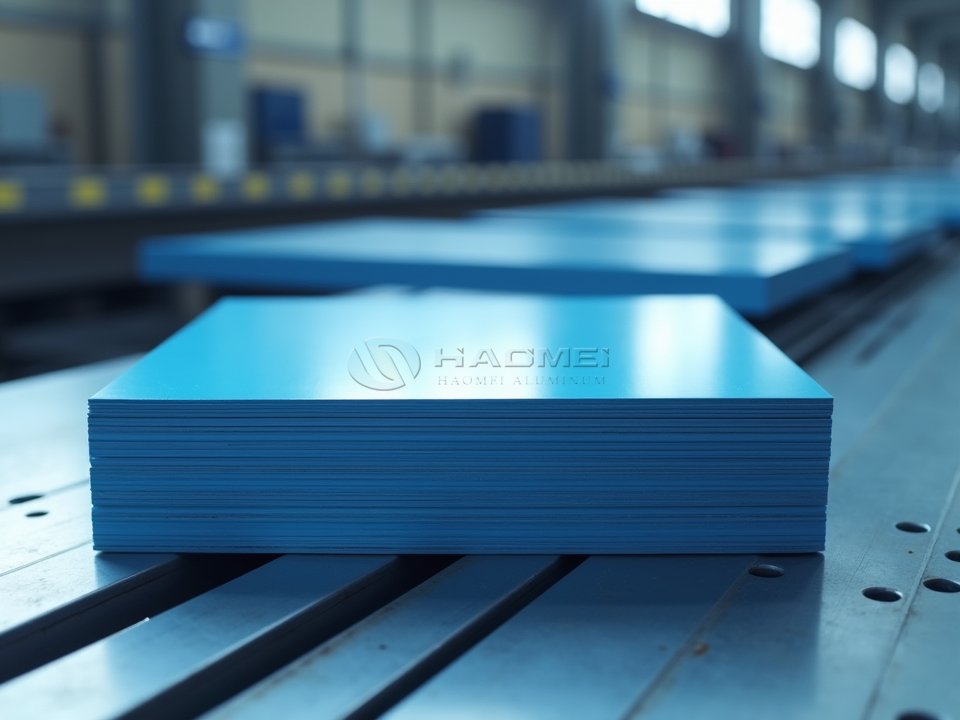
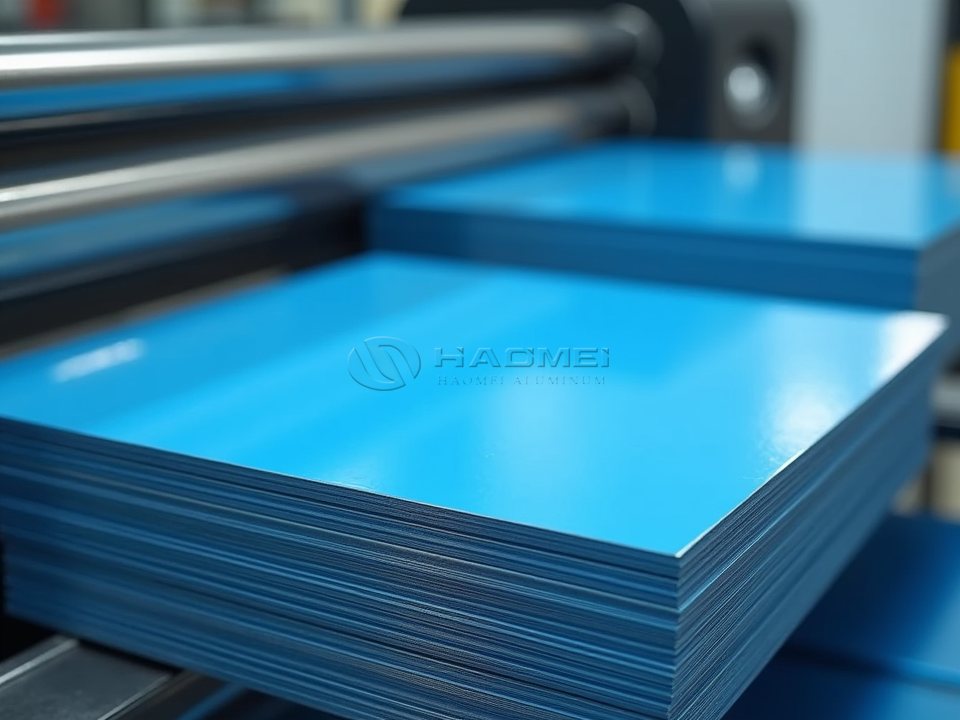
Photopolymer CTP Aluminum Plate
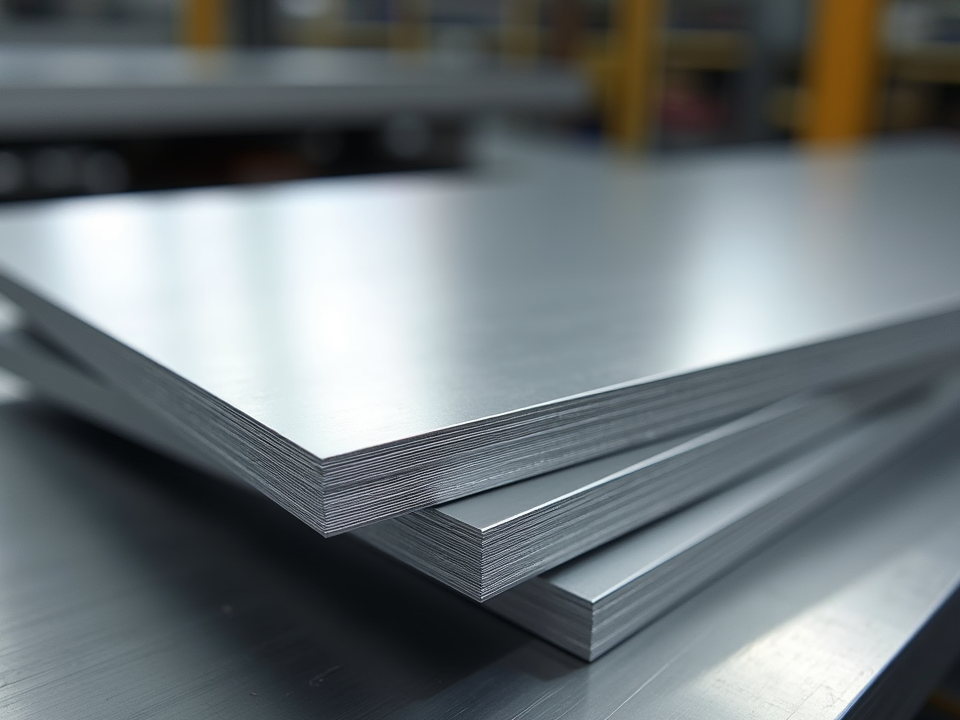
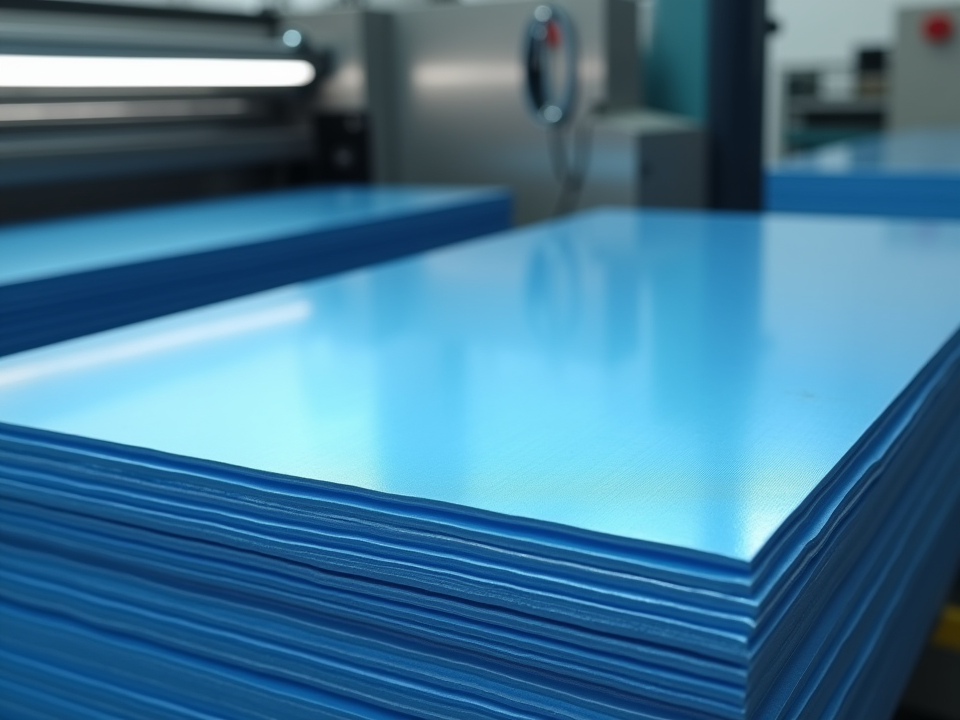
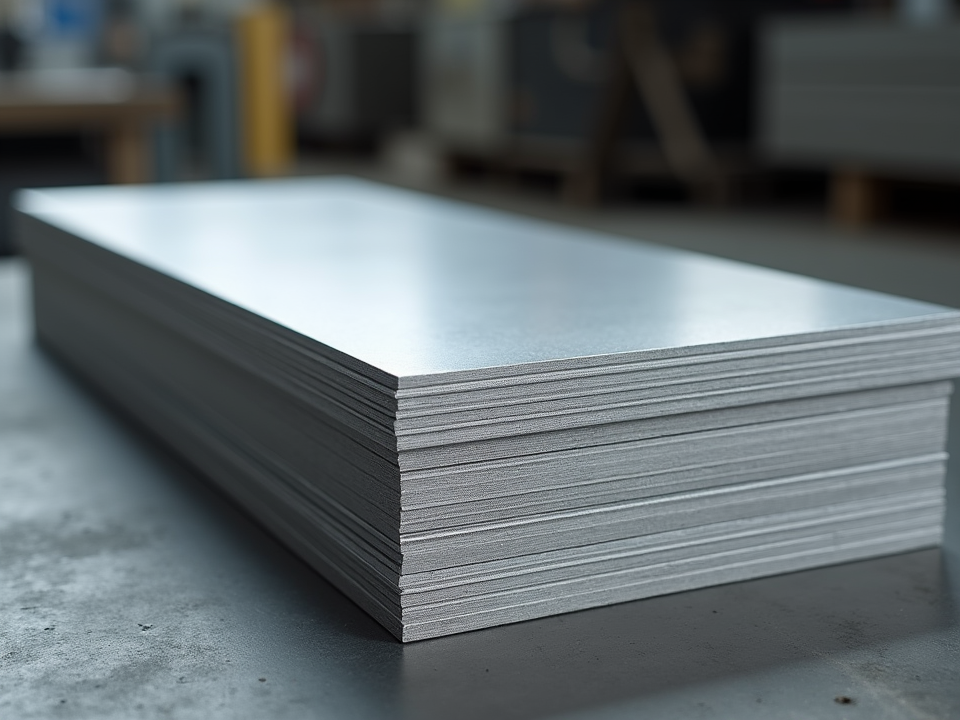
A photopolymer CTP aluminum plate is a precision-made printing plate designed for computer-to-plate imaging and sheetfed or web offset presses. It combines an electrochemically grained aluminum substrate with a light-sensitive photopolymer coating, creating a stable printing surface with fine dot reproduction, clean non-image areas, and dependable run length.
The plate transfers digital page data directly from a CTP imagesetter to the press plate, reducing film handling, registration variation, and prepress preparation time. It is suited to commercial print shops, packaging converters, publication printers, and newspaper operations that require consistent quality from job to job.
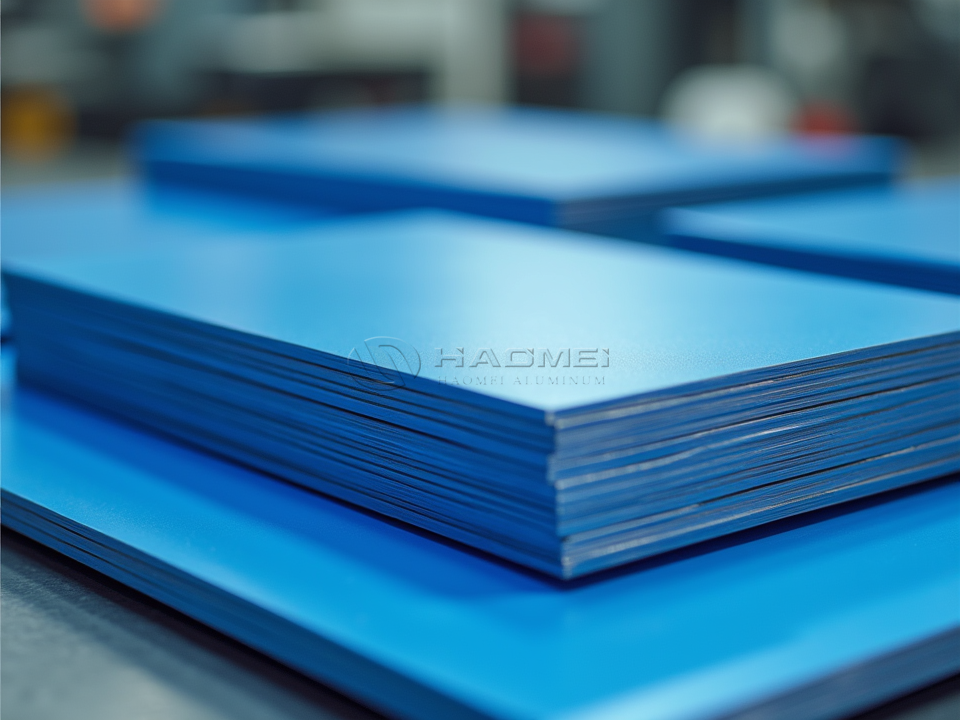
Product Construction and Working Principle
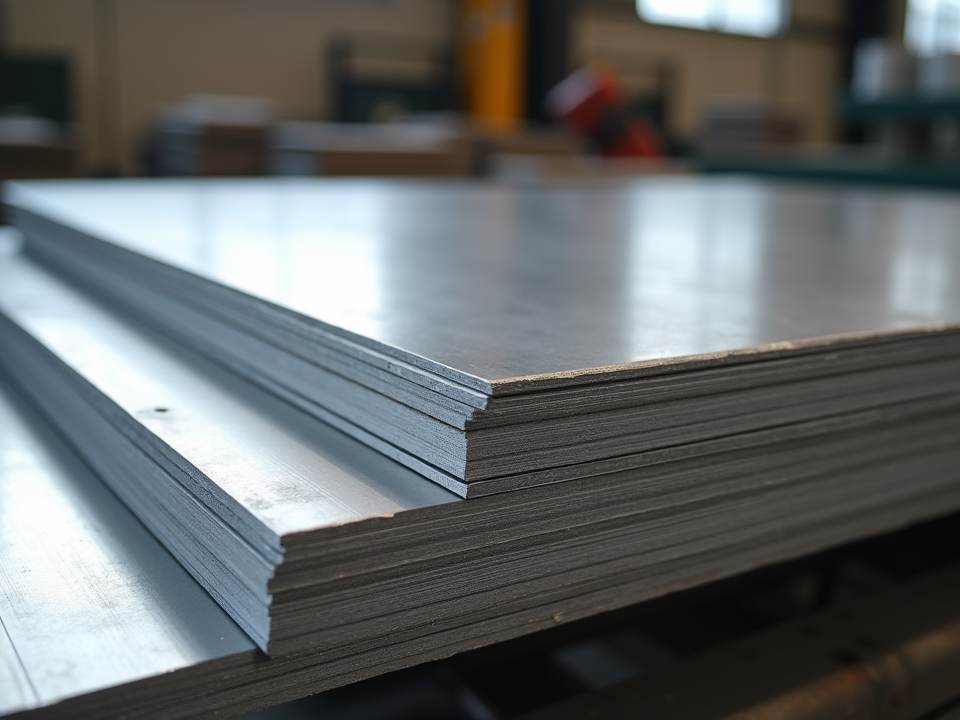
The aluminum base is normally made from high-purity aluminum alloy sheet. Its surface is mechanically or electrochemically grained, anodized, and sealed to build a hydrophilic foundation. This treatment improves water retention in non-image areas while supporting strong coating adhesion.
The photopolymer layer changes after laser exposure. Depending on the plate chemistry, exposed or unexposed coating areas are removed during development. The remaining image area becomes ink-receptive, while the treated aluminum background accepts fountain solution and resists ink contamination.
| Layer | Main Function | Contribution to Printing Quality |
|---|---|---|
| Protective layer | Protects the sensitive coating during storage and handling | Reduces scratches and contamination risk |
| Photopolymer imaging layer | Responds to UV or violet laser energy | Forms precise printable image areas |
| Anodized aluminum layer | Provides corrosion resistance and coating anchorage | Supports stable run length and clean development |
| Grained aluminum substrate | Retains fountain solution in non-image zones | Improves ink-water balance and reduces scumming |
| Aluminum base | Provides dimensional stability and press strength | Supports accurate mounting and registration |
Principal Performance Advantages
Photopolymer CTP aluminum plate technology is valued for its balance of imaging sensitivity, durability, and press latitude. The grained-and-anodized substrate contributes to rapid water acceptance, while the cured imaging layer provides resistance to ink, fountain solution, and normal mechanical wear.
| Performance Area | Typical Benefit | Production Value |
|---|---|---|
| Image resolution | Fine screen dots and sharp line detail | Clear text, smooth gradients, and high-definition graphics |
| Ink-water balance | Hydrophilic non-image surface | Faster press start-up and cleaner backgrounds |
| Dot stability | Reliable highlight and shadow reproduction | More accurate tonal control on demanding designs |
| Coating adhesion | Strong bond to anodized aluminum | Lower risk of image wear or premature plate failure |
| Dimensional stability | Flat aluminum construction | Better registration in multicolor printing |
| Chemical resistance | Tolerance to normal press chemicals | Stable performance during long production cycles |
| Storage handling | Protective surface options available | Reduced plate damage before imaging |
For operations comparing plate technologies, an Aluminium CTP Plate provides the engineered substrate platform needed for stable imaging, accurate register, and dependable press behavior.
Technical Specifications
Actual specifications can be adjusted according to press format, laser type, coating design, and order volume. The figures in this table represent commonly supplied ranges for photopolymer CTP aluminum plate products.
| Parameter | Typical Range or Value | Notes |
|---|---|---|
| Plate thickness | 0.15-0.40 mm | Common options include 0.15 mm, 0.20 mm, 0.30 mm, and 0.40 mm |
| Width | 300-1,650 mm | Cut-to-size formats available |
| Length | 400-1,200 mm | Supplied according to press requirements |
| Aluminum substrate alloy | 1050, 1060, or equivalent | High-purity aluminum supports uniform graining |
| Temper | H18 or customer-specified | Supports stiffness and plate handling |
| Surface treatment | Electrochemical graining and anodizing | Promotes hydrophilicity and coating adhesion |
| Spectral sensitivity | Approximately 300-420 nm | Depends on positive, negative, UV, or violet chemistry |
| Resolution | Up to 2-20 μm features, system dependent | Influenced by CTP device, RIP, screening, and processing |
| Recommended screen ruling | Up to 200 lpi or higher | Actual result depends on press conditions and workflow |
| Run length | Approximately 50,000-200,000 impressions | Varies with coating, ink, paper, fountain solution, and press maintenance |
| Shelf life | Typically 12-24 months | Store sealed in a cool, dry, light-protected environment |
Typical Chemical Composition of Aluminum Substrate
The substrate composition is controlled to achieve uniform electrochemical graining, consistent anodizing response, good flatness, and adequate strength. Chemical composition varies with the selected alloy grade and applicable specification.
| Element | 1050 Aluminum, Typical wt.% | 1060 Aluminum, Typical wt.% | Role in Plate Substrate |
|---|---|---|---|
| Aluminum, Al | 99.50 min | 99.60 min | Provides corrosion resistance and formability |
| Silicon, Si | 0.25 max | 0.25 max | Controlled to maintain surface uniformity |
| Iron, Fe | 0.40 max | 0.35 max | Influences grain structure and processing response |
| Copper, Cu | 0.05 max | 0.05 max | Kept low for corrosion resistance |
| Manganese, Mn | 0.05 max | 0.03 max | Controlled for consistent material properties |
| Magnesium, Mg | 0.05 max | 0.03 max | Maintained at low levels in high-purity grades |
| Zinc, Zn | 0.07 max | 0.05 max | Limited to preserve substrate stability |
| Titanium, Ti | 0.05 max | 0.03 max | May assist grain refinement at controlled levels |
The photopolymer coating contains proprietary resins, sensitizers, pigments, and functional additives. Its exact formulation is selected to match exposure wavelength, processing chemistry, desired run length, and press environment.
Mechanical and Surface Properties
| Property | Typical Value | Importance in Use |
|---|---|---|
| Tensile strength | 130-180 MPa | Helps resist damage during mounting and printing |
| Elongation | 1.5-5.0% | Balances stiffness with handling tolerance |
| Surface roughness, Ra | Approximately 0.30-0.70 μm | Supports water retention and image consistency |
| Oxide layer mass | Approximately 2.0-4.0 g/m² | Improves corrosion resistance and coating anchorage |
| Plate flatness | Controlled to press-format requirements | Promotes smooth mounting and reliable registration |
| Coating weight | Approximately 1.0-3.0 g/m² | Selected for sensitivity, development, and durability |
Printing Applications
Photopolymer CTP aluminum plate is adaptable to many offset printing environments. Its stable surface and strong image layer make it particularly effective when print buyers demand clean solids, readable microtext, consistent branding colors, or repeatable halftone detail.
| Application | Plate Requirement | Customer Benefit |
|---|---|---|
| Commercial brochures | Fine image detail and fast plate preparation | Crisp photographs and efficient turnaround |
| Books and manuals | Reliable long-run performance | Consistent text density across extended production |
| Folding cartons | Accurate color and solid ink coverage | Strong shelf presentation and brand consistency |
| Labels | Fine type, barcodes, and repeat accuracy | Improved readability and scan reliability |
| Newspapers | Fast imaging and economical production | Dependable output for frequent editions |
| Magazines and catalogs | Smooth tonal range and sharp images | Premium reproduction of graphics and photography |
| Security or specialty forms | Controlled line detail and registration | Better precision for complex printed layouts |
For workflows using violet-sensitive imaging equipment, a Violet CTP Plate may be selected when fast exposure response and compatible violet laser systems are required.
Handling, Storage, and Press Preparation
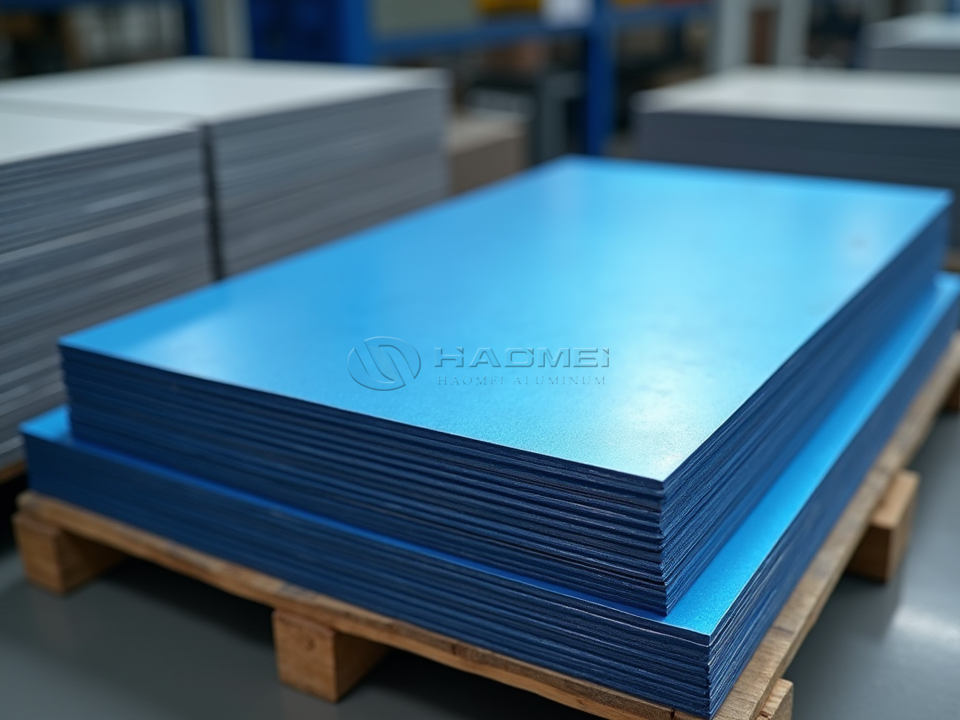
Plate performance begins before imaging. Keep unopened plates in their original packaging, away from direct sunlight, high humidity, excessive heat, and reactive chemicals. Recommended storage conditions are commonly around 15-25°C with relative humidity near 40-60%, subject to the coating supplier's requirements.
Handle sheets with clean gloves to avoid fingerprints, coating abrasion, and edge damage. During imaging, use the laser energy, focus setting, and processing conditions specified for the plate type. After development, inspect the plate for complete coating removal in non-image areas, solid image formation, and clean background hydrophilicity.
On press, balanced fountain solution, suitable ink selection, clean rollers, and correct blanket pressure help obtain the full value of the plate. Proper process control can extend usable run length, reduce waste sheets, and maintain stable color throughout the production run.
Value for Print Operations
Photopolymer CTP aluminum plate turns a precisely prepared aluminum sheet into a dependable imaging tool for modern offset production. Its durable substrate, controlled surface treatment, responsive coating, and broad format availability help printers reduce prepress variability while producing detailed, repeatable printed work. For facilities seeking stable plate chemistry, efficient workflow integration, and professional press results, it remains a practical material choice across commercial, publication, packaging, and high-volume print applications.