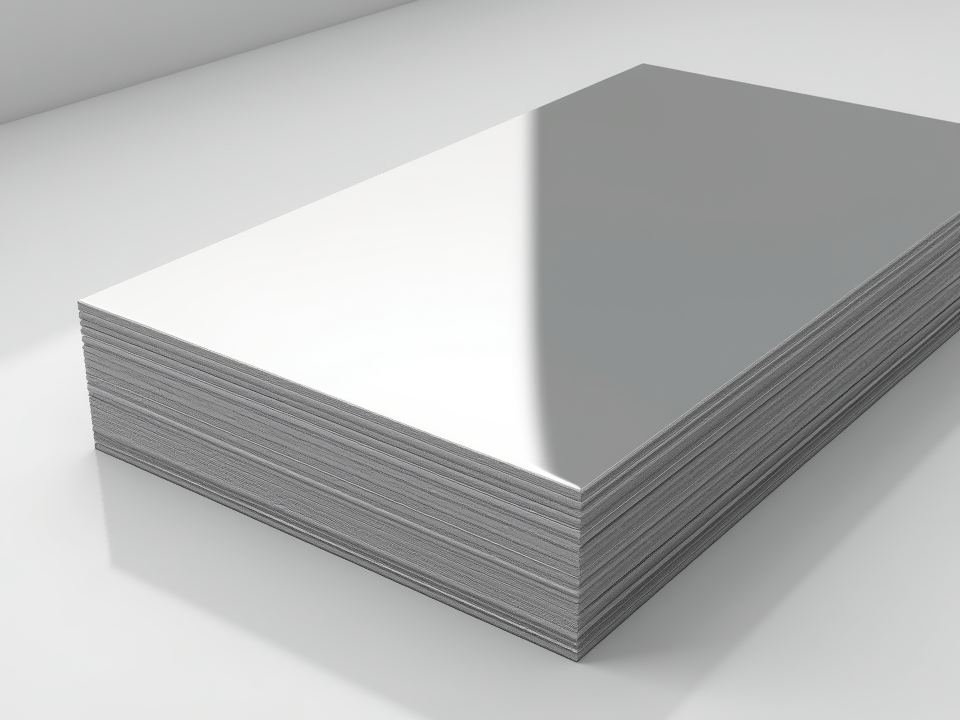
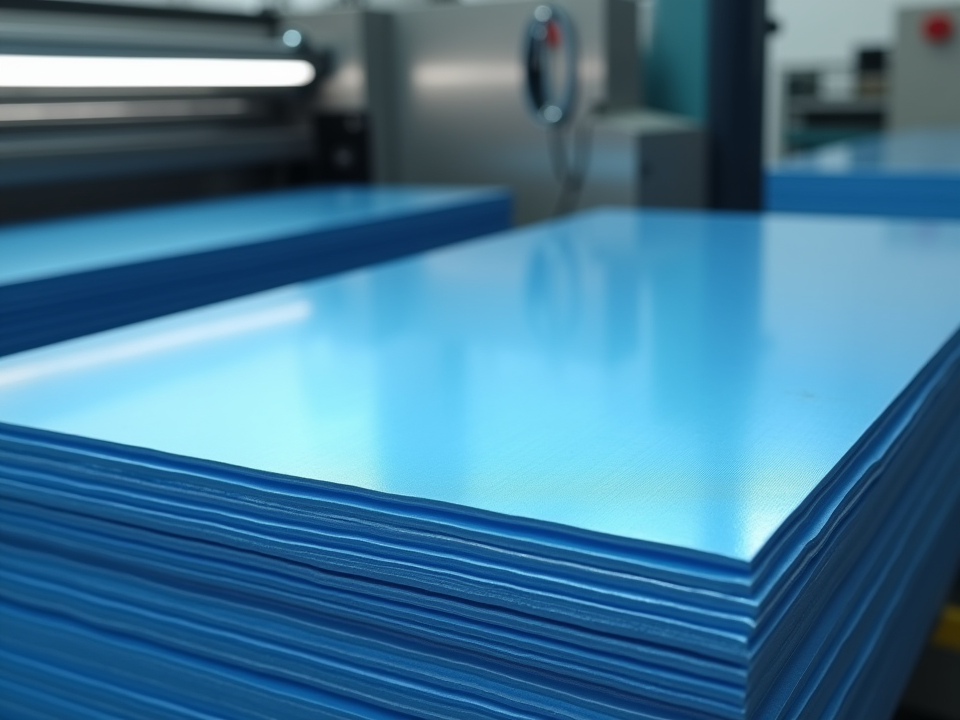
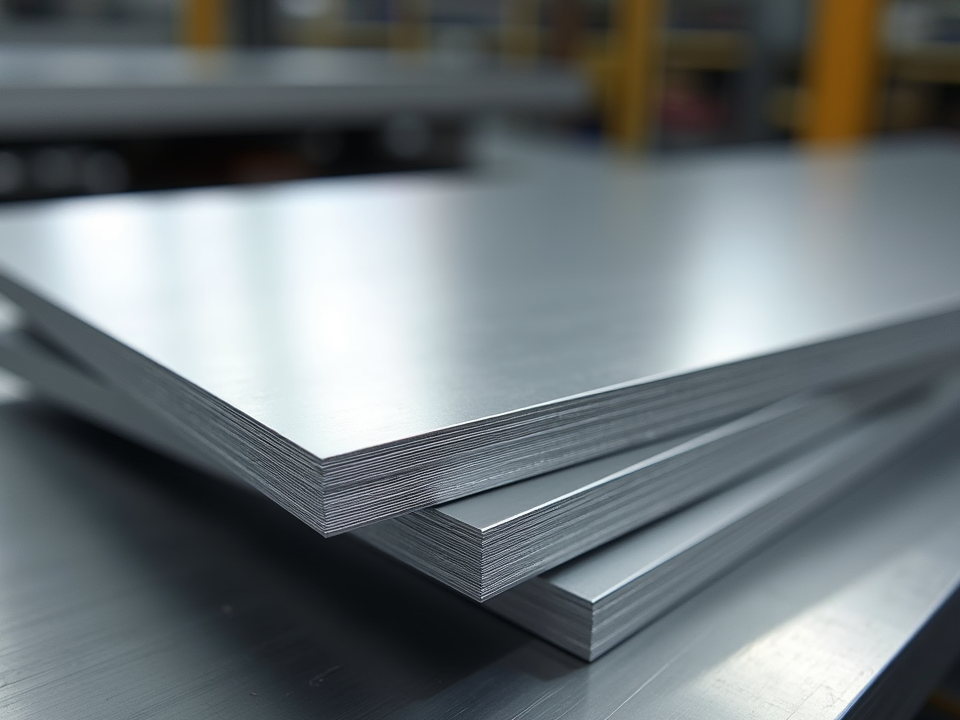
Printing Press CTP Aluminum Sheet
Printing press CTP aluminum sheet is the precision-engineered base material used to produce computer-to-plate systems for modern offset printing. It combines a high-purity aluminum substrate, controlled electrochemical graining, anodizing treatment, and a light-sensitive coating. The resulting plate transfers digital page data directly from a CTP imager to the printing press, supporting sharp dots, stable ink-water balance, and efficient press startup.
For commercial printers, newspaper plants, packaging converters, and publication houses, plate consistency affects every stage of production. A dependable CTP aluminum sheet helps reduce plate remakes, minimizes waste during make-ready, and keeps image quality steady from the first printed sheet to the final run.
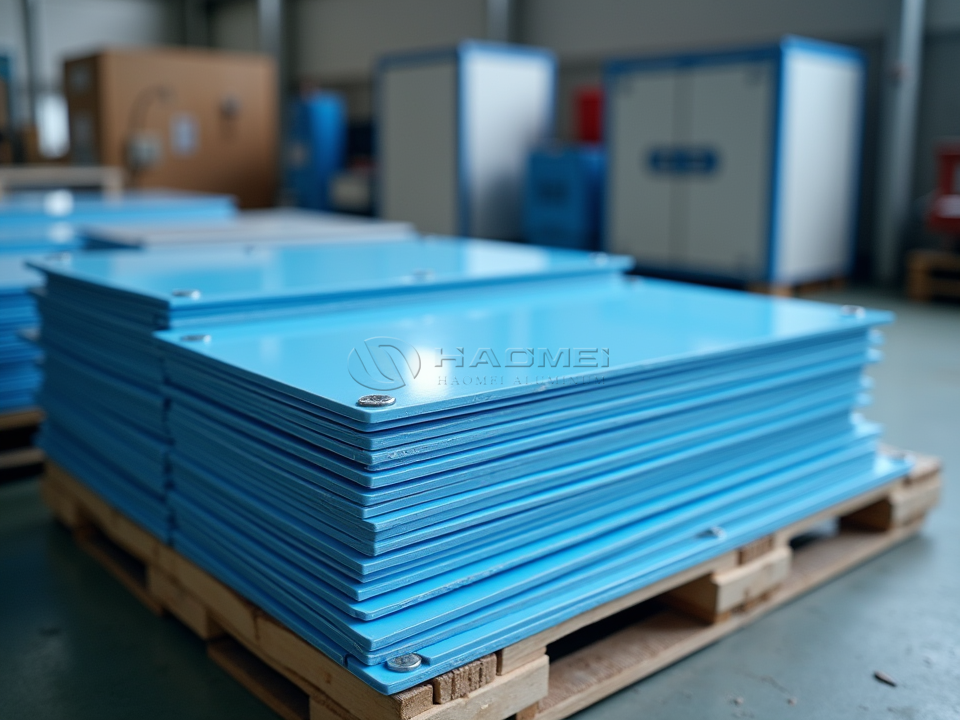
Material Structure and Working Principle
A printing press CTP aluminum sheet is not simply flat metal. Its performance comes from a layered construction in which every surface condition has a purpose.
The aluminum substrate provides dimensional stability and mechanical strength. Electrochemical graining creates a controlled microscopic texture that improves water retention in non-image areas. An anodized oxide layer strengthens corrosion resistance and gives the coating a durable anchoring surface. The photosensitive coating reacts to laser exposure, forming image and non-image regions suitable for offset printing.
During plate imaging, a thermal or violet laser records the digital image onto the coated surface. Depending on plate chemistry, exposed or unexposed coating sections are removed during development or on-press processing. The image areas accept ink, while the hydrophilic background accepts fountain solution and resists ink. This controlled separation is essential for clean highlights, fine text, smooth gradients, and stable solids.
Typical Technical Parameters
The exact specification should match the CTP device, press format, run length, and ink system. Common ranges for printing press CTP aluminum sheet are shown here.
| Parameter | Typical Range or Option | Production Value |
|---|---|---|
| Aluminum alloy substrate | AA1050, AA1060, AA1070 | High purity and good electrochemical treatment response |
| Plate thickness | 0.15 mm to 0.40 mm | Selected according to press format and clamping system |
| Standard thicknesses | 0.15, 0.20, 0.24, 0.27, 0.30 mm | Widely used for web and sheet-fed presses |
| Width | Customized | Compatible with plate setter and press requirements |
| Length | Customized | Supports various commercial and newspaper formats |
| Surface treatment | Electrochemical graining and anodizing | Improves hydrophilicity and coating adhesion |
| Imaging systems | Thermal 830 nm or violet 405 nm | Matches mainstream CTP equipment |
| Coating type | Positive, negative, processless, UV, low chemistry | Chosen for workflow and print conditions |
| Resolution capability | Up to 2400 dpi or higher | Supports fine screen rulings and detailed graphics |
| Run length | From short runs to extended runs | Depends on plate type, inks, paper, and baking process |
Typical Chemical Composition of the Aluminum Substrate
High-purity aluminum is preferred because it delivers uniform graining, consistent anodizing, and reliable flatness. The chemistry may vary by alloy grade and production standard, but the following values are commonly associated with CTP plate substrate materials.
| Element | Typical Content for AA1050/AA1060 Substrate | Function in Plate Production |
|---|---|---|
| Aluminum, Al | 99.50% minimum | Provides ductility, corrosion resistance, and process stability |
| Silicon, Si | 0.25% maximum | Controlled to maintain uniform surface treatment |
| Iron, Fe | 0.40% maximum | Maintains mechanical properties within suitable limits |
| Copper, Cu | 0.05% maximum | Low level supports corrosion performance |
| Manganese, Mn | 0.05% maximum | Controlled to avoid uneven electrochemical response |
| Magnesium, Mg | 0.05% maximum | Kept low for consistent graining and anodizing |
| Zinc, Zn | 0.07% maximum | Limited to preserve substrate uniformity |
| Other elements | 0.03% each maximum | Strictly controlled for stable plate quality |
Performance Features That Matter on Press
Stable Flatness and Accurate Registration
CTP plates must remain flat through cutting, punching, imaging, developing, mounting, and printing. Good flatness helps the plate seat correctly on the cylinder, reduces registration variation, and supports repeatable multicolor work. This is especially important for packaging graphics, fine line work, and high-resolution commercial materials.
Fine Grain for Ink-Water Balance
The grained and anodized surface holds fountain solution evenly in non-image areas. This supports a fast and stable ink-water balance, helping printers reduce scumming, toning, and excessive ink adjustment. A well-prepared substrate also contributes to cleaner highlight dots and better shadow detail.
Strong Coating Adhesion
The anodic layer creates a stable foundation for photosensitive coatings. Reliable adhesion protects the image during development and during long press runs. It also helps preserve image edges when printing with demanding inks, alcohol-reduced fountain solutions, or abrasive paper stocks.
Consistent Imaging Response
Uniform coating weight and substrate treatment enable even laser sensitivity across the plate. This matters when imaging detailed raster graphics, small reverse text, QR codes, security elements, and fine halftone screens. Consistent response reduces variation between plates from the same job and supports predictable color control.
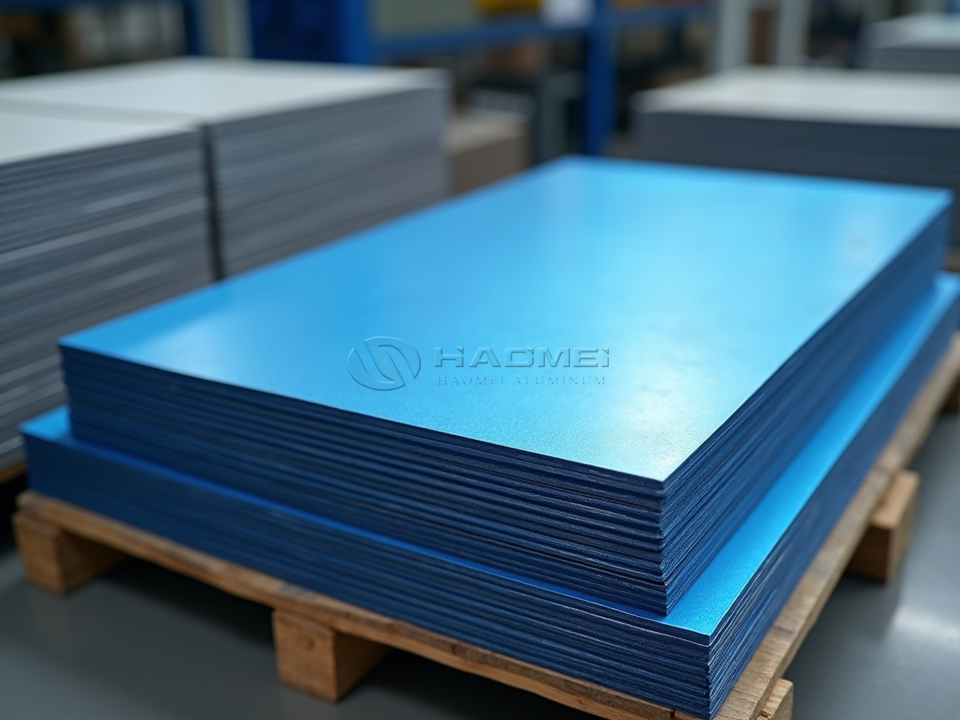
Available Plate Technologies
The choice of coating technology should reflect the plant's imaging equipment, chemistry controls, environmental targets, and required run length.
A Thermal CTP Plate is widely used in commercial offset printing because thermal imaging offers strong process tolerance and excellent reproduction of fine details. Positive thermal plates are common for general commercial work, while negative thermal plates are often selected for longer runs, UV inks, and more demanding press conditions.
Violet plates are designed for violet laser CTP systems and can provide rapid imaging speeds, making them suitable for time-sensitive newspaper and publication workflows. Processless and low-chemistry plates reduce processor requirements, chemistry consumption, and cleaning workload. UV-capable plate constructions are appropriate where UV inks, UV varnishes, or high-abrasion print conditions are involved.
For longer production schedules and challenging applications, a Long Run Thermal CTP Plate can provide enhanced image durability, particularly when paired with suitable baking procedures and controlled press conditions.
Applications Across the Printing Industry
Printing press CTP aluminum sheet supports a broad range of offset printing operations. In commercial printing, it is used for brochures, catalogs, annual reports, books, magazines, leaflets, direct-mail pieces, and retail promotional materials. Its fine imaging capability suits jobs where brand colors, photographic detail, and readable small type are important.
Newspaper printers value fast plate production, consistent dot reproduction, and reliable behavior during high-speed web press operation. Violet and processless plate systems can be particularly suitable when deadlines are tight and plate throughput is high.
In packaging and label printing, CTP aluminum sheets support cartons, paperboard packaging, hang tags, inserts, premium labels, and decorative print surfaces. These jobs often require dense solids, clean reverses, accurate registration, and resistance to special inks or coatings. Appropriate thermal or UV plate selection helps maintain image integrity under these demanding conditions.
Book printers and educational publishers use CTP plates for text-heavy pages, line art, maps, monochrome content, and color signatures. Accurate plate imaging helps keep fine serif fonts crisp and supports efficient repeat production over multiple editions.
Selection and Handling Guidance
Choose plate thickness according to the press manufacturer's recommendation. Smaller formats may use thinner plates, while large-format sheet-fed presses and web presses frequently require thicker material for dependable mounting and handling. Confirm the plate setter wavelength, plate sensitivity, processor compatibility, punch requirements, and maximum press run before selecting a coating type.
Store CTP aluminum sheets in a clean, dry environment away from direct sunlight, high temperature, and excessive humidity. Plates should remain in their original packaging until needed. Handle edges carefully, avoid fingerprints on the coated side, and use clean gloves where practical. Proper storage and handling preserve coating sensitivity and reduce the risk of scratches or oxidation-related defects.
A well-made printing press CTP aluminum sheet forms the dependable bridge between digital prepress files and high-quality offset output. With a controlled aluminum substrate, uniform surface treatment, suitable coating chemistry, and correct press matching, it delivers reliable imaging, efficient production, and professional print results across many market segments.