Conventional PS Aluminum Plate
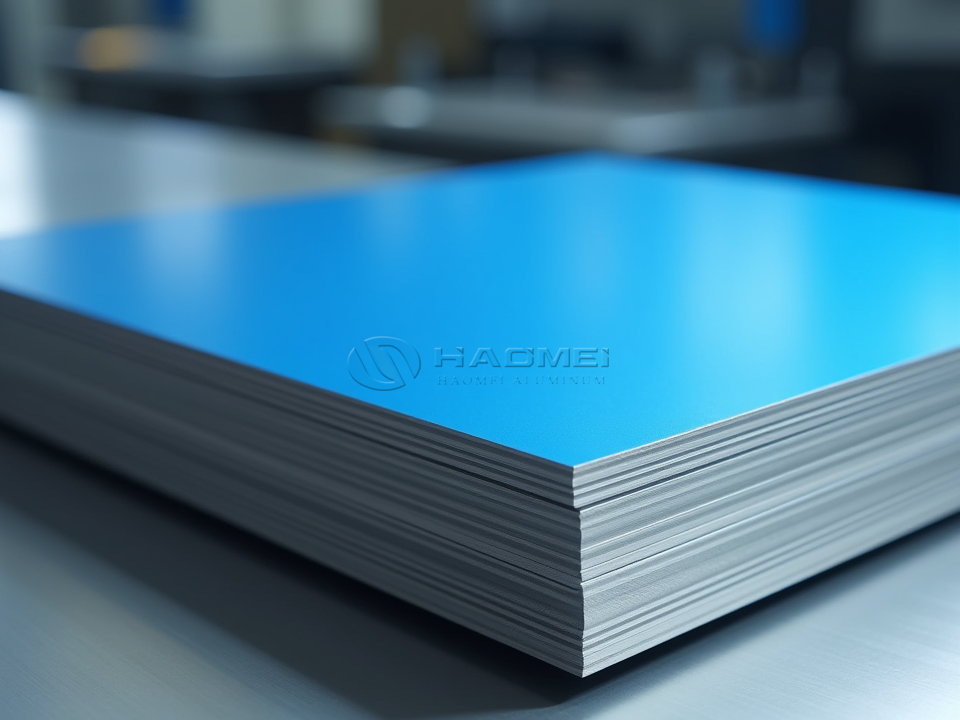
Conventional PS aluminum plate is more than a thin aluminum sheet with a light-sensitive coating. It is the stable working foundation that allows an offset press to separate image areas from non-image areas, control ink-water balance, and reproduce fine graphic detail consistently. PS means pre-sensitized: the plate arrives with an aluminum substrate that has already been surface-treated and coated for conventional film exposure.
Although digital plate technologies continue to grow, conventional PS aluminum plate remains valuable where film-based workflows, dependable plate processing, controlled production cost, and repeatable short-to-medium print runs are required. Its performance is determined not only by the photosensitive layer, but also by the metallurgy, temper, grain structure, gauge tolerance, surface cleanliness, and flatness of the aluminum base.
How the Plate Functions on an Offset Press
A conventional PS aluminum plate works through a carefully engineered contrast between hydrophilic and oleophilic regions. During plate making, a film positive is placed on the coated surface and exposed to UV light. Depending on the plate chemistry, exposed or unexposed coating areas are removed during development. The finished image areas accept greasy printing ink, while the anodized aluminum background retains fountain solution and resists ink.
The aluminum sheet has an active role in this process. Its electrochemically grained surface creates microscopic valleys that improve water retention. Subsequent anodizing forms a durable aluminum oxide layer, increasing corrosion resistance and providing a secure anchor for the photosensitive coating. This surface architecture is what helps a plate maintain a stable ink-water balance during printing.
From a production viewpoint, conventional PS plate is a mechanical and chemical control system. A plate with uneven roughness may hold water inconsistently. A substrate with poor flatness may create mounting difficulties. Excessive impurities can affect anodizing quality. Therefore, the best plate is not simply bright or smooth; it is metallurgically consistent and engineered for predictable behavior on press.
Aluminum Alloy and Temper Conditions
The preferred substrate for conventional PS aluminum plate is usually high-purity 1xxx-series aluminum alloy. Common choices include AA 1050A, AA 1060, and in some applications AA 1100. These alloys provide excellent corrosion resistance, high formability, reliable electrochemical graining behavior, and sufficient strength after cold rolling.
Temper is generally H18 or H19. These tempers indicate strain-hardened material, which provides the rigidity required for plate handling, punching, bending, mounting, and high-speed press rotation. H18 is often selected for a balance between strength and workable processing characteristics. H19 can be used where higher stiffness is preferred, particularly for thinner gauges or demanding press conditions.
| Chemical element | AA 1050A typical limit, % by weight | AA 1060 typical limit, % by weight |
|---|---|---|
| Aluminum, Al | 99.50 min | 99.60 min |
| Silicon, Si | 0.25 max | 0.25 max |
| Iron, Fe | 0.40 max | 0.35 max |
| Copper, Cu | 0.05 max | 0.05 max |
| Manganese, Mn | 0.05 max | 0.03 max |
| Magnesium, Mg | 0.05 max | 0.03 max |
| Zinc, Zn | 0.07 max | 0.05 max |
| Titanium, Ti | 0.05 max | 0.03 max |
| Other elements, each | 0.03 max | 0.03 max |
| Other elements, total | 0.10 max | 0.10 max |
Exact chemistry should be confirmed against the selected alloy specification and mill certificate. High aluminum content is particularly important because it supports uniform anodic oxidation and minimizes the risk of surface defects that may affect coating adhesion or print quality.
Typical Product Parameters
Conventional PS aluminum plate can be supplied in coils, sheets, or finished plate sizes. Final dimensions are normally matched to the printing press, plate processor, and punching equipment. Common commercial parameters are shown here.
| Parameter | Typical range or condition |
|---|---|
| Base alloy | AA 1050A, AA 1060, AA 1100 |
| Temper | H18, H19 |
| Thickness | 0.14 mm to 0.40 mm |
| Common gauges | 0.15 mm, 0.20 mm, 0.25 mm, 0.30 mm |
| Width | Up to approximately 1,600 mm, subject to equipment capability |
| Length | Cut to press-specific plate size |
| Surface treatment | Electrochemical graining and anodizing |
| Coating type | Positive-working or negative-working photosensitive coating |
| Surface appearance | Clean, stain-free, scratch-free, uniformly coated |
| Packaging | Interleaved, moisture-protected, light-protected cartons or pallets |
For medium commercial printing, 0.20 mm and 0.30 mm plates are frequently chosen because they combine handling strength with practical processing. Thinner material can reduce cost and plate weight, while thicker gauges may offer improved rigidity for larger formats and longer production cycles.
Standards and Quality Control Conditions
The raw aluminum substrate is commonly produced in reference to standards such as ASTM B209 for aluminum and aluminum-alloy sheet, and EN 485 requirements for tolerances and mechanical properties of rolled aluminum products. Alloy composition is generally controlled according to recognized Aluminum Association or EN alloy designations.
For PS plate production, the final acceptance requirements go beyond base-metal standards. Suppliers inspect thickness tolerance, width tolerance, flatness, edge condition, coil shape, surface cleanliness, coating weight, coating uniformity, anodic layer quality, photosensitivity, developing latitude, and storage stability. These controls influence whether the plate produces sharp dots, clean non-image areas, and steady press performance.
An important detail is the relationship between grain and coating. A rougher grain may improve water-carrying ability, but excessive roughness can reduce highlight reproduction or increase coating consumption. A grain that is too fine may limit water retention. The desired surface is a controlled microtexture, designed to support both imaging precision and press durability.
Applications That Still Depend on Conventional PS Plates
Conventional PS aluminum plate is widely used in commercial offset printing plants that operate with film workflows. Typical applications include books, educational materials, product catalogs, brochures, posters, packaging inserts, manuals, forms, labels, and local advertising materials. It is also practical for facilities where conventional exposure frames and plate processors are already installed and operating efficiently.
For printers transitioning between analog and digital workflows, PS plate remains a familiar reference point. It can be compared with an Aluminium CTP Plate, which is directly imaged by a computer-to-plate device rather than by film exposure. The substrate principles remain closely related: both require controlled alloy chemistry, stable temper, accurate gauge, and a surface engineered for imaging performance.
In operations focused on long print runs or high automation, a Thermal CTP Plate may be considered for digital imaging compatibility. Yet conventional PS aluminum plate continues to offer a practical route where analog prepress systems are retained, replacement plates must be readily processed, and press crews value established exposure and development routines.
Handling Practices That Protect Plate Performance
PS plates should be stored in a cool, dry area away from direct light, high humidity, chemical vapors, and large temperature changes. The coated face must not be touched with bare hands because fingerprints can interfere with exposure or development. Plates should remain in their original light-protective packaging until they are needed.
During transport and loading, edge damage, bending, scratches, and pressure marks should be avoided. Even a small defect can become visible as a print flaw after exposure and development. Clean processing chemistry, controlled developer temperature, correct replenishment, and proper exposure calibration are equally important. A premium aluminum substrate can only show its full value when plate-room conditions are disciplined.
Conventional PS aluminum plate remains a dependable material for offset printing because its surface is designed to perform a precise task repeatedly: hold water where ink must be rejected, carry ink where the image must print, and remain dimensionally stable throughout the press run. The right alloy, H18 or H19 temper, surface treatment, and quality controls turn aluminum sheet into a highly responsive imaging platform.