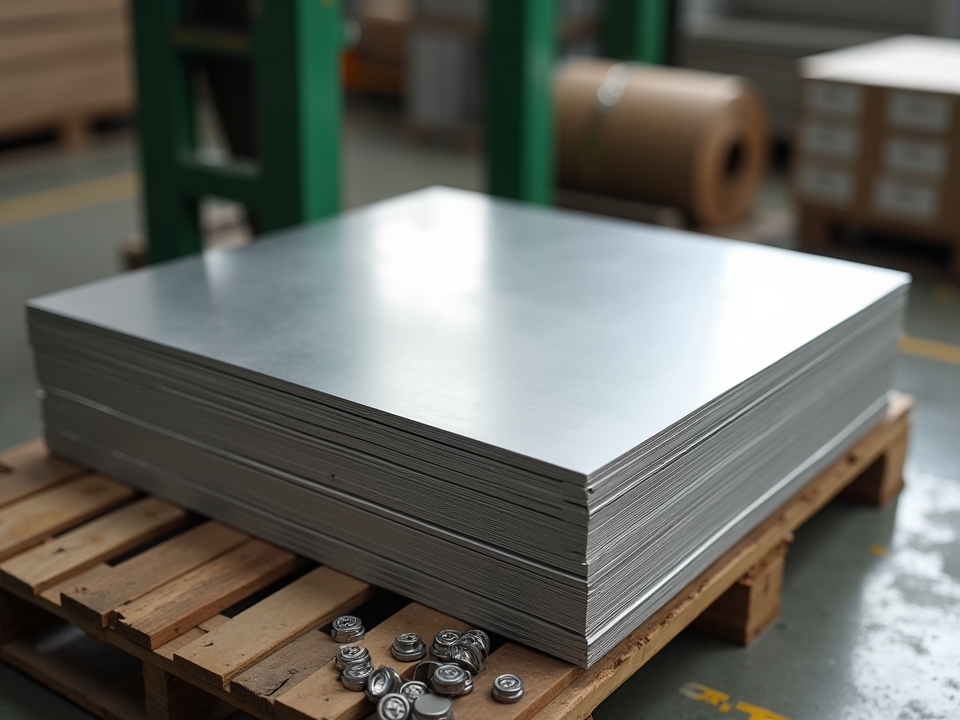
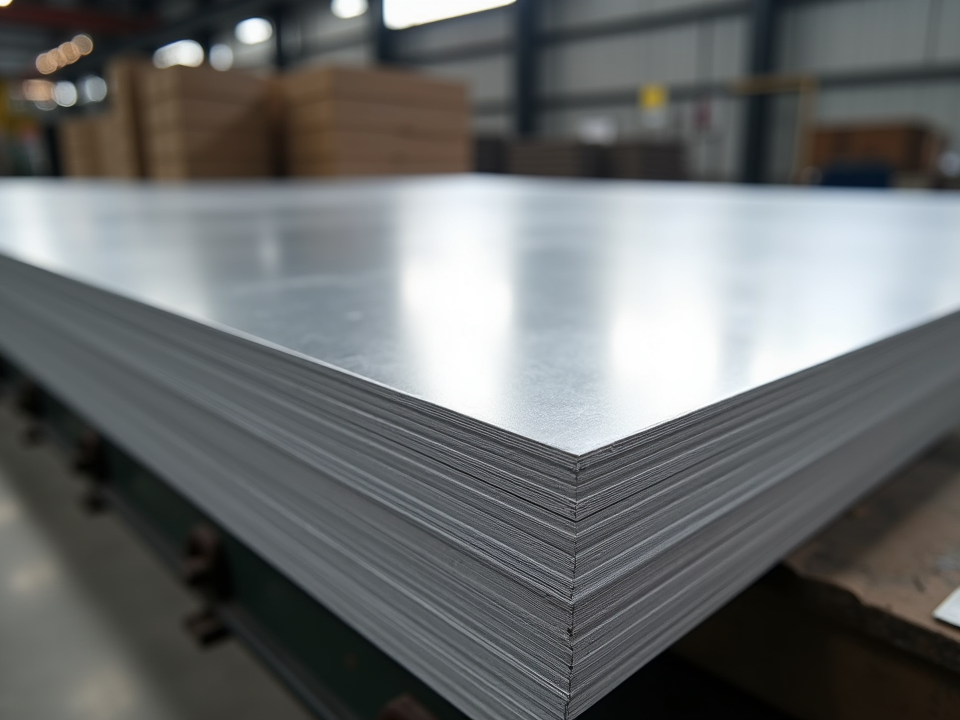
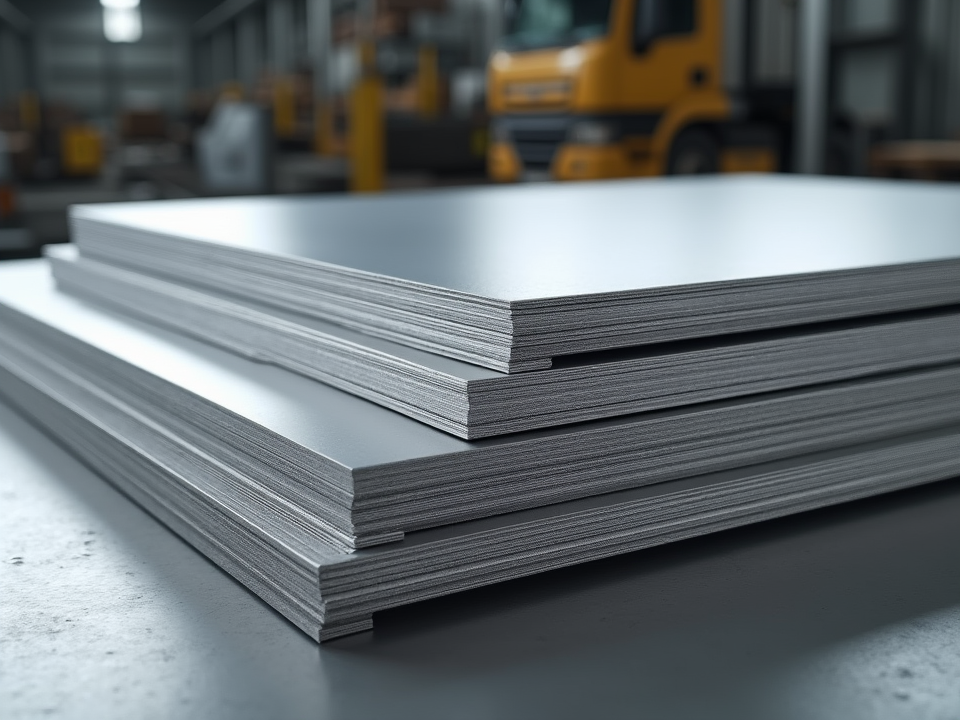
UV Ink Resistant CTP Aluminum Plate
UV printing changes the working environment of an offset plate. The plate is no longer only expected to reproduce fine dots and hold a clean background. It must also remain stable when exposed to high-tack UV inks, reactive ink components, dedicated wash solutions, repeated blanket cleaning, and demanding production schedules.
A UV ink resistant CTP aluminum plate should be viewed as the chemical boundary between prepress precision and pressroom reality. Its job is not simply to carry an image. It must preserve the difference between ink-receptive image areas and water-receptive non-image areas throughout the run. When that balance holds, printers gain cleaner solids, sharper screens, less tinting, and fewer interruptions caused by premature plate wear.
Why UV Ink Creates a Different Plate Challenge
Conventional inks gradually set through absorption, oxidation, or both. UV inks are formulated differently. They remain reactive until cured by ultraviolet energy after printing, and they often have rheology and chemical behavior that place greater stress on plates, rollers, blankets, and wash-up systems.
The pressure on the plate does not come from UV light alone. In many offset configurations, curing takes place after the sheet leaves the printing nip. The more practical concern is the combination of UV ink chemistry, frequent cleaning, demanding fountain balance, and the need for high-density color on non-absorbent materials such as plastic sheets, metallized board, labels, and coated packaging stock.
If the plate coating is not designed for this environment, the press may show gradual background scumming, loss of highlight dots, weakened solid areas, or reduced run length. These issues can look like ink-water imbalance at first, but the root cause may be insufficient resistance in the plate's image layer or hydrophilic surface treatment.
The Aluminum Base Does More Than Provide Stiffness
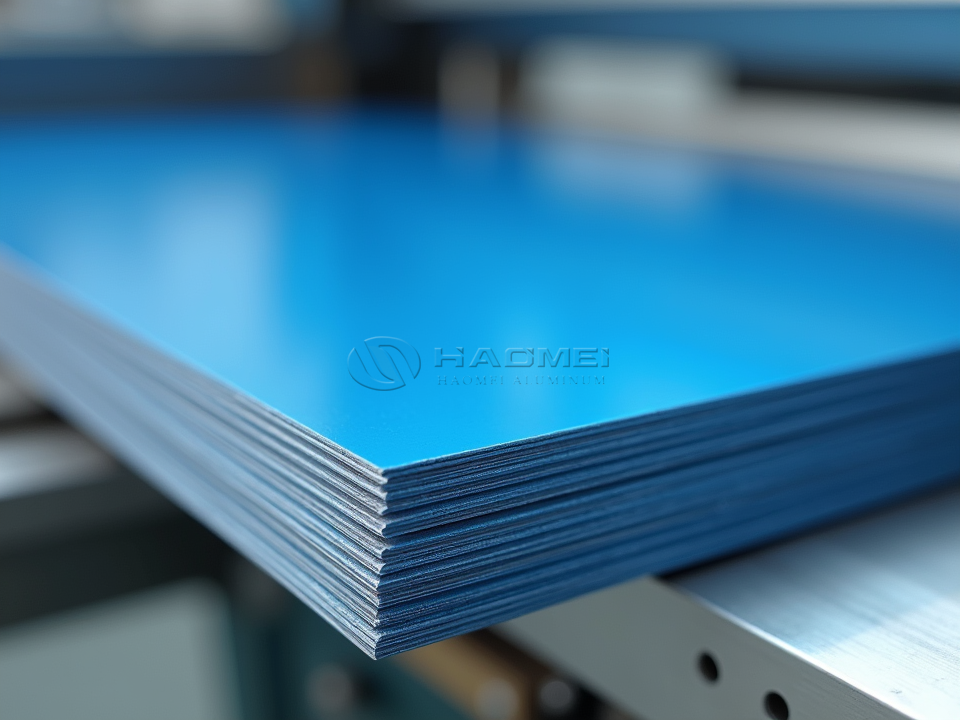
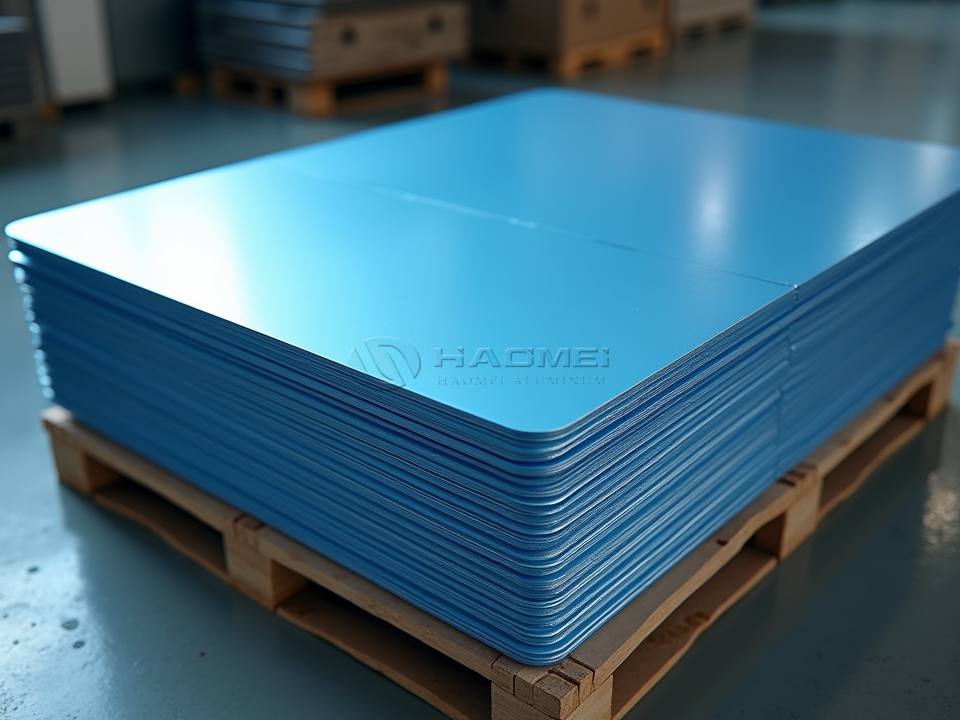
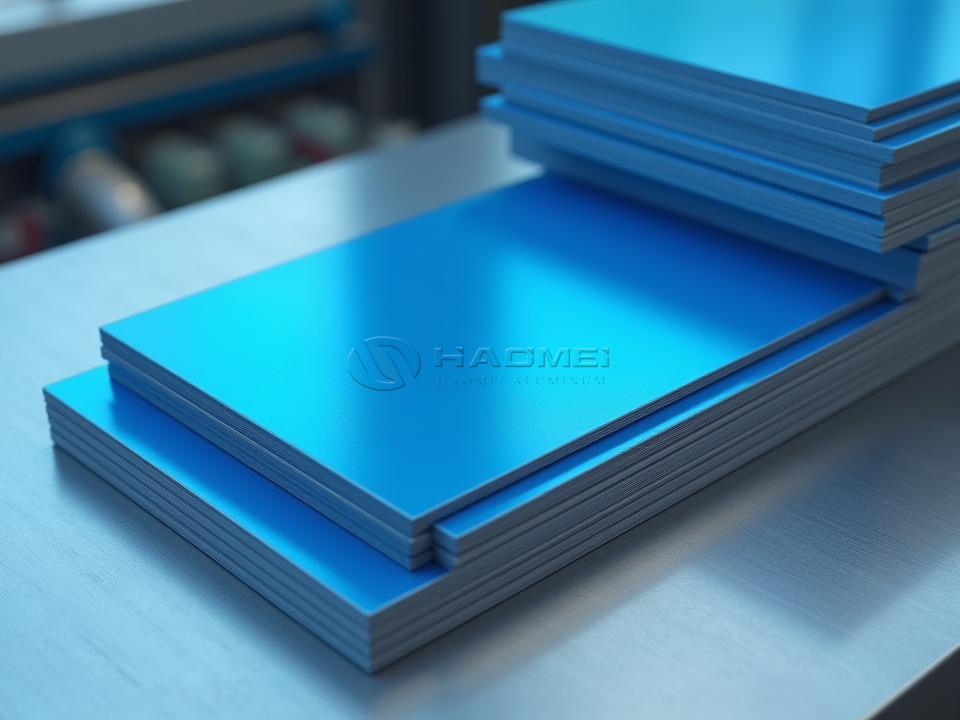
The aluminum substrate is the quiet structural element behind plate performance. A well-made UV ink resistant CTP aluminum plate generally uses a carefully controlled aluminum alloy base that is mechanically grained, electrochemically grained, anodized, and treated to create a stable hydrophilic surface.
Graining provides a microscopic texture that helps retain fountain solution evenly. Anodizing strengthens the oxide layer and improves corrosion resistance. Surface treatment supports water acceptance in non-image areas, helping the plate reject ink where no image should print.
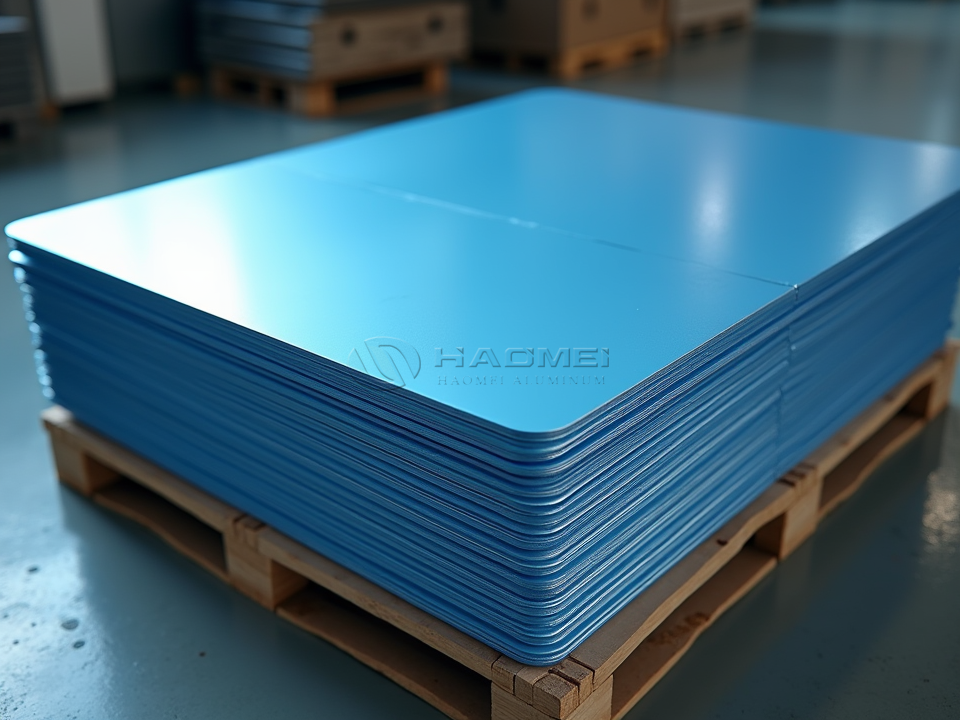
This layered construction matters because UV printing can expose weak spots rapidly. If the anodic layer is inconsistent, the plate may lose water receptivity in localized areas. If the coating bond is weak, image regions can wear during long runs or repeated wash cycles. Reliable Aluminium CTP Plate construction gives the photosensitive layer a more stable platform, which supports predictable behavior from plate loading through final impressions.
Coating Resistance Is About Image Survival
The photosensitive coating is where digital data becomes a printable image. After laser imaging and processing, exposed or unexposed regions are removed according to the plate chemistry, leaving durable image areas that accept ink.
For UV applications, image durability should be evaluated through more than a quoted run length. A plate may perform well on ordinary paper jobs but deteriorate faster under UV ink and specialized wash conditions. A more useful question is whether the imaging layer keeps its ink affinity, edge definition, and adhesion after continuous contact with the actual inks and cleaners used in production.
A suitable plate should help maintain:
- Fine positive and reverse text without edge erosion
- Stable halftone dots in highlights and midtones
- Dense solid color areas without early breakdown
- Clean non-image areas with controlled fountain solution use
- Consistent print quality after wash-up or short production stops
The most valuable resistance is not merely a laboratory specification. It is stable behavior during the interruptions, speed changes, cleaning cycles, and material changes that occur on a real press floor.
Do Not Confuse UV Ink Resistance With UV Imaging Sensitivity
The term UV can describe two different parts of the process. One meaning refers to the ink system used on press. The other refers to the wavelength used to image a plate in prepress. These are related only in the sense that both may be present in a UV printing workflow.
A plate designed to resist UV ink chemistry is selected for press durability. A UV-CTP Plate is selected according to the spectral output of the CTP imaging device, commonly in the UV or violet range depending on plate technology. A printer should confirm both requirements rather than assuming that any UV-imaged plate automatically offers the desired resistance to UV inks.
The practical purchasing discussion should include the plate setter type, laser wavelength, processor conditions, developer chemistry, press model, ink brand, cleaning solution, substrate, expected run length, and quality target. This information prevents a costly mismatch between the prepress workflow and press conditions.
Signs That Plate Resistance Is Not Sufficient
Plate-related problems often develop gradually, especially when a conventional plate is introduced into a UV job without a full compatibility check. Watch for changes that repeat across jobs using the same ink and wash system.
Early signs can include increasing fountain solution demand, background contamination in non-image areas, disappearing highlight dots, weakened fine lines, or a need to stop the press for cleaning more often than normal. In severe cases, image areas appear polished or worn before the planned run is complete.
Before blaming the plate, confirm roller settings, ink temperature, fountain solution conductivity, blanket condition, plate exposure, development settings, and wash-up product compatibility. UV inks can magnify problems elsewhere in the press. Still, if all operating conditions are stable and the same defect appears at a similar point in every run, plate durability deserves close attention.
Matching the Plate to the Production Goal
A UV ink resistant CTP aluminum plate is especially valuable for packaging, premium commercial work, labels, plastic cards, coated board, and other jobs where dense color and crisp graphic detail matter. It can also support printers moving from conventional inks to UV or LED-UV systems, where the pressroom needs dependable plate behavior while other variables are being optimized.
For shorter jobs, the focus may be fast imaging, clean development, and low start-up waste. For longer work, resistance to wear and wash chemicals becomes more important. High-resolution packaging graphics demand dependable dot retention, while large solid designs require strong image-layer integrity. The right plate is therefore selected according to the job's failure risk, not just its sheet count.
Handling Practices That Protect Plate Performance
Even a durable plate can lose performance through poor handling. Store plates in a cool, dry area away from direct light and chemical vapors. Avoid fingerprints on the coating, scratches on the edges, and prolonged exposure to unsuitable cleaners. Use the recommended processing conditions, because overdevelopment or weak replenishment can reduce the strength of the final image.
On press, begin with the ink and fountain solution settings advised for the plate and UV ink system. Avoid using aggressive wash products without confirming compatibility. When switching from conventional ink to UV ink, clean rollers, blankets, and circulation components thoroughly so that residues do not create misleading plate-performance problems.
A dependable UV ink resistant CTP aluminum plate turns resistance into production confidence. It helps the press maintain the clean separation between water and ink that offset printing depends on, even when the job involves demanding inks, high-value substrates, and strict visual standards.